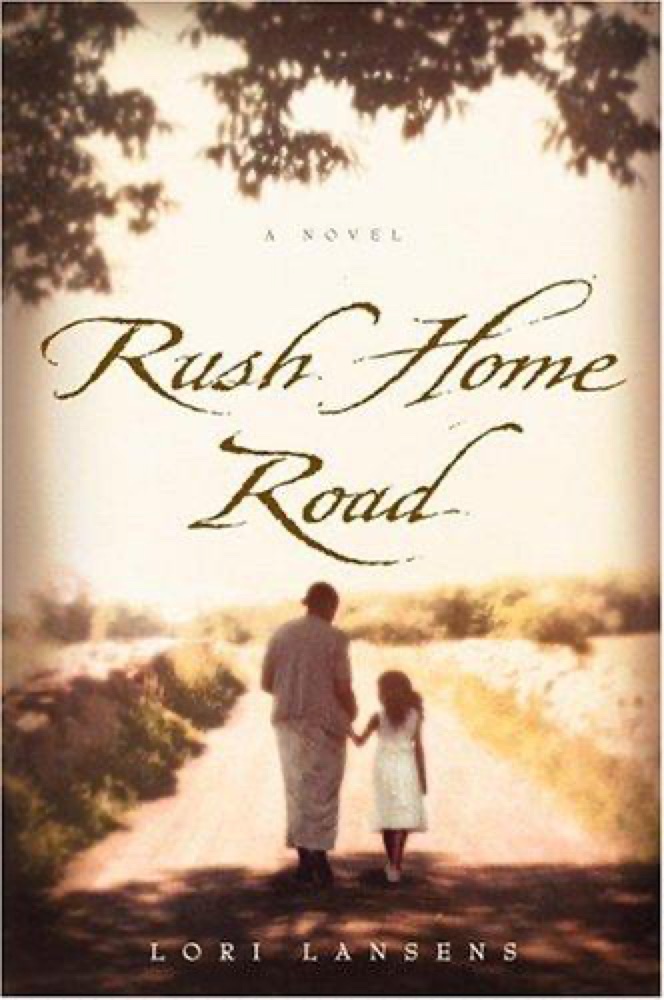

“the only thing left to do is love”
― Lori Lansens, quote from Rush Home Road
“Remy didn't suggest an ounce of discourtesy, but only had a different way of talking. It's something Chester'd learned, how a person's words did not always disclose the intention of his heart. He'd been called fine things by people who feared and loathed him, and slanderous things by people who thought well on him but were ignorant.”
― Lori Lansens, quote from Rush Home Road
“...AND ALL THE OTHER SOULS WHO GOT LEFT AND CURSED BY THOSE THAT SHOULD HAVE LOVED AND CARED.”
― Lori Lansens, quote from Rush Home Road
“Wake in bed and know, because dreams are not true, that the sun will be shining and it will not storm today.”
― Lori Lansens, quote from Rush Home Road
“I believe it was the Lord...for who else could know your trouble and ours and bring us together in this right way?”
― Lori Lansens, quote from Rush Home Road
“Read it slow as you can. It's like a fine meal. You don't want to gulp it, but savor it so you can taste it in your memory when you're lone done.”
― Lori Lansens, quote from Rush Home Road
“If we meet and I say, "Hi,"
That's a salutation.
If you ask me how I feel,
That's a consideration.
If we stop and talk awhile,
That's a conversation.
If we understand each other,
That's communication.
If we argue, scream and fight,
That's an altercation.
If later we apologize,
That's a reconciliation.
If we help each other home,
That's cooperation.
And all these ations added up
Make civilization.
(And if I say this is a wonderful poem, Is that exaggeration?)”
― Shel Silverstein, quote from A Light in the Attic
“Piper gripped his hand and followed him, “If I fall, you’re catching me.” “Uh, sure.” Jason hoped he wasn’t blushing.
Leo stepped out next. “You’re catching me, too, Superman. But I ain’t holding your hand.”
― Rick Riordan, quote from The Lost Hero
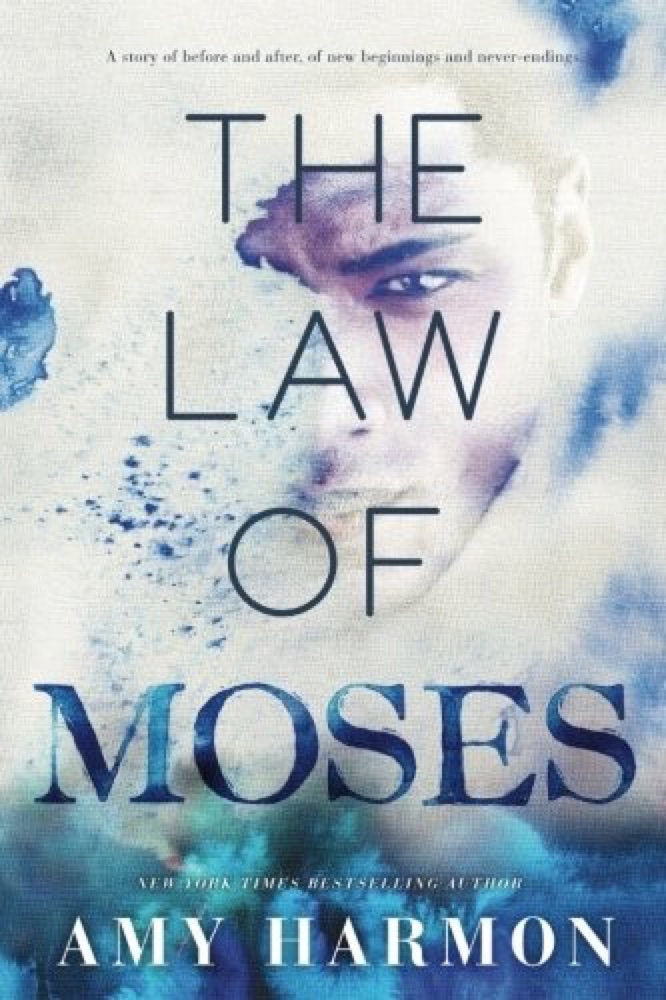
“Before the Law stands a doorkeeper on guard. To this doorkeeper there comes a man from the country who begs for admittance to the Law. But the doorkeeper says that he cannot admit the man at the moment. The man, on reflection, asks if he will be allowed, then, to enter later. 'It is possible,' answers the doorkeeper, 'but not at this moment.' Since the door leading into the Law stands open as usual and the doorkeeper steps to one side, the man bends down to peer through the entrance. When the doorkeeper sees that, he laughs and says: 'If you are so strongly tempted, try to get in without my permission. But note that I am powerful. And I am only the lowest doorkeeper. From hall to hall keepers stand at every door, one more powerful than the other. Even the third of these has an aspect that even I cannot bear to look at.' These are difficulties which the man from the country has not expected to meet, the Law, he thinks, should be accessible to every man and at all times, but when he looks more closely at the doorkeeper in his furred robe, with his huge pointed nose and long, thin, Tartar beard, he decides that he had better wait until he gets permission to enter. The doorkeeper gives him a stool and lets him sit down at the side of the door. There he sits waiting for days and years. He makes many attempts to be allowed in and wearies the doorkeeper with his importunity. The doorkeeper often engages him in brief conversation, asking him about his home and about other matters, but the questions are put quite impersonally, as great men put questions, and always conclude with the statement that the man cannot be allowed to enter yet. The man, who has equipped himself with many things for his journey, parts with all he has, however valuable, in the hope of bribing the doorkeeper. The doorkeeper accepts it all, saying, however, as he takes each gift: 'I take this only to keep you from feeling that you have left something undone.' During all these long years the man watches the doorkeeper almost incessantly. He forgets about the other doorkeepers, and this one seems to him the only barrier between himself and the Law. In the first years he curses his evil fate aloud; later, as he grows old, he only mutters to himself. He grows childish, and since in his prolonged watch he has learned to know even the fleas in the doorkeeper's fur collar, he begs the very fleas to help him and to persuade the doorkeeper to change his mind. Finally his eyes grow dim and he does not know whether the world is really darkening around him or whether his eyes are only deceiving him. But in the darkness he can now perceive a radiance that streams immortally from the door of the Law. Now his life is drawing to a close. Before he dies, all that he has experienced during the whole time of his sojourn condenses in his mind into one question, which he has never yet put to the doorkeeper. He beckons the doorkeeper, since he can no longer raise his stiffening body. The doorkeeper has to bend far down to hear him, for the difference in size between them has increased very much to the man's disadvantage. 'What do you want to know now?' asks the doorkeeper, 'you are insatiable.' 'Everyone strives to attain the Law,' answers the man, 'how does it come about, then, that in all these years no one has come seeking admittance but me?' The doorkeeper perceives that the man is at the end of his strength and that his hearing is failing, so he bellows in his ear: 'No one but you could gain admittance through this door, since this door was intended only for you. I am now going to shut it.”
― Franz Kafka, quote from The Trial
“Being with him made her feel as though her soul had escaped from the narrow confines of her island country into the vast, extravagant spaces of his. He made her feel as though the world belonged to them- as though it lay before them like an opened frog on a dissecting table, begging to be examined.”
― Arundhati Roy, quote from The God of Small Things
“A dog has no use for fancy cars, big homes, or designer clothes. A water logged stick will do just fine. A dog doesn't care if you're rich or poor, clever or dull, smart or dumb. Give him your heart and he'll give you his. How many people can you say that about? How many people can make you feel rare and pure and special? How many people can make you feel extraordinary?”
― John Grogan, quote from Marley and Me: Life and Love With the World's Worst Dog
BookQuoters is a community of passionate readers who enjoy sharing the most meaningful, memorable and interesting quotes from great books. As the world communicates more and more via texts, memes and sound bytes, short but profound quotes from books have become more relevant and important. For some of us a quote becomes a mantra, a goal or a philosophy by which we live. For all of us, quotes are a great way to remember a book and to carry with us the author’s best ideas.
We thoughtfully gather quotes from our favorite books, both classic and current, and choose the ones that are most thought-provoking. Each quote represents a book that is interesting, well written and has potential to enhance the reader’s life. We also accept submissions from our visitors and will select the quotes we feel are most appealing to the BookQuoters community.
Founded in 2023, BookQuoters has quickly become a large and vibrant community of people who share an affinity for books. Books are seen by some as a throwback to a previous world; conversely, gleaning the main ideas of a book via a quote or a quick summary is typical of the Information Age but is a habit disdained by some diehard readers. We feel that we have the best of both worlds at BookQuoters; we read books cover-to-cover but offer you some of the highlights. We hope you’ll join us.