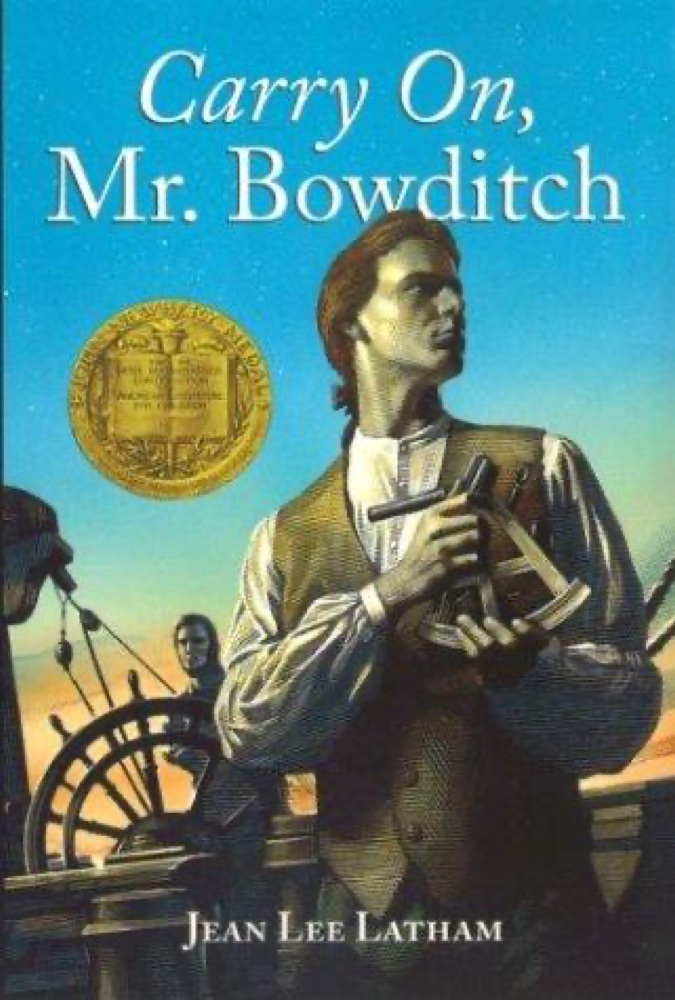

 Nation
Quotes from the Book
It's a simple matter of mathematics.
Behind Nat someone chuckled. Nat turned. Dr. Bentley was looking at him with a twinkle. "Is this a political argument?" Nat shrugged. "No argument at all. Ben's got an article there that talks against the President. I said I didn't want to hear it. I said that sort of thing ought to be stopped." To Nat's amazement, Dr. Bentley shook his head. "No, Nat. We can't have freedom—unless we have freedom." Nat stiffened. "Does that mean right to tell lies?" Dr. Bentley smiled. "It means the right to have our own opinions. Human problems aren't like mathematics, Nat. Every problem doesn't have just one answer; sometimes you get several answers—and you don't know which is the right one.
A strong man sails by ash breeze!
Mother did not answer. She was still gazing up at the sky. After a while she said, "I made up a sort of saying for myself, Nat. I will lift up my eyes unto the stars. Sometimes, if you look at the stars long enough, it helps. It shrinks your day-by-day troubles down to size." She smiled. 'We'd better go back. Granny and Father will be wondering where we are.
We can't have freedom unless we have freedom. And that means freedom to speak our minds.
Watch on YouTube
About Jean Lee Latham
We have collected 5 quotes from 1 book by Jean Lee Latham on BookQuoters.
More about the author →Book details
- Author
- Jean Lee Latham
- Genre
- Classics
- Goodreads rating
- 4.14 (21k ratings) →
Keep reading
Nation
 A Wrinkle in Time
 The Power of One
 Eldest
 Thief of Time
 Harry Potter and the Goblet of Fire
 Memory
 Oathbringer
 Shadow's Edge
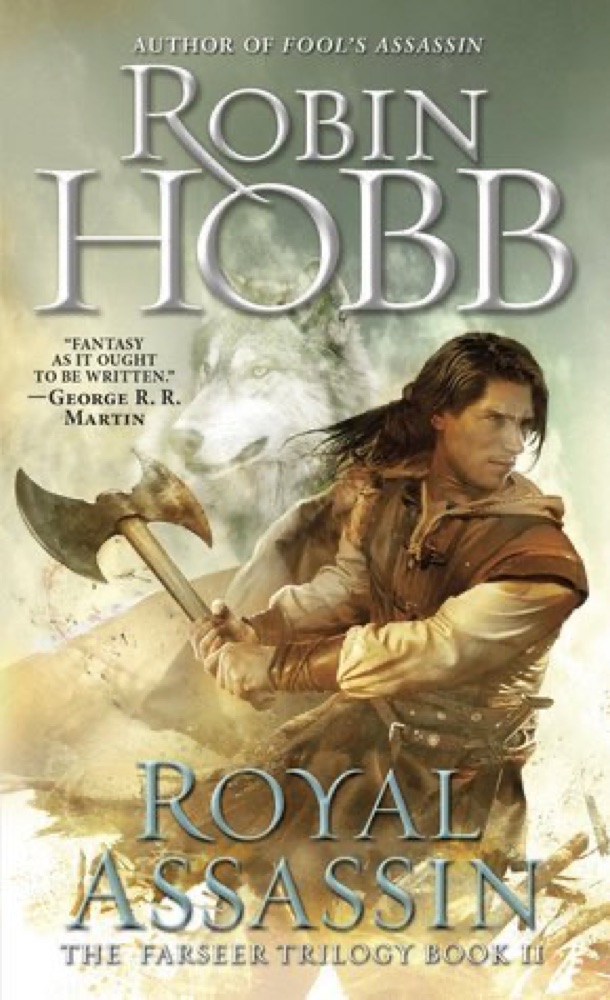 Royal Assassin
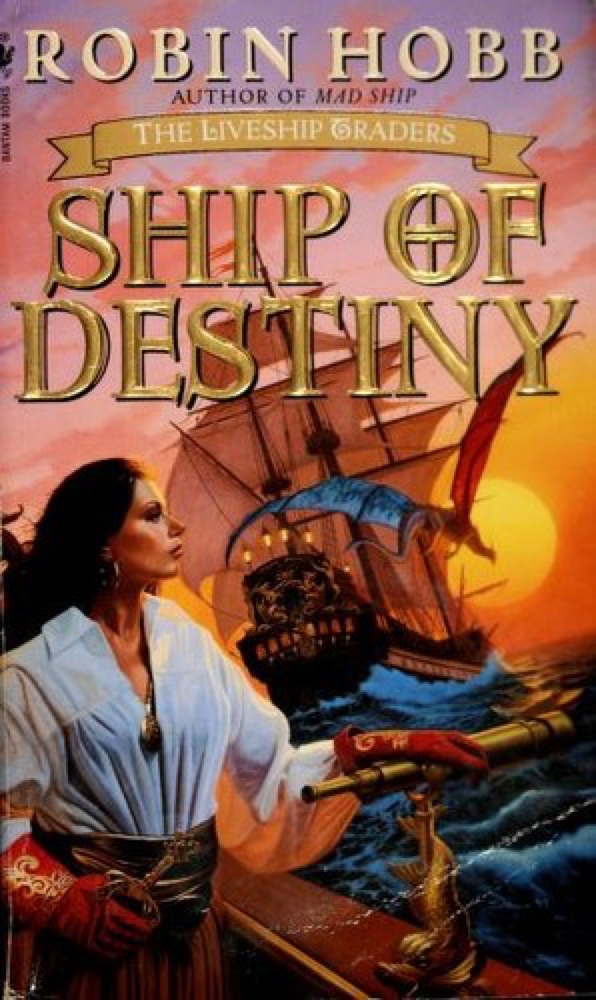 Ship of Destiny
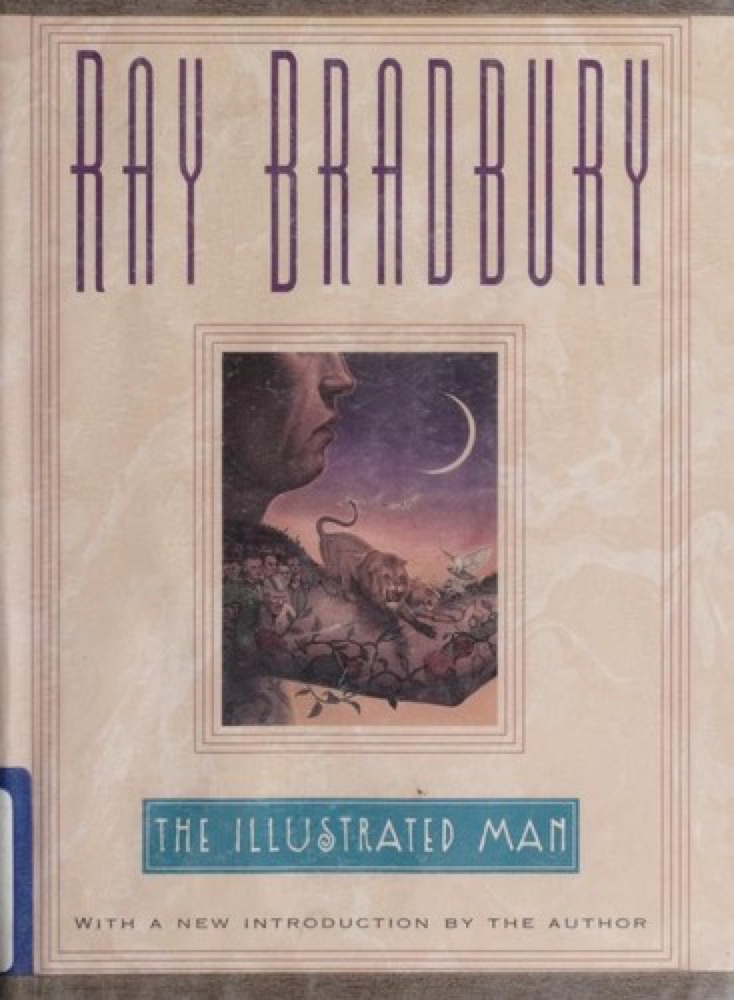 The Illustrated Man
 The Man Who Was Thursday
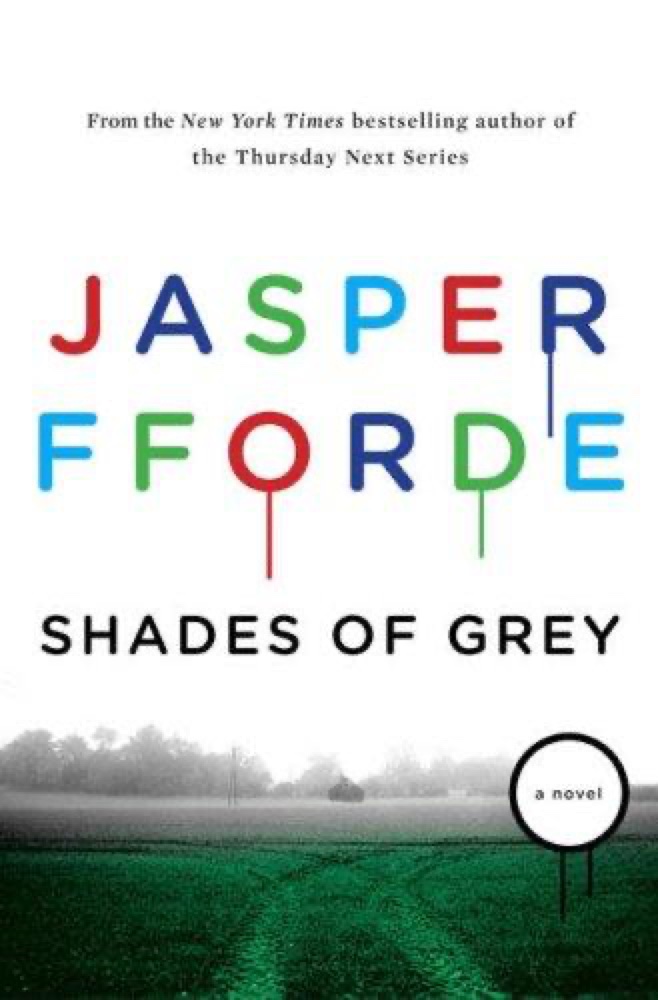 Shades of Grey
 Unwind
 That Hideous Strength
 The Well of Ascension
 The Long Earth
 A Single Man
 Hercule Poirot: The Complete Short Stories
 The Night Gardener
 The Virginian
 Silver on the Tree
 The Blinding Knife
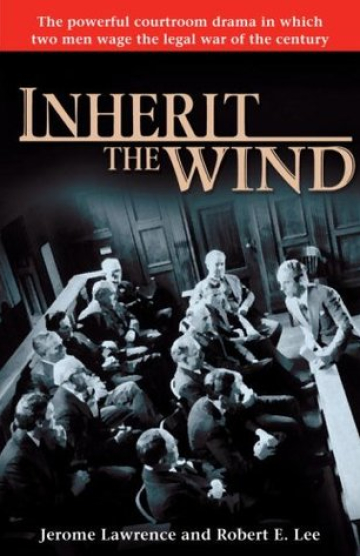 Inherit the Wind
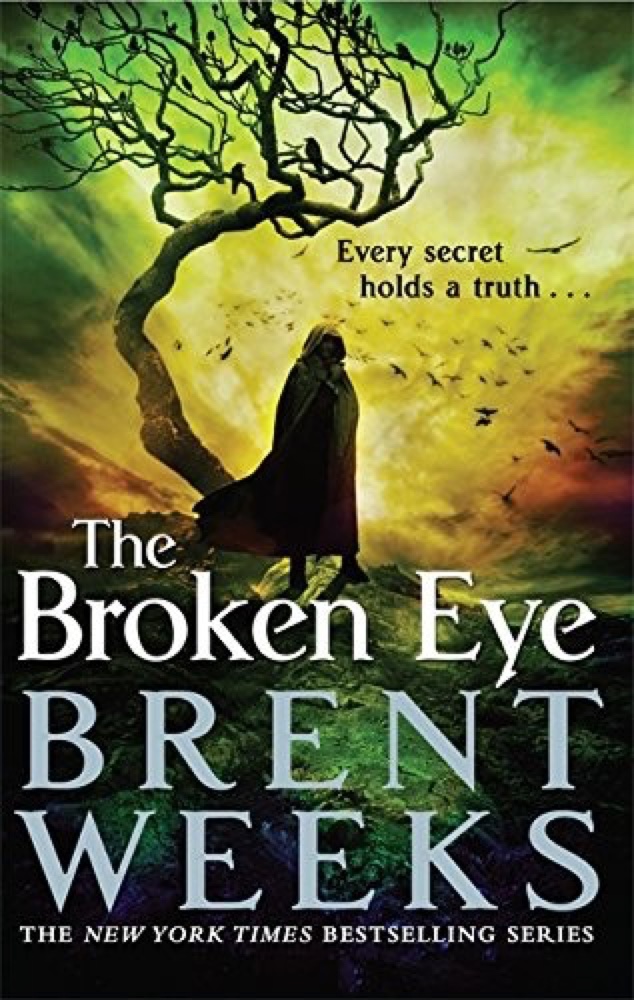 The Broken Eye
 Out of Oz
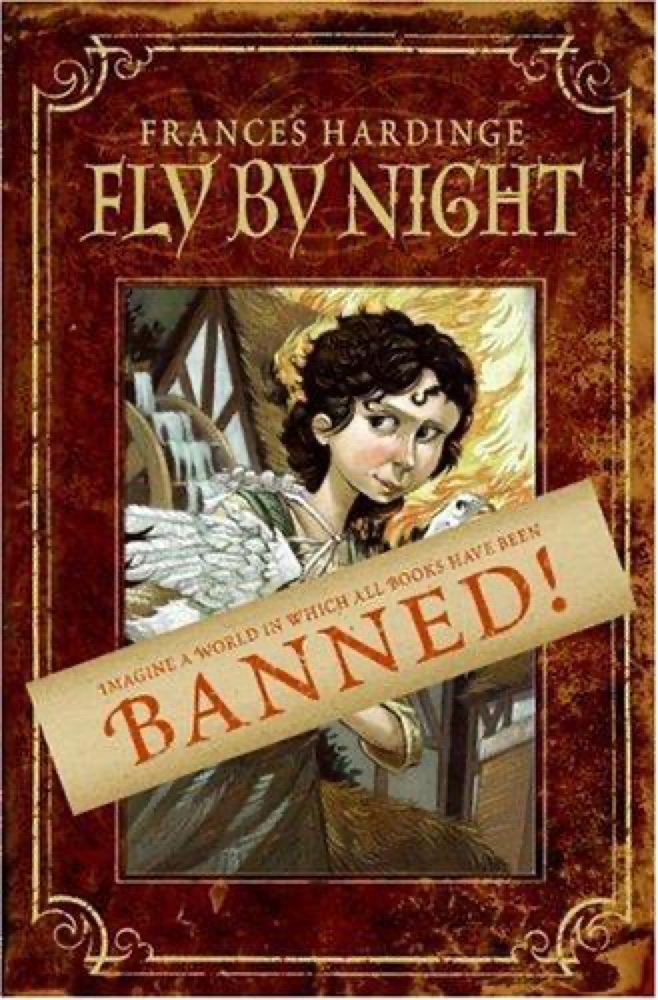 Fly by Night
 New York
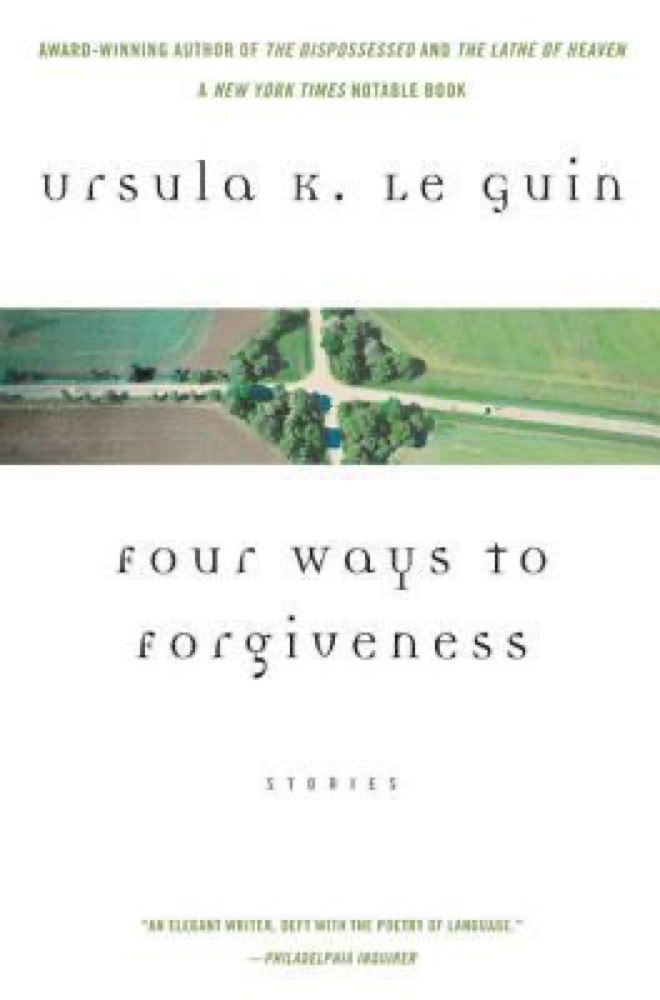 Four Ways to Forgiveness
 The Fork, the Witch, and the Worm: Eragon
 Flight Behavior
 The Bourne Identity
 The Wizard Heir
 The Walking Drum
 The Hands of the Emperor
 The Ask and the Answer
 Light in August
 Wayfarer
 The Knife of Never Letting Go
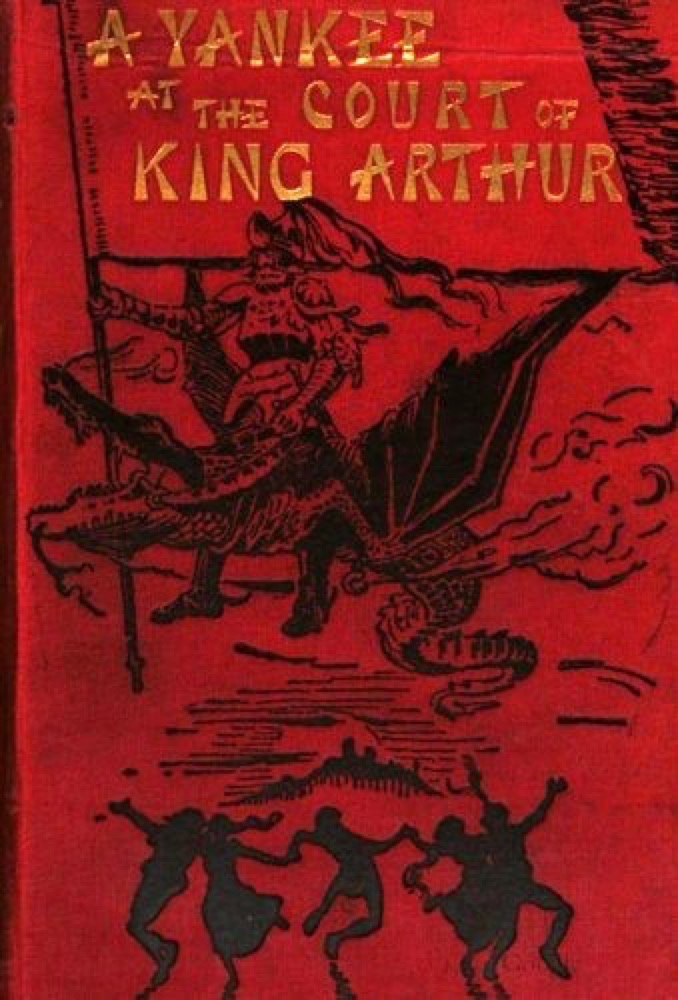 A Connecticut Yankee in King Arthur's Court
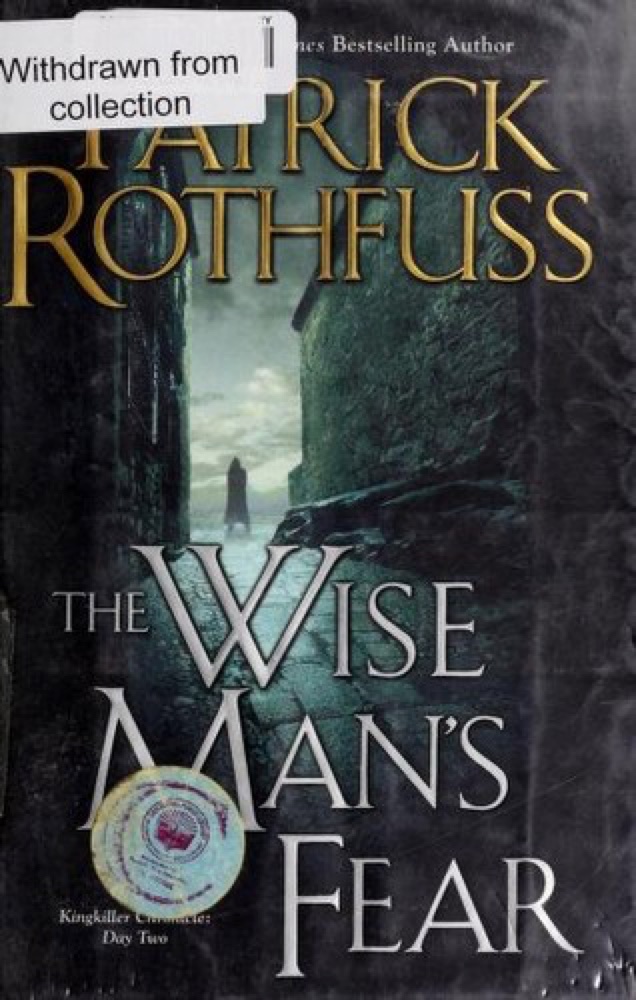 The Wise Man's Fear
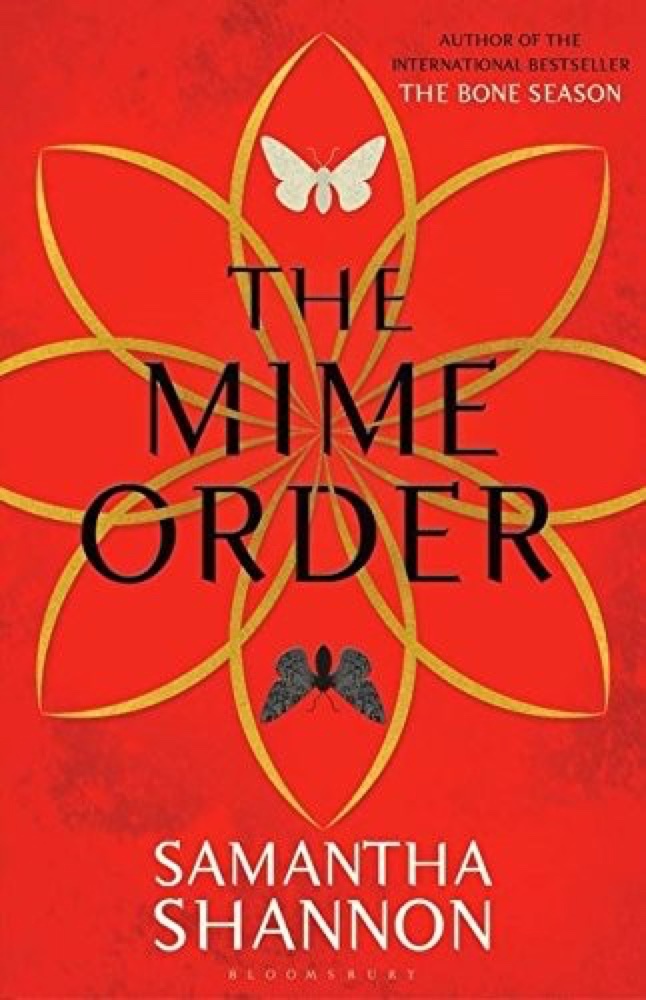 The Mime Order
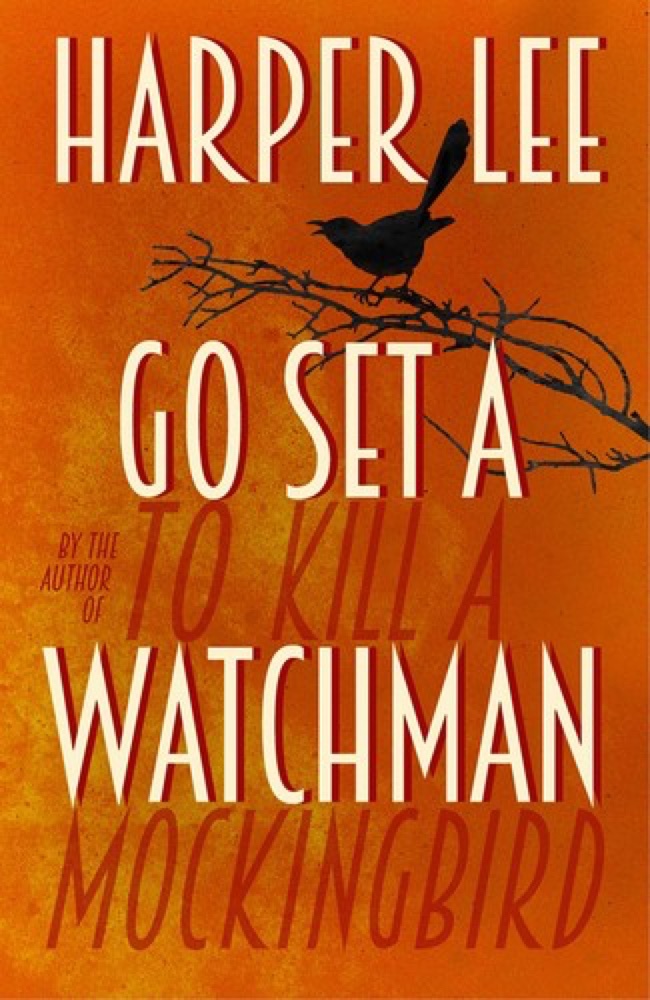 Go Set a Watchman
 Peace Like a River
 Shōgun
 Libra
Libra
 The Enchantress
 Zeitoun
 Chasing Fireflies: A Novel of Discovery
 The Scorpion Rules
 Arm of the Sphinx
 Checkmate
 The Enchantress Returns
 The Number of the Beast
 Journey to the Center of the Earth
 Authority
 A Wind in the Door
 The Quiet Game
 Mostly Harmless