

 Holy Bible: ESV Bible
Quotes from the Book
I think about something I once heard on the radio. About Abraham and Isaac." "I was afraid you'd say something like that." "You asked." "So what about them? I don't really know much about that kind of stuff." "There was a pastor on the radio who said nobody should ever preach that story. Do you remember how it goes? God tells Abraham that he has to sacrifice his son to prove his faith." "I agree with the pastor. It sounds like a sick story. Ban that shit." "But isn't that exactly what we do? Send young men off to a war in the desert and ask them to sacrifice themselves for a belief?
Right now there's a commonly-held view among scientists that we know about only four percent of all the matter in the universe. Four percent!" "So what about the other 96 percent?" "We astrophysicists call it 'dark matter' and 'dark energy.' Maybe we should just call it ignorance. There's so much that we don't know. It's shocking how little we know. And yet we behave like little gods who think we're in control of everything. Like kids with delusions of grandeur. Isn't that what we've made ourselves into? It's as if we're trying to make ourselves believe that four percent is all there is. That everything else, all that we don't know, doesn't exist. But it does. We know it's there; we just don't understand it.
The biggest mistake we can make is to think that we've figured the whole thing out. The people I know who are the greatest skeptics, who are least certain about how the world and the universe works, are also the most intelligent.... Absolute certainty is only for stupid people. It requires a certain intelligence for us to realize how little we actually know.
You're only two handshakes away from evil.... Maybe it's the same thing with goodness. We're never far from what's good.... It doesn't seem like such a far-fetched idea that it takes only 36 people to keep evil at bay. Just remember that all of the upheavals in world history, both good and bad, were initiated by individuals.
Niels remembered all too well the telex machine that had received updates and warnings from Interpol's headquarters in Lyon. The telex machine had run nonstop. The monotonous sound of the mechanical printer reminded them that the world was a fucked-up place. If anyone wanted a brief, concentrated look into the world's misery, all he had to do was spend 20 minutes in front of the humming machine: serial killers, drug smuggling, women kidnapped for prostitution, cross-border traffic with stolen children, illegal immigration, enriched uranium.... You could get a headache simply from standing in front of the fax machine. It made you want to scream and run away; to jump into the sea and wish that life had never crawled up out of the water, that the dinosaurs still dominated the earth.
I like the idea of it. Just look at the world around you. Wars, terror, starvation, poverty, disease. Take the Middle East conflict, for example. An area on earth that contains so much hatred, so many frustrations, that a bomber is always lurking around the next corner, and where checkpoints and walls have become a permanent part of daily life. When I look at such a world from here in my little Danish ivory tower, it's a very appealing idea that there might exist at least--at the very least--36 righteous people on this earth. Small human pillars to ensure that we maintain a minimum of kindness and righteousness.
Watch on YouTube
About Unknown
We have collected 3744 quotes from 245 books by Unknown on BookQuoters.
More about the author →More by Unknown
Holy Bible: ESV Bible
 Holy Bible, NKJV
 The New Oxford Annotated Bible: New Revised Standard Version
 Hagakure: The Book of the Samurai
Book details
- Author
- Unknown
- Genre
- Fiction
- Goodreads rating
- 3.39 (314 ratings) →
Keep reading
 Only Human
 Roadside Picnic
 The World's Last Night: And Other Essays
 A Language Older Than Words
 Father Joe: The Man Who Saved My Soul
 The Parafaith War
 The Sign
 Contact
 The Everlasting Man
 The Case for Christianity
 Gnomon
 The Meaning of It All: Thoughts of a Citizen-Scientist
 Hogfather
 The Kraken Wakes
 The Seven Moons of Maali Almeida
 The Man in the High Castle
 Ishmael: An Adventure of the Mind and Spirit
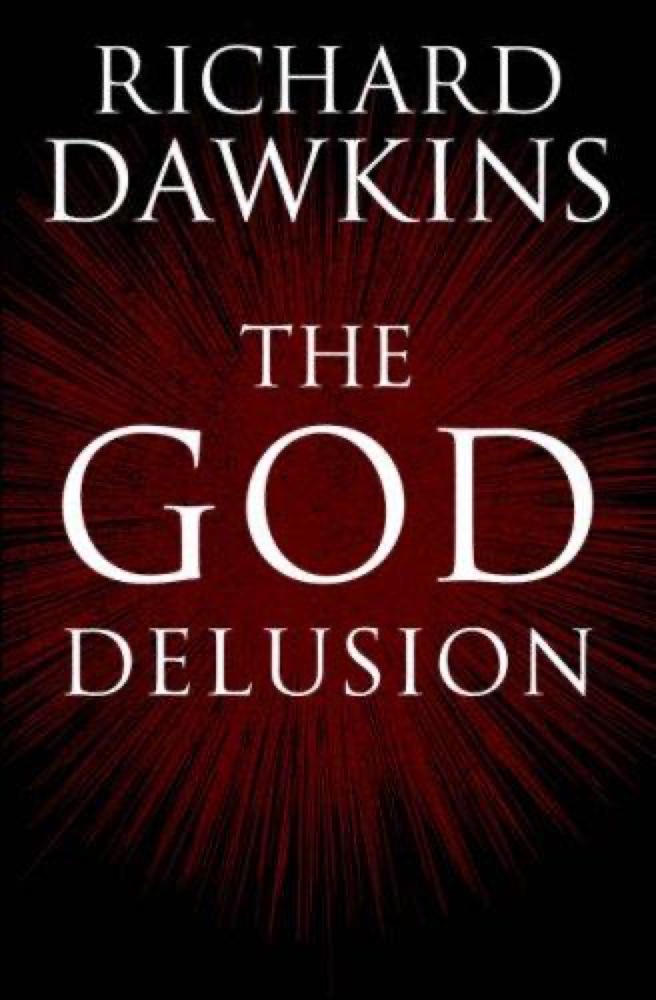 The God Delusion
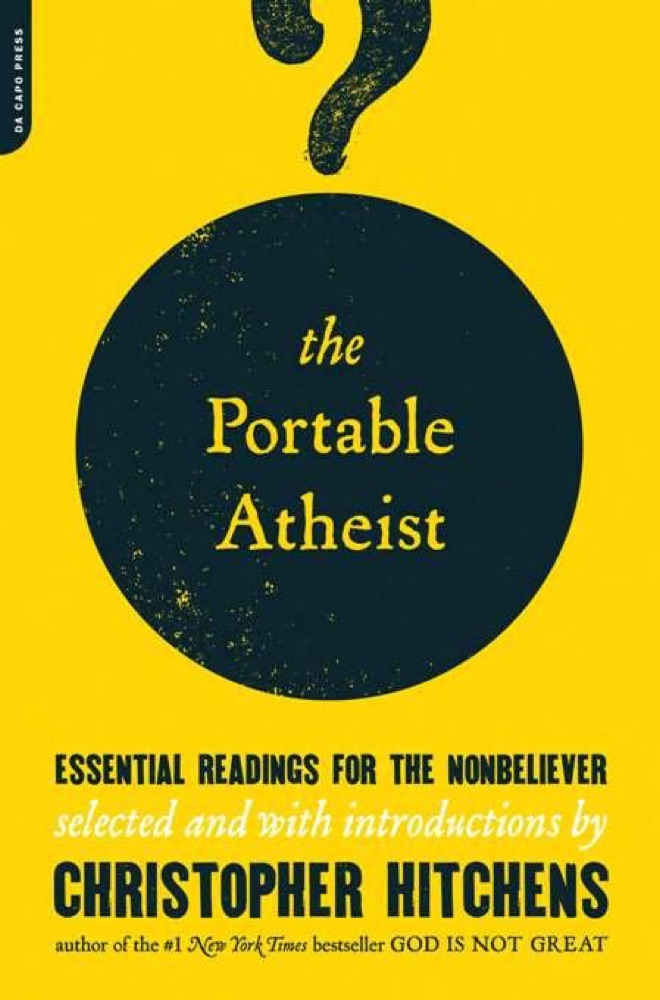 The Portable Atheist: Essential Readings for the Nonbeliever
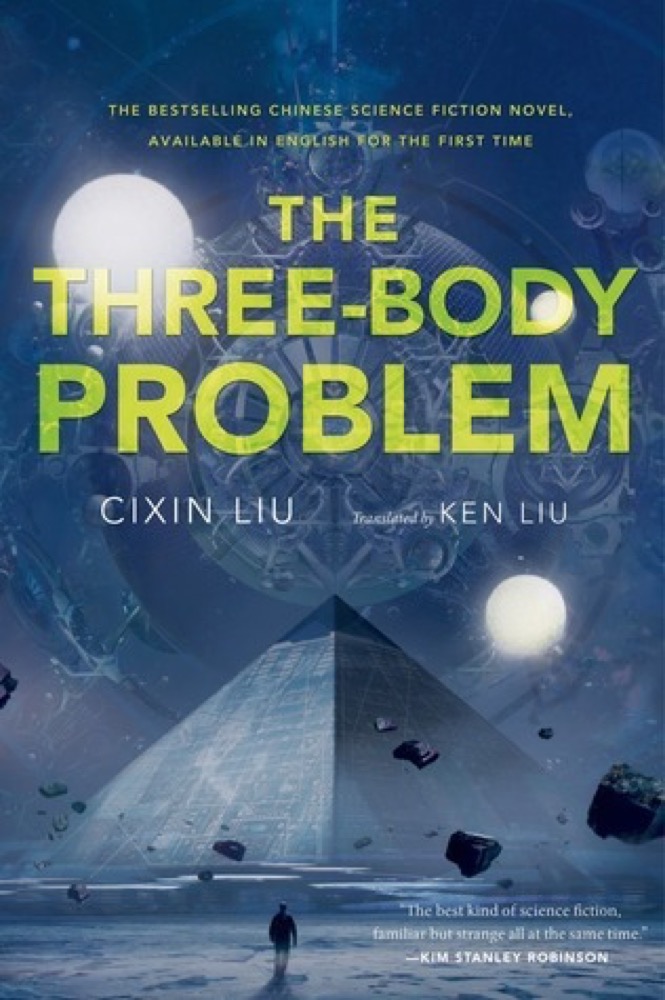 The Three-Body Problem
 Hocus Pocus
 The Prince of Milk
 Stella Maris
 The Gone-Away World
 Night Watch
 Heretics
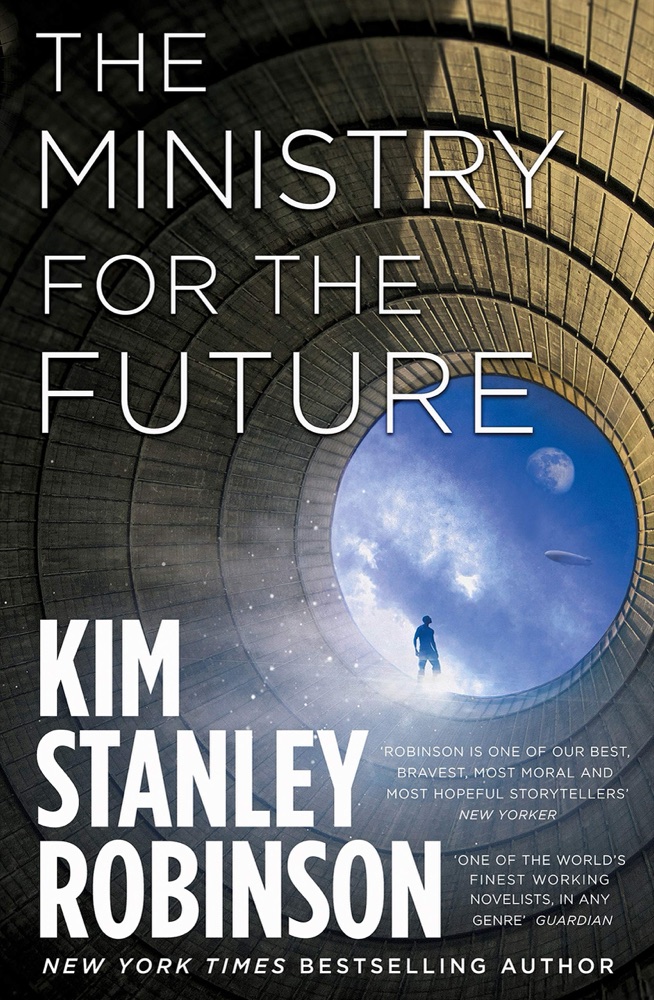 The Ministry for the Future
 The Universe Versus Alex Woods
 Island
 Love All the People: Letters, Lyrics, Routines
 The Story of B: An Adventure of the Mind and Spirit
 Demons
 The Western Lands
 The Divine Invasion
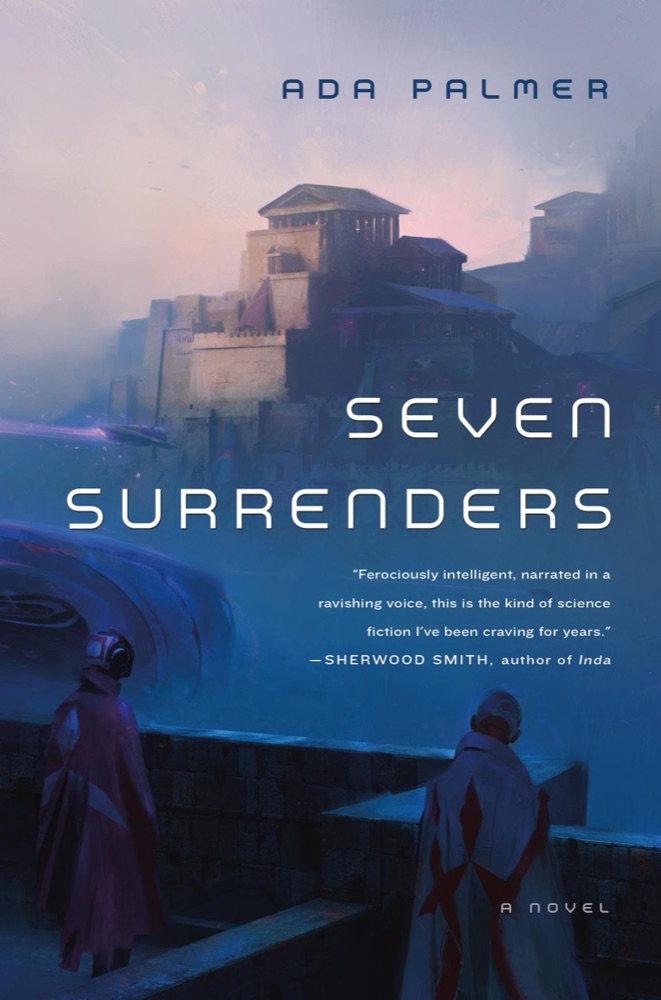 Seven Surrenders
 I Am America
 Demonspawn
 A Man Without a Country
 Infinite Jest
 When Will Jesus Bring the Pork Chops?
 The Star Diaries
 Foucault's Pendulum
 Letter to a Christian Nation
 Breaking the Spell: Religion as a Natural Phenomenon
 Mysteries
 Blachart
 The Fifth Science
 The End of Faith: Religion, Terror, and the Future of Reason
 The Stone Gods
 The State of the Art
 Billions & Billions: Thoughts on Life and Death at the Brink of the Millennium
 21 Lessons for the 21st Century
 A Canticle for Leibowitz
 Too Like the Lightning
 Ender in Exile
 The Gay Science
 The Library of the Dead
 Far North
 The Ultimate Hitchhiker's Guide
 For the Time Being