
 Choke
Choke
Quotes from the Book
It's a broken life we live. It's best to accept it and move on rather than waste a good day worrying about it.
You can't just look at me like that and expect me to get over it.
Believe nothing others tell you. That is Rule No 1 of life in Astro City. But what if the ones who set the rules are the ones lying to you? What if the ones who reprimand the rule-breakers are lying to you? Who do you believe when there is nobody left to believe?
We're going to die eventually" I protest. "I'd rather die from trying to live than not live at all.
malfunction |malˈfə ng k sh ən| verb [ intrans. ] fail to function normally or satisfactorily
About Lisa Alfonso
We have collected 5 quotes from 1 book by Lisa Alfonso on BookQuoters.
More about the author →Book details
- Author
- Lisa Alfonso
- Genre
- Science Fiction
- Goodreads rating
- 3.86 (102 ratings) →
Keep reading
Choke
 Awaken
 Survivor
 The Handmaid's Tale
 Deadline
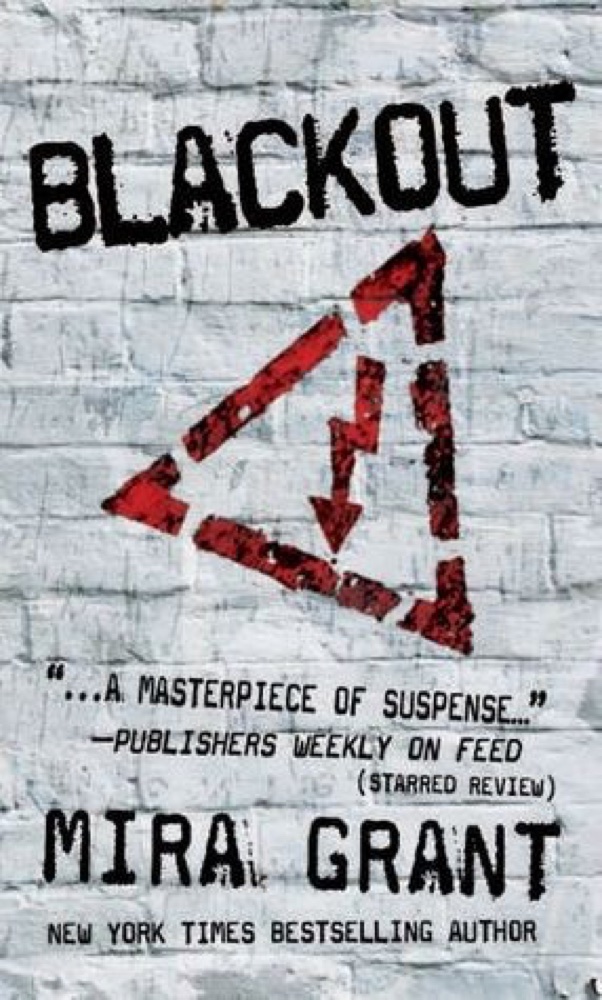 Blackout
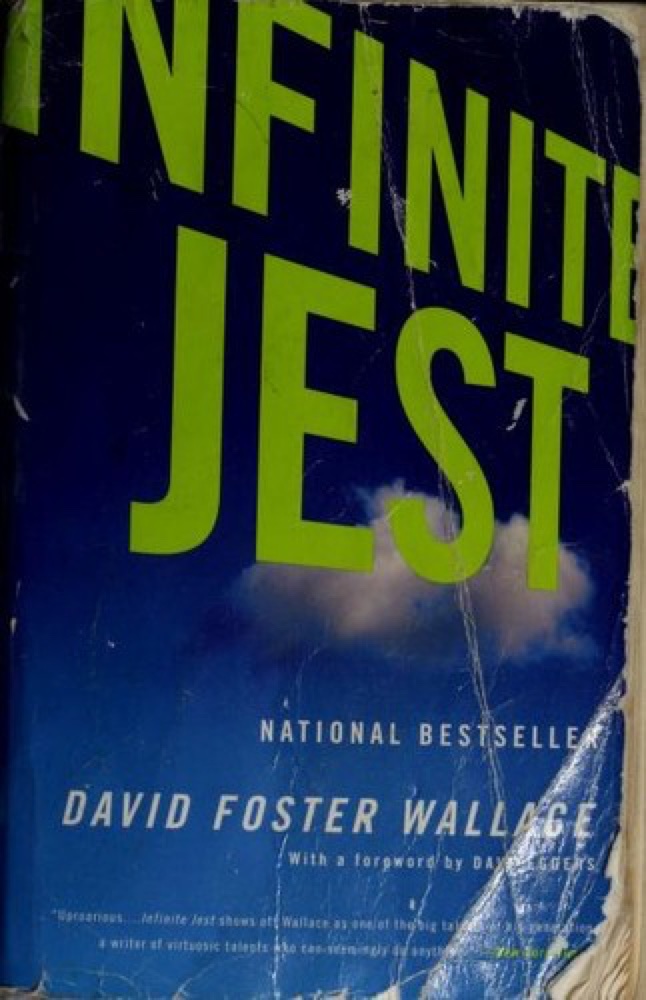 Infinite Jest
 Firstlife
 Dear Life
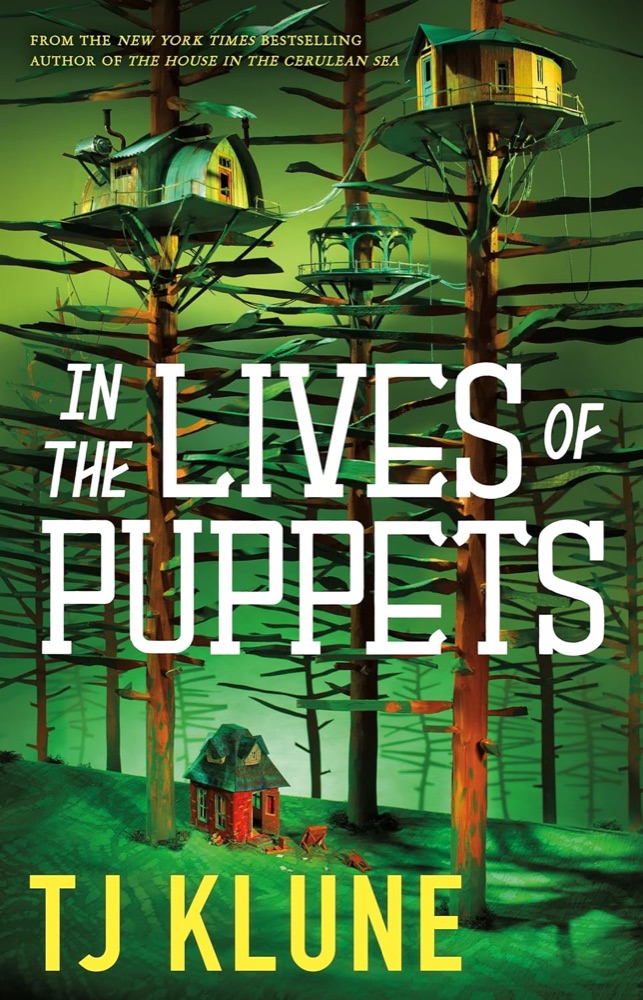 In the Lives of Puppets
 It's Kind of a Funny Story
 I Hope You Get This Message
 Without Merit
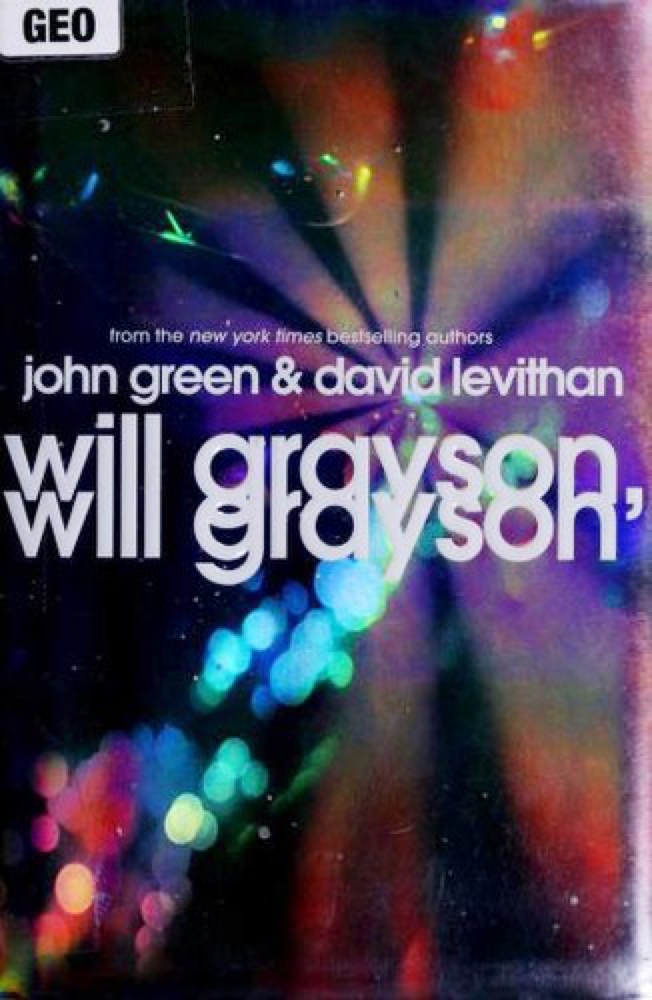 Will Grayson, Will Grayson
 This Song Will Save Your Life
 Ask the Passengers
 The Resistance
 The 5th Wave
 Stay
Stay
 Holding Up the Universe
 No Cure for Being Human: And Other Truths I Need to Hear
 Second Helpings
 A Long Way Down
 Worm
Worm
 UnWholly
 Don't Let Me Go
 Forbidden
 Thirteen Reasons Why
 No Country for Old Men
 The Unbound
 Tell Me More: Stories About the 12 Hardest Things I'm Learning to Say
 The Apocalypse of Elena Mendoza
 The Testing
 All Our Wrong Todays
 Hold Tight
 Seven Deadly Sins: Settling the Argument Between Born Bad and Damaged Good
 How To Talk To A Widower
 Rot & Ruin
 Solitaire
 Waking Gods
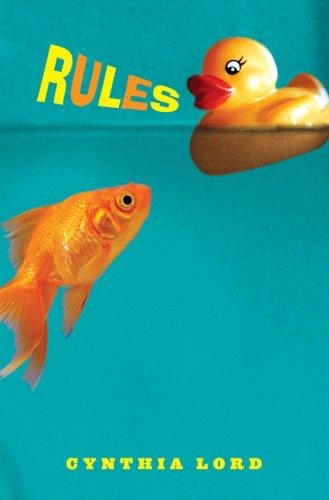 Rules
Rules
 Tilt
Tilt
 Cracked Up to Be
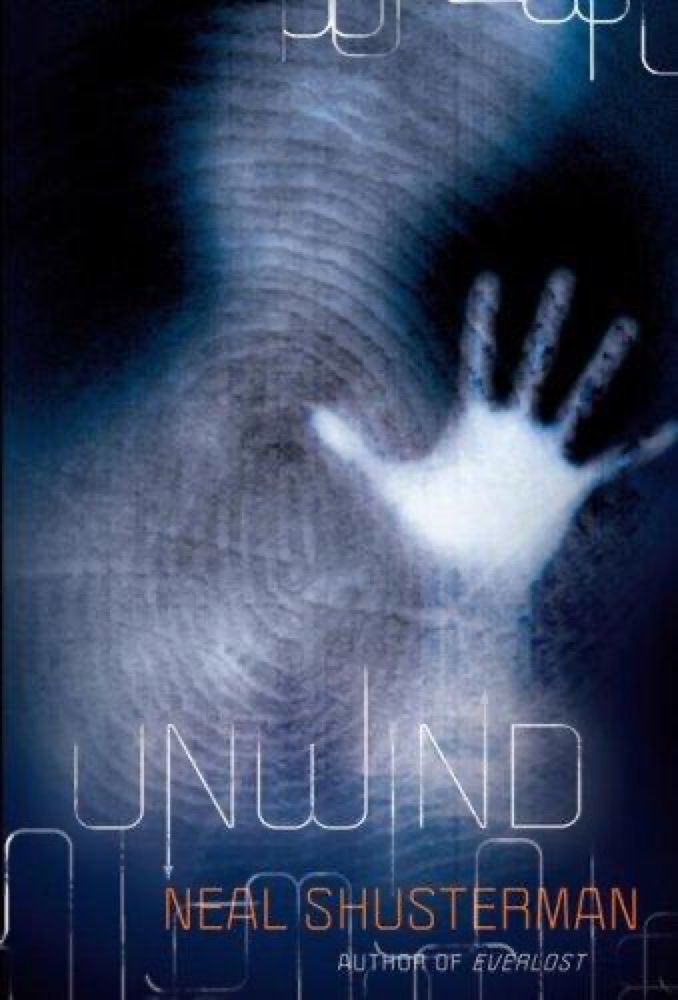 Unwind
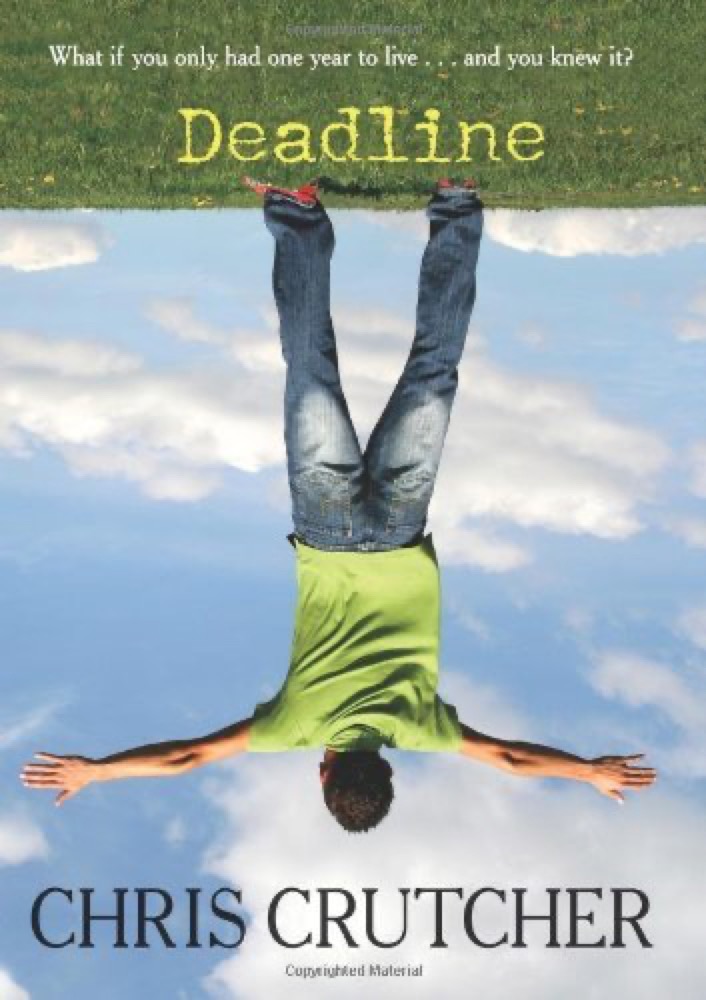 Deadline
 Extraordinary Means
 The Memory of Light
 1Q84
1Q84
 Fragments
 Invisible Monsters
 Change of Heart
 Waiting For You
 The Dude and the Zen Master
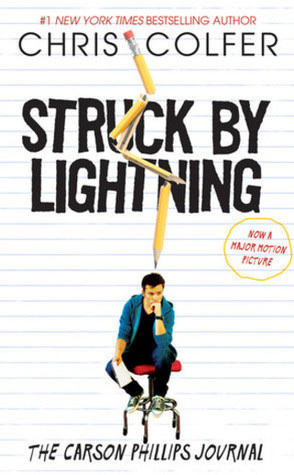 Struck by Lightning: The Carson Philips Journal
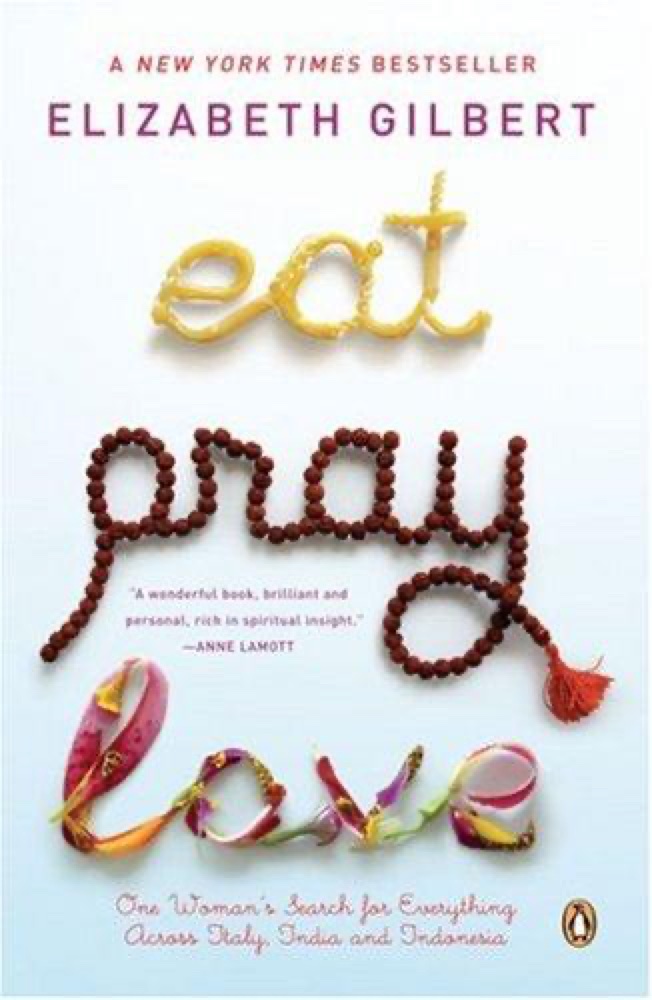 Eat, Pray, Love
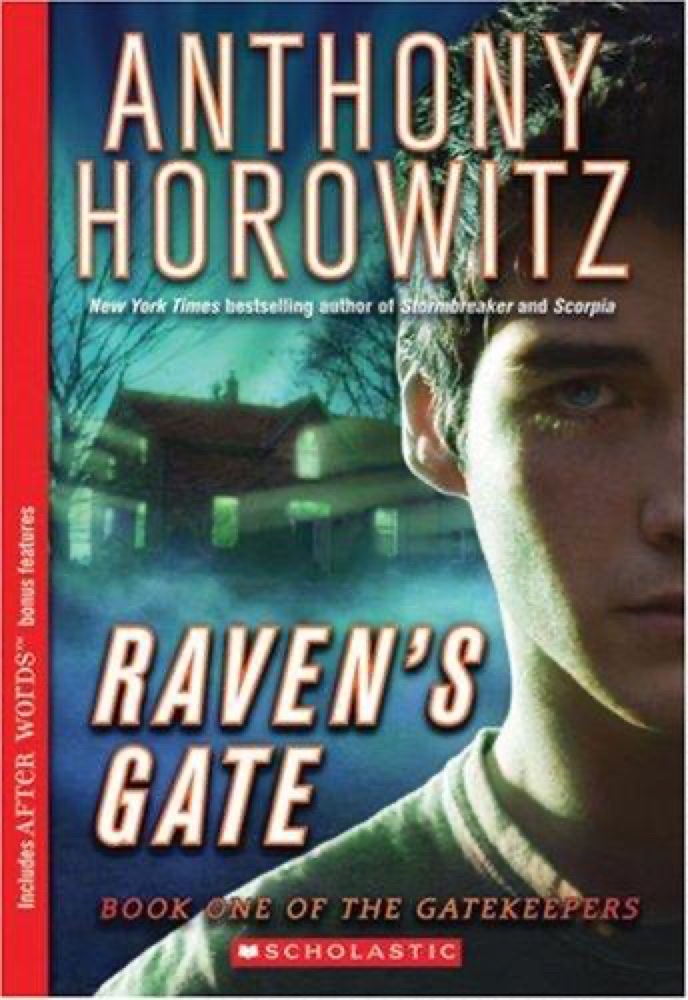 Raven's Gate
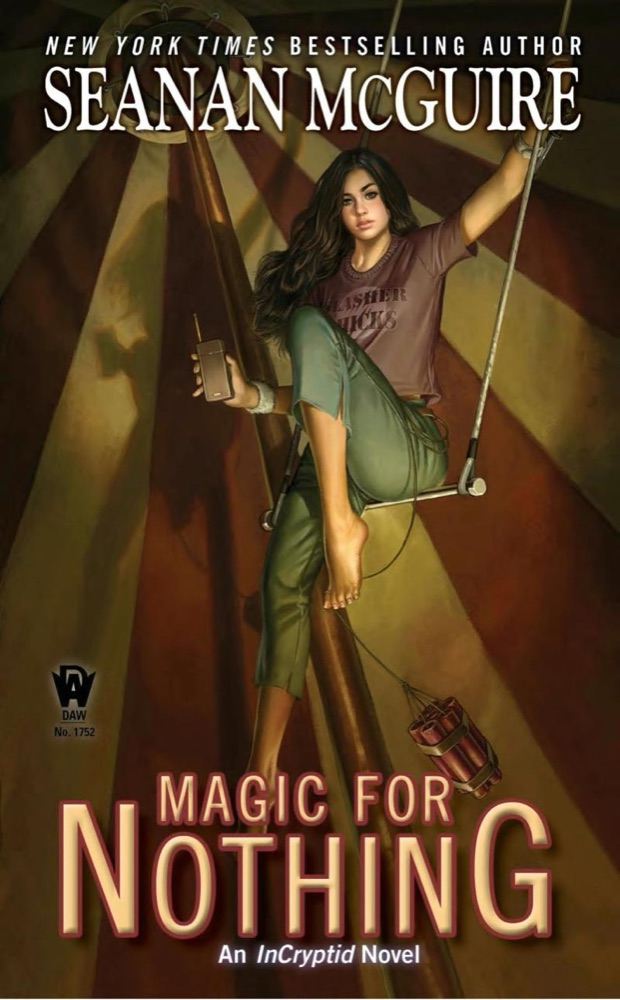 Magic for Nothing
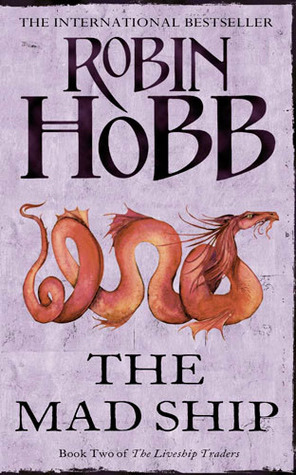 The Mad Ship
 F**k It: The Ultimate Spiritual Way