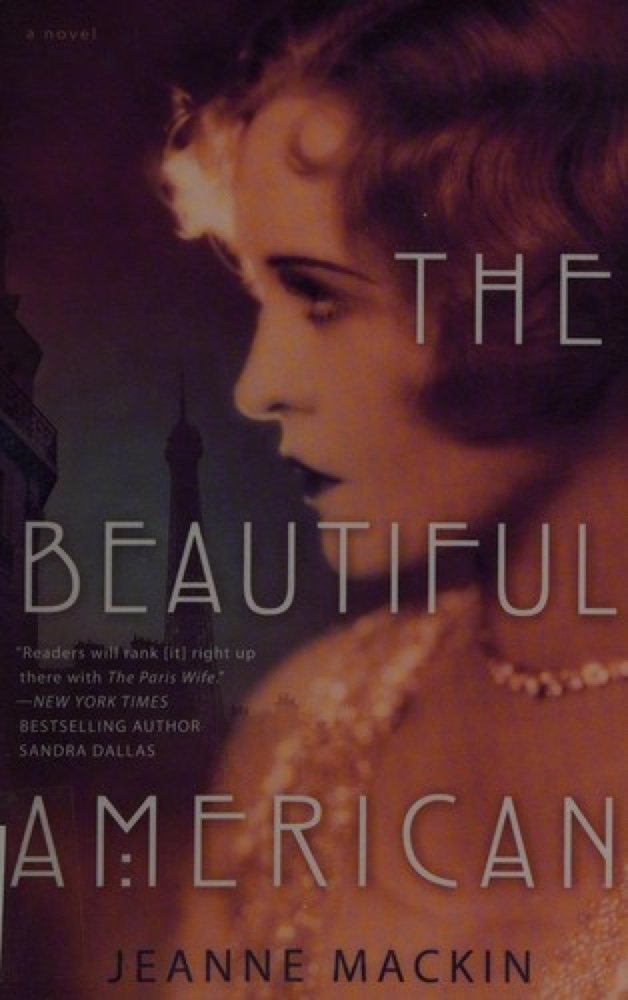

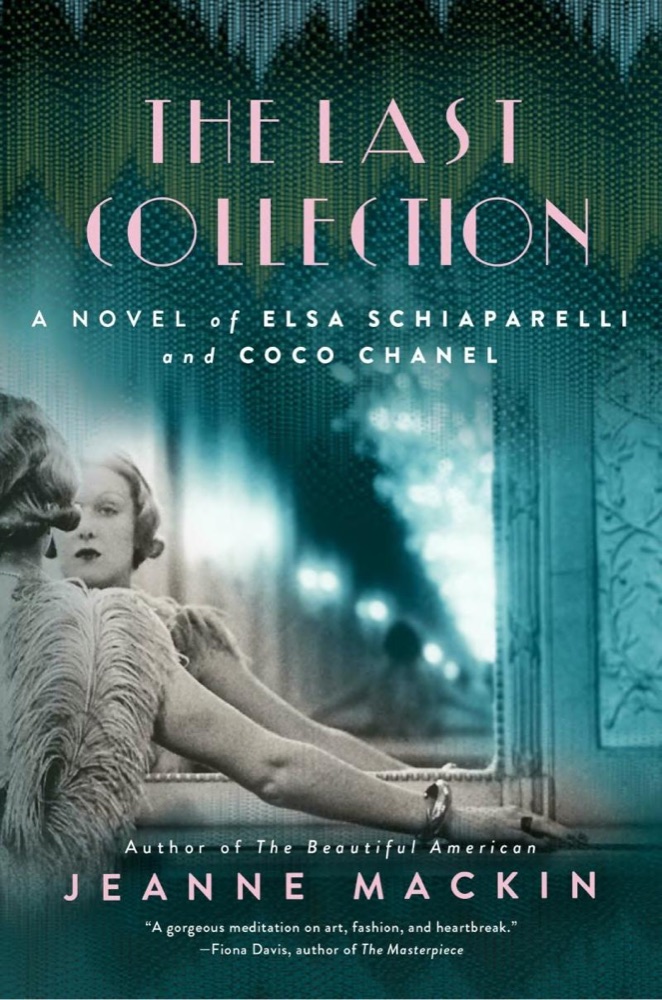
 The Last Collection: A Novel of Elsa Schiaparelli and Coco Chanel
Quotes from the Book
Love isn’t really about what we think of the other person, but how we feel about ourselves when we are with that person.
That’s the problem with the finite. You can open only one door at a time, and you’ll never know what was behind the door you didn’t open.
I was happy, and nothing in the world can make you oblivious to your surroundings like happiness.
Love was love, but art was art and though he mixed the two a little, he never confused them.
sillage, what remains when all else has left. “Come on,
Watch on YouTube
About Jeanne Mackin
We have collected 12 quotes from 2 books by Jeanne Mackin on BookQuoters.
More about the author →More by Jeanne Mackin
The Last Collection: A Novel of Elsa Schiaparelli and Coco Chanel
Book details
- Author
- Jeanne Mackin
- Genre
- Fiction
- Goodreads rating
- 3.85 (3k ratings) →
Keep reading
 Love Walked in
 Anna Karenina
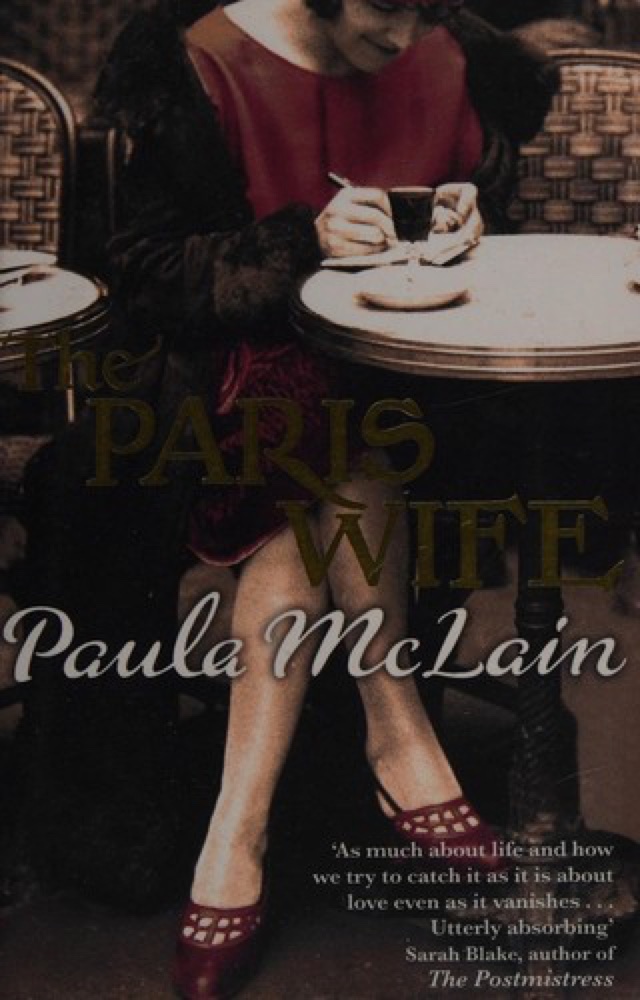 The Paris Wife
 The Feast of Love
 What I Loved
 Bel Canto
 The Last Song
 The Great Gatsby
 No One Belongs Here More Than You
 First Love
 The Gravity of Us
 The Love That Split the World
 The Bridges of Madison County
 The Choice
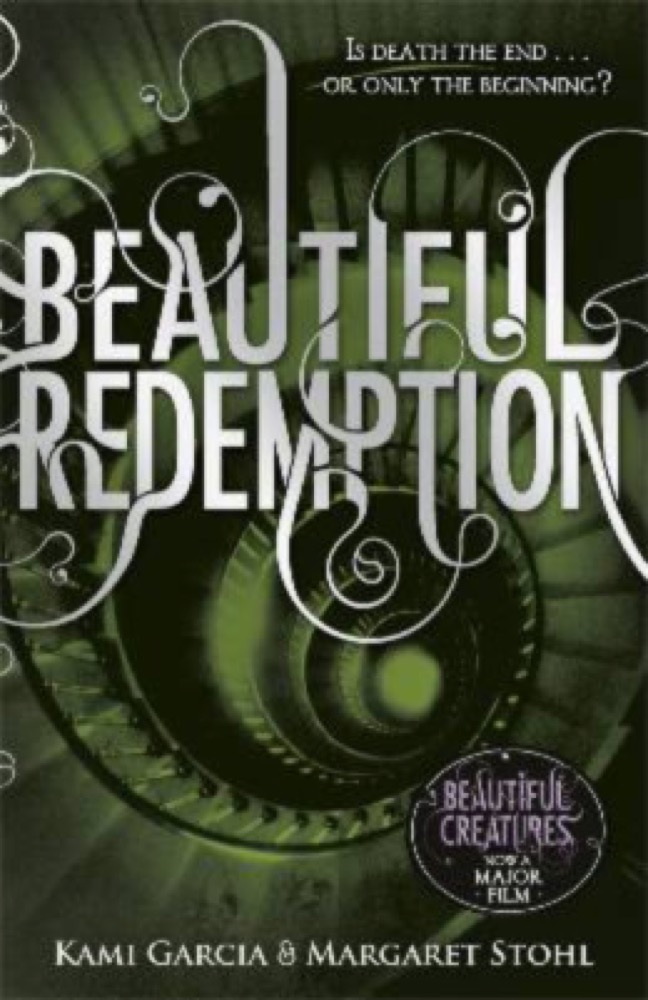 Beautiful Redemption
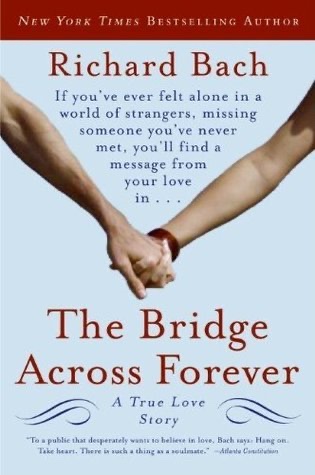 The Bridge Across Forever: A True Love Story
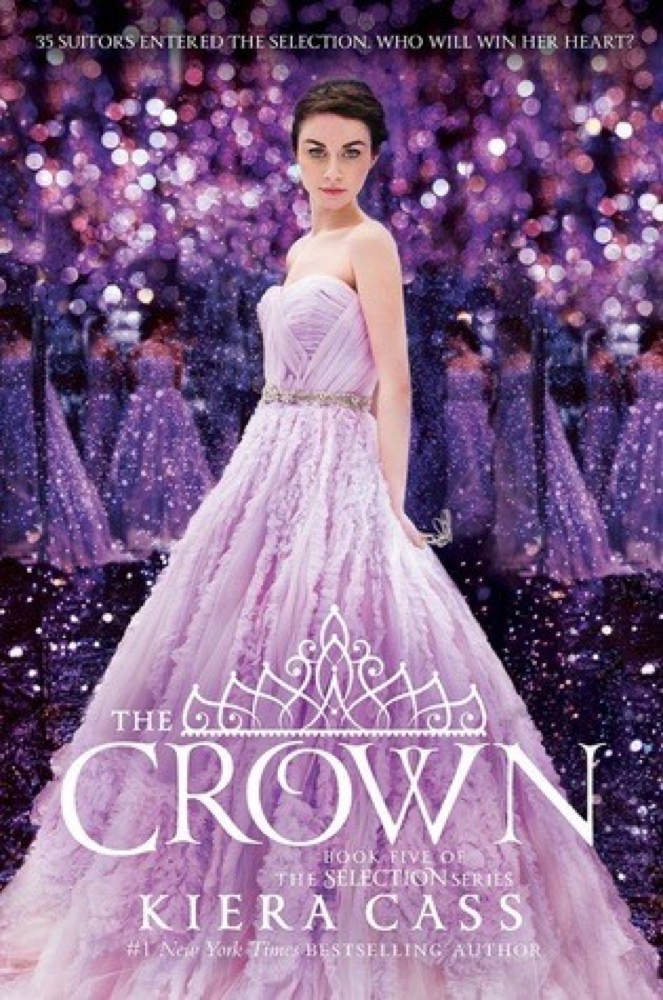 The Crown
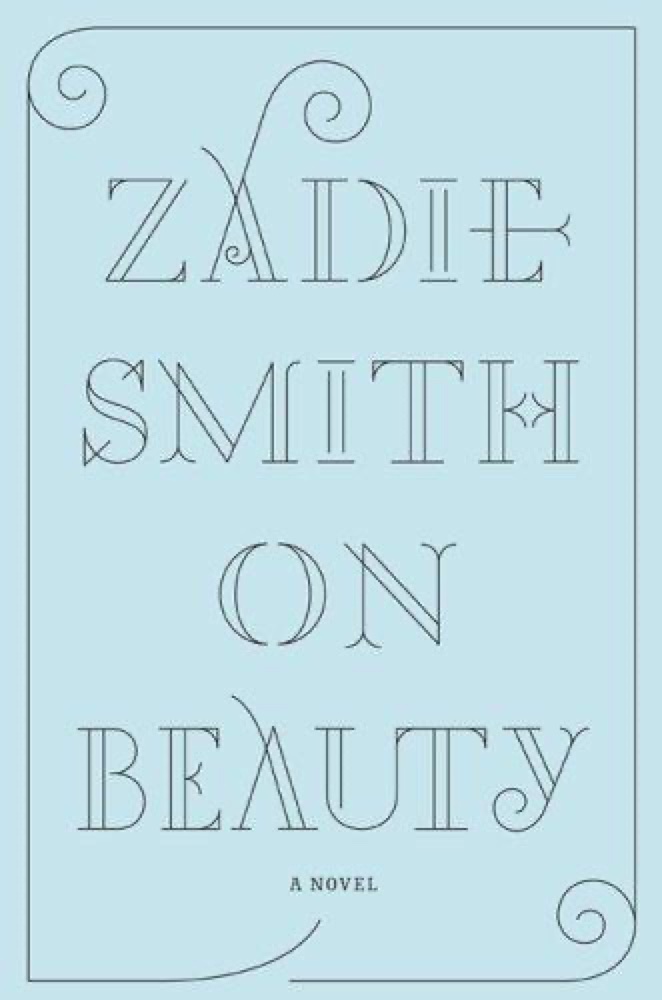 On Beauty
 The Love We Share Without Knowing
 Beach Music
 Let the Great World Spin
 Second Glance
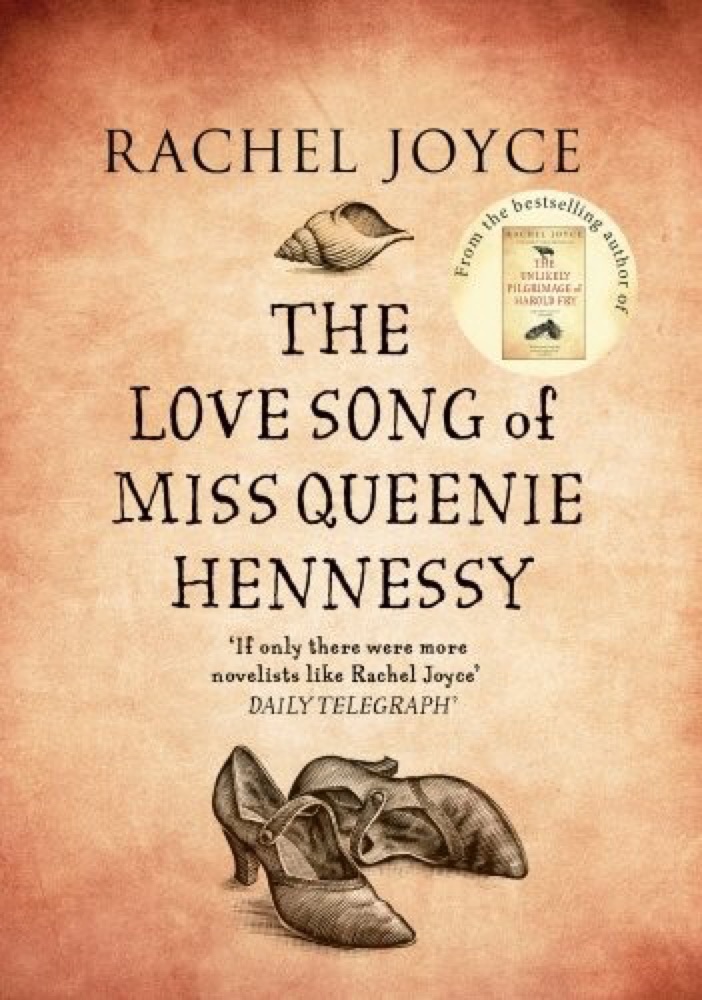 The Love Song of Miss Queenie Hennessy
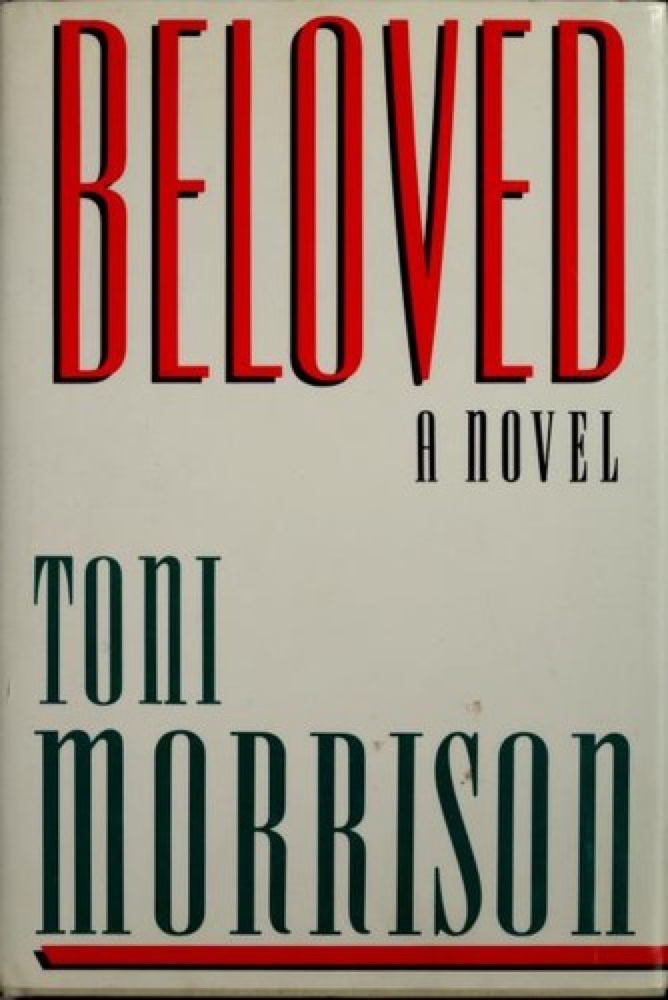 Beloved
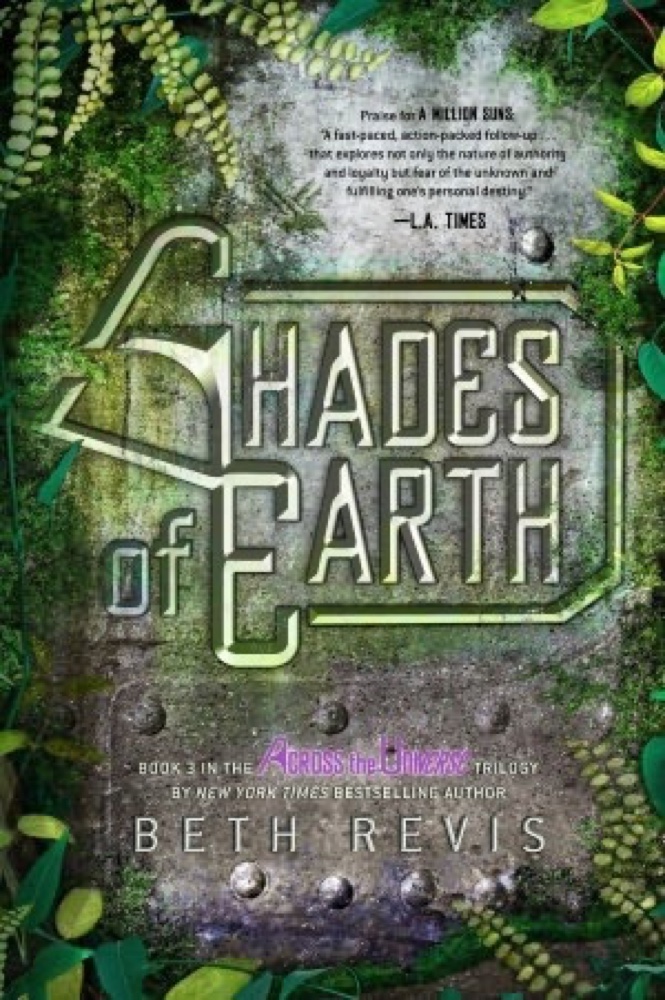 Shades of Earth
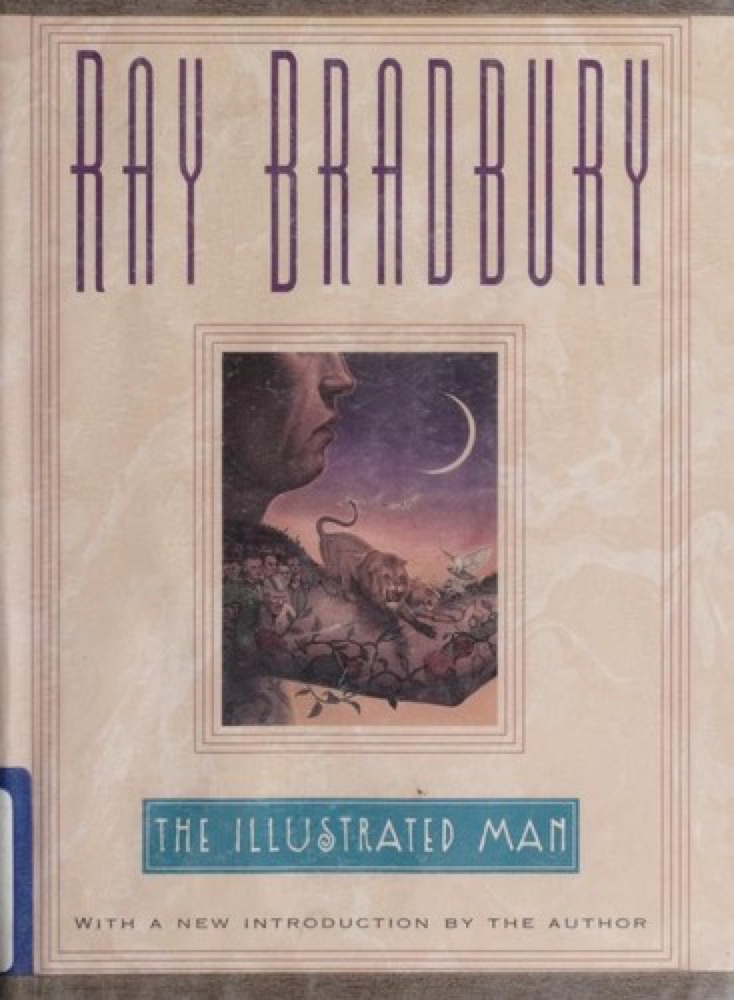 The Illustrated Man
 Crossed
 Truly, Madly, Deeply
 Three Junes
 Tender Is the Night
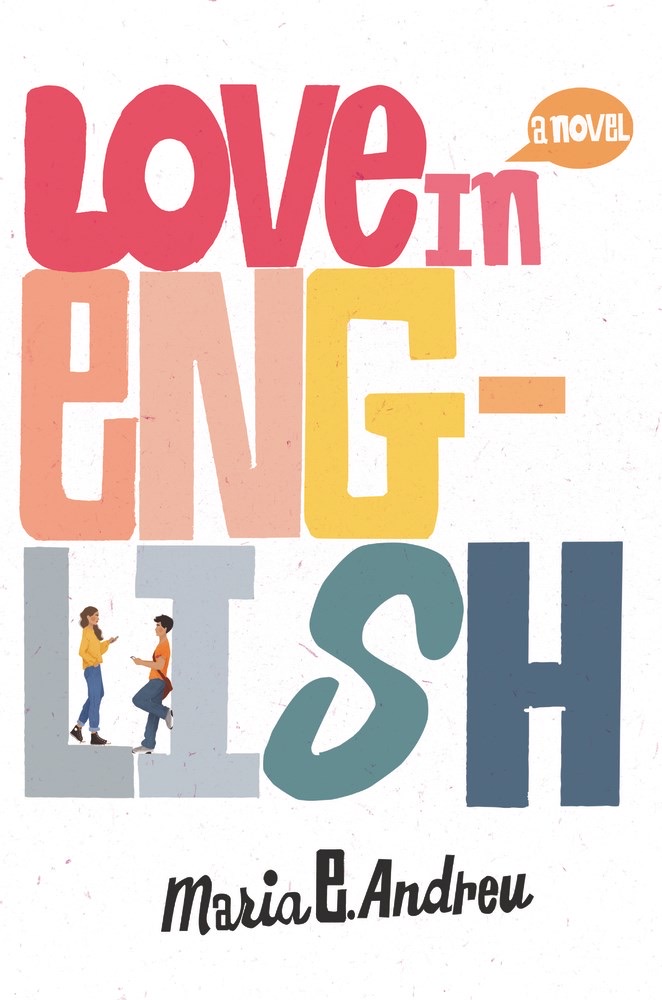 Love, in English
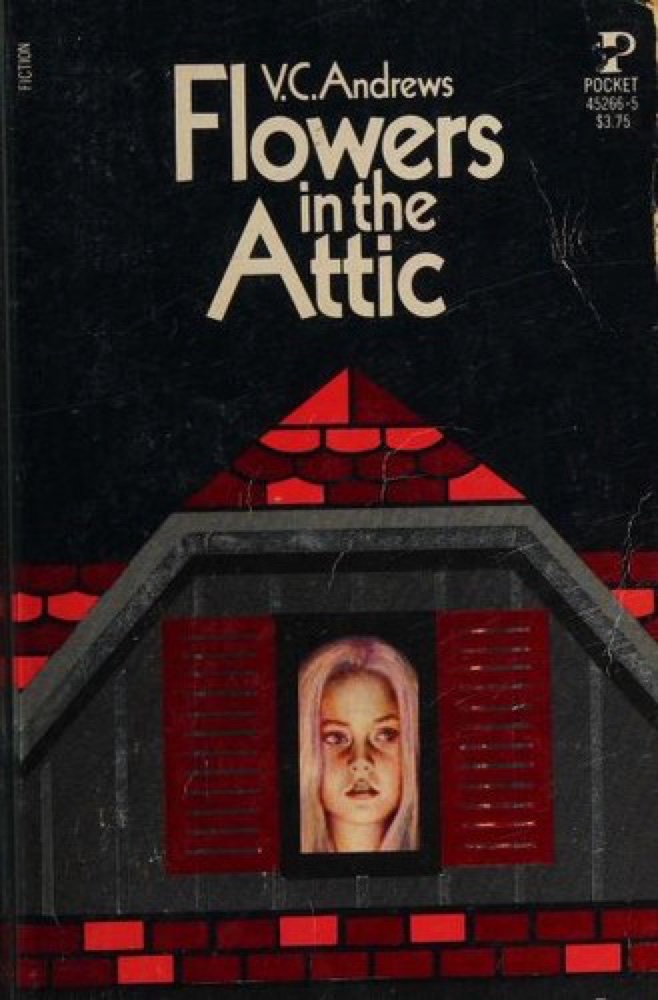 Flowers in the Attic
 This Side of Paradise
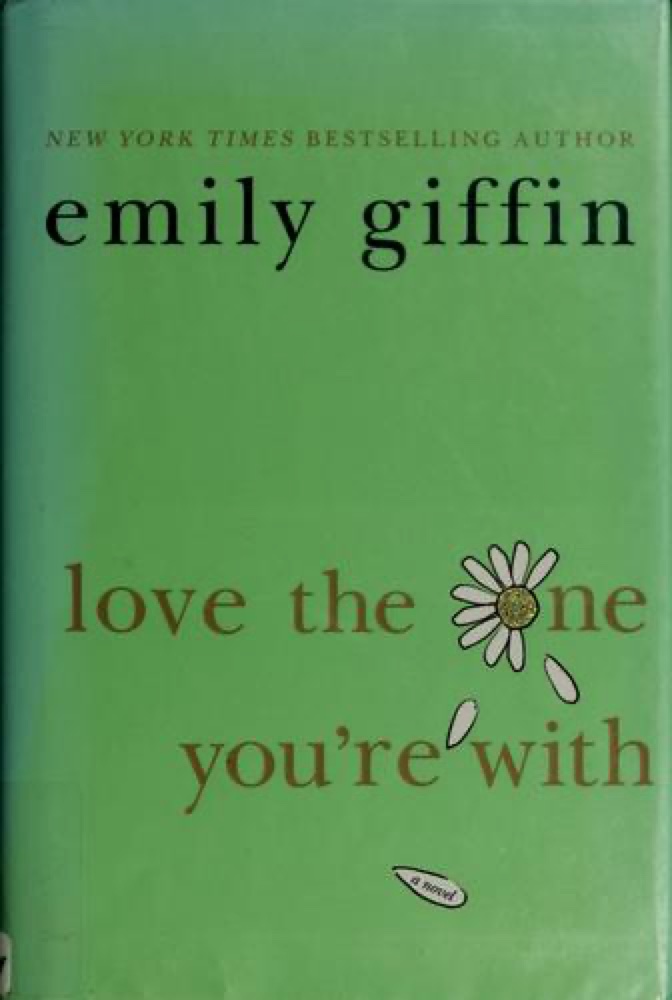 Love the One You're With
 Matched
 The Guardian
 Something Like Summer
 The Valley of Amazement
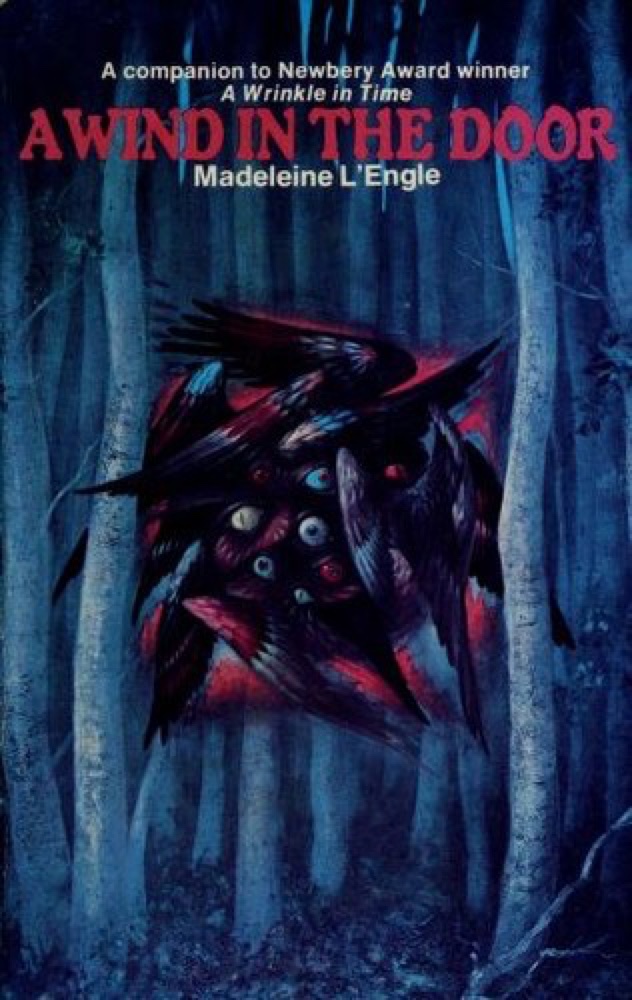 A Wind in the Door
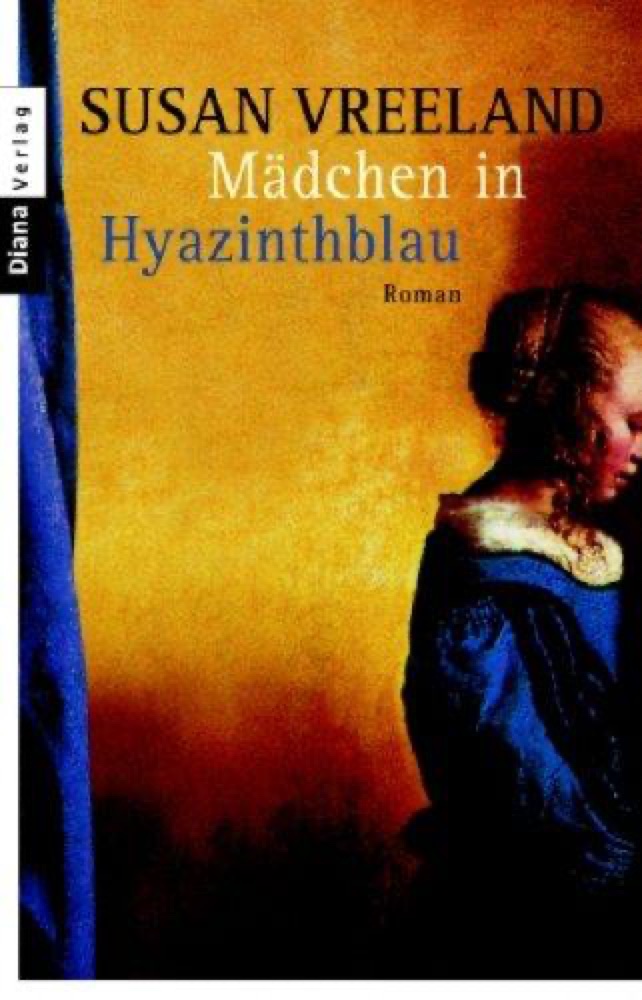 Girl in Hyacinth Blue
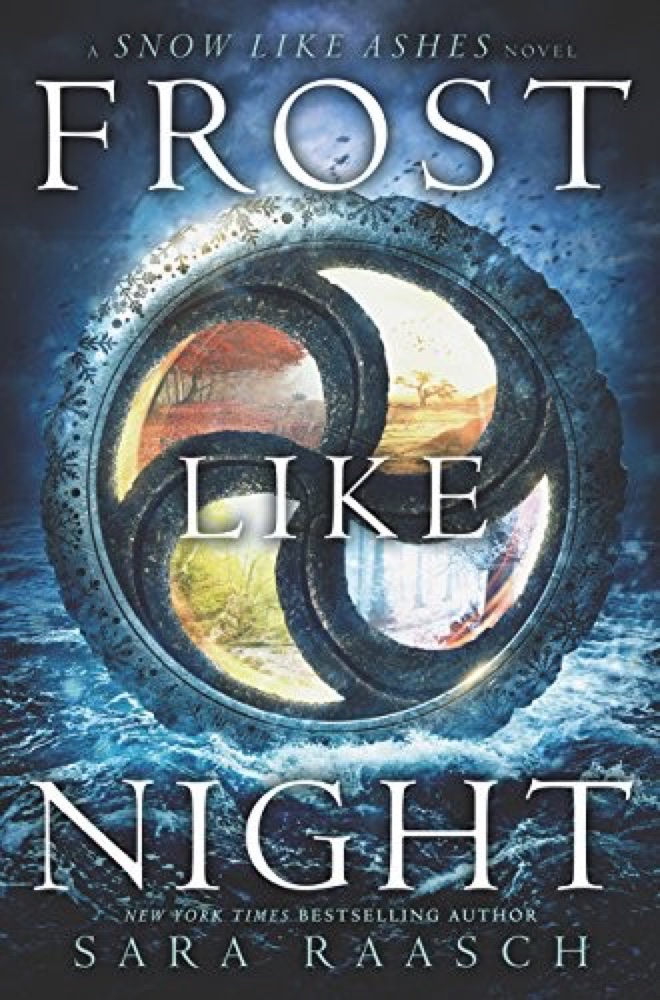 Frost Like Night
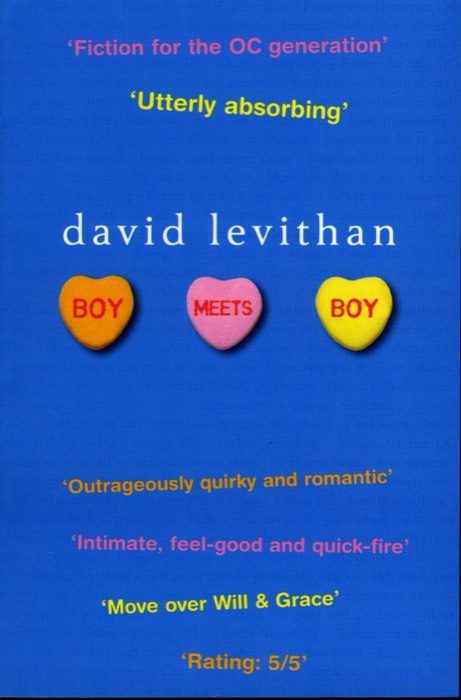 Boy Meets Boy
 Loving Frank
 Teardrop
 Blue Moon
 Alone With You in the Ether
 Honey, Baby, Sweetheart
 A Room with a View
 All the Bright Places
 The Museum of Innocence
 An Ideal Husband
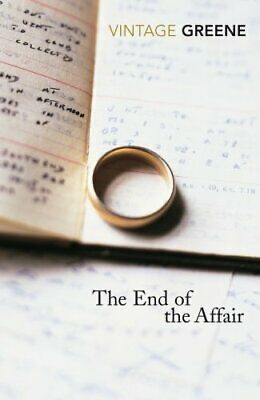 The End of the Affair
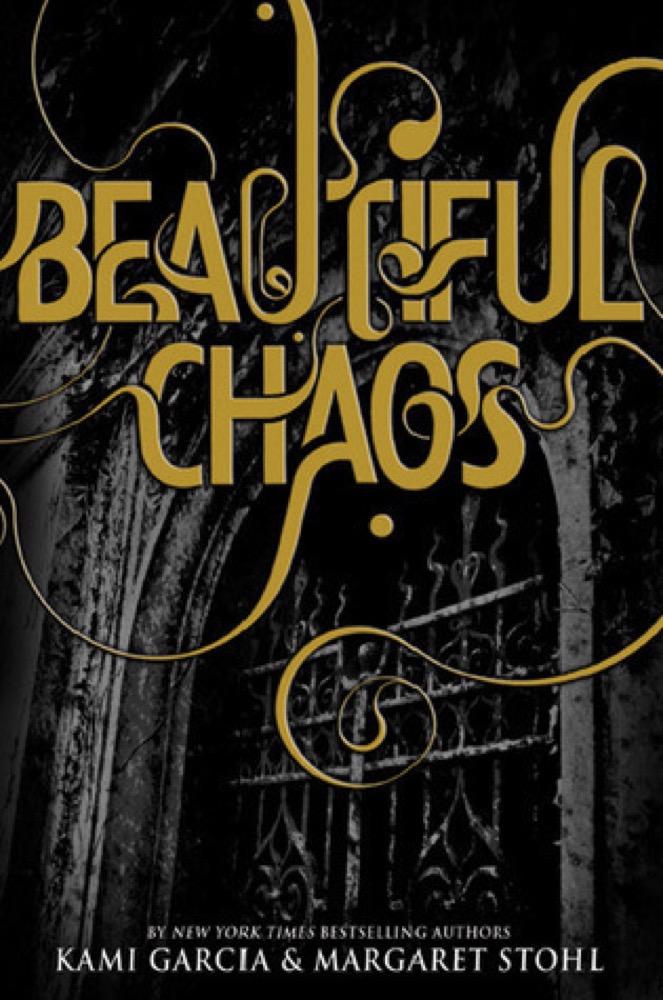 Beautiful Chaos
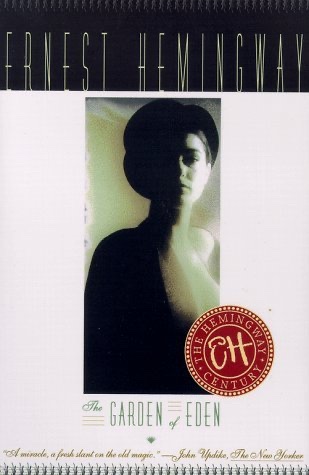 The Garden of Eden
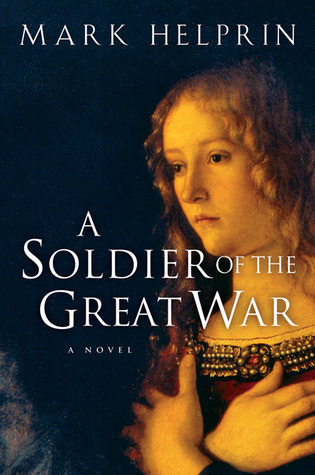 A Soldier of the Great War
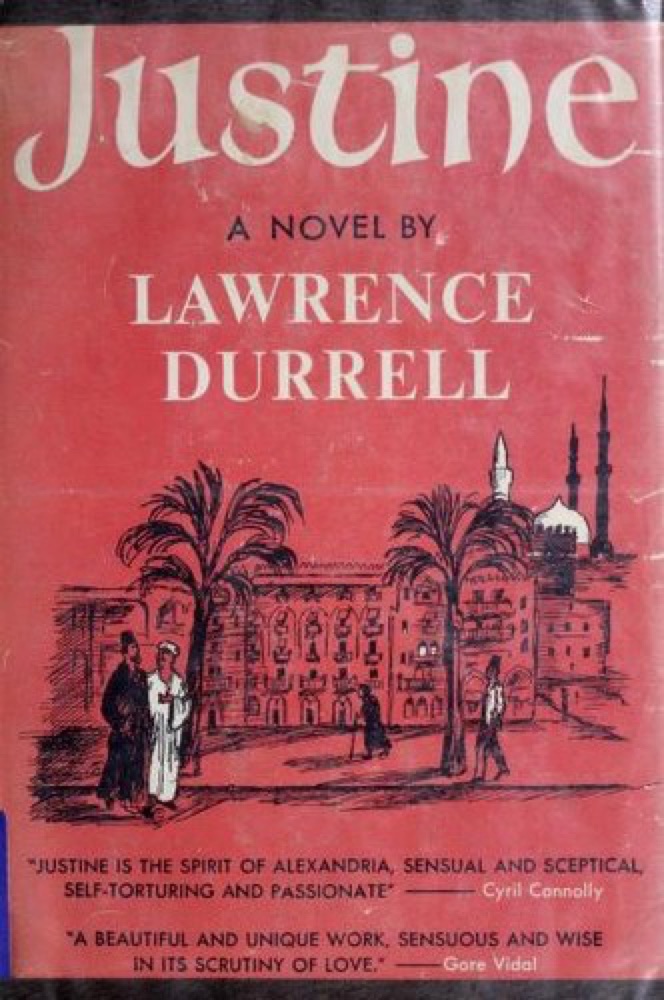 Justine
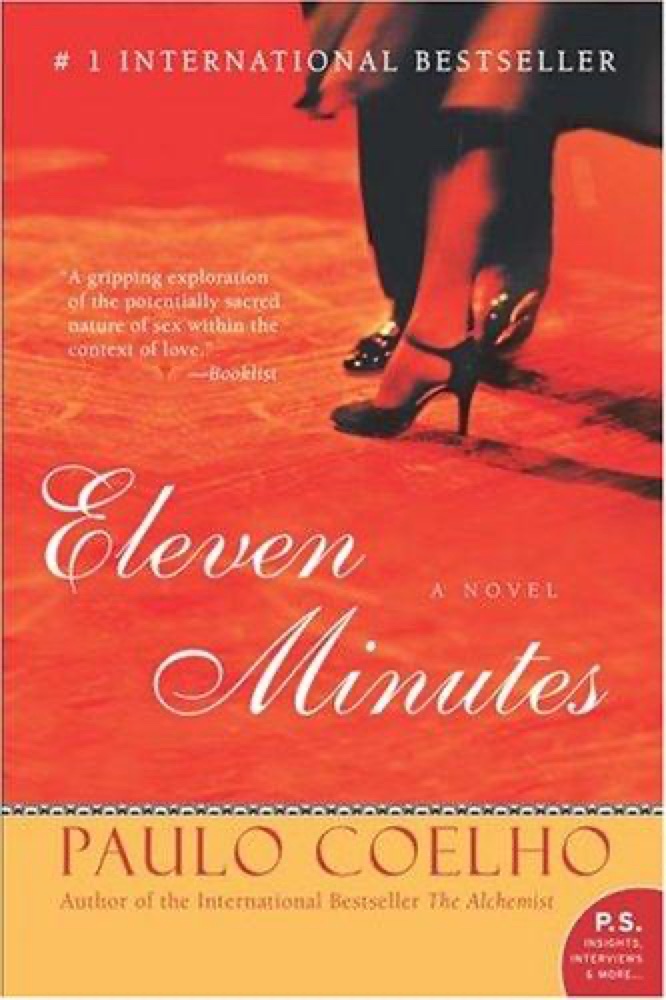 Eleven Minutes
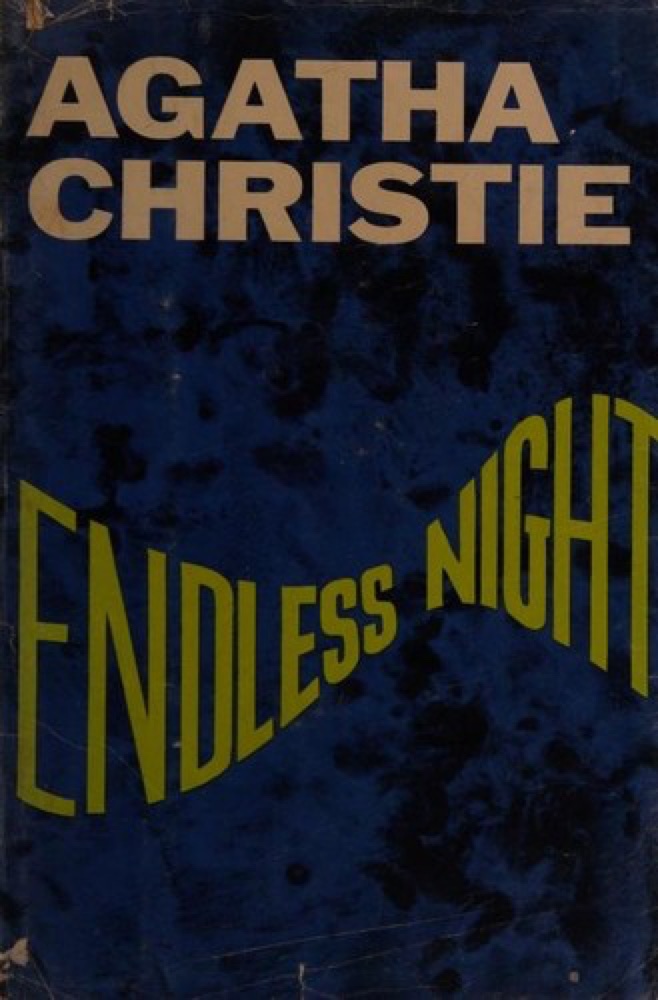 Endless Night
 Something Blue
 Before Midnight: A Retelling of "Cinderella"