
 Because of Winn-Dixie
Quotes from the Book
There is nothing sweeter in this sad world than the sound of someone you love calling your name.
Stories are light. Light is precious in a world so dark. Begin at the beginning. Tell Gregory a story. Make some light.
There are those hearts, reader, that never mend again once they are broken. Or if they do mend, they heal themselves in a crooked and lopsided way, as if sewn together by a careless craftsman. Such was the fate of Chiaroscuro. His heart was broken. Picking up the spoon and placing it on his head, speaking of revenge, these things helped him to put his heart together again. But it was, alas, put together wrong.
Once upon a time," he said out loud to the darkness. He said these words because they were the best, the most powerful words that he knew and just the saying of them comforted him.
Reader, you must know that an interesting fate (sometimes involving rats, sometimes not) awaits almost everyone, mouse or man, who does not conform.
The world is dark, and light is precious. Come closer, dear reader. You must trust me. I am telling you a story.
Love, as we have already discussed, is a powerful, wonderful, ridiculous thing, capable of moving mountains. And spools of thread.
This is the danger of loving: No matter how powerful you are, no matter how many kingdoms you rule, you cannot stop those you love from dying.
But, reader, there is no comfort in the word "farewell," even if you say it in French. "Farewell" is a word that,in any language, is full of sorrow. It is a word that promises absolutely nothing.
Stories are light. Light is precious in a world so dark.
Say it, reader. Say the word 'quest' out loud. It is an extraordinary word, isn't it? So small and yet so full of wonder, so full of hope.
Reader, do you think it is a terrible thing to hope when there is really no reason to hope at all? Or is it (as the soldier said about happiness) something that you might just as well do, since,in the end, it really makes no difference to anyone but you?
Despereaux marveled at his own bravery. He admired his own defiance. And then, reader, he fainted.
Love is ridiculous. But love is also wonderful. And powerful. And Despereaux's love for the Princess Pea would prove, in time, to be all of these things: powerful, wonderful, and ridiculous.
Despereaux looked at his father, at his grey-streaked fur and trembling whiskers and his front paws clasped together in front of his heart, and he felt suddenly as if his own heart would break in two. His father looked so small, so sad. "Forgive me," said Lester again. Forgiveness, reader, is, I think, something very much like hope and love - a powerful, wonderful thing. And a ridiculous thing, too. Isn't it ridiculous, after all, to think that a son could forgive his father for beating the drum that sent him to his death? Isn't it ridiculous to think that a mouse ever could forgive anyone for such perfidy? But still, here are the words Despereaux Tilling spoke to his father. He said, "I forgive you, Pa." And he said those words because he sensed it was the only way to save his own heart, to stop it from breaking in two. Despereaux, reader, spoke those words to save himself.
Did you think that rats do not have hearts? Wrong. All living things have a heart. And the heart of any living thing can be broken.
There ain't a body, be it mouse or man, that ain't made better by a little soup.
Forgiveness, reader, is, I think, something very much like hope and love - a powerful, wonderful thing. And a ridiculous thing, too.
the story is not a pretty one. there is violence in it. And cruelty. But stories that are not pretty have a certain value, too, I suppose. Everything, as you well know (having lived in this world long enough to have figured out a thing or two for yourself), cannont always be sweetness and light.
And so he was reading the story as if it were a spell and the words of it, spoken aloud, could make magic happen.
Pea was aware suddenly of how fragile her heart was, how much darkness was inside it, fighting, always, with the light. She did not like the rat. She would neverlike the rat, but she knew what she must do to save her own heart.
He was reading from the beginning so that he could get to the end, where the reader was assured that the knight and the fair maiden lived together happily ever after.
Rats have a sense of humor. Rats, in fact think the world is very funny. And they are right, dear reader. They are right.
But still, here are the words Despereaux Tilling spoke to his father. He said, "I forgive you, Pa!" And he said those words because he sensed that it was the only way to save his heart, to stop it from breaking in two. Despereaux, reader, spoke those words to save himself.
And hope is like love...a ridiculous, wonderful, powerful thing.
The shapes arranged themselves into words, and the words spelled out a delicious and wonderful phrase: Once upon a time.
Despereaux," she whispered. And then she shouted it, "Despereaux!" Reader, nothing is sweeter in this sad world than the sound of someone you love calling your name. Nothing.
Everything, as you well know . . . cannot always be sweetness and light.
Allow me to congratulate you on your very astute powers of observation.
At the thought of being eaten by rats, Despereaux forgot about being brave. He forgot about not being a disappointment. He felt himself heading into another faint. But his mother, who had an excellent sense of dramatic timing, beat him to it; she executed a beautiful, flawless swoon, landing right at Despereaux's feet.
Did you know?
- The book won the 2004 Newbery Medal, the American Library Association's highest honor for children's literature.
- It was illustrated by Timothy Basil Ering.
- The story is structured in four separate 'books,' each following a different character before their stories converge.
- The mouse Despereaux is named by his mother 'for all the sadness, for the many despairs in this place.'
- It was adapted into an animated film released by Universal Pictures in 2008.
About Kate DiCamillo
Kate DiCamillo is an American children's author born in 1964 in Philadelphia, known for bestsellers including Because of Winn-Dixie and The Tale of Despereaux. She is one of only a handful of authors to have won the Newbery Medal twice, in 2004 and 2014.
More about the author →More by Kate DiCamillo
Because of Winn-Dixie
 The Magician's Elephant
 The Miraculous Journey of Edward Tulane
 Flora & Ulysses: The Illuminated Adventures
About the book
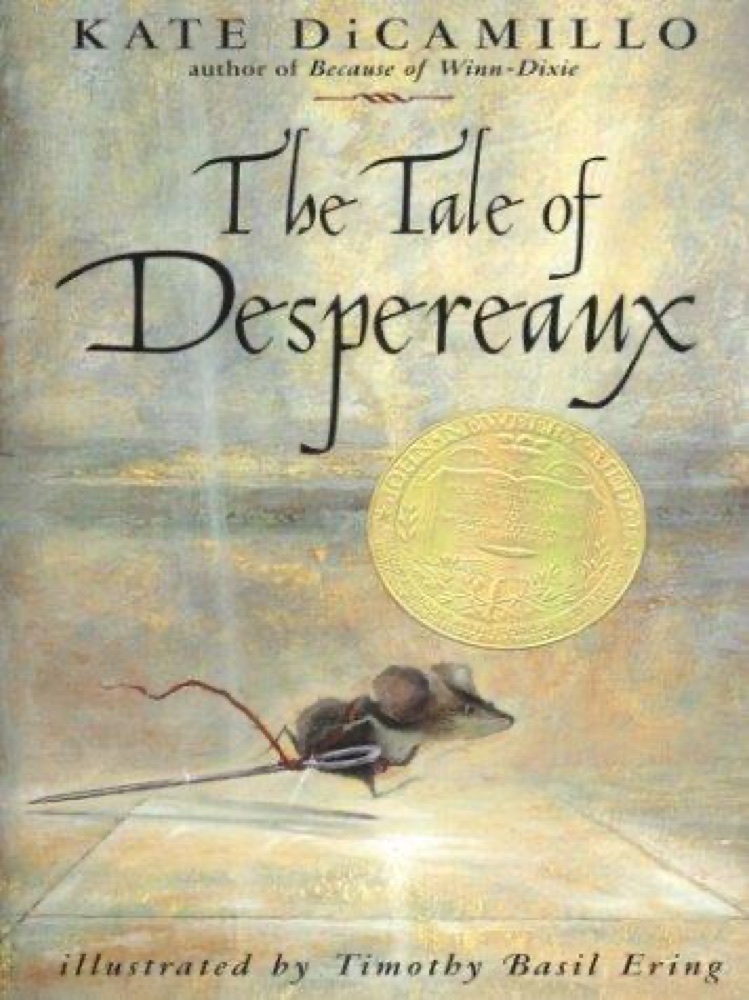
The Tale of Despereaux, Kate DiCamillo's Newbery Medal-winning children's fantasy, follows Despereaux Tilling, a tiny, big-eared mouse born in a castle who is fascinated by music, stories, and a human princess named Pea. Cast out by his own kind for breaking mouse rules and consorting with humans, Despereaux is condemned to the castle dungeon. There his fate becomes entangled with two other outcasts: Chiaroscuro (Roscuro), a rat drawn to light who plots revenge after a humiliation, and Miggery Sow, a hard-used serving girl who dreams of becoming a princess.
Told in four interlocking books, the narrative weaves these separate backstories together before bringing them to a head in Despereaux's quest to rescue Princess Pea from the dungeon. DiCamillo writes with a direct, storyteller's voice, frequently addressing the reader and dwelling on the moral weight of her small characters' choices. The book's central concerns are forgiveness, courage, and the pull between darkness and light, embodied in Roscuro's longing and Despereaux's refusal to be ruled by fear.
Published by Candlewick Press in 2003 with illustrations by Timothy Basil Ering, the book won the 2004 Newbery Medal and became one of DiCamillo's best-loved works. It was adapted into an animated feature film in 2008 and is widely taught as a middle-grade classic about bravery, mercy, and the power of stories.
Key characters
- Despereaux TillingA small, sickly mouse who loves reading and music and becomes devoted to Princess Pea
- Princess PeaThe human princess Despereaux befriends and seeks to rescue
- Chiaroscuro (Roscuro)A rat drawn to the light who plots revenge but comes to know regret
- Miggery Sow (Mig)A mistreated serving girl who longs to become a princess
- GregoryThe castle jailer who watches over the dungeon
- AntoinetteDespereaux's French mother, who names him for the despair around her
Book details
- First published
- 2003
- Length
- 276 pages
- Reading time
- 2 hours
- Author
- Kate DiCamillo
- Genre
- Fiction
- Goodreads rating
- 4.08 (218k ratings) →
- First line
- “This story begins within the walls of a castle, with the birth of a mouse.”
Movie & TV adaptations
- IMDb
If you liked this, read…
- 1Because of Winn-DixieAnother tender, Newbery-honored Kate DiCamillo novel about outsiders and belonging
- 2The Miraculous Journey of Edward TulaneDiCamillo's fable of a small creature's journey toward love and courage
- 3Charlotte's WebA classic animal fable centered on friendship, loyalty, and mortality
Keep reading
 Les Misérables
 The Mime Order
 Inkdeath
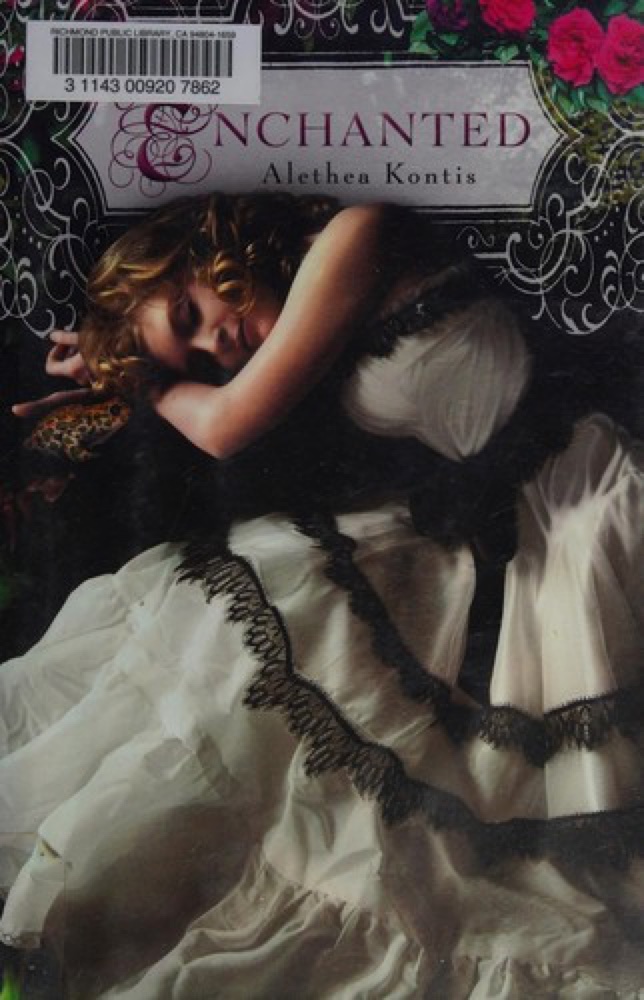 Enchanted
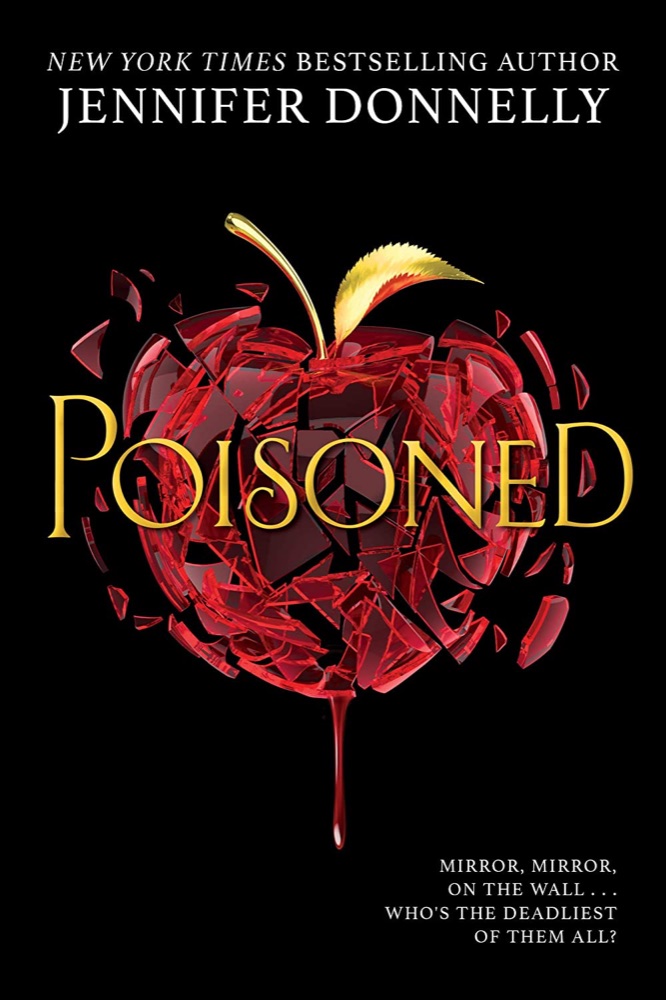 Poisoned
 A Conjuring of Light
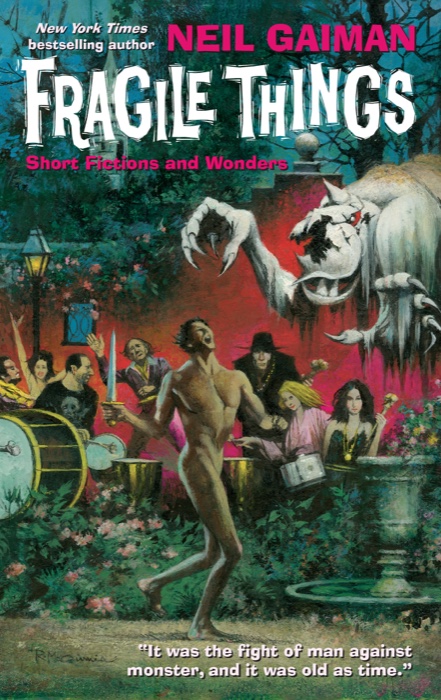 Fragile Things: Short Fictions and Wonders
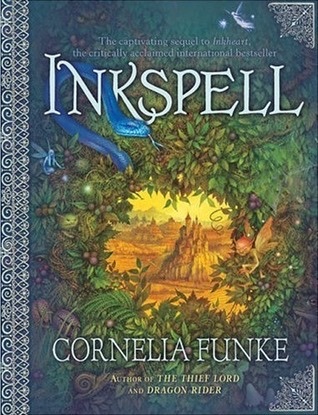 Inkspell
 Stardust
 Abarat
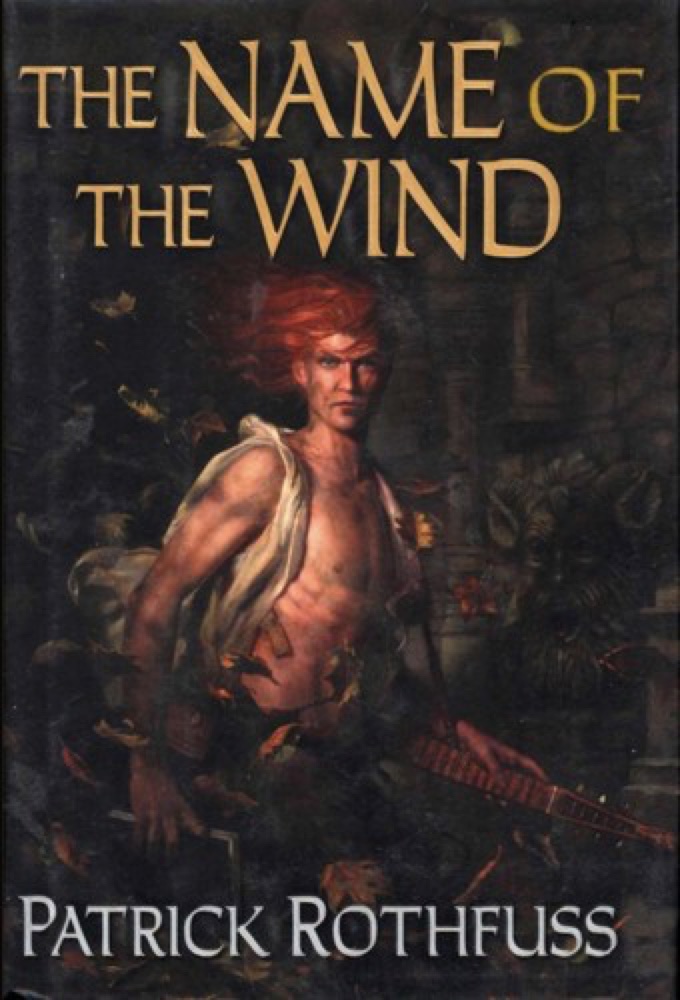 The Name of the Wind
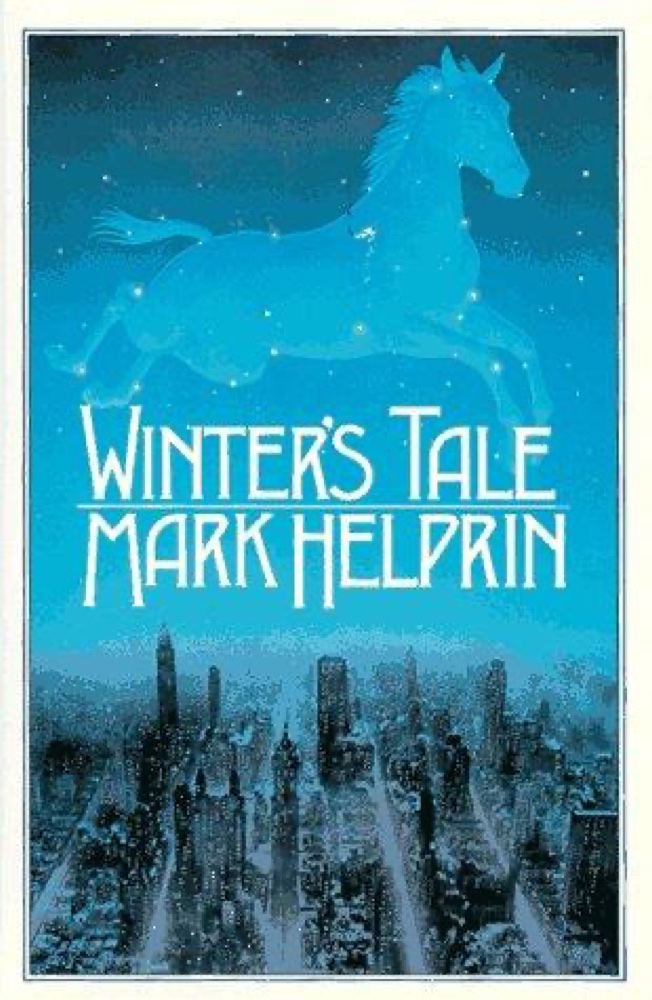 Winter's Tale
 The Wolf Gift
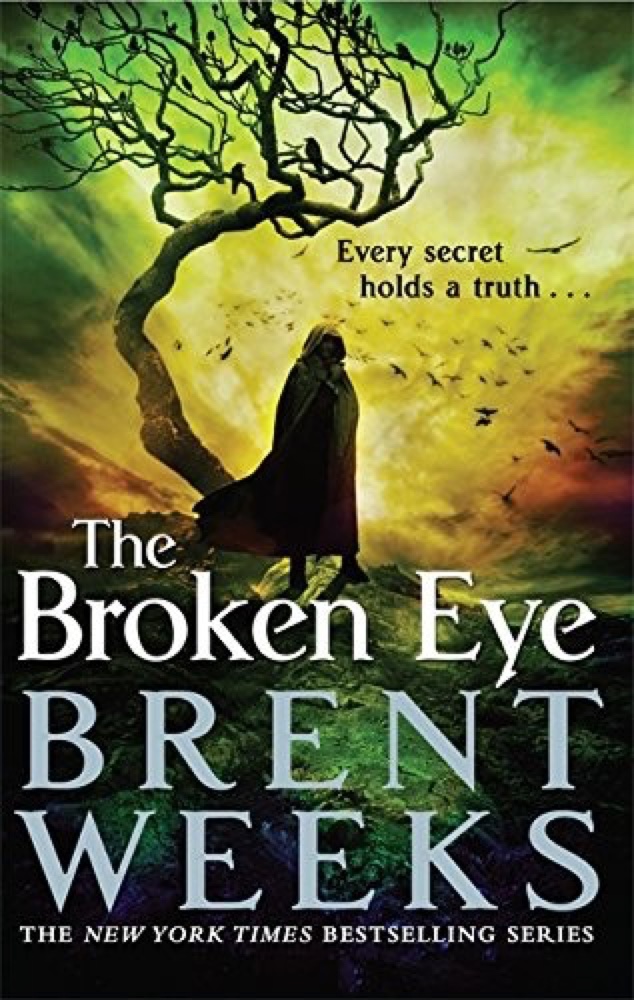 The Broken Eye
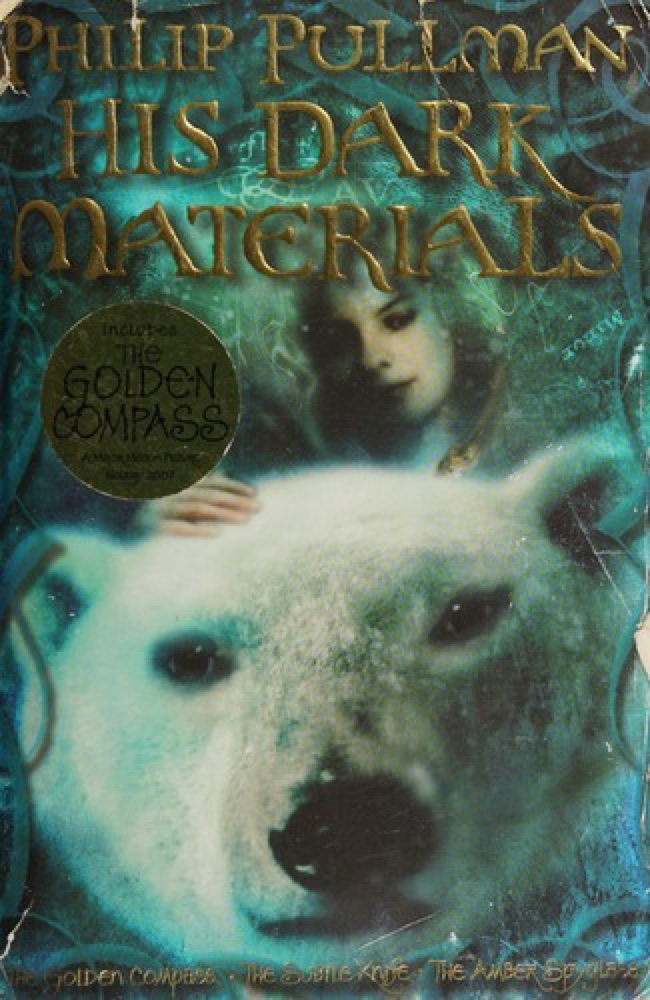 His Dark Materials
 The Enchanted
 The Beautiful
 Beauty and the Beast: Lost in a Book
 The Blue Castle
 A Wild Swan: And Other Tales
 Everything Sad Is Untrue
 The Serpent King
 Dracula
 A Tale of Love and Darkness
 Lord of Shadows
The Magician's Elephant
Lord of Shadows
The Magician's Elephant
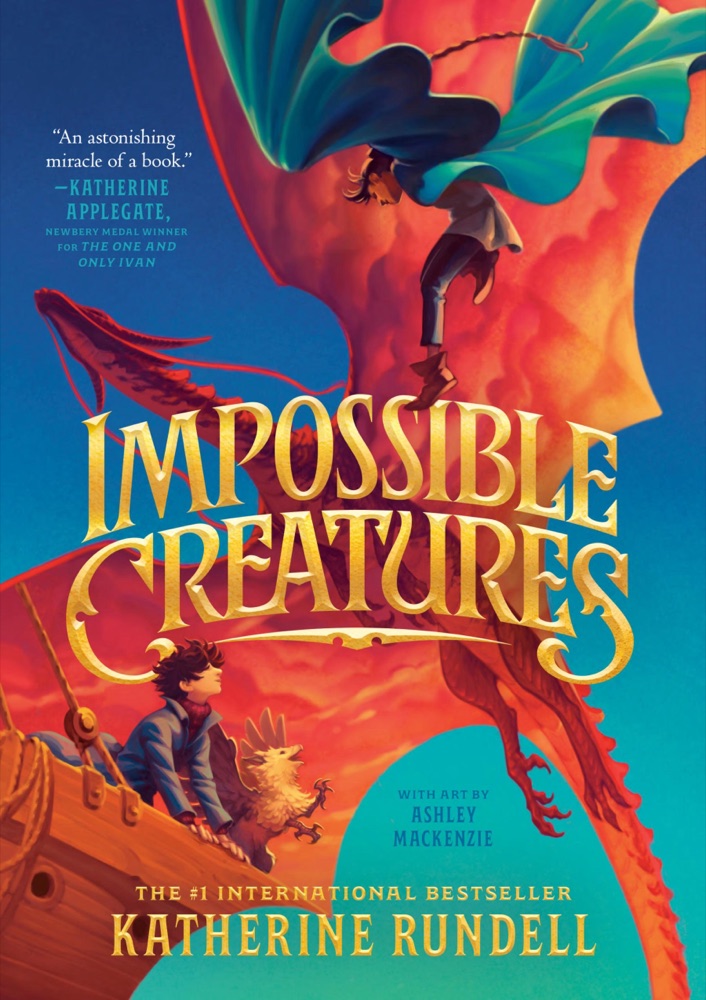 Impossible Creatures
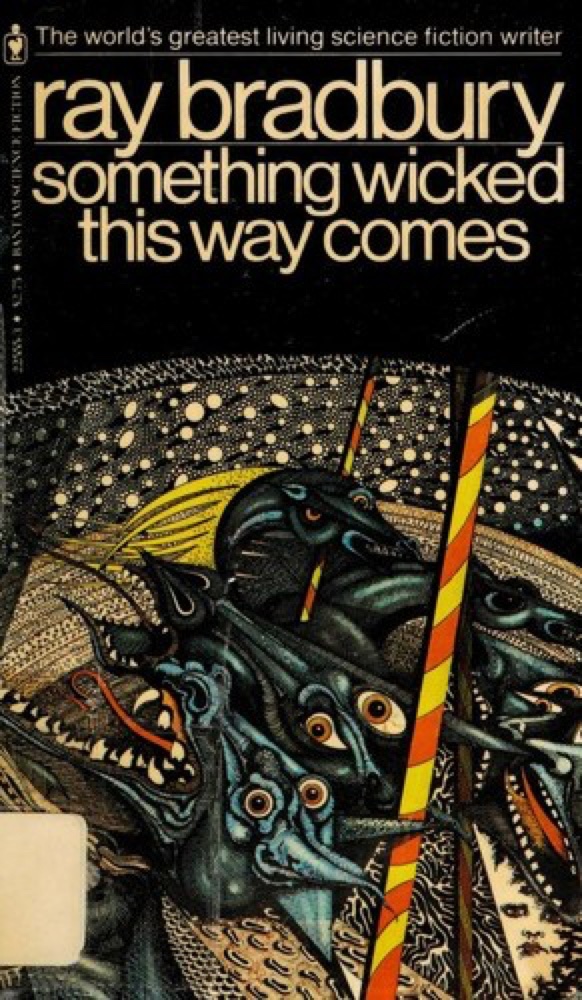 Something Wicked This Way Comes
 Heartless
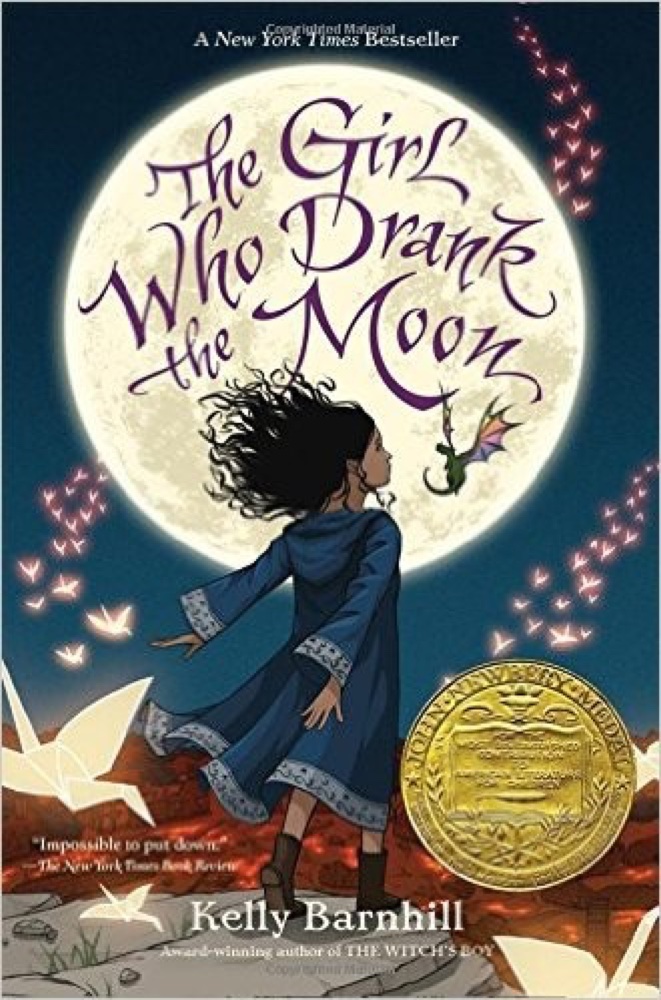 The Girl Who Drank the Moon
 Juliet
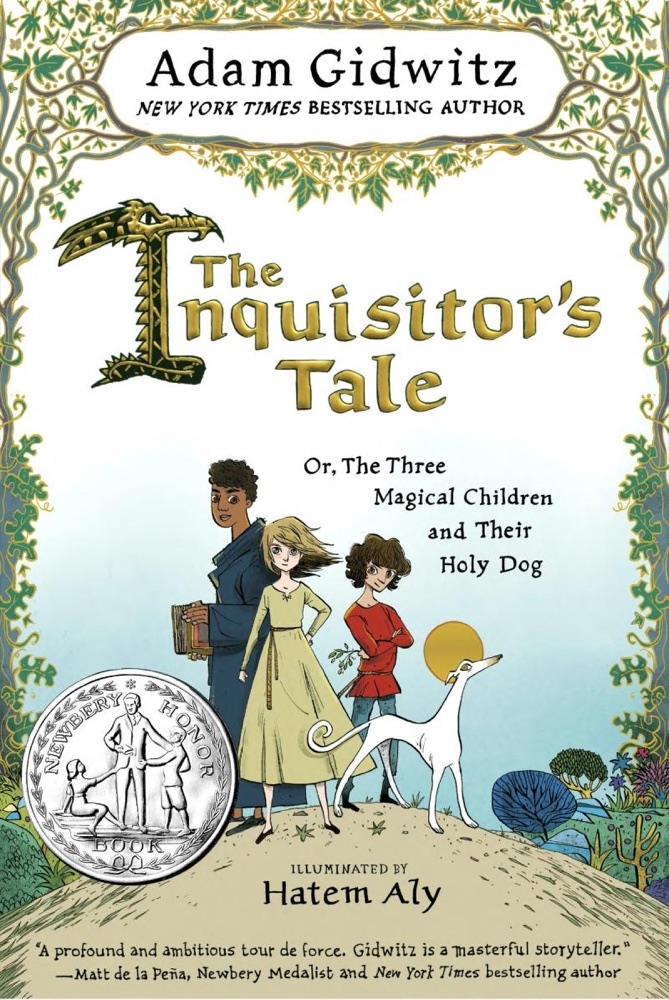 The Inquisitor's Tale: Or, The Three Magical Children and Their Holy Dog
 Wizard and Glass
 Muse of Nightmares
 Doctor Zhivago
 Providence
 The Sweet Far Thing
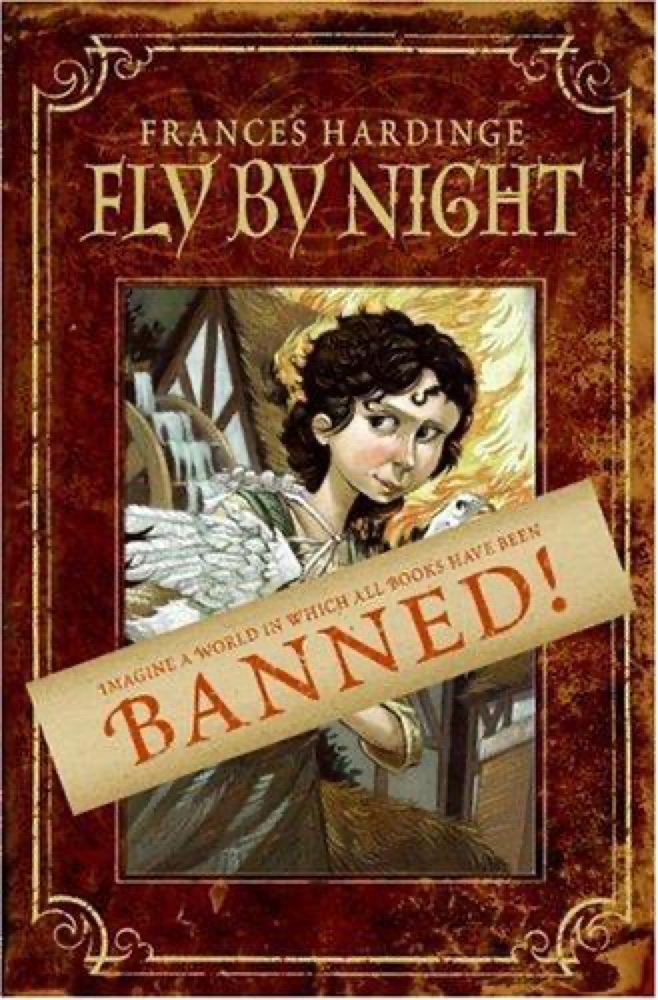 Fly by Night
 Days of Blood & Starlight
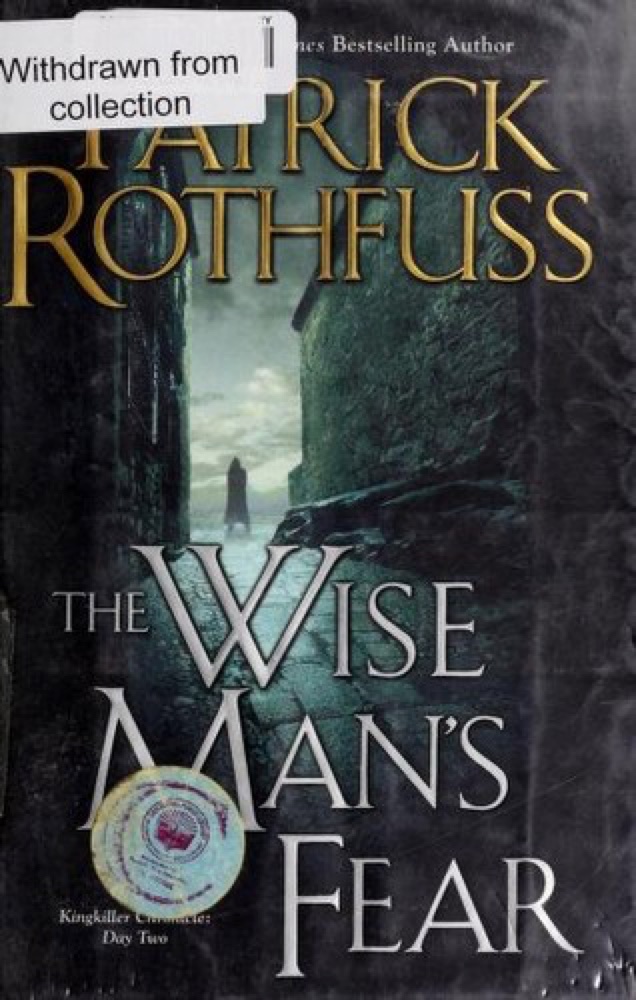 The Wise Man's Fear
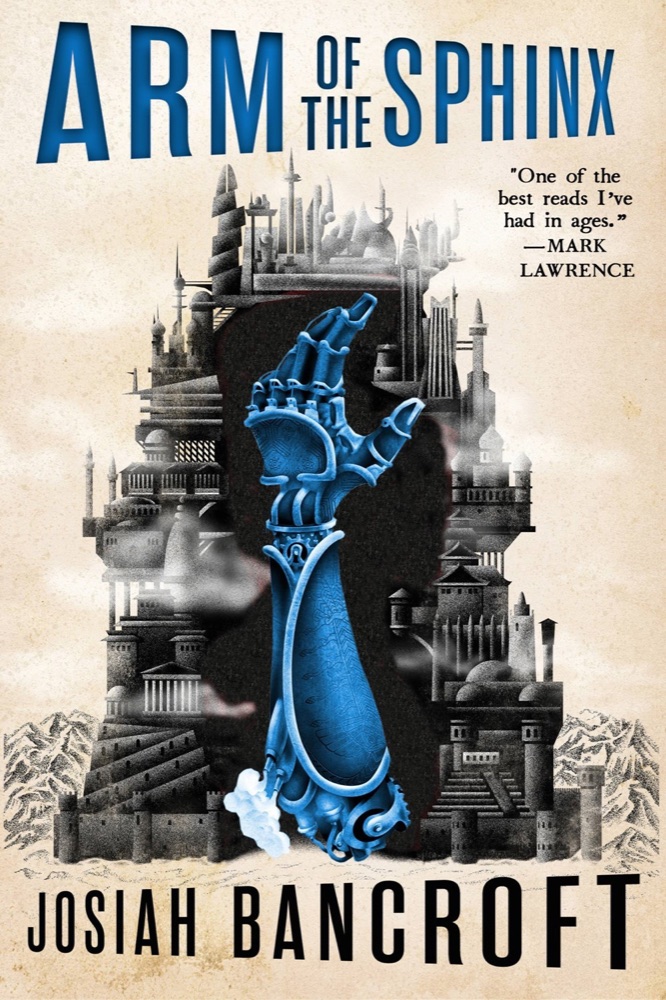 Arm of the Sphinx
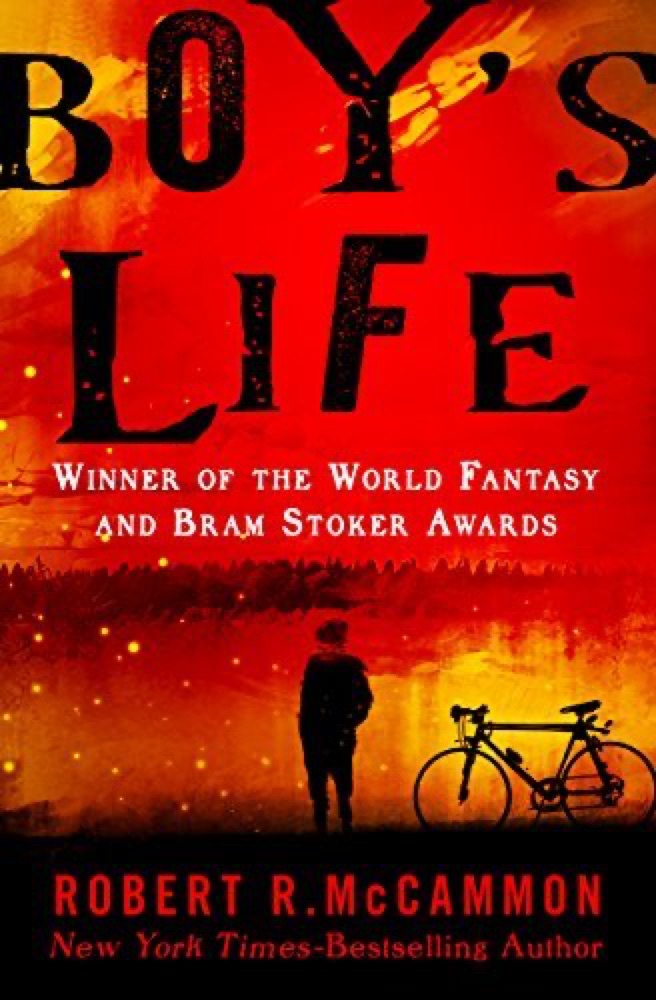 Boy's Life
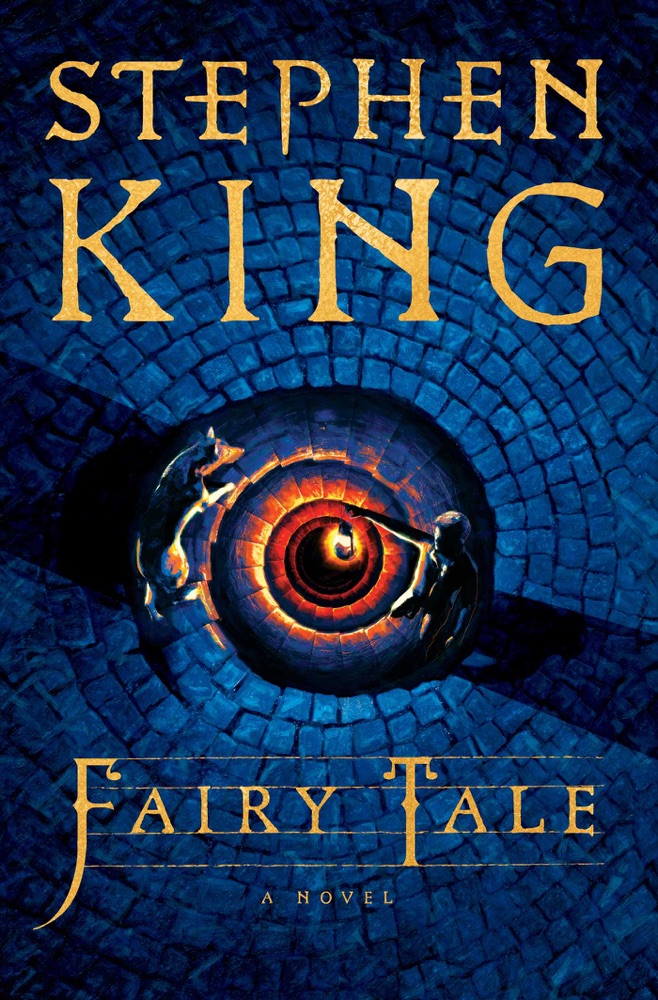 Fairy Tale
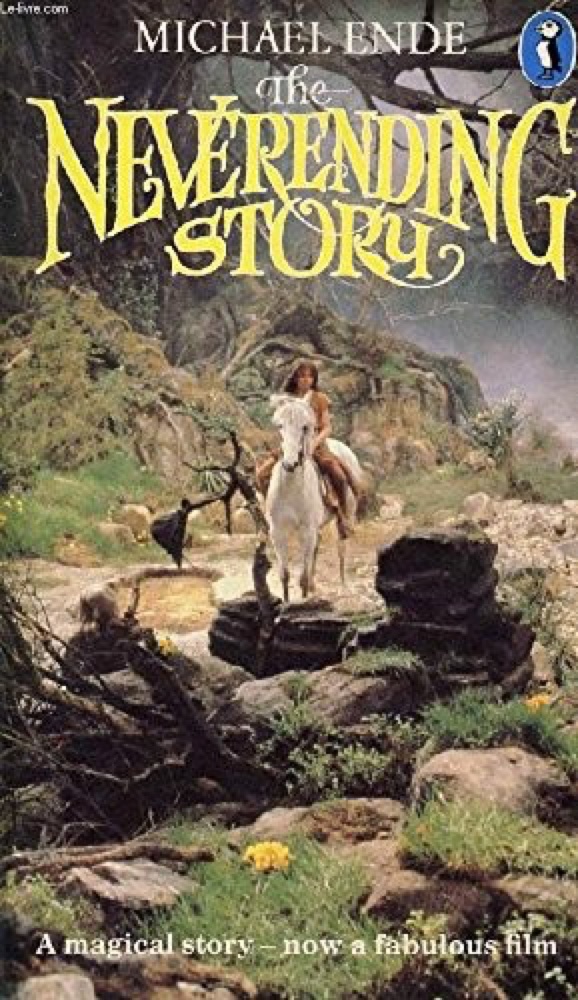 The Neverending Story
 Long Live Evil
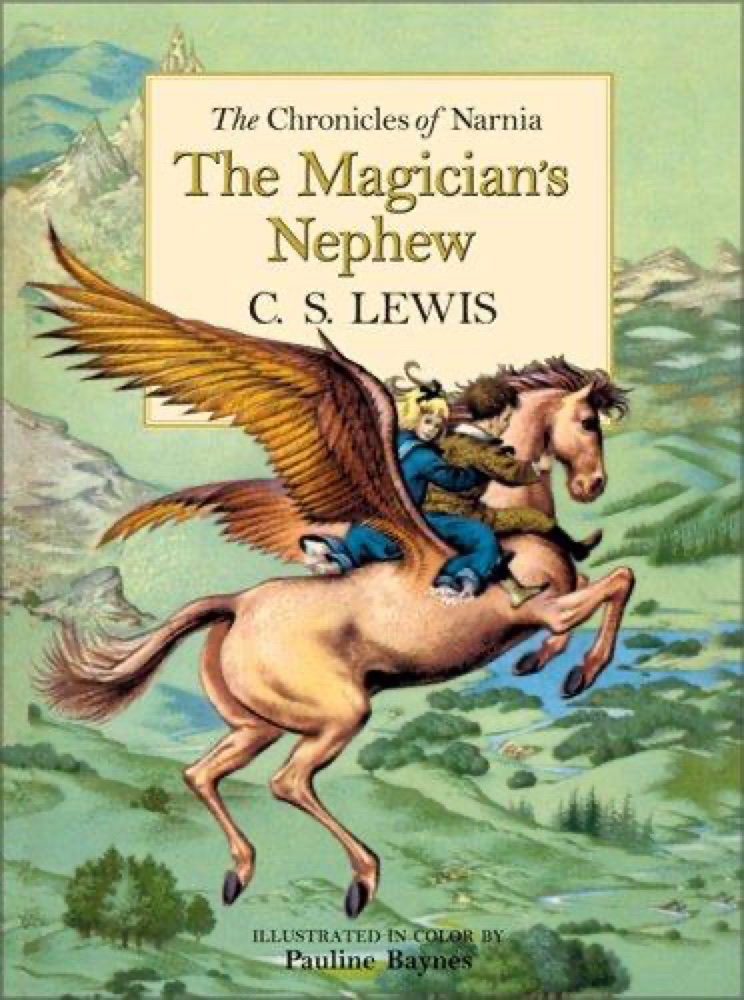 The Magician's Nephew
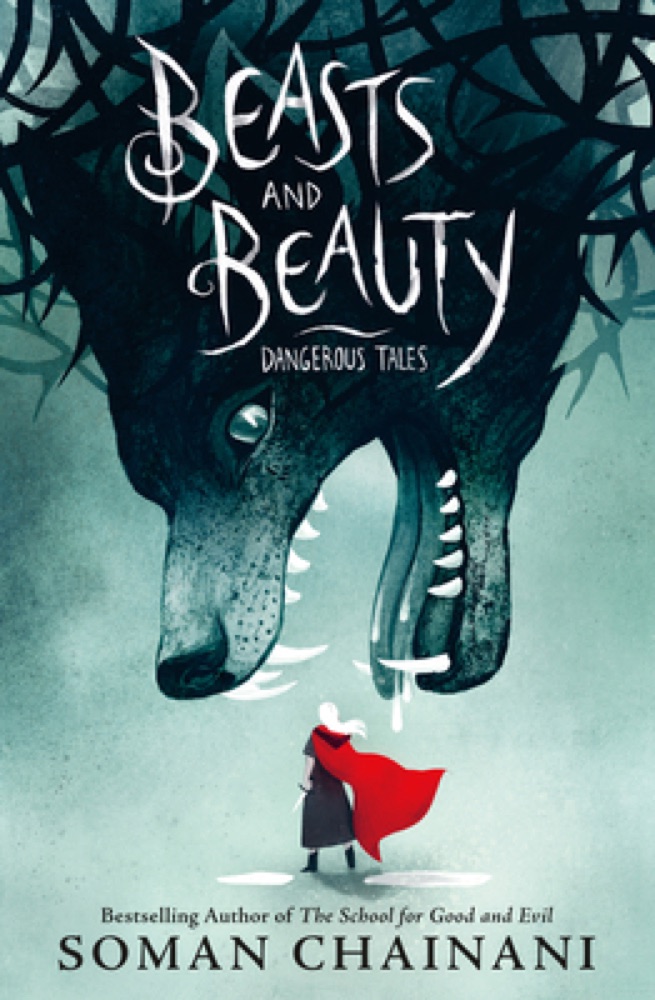 Beasts and Beauty: Dangerous Tales
 The Dream of Perpetual Motion
 Atonement
 The Book Thief
 The Sea, the Sea
 Prince Lestat
 Lifeblood
 Son of the Shadows
 Fool's Quest
 Once Upon a Wardrobe
 Père Goriot
 The Ship Beyond Time
 Library of Souls
 The Kiss of Deception