
 Libra
Libra
Quotes from the Book
Truth, meanwhile, was a weapon that even a damaged fist could still grasp and wield. It was a remarkably versatile commodity; it could be traded, or help serve an end, or produce a profit.
Early retirement, Dalton. Teach yourself to type with your toes and you can start writing your memoirs.
The world knows nothing of you. That is my gift to you. You are no one.
PROLOGUE The client sat in an eight-foot-square room staring at a large one-way mirror that offered a view into flat, smooth darkness. An audio
dusty light invaded the pitch-black core of him. He felt a dull ache in his ankles. Rising up like a ballet dancer on the balls of his feet, he stretched his Achilles tendons and calf muscles. The pain and the music stopped, and then the sliver of light disappeared. The elevator gate rattled. “Geiger?” Harry said. The word came to Geiger as if called to him across a canyon. He turned to find Harry standing in the doorway, bafflement breaking across his face. “Jesus Christ. What the hell happened?” Geiger glanced back at Hall. “We’re leaving,” he said, as if he were informing the body instead of Harry. Harry put the attaché case down at his feet. “Oh fuck. What’d you do to him? Is—is he dead?” “No. We have to go now.” Geiger moved for the door, and Harry put his hands up like a traffic cop. Geiger stopped, staring at Harry’s raised palms. “Wait a second,” Harry said. “Just wait, okay? Jesus Christ.” He put his palms to his cheeks. “What the hell is going on with you?” “We have to go.” “Can we talk about this for a minute?” “Right now, Harry, it’s more important that we leave.” “I disagree, man. This is crazy. This is truly nuts,
And he had a theory about fear. It was all about regret. If you make what you want out of life and don't bullshit yourself about your choices, then there are no regrets, and a man without regret isn't afraid of anything.
Watch on YouTube
About Mark Allen Smith
We have collected 6 quotes from 1 book by Mark Allen Smith on BookQuoters.
More about the author →Book details
- Author
- Mark Allen Smith
- Genre
- Fiction
- Goodreads rating
- 3.65 (3k ratings) →
Keep reading
Libra
 Mirror Dance
 Memory
 The Broken Eye
 Vigil
Vigil
 The Wolf Gift
 The Passage
 Moon Palace
 Leviathan
 Do Androids Dream of Electric Sheep?
 The Tunnel
 Notes of a Dirty Old Man
 From Here to Eternity
 Call for the Dead
 Sexus
Sexus
 Light Years
 The Magus
 Wayward
 Embers
 The Blind Assassin
 The Way of Shadows
 The Blood Mirror
 A Scanner Darkly
 Ragtime
 The Liar
 You Can't Go Home Again
 Mao II
 Shadow & Claw
 Nova
Nova
 The Graveyard Book
 Lilith
 Four Ways to Forgiveness
 The Tiger in the Smoke
 Use of Weapons
 Point Omega
 Absalom, Absalom!
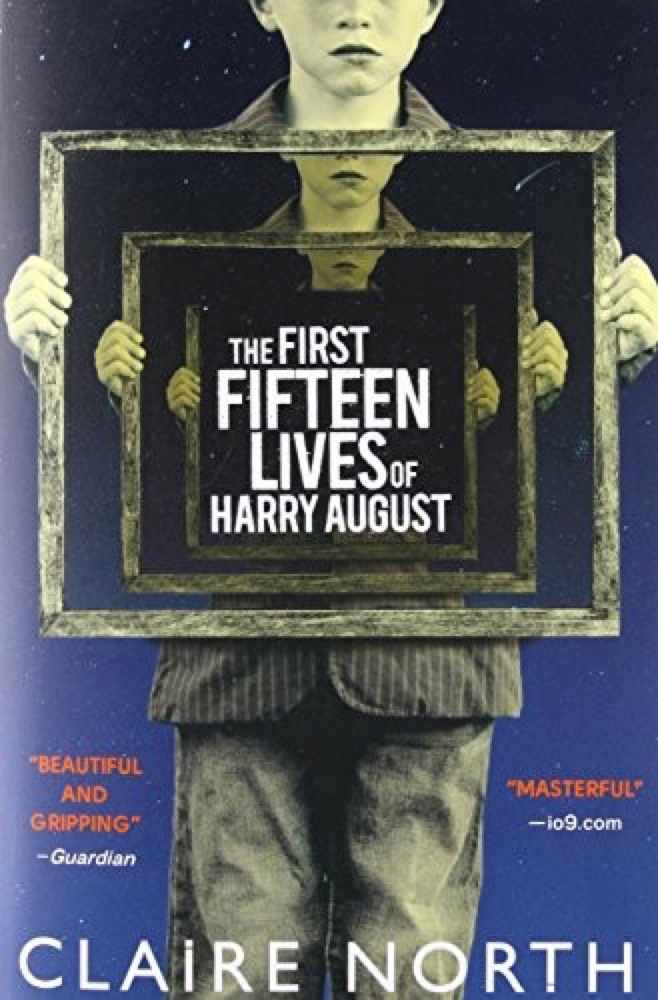 The First Fifteen Lives of Harry August
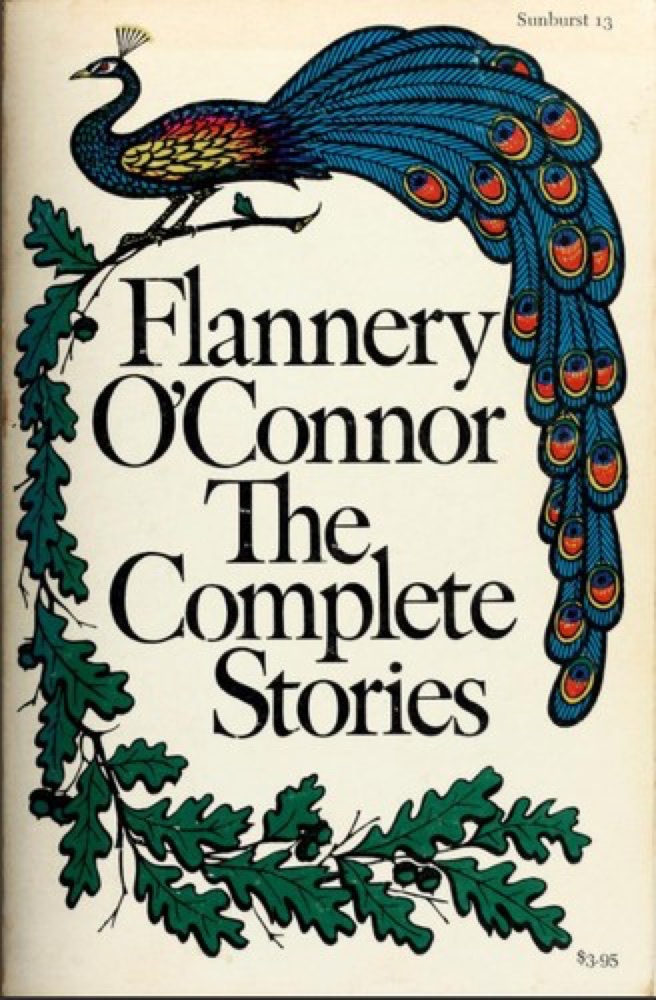 The Complete Stories
 Wolf Hall
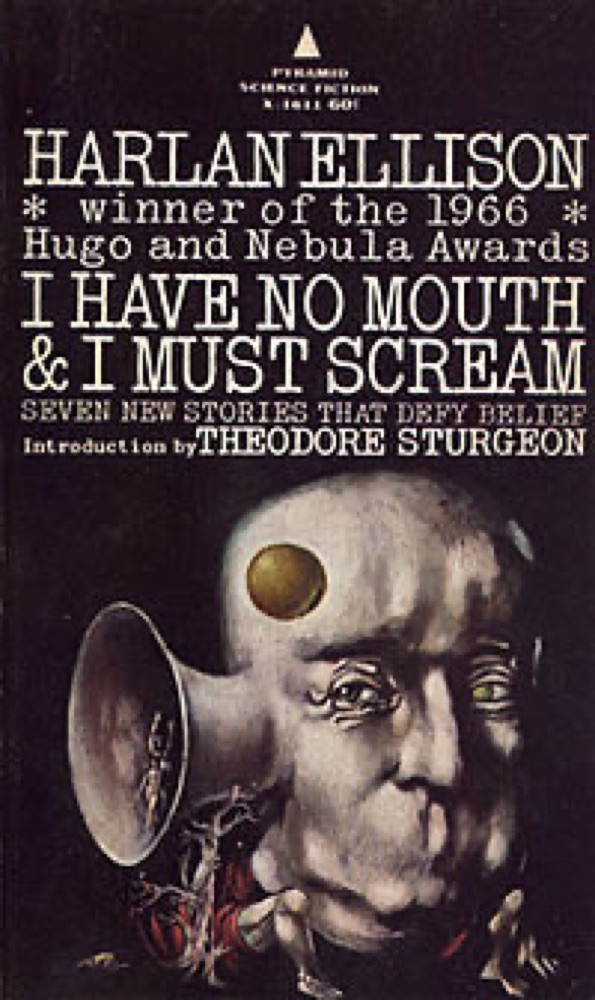 I Have No Mouth & I Must Scream
 Ubik
Ubik
 Bradbury Stories: 100 of His Most Celebrated Tales
 The Isle of Blood
 The Dragonbone Chair
 Attrition: the First Act of Penance
 Prince of Thorns
 All the King's Men
 Possession
 The Book of Illusions
 The Mime Order
 The Illustrated Man
 The Naked and the Dead
 Sweep in Peace
 The Orphan Master's Son
 The Fountainhead
 The Poet
 Hyperion
 The Great Mistake
 The Recognitions
 The Archived