
 Scar Tissue
Quotes from the Book
As the components of your life are stripped away, after all the ambitions and hopes vaporize, you reach a self-reflective starkness-- the repetitious plucking of a single overwound string.
Perhaps the price of comfort is that life passes more rapidly. But for anyone who has lived in uneasiness, even for a short, memorable duration, it's a trade-off that will gladly be made.
My last chance had vanished into itself like a snail coiling up into his shell. Insidiously I had lost my grip, and now this was it. I thought all this without much emotion. I really didn't care anymore. I couldn't hang on anymore. I didn't have the guts to kill myself, but I didn't want it to continue. I walked a couple of blocks, empty, listless, and wished I could cry. ...The diabolic hope, the purposeful pulsing of blood, the flight into coherence allowed for some rationalizing an afterlife. A new theology was evolving, one that had a faith-in-death clause. It was evolved when I kicked a dead waterbug on the pavement. It was dried out, hollowed, emptied, like some kind of shell. Maybe, I thought, its body is a shell, maybe all bodies are shells. We hatch and die. Our spirit or something like that is the yoke: it lives the real life, the true life. It wasn't comforting.
Some of the more industrious ones were washing the windshields of cars that had been trapped by the red light. I used to see them from inside cars and think they brought it on themselves, and they probably did but now it didn't make a difference. I went over to the fire and warmed my hands with the group. I looked at their faces: idiots, criminals, retards, schizophrenics, paranoids, rejects, fuck-ups, broken-down failures. Alone, once children, never asked to be put on this earth, they ended up as jurors. Their lives were the verdict: the system, the man, something had failed.
When I was in my teens, I made an appraisal of how comfortable my life could turn out when I became the age I am now. Because of a mechanical failure, the prediction was inexact.
In Brooklyn I am content, the closest we can come to a sustained happiness.
Once, as a teenager, I had believed that people could change themselves. Finally I realized that all one could ever hope was understanding one's filthy self better.
I had grazed along the surface of her actions and made deep judgments. Rejecting someone because you couldn't understand their love, that was a new one. The more I thought about it the longer the shadow of doubt stretched over all my conclusions. More often than not, things were as they seemed. But as I stared at her, she wasn't as bad looking as I had once thought. I realized how all this time I had seen her the wrong way, and how one's character affects one's appearance. Although she wasn't my type she was attractive. As I thought about her - the vulnerable intelligence, the violent honesty, and the fact that in the entire city she was the only one who took me in and fed me - she became more and more irresistible. Baited by an obscure beauty, trapped by an intense sorrow - all prior definitions had been overruled: this was love.
Watch on YouTube
About Arthur Nersesian
We have collected 8 quotes from 1 book by Arthur Nersesian on BookQuoters.
More about the author →Book details
- Author
- Arthur Nersesian
- Genre
- Fiction
- Goodreads rating
- 3.59 (12k ratings) →
Keep reading
Scar Tissue
 Severance
 A Home at the End of the World
 The Likeness
 In the Woods
 What I Was
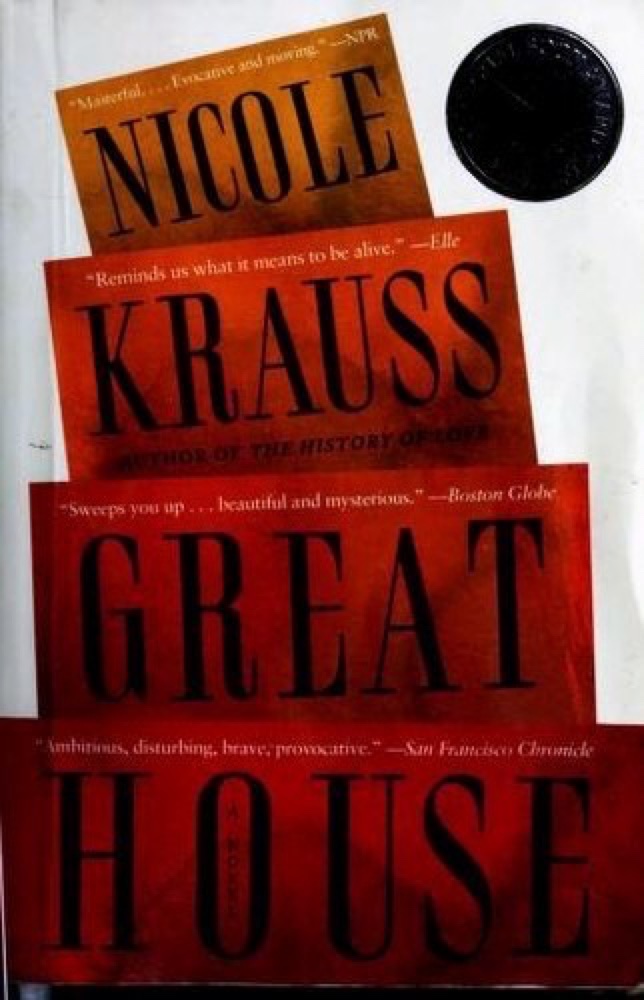 Great House
 All Fours
 The Story of a New Name
 The Stranger
 Ham on Rye
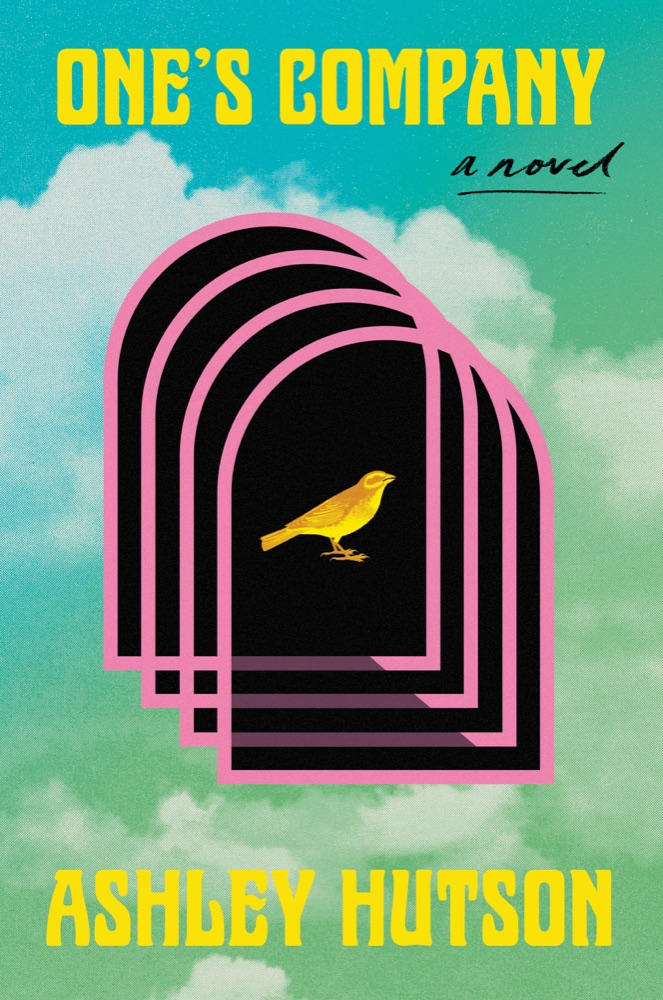 One's Company
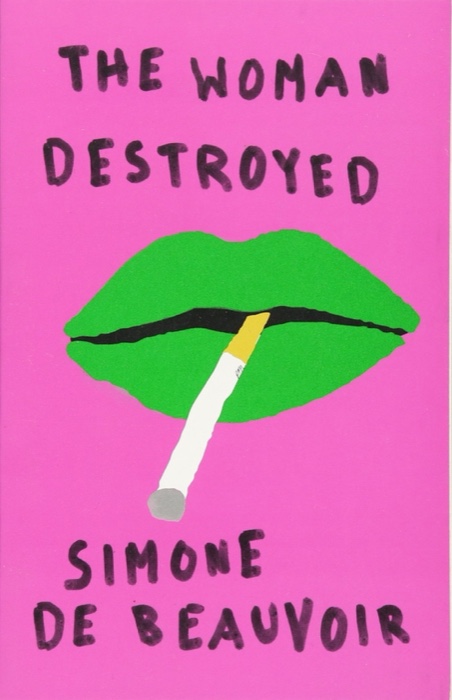 The Woman Destroyed
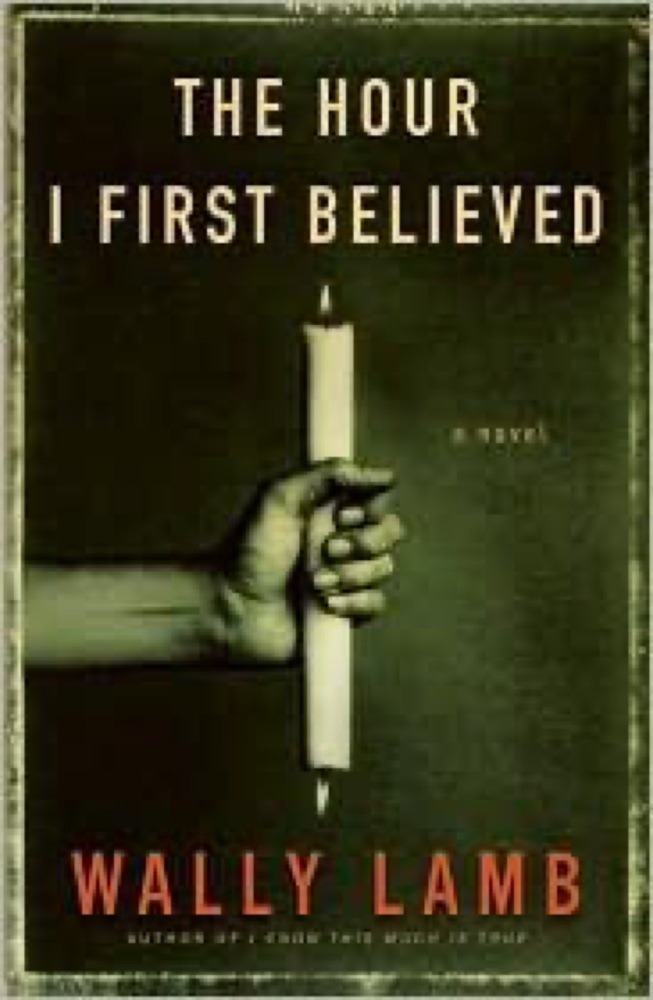 The Hour I First Believed
 Lust & Wonder
 Breakable
 The Rum Diary
 Spill Simmer Falter Wither
 The Sea
 Impulse
 Bright Lights, Big City
 Out Stealing Horses
 The Beginning of After
 How I Live Now
 Moon Palace
 Rebecca
 Testament of Youth
 The Blindfold
 Cat's Eye
 Engleby
 The Buddha of Suburbia
 The First Time She Drowned
 The Discomfort Zone: A Personal History
 Watermelon
 Pulp: Charles Bukowski's Final Hardboiled Noir Comedy – Lady Death, Aliens, and the Absurd
 Three Comrades
 Autobiography
 Saturday
 Dark Places
 Lucky
Lucky
 She's Come Undone
 White Oleander
 A Line Made By Walking
 Canada
 Revolutionary Road
 The Mandarins
 Traveling Mercies: Some Thoughts on Faith
 Oblivion
 Look at Me
 Sliver of Truth
 The Sportswriter
 The Sweet Hereafter
 Life Knocks
 The Heroin Diaries: A Year In The Life Of A Shattered Rock Star
 Broken Harbor
 Get Me Out of Here: My Recovery from Borderline Personality Disorder
 The Mermaid Chair
 My Booky Wook
 The Corrections
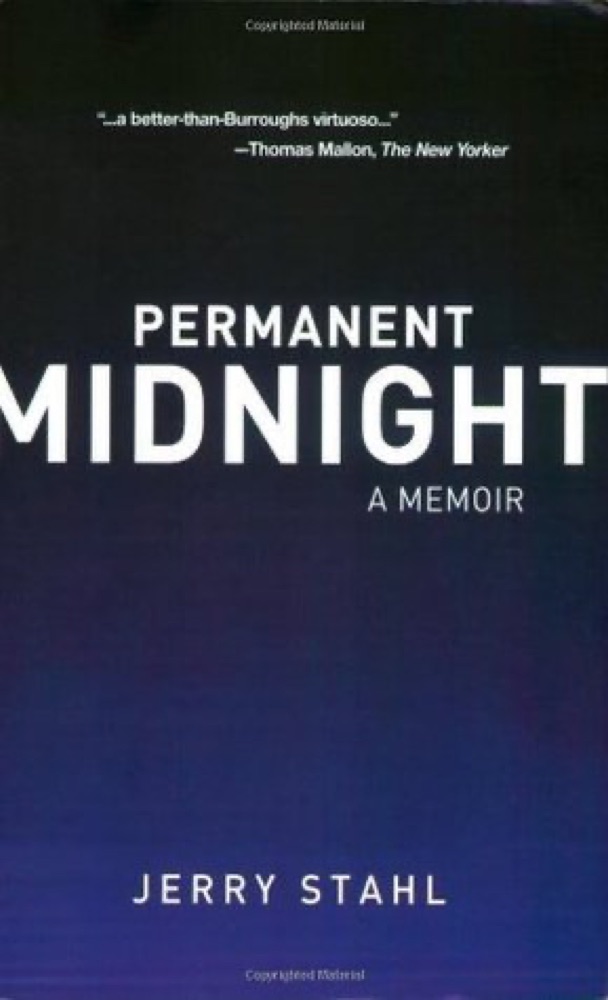 Permanent Midnight