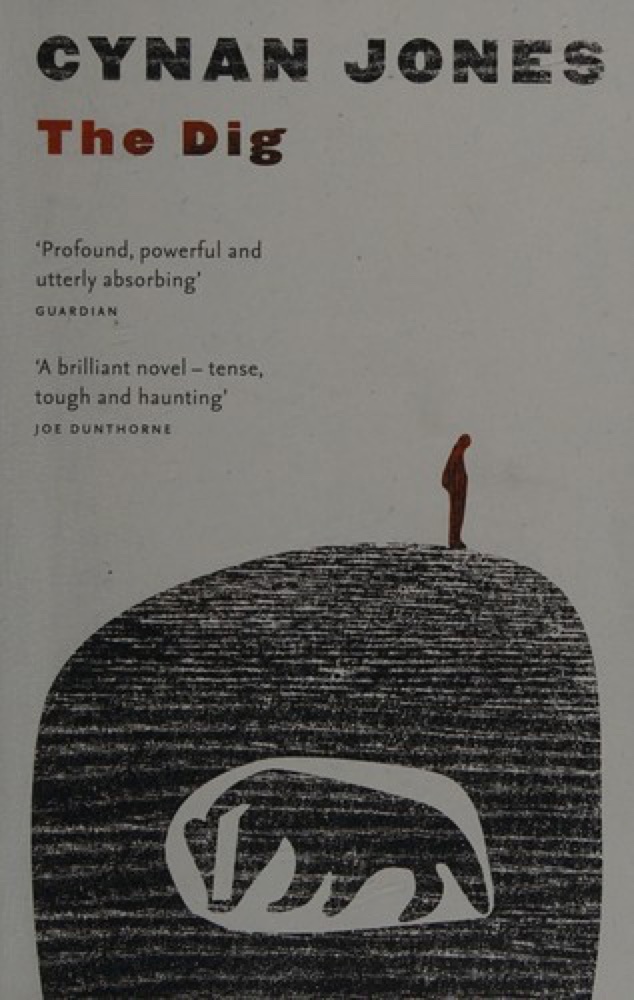

 Little, Big
Quotes from the Book
As he looked out in the pitch dark beyond, a barn owl came into the floodlight, glid silently between the barns and was gone, seeming to leave some ghost of itself, some measureless whiteness in the air.
A singular moth flutters in through the wind baffles to the naked bulb above the kettle, cuspid, a drifting piece of loose ash on the white filament, paper burnt up, caught in the rising current from some fire unseen, unfelt.
He thinks of her sleeping now, the rest she needs, thinks of the warmth of her body, the nest-like thing she could be to his tiredness.
And then he draws the lamb in one smooth strong stroke, and slaps and rakes its wet mosslike fur to make it breathe, feels the power of its fast heartbeat in the chicken-bone cage of its ribs, still wet in his hands from the grease of birth, all these things of life, from jissom to mucus slavered between thighs to the wet sack of birth and glistening oiled newborn thing—all of these things of life awatered.
It is the ability of a person to bring a reaction in us that gives us a relationship with them, and for the time they do that they have a livingness to them.
I wonder if she feels from me the thing I feel about her when I touch her. Not in sex, which he understood now was a different thing from everything else. I just mean when I touch her skin before we sleep and I understand all the things beneath it. Animals can't have that. They can't build their loved ones that way and feel right through their skin. That's never worn off, whatever else. He looked a where she slept. I can't imagine living without that.
About Cynan Jones
We have collected 6 quotes from 1 book by Cynan Jones on BookQuoters.
More about the author →Book details
- Author
- Cynan Jones
- Genre
- Fiction
- Goodreads rating
- 3.89 (2k ratings) →
The buzz
- The New York TimesReview in The New York Timesprofessional review (via Book Marks)
- The Wall Street JournalReview in The Wall Street Journalprofessional review (via Book Marks)
- SeattletimesReview in Seattletimesprofessional review (via Book Marks)
- LitreactorReview in Litreactorprofessional review (via Book Marks)
Keep reading
Little, Big
 The Girl With Glass Feet
 Prodigal Summer
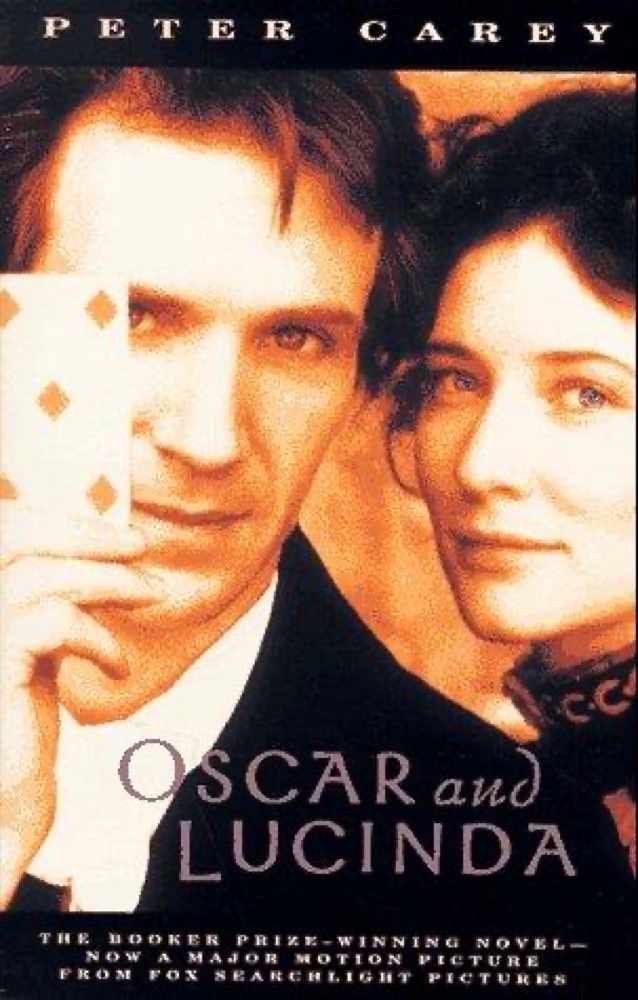 Oscar and Lucinda
 Ethan Frome
 The Dead
 The Rainbow
 A Sport and a Pastime
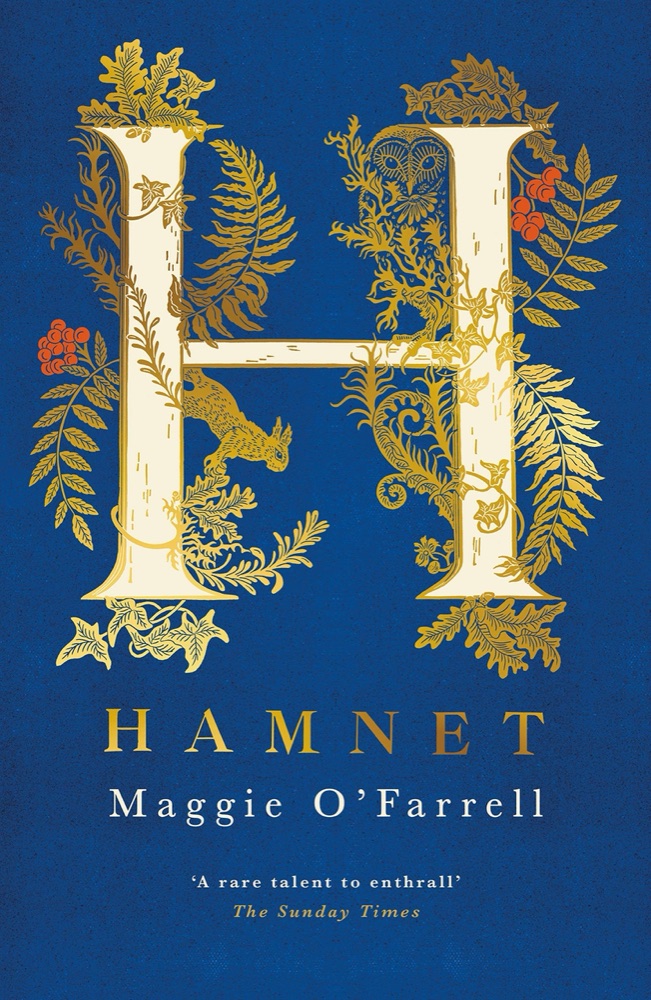 Hamnet
 To the Lighthouse
 Idaho
Idaho
 Stag's Leap: Poems
 Truly, Madly, Deeply
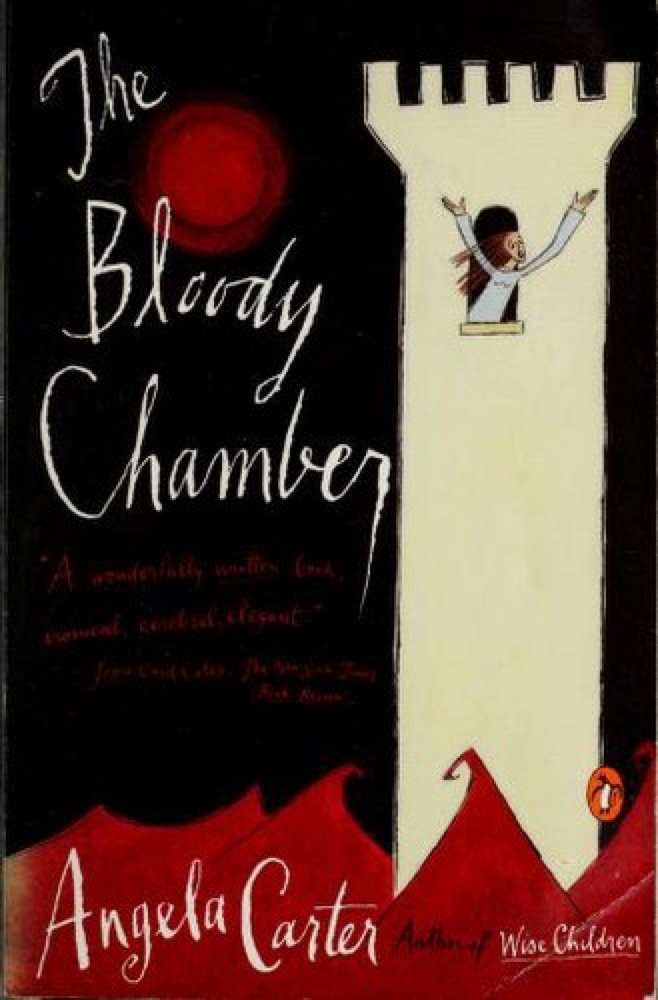 The Bloody Chamber and Other Stories
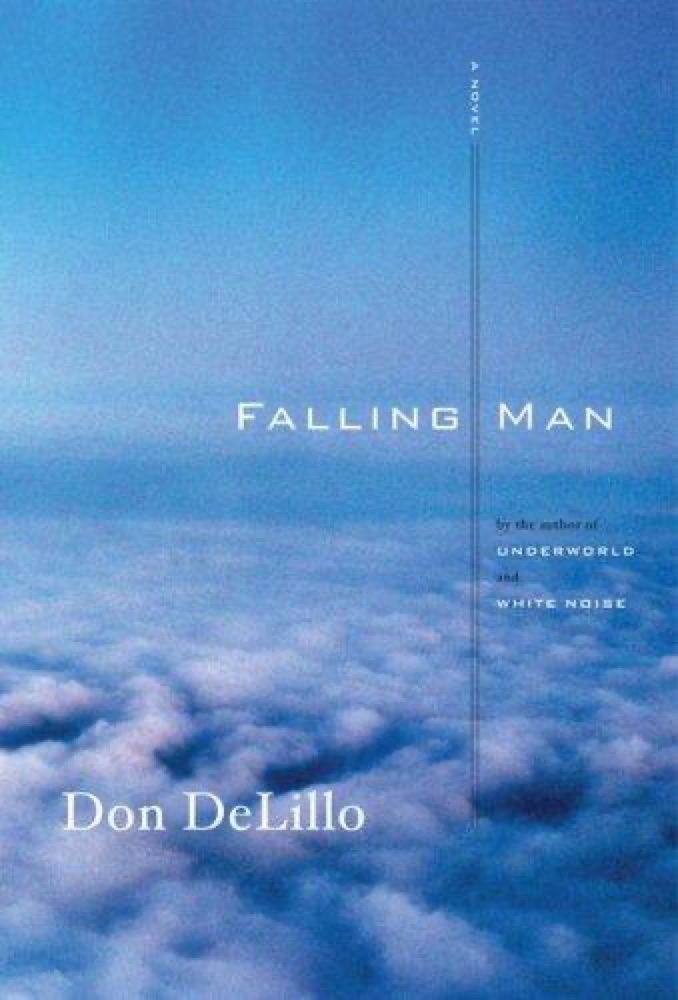 Falling Man
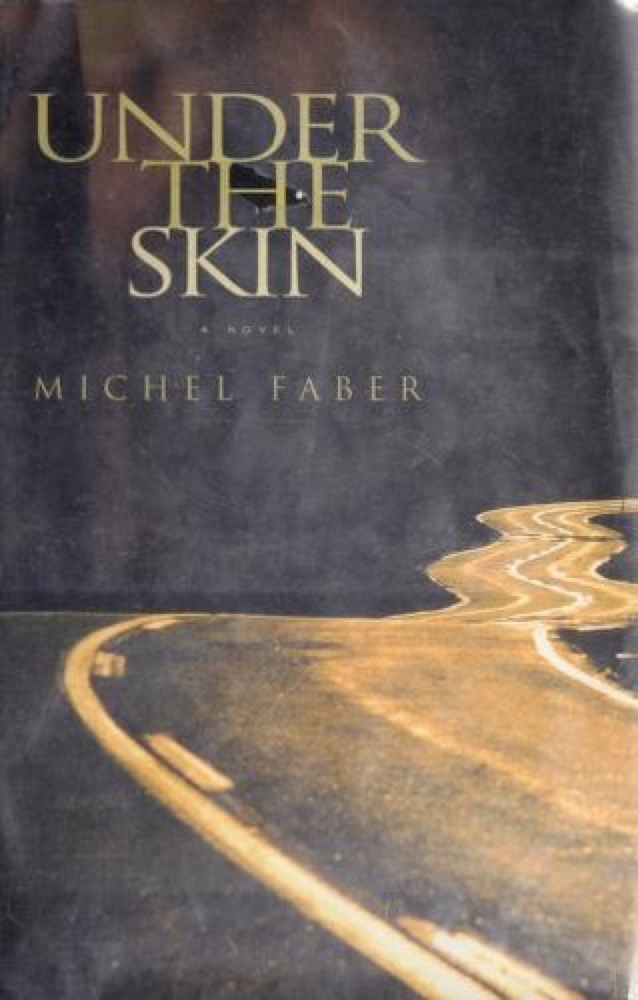 Under the Skin
 The Return of the Native
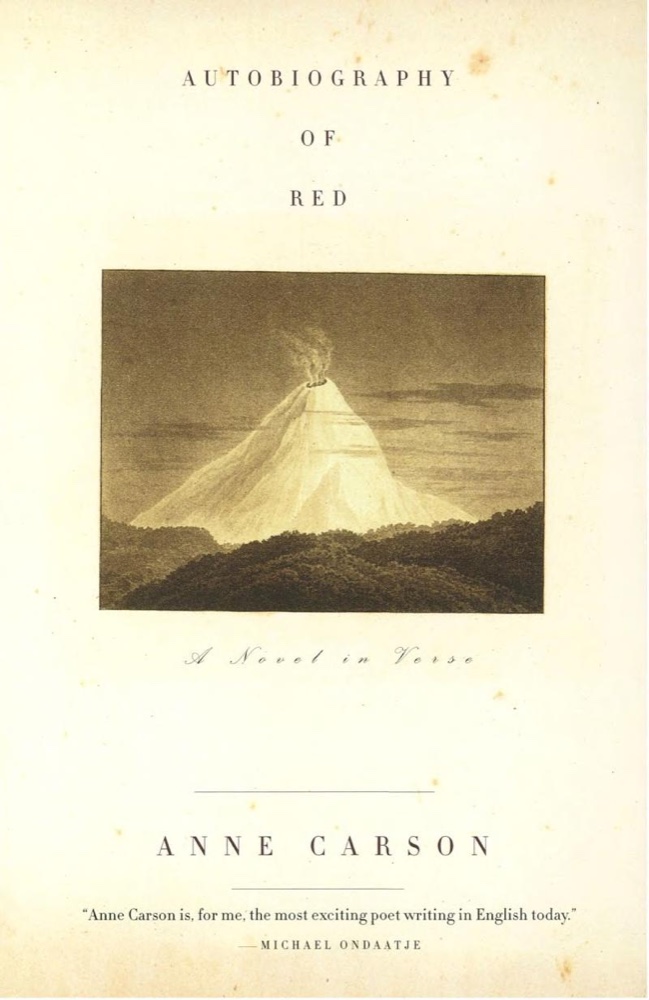 Autobiography of Red
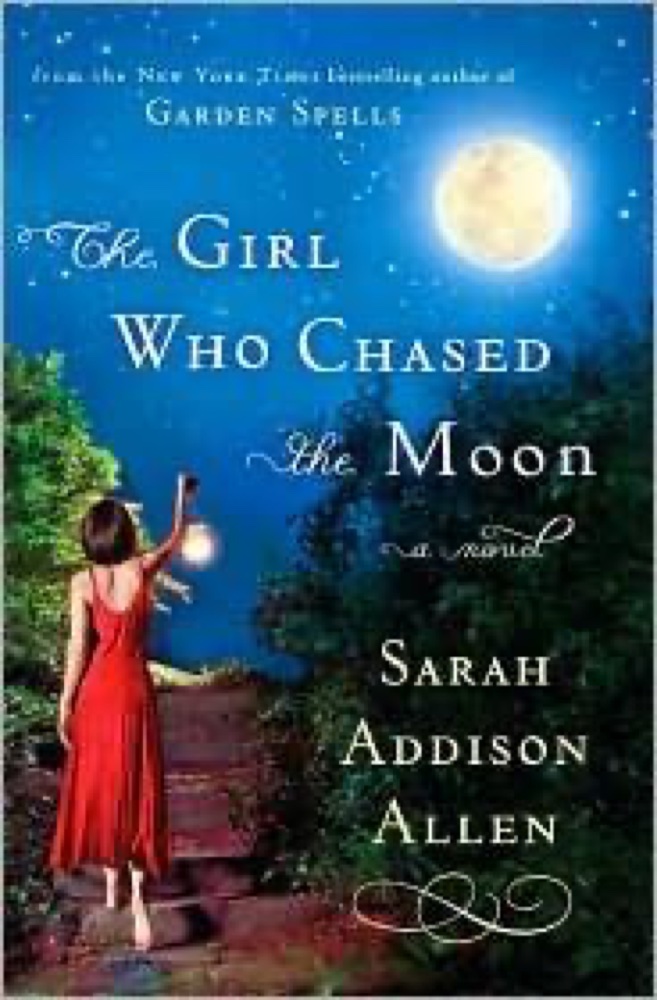 The Girl Who Chased the Moon
 Delta of Venus
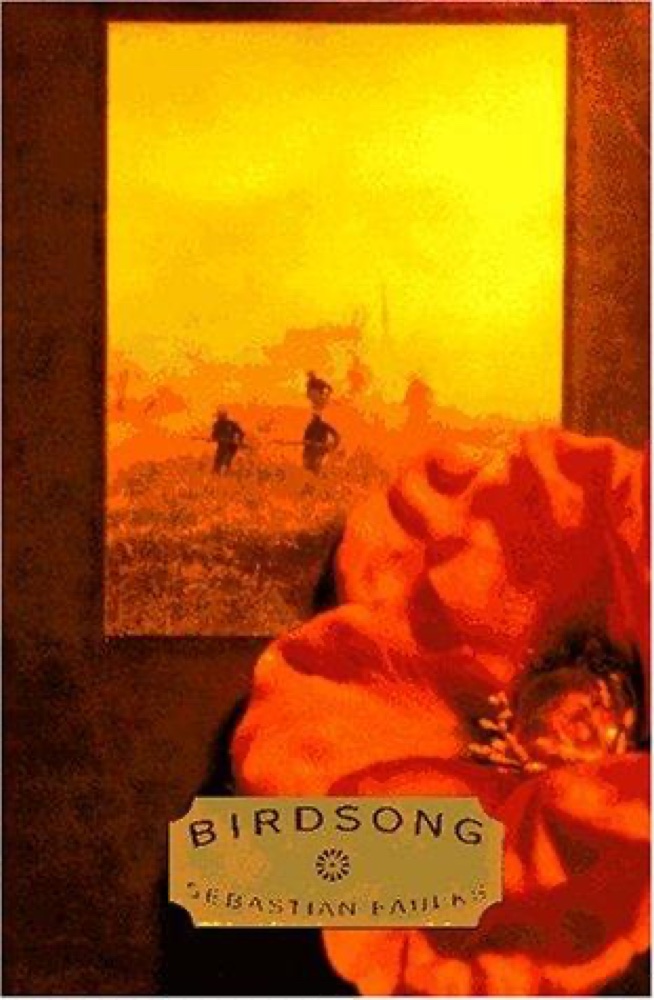 Birdsong
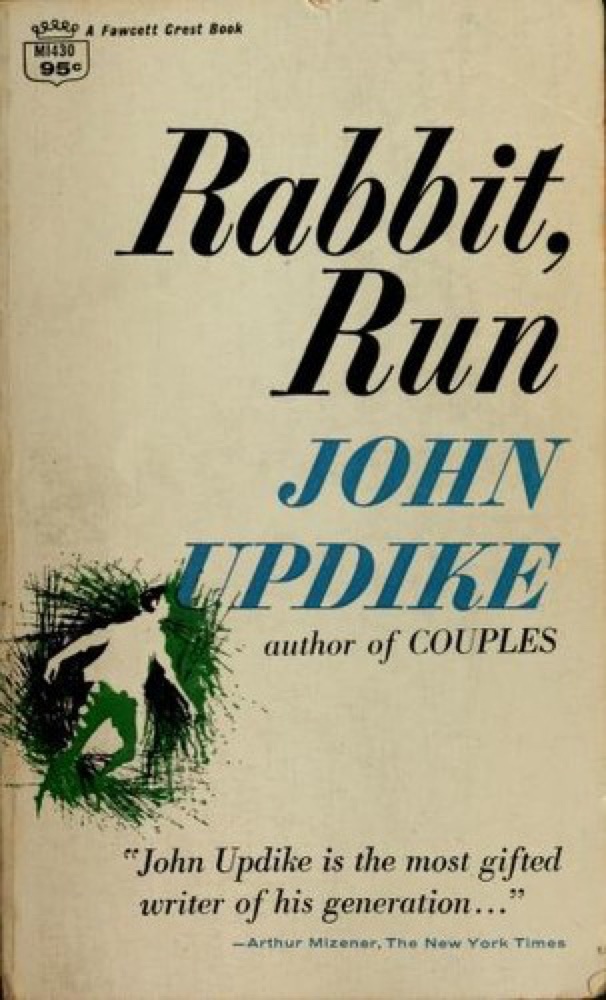 Rabbit, Run
 The God of Small Things
 Year of Wonders
 Swann's Way
 More Than Human
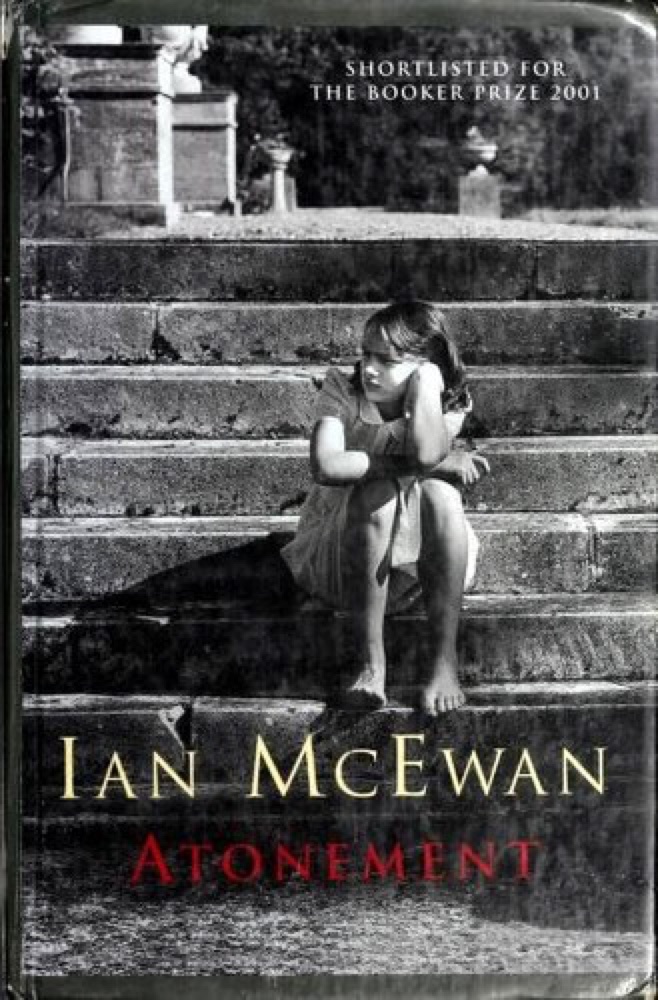 Atonement
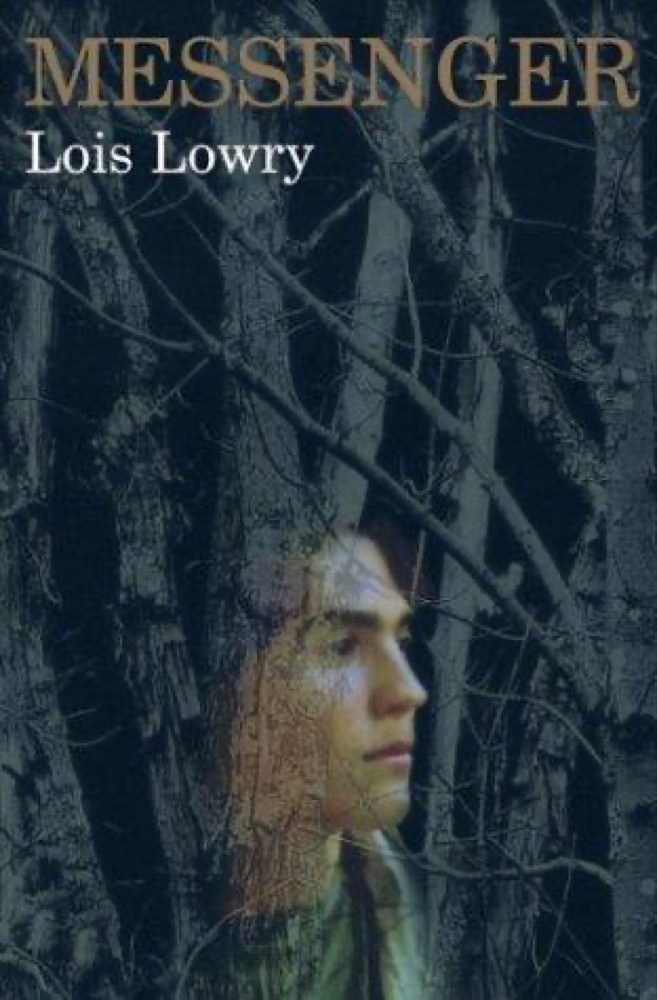 Messenger
 The Woodlanders
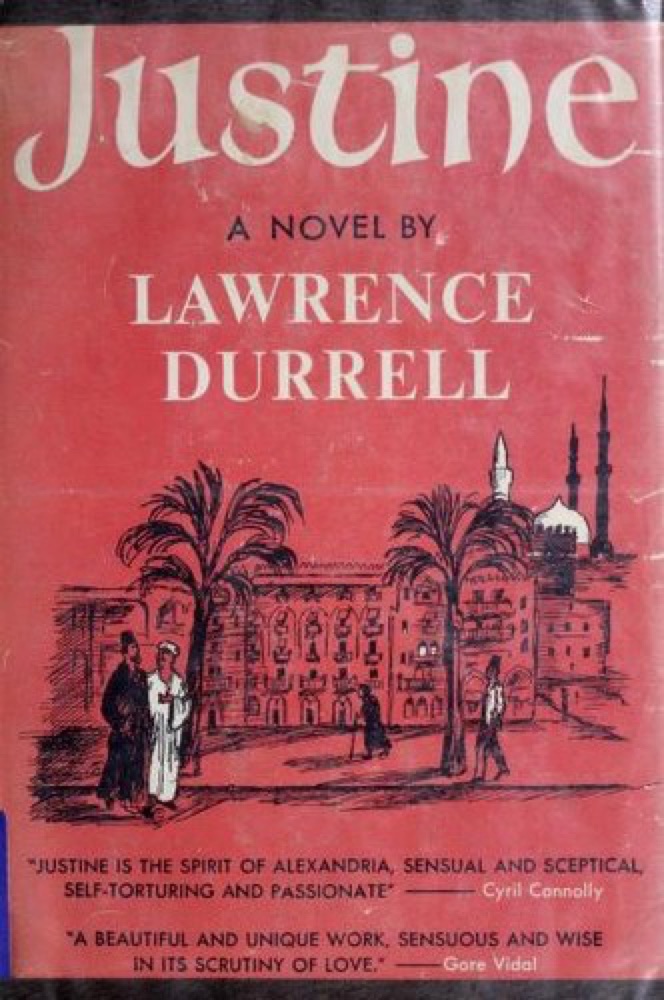 Justine
 Sons and Lovers
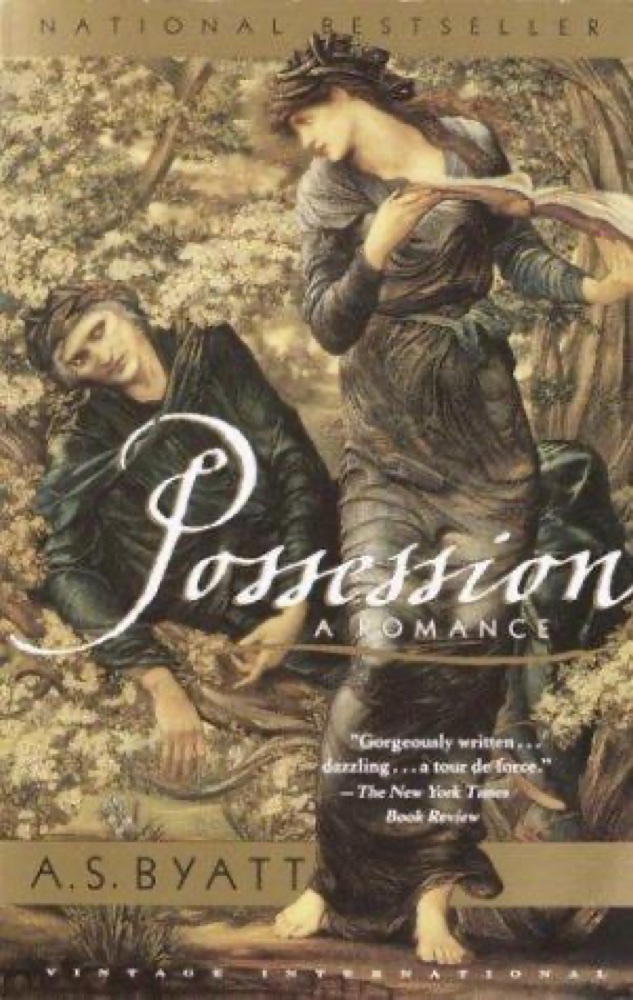 Possession
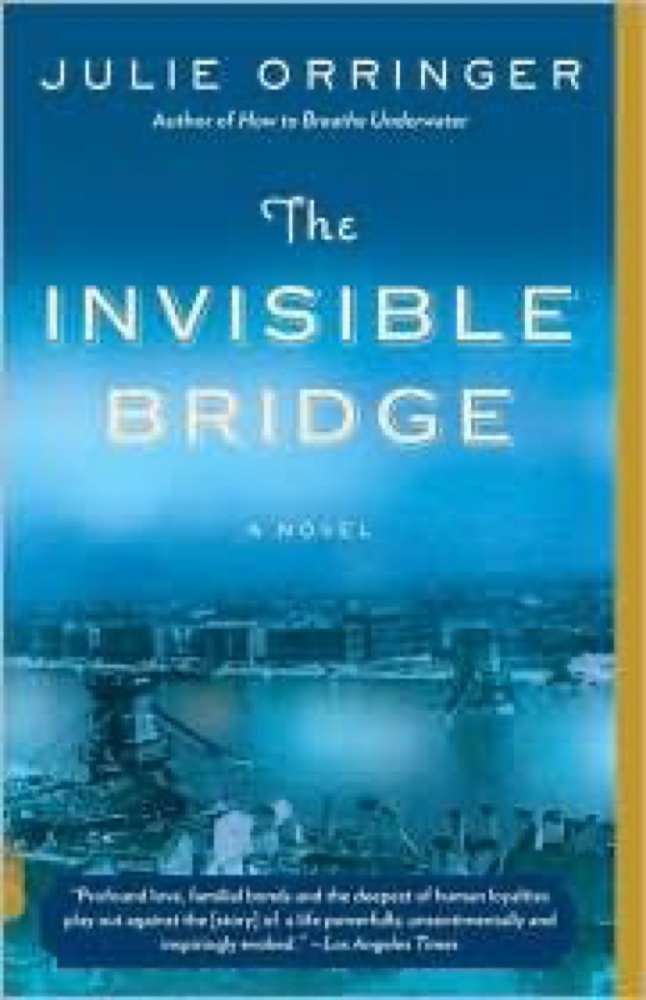 The Invisible Bridge
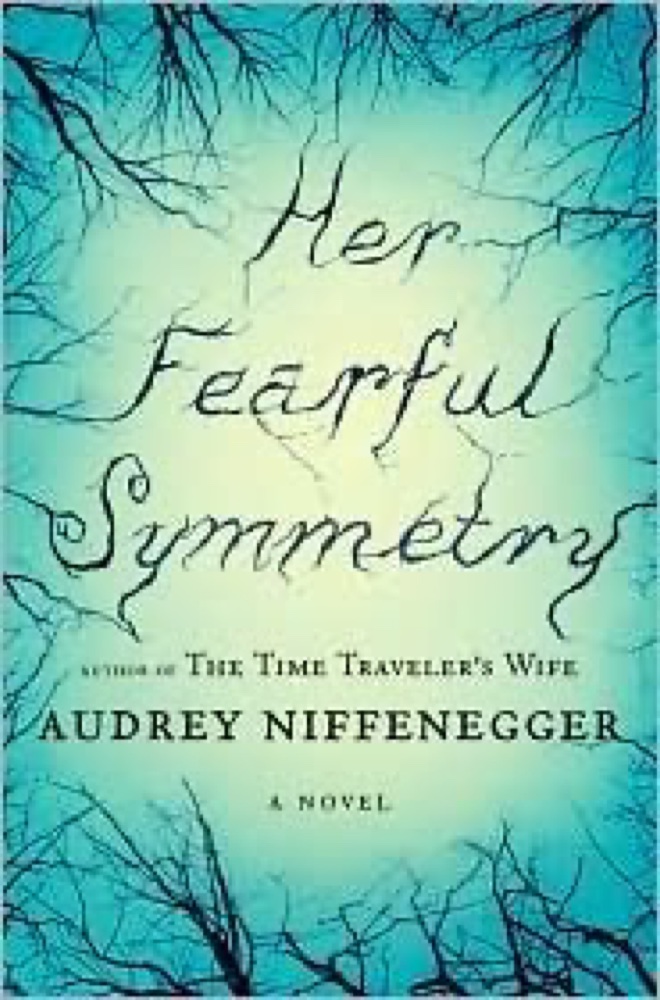 Her Fearful Symmetry
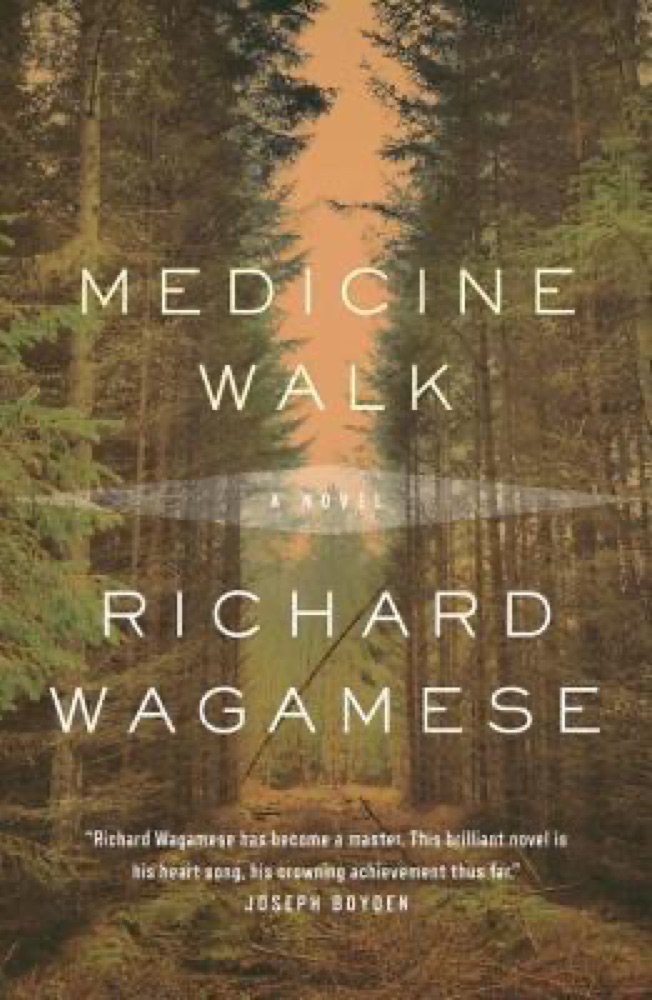 Medicine Walk
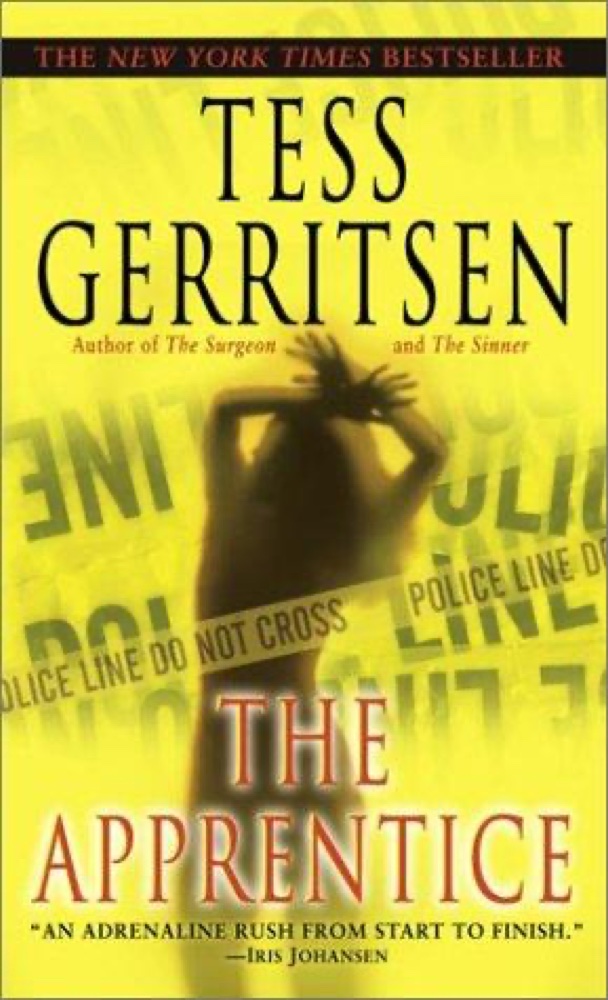 The Apprentice
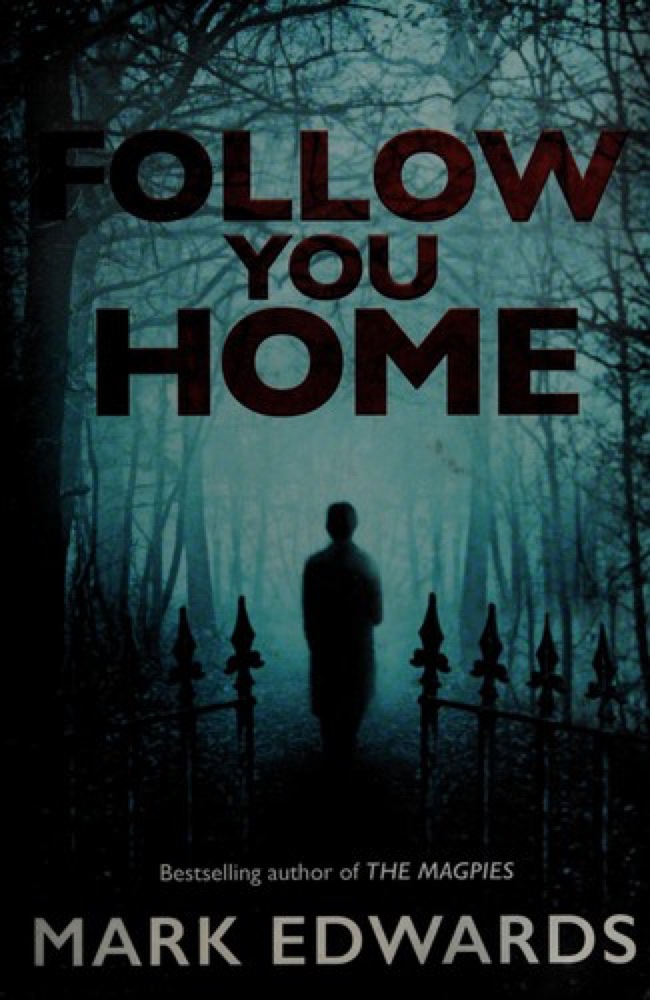 Follow You Home
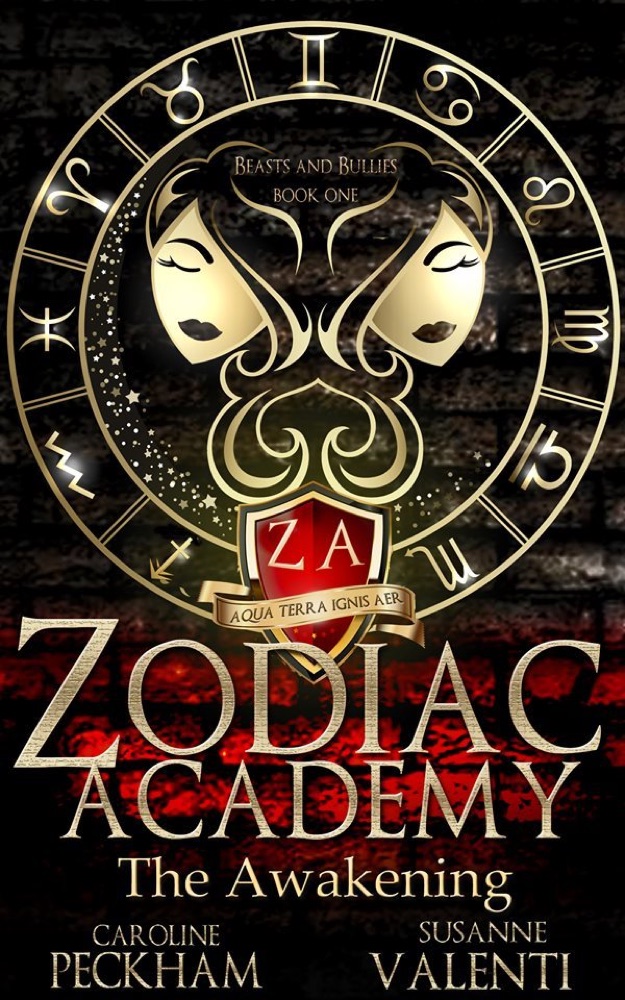 The Awakening
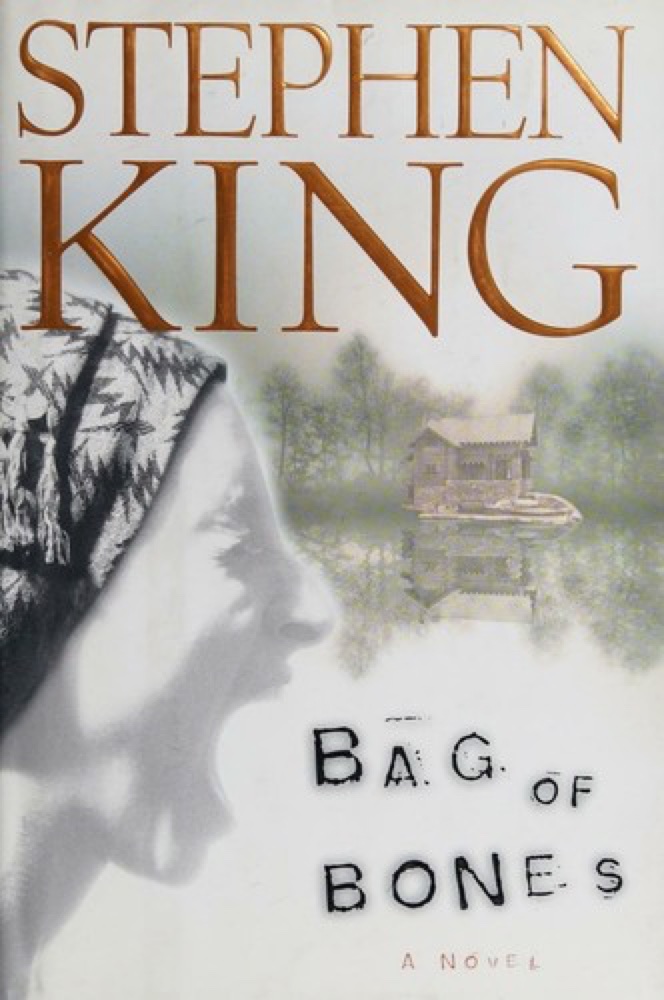 Bag of Bones
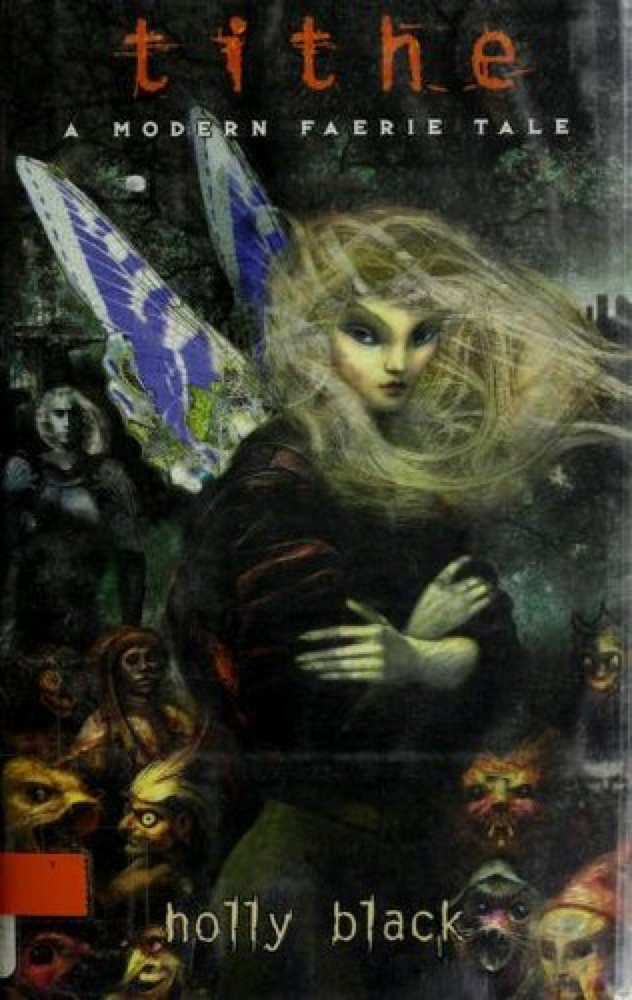 Tithe
Tithe
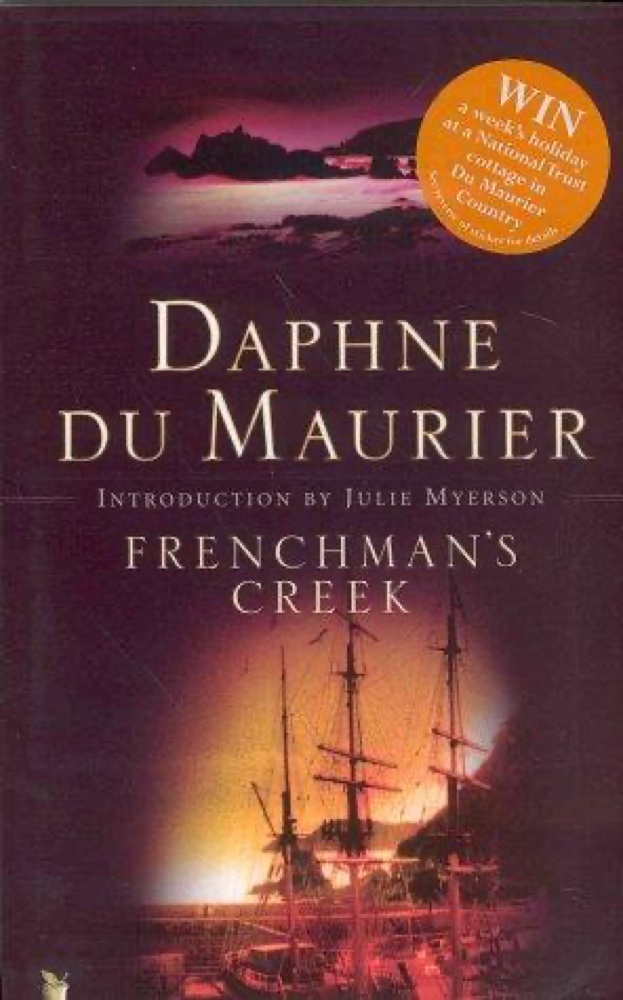 Frenchman's Creek
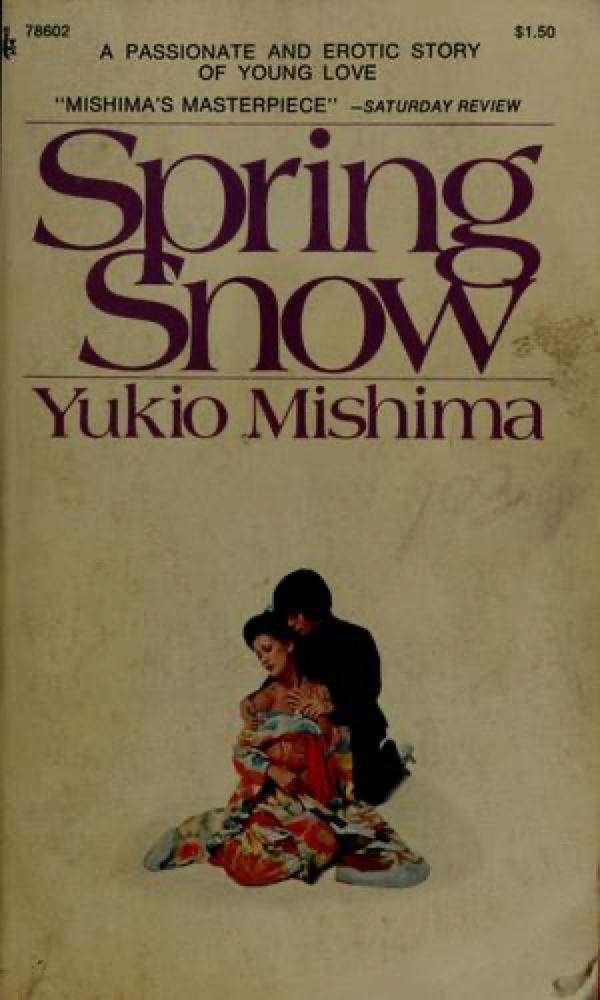 Spring Snow
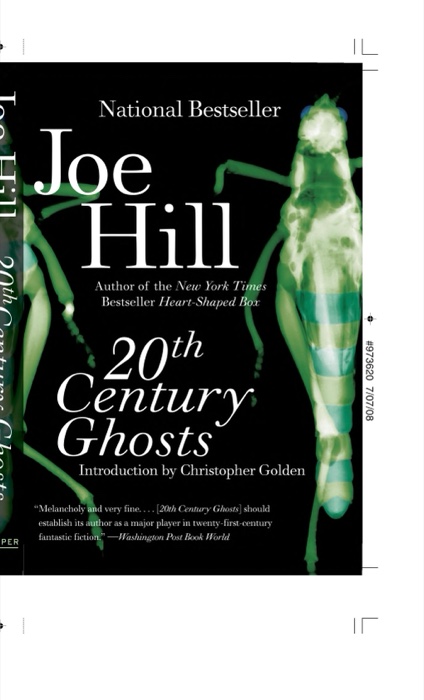 20th Century Ghosts
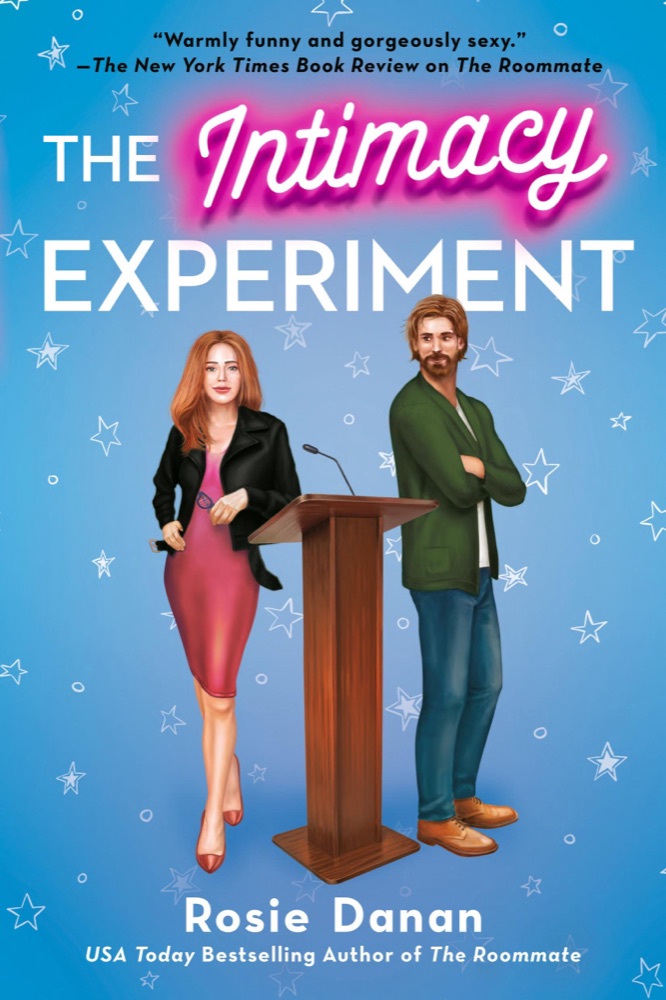 The Intimacy Experiment
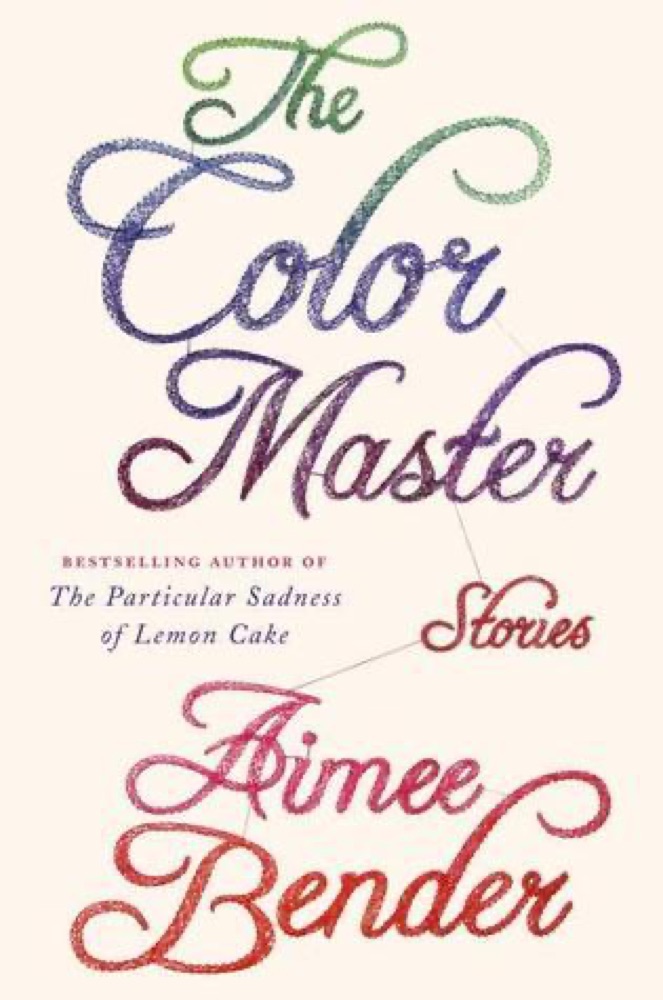 The Color Master: Stories
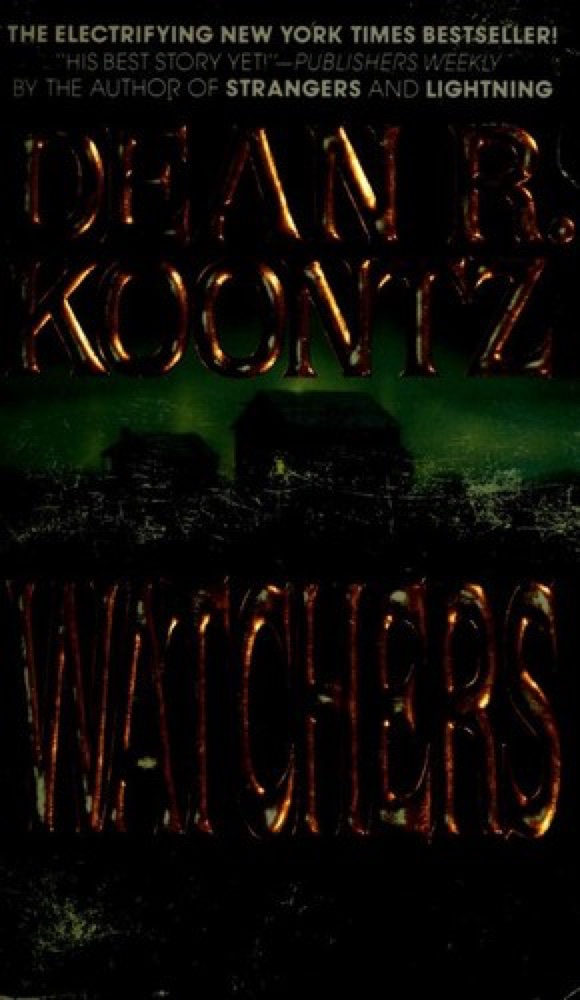 Watchers
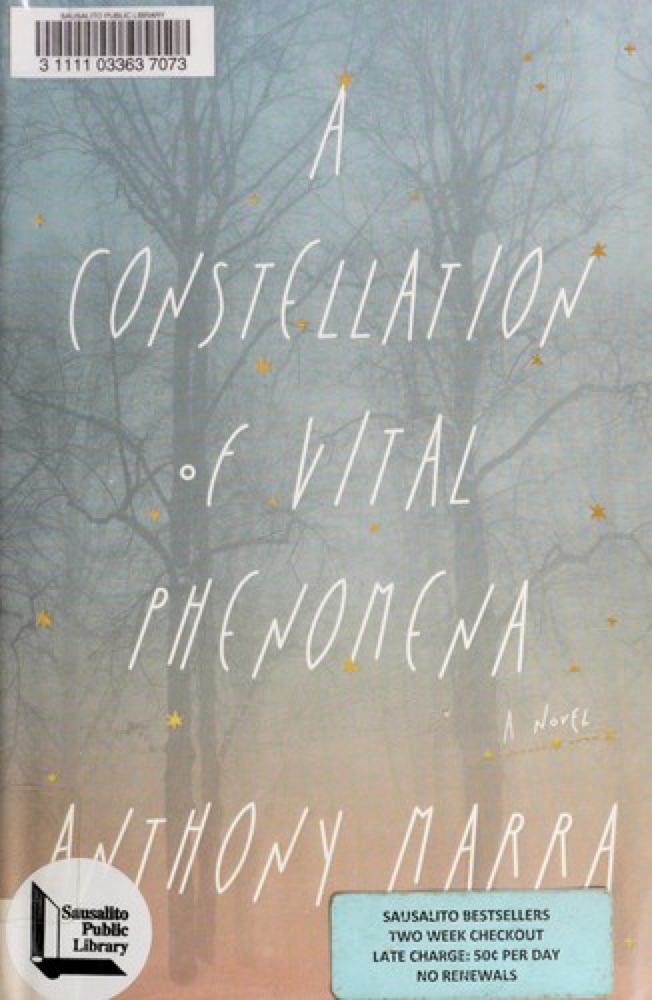 A Constellation of Vital Phenomena
 The Fiery Cross
 Swan Song
 The Reapers are the Angels
 Warleggan
 Firelight
 The Ministry of Utmost Happiness
 Imajica
 The Wings of the Dove
 The Wind in the Willows
 A Reliable Wife
 The Good Girl
 Nightwood
 Let the Right One In