
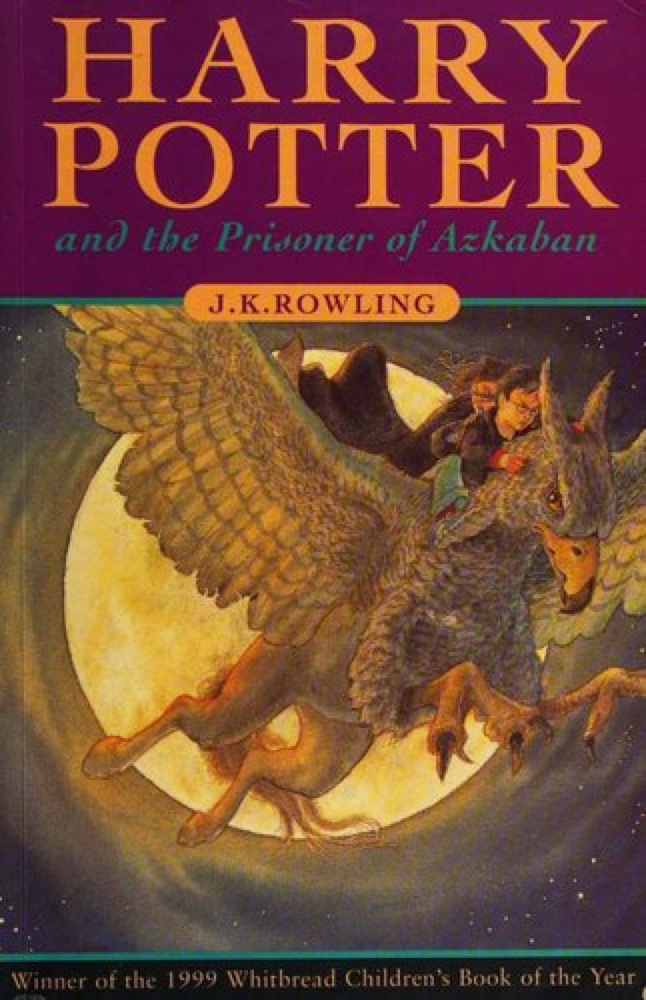
 Harry Potter and the Prisoner of Azkaban
Quotes from the Book
Just because you have the emotional range of a teaspoon doesn't mean we all have.
Indifference and neglect often do much more damage than outright dislike.
Is it true that you shouted at Professor Umbridge?" "Yes." "You called her a liar?" "Yes." "You told her He Who Must Not Be Named is back?" "Yes." "Have a biscuit, Potter.
You're a prefect? Oh Ronnie! That's everyone in the family!" "What are Fred and I? Next door neighbors?
You know, Minister, I disagree with Dumbledore on many counts...but you cannot deny he's got style...
Yeah, Quirrell was a great teacher. There was just that minor drawback of him having Lord Voldemort sticking out of the back of his head!
Why were you lurking under our window?" "Yes - yes, good point, Petunia! What were you doing under our windows, boy?" "Listening to the news," said Harry in a resigned voice. His aunt and uncle exchanged looks of outrage. "Listening to the news! Again?" "Well, it changes every day, you see," said Harry.
Youth can not know how age thinks and feels. But old men are guilty if they forget what it was to be young.
Give her hell from us, Peeves.
Hello, Harry" said George, beaming at him. "We thought we heard your dulcet tones." "You don't want to bottle up your anger like that, Harry, let it all out," said Fred, also beaming. "There might be a couple of people fifty miles away who didn't hear you.
But Dumbledore says he doesn't care what they do as long as they don't take him off the Chocolate Frog cards.
You care so much you feel as though you will bleed to death with the pain of it.
From now on, I don't care if my tea leaves spell 'Die, Ron, Die,' I'm chucking them in the bin where they belong.
Don’t put your wand there, boy! ... Better wizards than you have lost buttocks, you know!
You should write a book," Ron told Hermione as he cut up his potatoes, "translating mad things girls do so boys can understand them.
Ah" said Dumbledore gently, "Yes I thought we might hit that little snag!" "Snag?" said Fudge, his voice still vibrating with joy. "I see no snag, Dumbledore!" "Well," said Dumbledore apologetically, "I'm afraid I do." "Oh, really?" "Well it's just that you seem to be labouring under the delusion that I am going to -- come quietly. I am afraid I am not going to come quietly at all, Cornelius. I have absolutely no intention of being sent to Azkaban. I could break out, of course -- but what a waste of time, and frankly, I can think of a whole host of things I would rather be doing.
We've all got both light and dark inside us. What matters is the part we choose to act on. That's who we really are.
Harry, don't go picking a row with Malfoy, don't forget, he's a prefect now, he could make life difficult for you..." "Wow, I wonder what it'd be like to have a difficult life?" said Harry sarcastically.
Don't worry. You're just as sane as I am.
Well?" Ron said finally, looking up at Harry. "How was it?" Harry considered it for a moment. "Wet," he said truthfully. Ron made a noise that might have indicated jubilation or disgust, it was hard to tell. "Because she was crying," Harry continued heavily. "Oh," said Ron, his smile faded slightly. "Are you that bad at kissing?" "Dunno," said Harry, who hadn't considered this, and immediately felt rather worried. "Maybe I am.
The mind is not a book, to be opened at will and examined at leisure. Thoughts are not etched on the inside of skulls, to be perused by an invader. The mind is a complex and many-layered thing.
Did you like question ten, Moony?" asked Sirius as they emerged into the entrance hall. "Loved it," said Lupin briskly. "Give five signs that identify the werewolf. Excellent question." "D'you think you managed to get all the signs?" said James in tones of mock concern. "Think I did," said Lupin seriously, as they joined the crowd thronging around the front doors eager to get out into the sunlit grounds. "One: He's sitting on my chair. Two: He's wearing my clothes. Three: His name's Remus Lupin...
Mistletoe," said Luna dreamily, pointing at a large clump of white berries placed almost over Harry's head. He jumped out from under it. "Good thinking," said Luna seriously. "It's often infested with nargles.
This is night, Diddykins. That's what we call it when it goes all dark like this.
By all means continue destroying my possessions. I daresay I have too many.
Well, it may have escaped your notice,but life isn't fair
Another song for Harry Potter is my time is know by John Cena. It relates to Harry because it is his time to be the best wizard at Hogwarts his school.
You applied first for the Defense Against the Dark Arts post, I believe?' Professor Umbridge asked Snape. 'Yes,' said Snape quietly. 'But you were unsuccessful?' Snapes lip curled. 'Obviously.
Another song for Harry is don't tell'm by Jeremiah it compares to Harry because he got to keep as secret from everyone that he is a wizard and only his cousin, aunt, and uncle know
Did you know?
- It is the longest novel in the Harry Potter series.
- The first UK edition ran to 766 pages.
- It was first published on 21 June 2003 by Bloomsbury in the UK.
- It introduces Dolores Umbridge and Dumbledore's Army.
- It was adapted into a 2007 film directed by David Yates.
About J.K. Rowling
J. K. Rowling is a British author best known for the Harry Potter fantasy series, which became one of the best-selling book series in history and launched a global media franchise.
More about the author →More by J.K. Rowling
Harry Potter and the Prisoner of Azkaban
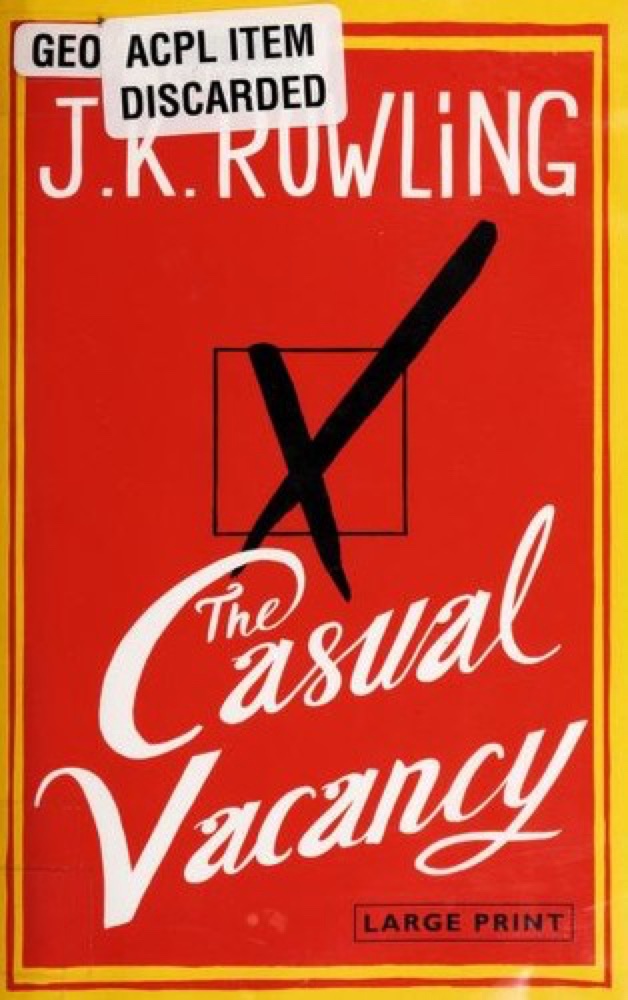 The Casual Vacancy
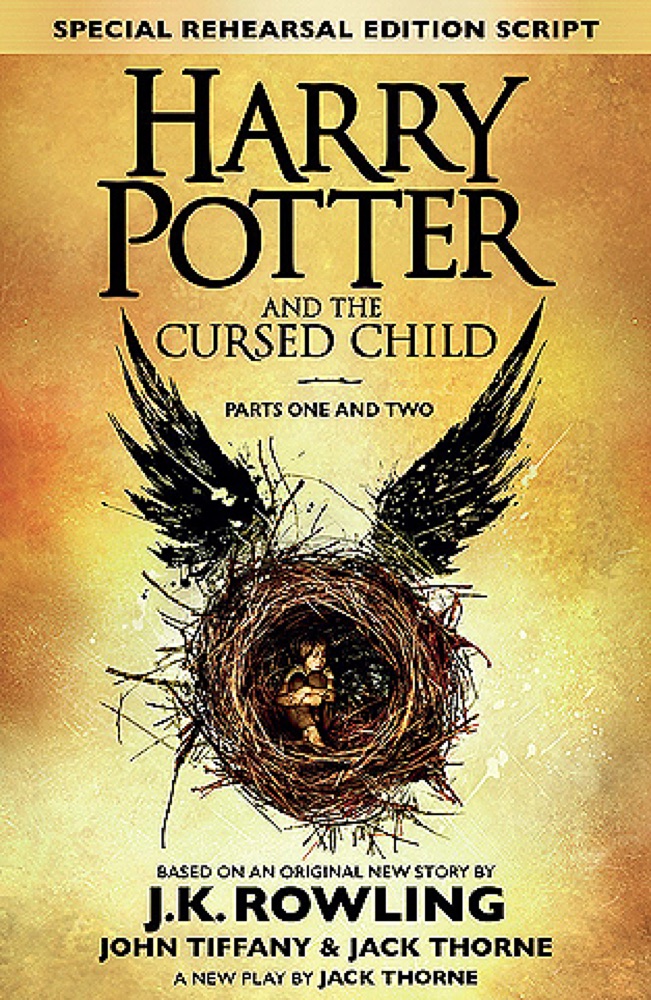 Harry Potter and the Cursed Child, Parts 1 & 2
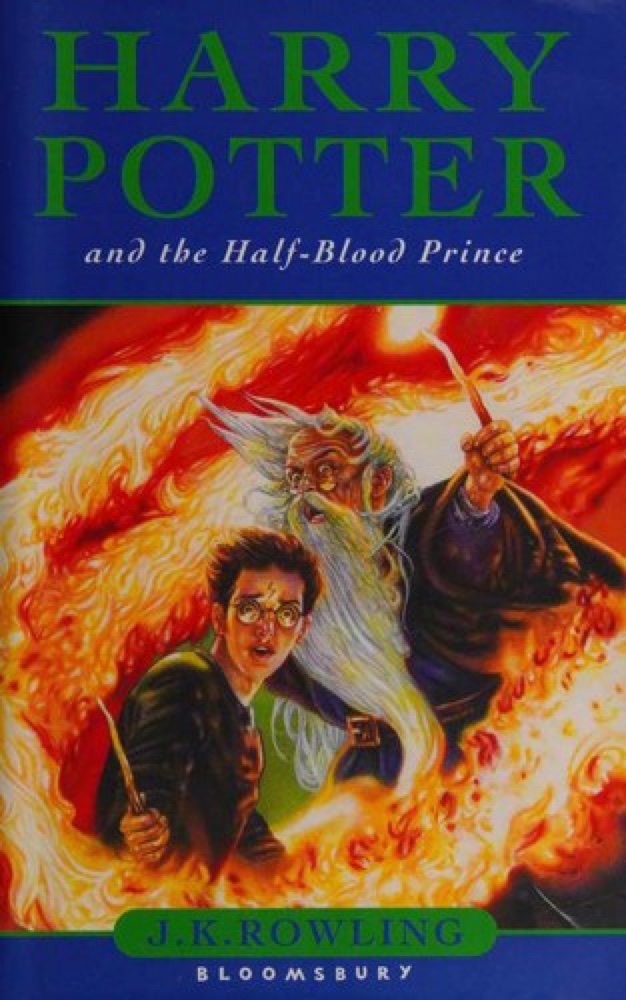 Harry Potter and the Half-Blood Prince
About the book
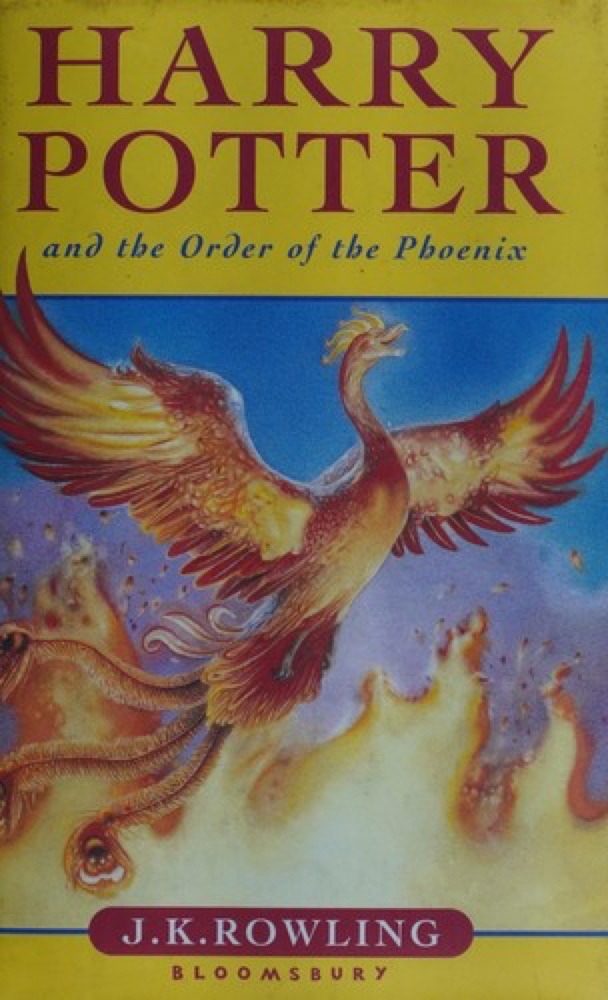
Harry Potter and the Order of the Phoenix is the fifth novel in J. K. Rowling's Harry Potter series, following Harry's fifth year at Hogwarts School of Witchcraft and Wizardry. After the return of Lord Voldemort, the Ministry of Magic refuses to believe the danger and installs Dolores Umbridge as a repressive new teacher, while Harry and his friends secretly form Dumbledore's Army to learn defensive magic. It is the longest book in the series.
The novel deepens the series' darker themes, exploring institutional denial and propaganda, the isolation of an untrusted hero, grief, and the burdens placed on the young. Harry contends with anger and alienation even as he discovers loyalty and courage in his friends, and the Order of the Phoenix works to resist Voldemort's rising power.
Published in 2003 amid record anticipation, the book was among the best-selling and most talked-about releases of its era and cemented the Harry Potter series as a global cultural phenomenon. It was adapted into a major feature film in 2007.
Key characters
- Harry PotterThe young wizard protagonist in his fifth year at Hogwarts
- Hermione GrangerHarry's studious and resourceful best friend
- Ron WeasleyHarry's loyal best friend
- Albus DumbledoreHeadmaster of Hogwarts and leader of the Order of the Phoenix
- Dolores UmbridgeRepressive Ministry-appointed teacher at Hogwarts
- Lord VoldemortThe dark wizard whose return drives the conflict
- Sirius BlackHarry's godfather and Order member
Book details
- First published
- 2003
- Length
- 766 pages
- Reading time
- 12 hours
- Author
- J.K. Rowling
- Genre
- Fiction
- Goodreads rating
- 4.50 (3.9M ratings) →
Series & reading order
- 1 Harry Potter and the Philosopher's Stone
- 2 Harry Potter and the Chamber of Secrets
- 3 Harry Potter and the Prisoner of Azkaban
- 4 Harry Potter and the Goblet of Fire
- 5 Harry Potter and the Order of the Phoenix
- 6 Harry Potter and the Half-Blood Prince
- 7 Harry Potter and the Deathly Hallows
Movie & TV adaptations
- IMDb
If you liked this, read…
- 1Percy Jackson and the Olympians: The Lightning ThiefA young hero discovers a hidden magical world and his own destiny
- 2His Dark Materials: The Golden CompassA young protagonist faces powerful authoritarian forces in a fantastical world
Keep reading
Harry Potter and the Prisoner of Azkaban
Harry Potter and the Half-Blood Prince
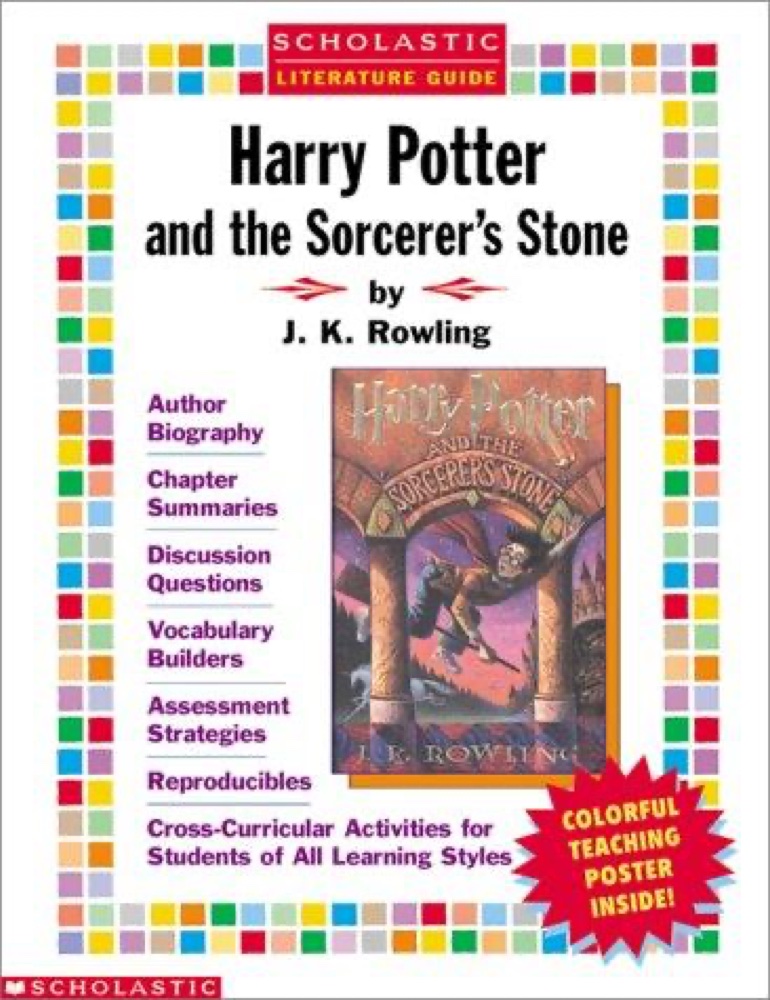 Harry Potter and the Sorcerer's Stone
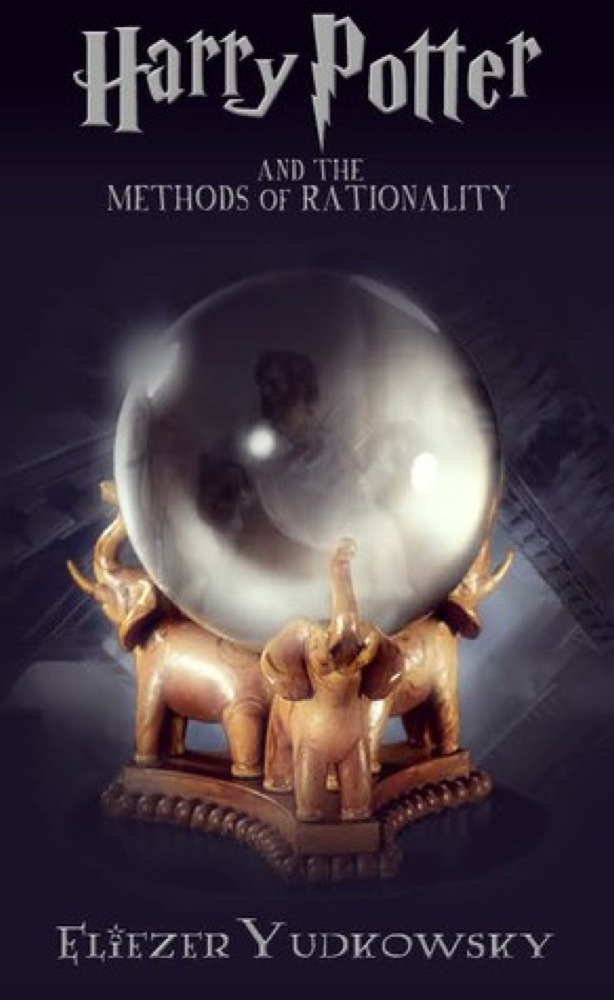 Harry Potter and the Methods of Rationality
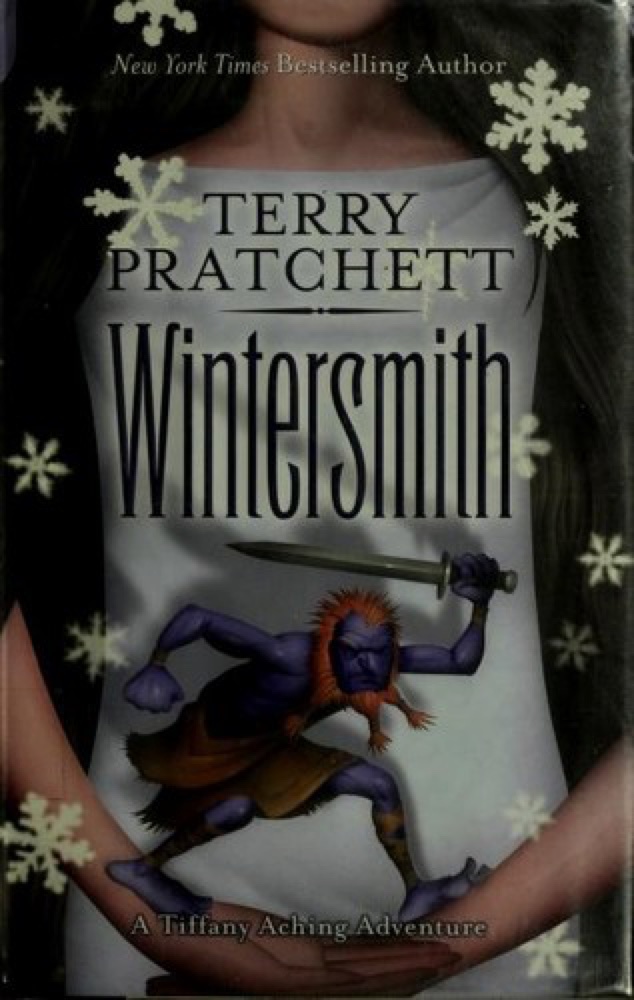 Wintersmith
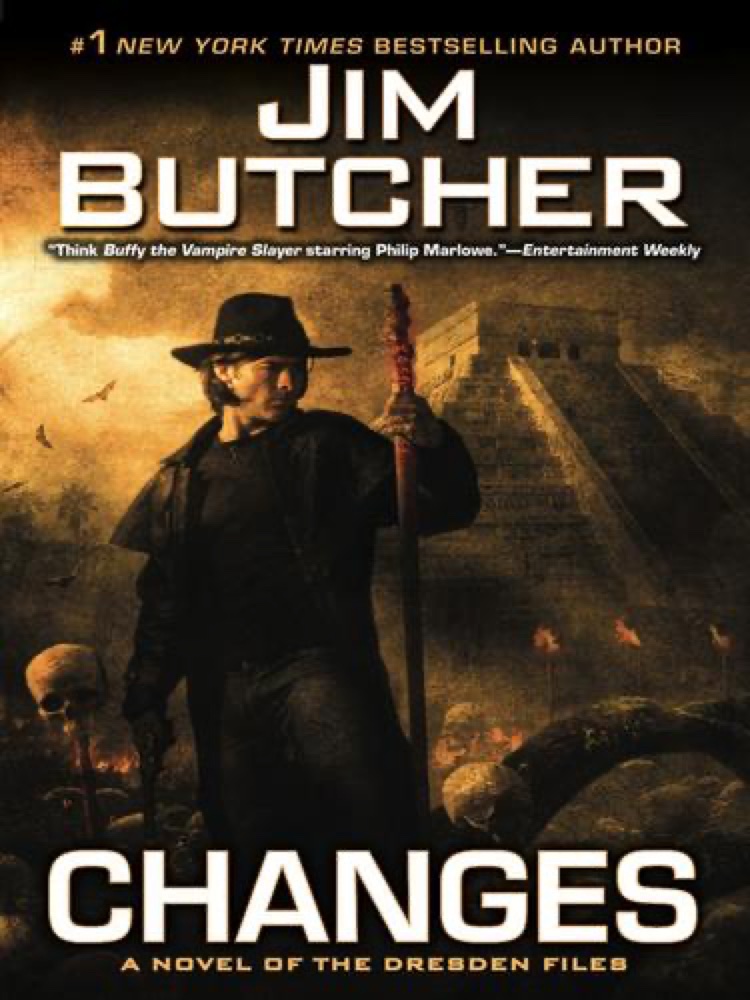 Changes
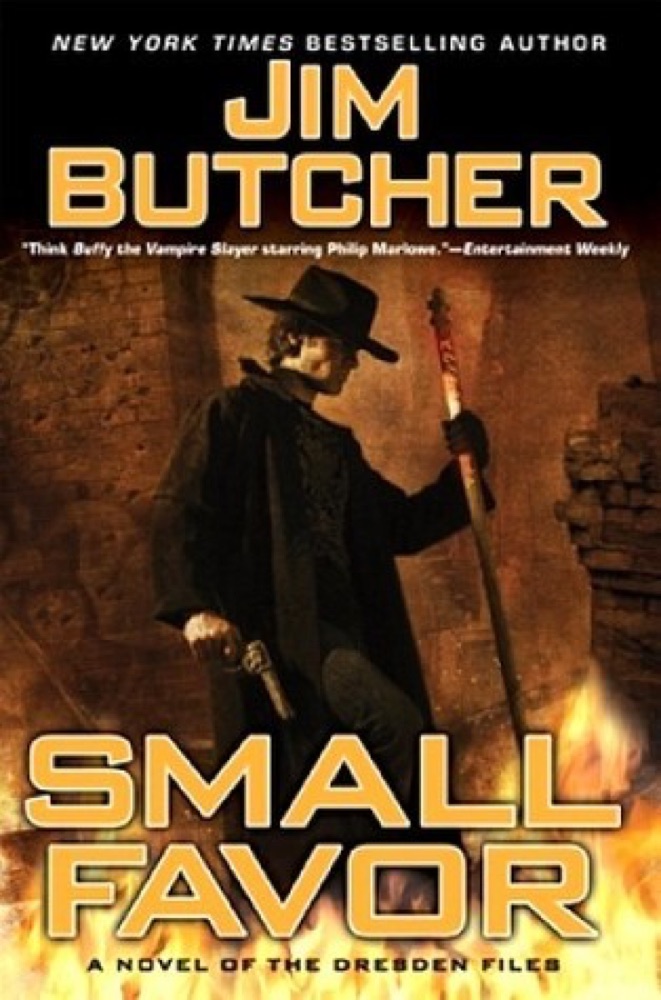 Small Favor
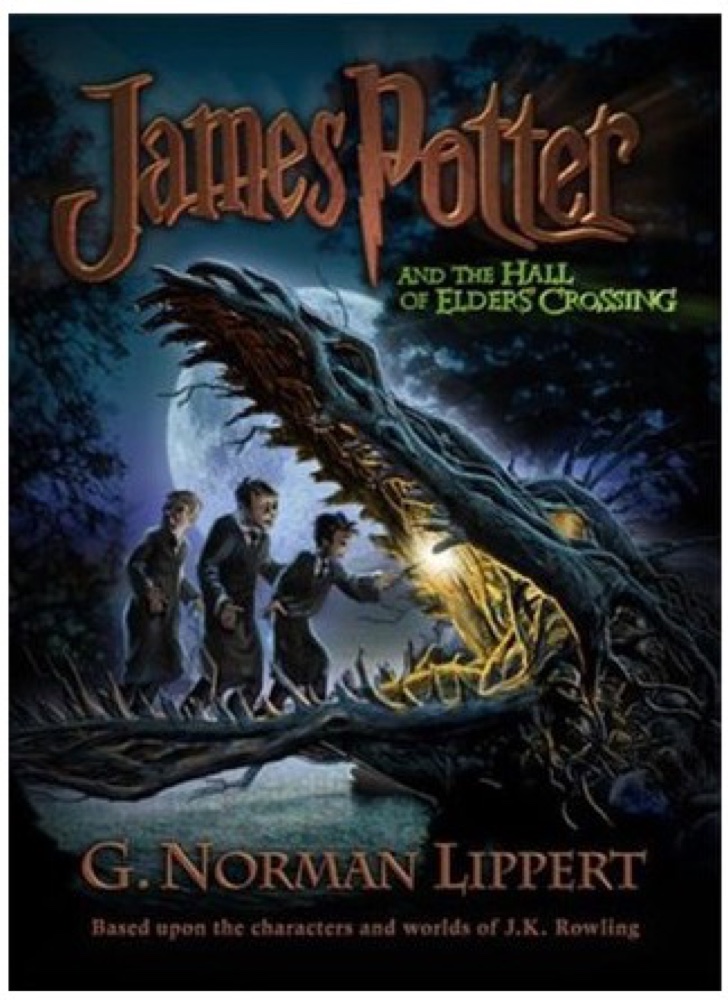 James Potter and the Hall of Elders' Crossing
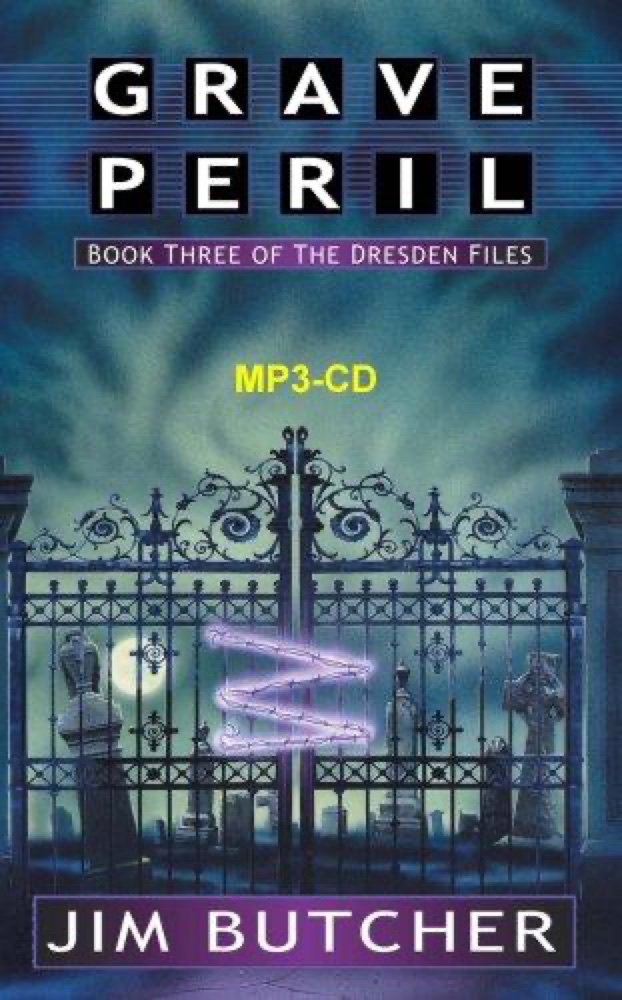 Grave Peril
 Unseen Academicals
 Snuff
Snuff
 Clockwork Angel
 Rogues
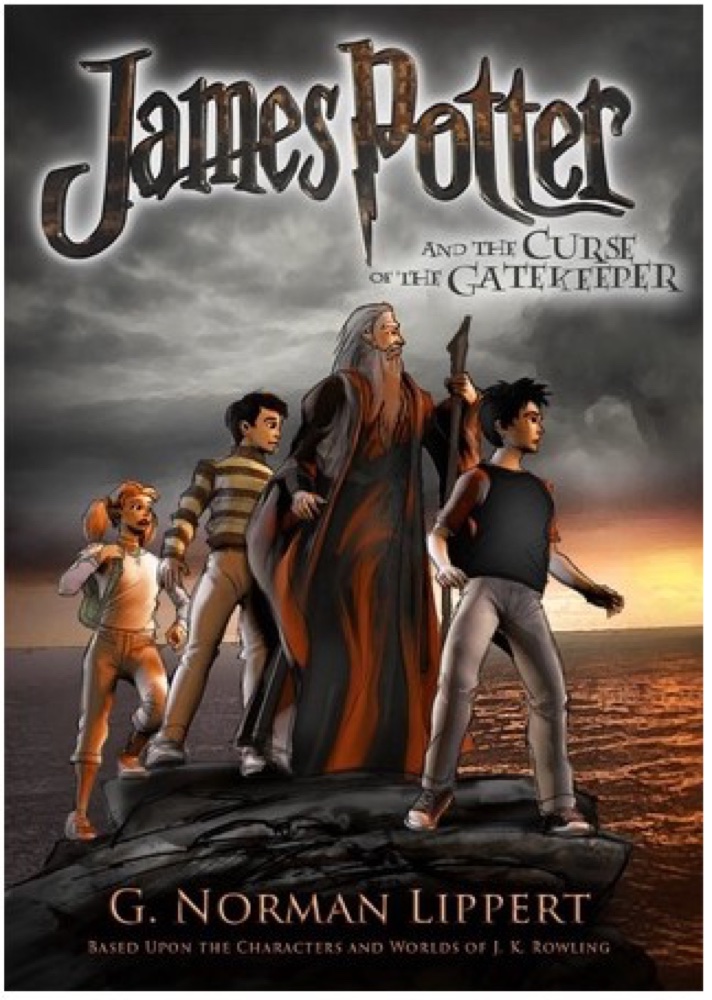 James Potter and the Curse of the Gatekeeper
 Chimes at Midnight
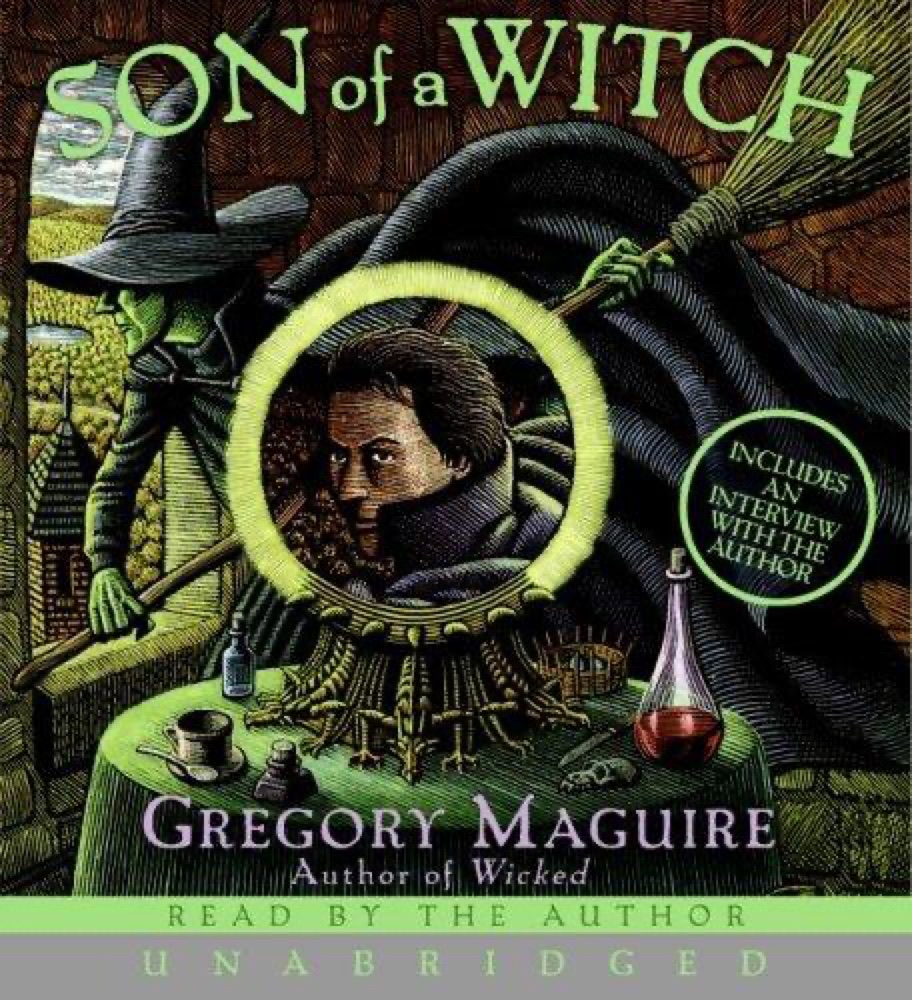 Son of a Witch
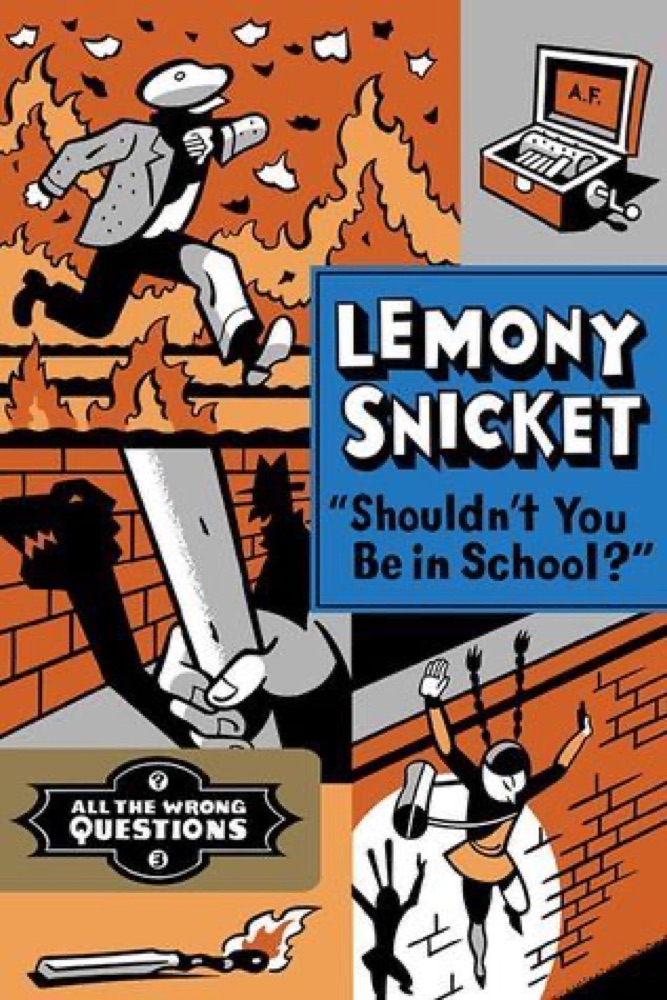 Shouldn't You Be in School?
 Tales from the Shadowhunter Academy
 The Dire King
 Brisingr
 Lord of Shadows
 Eldest
 Skulduggery Pleasant
 Magic Bites
 Dark Companion
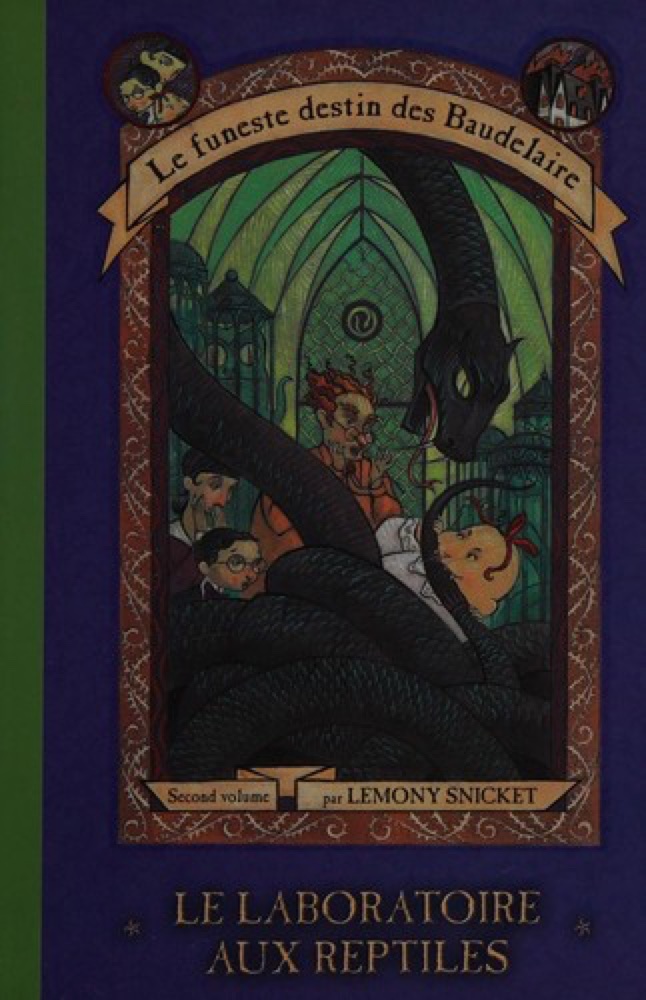 The Reptile Room
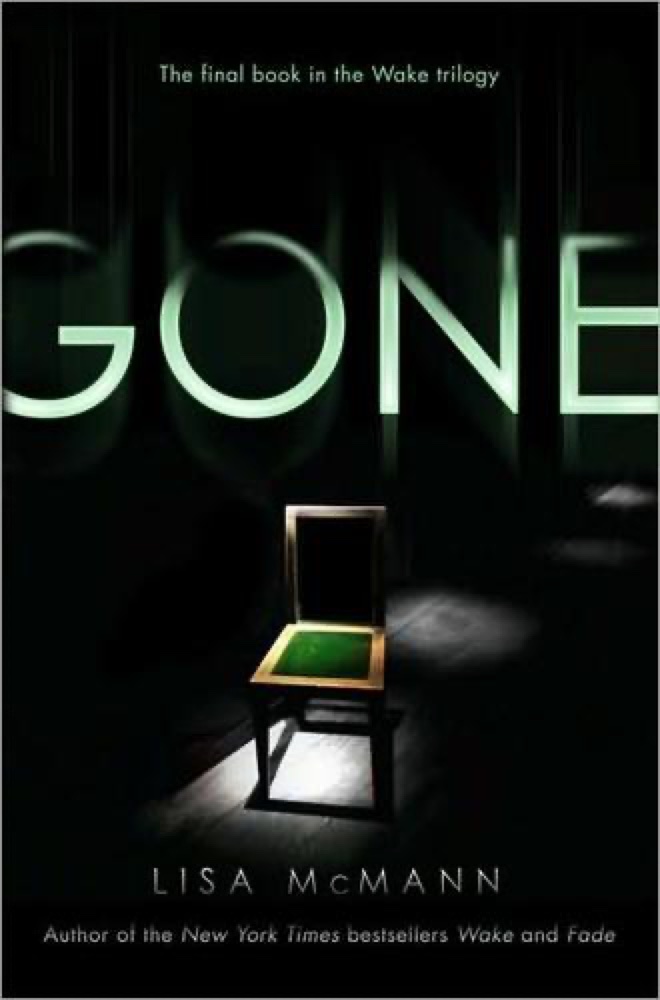 Gone
Gone
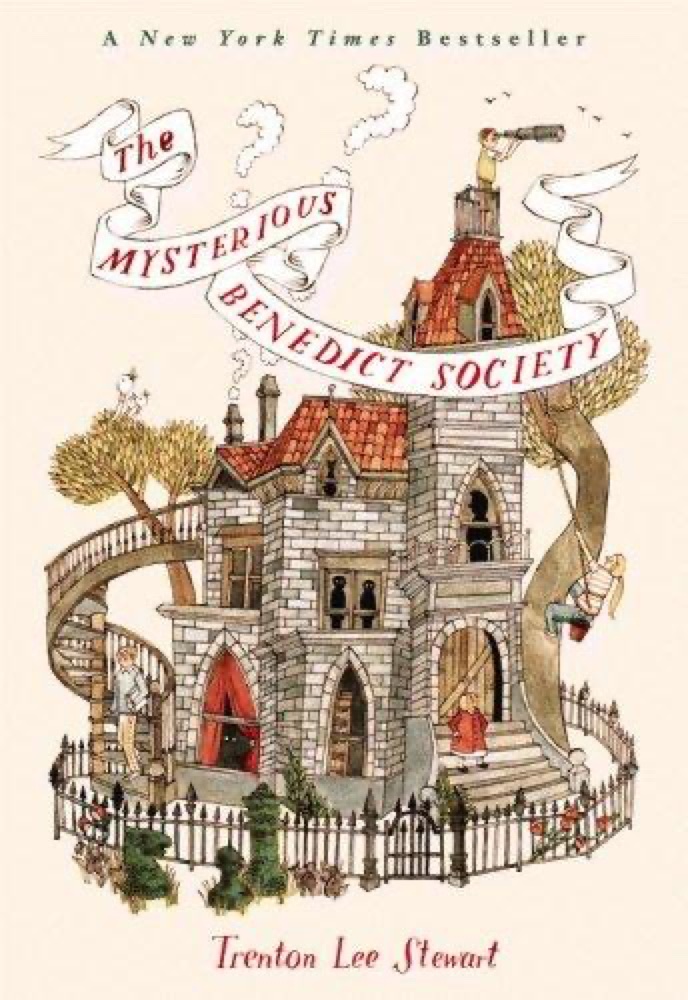 The Mysterious Benedict Society
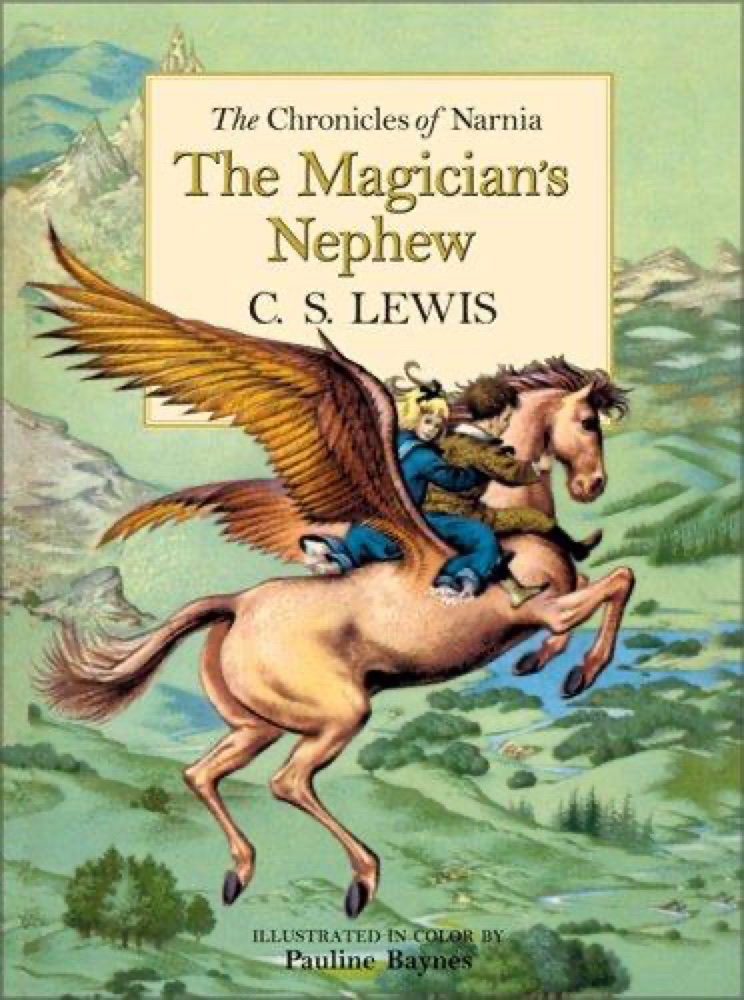 The Magician's Nephew
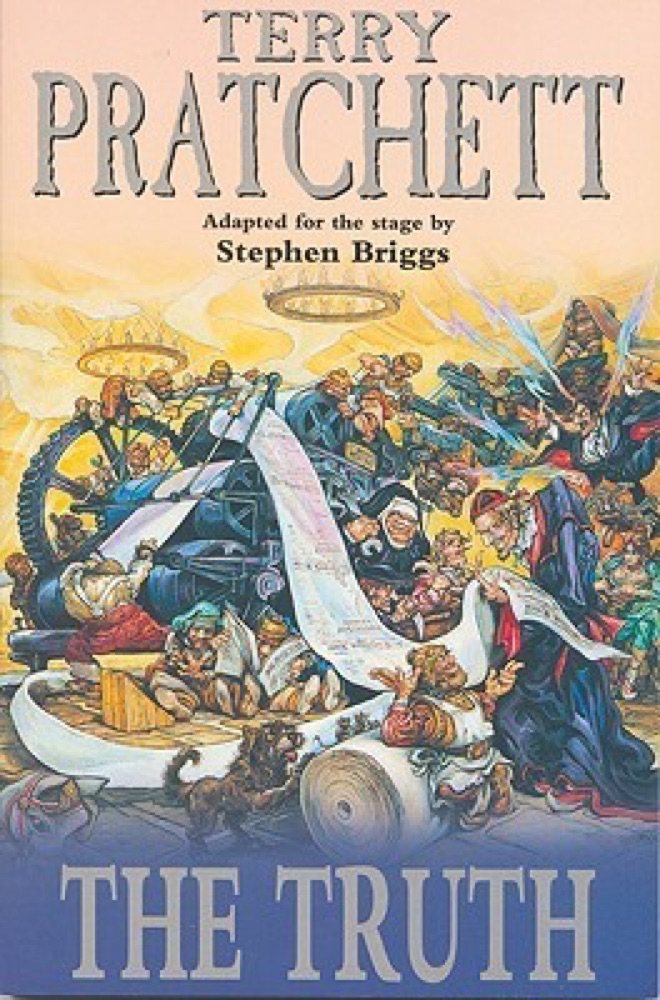 The Truth: Stage Adaptation
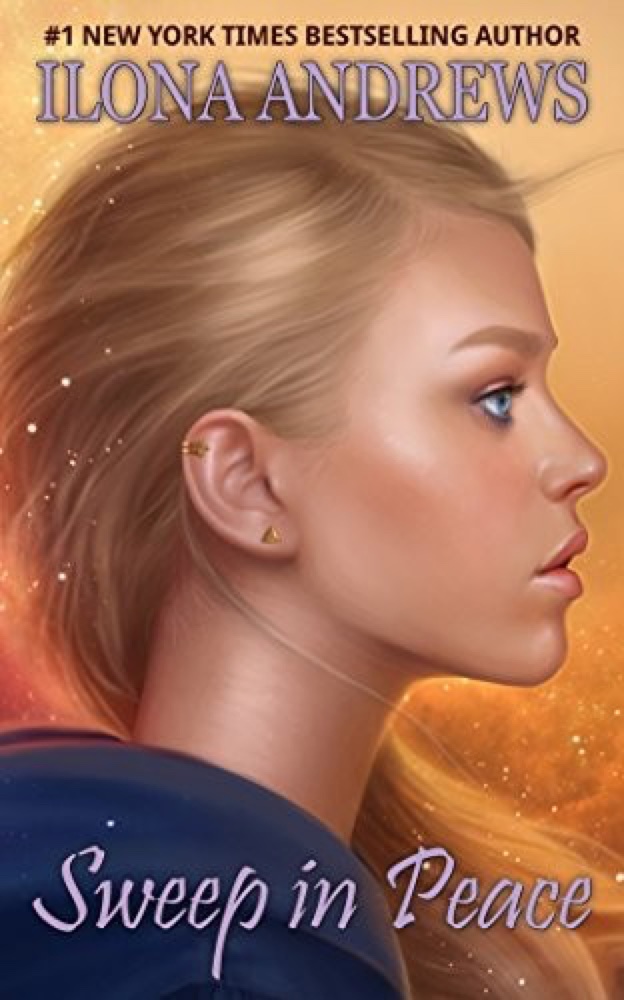 Sweep in Peace
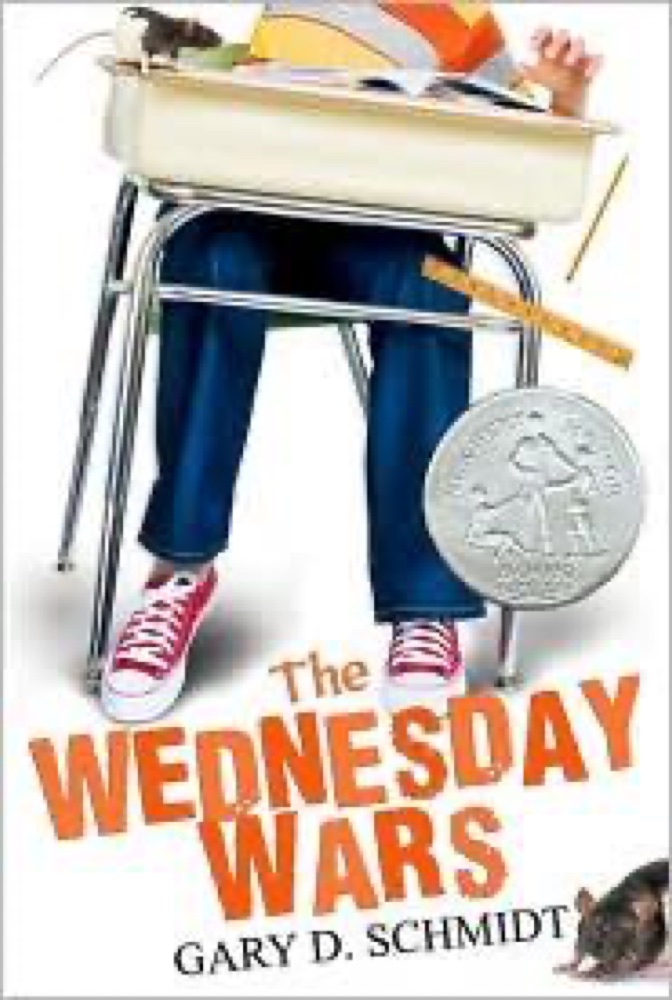 The Wednesday Wars
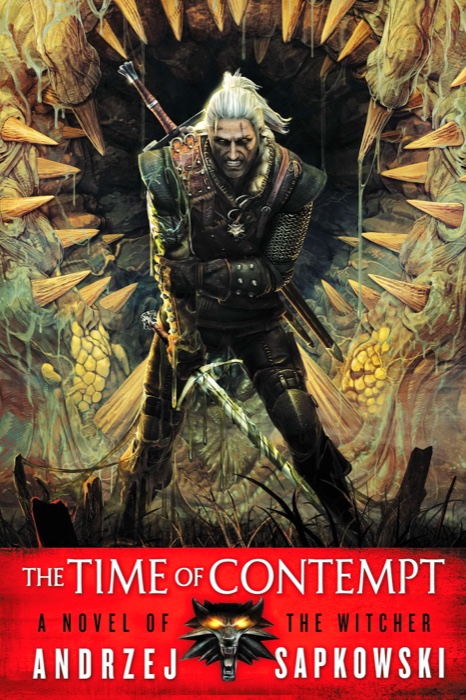 Time of Contempt
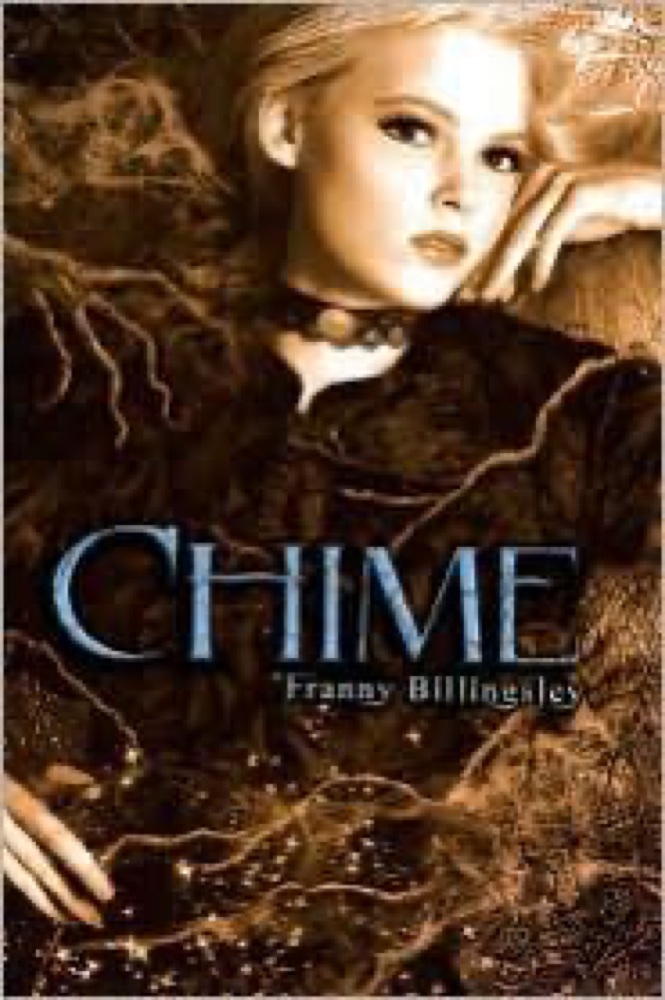 Chime
Chime
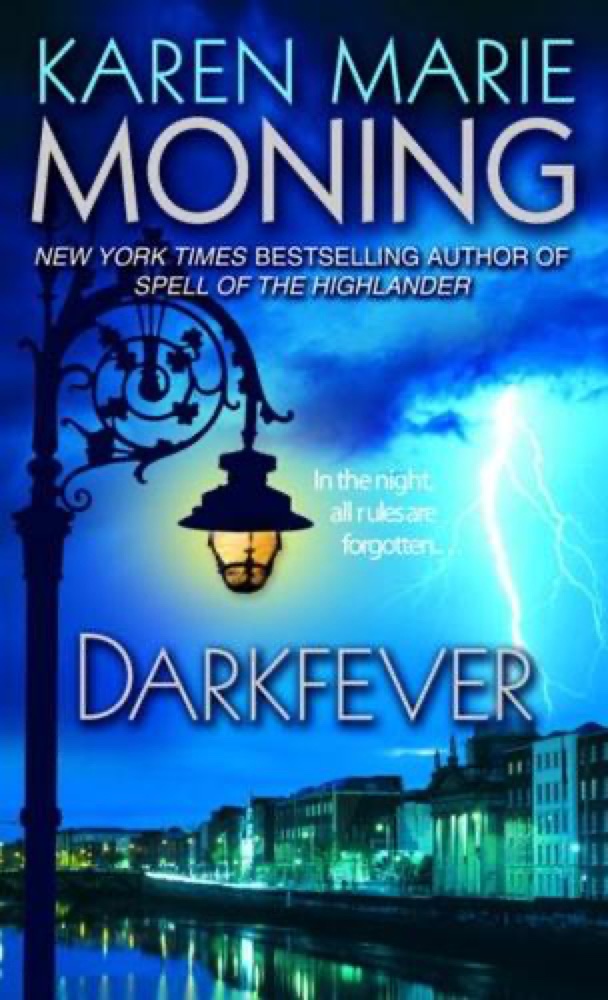 Darkfever
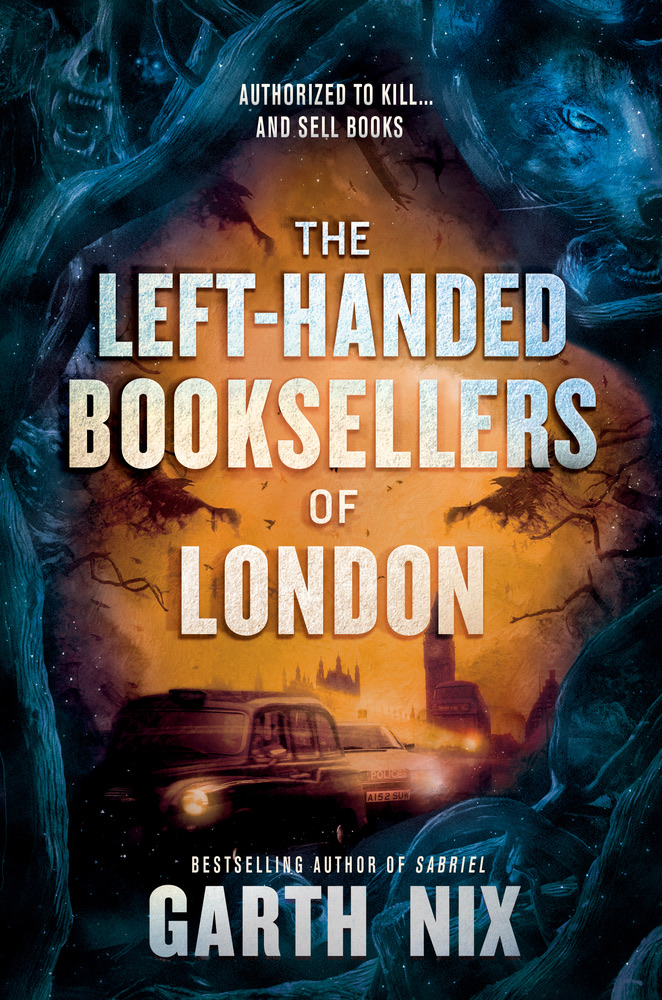 The Left-Handed Booksellers of London
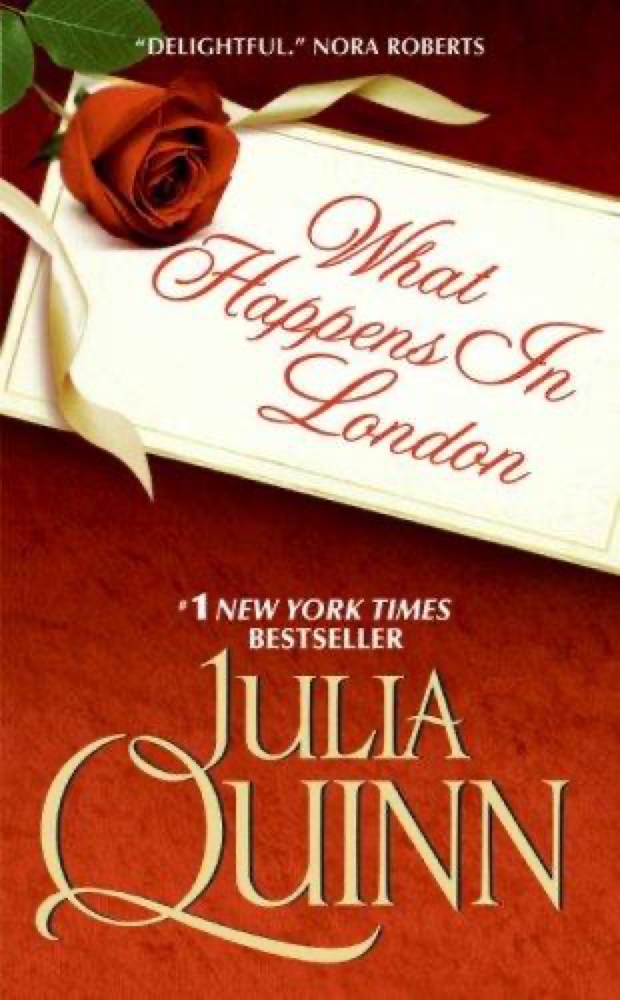 What Happens in London
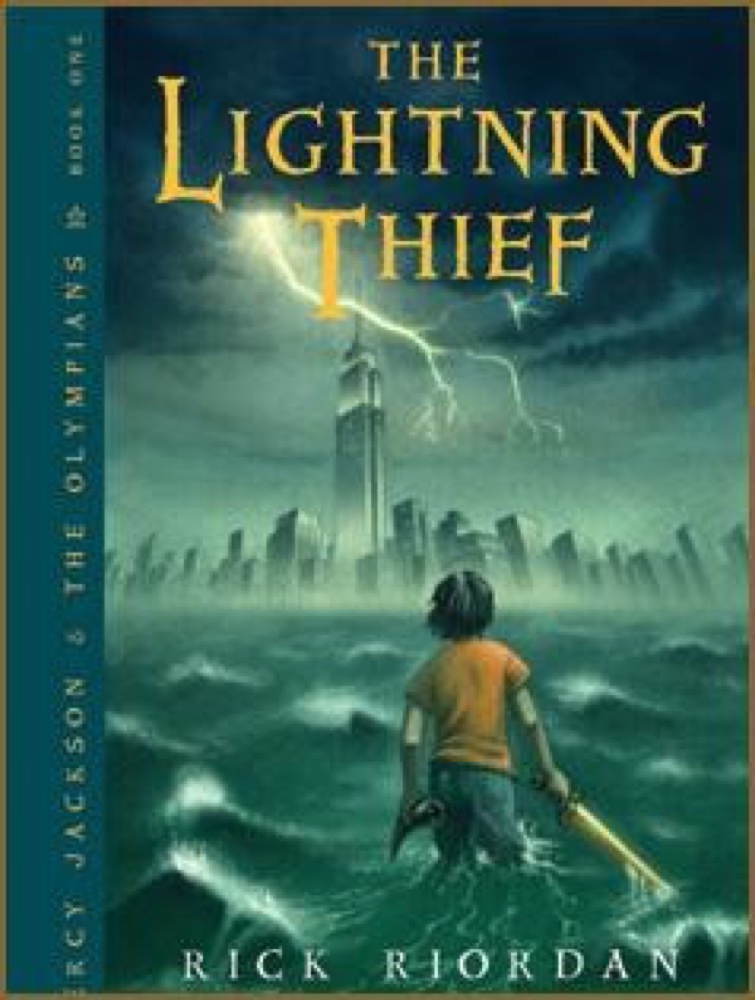 The Lightning Thief
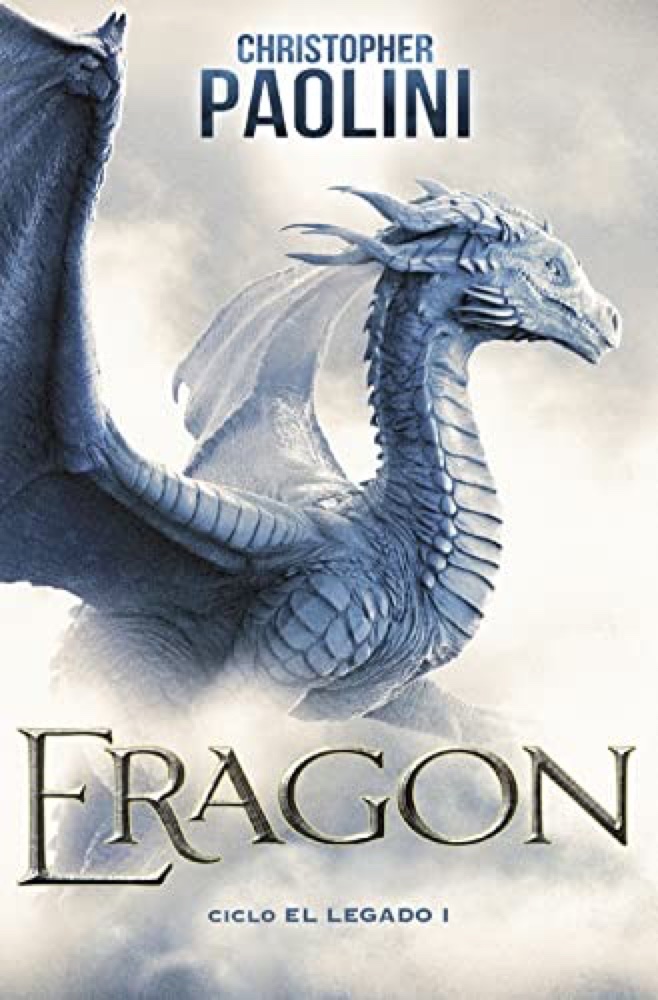 Eragon
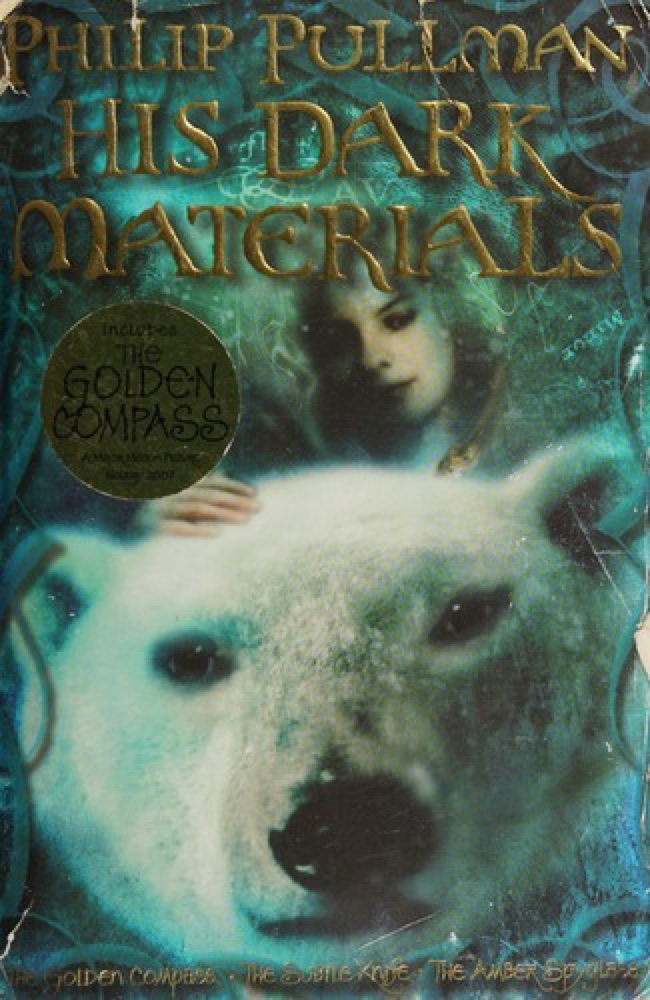 His Dark Materials
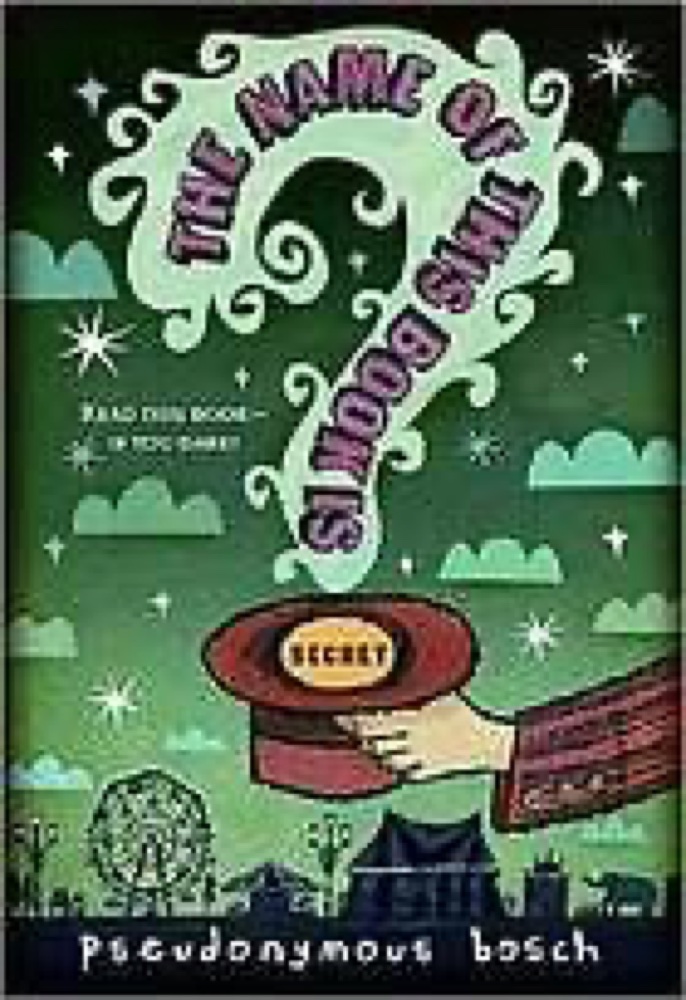 The Name of This Book Is Secret
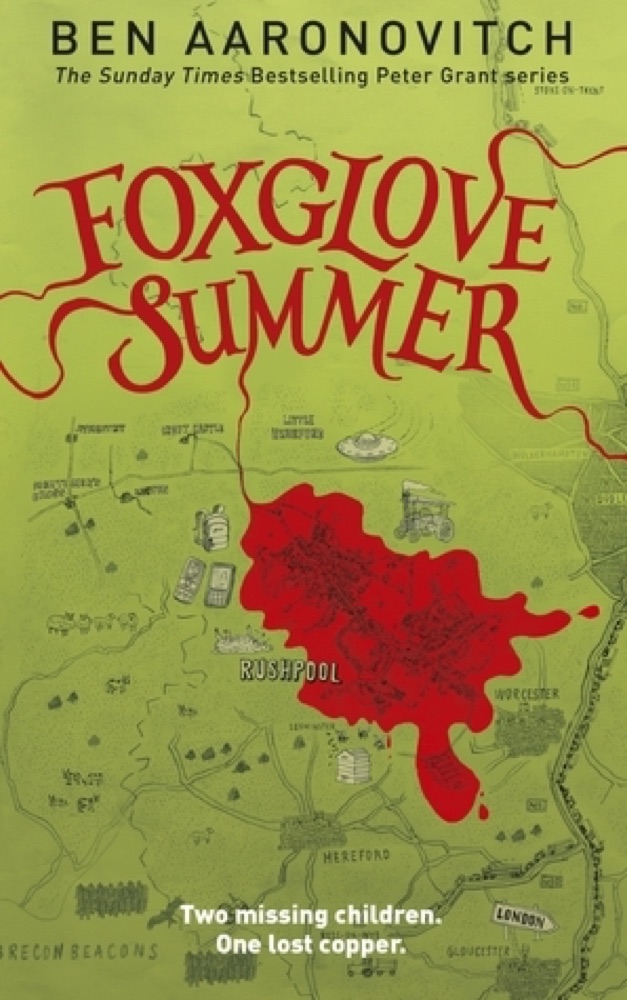 Foxglove Summer
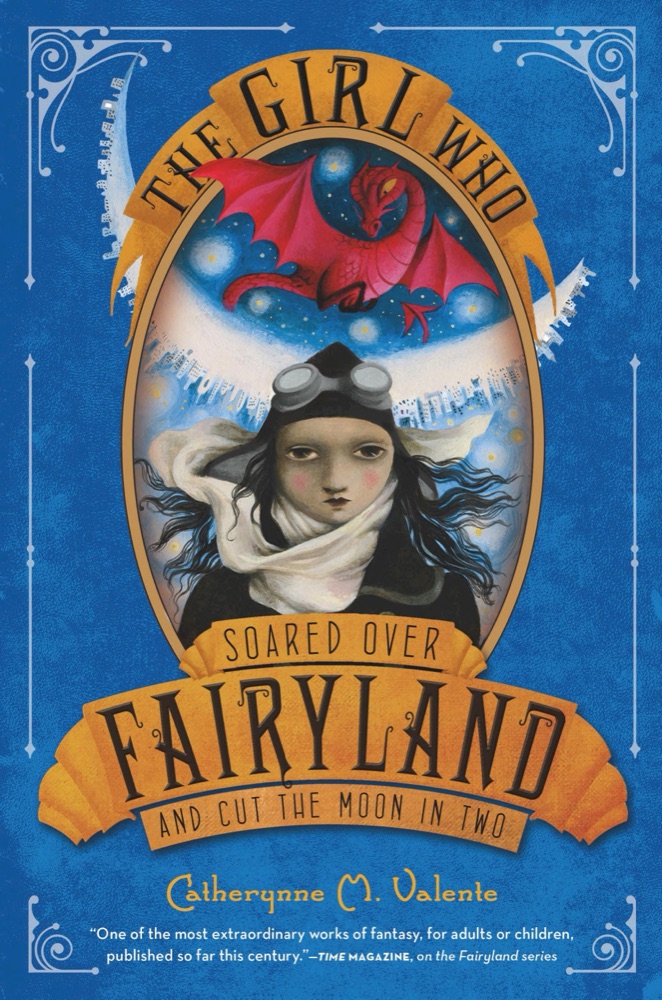 The Girl Who Soared Over Fairyland and Cut the Moon in Two
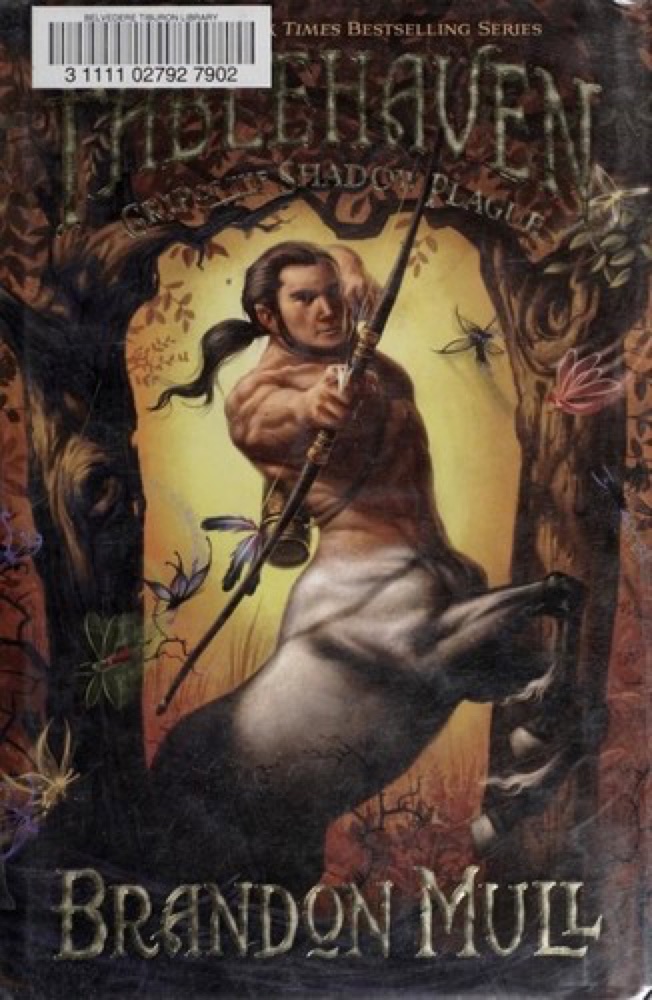 Grip of the Shadow Plague
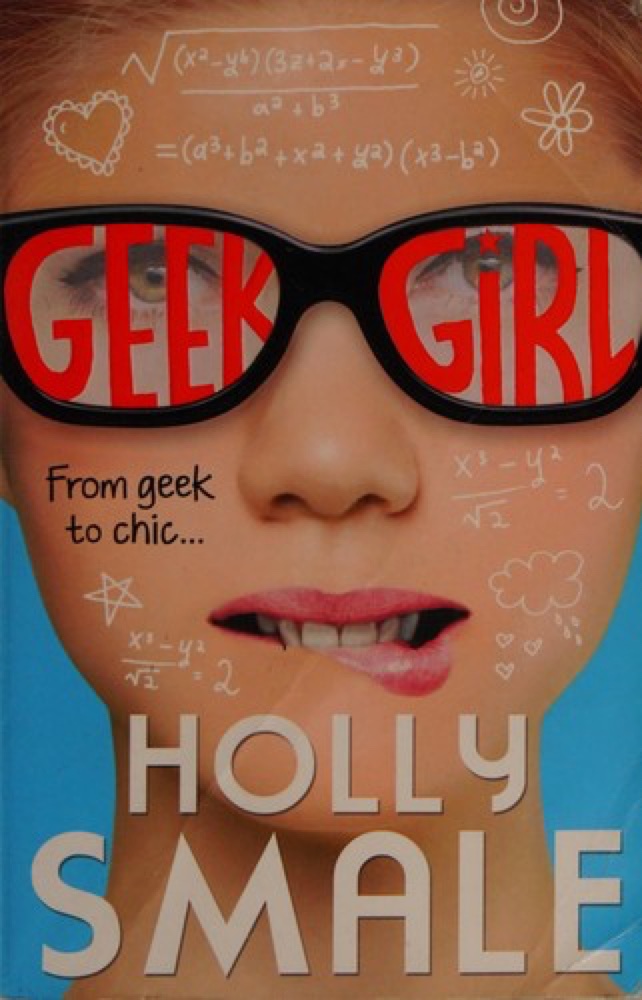 Geek Girl
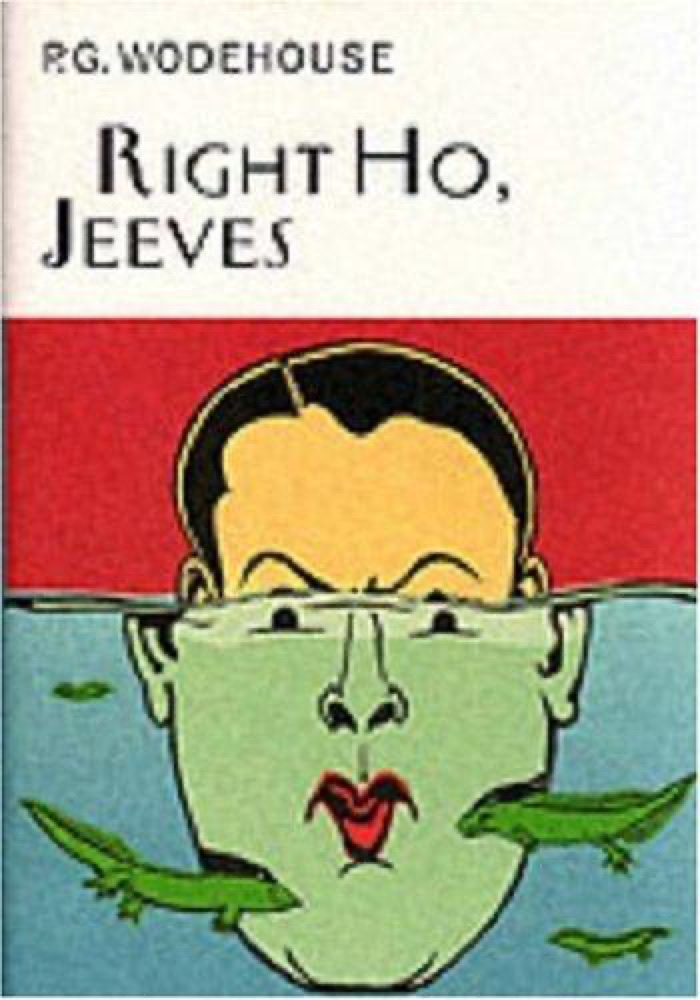 Right Ho, Jeeves
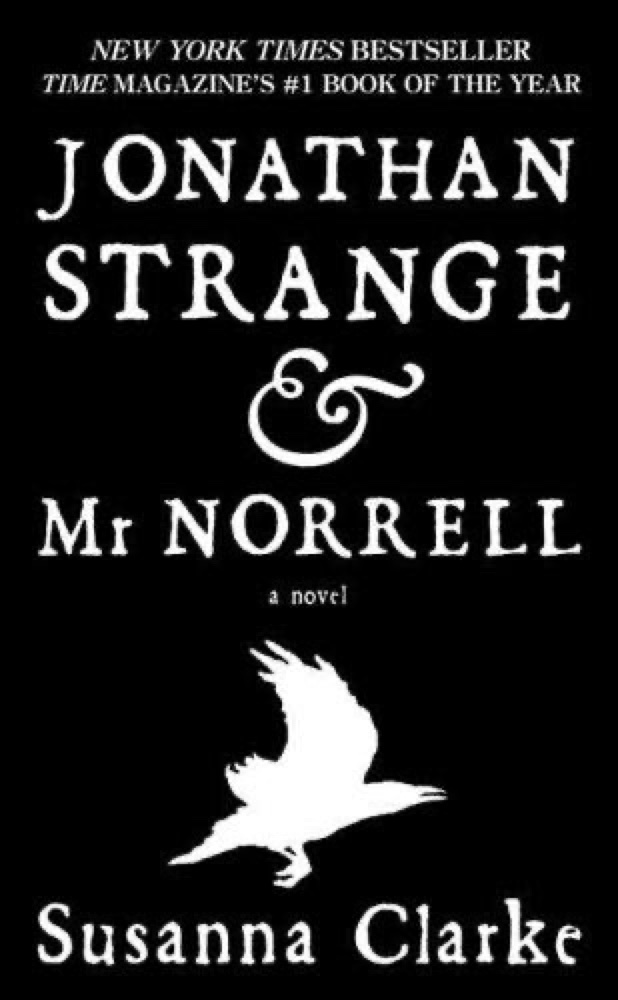 Jonathan Strange & Mr Norrell
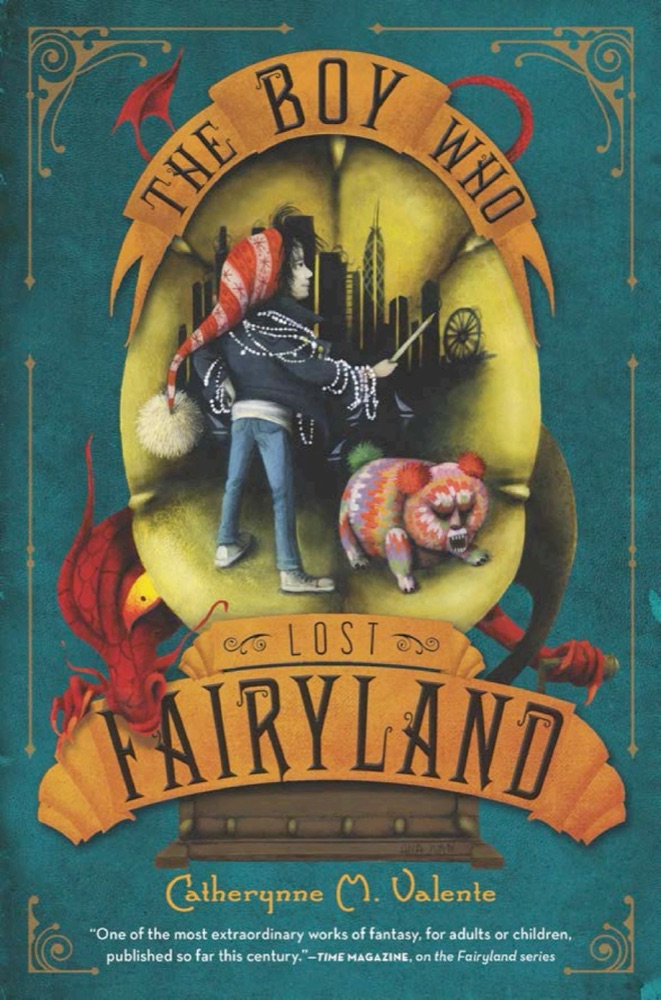 The Boy Who Lost Fairyland
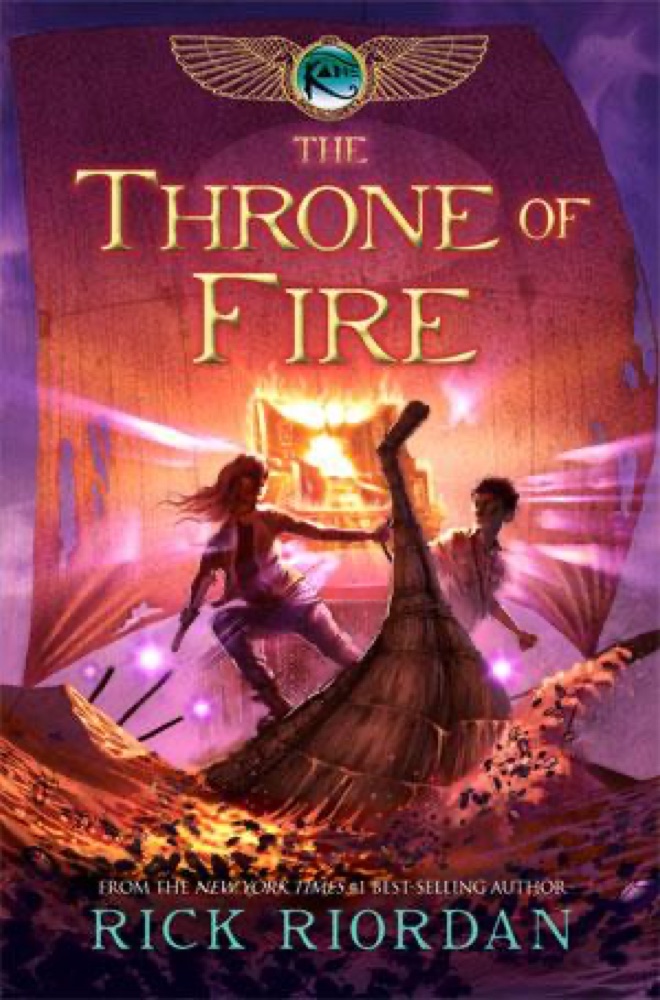 The Throne of Fire
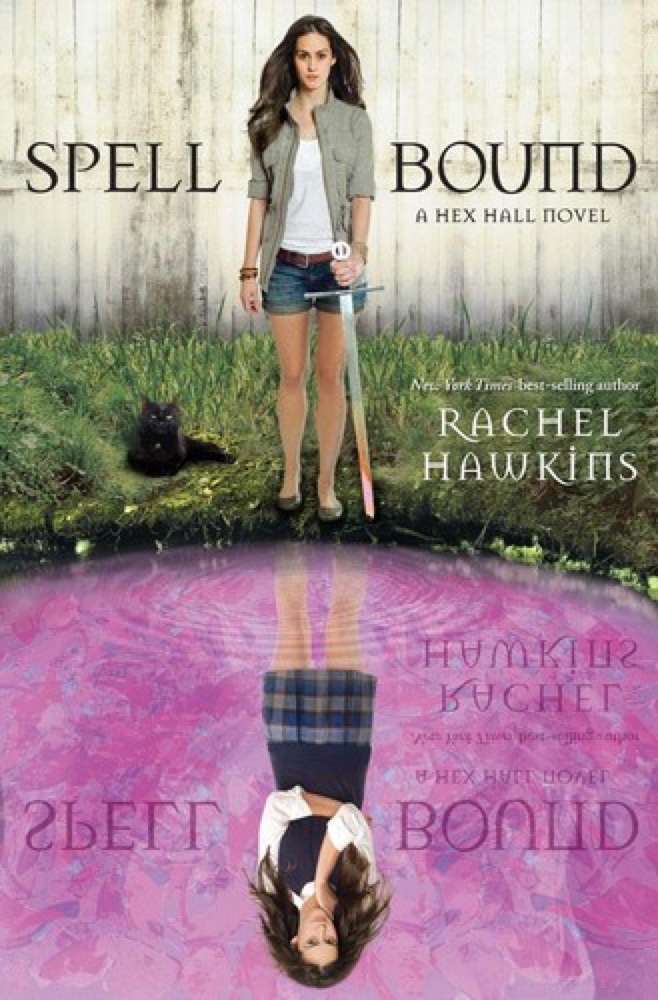 Spell Bound
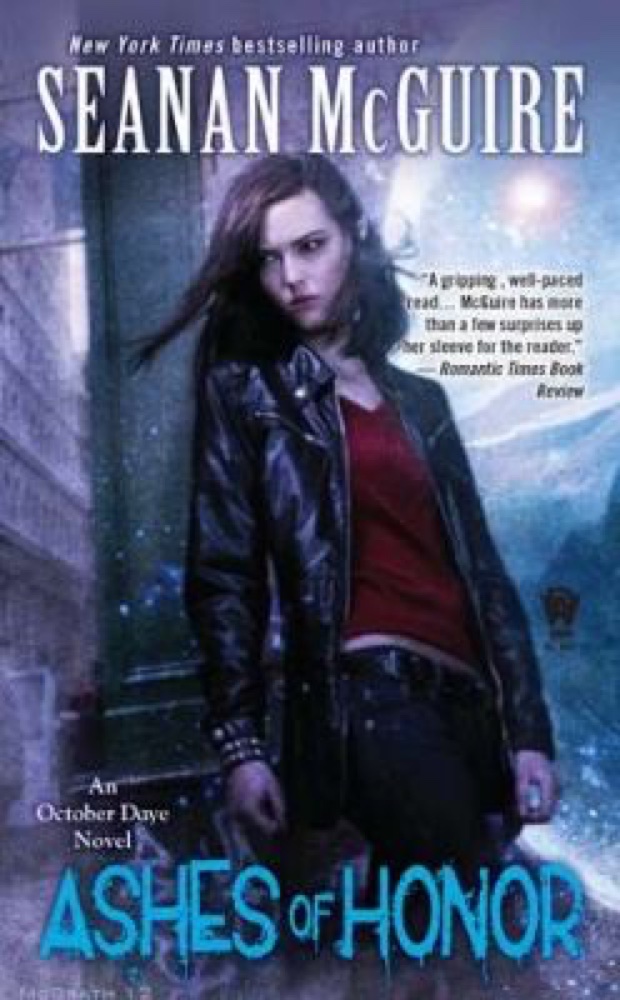 Ashes of Honor
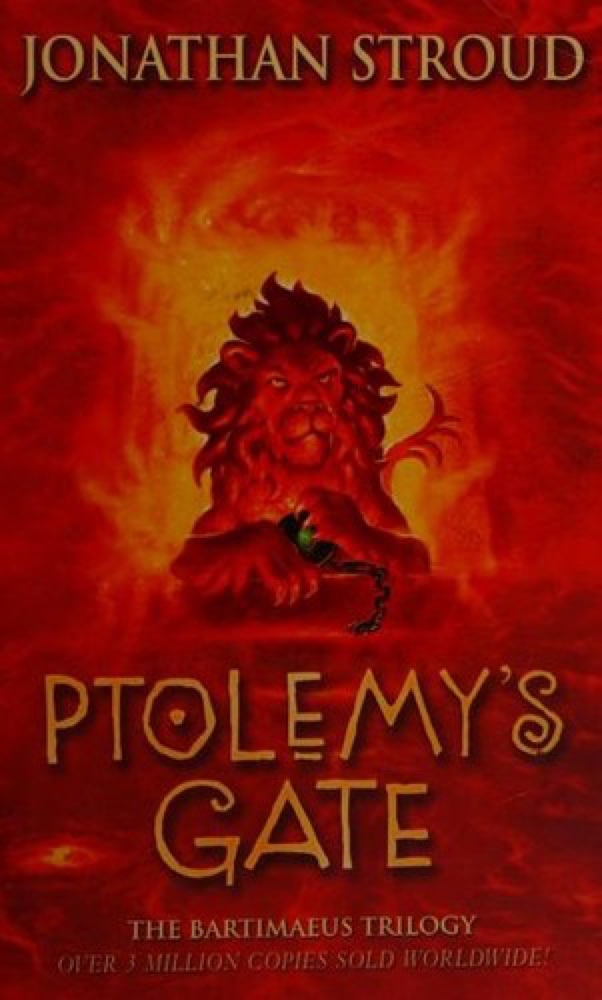 Ptolemy's Gate
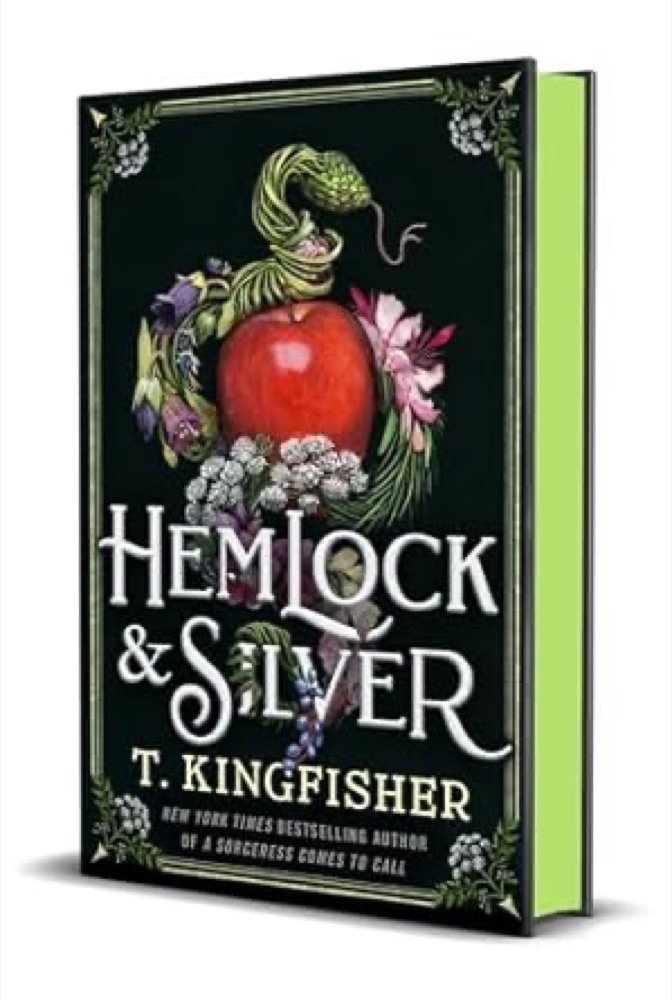 Hemlock & Silver
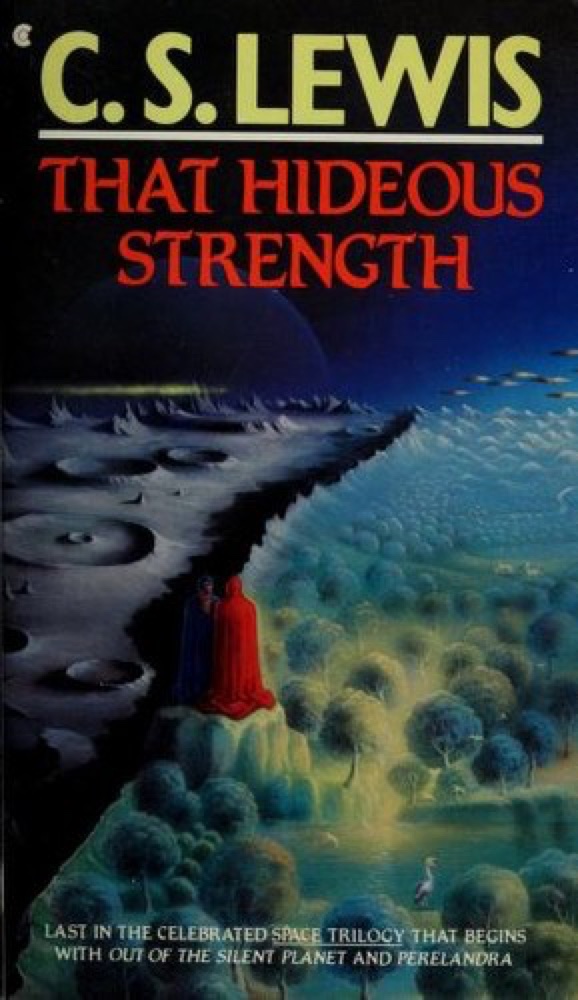 That Hideous Strength
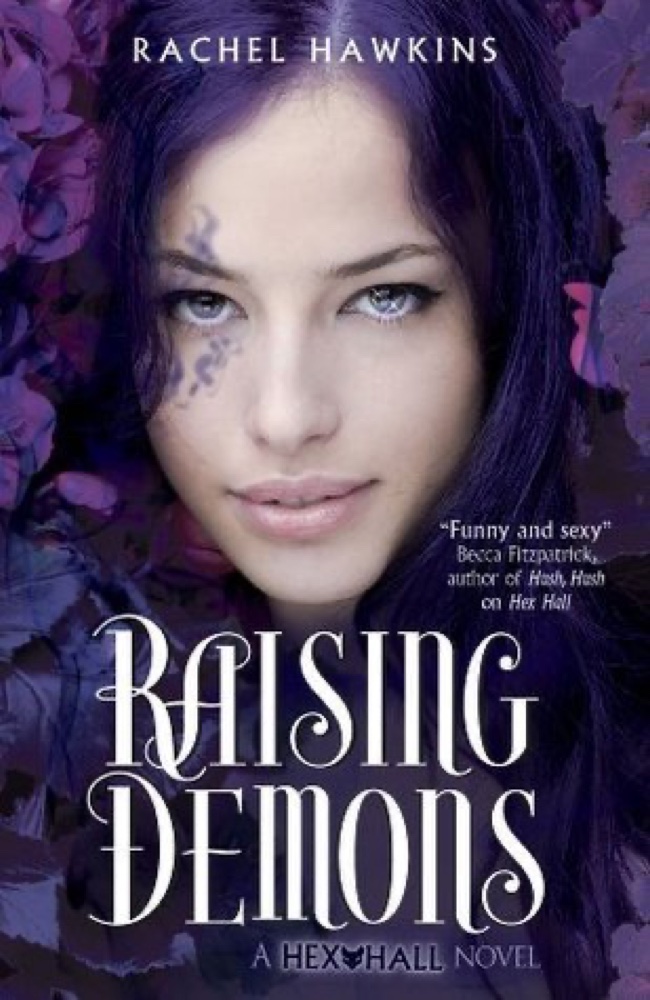 Demonglass
 Angelmaker
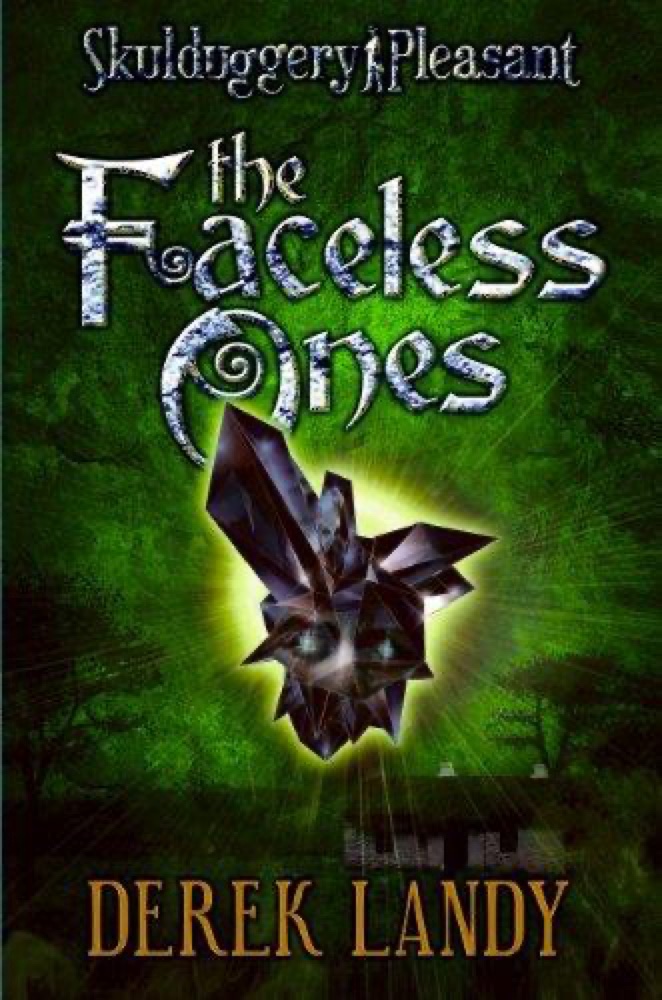 The Faceless Ones
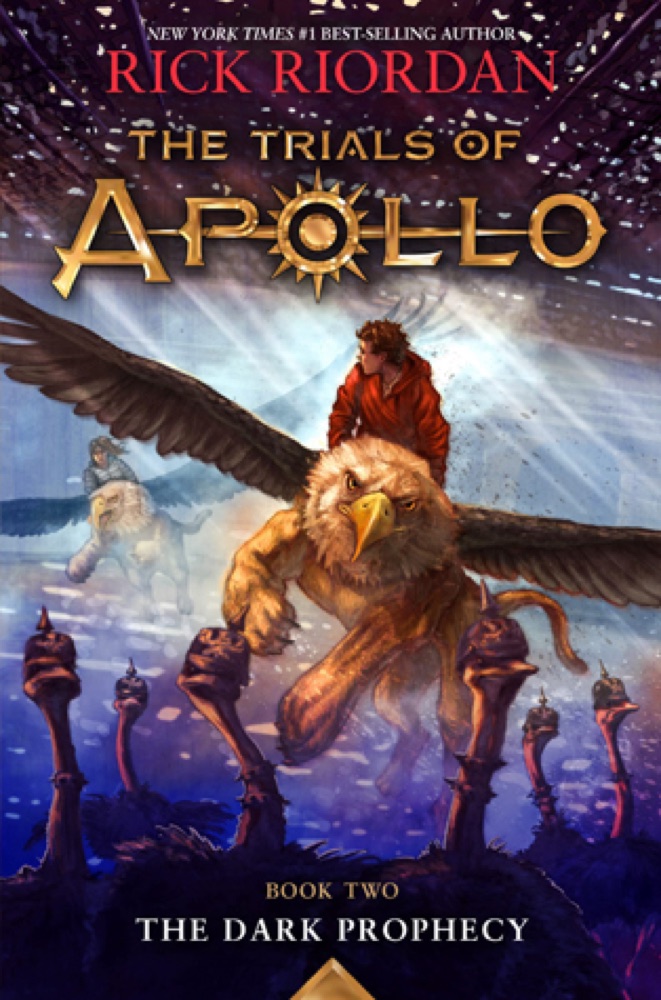 The Dark Prophecy