
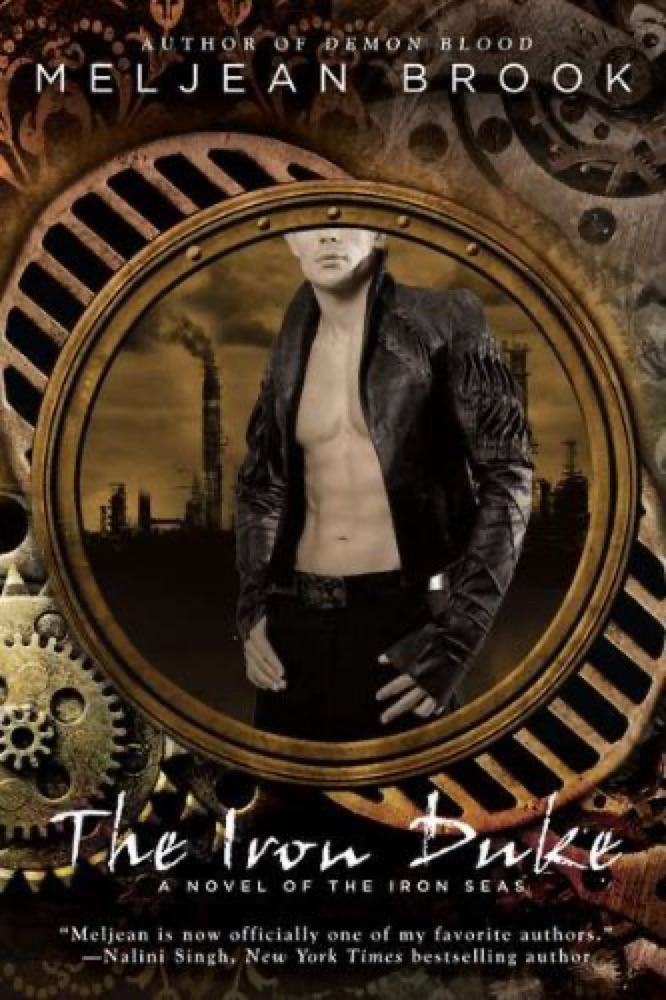
 The Iron Duke
Quotes from the Book
When you're surrounded by stupidity, self-preservation isn't a sin.
I've never understood it. That is always the first thing someone asks: Where are you from. Not 'What do you like?' or 'What do you believe?' or even 'What is your mother like?' which all have more bearing on the person I am. And if I don't tell them where I'm from, they try to guess.... It drives them mad, as if to know me they need to know where I am from.
People never believed of others what they couldn't imagine of themselves.
every man had a choice: feed that which makes you happy, or feed that which makes you rage.
He wanted her for the rest of his life. And on his dying breath, he would still want another second with her, another hour, another lifetime.
Yes. My mother, for one. As a child I loved her, despite knowing so little about her. But now, knowing everything she has done, how stubborn she can be, how blind, how strong, how clever…knowing her as a woman, I love her so much more.
Watch on YouTube
About Meljean Brook
We have collected 27 quotes from 2 books by Meljean Brook on BookQuoters.
More about the author →More by Meljean Brook
The Iron Duke
Book details
- Author
- Meljean Brook
- Genre
- Fantasy
- Goodreads rating
- 3.96 (5k ratings) →
Keep reading
 The Jewel in the Crown
 The Stand
 The Given Day
 Mother Night
 Natchez Burning
 Passenger
 The Good Daughter
 The Idiot
 The Storyteller
 The Broken Eye
 Faithful Place
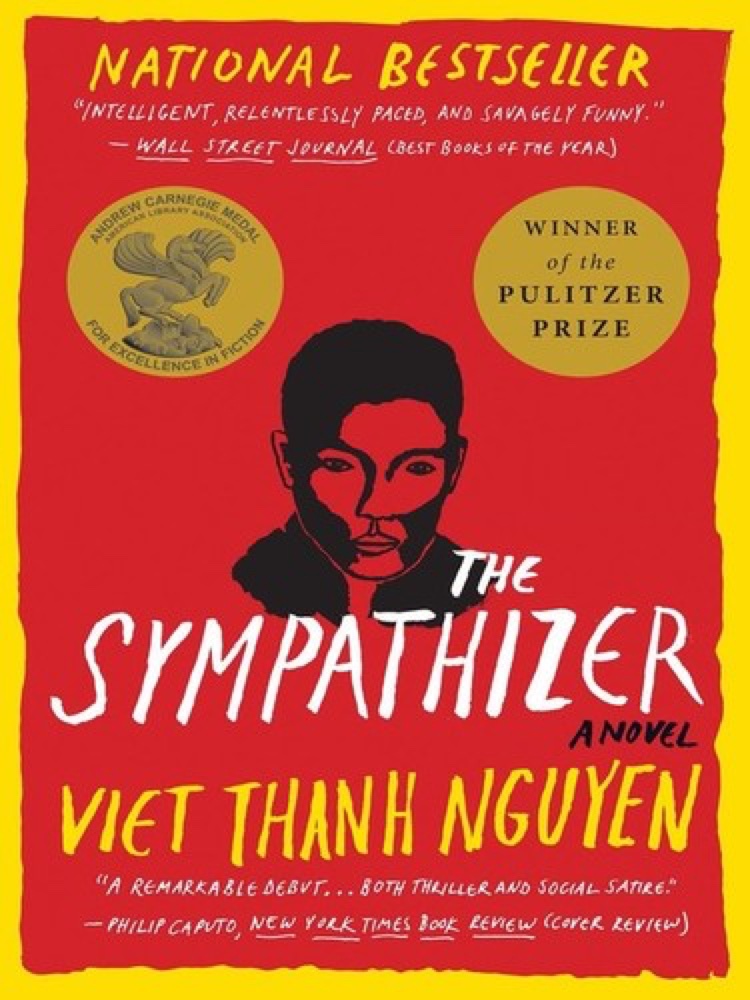 The Sympathizer
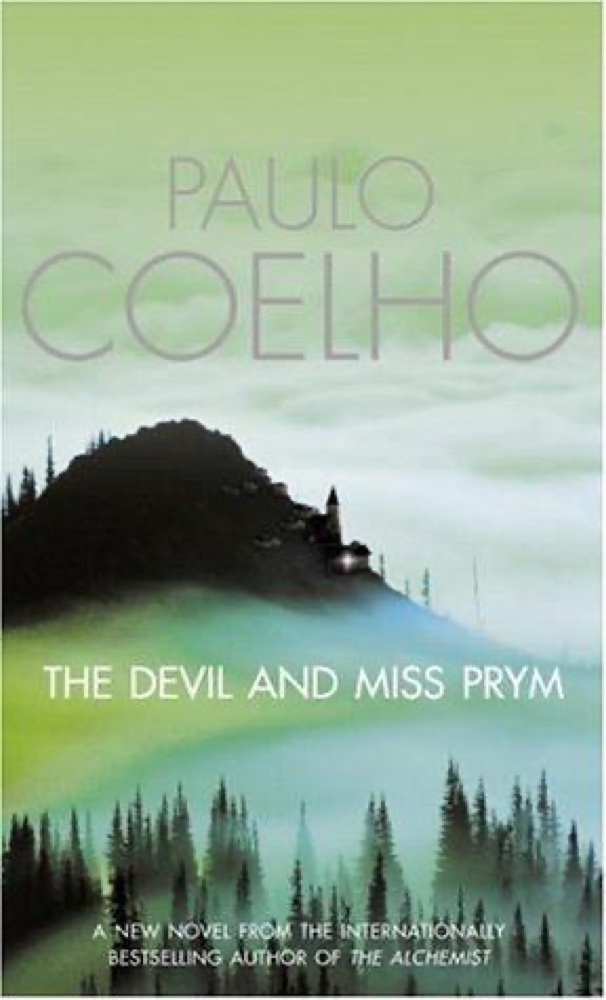 The Devil and Miss Prym
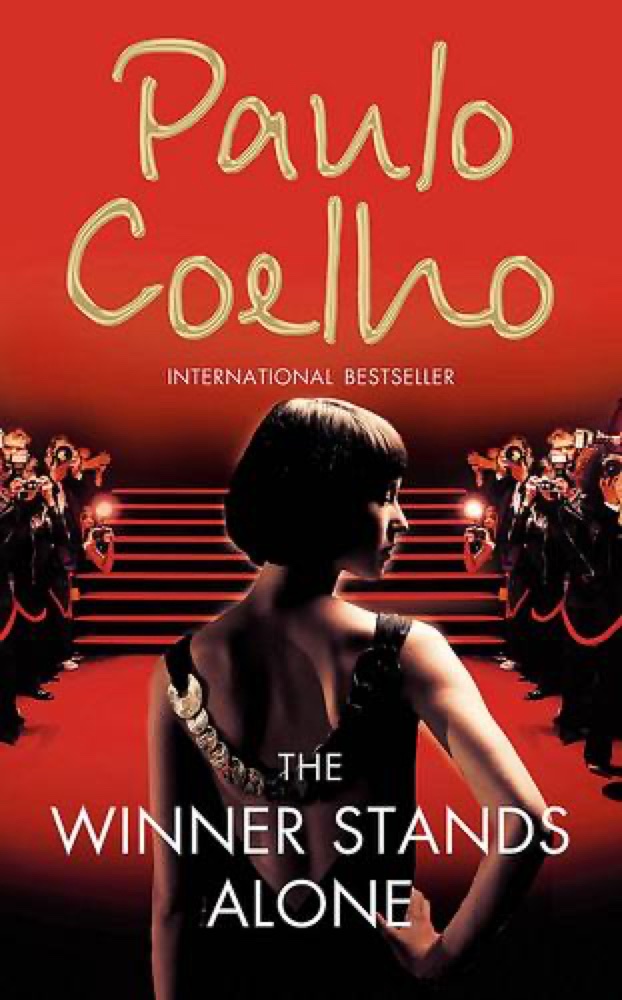 The Winner Stands Alone
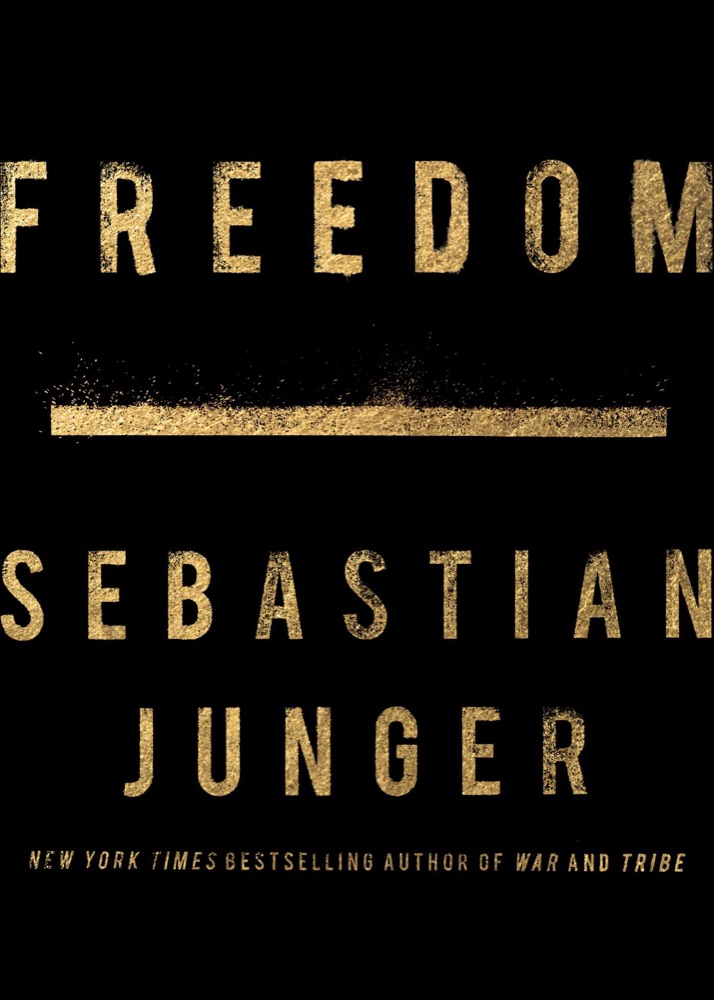 Freedom
 Crown of Feathers
 Highly Illogical Behavior
 Infamous
 Empire Falls
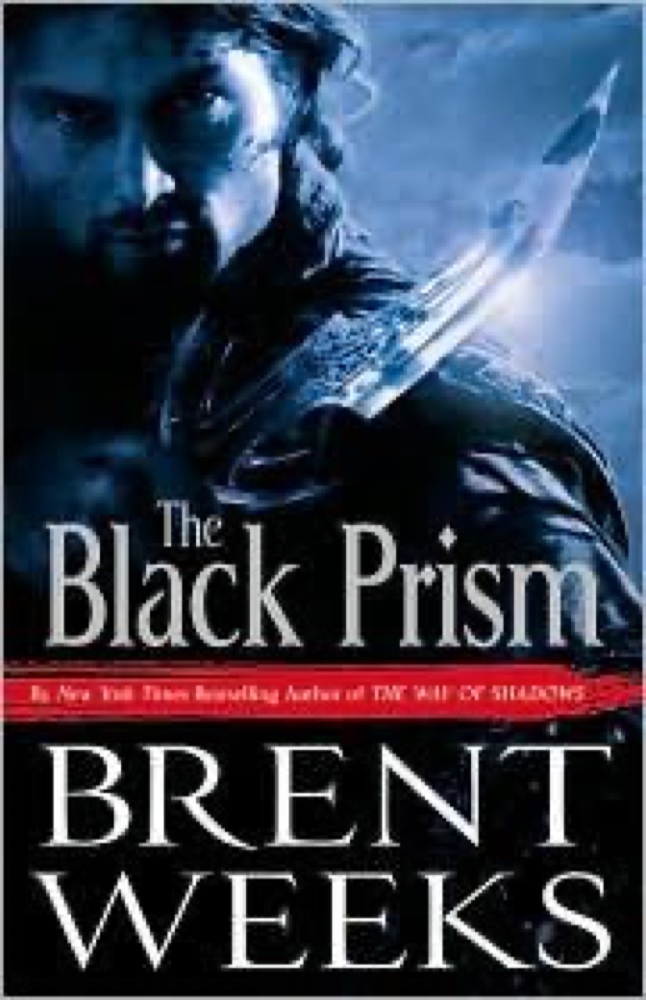 The Black Prism
 Close
Close
 The Cider House Rules
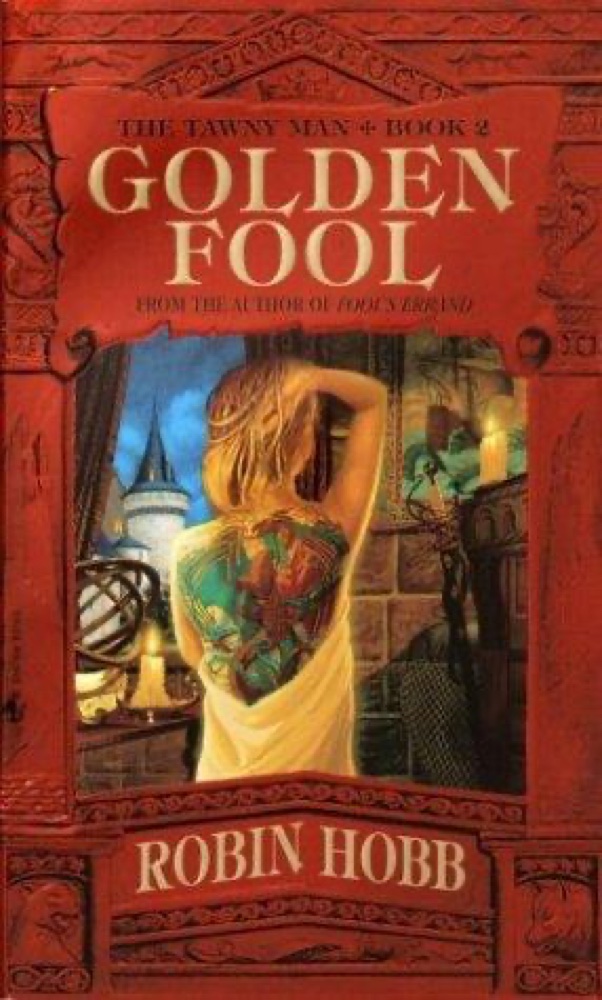 Golden Fool
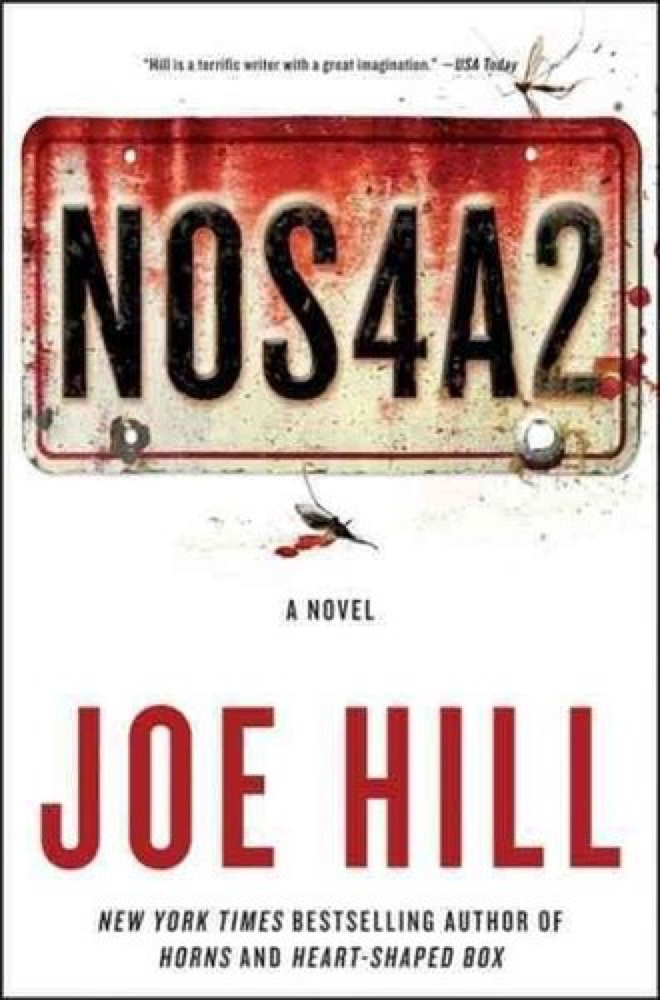 NOS4A2
 The Joke
 The Son
 The Son
 The Resistance
 The Invasion of the Tearling
 Speaker for the Dead
 Mercy
Mercy
 The Fireman
 Pachinko
 Alias Grace
 The Secret Keeper
 East of Eden
 A Well-Tempered Heart
 Needful Things
 Lethal White
 Anna Karenina
 The Razor's Edge
 The Once and Future King
 Xenocide
 The Magus
 Oranges Are Not the Only Fruit
 Tempted
 Cuckold
 The Pact
 Immortal
 Of Human Bondage
 The Luminaries
 Rot & Ruin
 Vicious
 Child 44
 Bel Canto
 Last Argument of Kings
 Giovanni's Room
 An Untamed State
 Familiaris
 The Burning White