 Grimm's Fairy Tales
Quotes from the Book
Some men are born to good luck: all they do or try to do comes right—all that falls to them is so much gain—all their geese are swans—all their cards are trumps—toss them which way you will, they will always, like poor puss, alight upon their legs, and only move on so much the faster. The world may very likely not always think of them as they think of themselves, but what care they for the world? what can it know about the matter?
Lina said to Fundevogel: 'Never leave me, and I will never leave you.' Fundevogel said: 'Neither now, nor ever.' Then said Lina: 'Do you become a rose-tree, and I the rose upon it.
A certain king had a beautiful garden, and in the garden stood a tree which bore golden apples. These apples were always counted, and about the time when they began to grow ripe it was found that every night one of them was gone. The king became very angry at this, and ordered the gardener to keep watch all night under the tree. The gardener set his eldest son to watch; but about twelve o'clock he fell asleep, and in the morning another of the apples was missing. Then the second son was ordered to watch; and at midnight he too fell asleep, and in the morning another apple was gone. Then the third son offered to keep watch; but the gardener at first would not let him, for fear some harm should come to him: however, at last he consented, and the young man laid himself under the tree to watch. As the clock struck twelve he heard a rustling noise in the air, and a bird came flying that was of pure gold; and as it was snapping at one of the apples with its beak, the gardener's son jumped up and shot an arrow at it. But the arrow did the bird no harm; only it dropped a golden feather from its tail, and then flew away. The golden feather was brought to the king in the morning, and all the council was called together. Everyone agreed that it was worth more than all the wealth of the kingdom: but the king said, 'One feather is of no use to me, I must have the whole bird.
Then her envious heart had peace, as much as an envious heart can have.
In olden times, when wishing still helped....” - The Frog King | The Fairy Tales of the Brothers Grimm
Before the castle gate all was as the fox had said: so the son went in and found the chamber where the golden bird hung in a wooden cage, and below
Time passed on; and as the eldest son did not come back, and no tidings were heard of him, the second son set out, and the same thing happened to him. He met the fox, who gave him the good advice: but when he came to the two inns, his eldest brother was standing at the window where the merrymaking was, and called to him to come in; and he could not withstand the temptation, but went in, and forgot the golden bird and his country in the same manner.
One feather is of no use to me, I must have the whole bird.
A merchant, who had three daughters, was once setting out upon a journey; but before he went he asked each daughter what gift he should bring back for her. The eldest wished for pearls; the second for jewels; but the third, who was called Lily, said, 'Dear father, bring me a rose.' Now it was no easy task to find a rose, for it was the middle of winter; yet as she was his prettiest daughter, and was very fond of flowers, her father said he would try what he could do. So he kissed all three, and bid them goodbye.
A long time ago there lived a king who was famed for his wisdom through all the land. Nothing was hidden from him, and it seemed as if news of the most secret things was brought to him through the air. But he had a strange custom; every day after dinner, when the table was cleared, and no one else was present, a trusty servant had to bring him one more dish. It was covered, however, and even the servant did not know what was in it, neither did anyone know, for the king never took off the cover to eat of it until he was quite alone.
Hansel took his little sister by the hand, and followed the pebbles which shone like newly-coined silver pieces, and showed them the way.
He dug and ploughed over his piece of land, and then sowed some turnip seed. Soon the seed began to show itself above ground, and there grew on turnip immensely large and thick, which seemed as if it would never have done growing, but was a princess among turnips; and as there had never before been seen such a turnip, so also there has never been such another since.
Only preserve the love of God in thy heart, and all will go well with thee.
No debes despreciar a quien te ayudó cuando te encontrabas necesitada.
window, and every year bore the most beautiful roses, white and red.
Hans went into the stable, cut out all the calves' and sheep's eyes, and threw them in Gretel's face. Then Gretel became angry, tore herself loose and ran away, and was no longer the bride of Hans.
wait, I will come with you.' Then they recognized his voice and waited, and when he came up to them suddenly his bearskin fell off, and he stood there a handsome man, clothed all
A certain king had a beautiful garden, and in the garden stood a tree which bore golden apples. These apples were always counted, and about the time when they began to grow ripe it was found that every night one of them was gone. The king became very angry at this, and ordered the gardener to keep watch all night under the tree.
When you come to the king, and he asks for the beautiful princess, you must say, "Here she is!" Then he will be very joyful; and you will mount the golden horse that they are to give you, and put out your hand to take leave of them; but shake hands with the princess last. Then lift her quickly on to the horse behind you; clap your spurs to his side, and gallop away as fast as you can.
his head to be cut off
He who helped thee when thou wert in trouble ought not afterwards to be despised by thee.
And as she leaned down to drink, the lock of hair fell from her bosom, and floated away with the water. Now she was so frightened that she did not see it; but her maid saw it, and was very glad, for she knew the charm; and she saw that the poor bride would be in her power, now that she had lost the hair. So when the bride had done drinking, and would have got upon Falada again, the maid said, 'I shall ride upon Falada, and you may have my horse instead'; so she was forced to give up her horse, and soon afterwards to take off her royal clothes and put on her maid's shabby ones.
Did you know?
- The tales were first published in German in 1812 as Kinder- und Hausmarchen (Children's and Household Tales).
- The first volume of 1812 contained 86 stories, and the second volume of 1815 added 70 more.
- The brothers' seventh and final edition of 1857 contained 210 tales plus ten children's legends.
- Across editions the Grimms changed the wicked mothers of Snow White and Hansel and Gretel into stepmothers to suit family readers.
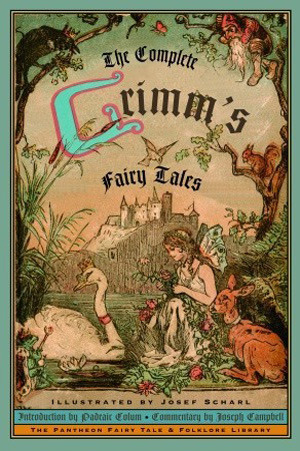
- The standard Pantheon English edition features an introduction by Padraic Colum and a folkloristic commentary by Joseph Campbell.
- The collection is listed by UNESCO in its Memory of the World Register.
About Jacob Grimm
Jacob (1785-1863) and Wilhelm (1786-1859) Grimm were German academics, linguists, and cultural researchers whose collecting of folk tales helped shape modern folkloristics. Born in Hanau, they became world-renowned for their Children's and Household Tales, which popularized stories such as Cinderella, Hansel and Gretel, and Snow White.
More about the author →More by Jacob Grimm
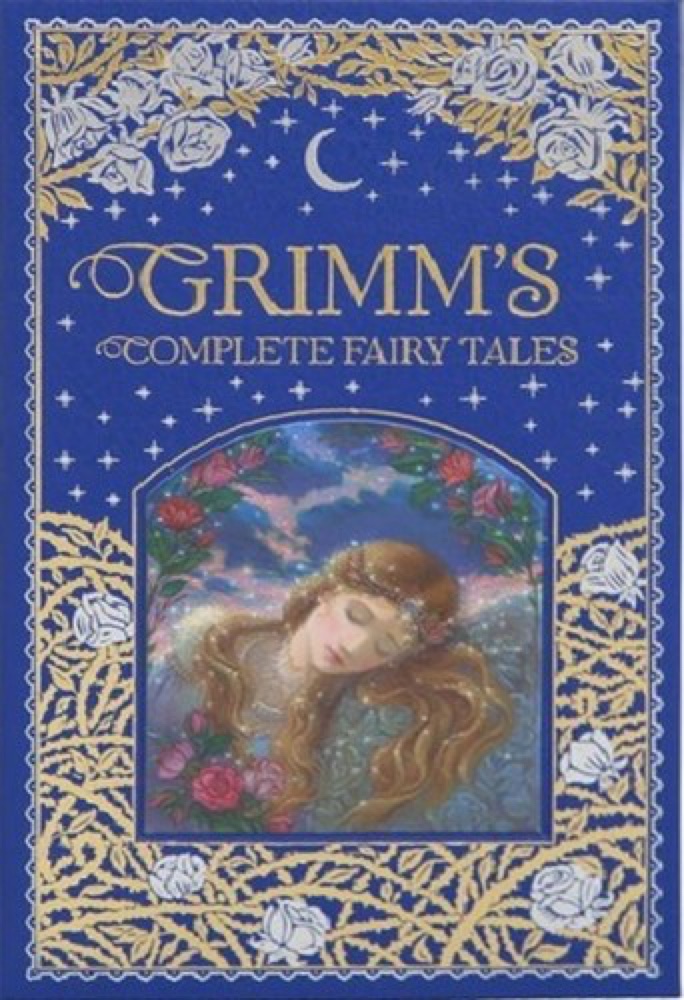
Grimm's Fairy Tales
About the book
The Complete Grimm's Fairy Tales gathers the full body of folk stories collected and edited by the German brothers Jacob and Wilhelm Grimm, first published in 1812 as Kinder- und Hausmarchen (Children's and Household Tales). The definitive collection brings together the 210 tales of the brothers' final seventh edition of 1857, including many of the most familiar stories in Western culture, among them Cinderella, Hansel and Gretel, Little Red-Cap (Little Red Riding Hood), Rapunzel, Snow-White, Rumpelstiltskin, and Briar-Rose. Rather than original inventions, these are traditional oral tales the brothers recorded from tellers and printed sources and then reshaped across successive editions.
Across the collection run the recurring motifs of European folklore: enchanted forests, cruel stepmothers, talking animals, clever youngest children, curses and their undoing, and the moral reckoning of the wicked. The Grimms revised the tales through their editions with an eye to suitability for family reading, for example changing the wicked mothers of the first-edition Snow White and Hansel and Gretel into stepmothers. The result is a body of stories that is by turns primal and frightening, tender and comic, preserving the stark logic of the folk imagination.
The Grimms' collection is regarded as a seminal work of Western children's literature and of modern folkloristics, and it is inscribed in UNESCO's Memory of the World Register. Its stories have spread far beyond Germany, becoming a common inheritance retold in countless translations, illustrated editions, and adaptations. The standard English compilation, published by Pantheon with an introduction by Padraic Colum and a folkloristic commentary by Joseph Campbell, has kept the complete corpus in print for generations of readers.
Key characters
- CinderellaMistreated girl who wins the prince with magical help
- Hansel and GretelSiblings who outwit a witch in the forest
- Little Red-CapGirl who meets a wolf on the way to her grandmother's
- Snow-WhitePrincess pursued by a jealous, vain queen
- RapunzelGirl imprisoned in a tower with long hair
- RumpelstiltskinImp who spins straw into gold for a terrible price
- Briar-RosePrincess cursed to sleep until awakened (Sleeping Beauty)
Book details
- First published
- 1812
- Length
- 880 pages
- Reading time
- 15 hours
- Author
- Jacob Grimm
- Genre
- Classics
- Goodreads rating
- 4.23 (223k ratings) →
If you liked this, read…
- 1Hans Christian Andersen's Fairy TalesThe other foundational nineteenth-century European fairy-tale collection
- 2The Blue Fairy BookAndrew Lang's classic anthology gathering folk tales from many traditions
- 3Italian FolktalesItalo Calvino's comprehensive collection of a national folk-tale corpus
Keep reading
Grimm's Fairy Tales
 Fairy Tales Every Child Should Know
 The Complete Fairy Tales
 The Canterbury Tales
 The Arabian Nights
 Fairy Tales from the Brothers Grimm: A New English Version
 The Pearl
 The Last Unicorn
 Palace of Stone
 Armadale
 The Magician's Nephew
 The Complete Works
 The White Queen
 Once Upon a Dream
 The Water Babies
 Mythology
 The Ladies of Grace Adieu and Other Stories
 The Lion, the Witch and the Wardrobe
 In the Night Garden
 The Raven and the Reindeer
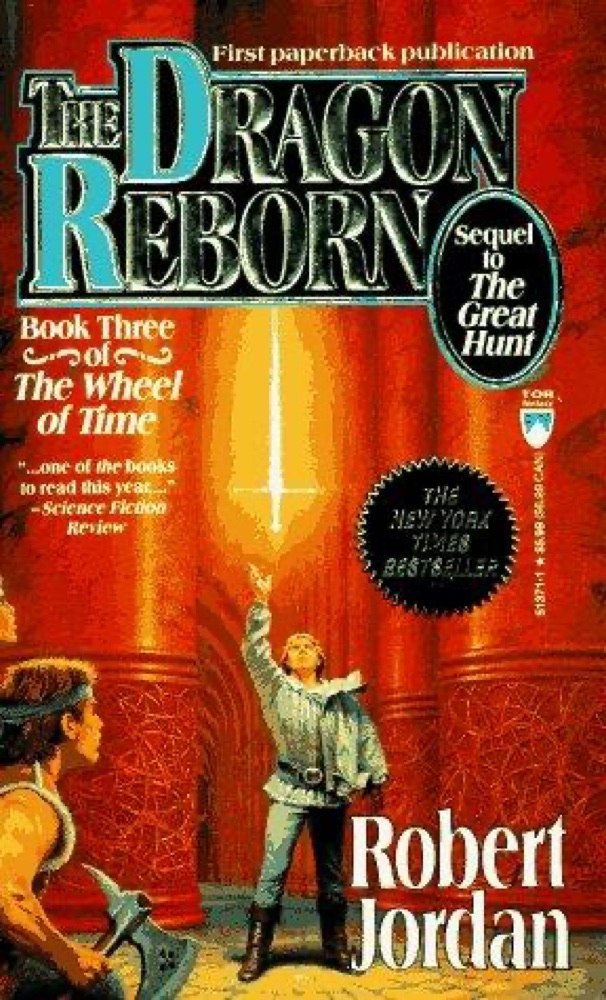 The Dragon Reborn
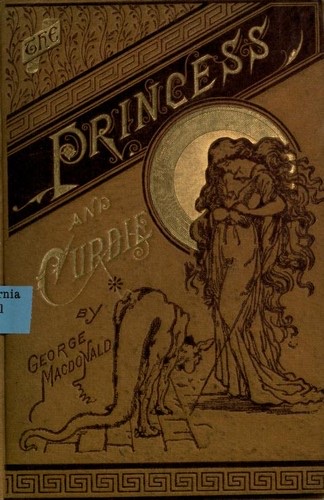 The Princess and Curdie
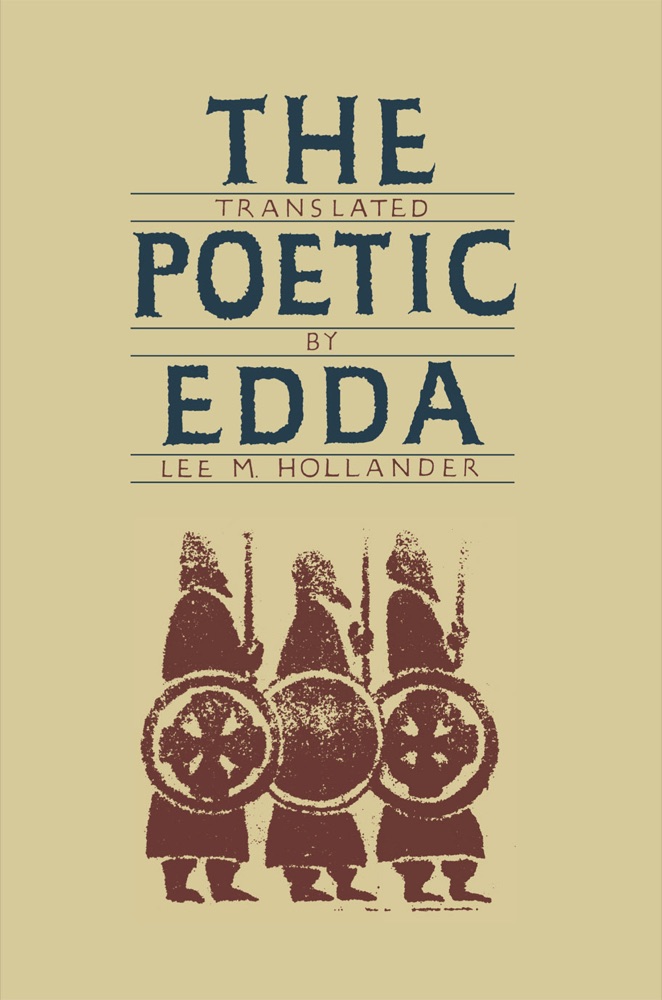 The Poetic Edda
 The Blue Fairy Book
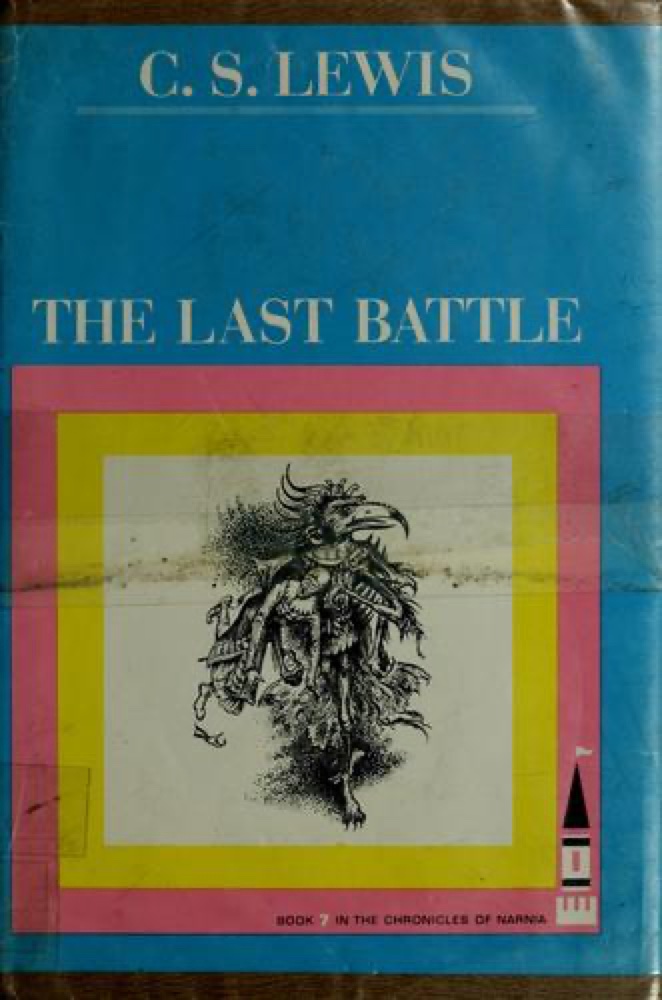 The Last Battle
 Gösta Berling's Saga
 The Sword in the Stone
 The Little White Horse
 The Ramayana: A Shortened Modern Prose Version of the Indian Epic
 The Penelopiad
 The Hunchback of Notre-Dame
 The Dragonbone Chair
 Frozen Tides
 The Return of the King
 Beowulf
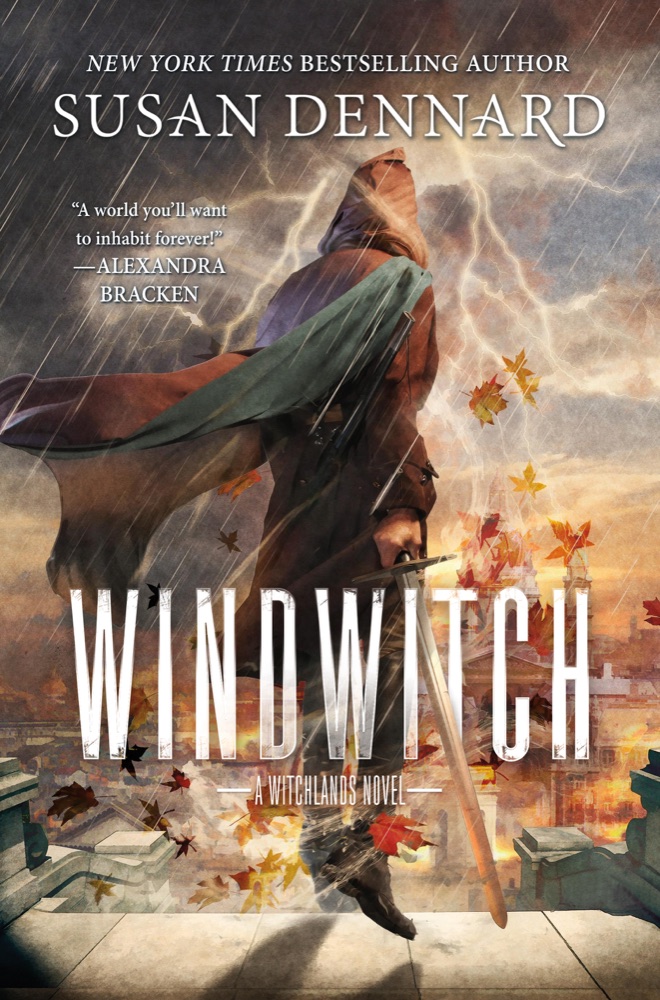 Windwitch
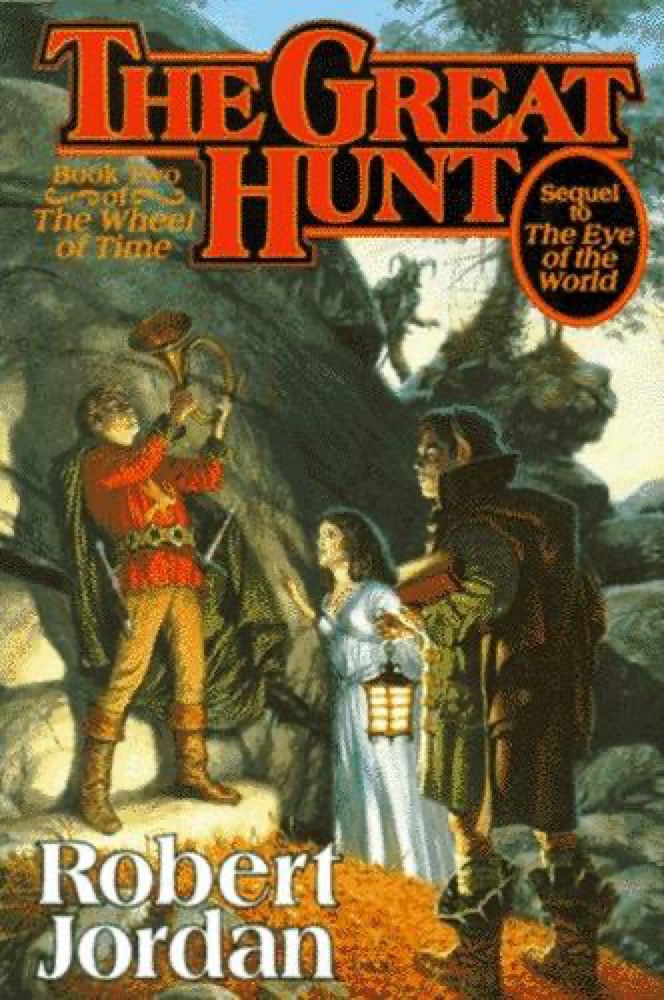 The Great Hunt
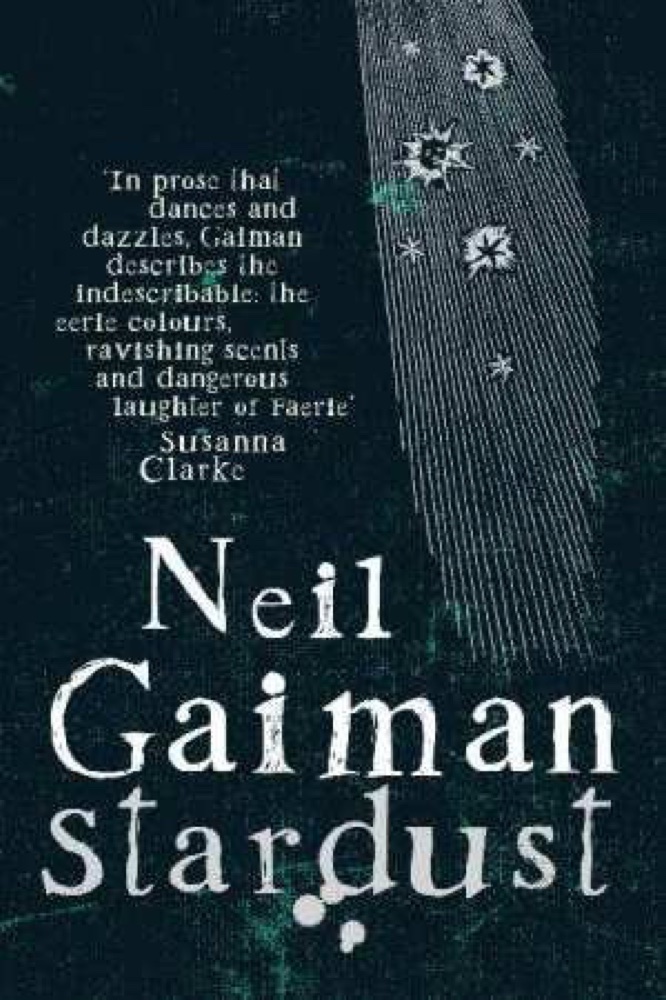 Stardust
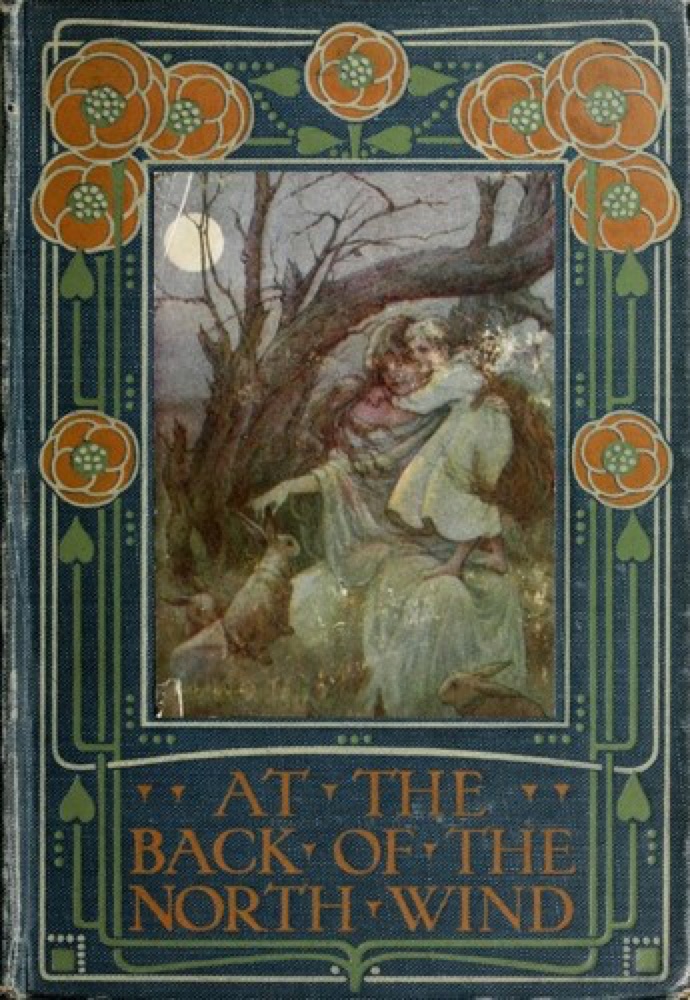 At the Back of the North Wind
 The Eyes of the Dragon
 The Complete Works of Charles Dickens
 Irish Fairy and Folk Tales
 The Beast Within
 Little Dorrit
 Aesop's Fables
 Gilded
 Reckless
 Le Morte d'Arthur: King Arthur and the Legends of the Round Table
 Sword & Citadel
 Castle of Wizardry
 Trickster's Choice
 Heir of Novron
 The Inquisitor's Tale: Or, The Three Magical Children and Their Holy Dog
 The Book of Life
 Redemption in Indigo
 The Beatryce Prophecy
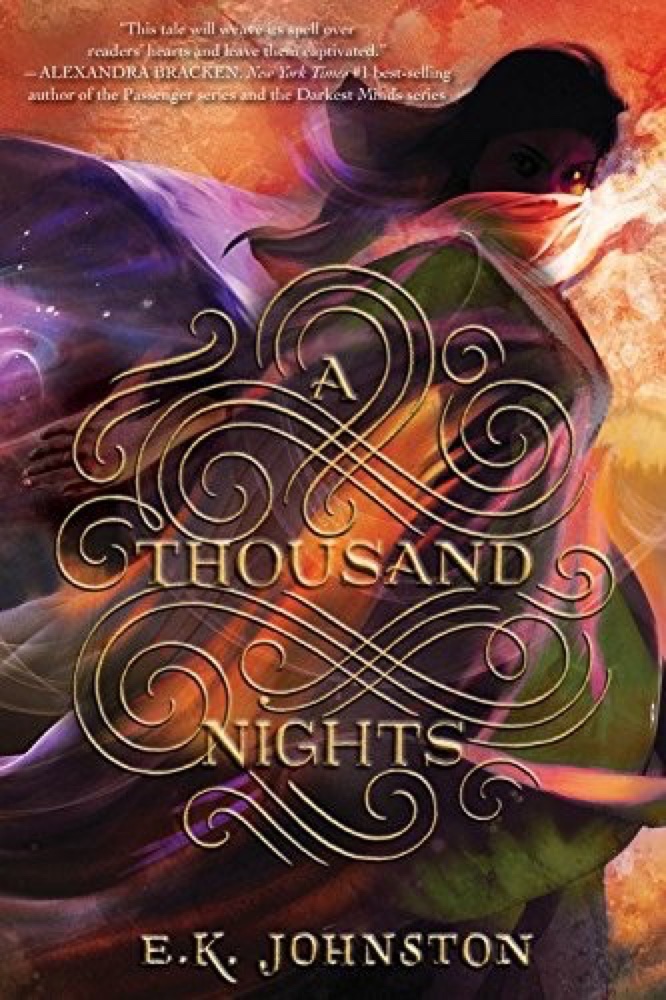 A Thousand Nights
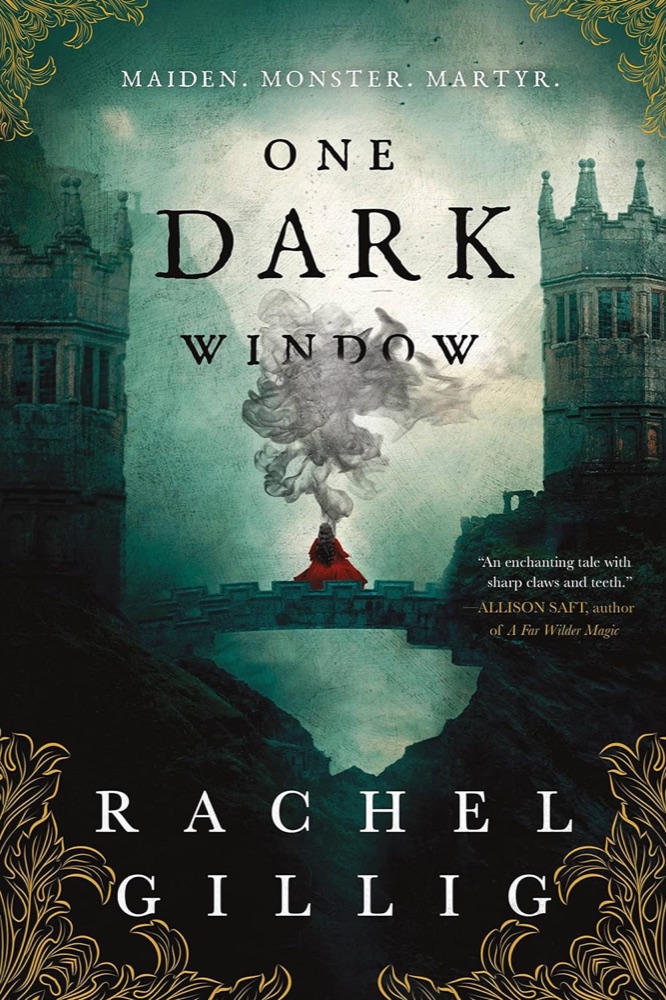 One Dark Window
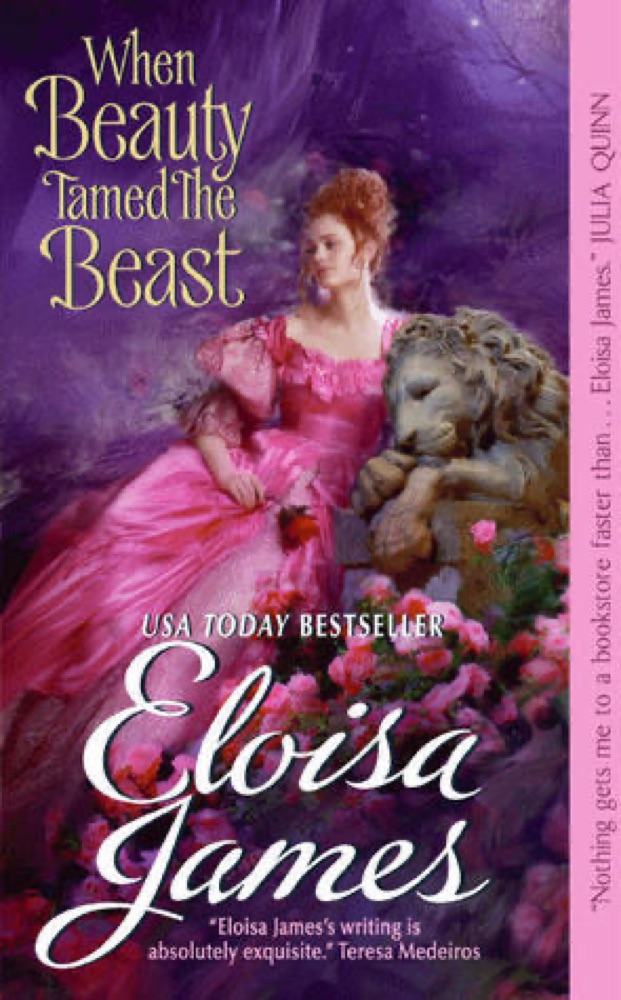 When Beauty Tamed the Beast
 The Infernal Devices: Clockwork Angel