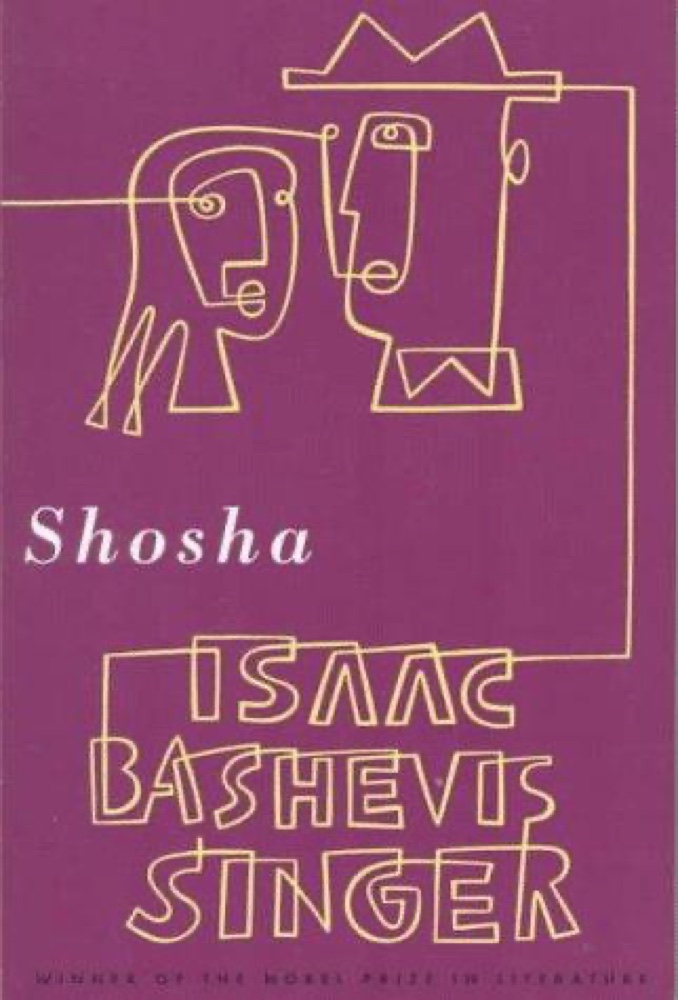
 Enemies: A Love Story
Quotes from the Book
In the half darkness I winked to my other self, my mad dictator, and congratulated him on his droll victory. I closed my eyes and felt the warmth flowing from Shosha's head to my face. What did I have to lose? Nothing more than what everyone loses anyway.
Irgendwo war mir ein Rest von Glauben an den freien Willen geblieben, aber an diesem Morgen war ich sicher, dem Menschen blieb so viel freie Wahl wie dem Uhrwerk in meiner Armbanduhr oder der Fliege, die auf dem Rand meiner Untertasse saß. Es waren die gleichen Kräfte, die Hitler, Stalin, den Papst, den Rabbi von Gur und ein Molekül in der Mitte der Erde antrieben, wie auch ein Sternbild, das Milliarden Lichtjahre entfernt von der Milchstraße war. Blinde Mächte? Sehende Mächte? Es war gleichgültig geworden. Es war uns bestimmt, unsere kleinen Spiele zu spielen und zermalmt zu werden.
But I never forgot Shosha. I dreamed of her at night. In my dreams she was both dead and alive. I played with her in a garden which was also a cemetery. Dead girls joined us there, wearing garments that were ornate shrouds. They danced in circles and sang songs. They swung, skated, occasionally hovered in the air. The birds there were different from any I knew. They were as big as eagles, as colorful as parrots. They spoke Yiddish. From the thickets surrounding the garden, beasts with human faces showed themselves. Shosha was at home in this garden, and instead of my pointing out and explaining to her as I had done in the past, she revealed to me things I hadn't known and whispered secrets in my ear. Her hair had grown long enough to reach her loins, and her flesh glowed like mother-of-pearl. I always awoke from this dream with a sweet taste in my mouth and the impression that Shosha was on longer living.
But I never forgot Shosha. I dreamed of her at night. In my dreams she was both dead and alive. I played with her in a garden which was also a cemetery. Dead girls joined us there, wearing garments that were ornate shrouds. They danced in circles and sang songs. They swung, skated, occasionally hovered in the air. I strolled with Shosha in a forest of gigantic trees that reached the sky. The birds there were different from any I knew. They were as big as eagles, as colorful as parrots. They spoke Yiddish. From the thickets surrounding the garden, beasts with human faces showed themselves. Shosha was at home in this garden, and instead of my pointing out and explaining to her as I had done in the past, she revealed to me things I hadn't known and whispered secrets in my ear. Her hair had grown long enough to reach her loins, and her flesh glowed like mother-of-pearl. I always awoke from this dream with a sweet taste in my mouth and the impression that Shosha was on longer living.
Was die Moralisten das Böse nannten, war in Wirklichkeit die Lebensregel.
Watch on YouTube
About Isaac Bashevis Singer
We have collected 15 quotes from 3 books by Isaac Bashevis Singer on BookQuoters.
More about the author →More by Isaac Bashevis Singer
Enemies: A Love Story
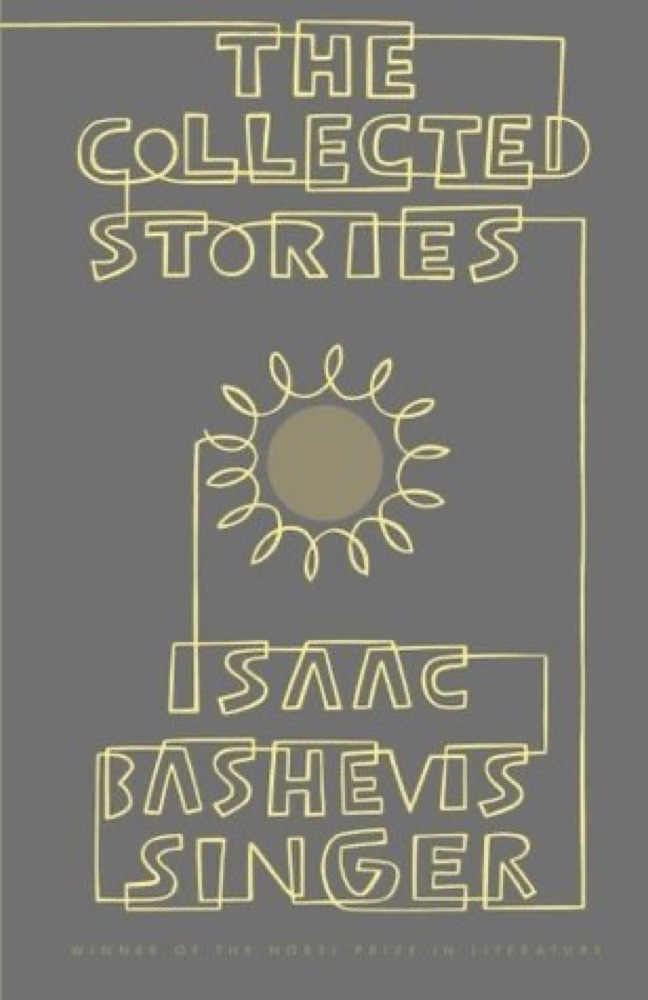 The Collected Stories of Isaac Bashevis Singer
Book details
- Author
- Isaac Bashevis Singer
- Genre
- Classics
- Goodreads rating
- 3.98 (3k ratings) →
Keep reading
 Mischling
 A Thousand Nights
 Amrita
 Now I Rise
 You Are My Sunshine
 Still Alive: A Holocaust Girlhood Remembered
 Sophie's Choice
 Prisoner B-3087
 The True Story of Hansel and Gretel
 The Kindly Ones
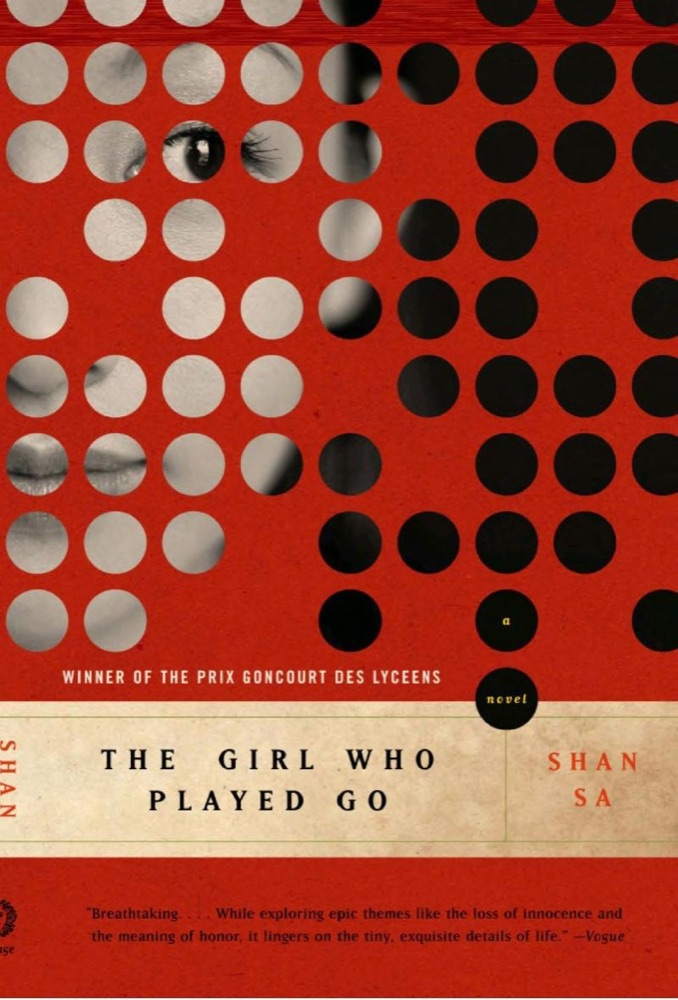 The Girl Who Played Go
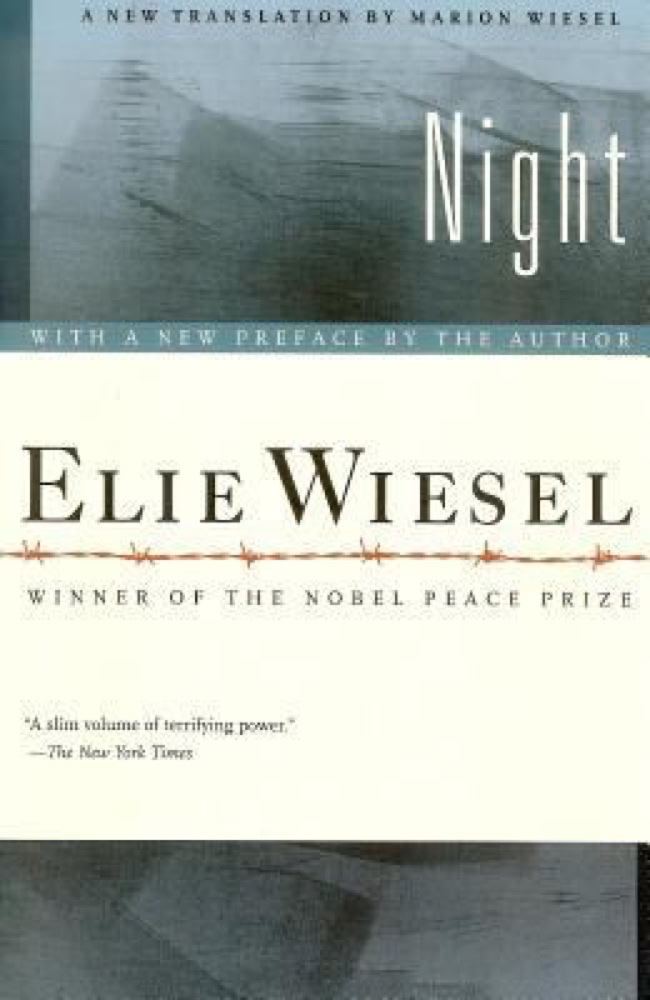 Night
Night
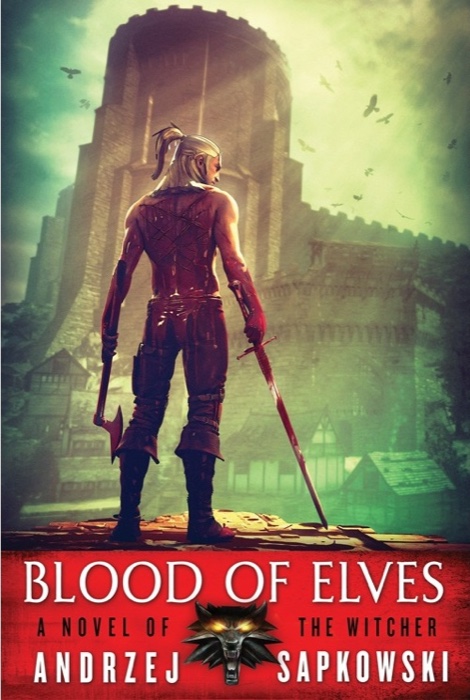 Blood of Elves
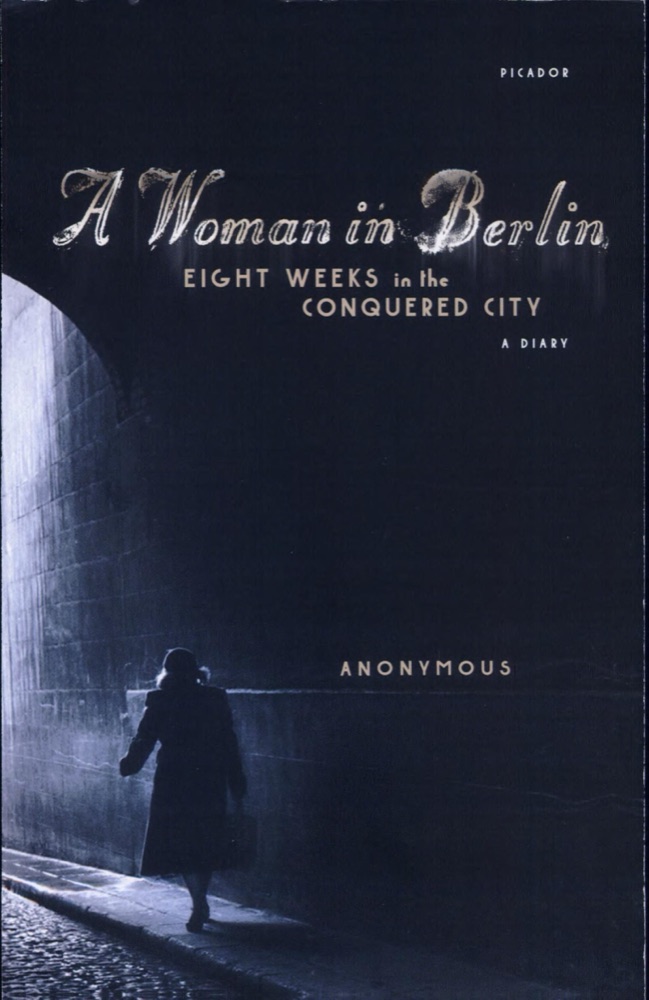 A Woman in Berlin: Eight Weeks in the Conquered City: A Diary
 A Season in Hell
 City of Thieves
 All That I Am
 A Fort of Nine Towers: An Afghan Family Story
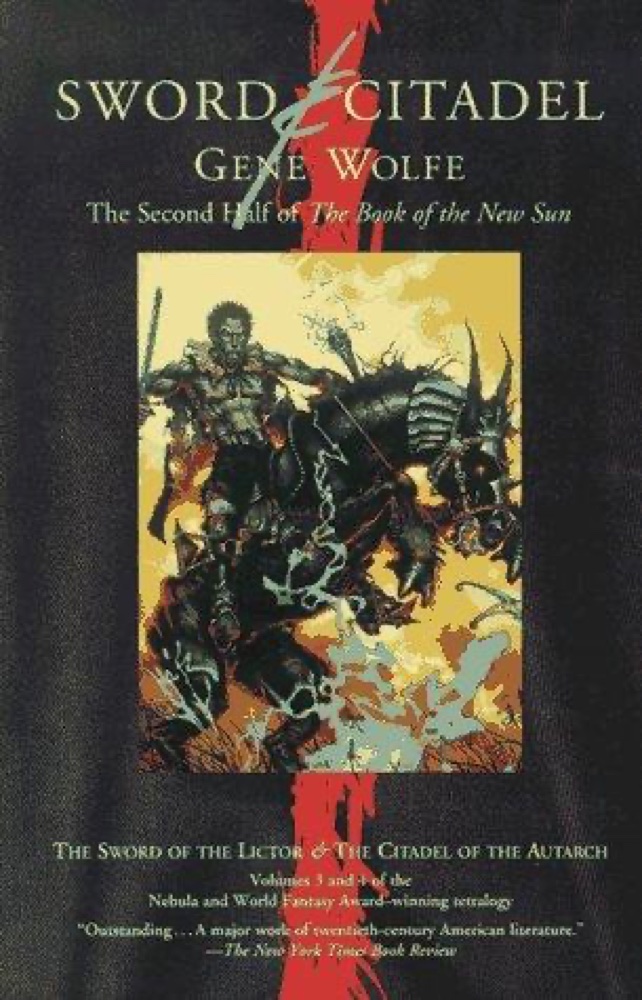 Sword & Citadel
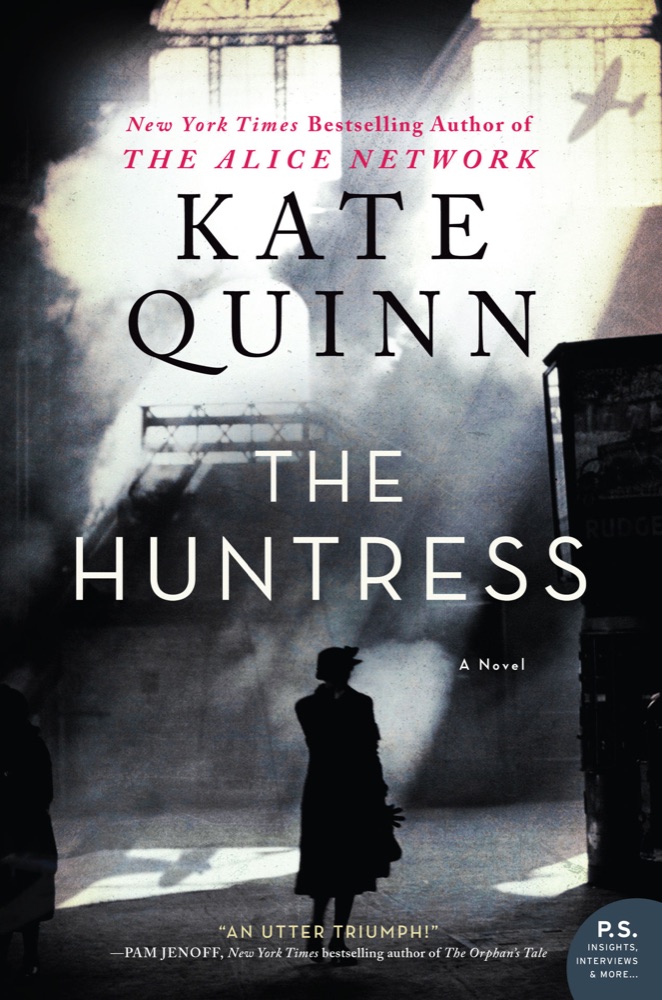 The Huntress
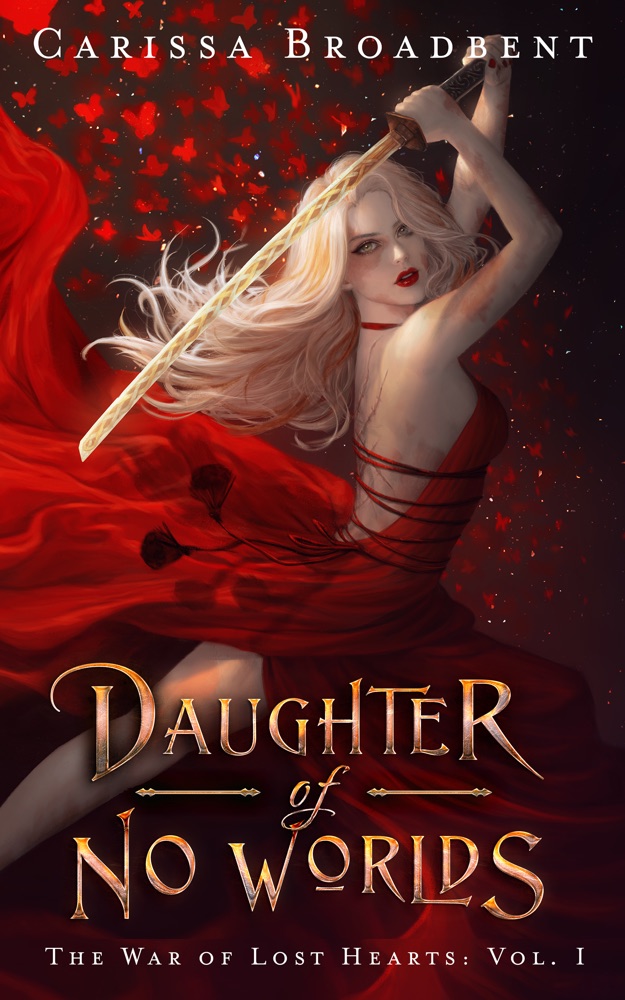 Daughter of No Worlds
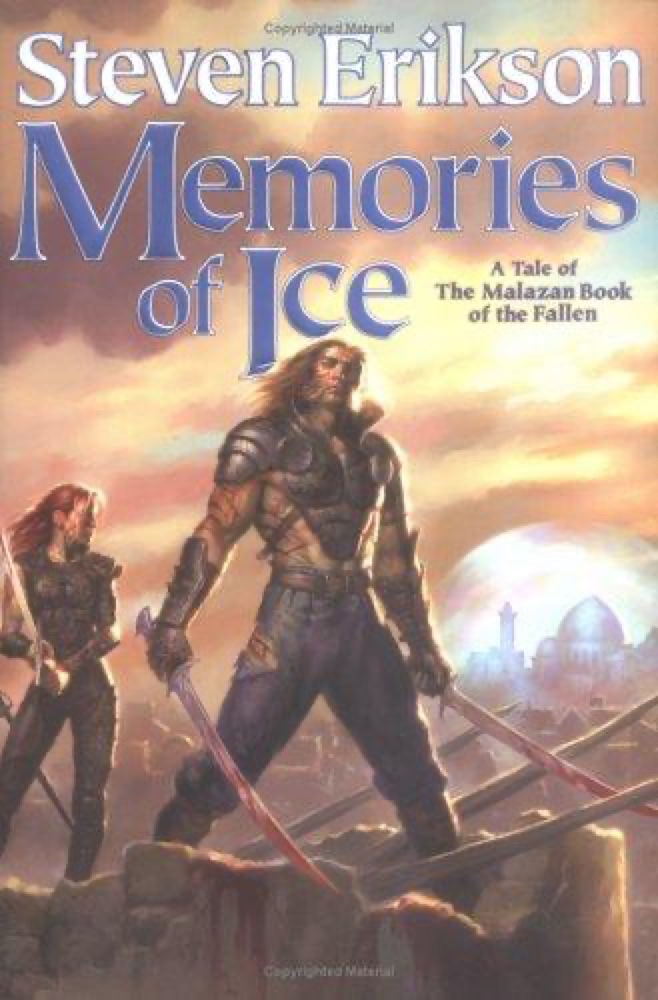 Memories of Ice
 Ask the Dust
 Abarat
 The Little Drummer Girl
 Of Walking in Ice: Munich-Paris, 11/23 to 12/14, 1974
 Zinky Boys: Soviet Voices from the Afghanistan War
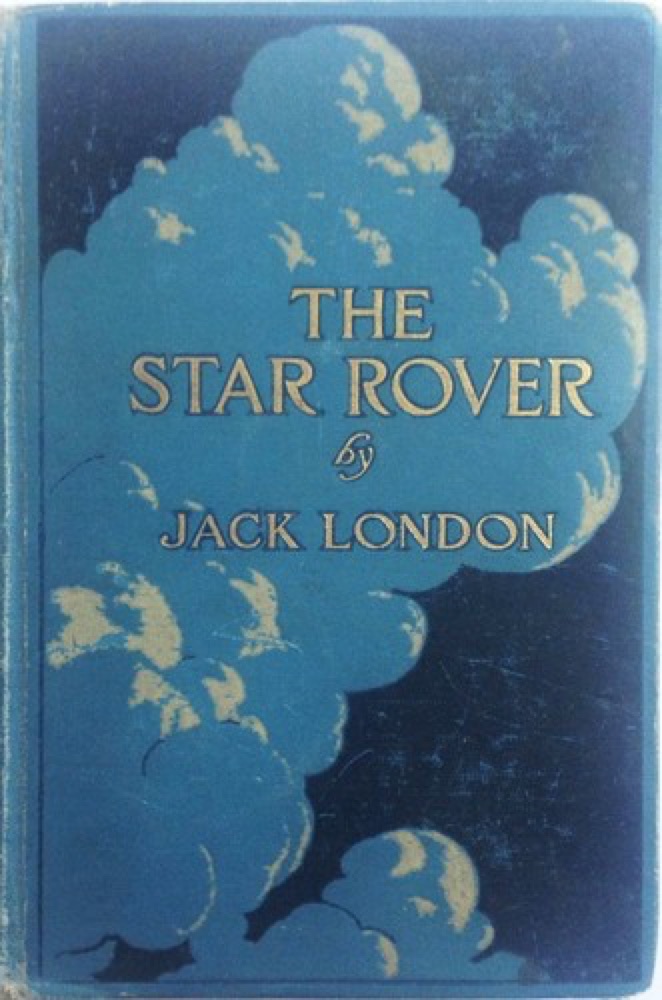 The Star Rover
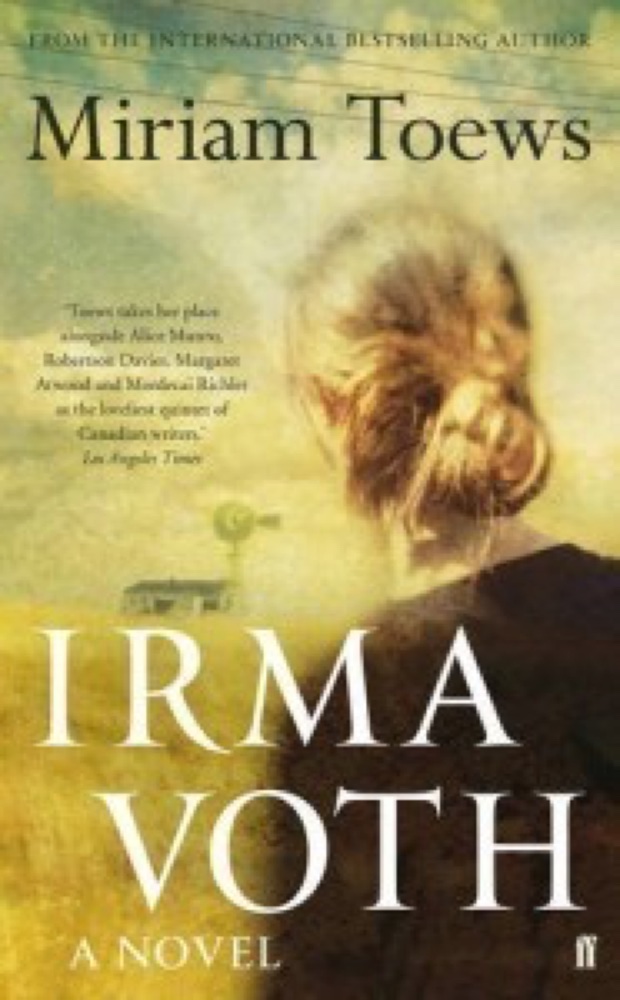 Irma Voth
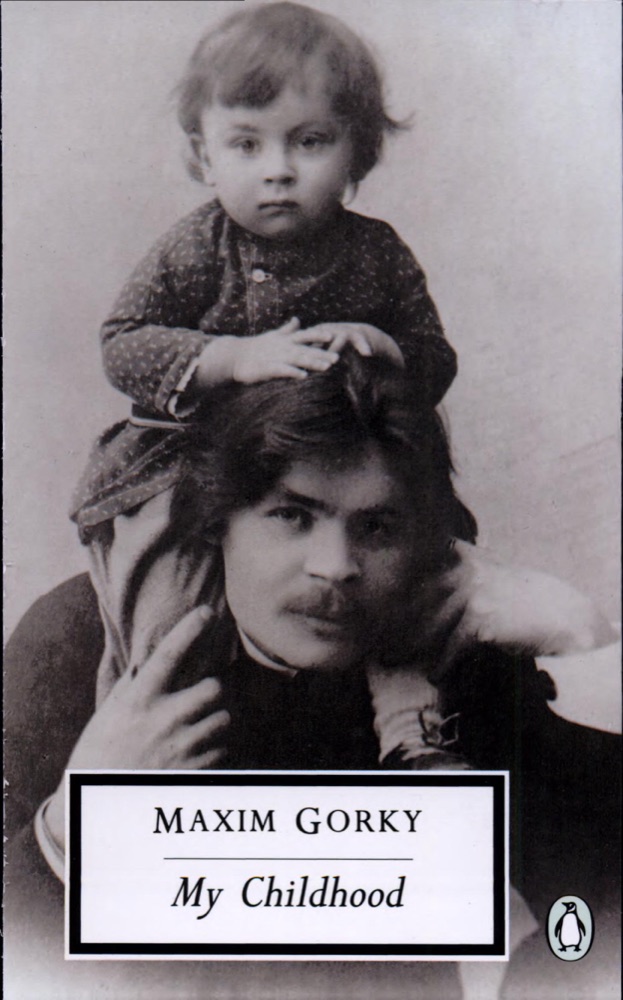 My Childhood
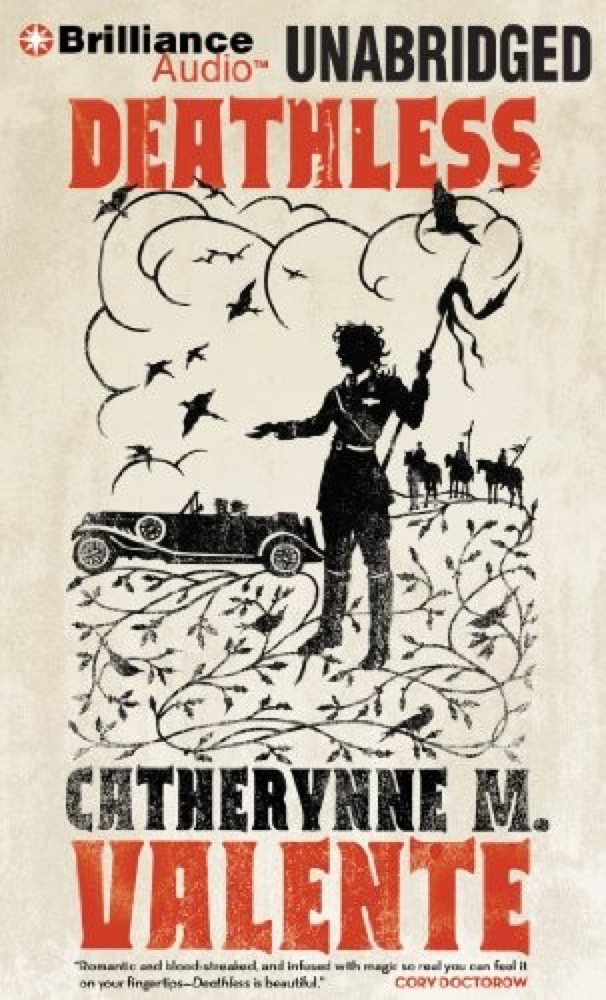 Deathless
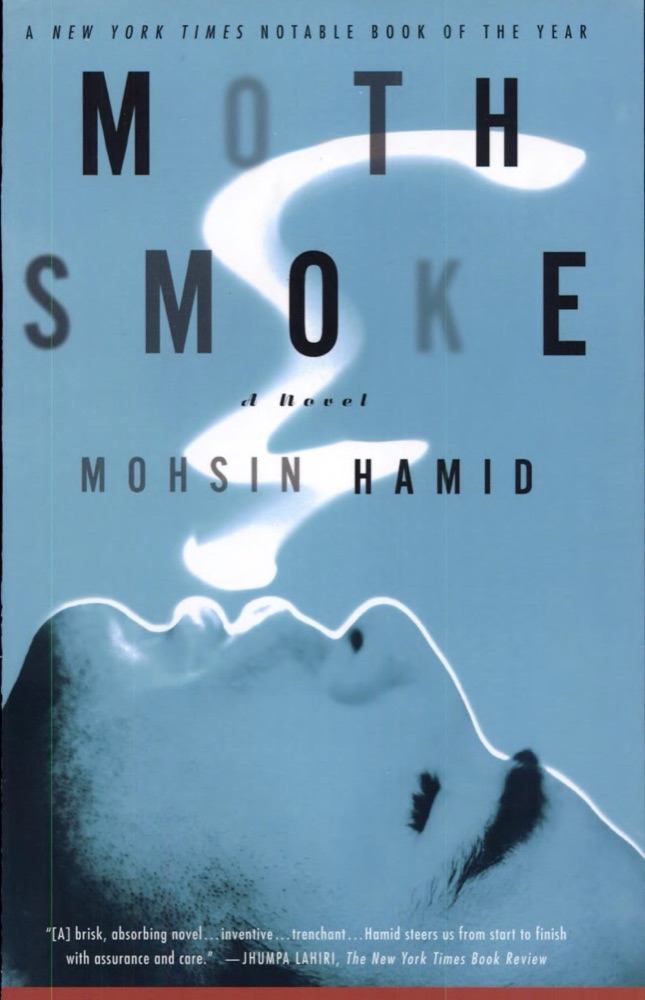 Moth Smoke
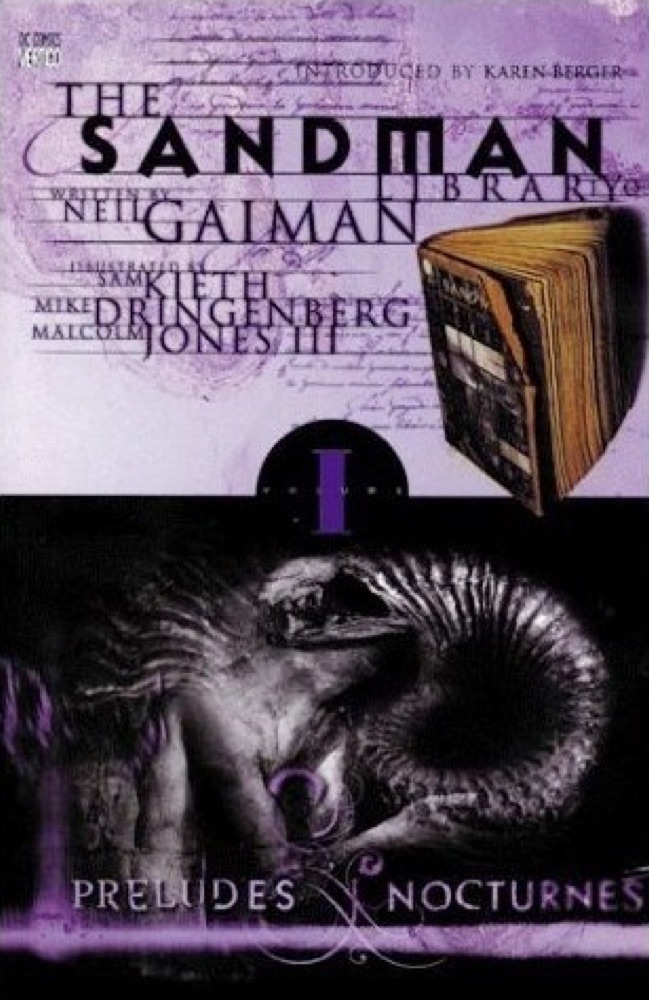 The Sandman: Endless Nights
 The Complete Persepolis
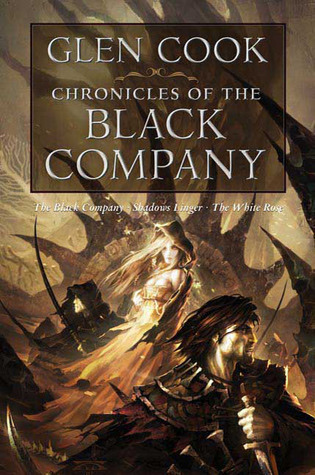 Chronicles of the Black Company
 Burnt Offerings
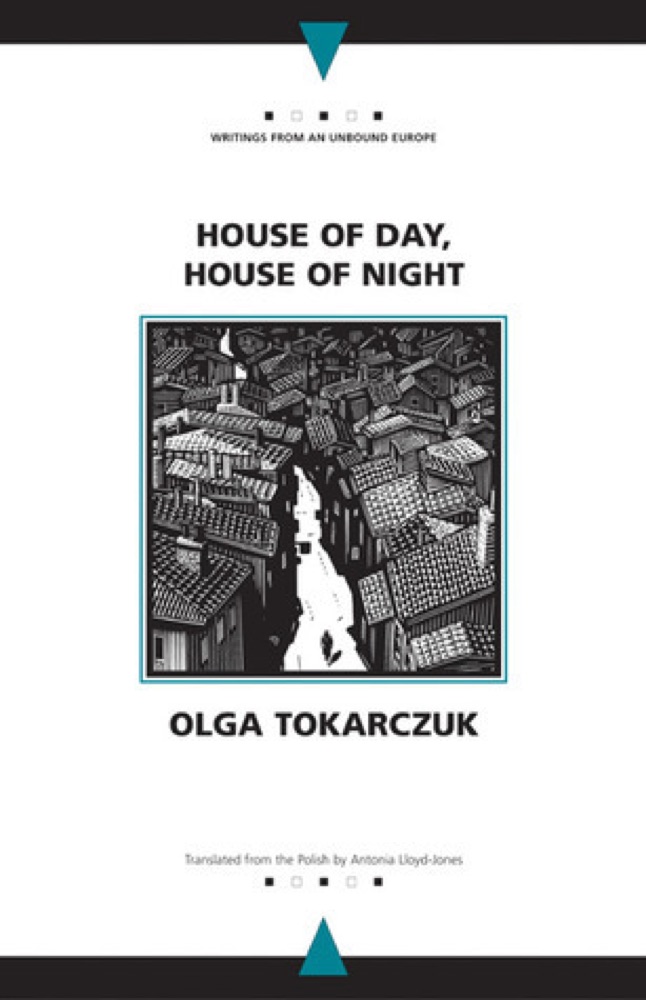 House of Day, House of Night
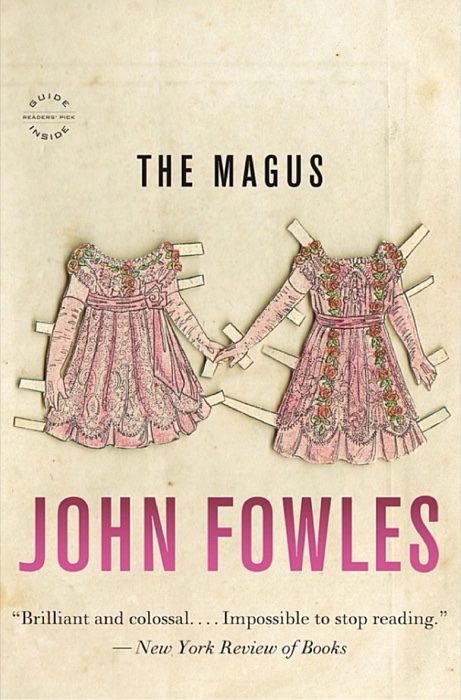 The Magus
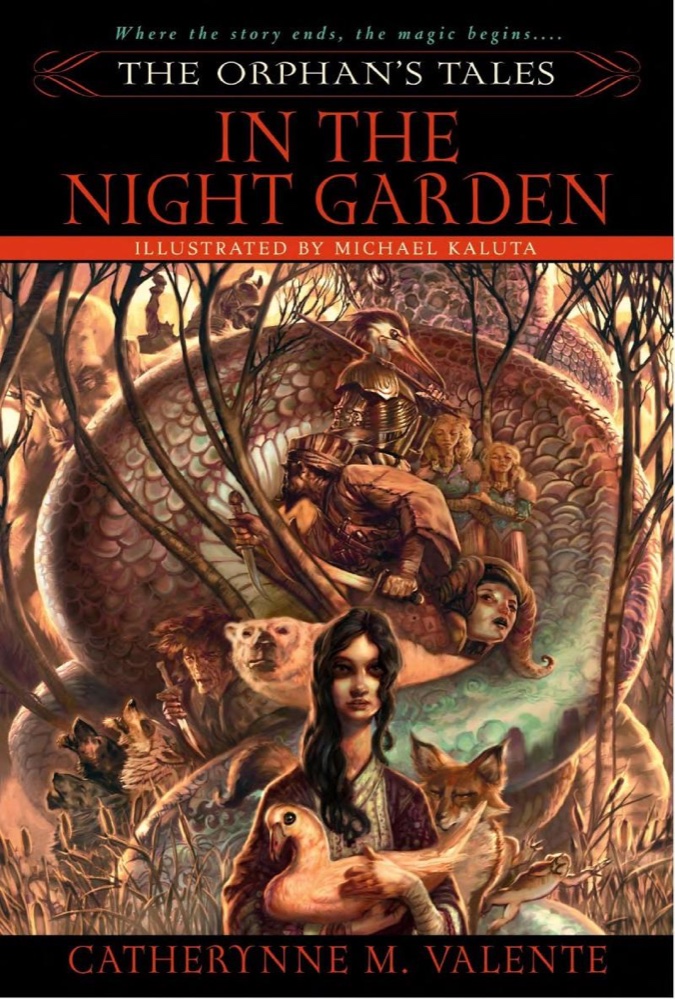 In the Night Garden
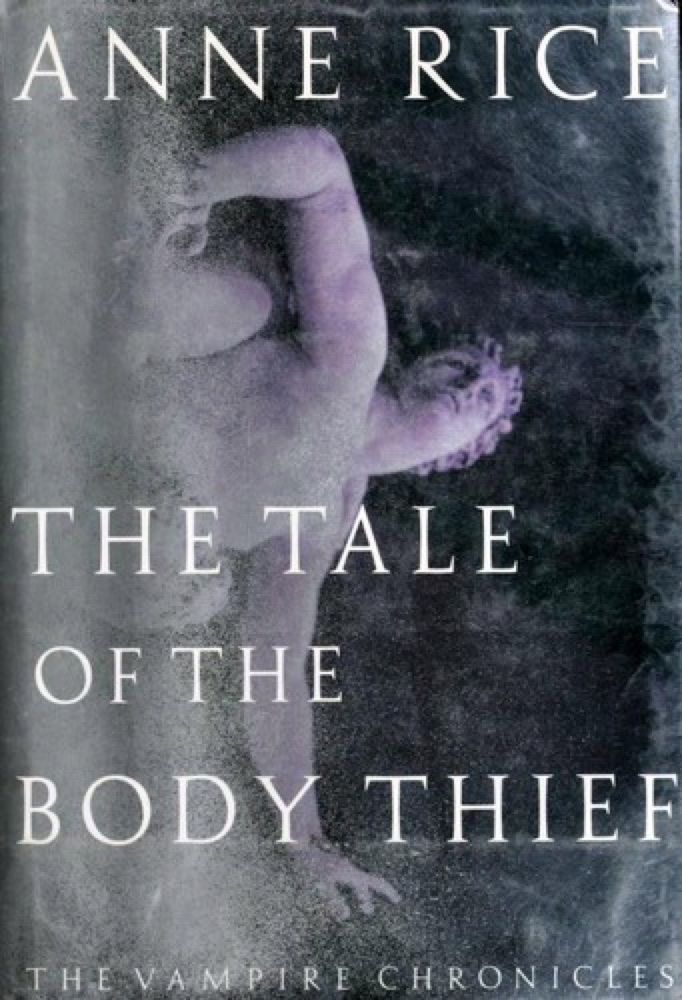 The Tale of the Body Thief
 Atemschaukel
 The Eighth Life
 Doctor Glas
 The Lion Women of Tehran
 Renegade's Magic
 All But My Life: A Memoir
 Mother Night
 The Witch and the Tsar
 East of the West: A Country in Stories
 After Midnight
 Warlord
 Night Watch
 The Broken Kingdoms
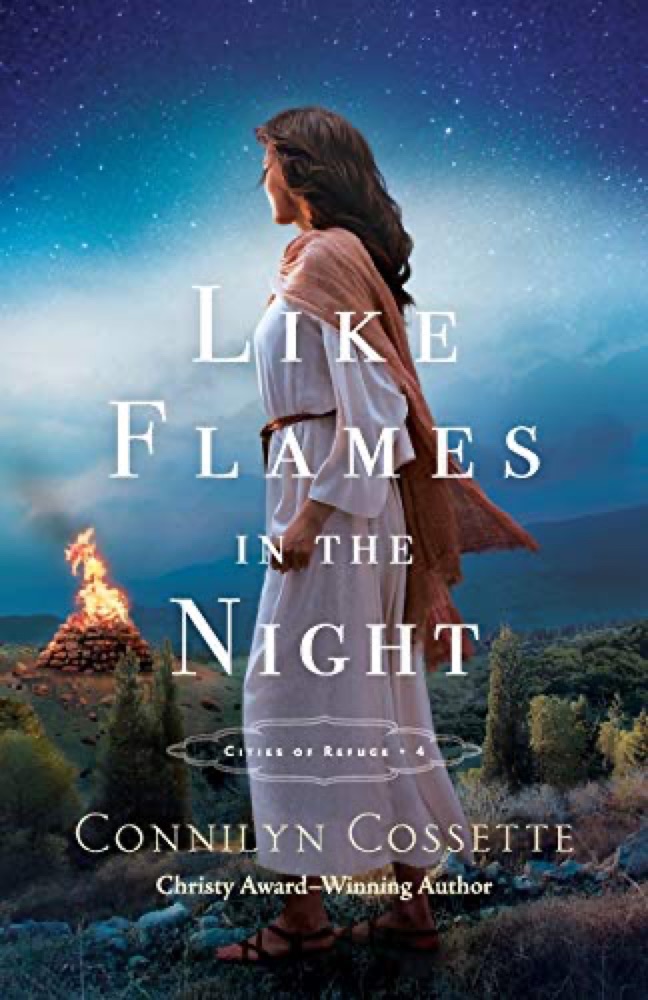 Like Flames in the Night
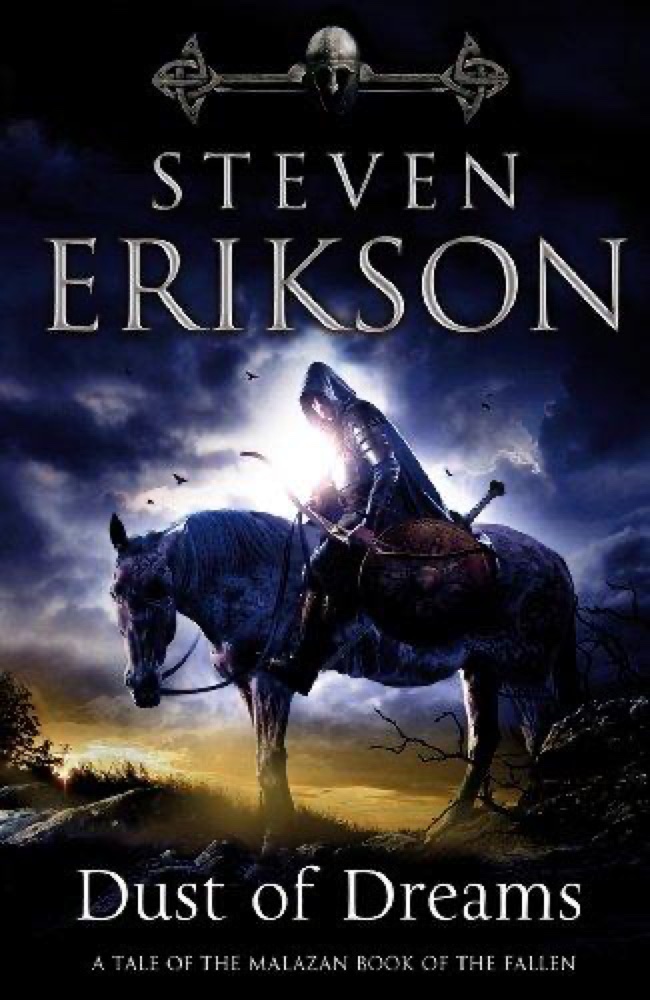 Dust of Dreams
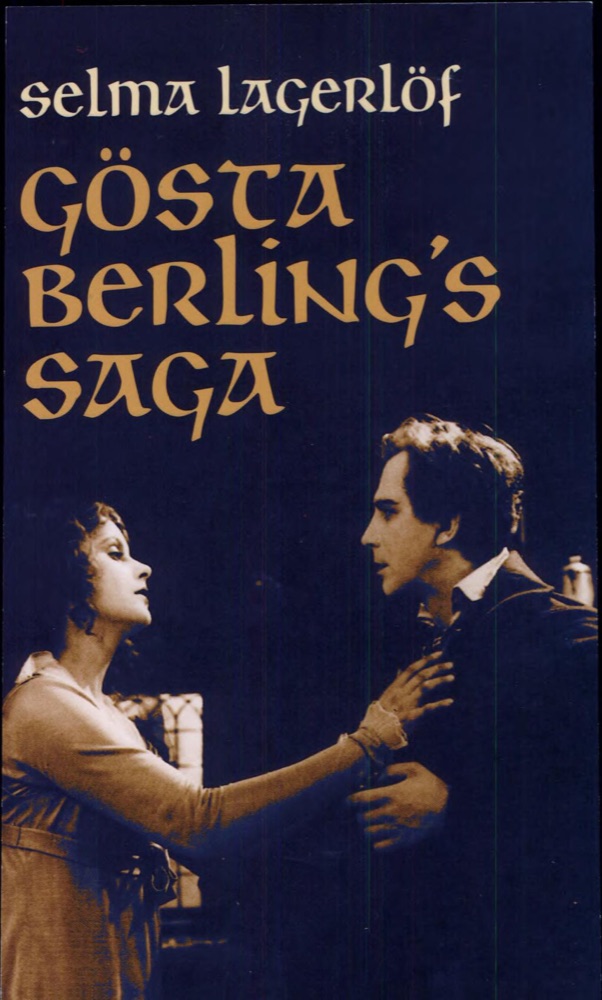 Gösta Berling's Saga
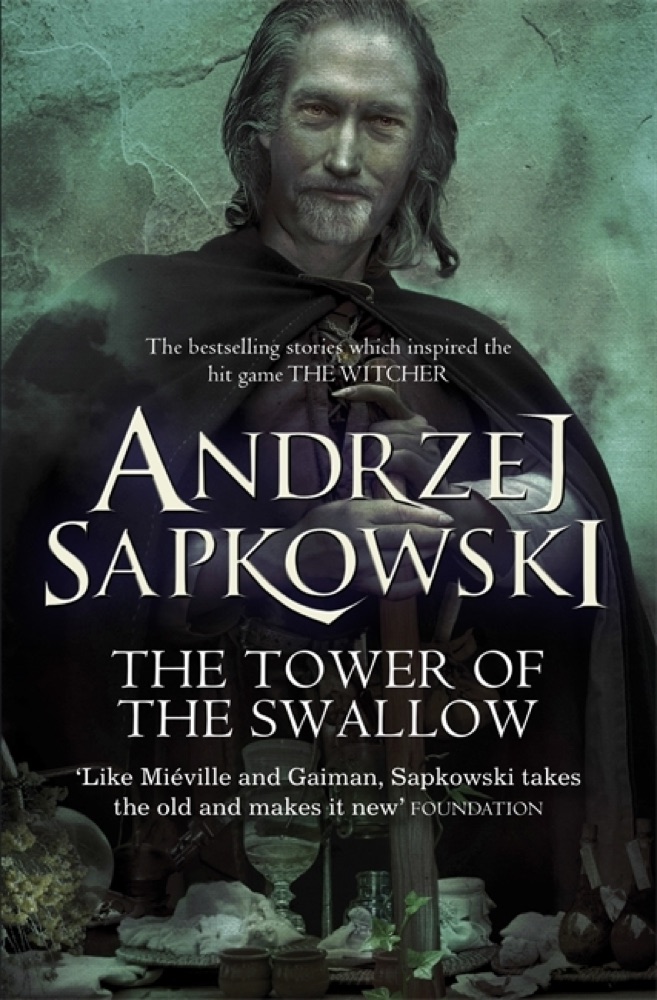 The Tower of the Swallow
 First Love
 The World's Wife
 An Interrupted Life: The Diaries, 1941-1943; and Letters from Westerbork