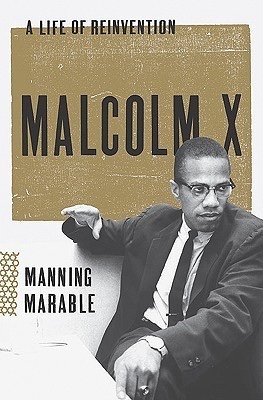

 The Autobiography of an Ex-Coloured Man
Quotes from the Book
To blacks, it was abundantly clear what groups like the NAACP and CORE wanted; the NOI, by contrast and largely by design, had no clear social program that realistically could be implemented (215).
Within the Nation, he [Malcolm] explained that his purpose was to present the views of Elijah Muhammad and to challenge distortions about their religion. In fact, his objectives were to turn upside down the standard racial dialectic of black subordination and white supremacy, and to show off his rhetorical skill at the expense of white authorities and Negro integrationists (185).
There is no greater serenity of mind,” Malcolm reflected, “than when one can shut the hectic noise and pace of the materialistic outside world, and seek inner peace within oneself.
For all the strides the Nation [of Islam] had made in promoting self-improvement in the lives of its members, its political isolation had left it powerless to change the external conditions that bounded their freedoms (177).
His aura was too bright and his masculine force affected me physically,” Angelou recalled years later. ʺA hot desert storm eddied around him and rushed to me, making my skin contract, and my pores slam shut. . . . His hair was the color of burning embers and his eyes pierced.
only poetry could best fit into the vast emptiness created by men.
In March 1955, Powell called for a boycott of Harlem savings banks that "practice 'Jim Crow-ism' and 'economic lynching.'" He urged Abyssinian Baptist Church's fifteen thousand members to withdraw their funds from white-woned banks and transfer them to either the black-owned Carver Federal Savings in Harlem or the black-owned Tri-State Bank in Memphis, Tennessee (108).
There is no greater serenity of mind,” Malcolm reflected, “than when one can shut the hectic noise and pace of the materialistic outside world, and seek inner peace within oneself.” Later that evening Malcolm wrote, “The
The Ku Klux Klan is the invisible government of the United States,” he told his followers at Liberty Hall in 1922, and it “represents to a great extent the feelings of every real white American.
United States history is that of a country that does whatever it wants to by any means necessary . . . but when it comes to your and my interest, then all of this means become limited,” he argued. “We are dealing with a powerful enemy, and again, I am not anti-American or un-American. I think there are plenty of good people in America, but there are also plenty of bad people in America and the bad ones are the ones who seem to have all the power.” What
You will grow to be hated when you become well known.
Watch on YouTube
About Manning Marable
We have collected 11 quotes from 1 book by Manning Marable on BookQuoters.
More about the author →Book details
- Author
- Manning Marable
- Genre
- Historical
- Goodreads rating
- 4.19 (20k ratings) →
The buzz
- The New York TimesReview in The New York Timesprofessional review (via Book Marks)
- The Washington PostReview in The Washington Postprofessional review (via Book Marks)
- The GuardianReview in The Guardianprofessional review (via Book Marks)
- The AtlanticReview in The Atlanticprofessional review (via Book Marks)
- Los Angeles TimesReview in Los Angeles Timesprofessional review (via Book Marks)
- Kirkus ReviewsReview in Kirkus Reviewsprofessional review (via Book Marks)
Keep reading
The Autobiography of an Ex-Coloured Man
 Nobody Knows My Name
 Dreams from My Father: A Story of Race and Inheritance
 The Heart of a Woman
 The Souls of Black Folk
 Notes of a Native Son
 No Name in the Street
 Why We Can't Wait
 The Autobiography of Malcolm X
 Cloudsplitter
 Blood Done Sign My Name: A True Story
 Edge of Eternity
 The Confessions of Nat Turner
 Black Like Me
 The Nickel Boys
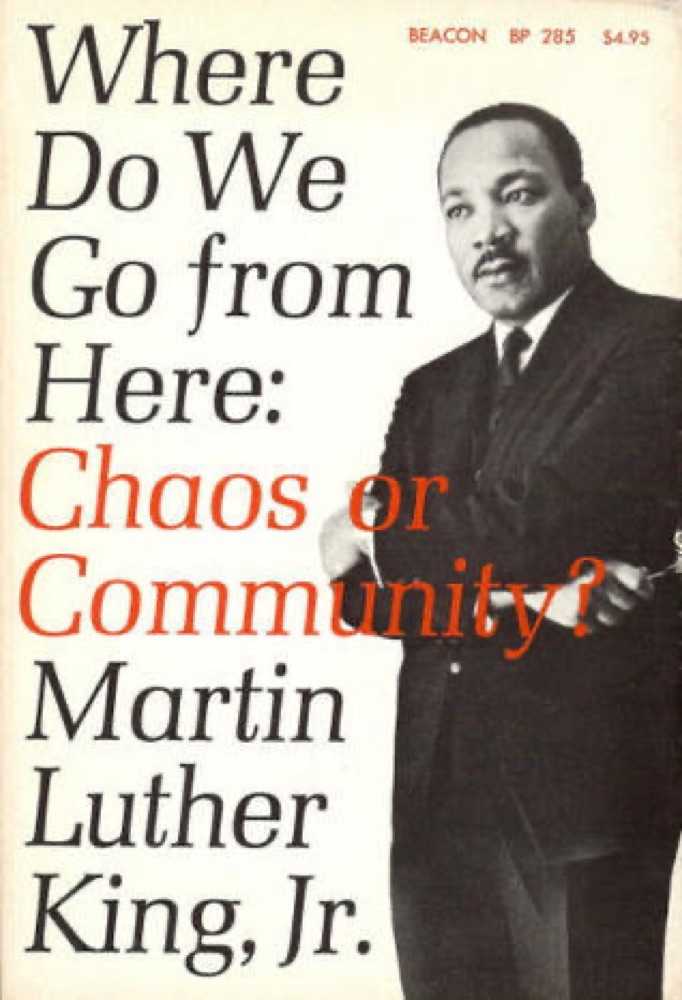 Where Do We Go from Here: Chaos or Community?
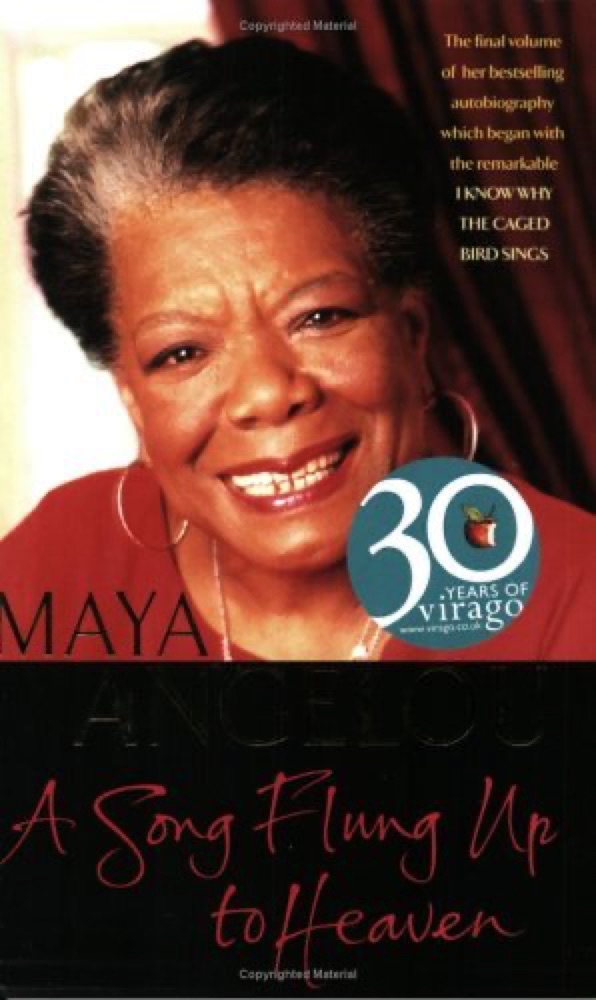 A Song Flung Up to Heaven
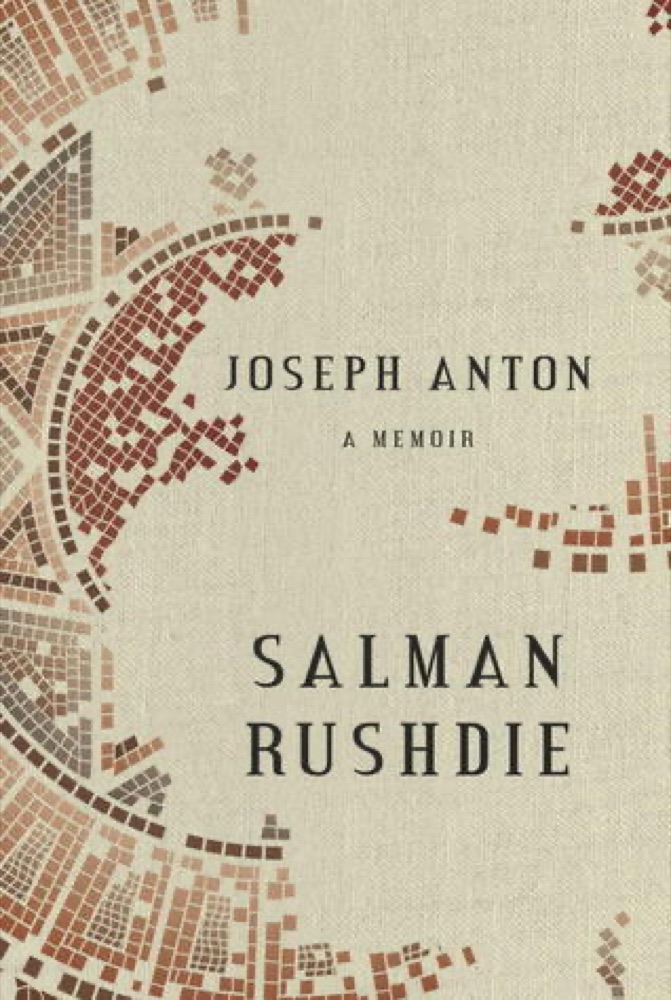 Joseph Anton: A Memoir
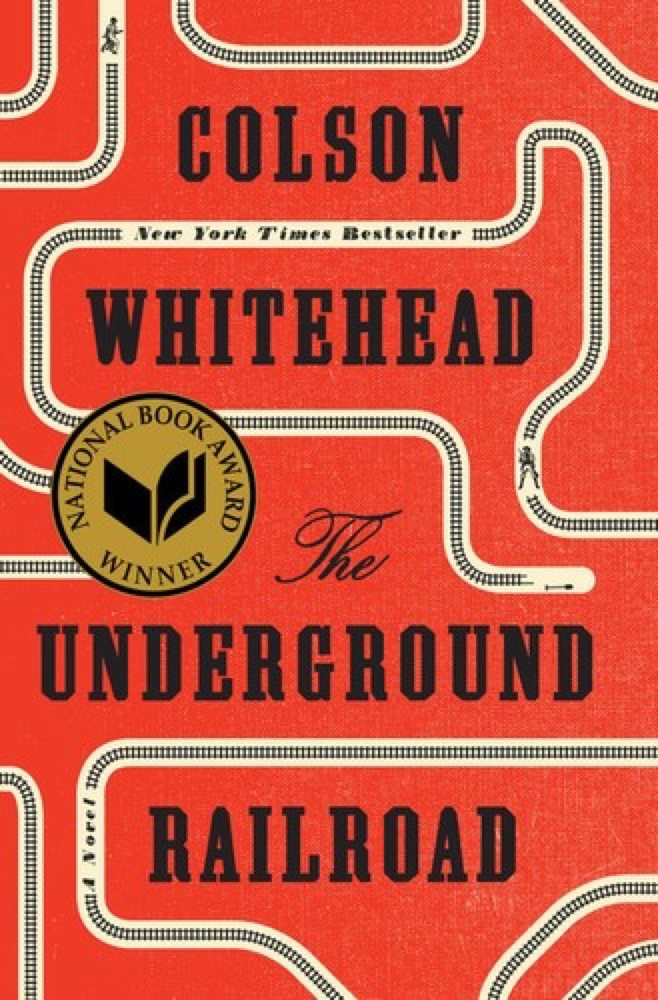 The Underground Railroad
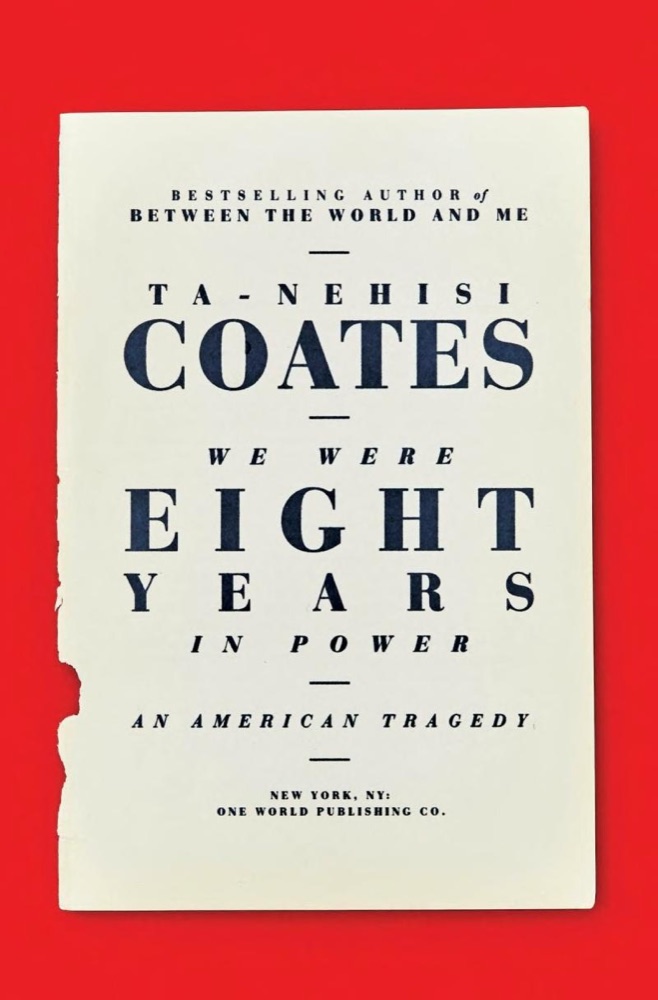 We Were Eight Years in Power: An American Tragedy
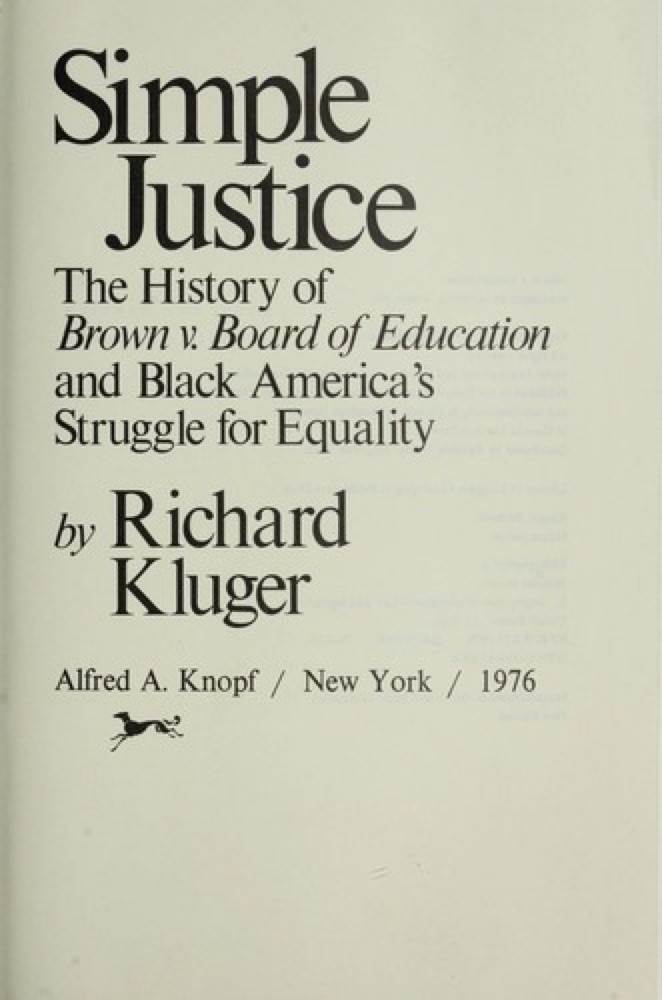 Simple Justice: The History of Brown v. Board of Education and Black America's Struggle for Equality
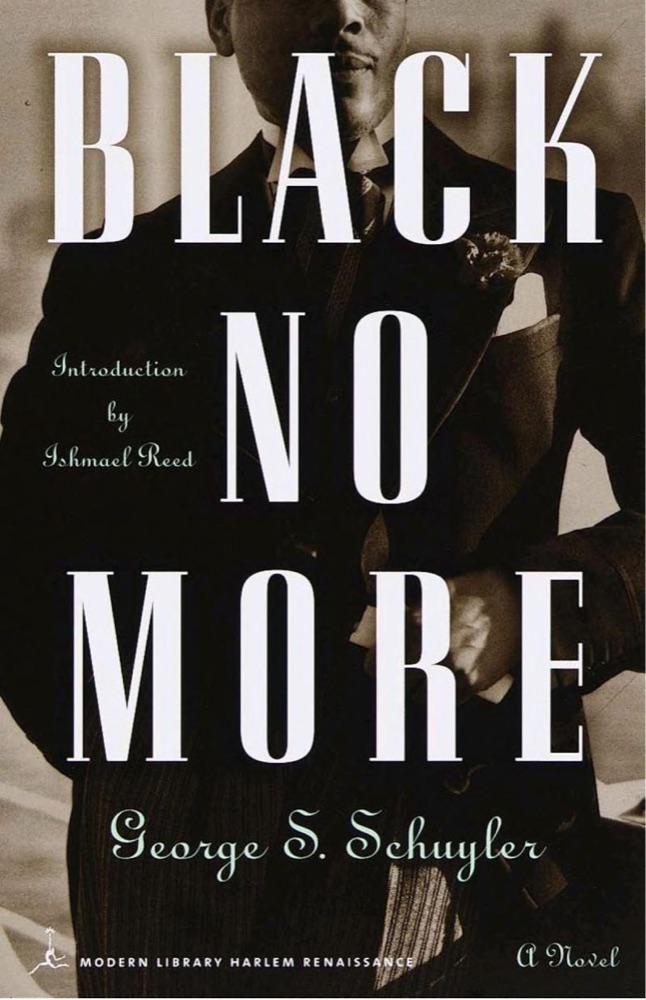 Black No More
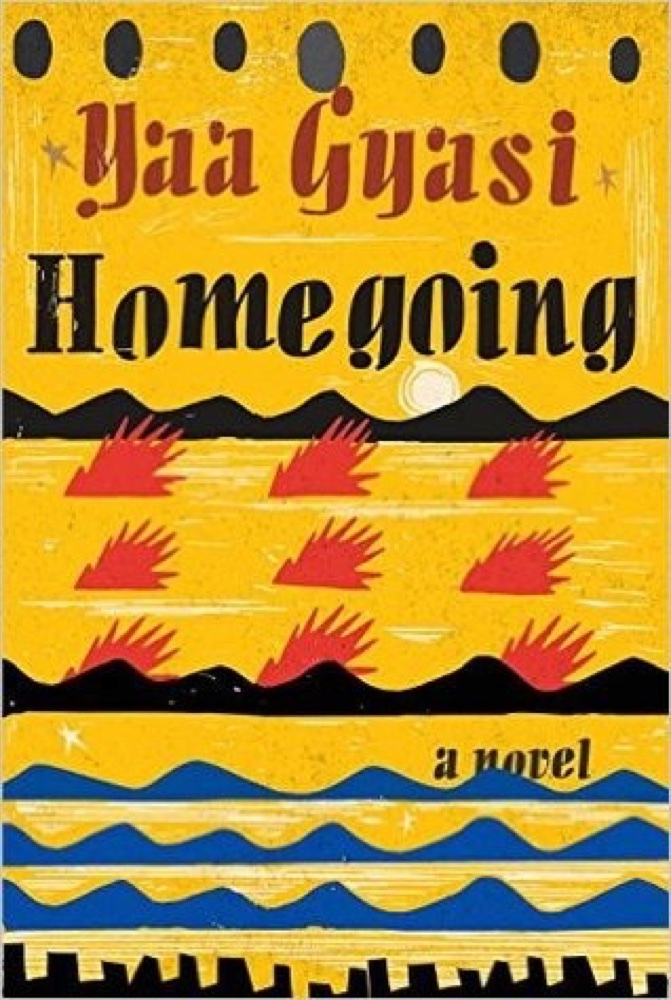 Homegoing
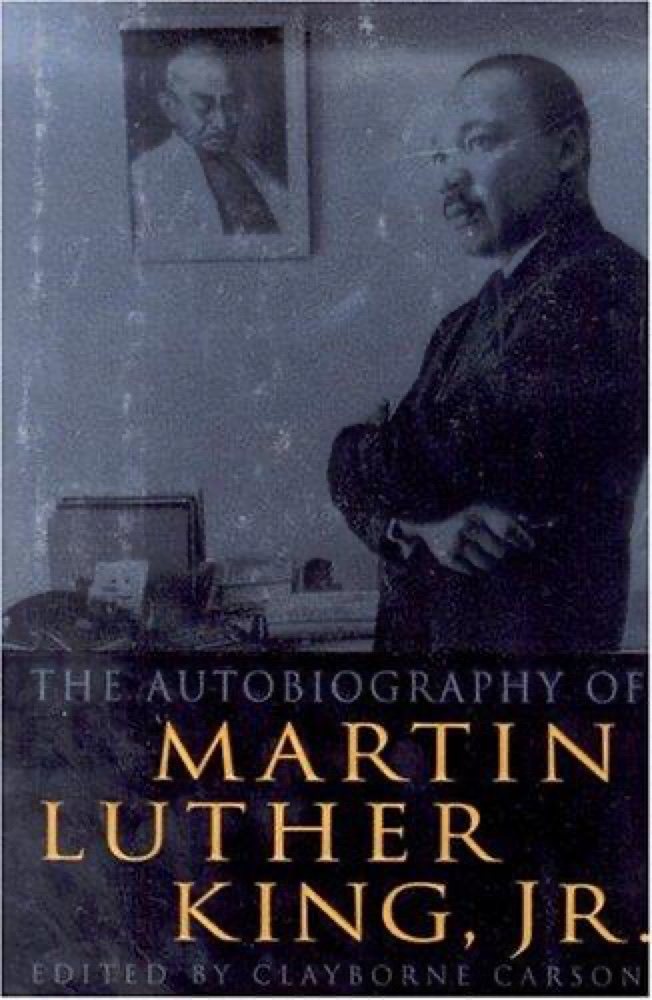 The Autobiography of Martin Luther King, Jr.
 Native Son
 The Warmth of Other Suns: The Epic Story of America's Great Migration
 A Fever in the Heartland: The Ku Klux Klan's Plot to Take Over America, and the Woman Who Stopped Them
 The Looming Tower: Al-Qaeda and the Road to 9/11
 Hawaii
 Invisible Man, Got the Whole World Watching: A Young Black Man's Education
 The Blood of Emmett Till
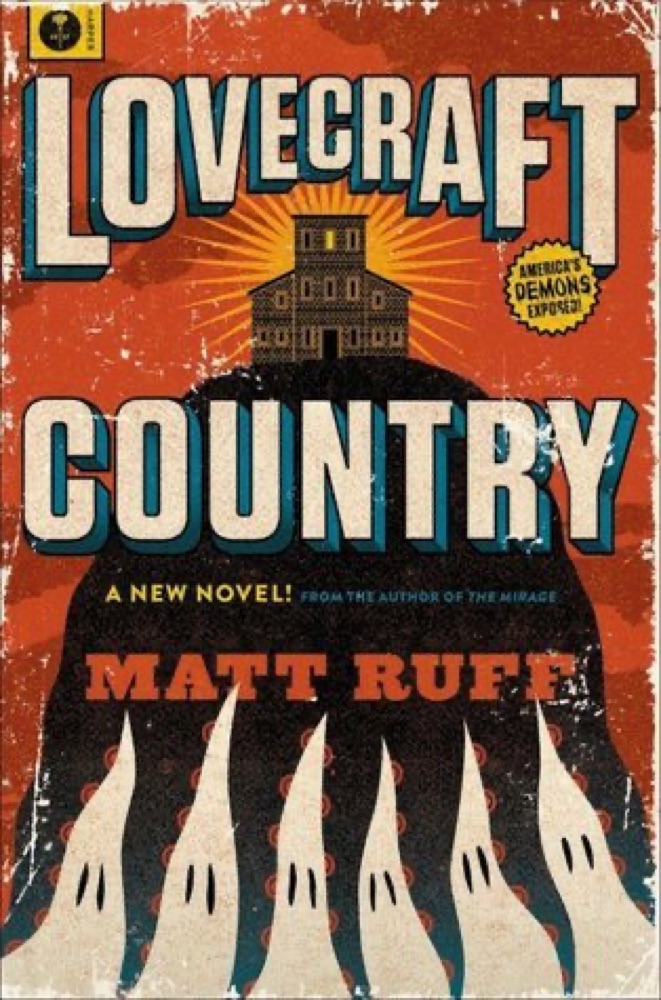 Lovecraft Country
 The Proud Tower: A Portrait of the World Before the War, 1890-1914
 American Colossus: The Triumph of Capitalism, 1865-1900
 The First Muslim: The Story of Muhammad
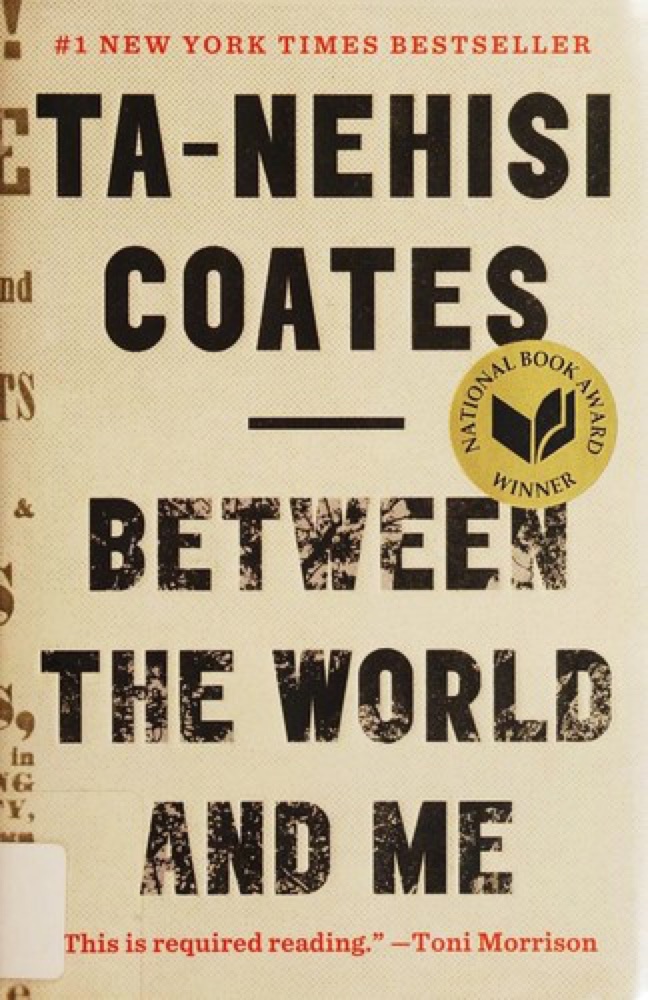 Between the World and Me
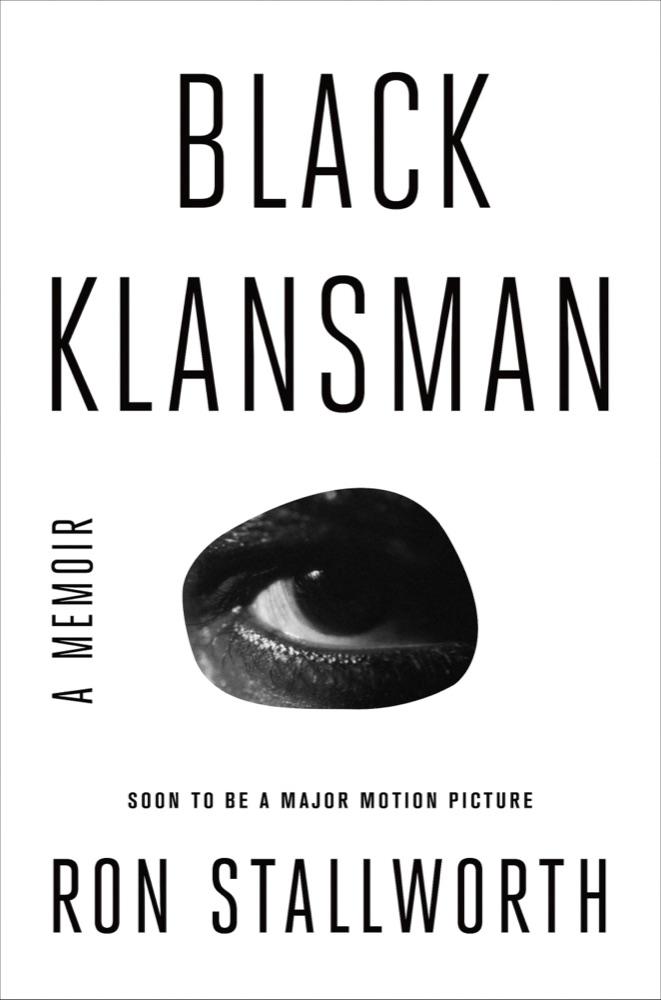 Black Klansman: A Memoir
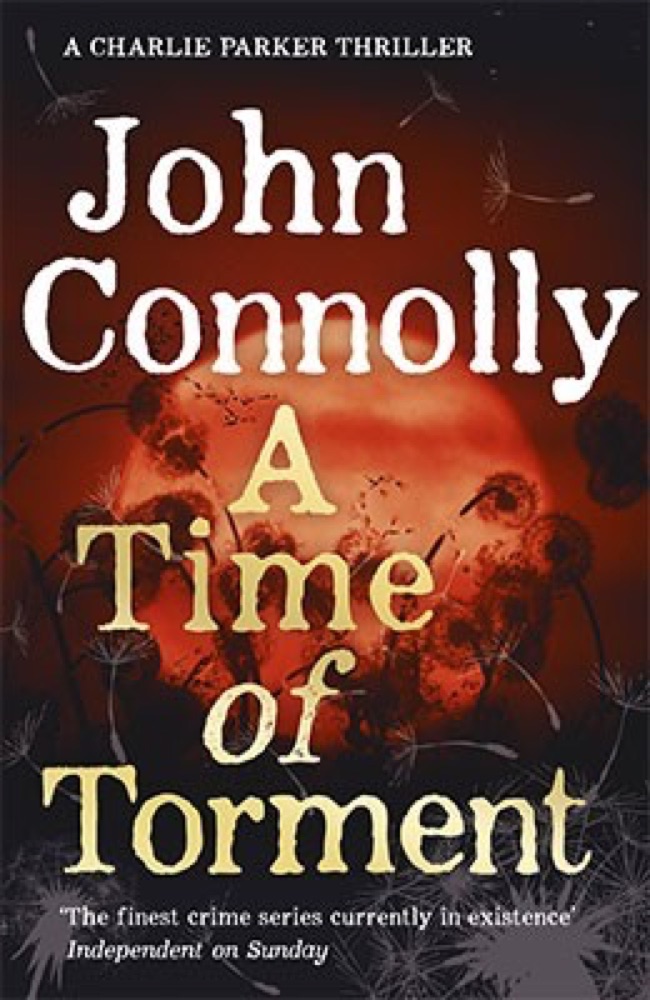 A Time of Torment
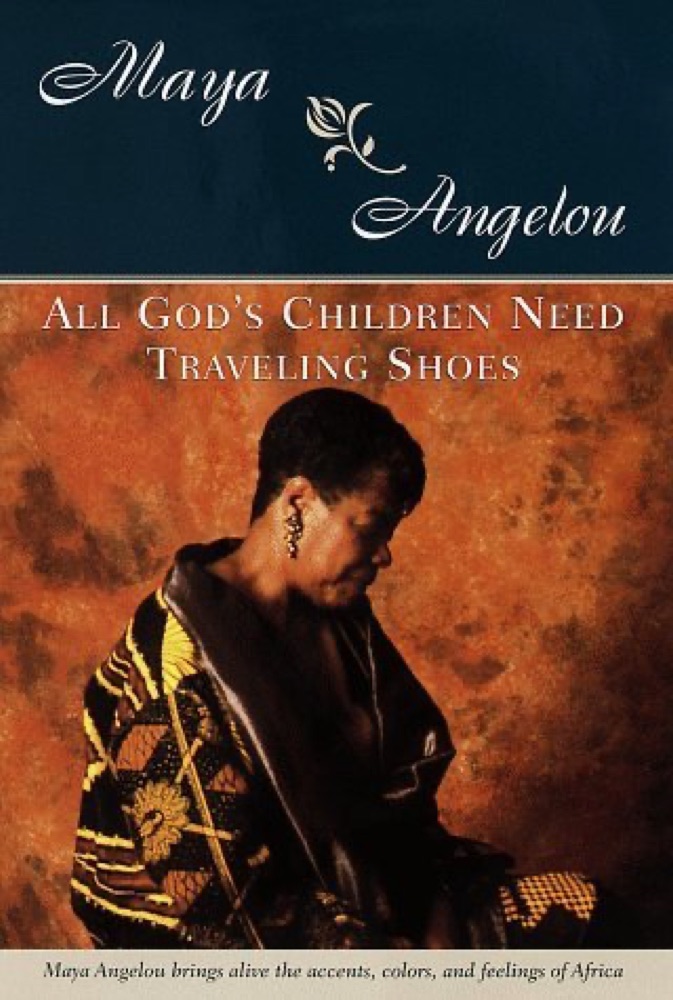 All God's Children Need Traveling Shoes
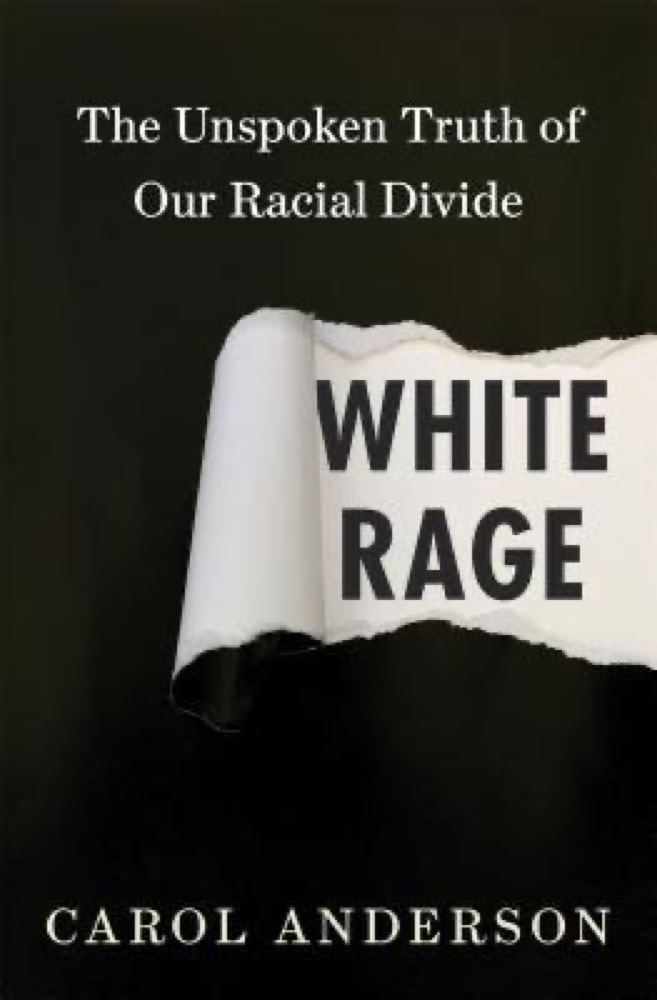 White Rage: The Unspoken Truth of Our Racial Divide
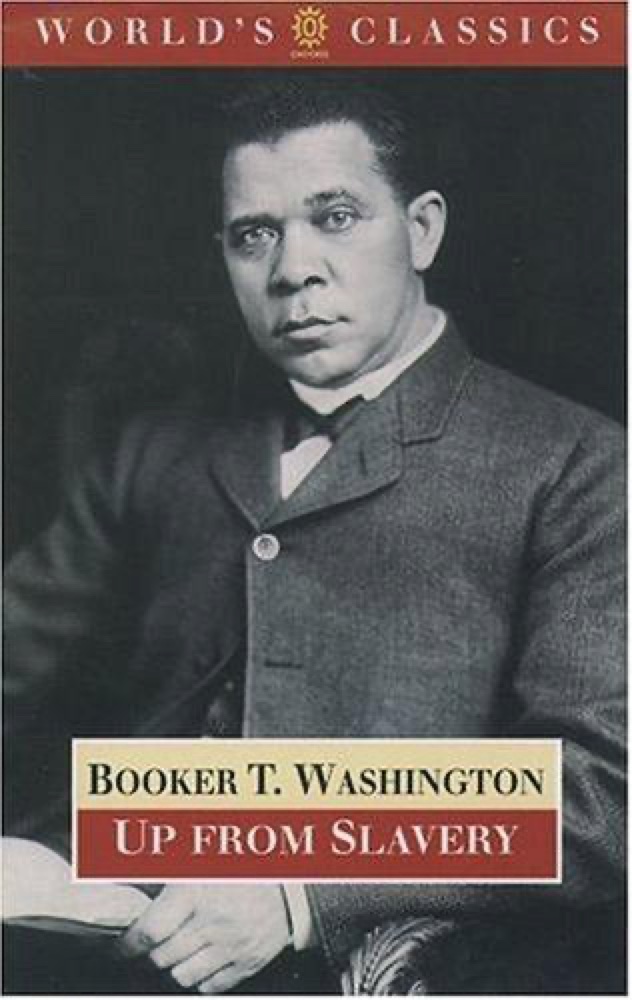 Up from Slavery
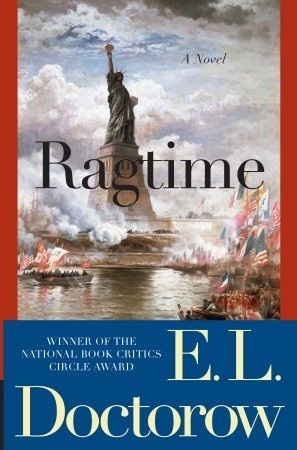 Ragtime
 Americanah
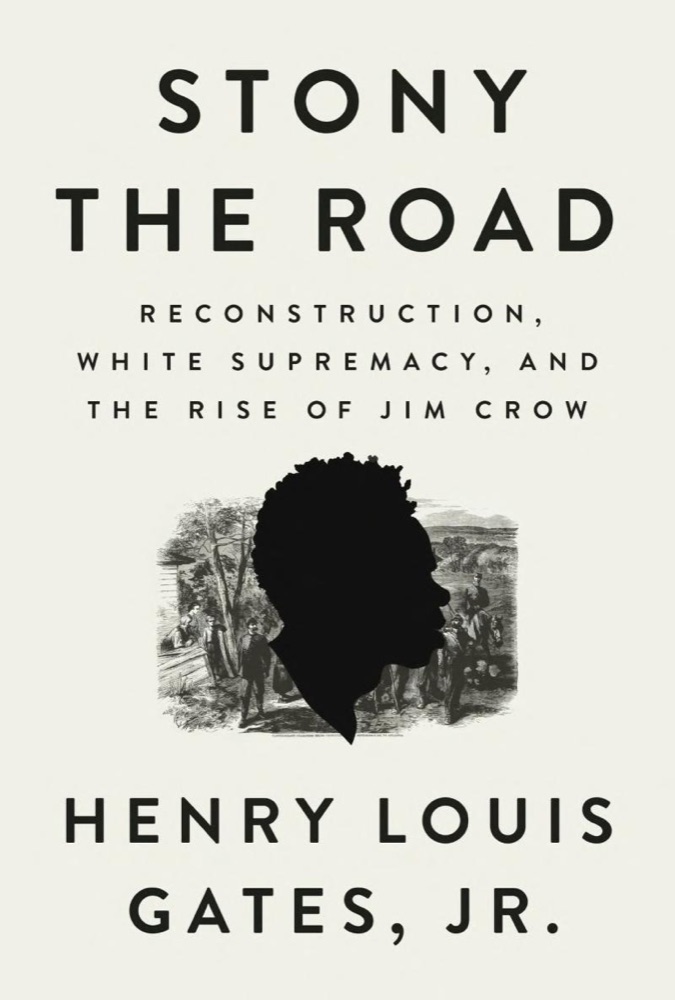 Stony the Road: Reconstruction, White Supremacy, and the Rise of Jim Crow
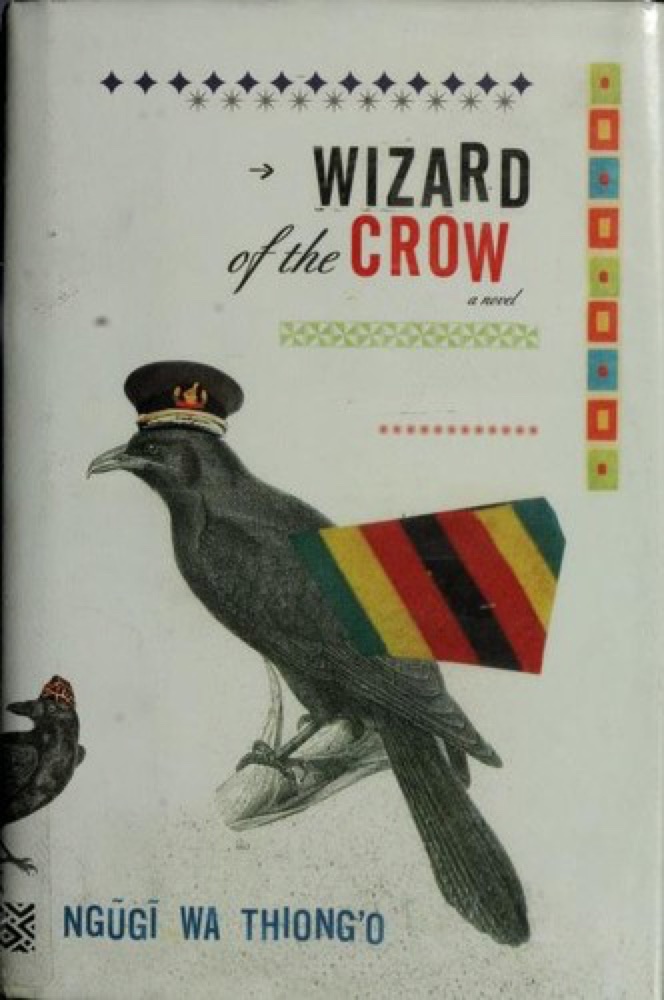 Wizard of the Crow
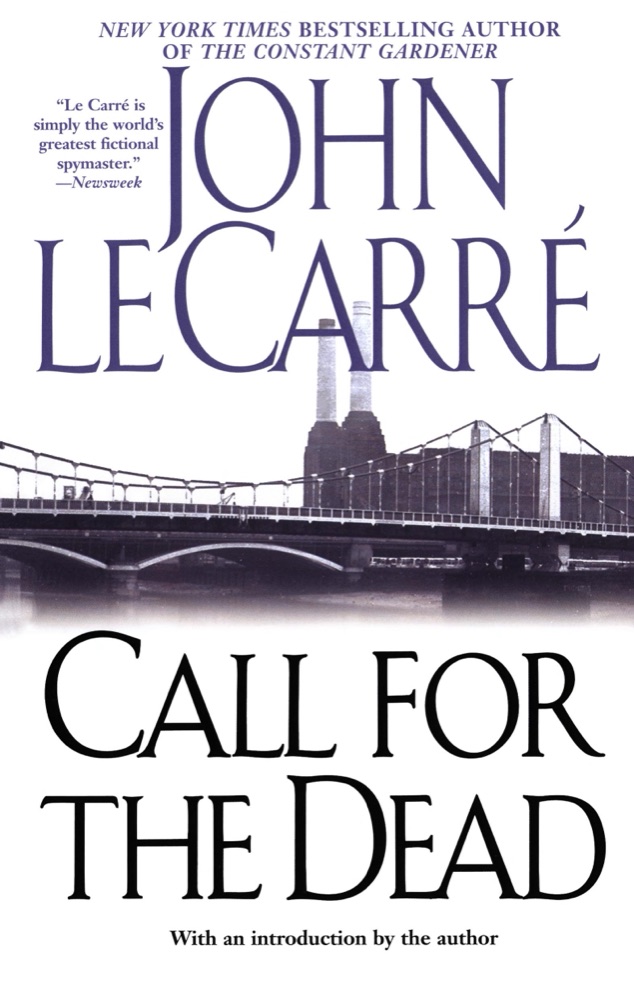 Call for the Dead
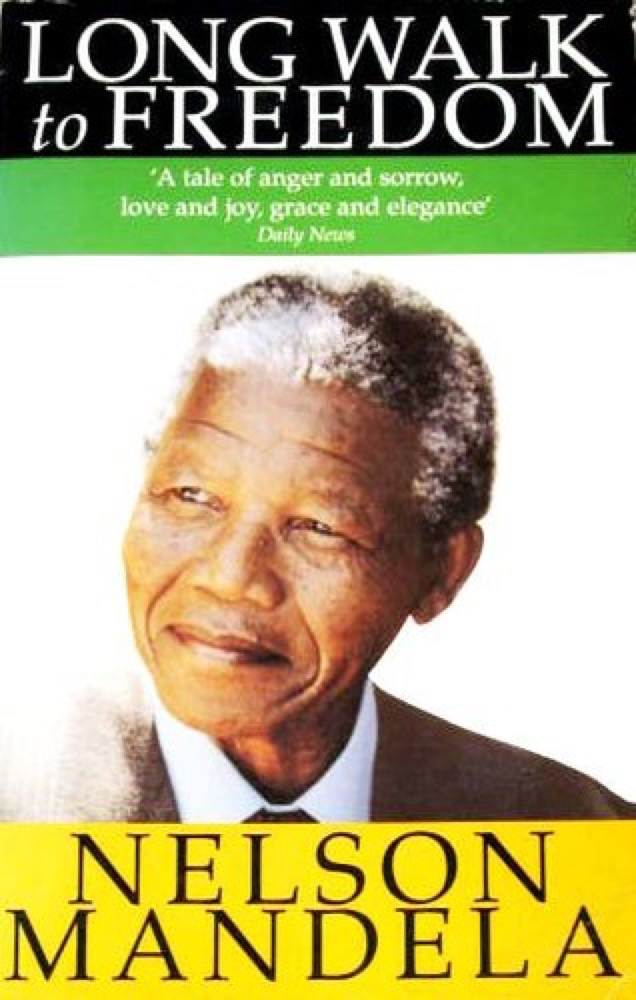 Long Walk to Freedom
 Mumbo Jumbo
 The Hemingses of Monticello: An American Family
 Purity
 Four Hundred Souls: A Community History of African America, 1619-2019
 The Message
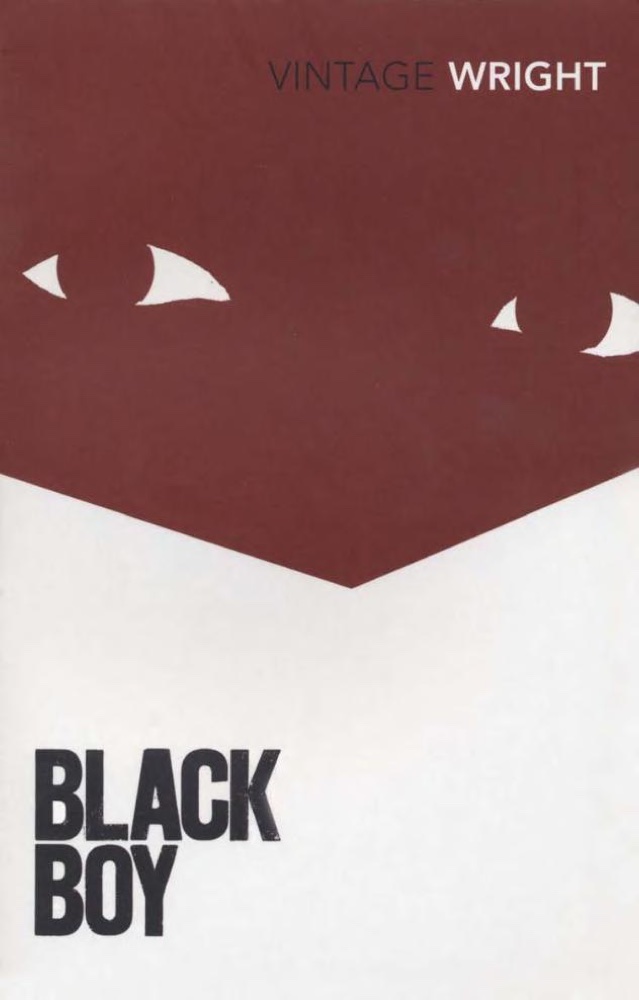 Black Boy
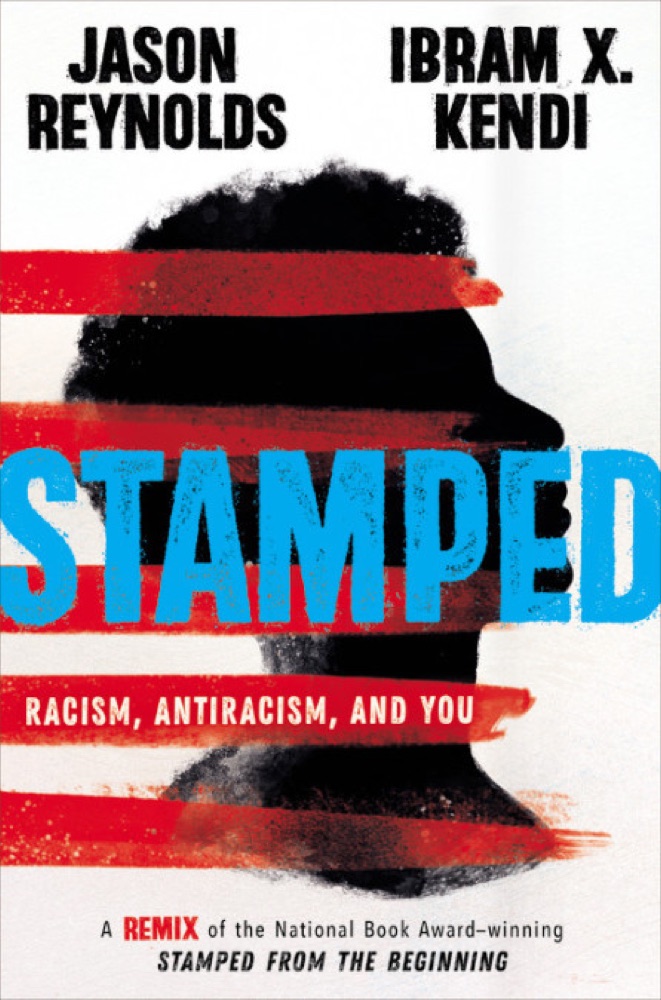 Stamped: Racism, Antiracism, and You
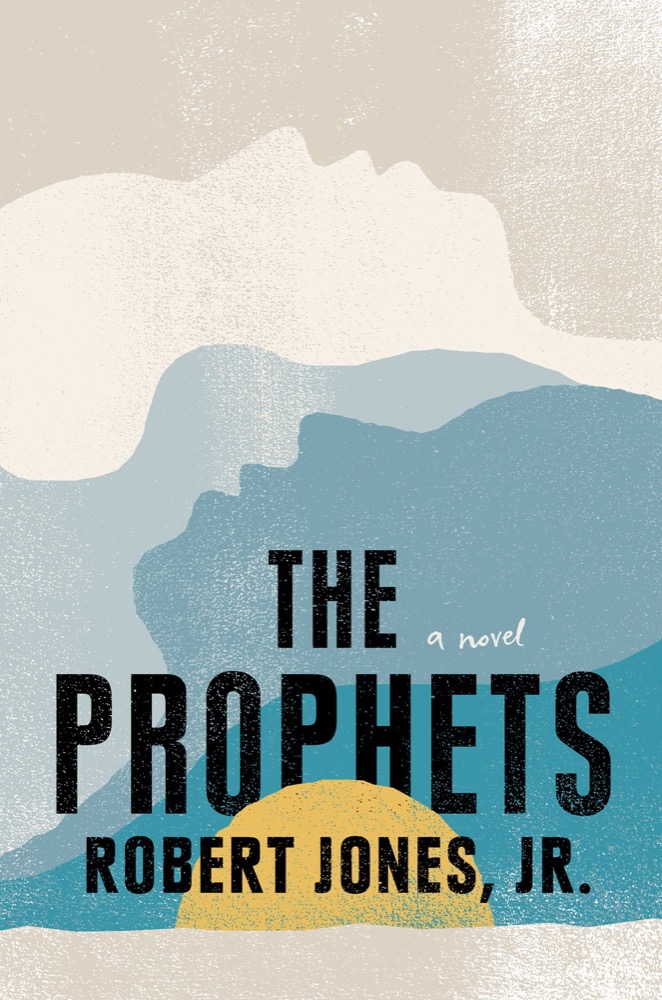 The Prophets
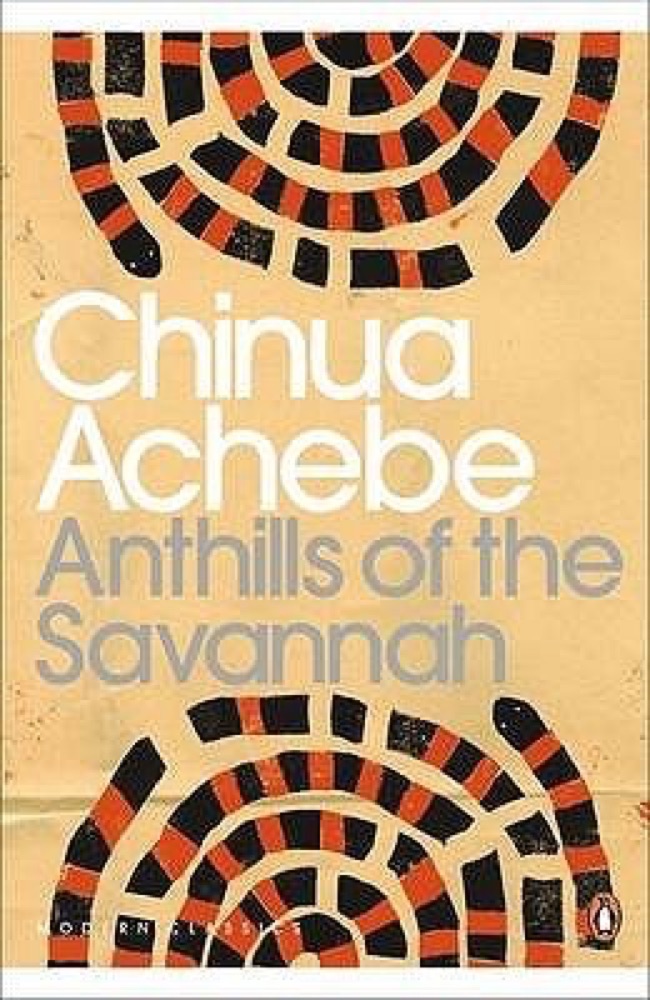 Anthills of the Savannah
 The Golden House
 Notes from No Man's Land
 Radio Free Albemuth
 The Bone Tree