
 The Sword of Shannara
Quotes from the Book
When she cried, he would say, "there is nothing wrong with crying. Your feelings tell you who are. They tell what is important. Don't ever be ashamed of them.
What they didn't want to believe, what they tried repeatedly to dismiss, was that whatever good and evil existed in the world came from within themselves and not from some abstract source.
Not everything we do in this world is about us, Panther. Sometimes we have do things for other reasons. Sometimes we've got to forget about ourselves and help others. If not, what's the point?
This is what dying is like, he thinks. You do it alone. You are debased by it. You are exposed to your own weaknesses and to the harsh reality of what it means.
What they didn’t want to believe, what they tried repeatedly to dismiss, was that whatever good and evil existed in the world came from within themselves and not from some abstract source.
Watch on YouTube
About Terry Brooks
We have collected 142 quotes from 14 books by Terry Brooks on BookQuoters.
More about the author →More by Terry Brooks
All books by Terry Brooks →
Book details
- Author
- Terry Brooks
- Genre
- Fiction
- Goodreads rating
- 4.12 (18k ratings) →
Keep reading
 Rot & Ruin
 The Obelisk Gate
 The Prophets
 Look to Windward
 Lila
Lila
 What the Night Knows
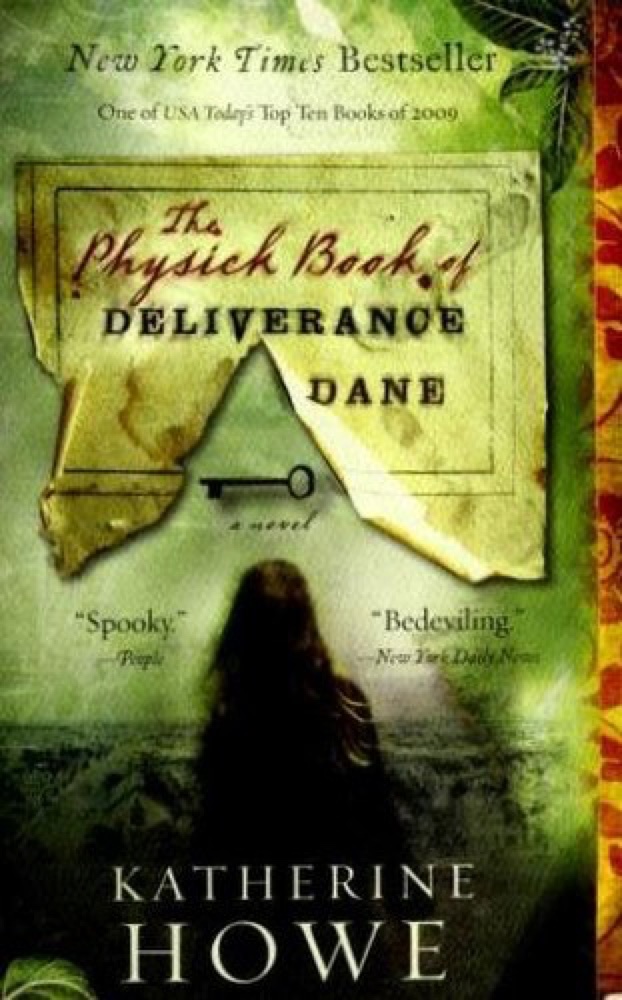 The Physick Book of Deliverance Dane
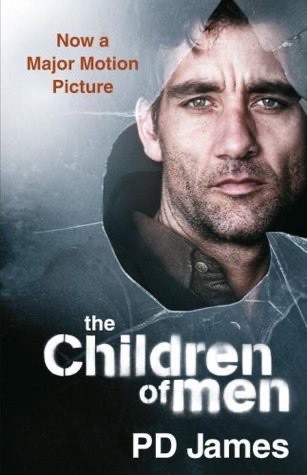 The Children of Men
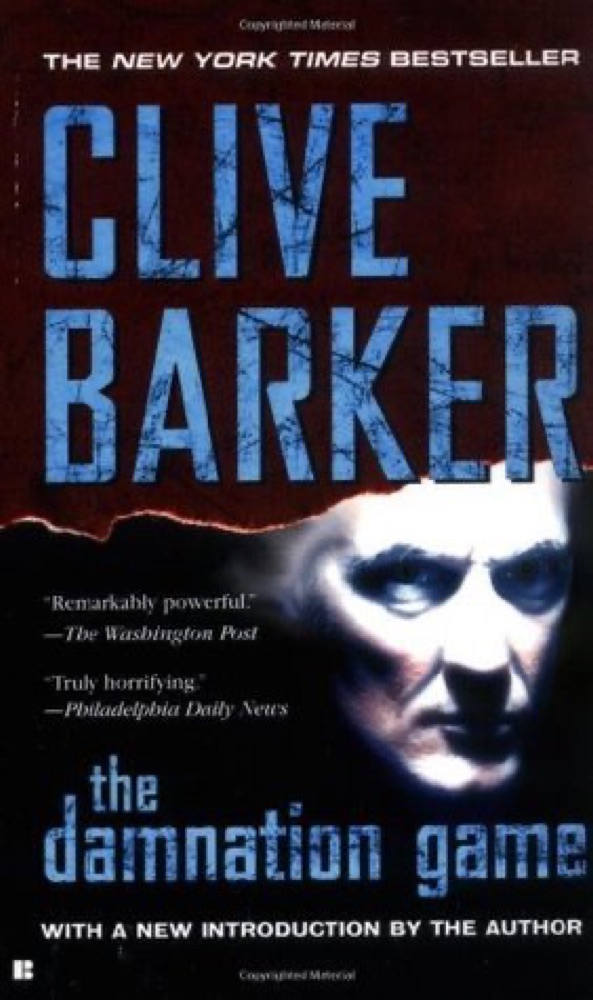 The Damnation Game
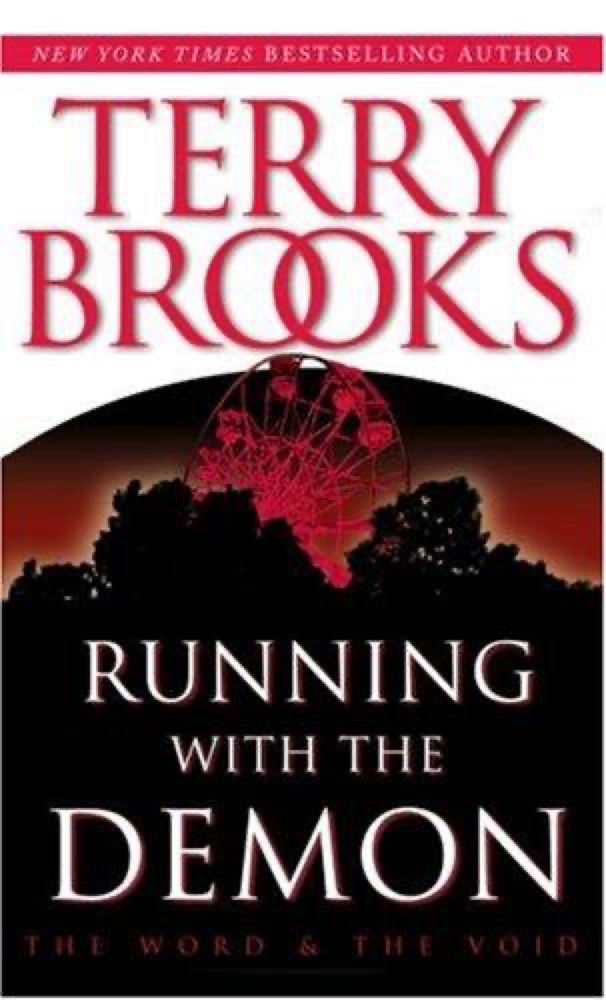 Running with the Demon
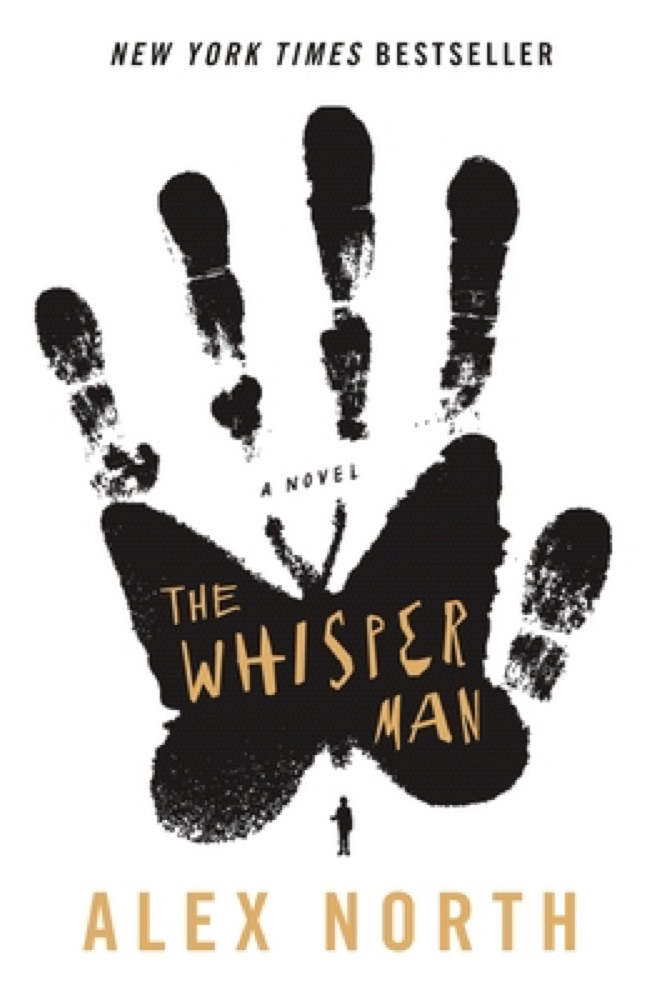 The Whisper Man
 The Chrysalids
 Saint Odd
 I Never Promised You a Rose Garden
 Children of God
 Little Heaven
 Change of Heart
 Alias Grace
 Babylon's Ashes
 The Long Hard Road Out of Hell
 A Rule Against Murder
 The Burning Soul
 Speaker for the Dead
 The Devils
 Hold Tight
 The Adventures of Augie March
 Demons
 The Burning White
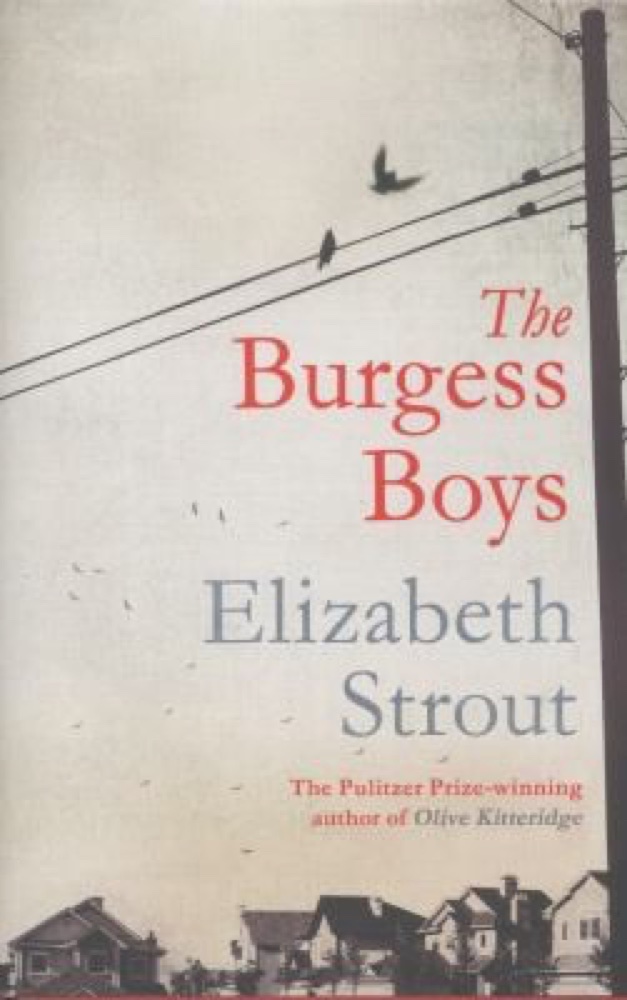 The Burgess Boys
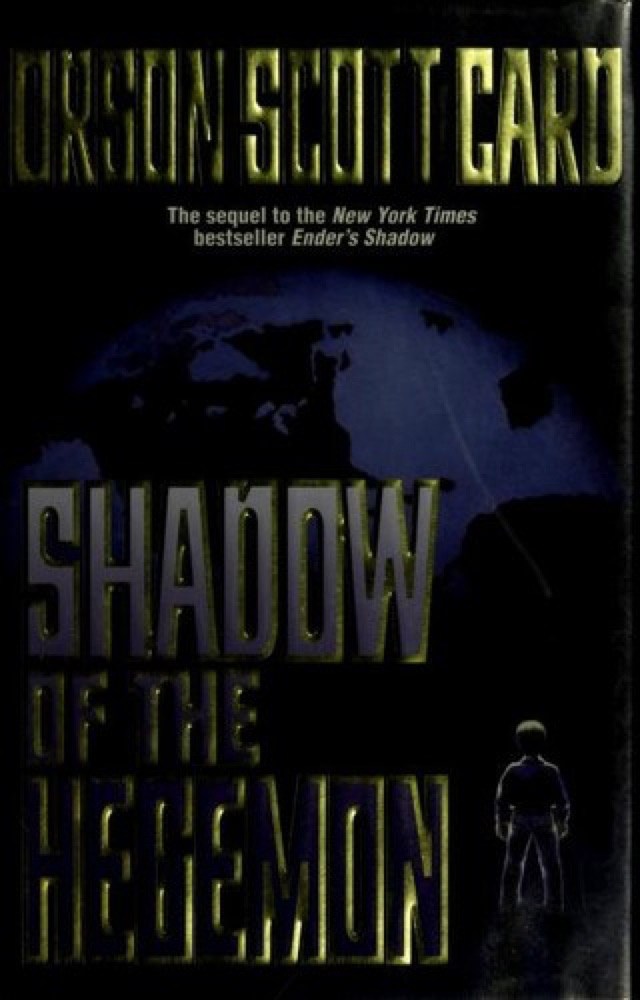 Shadow of the Hegemon
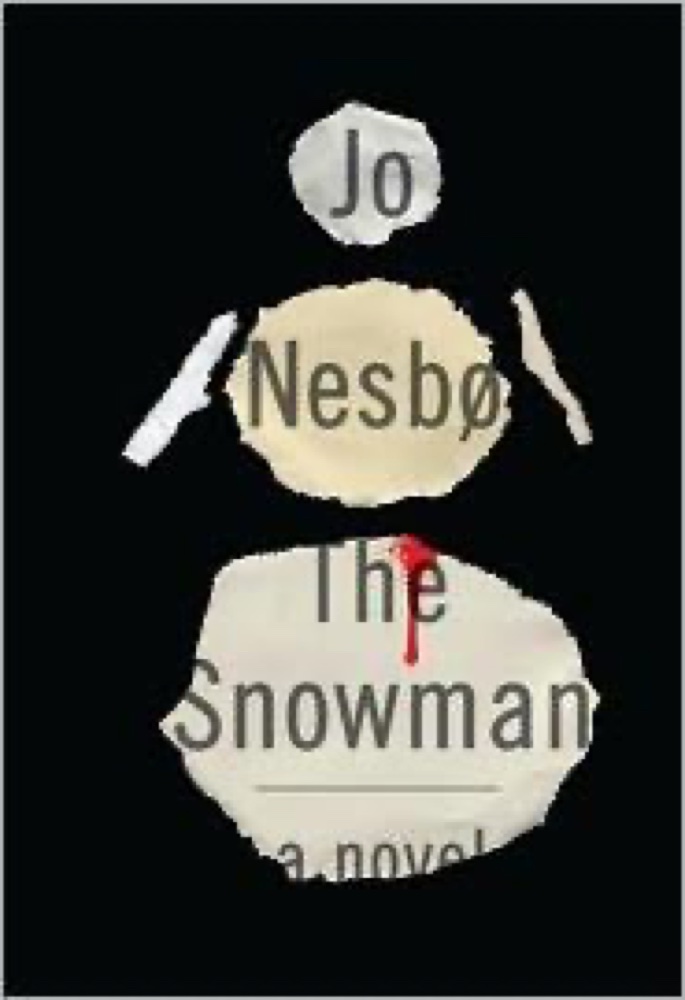 The Snowman
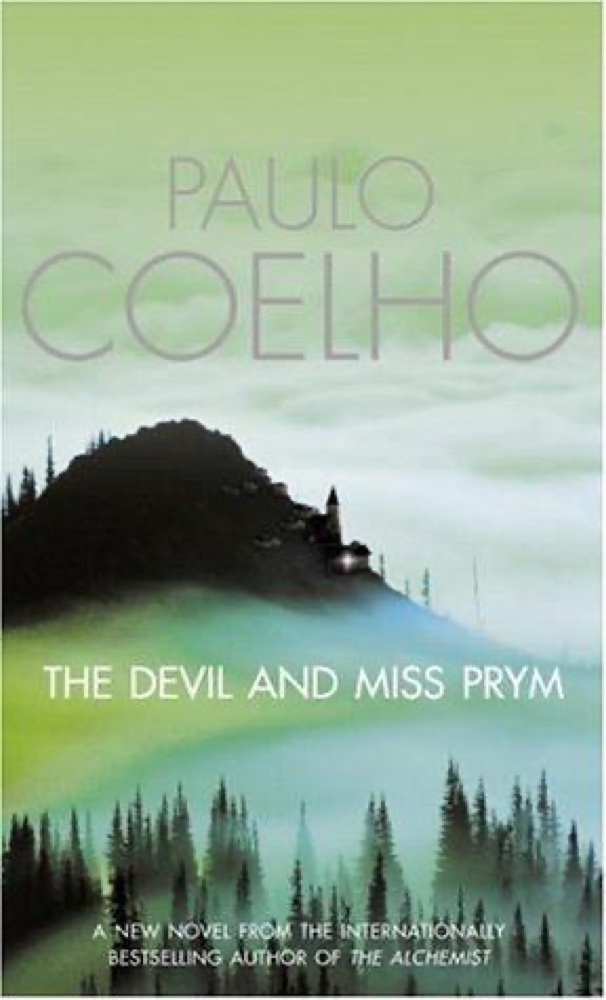 The Devil and Miss Prym
 How Beautiful We Were
 The Resistance
 Empire Falls
 Confessor
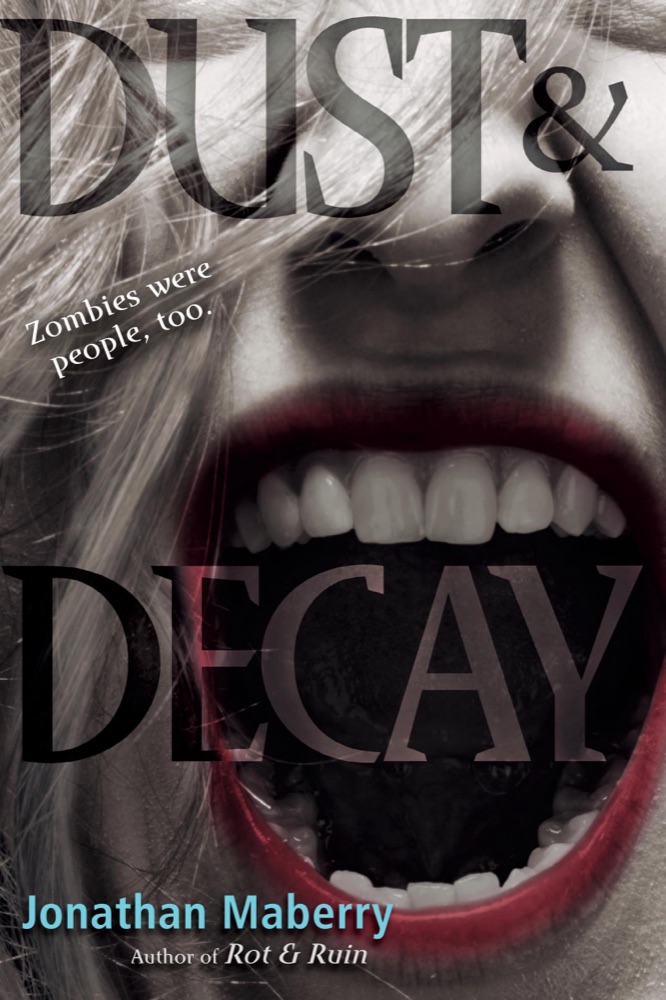 Dust & Decay
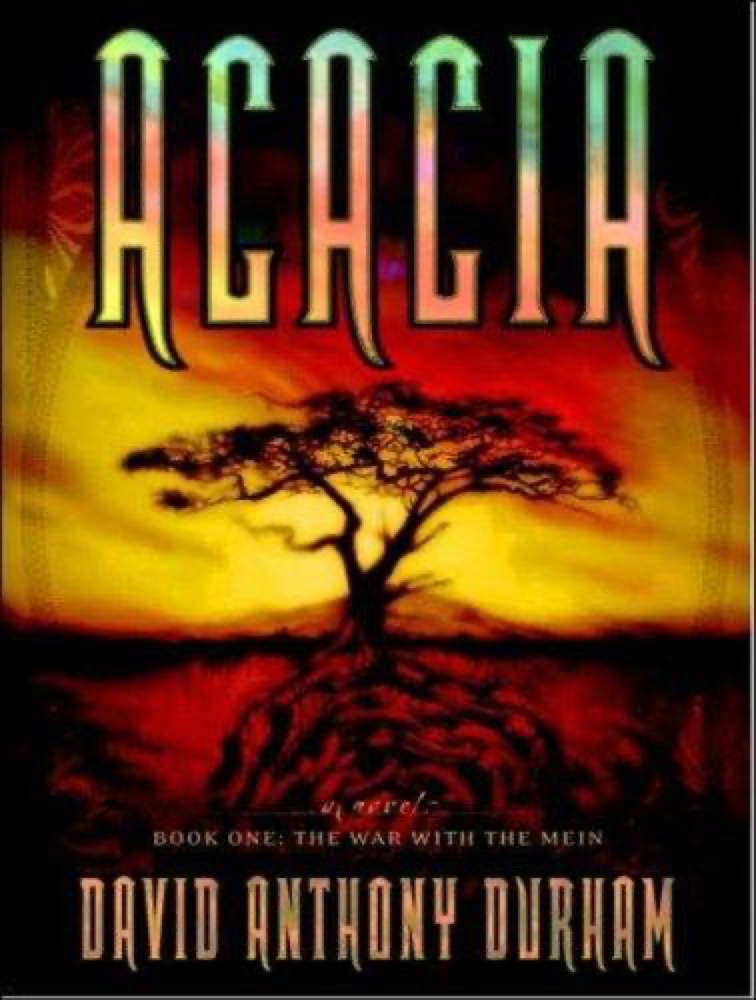 Acacia: The War with the Mein
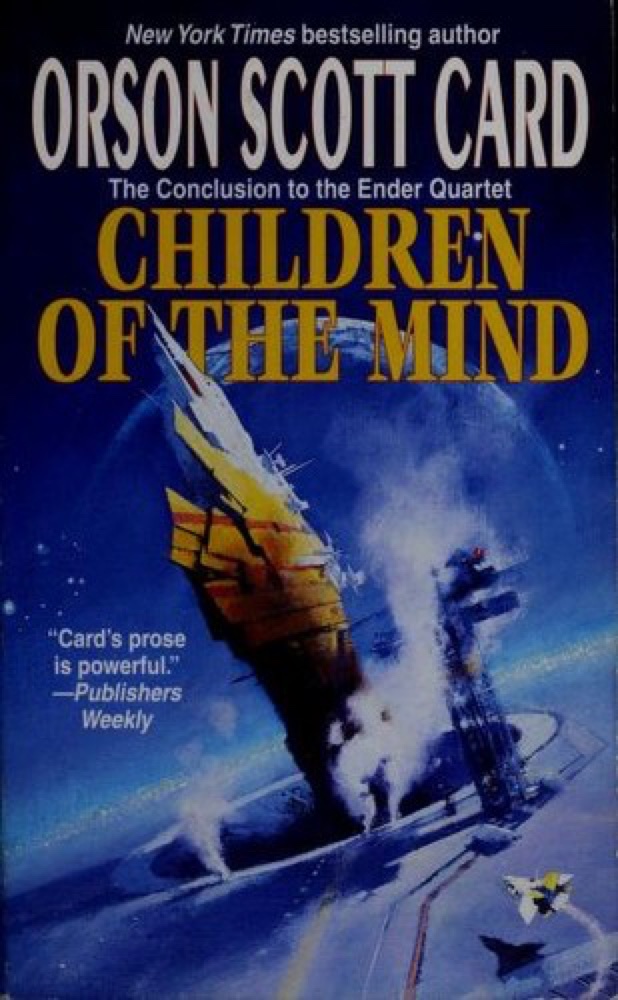 Children of the Mind
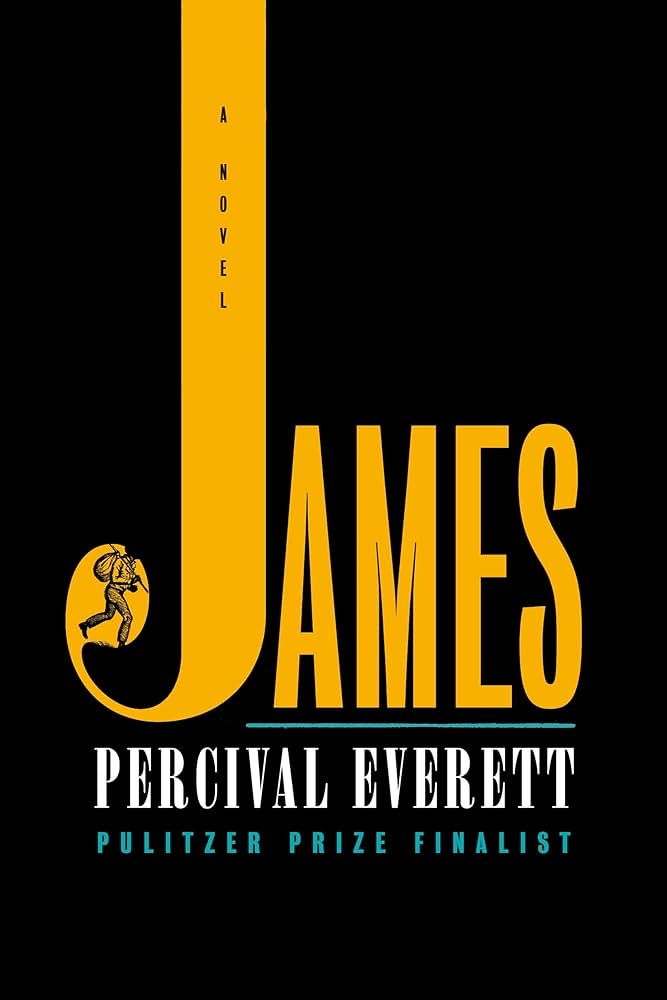 James
James
 The Twelve Kingdoms: Skies of Dawn
 Wicked: The Life and Times of the Wicked Witch of the West
 The Smallest Part
 J
J
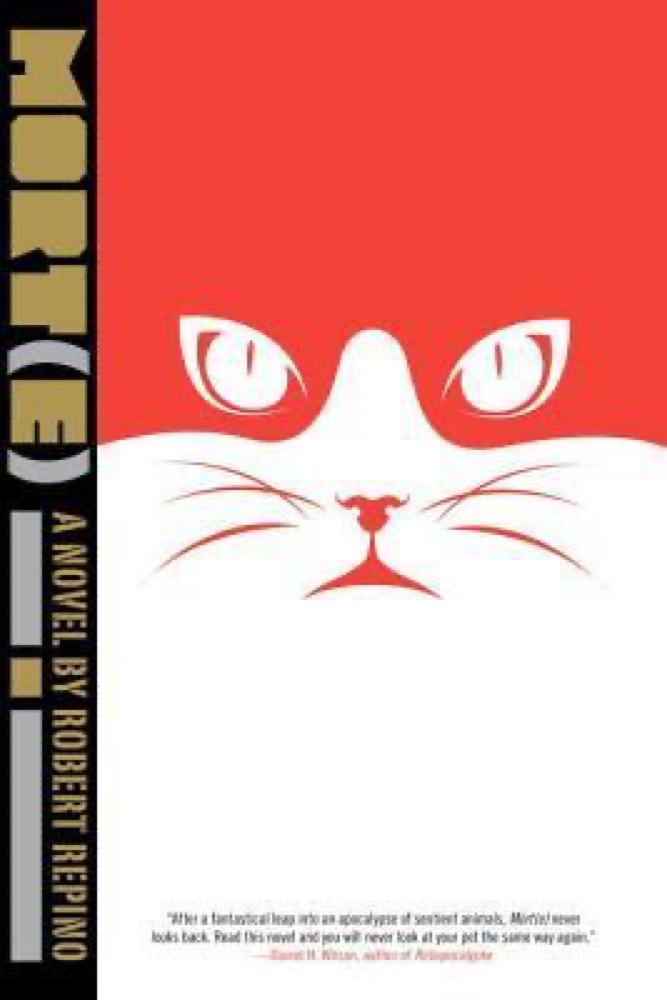 Mort(e)
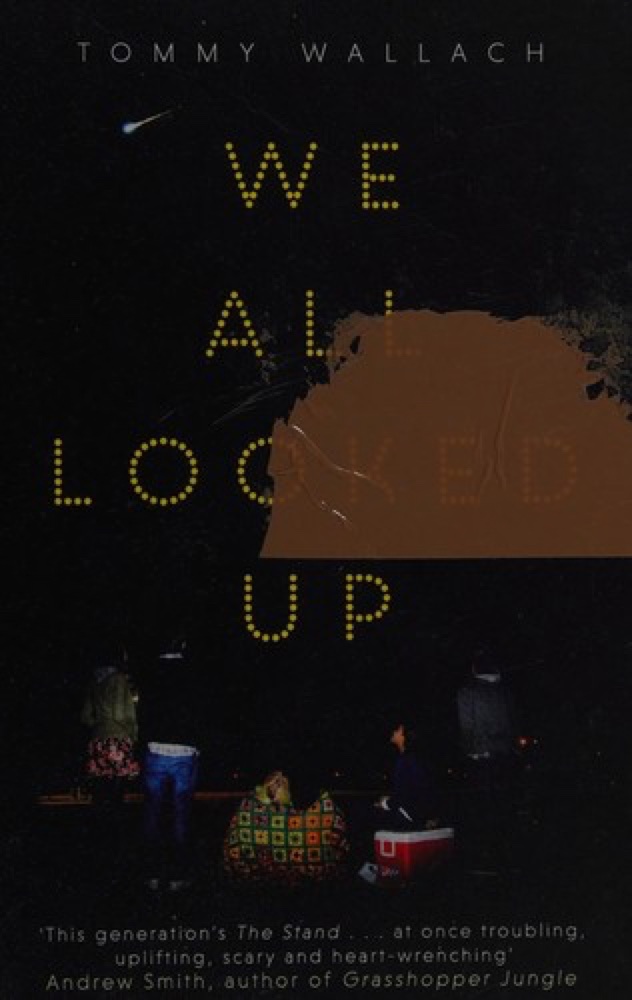 We All Looked Up
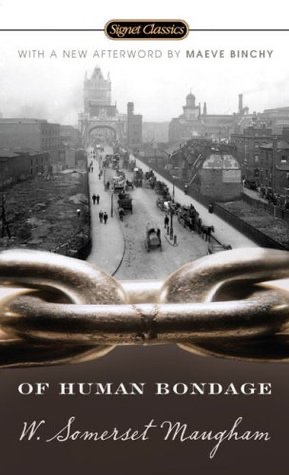 Of Human Bondage
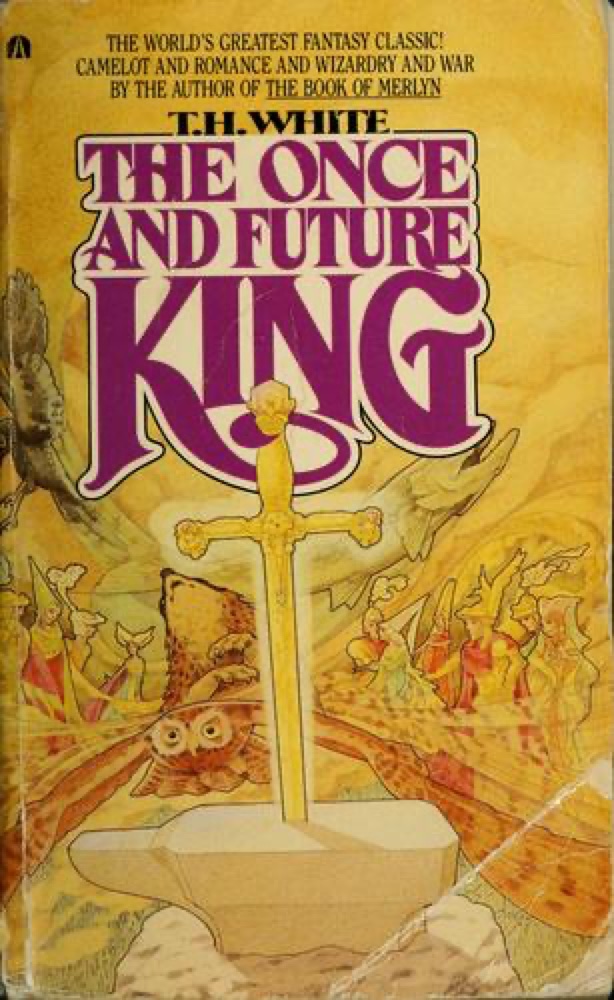 The Once and Future King
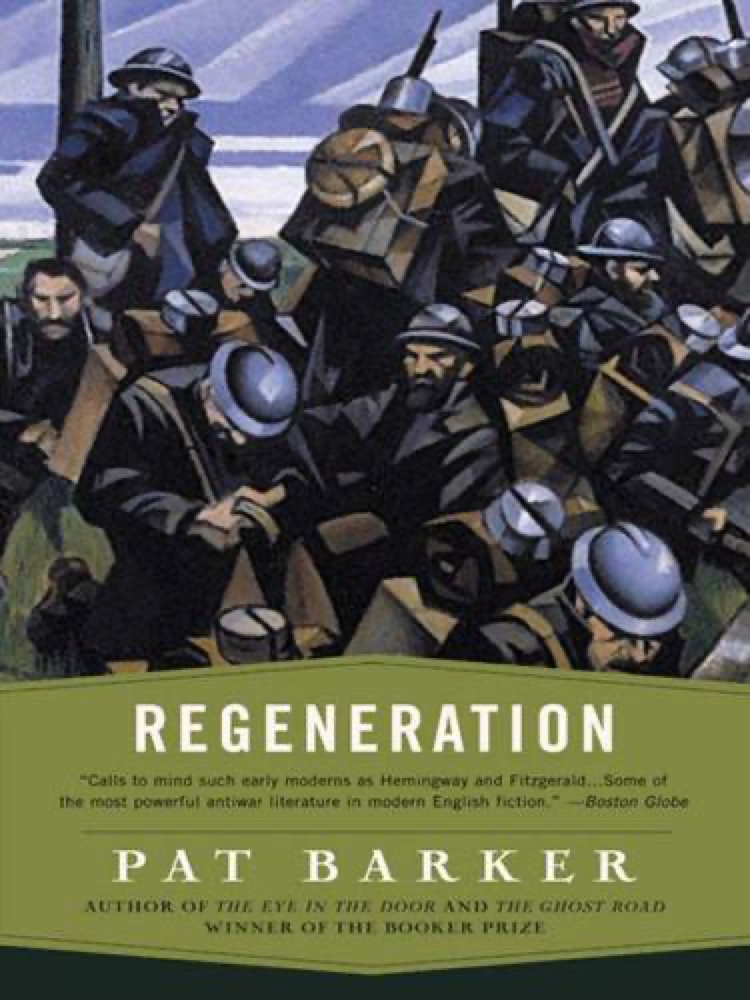 Regeneration
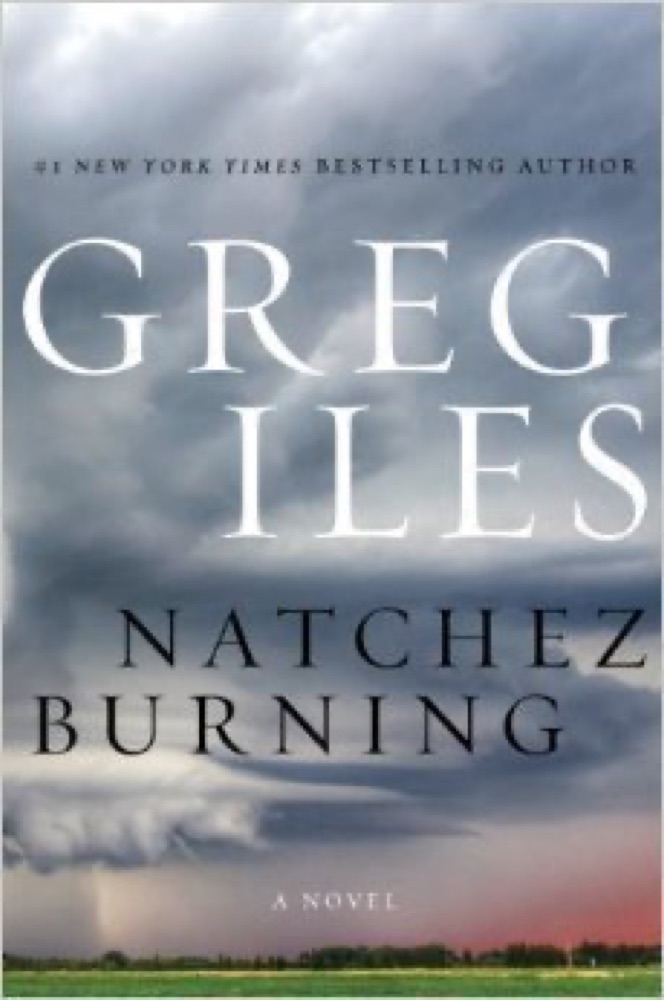 Natchez Burning
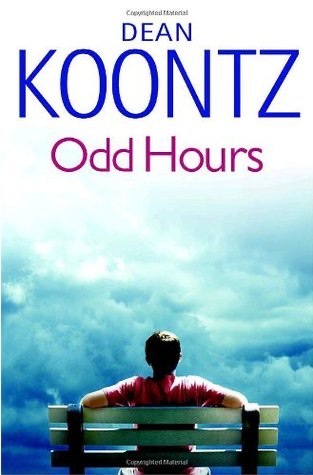 Odd Hours
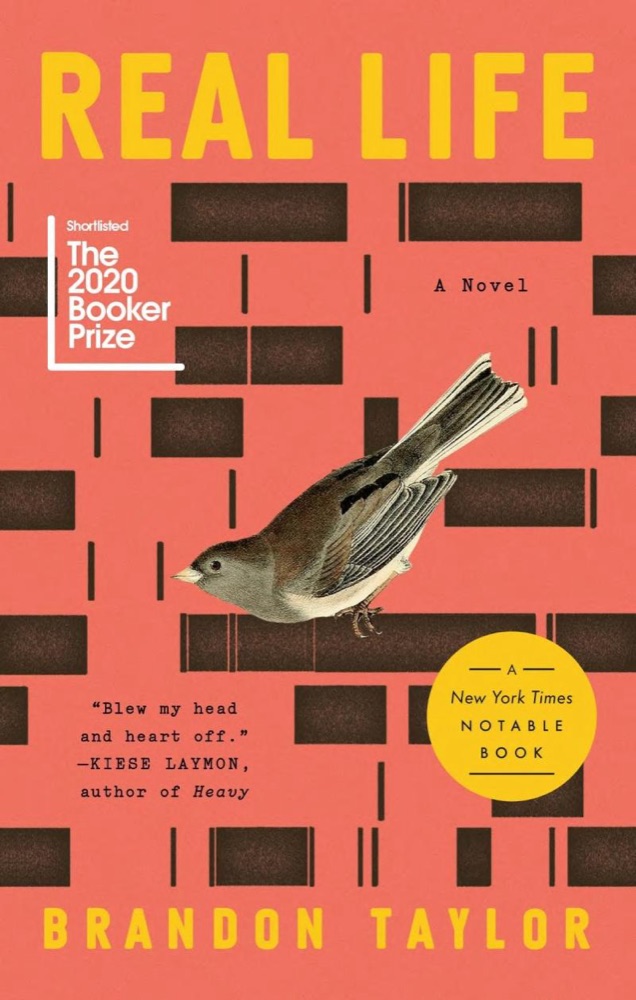 Real Life
 The Book of Strange New Things
 The Real Boy
 The Power and the Glory
 A Time of Torment
 The Wolf Gift
 Breakfast of Champions
 The Jewel in the Crown
 The Sirens of Titan