
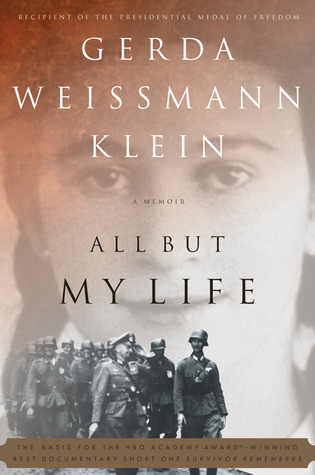
 All But My Life: A Memoir
Quotes from the Book
In my fantasies, I was always caught up in heroic struggles, and I saw myself saving lives, sacrificing myself for others. I had far loftier ambitions than mere romance.
If we were stopped and questioned, I always smiled at the officers, and they always smiled back. In my heart, I was seeing them dead. But on my face, I was an open invitation. If you are only a girl, this is how you destroy your enemies.
Every day now, I found a chance to slip outside and leave food under the fence. I knew it was a drop in the ocean, but I could not do nothing.
If you are only a girl, this is how you destroy your enemies.
Bazen Polonya'daki nefret miktarını düşündüğümde çimenlerin hala yeşil kalabilmelerine, ağaçların hala dallarını gökyüzüne uzatabilmelerine şaşırıyordum. Ama uzatıyorlardı. Savaşla ilgili en büyük ironilerden biri de bu, insanın inana sırt çevirdiği yerde bile doğa başkaldırmıyordu. Çok güzel bahar günlerinde geçen kabuslar yaşıyordum: Kuşlar daldan dala atlayıp böcekleri avlarken, diğer kuşlarla cilveleşirken diğer tarafta yerde, çamur içinde küçük çocuklar ölü yatıyorlardı.
Watch on YouTube
About Irene Gut Opdyke
We have collected 5 quotes from 1 book by Irene Gut Opdyke on BookQuoters.
More about the author →Book details
- Author
- Irene Gut Opdyke
- Genre
- History
- Goodreads rating
- 4.27 (16k ratings) →
Keep reading
All But My Life: A Memoir
 Like Flames in the Night
 The Orphan Queen
 The Red Palace
 The Two Princesses of Bamarre
 Girls of Storm and Shadow
 Every Other Day
 Daughter of No Worlds
 Lucky
Lucky
 The Girls I've Been
 The Night Ends with Fire
 Kissing the Witch: Old Tales in New Skins
 The Quarry Girls
 Rebel of the Sands
 Stone Butch Blues
 Traitor to the Throne
 Skyhunter
 Coming Home
 A Queen This Fierce and Deadly
 Mischling
 And I Darken
 Chinese Cinderella: The True Story of an Unwanted Daughter
 The Coldest Girl in Coldtown
 Crystal Crowned
 Enclave
 The Gilded Ones
 I Am Malala: The Story of the Girl Who Stood Up for Education and Was Shot by the Taliban
 House of Hollow
 Juniper & Thorn
 Code Name Verity
 Atalanta
 A House in the Sky
 The Rose Society
 The Last Girl: My Story of Captivity, and My Fight Against the Islamic State
 Firefight
 What I Saw and How I Lied
 The Summer of Chasing Mermaids
 An Untamed State
 Immortal Beloved
 A Shade of Blood
 Salt to the Sea
 A Child Called "It"
 Slaying the Vampire Conqueror
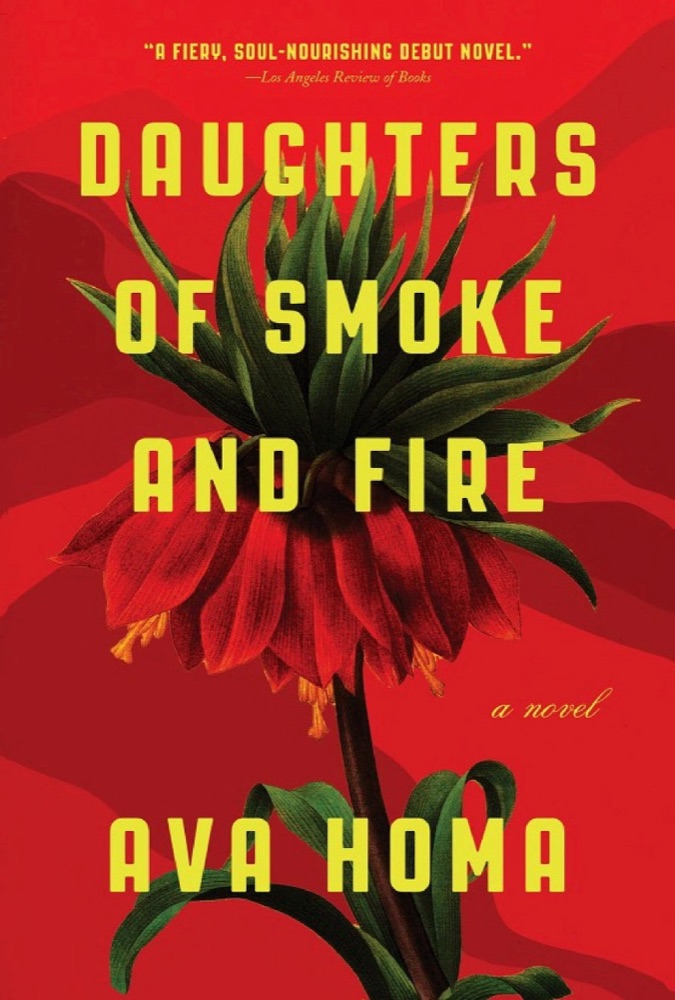 Daughters of Smoke and Fire
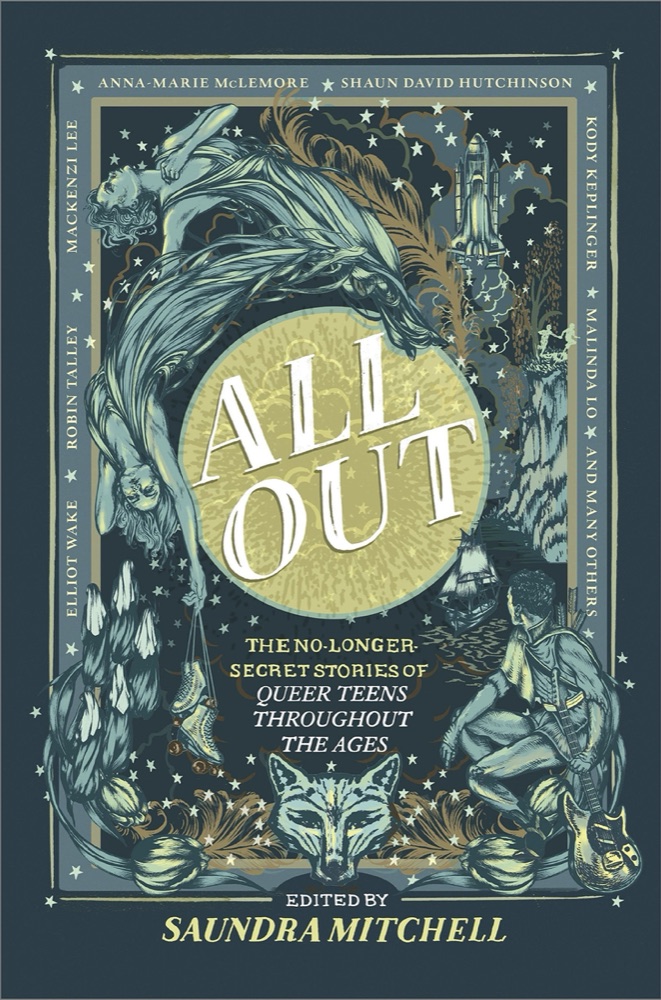 All Out: The No-Longer-Secret Stories of Queer Teens throughout the Ages
 The Woman Warrior
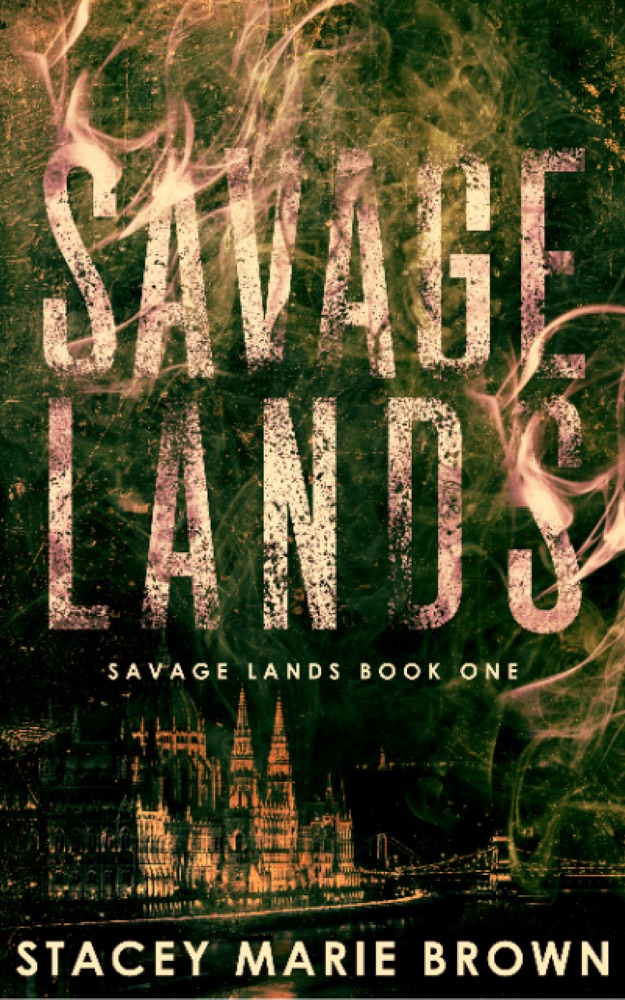 Savage Lands
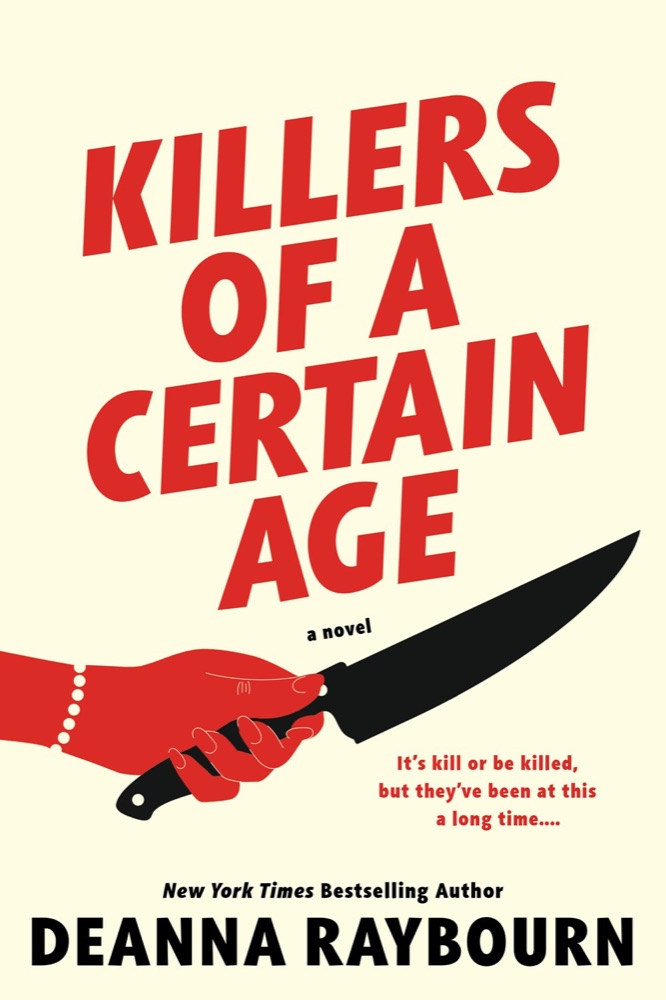 Killers of a Certain Age
 The Bone Season
 Take Me With You
 Seraphina
 Now I Rise
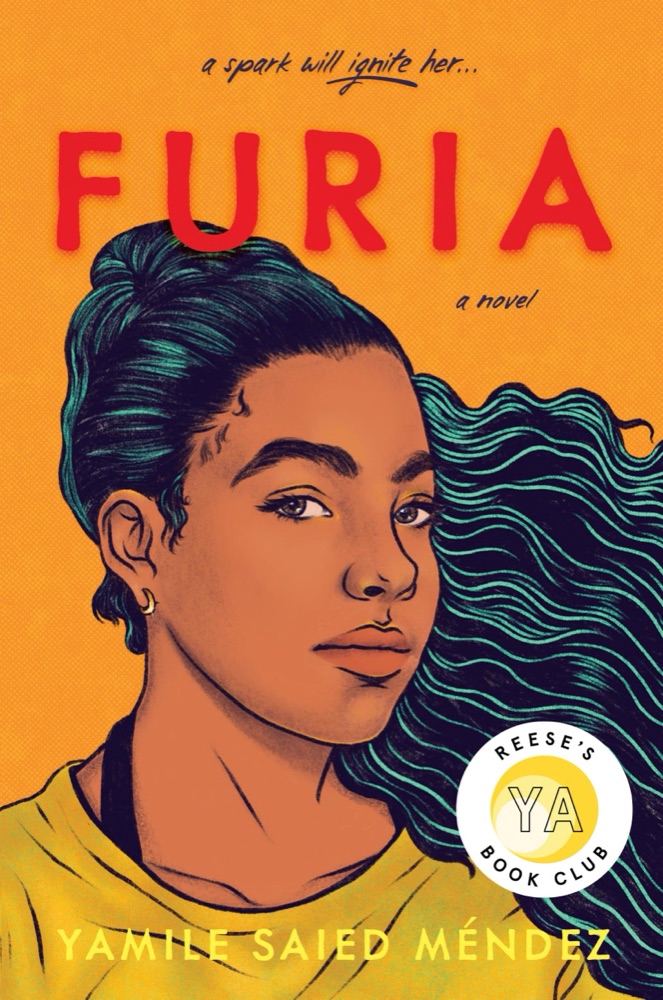 Furia
Furia
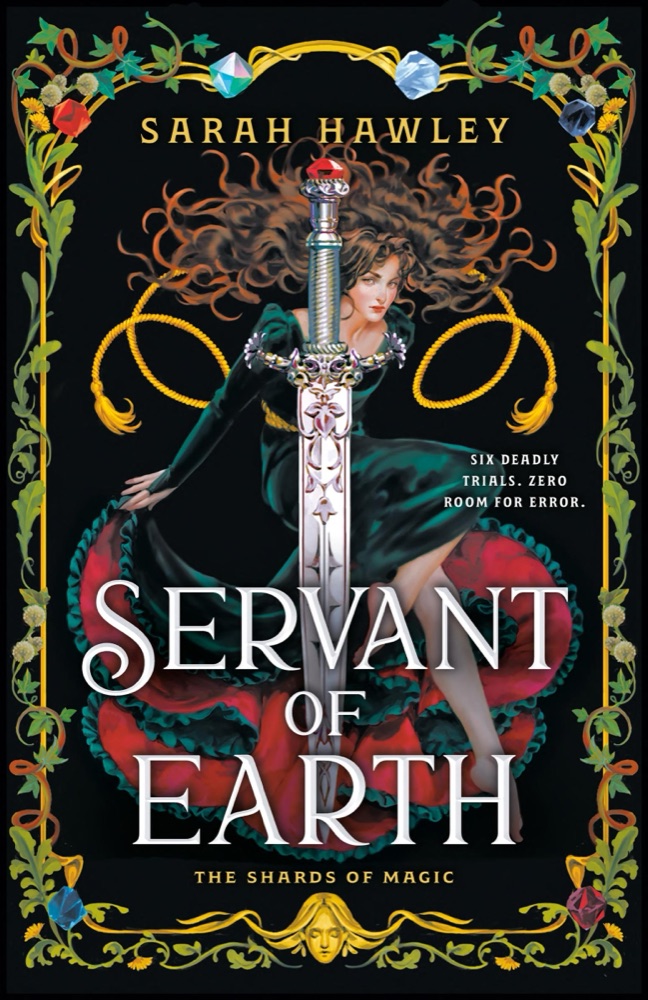 Servant of Earth
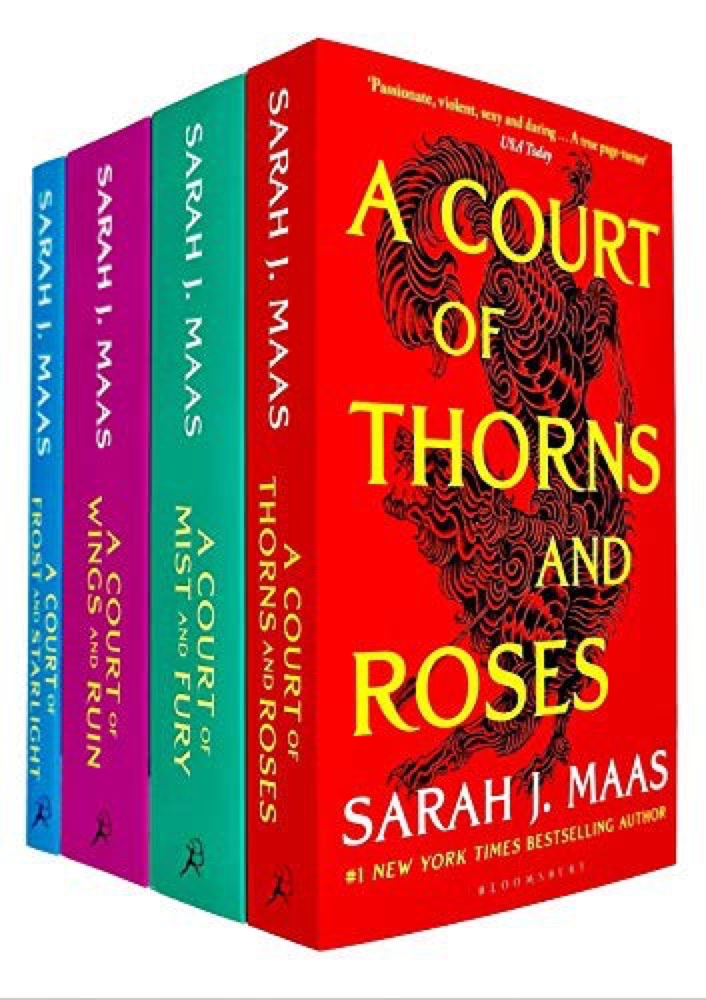 A Court of Mist and Fury
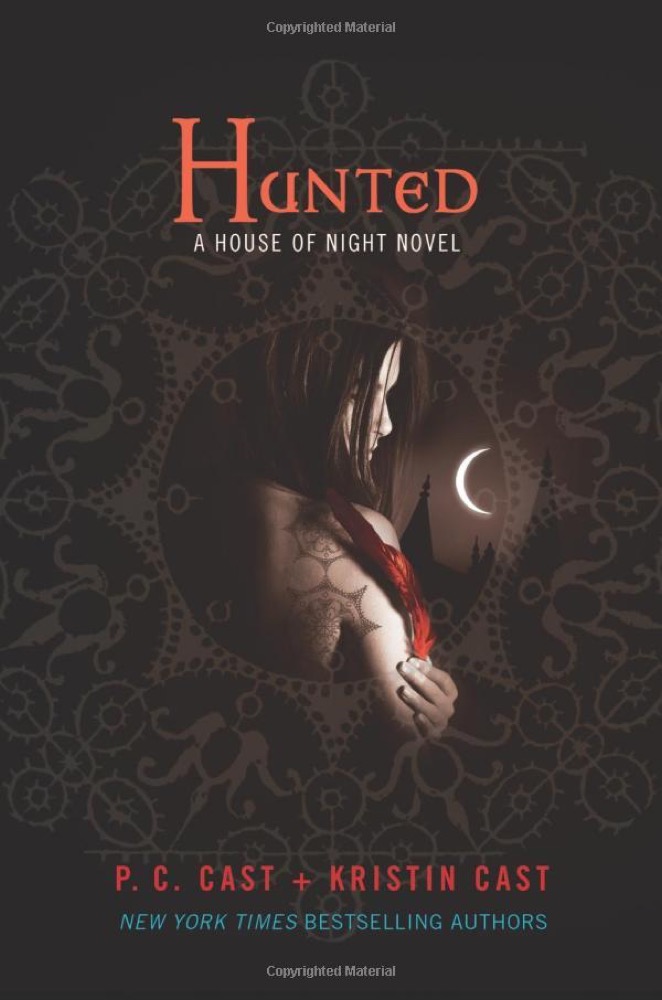 Hunted
 Crimson Bound
 The Book of Negroes
 Debt Inheritance
 Vespertine