
 The Many Daughters of Afong Moy
Quotes from the Book
The hardest choices in life aren't between what's right and what's wrong but between what's right and what's best.
I had my chance.' He said it, retiring from a lifetime of wanting. 'I had my chance, and sometimes in life, there are no second chances. You look at what you have, not what you miss, and you move forward.
He'd do what he always did, find the sweet among the bitter.
I try not to live in the past...but...sometimes the past lives in me
Henry was learning that time apart has a way of creating distance- more than mountains and time zone separating them. Real distance, the kind that makes you ache and stop wondering. Longing so bad that it begins to hurt to care so much.
He'd learned long ago: perfection isn't what families are all about.
But choosing to lovingly care for her was like steering a plane into a mountain as gently as possible. The crash is imminent; it's how you spend your time on the way down that counts.
I think I get it now. It doesn't matter how nice home is--it just matters that it feels like home.
It reminded him that time was short, but that beautiful endings could still be found at the end of cold, dreary days.
Like so many things Henry had wanted in life -- like his father, his marriage, his life -- it had arrived a little damaged. Imperfect. But he didn't care, this was all he'd wanted. Something to hope for, and he'd found it. It didn't matter what condition it was in.
Henry, this isn't about us. I mean it is, but they don't define you by the button you wear. They define you by what you do, by what your actions say about you. And coming here, despite your parents, says a lot to them- and me. And they're Americans first. They don't see you as the enemy. They see you as a person.
After a lifetime of nods, frowns and stoic smiles, they were both fluent in emotional shorthand.
A young nurse, someone new whom he didn't recognise, came up to Henry and patted him on the arm. "Are you a friend or a family member?" She whispered the question in his ear, trying not to disturb Sheldon. The question hung there like a beautiful chord, ringing in the air. Henry was Chinese, Sheldon obviously wasn't. They looked nothing alike. Nothing at all. "I'm distant family," Henry said.
So Henry found himself stepping off the bus three stops early and wandering over to the Panama Hotel, a place between worlds when he was a child, a place between times now that he was a grown man.
Loyalty. We're still loyal to the United States of America. Why? Because we too are Americans. We don't agree, but we will show our loyalty by our obedience.
The more Henry though about the shabby old knickknacks, the forgotten treasures, the more he wondered if his own broken heart might be found in there, hidden among the unclaimed possessions of another time. Boarded up in the basement of a condemned hotel. Lost, but never forgotten.
Good Morning, Henry. How's it feel to be a prisoner for a day?' Henry looked at Keiko. 'Best day of my life.' Keiko found her smile all over again.
I am what you made me, Father.
I try not to live in the past, he thought, but who knows, sometimes the past lives in me.
Henry looked up and down the empty avenue—no cars or trucks anywhere. No bicycles. No paperboys. No fruit sellers or fish buyers. No flower carts or noodle stands. The streets were vacant, empty—the way he felt inside. There was no one left.
It didn’t matter. He’d learned long ago: perfection isn’t what families are all about.
Henry handed the record to his old friend, who draped it across his chest. His eyes closed as if he were listening to the music play somewhere,sometime long ago.
Talking to strangers sounded like talking to no one, which Henry had some firsthand experience in- in real life. It was lonely. Almost as lonely as Lake View Cemetery, where he'd buried Ethel.
The waitress brought a fresh pot of tea, and Marty refilled his father’s cup and poured a cup for Samantha. Henry in turn filled Marty’s. It was a tradition Henry cherished—never filling your own cup, always filling that of someone else, who would return the favor.
People relations is hard business. Hard to keep that going.
-Kuinka kauan sinä odotat minua? -Niin kauan kuin on tarvis. En välitä siitä mitä isäni sanoo. -Entä jos joudun olemaan täällä, kunnes tulen vanhaksi ja hiukseni harmaantuvat? -Sitten tuon sinulle kävelykepin
Did you know?
- The novel is set largely around Seattle's real Panama Hotel, once a gateway to the city's Japantown.
- It was Jamie Ford's debut novel.
- The story unfolds across two timelines, 1942 and 1986.
- It spent well over a hundred weeks on the New York Times Bestseller List.
- The plot centers on the World War II forced evacuation and internment of Japanese Americans.
About Jamie Ford
Jamie Ford is an American author of Chinese and European descent whose debut novel, "Hotel on the Corner of Bitter and Sweet," became a New York Times bestseller. He is the great-grandson of a Chinese immigrant who took the Western name Ford.
More about the author →More by Jamie Ford
The Many Daughters of Afong Moy
About the book
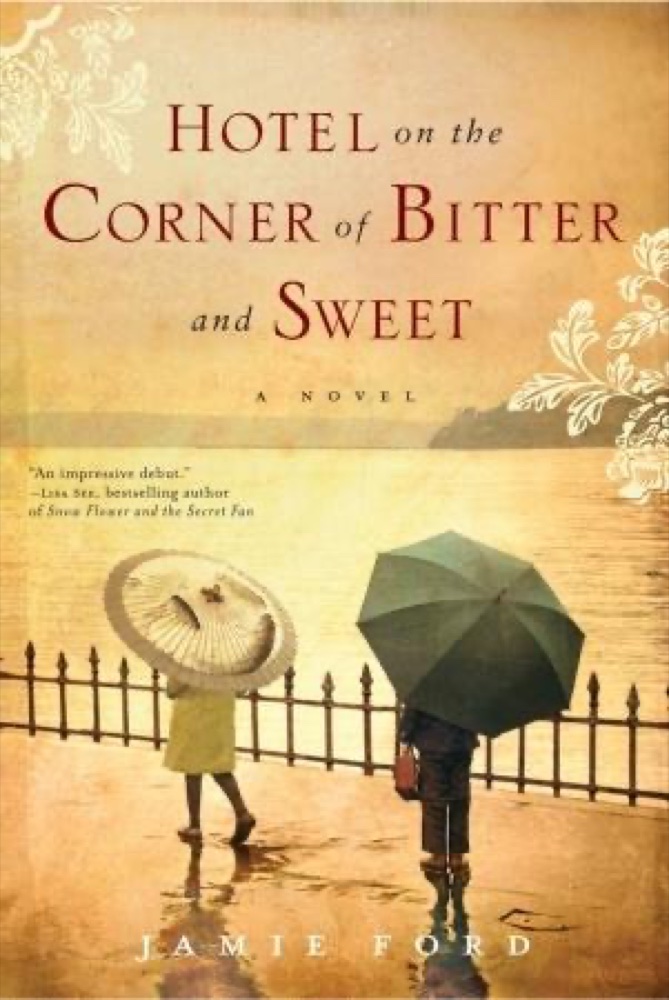
"Hotel on the Corner of Bitter and Sweet" is Jamie Ford's debut historical novel, set in Seattle and told across two timelines. In 1986, Henry Lee, a Chinese-American widower, joins a crowd outside the long-boarded-up Panama Hotel in what was once Japantown, where the new owner has uncovered belongings left behind by Japanese-American families sent to World War II internment camps. The discovery pulls Henry back to the 1940s and his boyhood friendship with Keiko Okabe, a Japanese-American classmate.
As children in wartime Seattle, Henry and Keiko form a tender bond that crosses the deep prejudices dividing their communities. When Keiko's family is forcibly evacuated to the internment camps, the two are separated, and Henry's father intervenes to keep them apart. Decades later, the objects surfacing in the hotel's basement reawaken Henry's memory of that lost connection and set him searching for what became of the Okabe family.
The novel explores themes of racism, loyalty within families and toward country, father-son relationships, and enduring first love against the backdrop of a shameful chapter of American history. A long-running bestseller, it helped bring wider attention to the experience of Japanese Americans during the wartime internment and remains a touchstone of contemporary Asian-American historical fiction.
Key characters
- Henry LeeChinese-American protagonist, seen as both a boy in the 1940s and an older widower
- Keiko OkabeJapanese-American classmate and Henry's childhood friend and first love
- Ethel ChenHenry's late wife
- SheldonStreet jazz musician and Henry's older friend
Book details
- First published
- 2009
- Length
- 290 pages
- Reading time
- 8 hours
- Author
- Jamie Ford
- Genre
- Fiction
- Goodreads rating
- 4.05 (319k ratings) →
If you liked this, read…
- 1Snow Falling on CedarsAlso dramatizes Japanese-American internment and its aftermath in the Pacific Northwest
- 2When the Emperor Was DivineA spare novel about a Japanese-American family sent to a WWII internment camp
Keep reading
 So Long, See You Tomorrow
 The Midnight Train
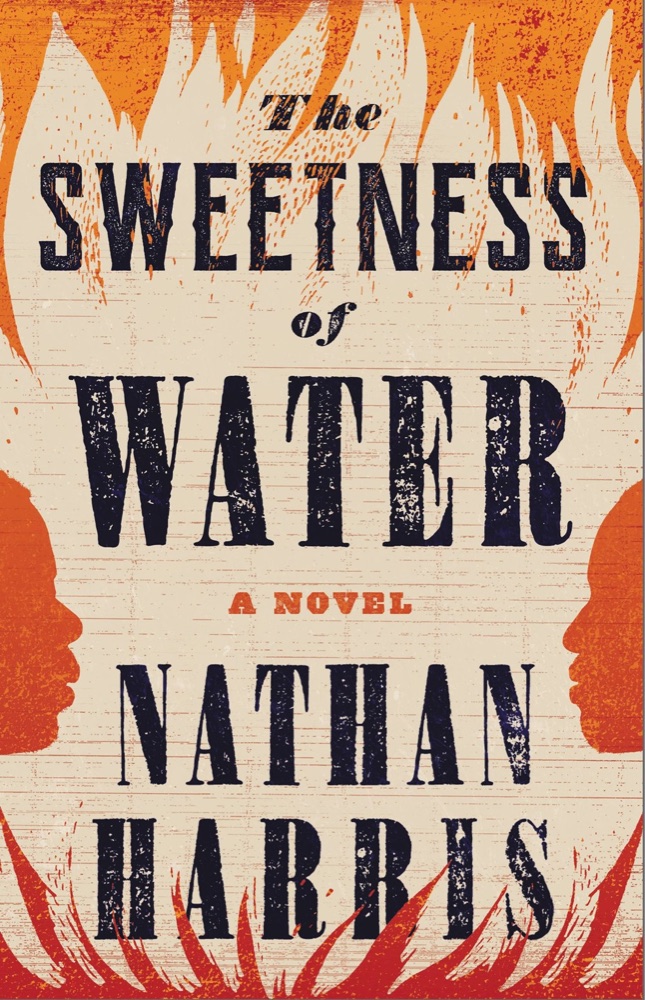 The Sweetness of Water
 The Master
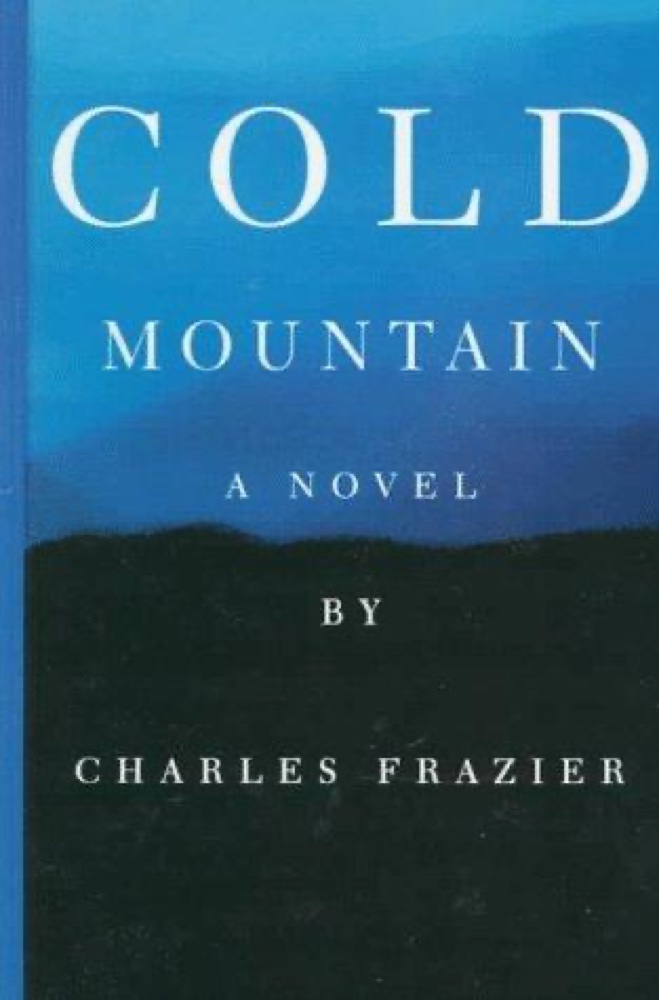 Cold Mountain
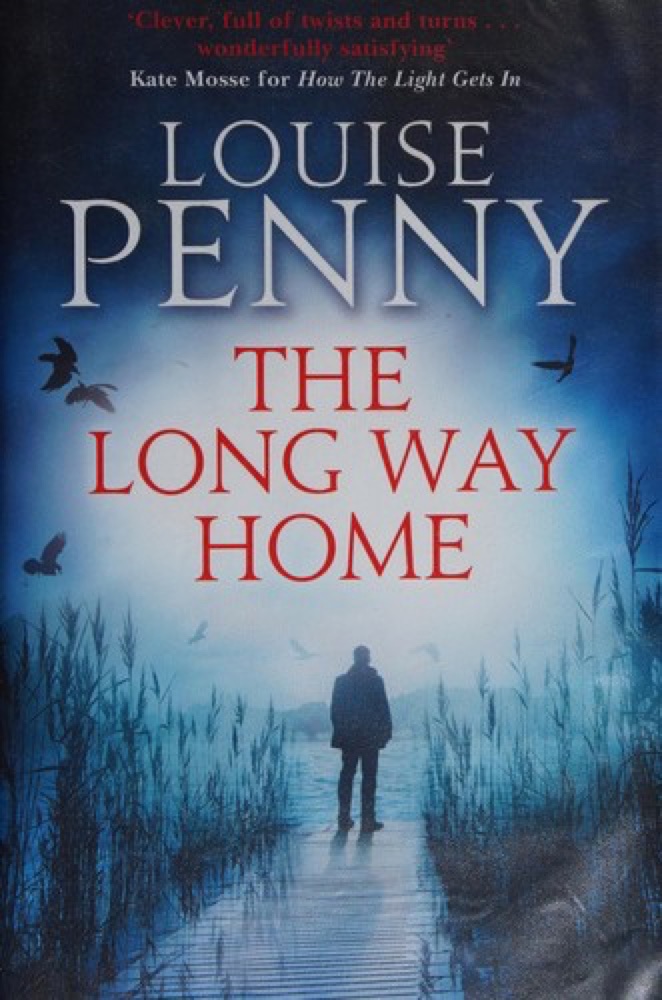 The Long Way Home
 The Last Song
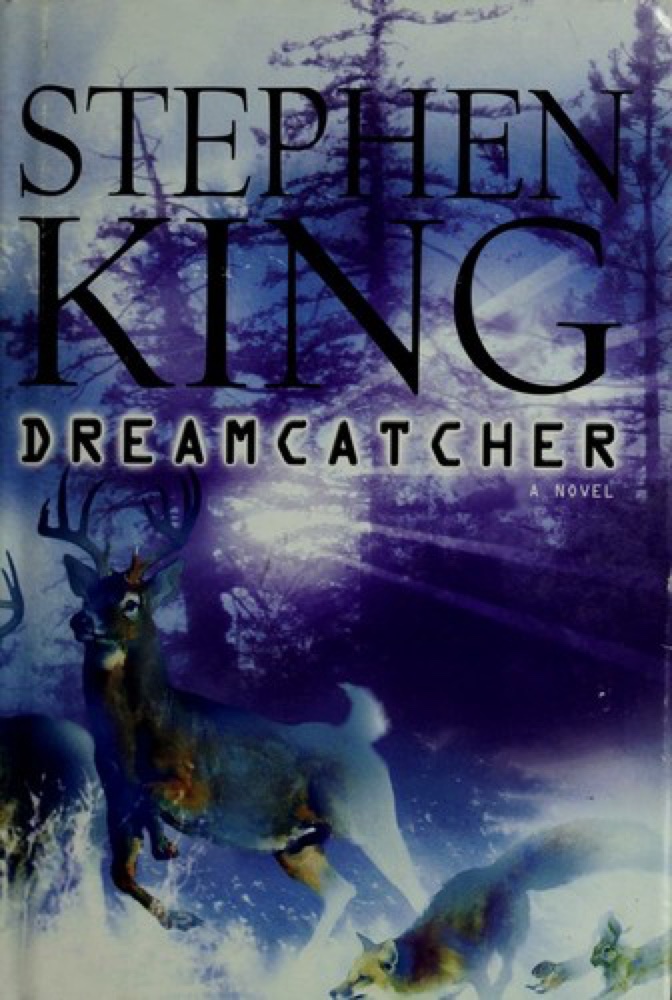 Dreamcatcher
 All the Colors of the Dark
 The Choice
 The Paris Wife
 Dinner at the Homesick Restaurant
 Another Country
 Harvesting the Heart
 Our Man in Havana
 The Clockmaker's Daughter
 We Are Not Ourselves
 The Shipping News
 The Baker's Daughter
 Nights in Rodanthe
 The Brutal Telling
 The Round House
 A Death in the Family
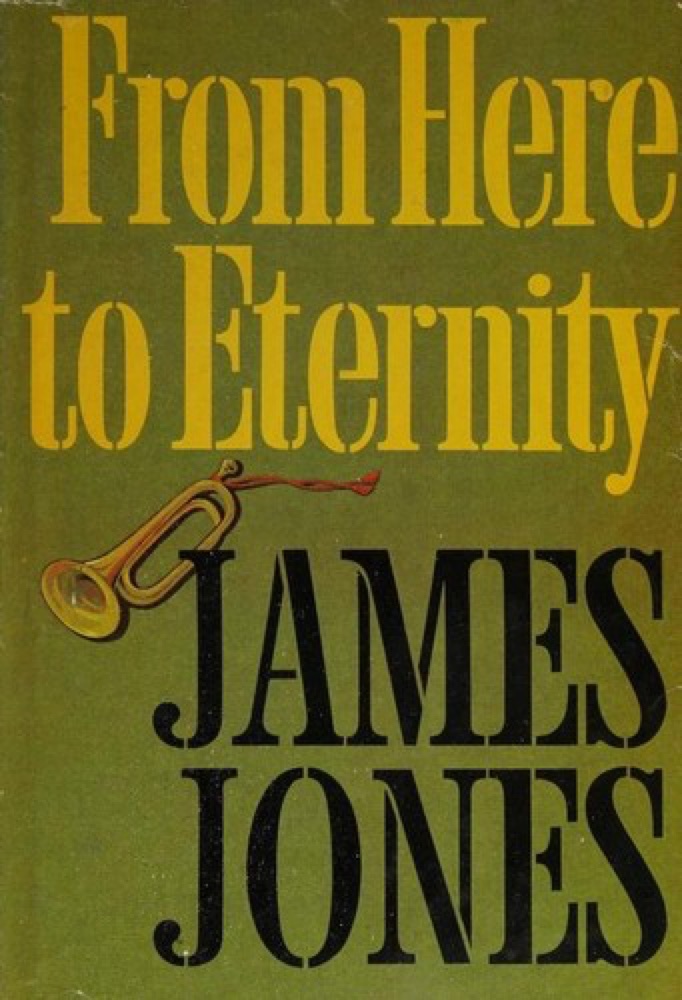 From Here to Eternity
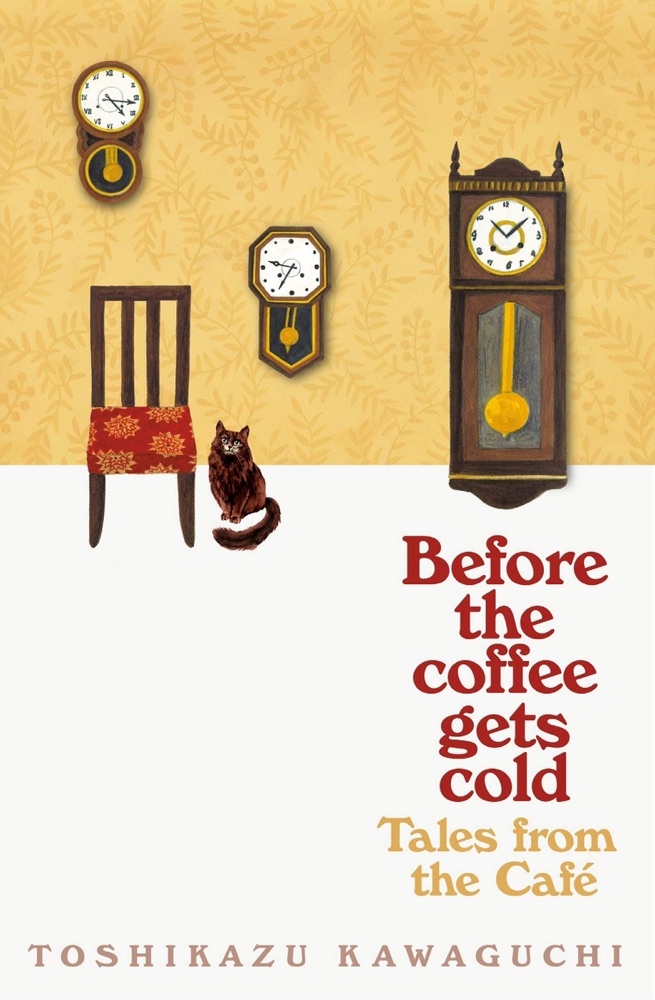 Tales from the Cafe
 Tempted
 Mayflies
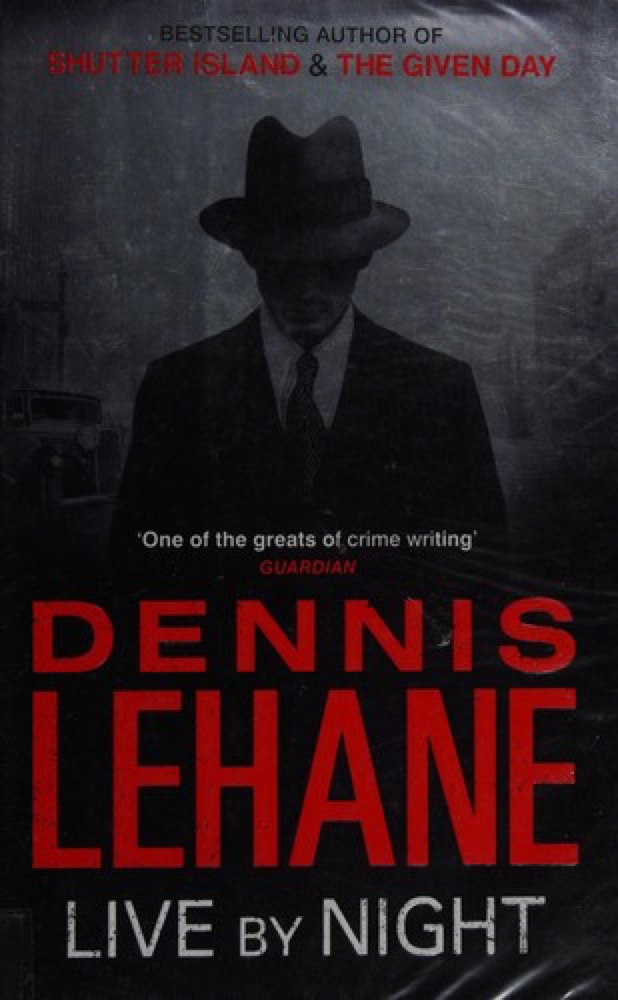 Live by Night
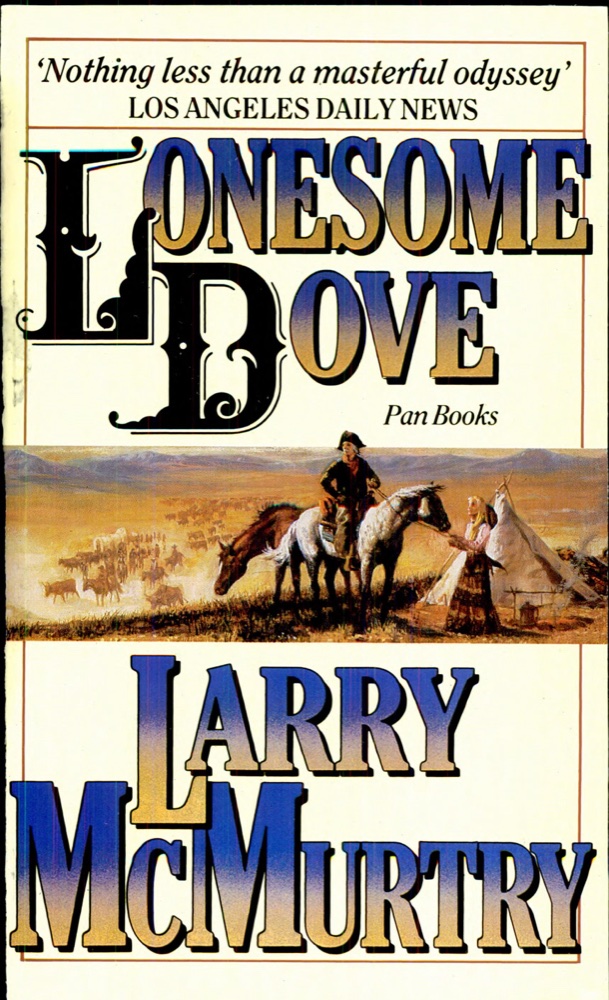 Lonesome Dove
 Silver Sparrow
 Canada
 The God of Animals
 Distant Shores
 Mohawk
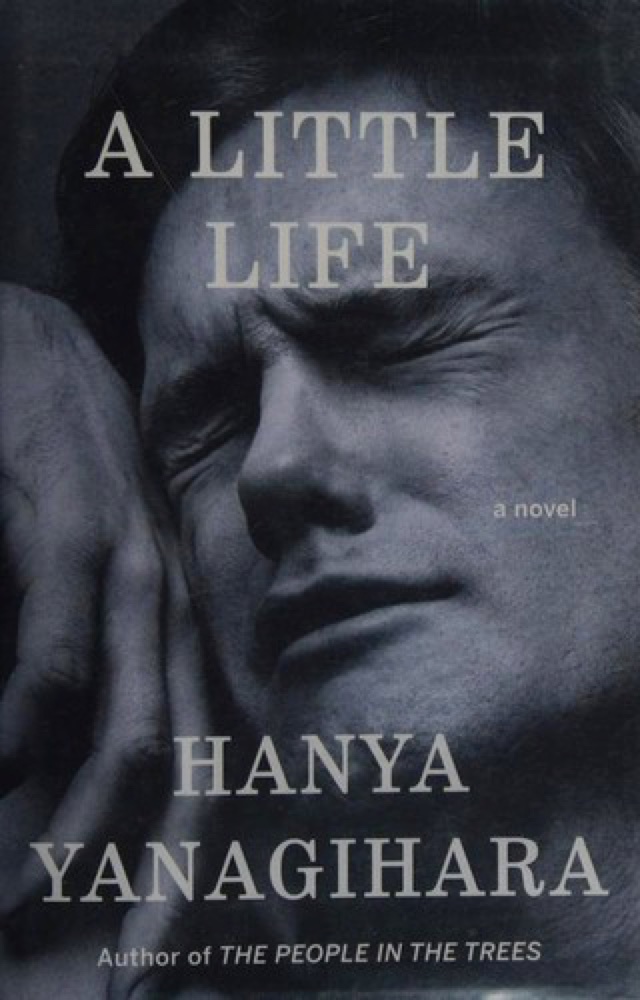 A Little Life
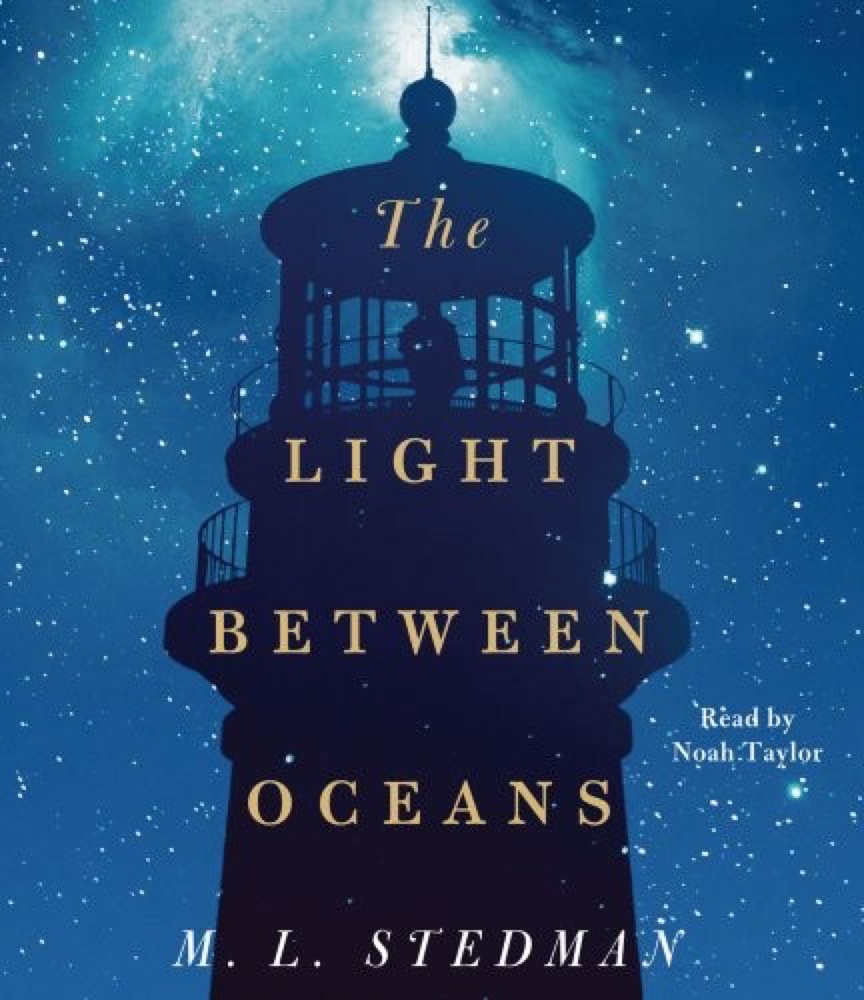 The Light Between Oceans
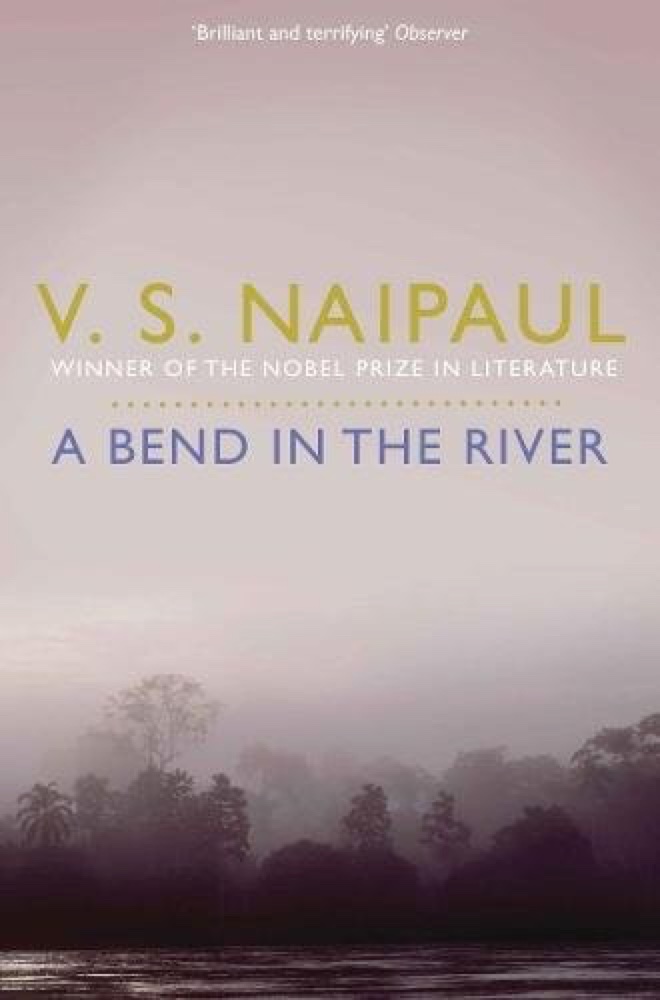 A Bend in the River
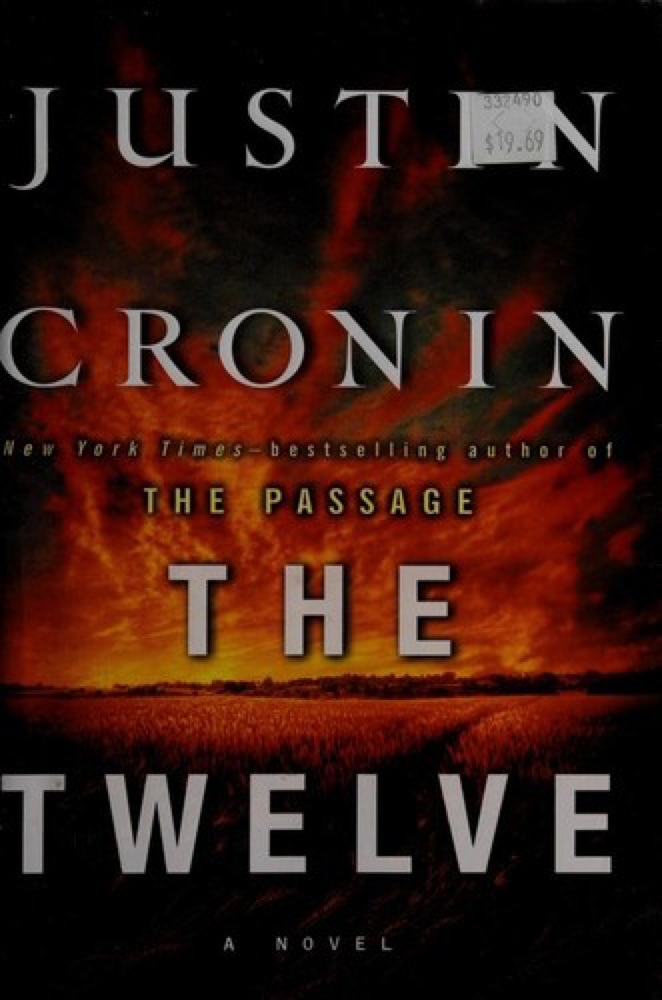 The Twelve
 Joyland
 Remembering
 The Giver
 A Rule Against Murder
 When I'm Gone
 The Lovely Bones
 Home
Home
 Fool's Fate
 Somebody Else's Daughter
 The Great Gatsby
 Hollow City
 The Last Rose of Shanghai
 The Moon and More
 The Bridges of Madison County
 Freedom
 Messenger
 Men Without Women
 Empire Falls
 Winter Solstice
 To Paradise
 They Call Her Dirty Sally