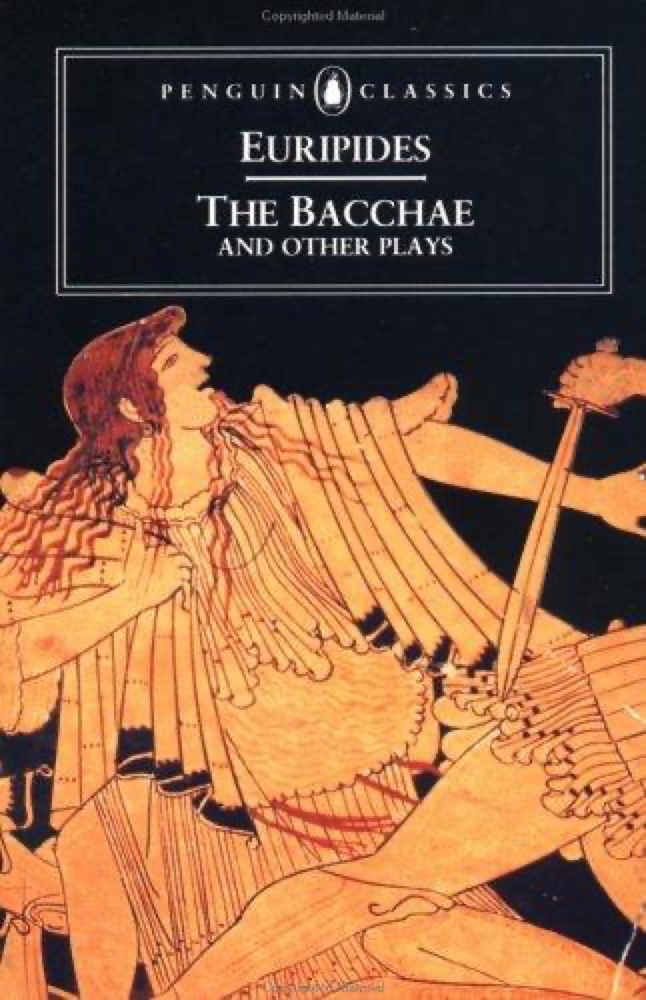
 The Bacchae
Quotes from the Book
There is one thing alone that stands the brunt of life throughout its course; a quiet conscience.
18
I have pondered on the causes of a life's shipwreck. I think that our lives are worse than the mind's quality would warrant. There are many who know virtue. We know the good, we apprehend it clearly. But we can't bring it to achievement.
7
PHAEDRA: What do people mean when they speak of love? NURSE: Dear child: the sweetest and bitterest thing on earth. PHAEDRA: For me it is agony. That is all I know.
3
NURSE: ...I'll never let you go. PHAEDRA: Then, poor woman, you'll have to share my doom. NURSE: What doom could be worse than losing you?
3
NURSE: Don't try to know everything, child. Just be helped.
2
We all have personal favorites, whether we choose a god or a friend.
Had I succeeded, I’d be called wise: our wisdom depends on our success.
But if any far-off state there be Dearer than life to mortality, The hand of the Dark hath hold thereof, And mist is under the mist above; So we are sick for life, and cling On earth to this nameless and shining thing, For other life is a fountain sealed, And the deeps below are unrevealed, And we drift on legends for ever.
About Euripides
We have collected 134 quotes from 9 books by Euripides on BookQuoters.
More about the author →More by Euripides
All books by Euripides →
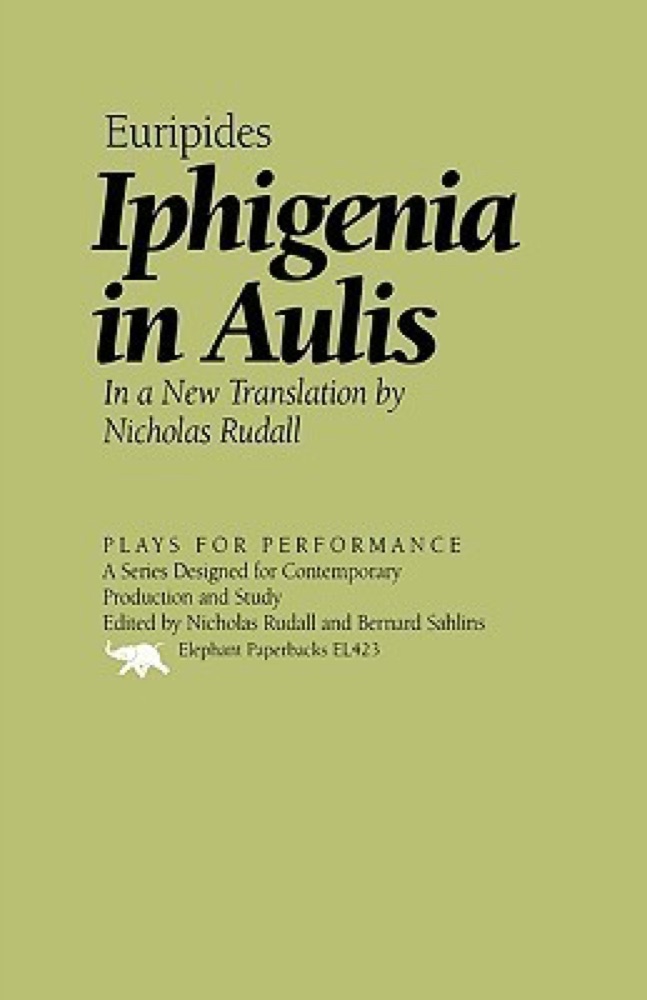
About the book
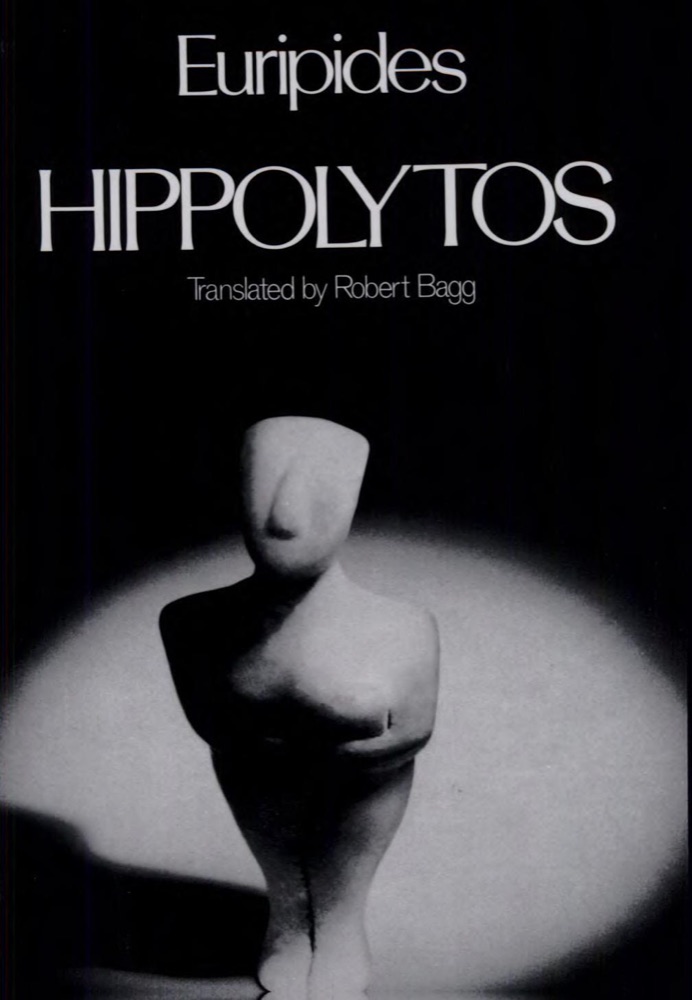
In most versions of the Hippolytos myth, Phaidra is depicted as an utterly debauched character, a woman reduced to shamelessness by the power of Aphrodite. In Euripides' Hippolytos , however--informed by the playwright's moral and religious fascination--we find a Phaidra resisting the goddess of love with all her strength, though in the end unsuccessfully. Phaidra becomes a tragic foil for Hippolytos, making his superhuman virtue at once believable and understandable. Robert Bagg's profound translation of this Euripidean masterpiece is idiomatic, natural, and intensely lyrical, designed not only to be read but performed. Unlike most versions, Bagg's Hippolytos sustains the dramatic tome and dynamics to the very end--even after Phaidra's death--and the moving scenes between Hippolytos and Theseus, and later Hippolytos' death-scene with Artemis, receive here unprecedented plausibility and
Keep reading
 The Weight of Ink
 The Penelopiad
 Immortal
 The Signature of All Things
 Shirley
 The Shadowglass
 Prince Lestat
 The Jewel of Seven Stars
 The Golden Tresses of the Dead
 Embers
 The Well of Loneliness
 Medea
Medea
 The Shape of Mercy
 She
She
 Children of the Mind
 Our Infinite Fates
 Eldest
 His Dark Materials
 The Smallest Part
 Mythology
 Chain of Thorns
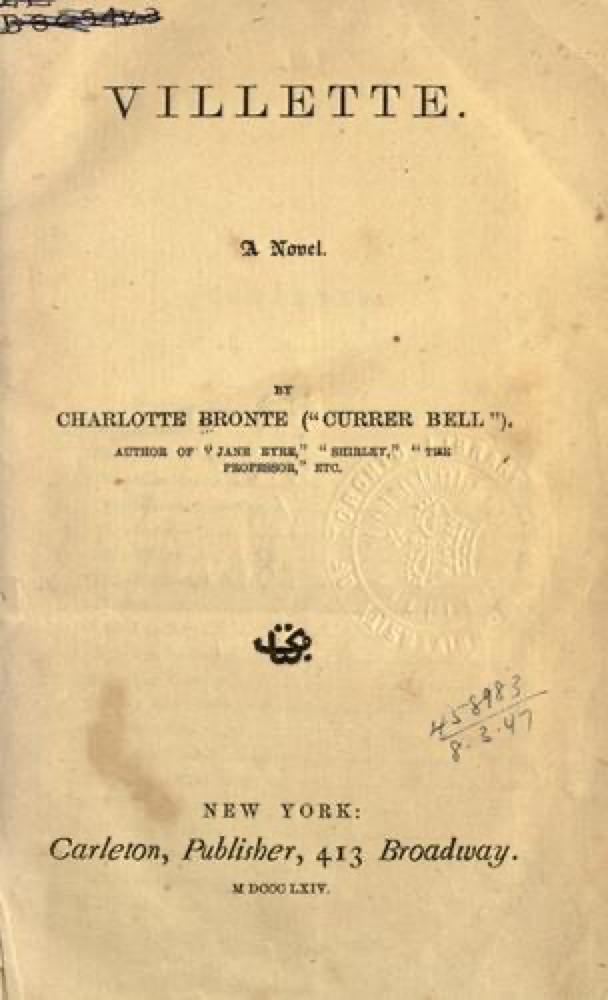 Villette
 Incantation
 A Well-Tempered Heart
 My Darling Dreadful Thing
 Our Mutual Friend
 The Beautiful
 The Lost Sisterhood
 Phantastes
 Just as I Am
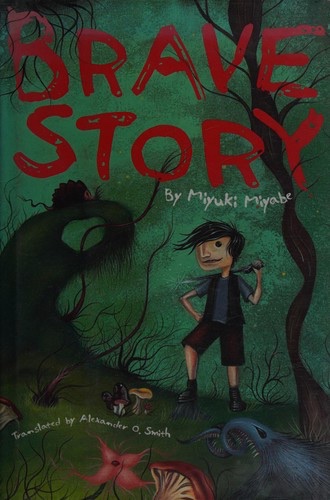 Brave Story
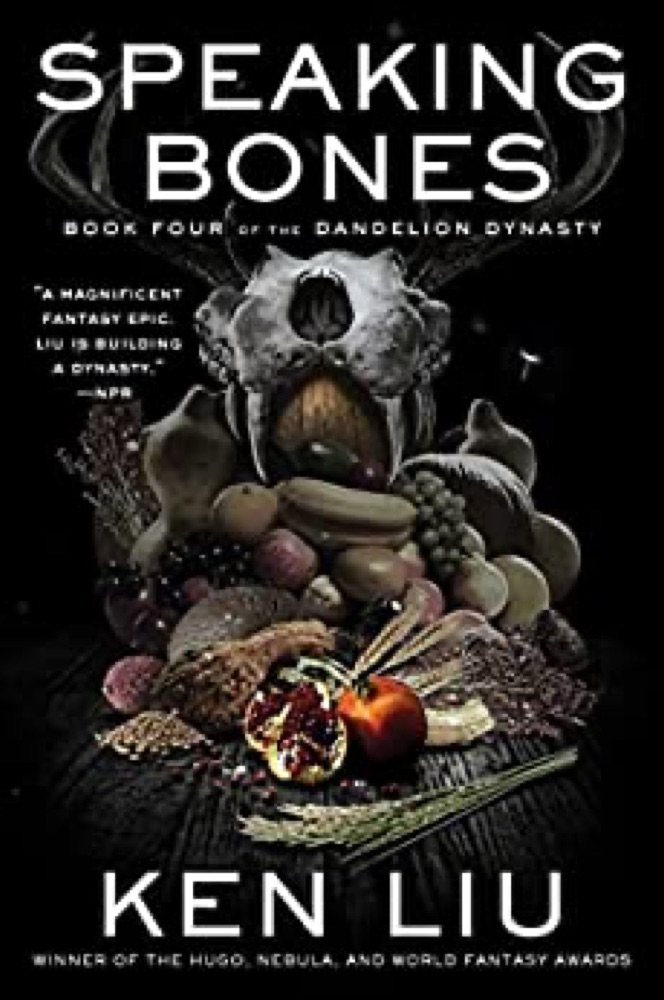 Speaking Bones
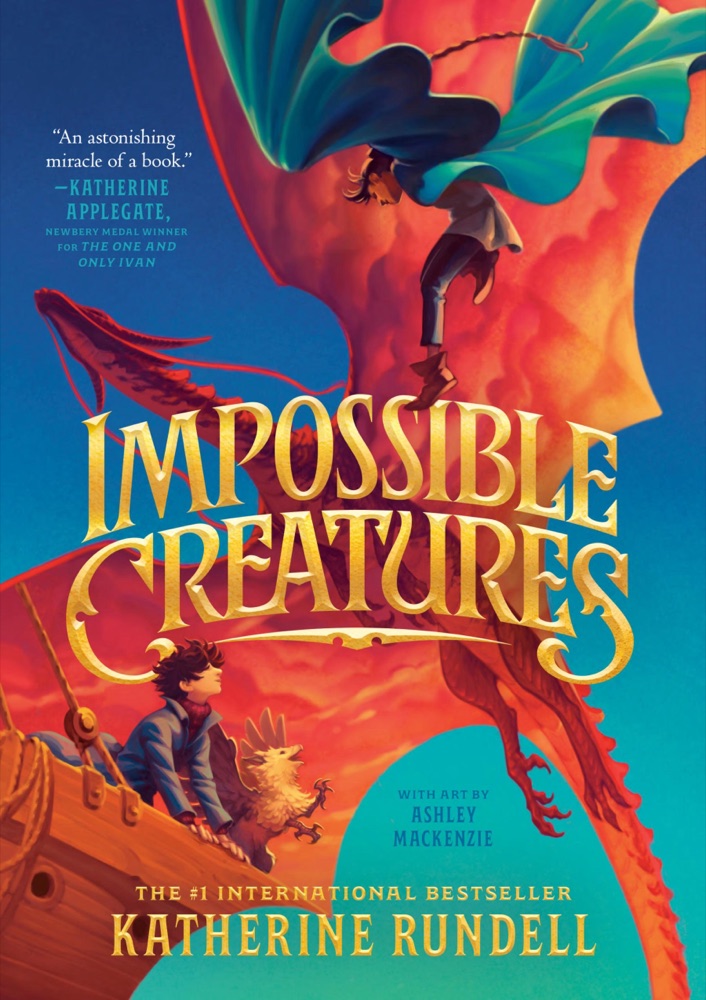 Impossible Creatures
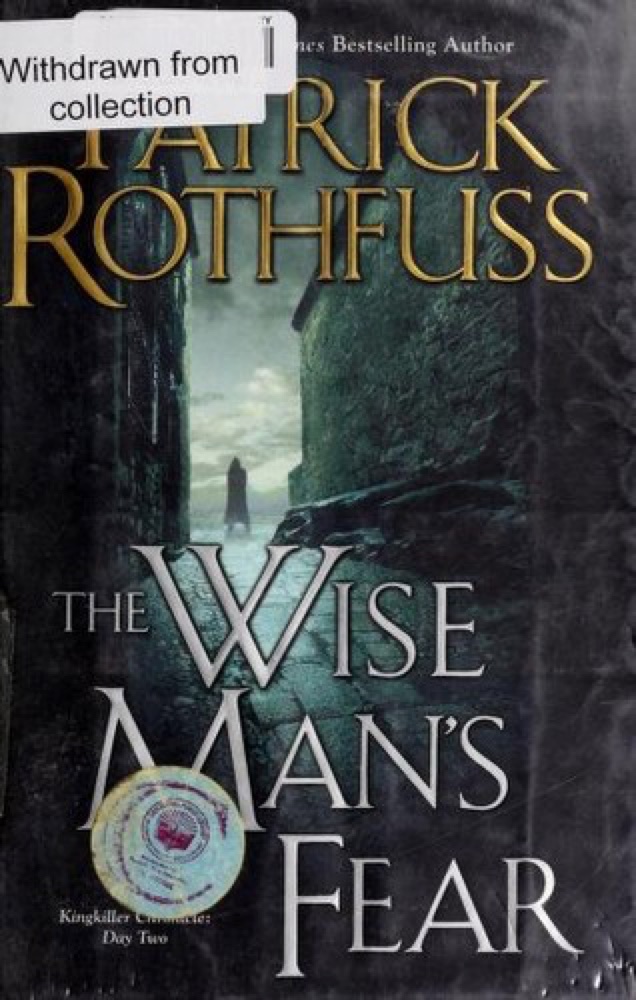 The Wise Man's Fear
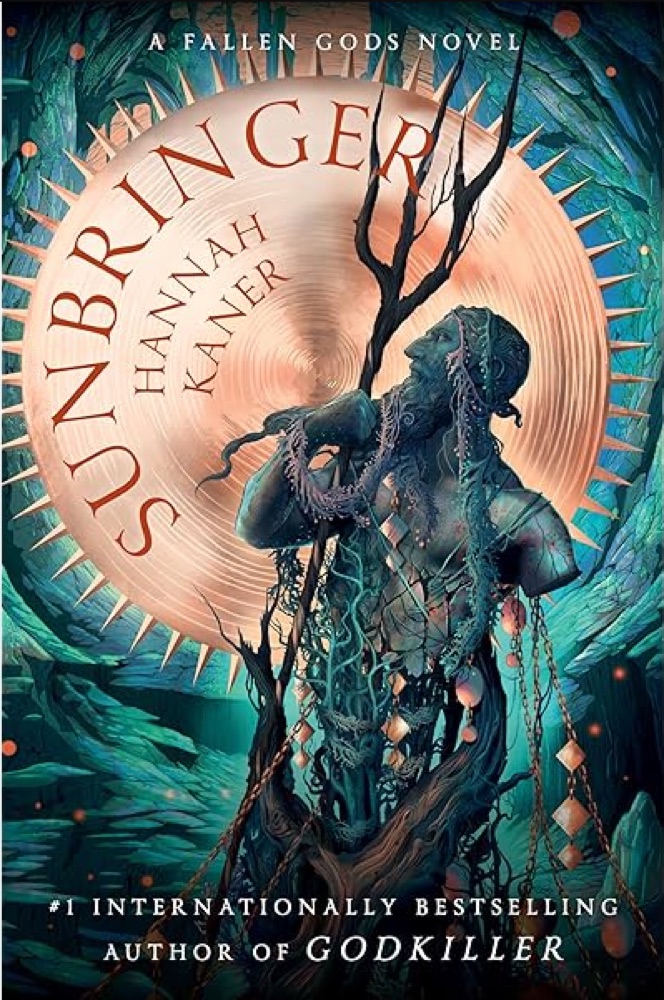 Sunbringer
 Elizabeth Finch
 Dracula
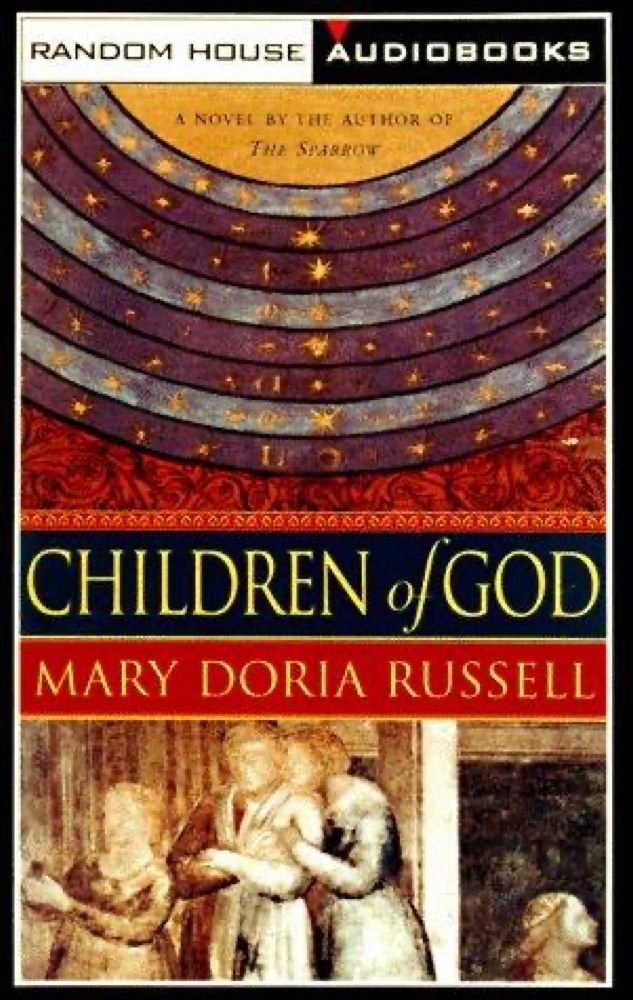 Children of God
 The Fates Divide
 Daniel Deronda
 Lila
Lila
 Jane Steele
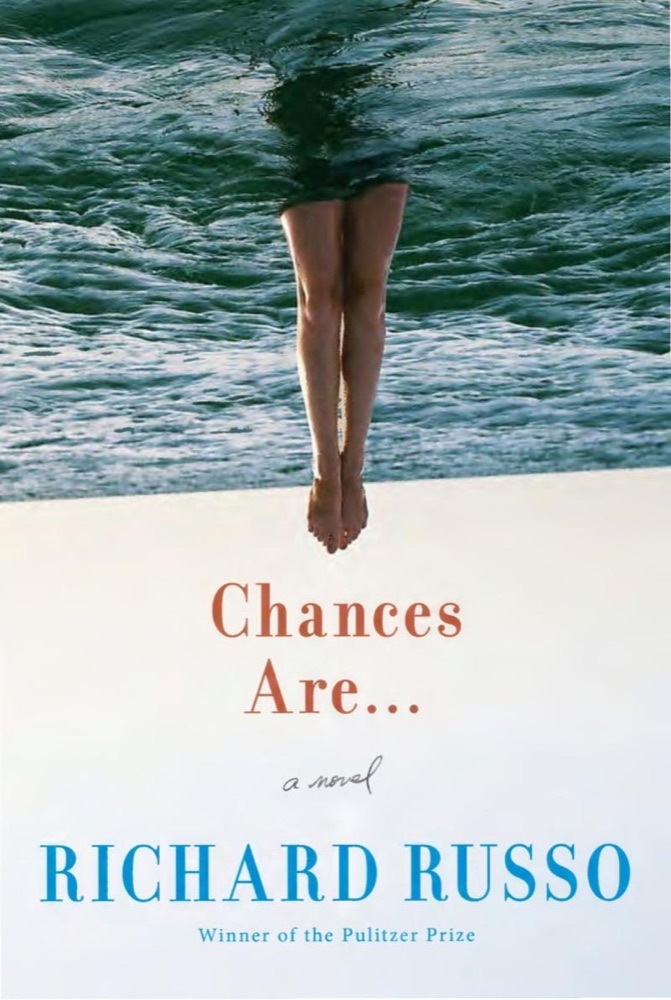 Chances Are...
 The Goldfinch
 Ahab's Wife, or The Star-Gazer
 The Left Hand of God
 Ship of Destiny
 The Witch of Portobello
 Queen of Song and Souls
 Lifeblood
 Muse of Nightmares
 The Mountain Shadow
 My Friends
 The Book That Broke the World
 The Sea Keeper's Daughters
 The Queen of the Damned
 All My Knotted-Up Life: A Memoir
 Simply Love
 The Queen of the Night
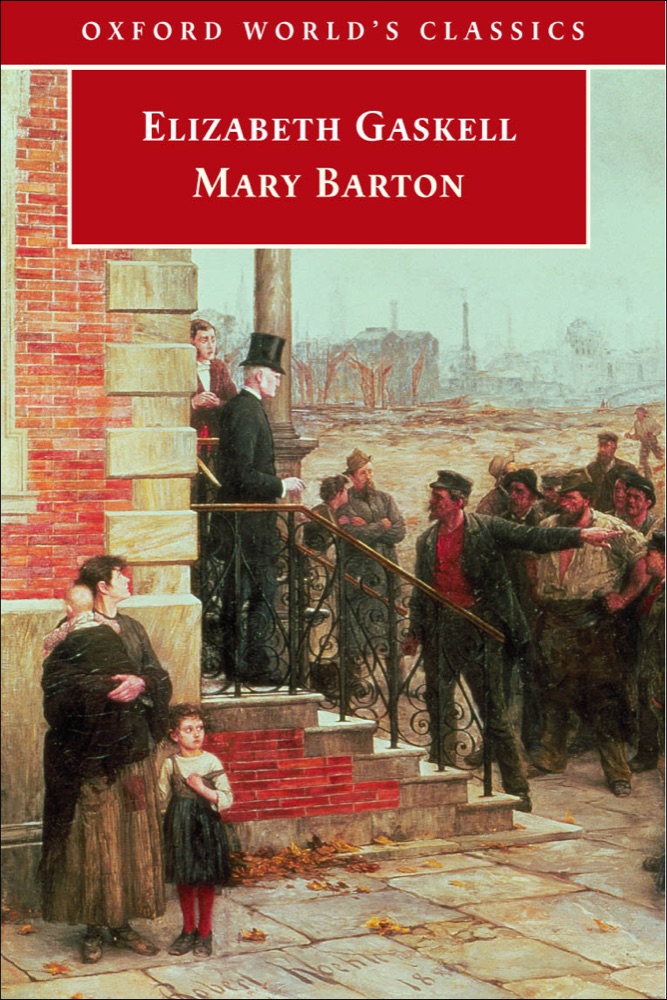 Mary Barton