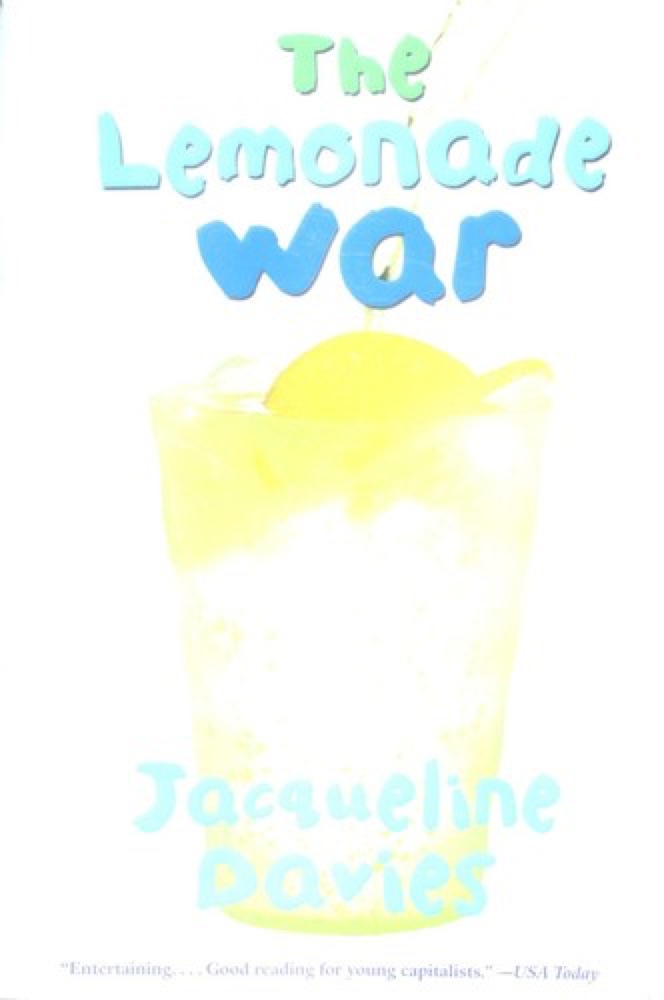

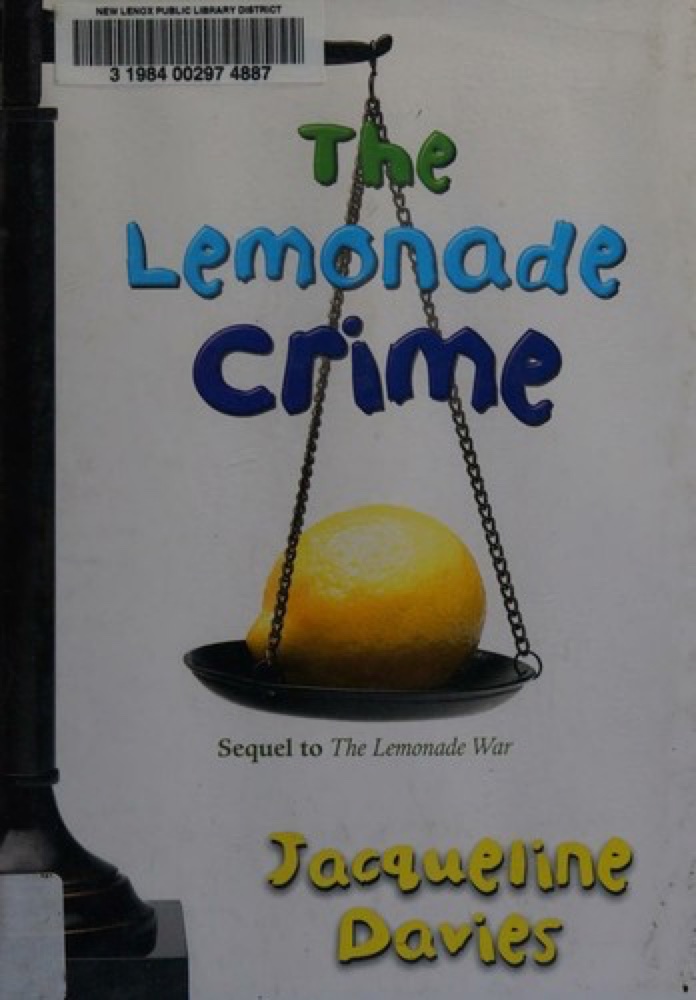
 The Lemonade Crime
Quotes from the Book
It’s like you miss a year of your life,
said, “You spelled lemonade wrong. It’s an o, not an i.” But she thought, Oh, good! A lemonade stand. My favorite thing to do! The boys didn’t say anything. Jessie saw Evan’s mouth tighten up. “You want me to make the lemonade?” she asked.
Jessie reached for 'Ten Bright Ideas to Light Up Your Sales'. It was on her bedside table, right next to 'Charlotte's Web'. Jessie's hand hovered. She looked longingly at Wilbur and Fern watching Charlotte hanging b a thread. But this was war, and she couldn't stop to read for fun.
All the nervousness she’d been feeling about skipping to fourth grade suddenly burbled up inside her.
sit back and watch the money roll in.
Watch on YouTube
About Jacqueline Davies
We have collected 11 quotes from 2 books by Jacqueline Davies on BookQuoters.
More about the author →More by Jacqueline Davies
The Lemonade Crime
Book details
- Author
- Jacqueline Davies
- Genre
- Fiction
- Goodreads rating
- 3.89 (25k ratings) →
Keep reading
 Champagne and Lemon Drops
 The Girl Who Chased the Moon
 The Wednesday Wars
 Three Wishes
 Raymie Nightingale
 The Fever
 Garden Spells
 Feed
Feed
 The Basic Eight
 Moonlight Mile
 Inside Out & Back Again
 The Glass Castle
 The Sleepwalker's Guide to Dancing
 A Corner of White
 Slammerkin
 The Second Summer of the Sisterhood
 The Pearl Thief
 The Particular Sadness of Lemon Cake
 Forever in Blue: The Fourth Summer of the Sisterhood
 A Spool of Blue Thread
 Hattie Big Sky
 Litani
 Angry Housewives Eating Bon Bons
 Girl Unmoored
 The Start of Me and You
 The Little Sister
 Tweet Cute
 Conversion
 Blue Bloods
 One Plus One
 Since You've Been Gone
 The Girl With All the Gifts
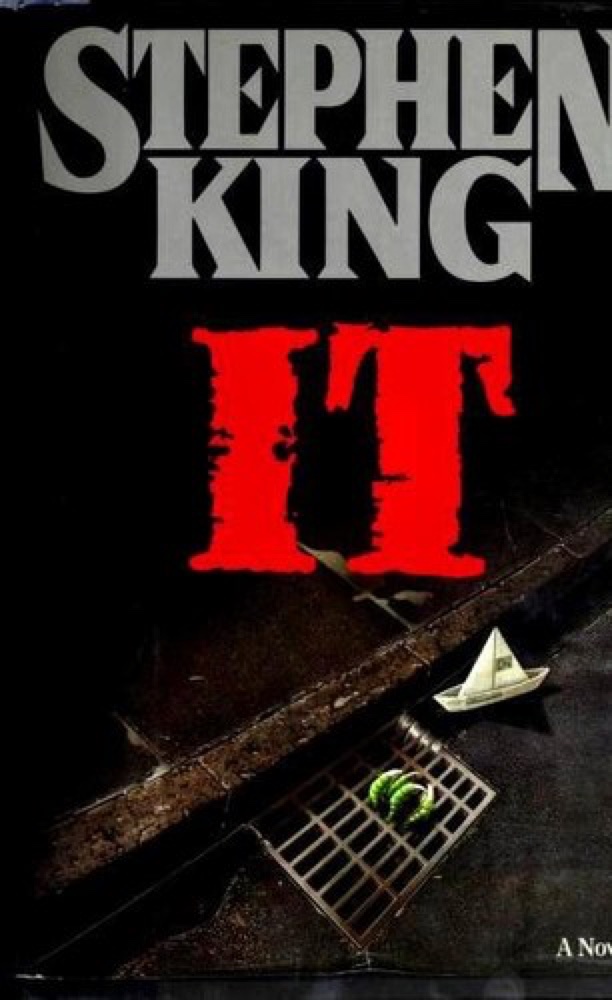 It
It
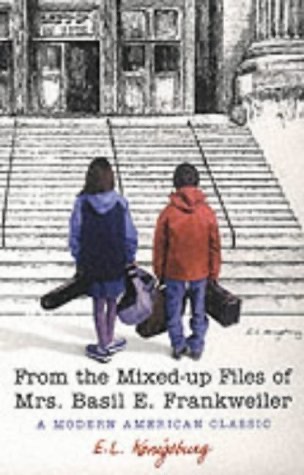 From the Mixed-Up Files of Mrs. Basil E. Frankweiler
 A Thousand Acres
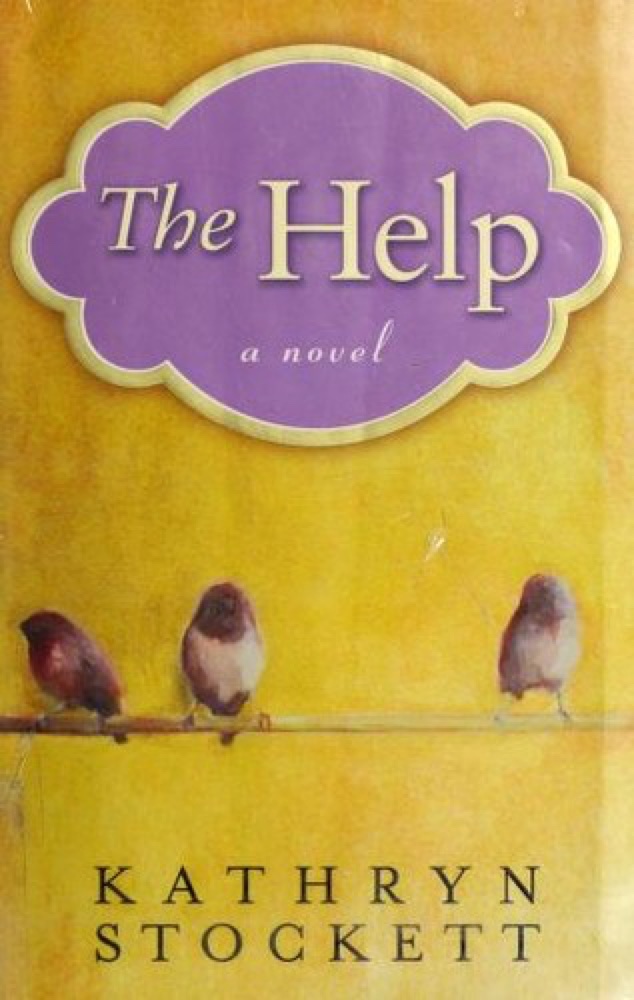 The Help
 The Hazel Wood
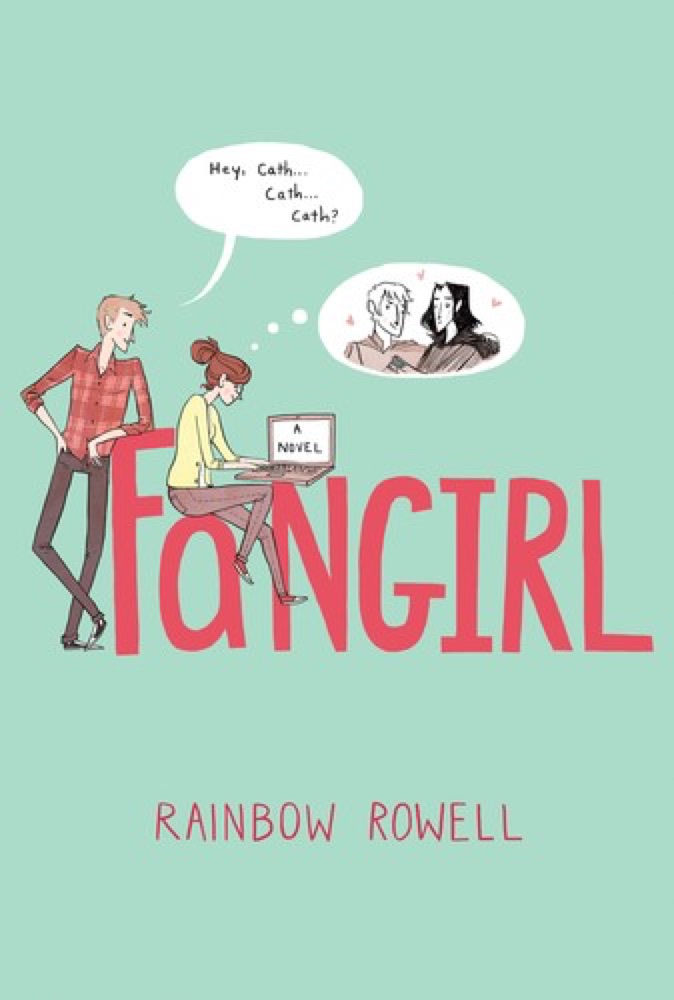 Fangirl
 The Mezzanine
 In Between
 Other Birds
 Tithe
Tithe
 The Girl Next Door
 All-American Girl
 Distant Shores
 The Shadow of the Bear
 Little Children
 The Girl In Between
 Out of the Easy
 The Color Master: Stories
 Magic for Liars
 Notes on Your Sudden Disappearance
 Flipped
 The Liars' Club
 Six Years
 The Box in the Woods
 Because of Winn-Dixie
 Caught
 Follow You Home
 One Crazy Summer