
 Holy Bible: ESV Bible
Quotes from the Book
For there was never any yet that wholly could escape love, and never shall there be any, never so long as beauty shall be, never so long as eyes can see.
For this will cure him that is sick, and rouse him that is in dumps; one that has loved, it will remember of it; one that has not, it will instruct. For there was never any yet that wholly could escape love, and never shall there be any, never so long as beauty shall be, never so long as eyes can see. But help me that God to write the passions of others; and while I write, keep me in my own right wits.
He is so poor that he could not keep a dog.
Denn gegen die Liebe ist kein Kraut gewachsen, gegen sie hilft kein Trank, keine Speise, nichts, was in Zaubersprüchen gemurmelt wird, sondern nur Kuss und Umarmung und nackt beieinanderzuliegen. - Philetas
While Nape was making the bread and Dryas boiling the ram, Daphnis and Chloe had time to go forth as far as the ivy-bush; and when he had set his snares again and pricked his lime-twigs, they not only catched good store of birds, but had a sweet collation of kisses without intermission, and a dear conversation in the language of love: "Chloe, I came for thy sake." "I know it, Daphnis." "'Tis long of thee that I destroy the poor birds." "What wilt thou with me?" "Remember me." "I remember thee, by the Nymphs by whom heretofore I have sworn in yonder cave, whither we will go as soon as ever the snow melts." "But it lies very deep, Chloe, and I fear I shall melt before the snow." "Courage, man; the Sun burns hot." "I would it burnt like that fire which now burns my very heart." "You do but gibe and cozen me!" "I do not, by the goats by which thou didst once bid me to swear to thee.
Watch on YouTube
About Unknown
We have collected 3744 quotes from 245 books by Unknown on BookQuoters.
More about the author →More by Unknown
Holy Bible: ESV Bible
 Holy Bible, NKJV
 The New Oxford Annotated Bible: New Revised Standard Version
 Hagakure: The Book of the Samurai
Book details
- Author
- Unknown
- Genre
- Classics
- Goodreads rating
- 3.80 (6k ratings) →
Keep reading
 The Romance of Tristan and Iseult
 The Two Gentlemen of Verona
 Mythology
 Venus and Adonis
 The Complete English Poems
 La dame aux camélias
 Victoria
 Love's Labour's Lost
 Arch of Triumph
 Phantastes
 Les Misérables
 The Canterbury Tales
 The Letters of Abélard and Héloïse
 The Complete Poems
 Sons and Lovers
 The Book of Love: Poems of Ecstasy and Longing
 Oblomov
 The Conference of the Birds
 The Dean's Watch
 Love in the Time of Cholera
 A House of Pomegranates
 The Symposium
 Rain and Other South Sea Stories
 Narcissus and Goldmund
 The Diary of Adam and Eve
 The Painted Veil
 Our Mutual Friend
 Lovely War
 Maurice
 The Song of Achilles
 The Fiery Cross
 The Infernal Devices: Clockwork Angel
 First Love
 The Left Hand of God
 Independent People
 Serpent & Dove
 Stardust
 The Monk
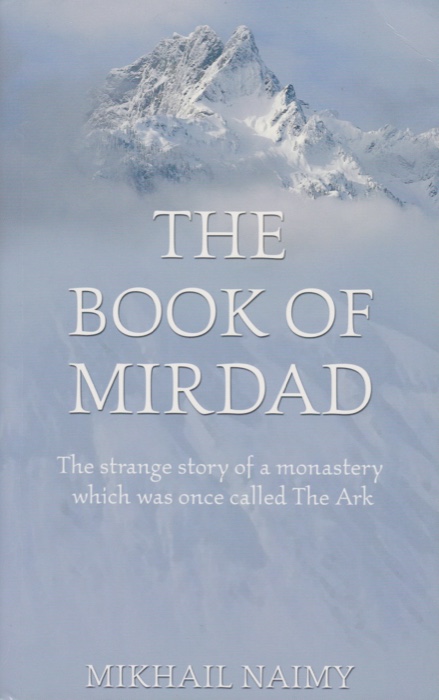 The Book of Mirdad: The Strange Story of a Monastery Which Was Once Called the Ark
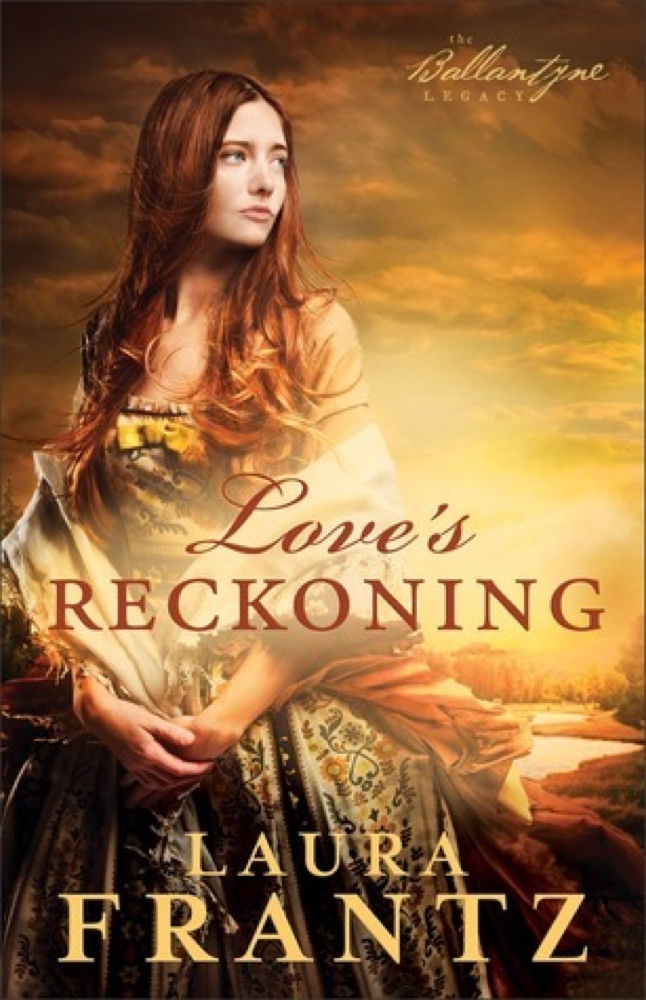 Love's Reckoning
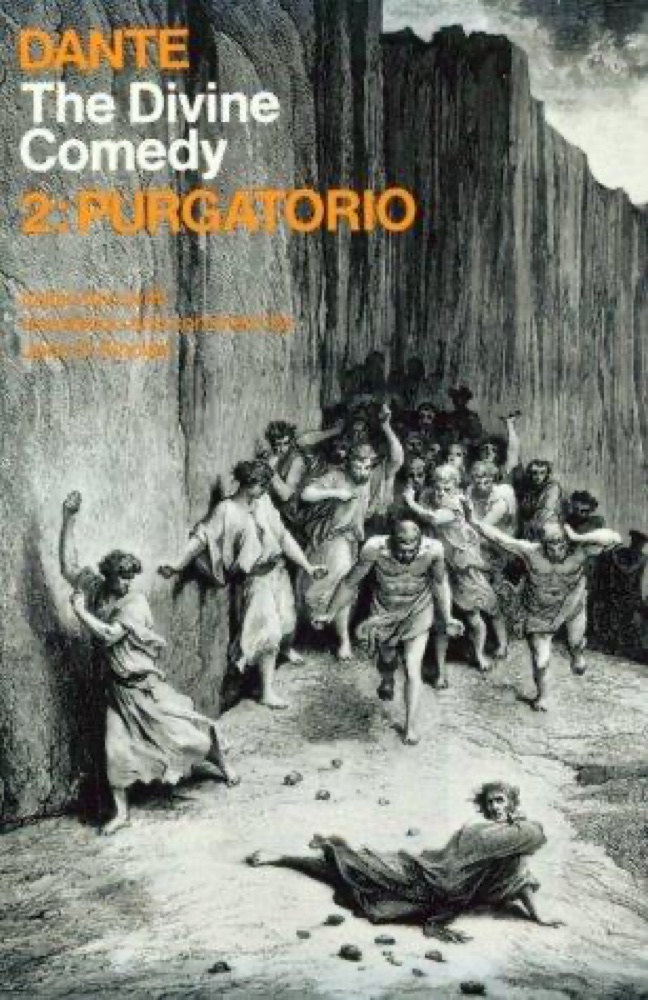 Purgatorio
 The Professor
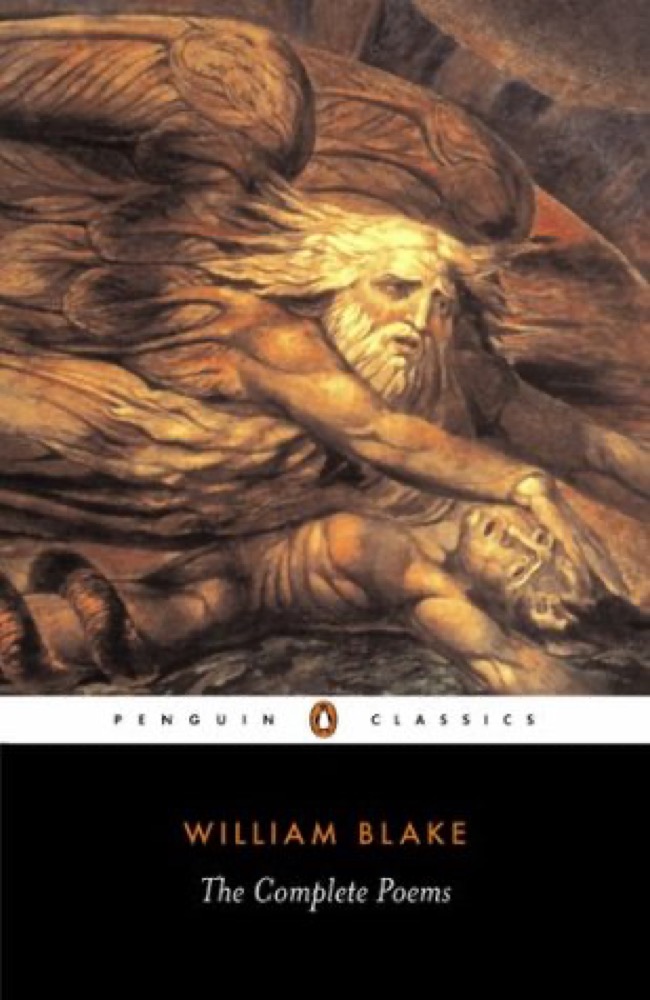 The Complete Poems
 Gabriel's Inferno
 The Curse of the Wendigo
 Confessions
 Spring Snow
 At the Back of the North Wind
 Corelli's Mandolin
 Mademoiselle de Maupin
 Birds Without Wings
 Sonnets from the Portuguese
 Juliet
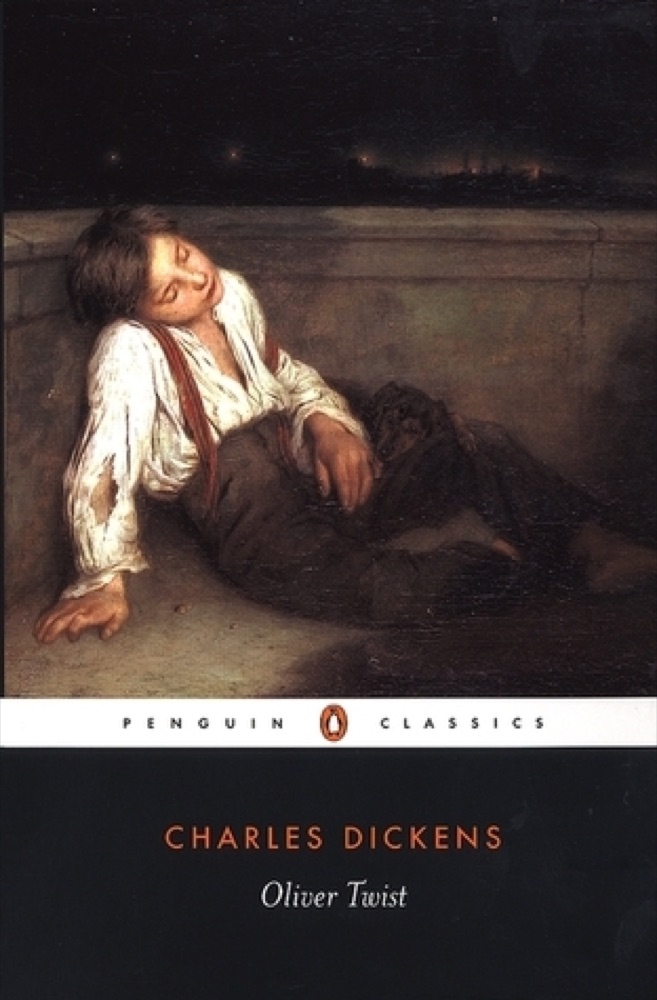 Oliver Twist
 Ben-Hur: A Tale of the Christ
 Bed of Roses
 De Profundis
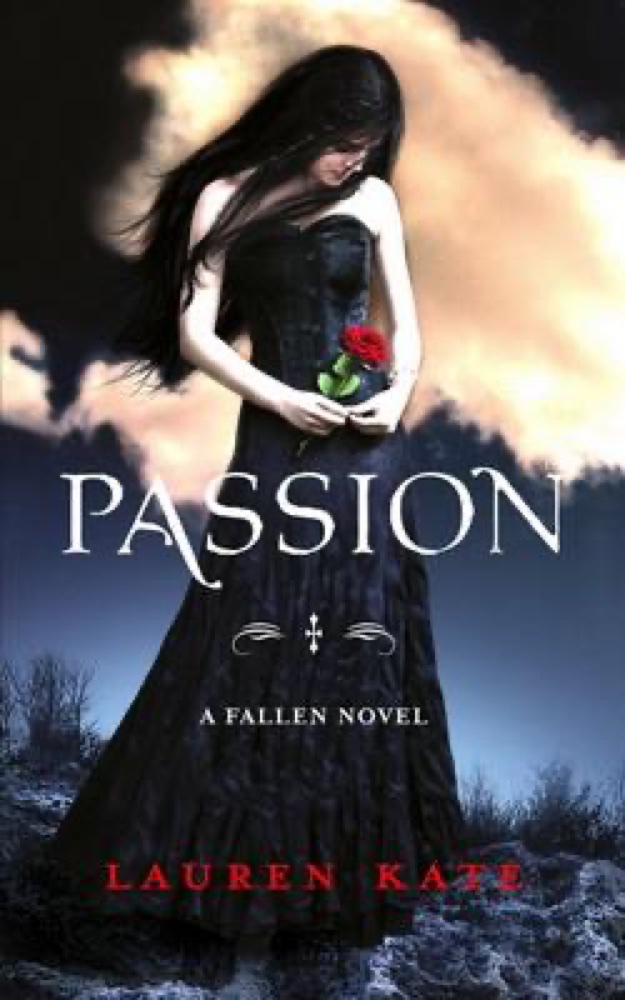 Passion
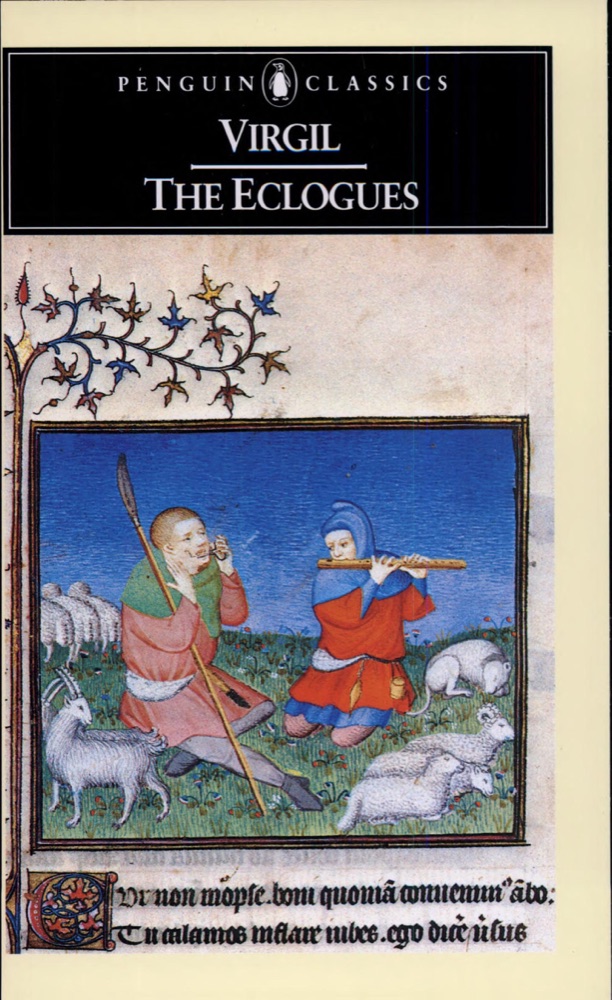 The Eclogues
 The Complete Stories and Poems