

 The Children Act
Quotes from the Book
She felt as if she was standing at the edge of an abyss, but she was in no way counting on God to rescue her. On the contrary. I don’t believe in any of it. Not anymore.
If the boy did have a good and loving mother somewhere, surely they would find her. God only knew how she wanted to believe it. Every single day, she practiced her detachment skills, trying not to care about everything that was wrong with the world. Or rather...to care, but in a suitably civilized manner, with an admirable commitment that might still be set aside when she came home to Morten and her family, complete with well-reasoned and coherent opinions of the humanist persuasion. Right now she felt more like one of those manic women from the animal protection societies, with wild hair and ever wilder eyes. Desperate.
Only as long as one did what one always did would one remain relatively invisible.
Nina couldn’t help wondering if the lives of other people were really as simple as they looked. As simple, and as happy.
And the real beauty of it all for the cynical exploiters was that ordinary people didn’t care. Not really. No one had asked the refugees, the prostitutes, the fortune hunters, and the orphans to come knocking on Denmark’s door. No one had invited them, and no one knew how many there were. Crimes committed against them had nothing to do with ordinary people and the usual workings of law and order. It
She knew precious little about Lithuania, she realized, and her ideas had run along the lines of Soviet concrete ghettos, TB-infected prisons, and a callous mafia. Somehow,
Os pecadores eram bem mais interessantes que as pessoas comuns – a própria Bíblia atestava isso.
Watch on YouTube
About Lene Kaaberbøl
We have collected 7 quotes from 1 book by Lene Kaaberbøl on BookQuoters.
More about the author →Book details
- Author
- Lene Kaaberbøl
- Genre
- Fiction
- Goodreads rating
- 3.62 (36k ratings) →
Keep reading
The Children Act
 What Strange Paradise
 Under the Skin
 Ship of Fools
 Another Country
 The Silent Corner
 The Book of the Unnamed Midwife
 The Daughter of Doctor Moreau
 The Story of the Lost Child
 A Slow Fire Burning
 One Step Behind
 A Reliable Wife
 Axiom's End
 The Faces
 Ordinary Monsters
 The Guest
 Case Histories
 The Expats
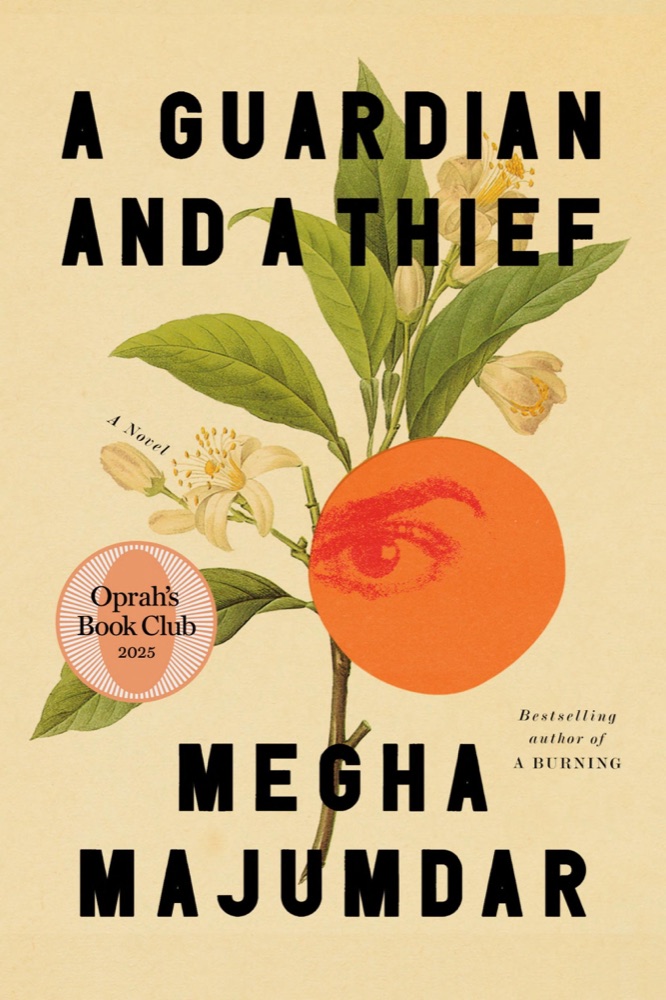 A Guardian and a Thief
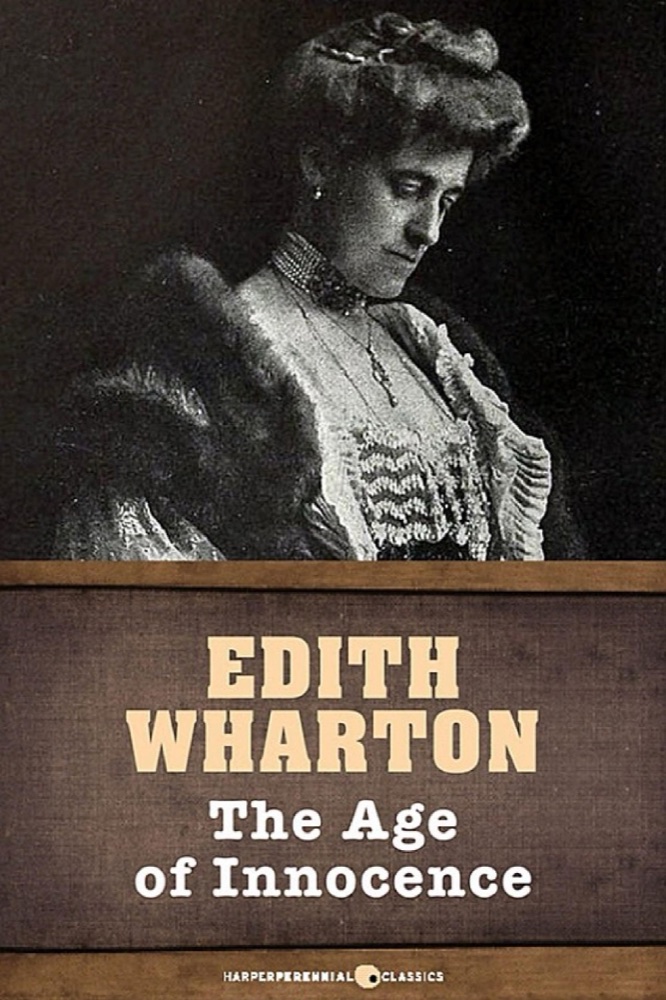 The Age of Innocence
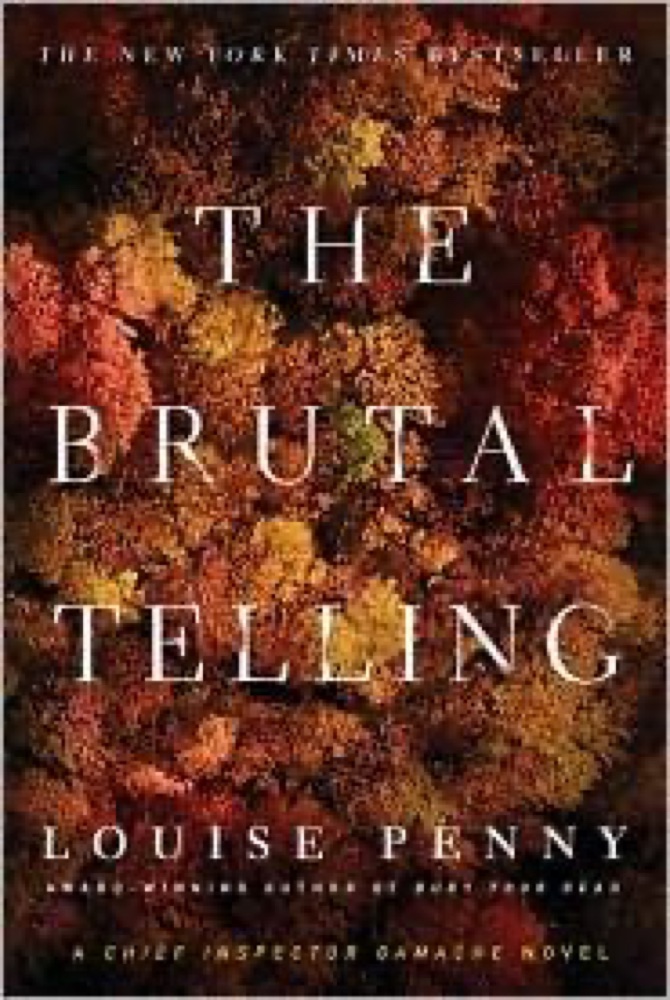 The Brutal Telling
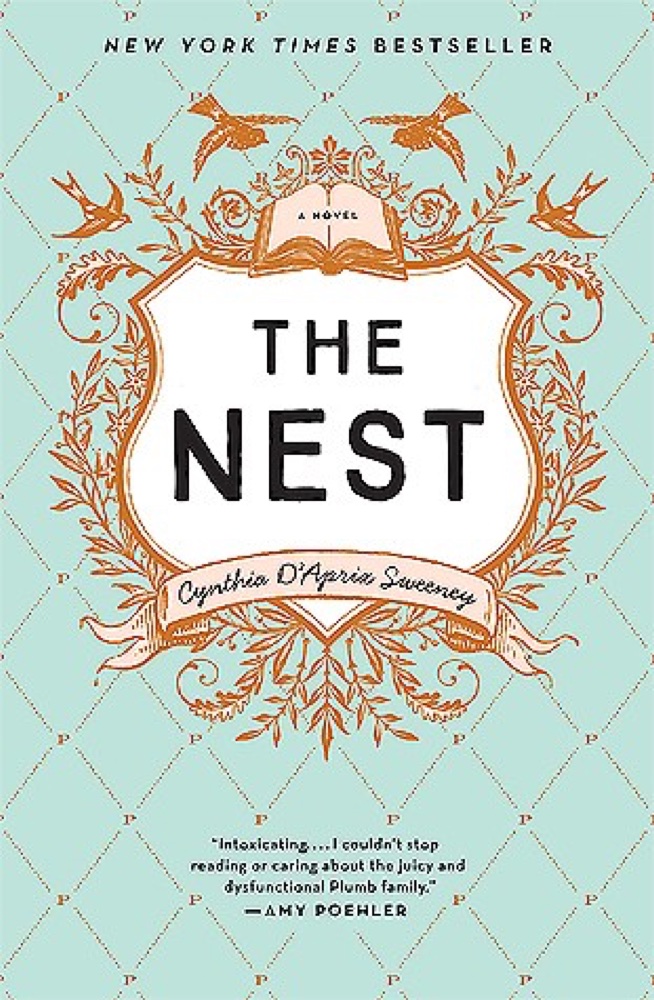 The Nest
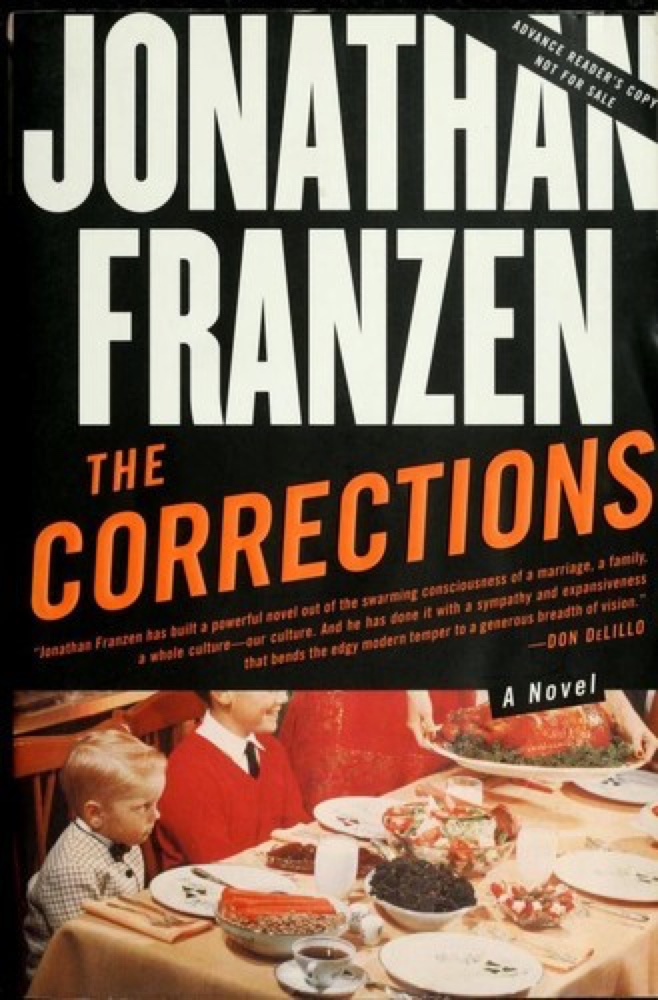 The Corrections
 The Atlas Paradox
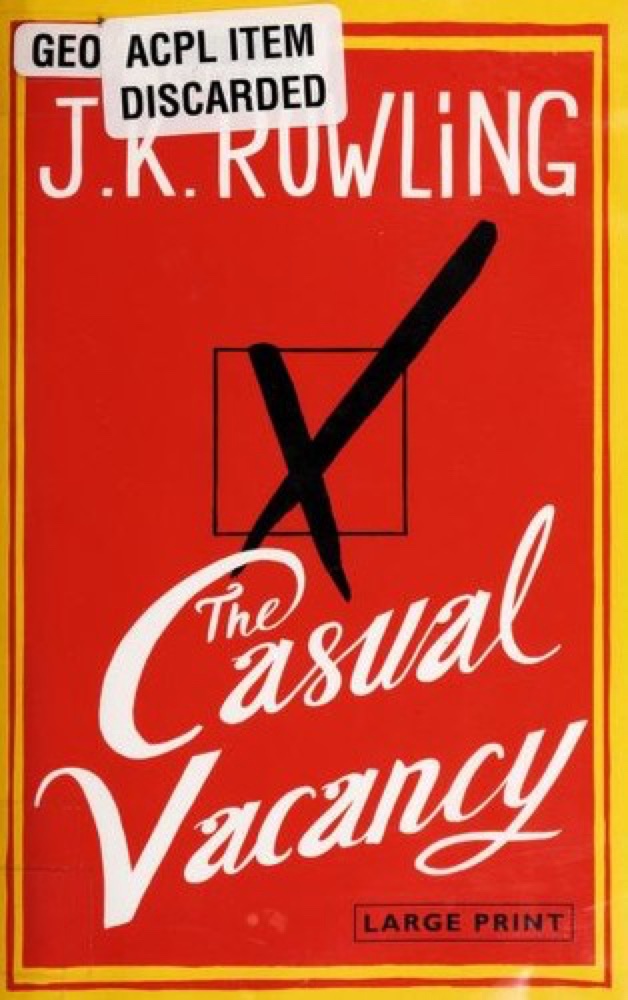 The Casual Vacancy
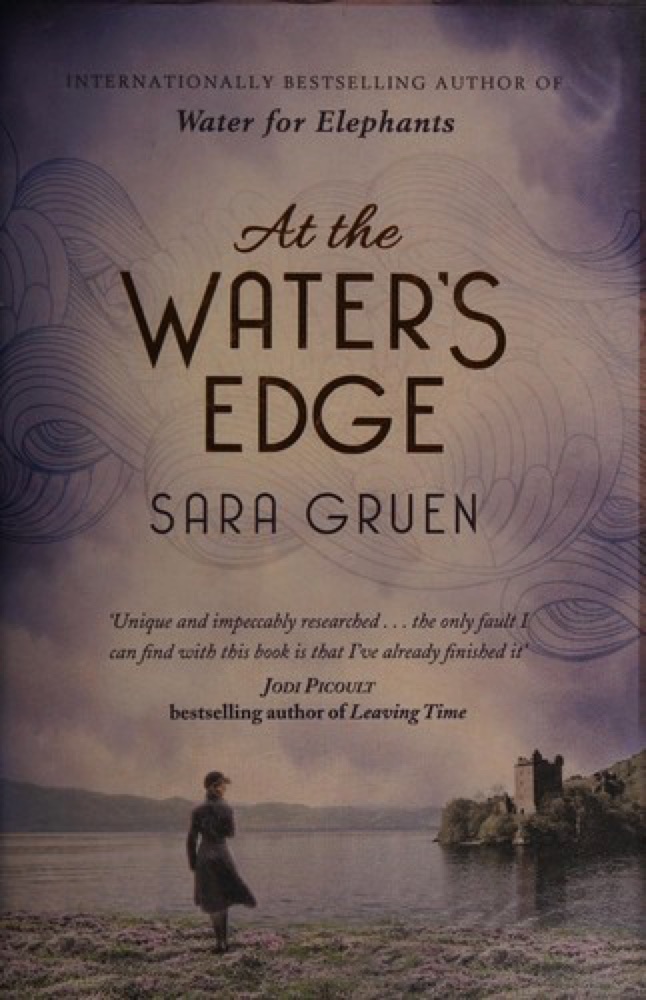 At the Water's Edge
 Flight Behavior
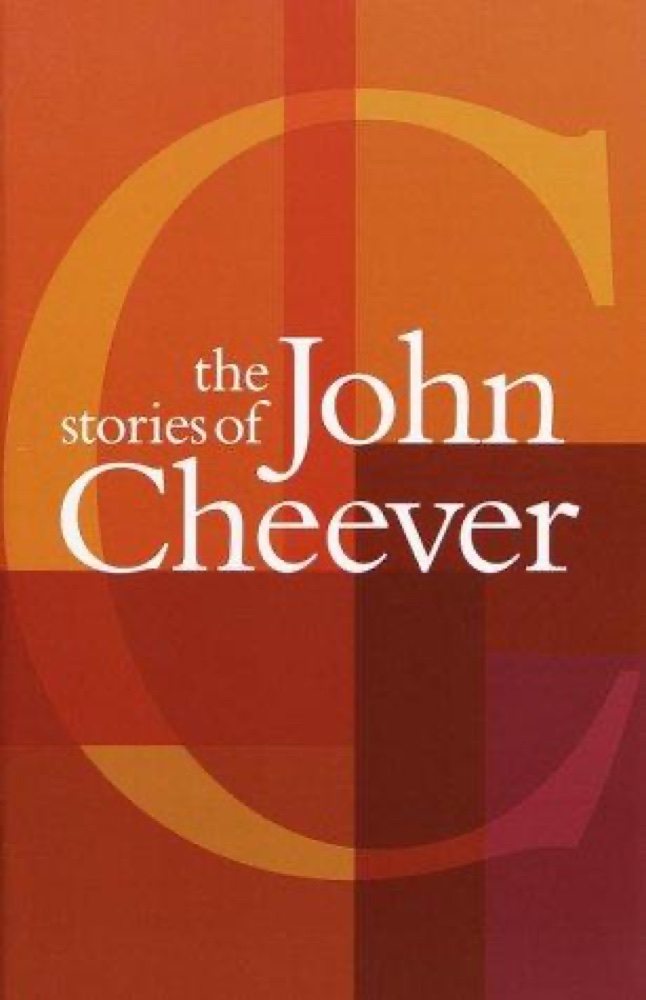 The Stories of John Cheever
 Ordinary Human Failings
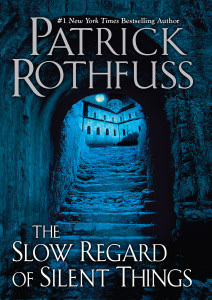 The Slow Regard of Silent Things
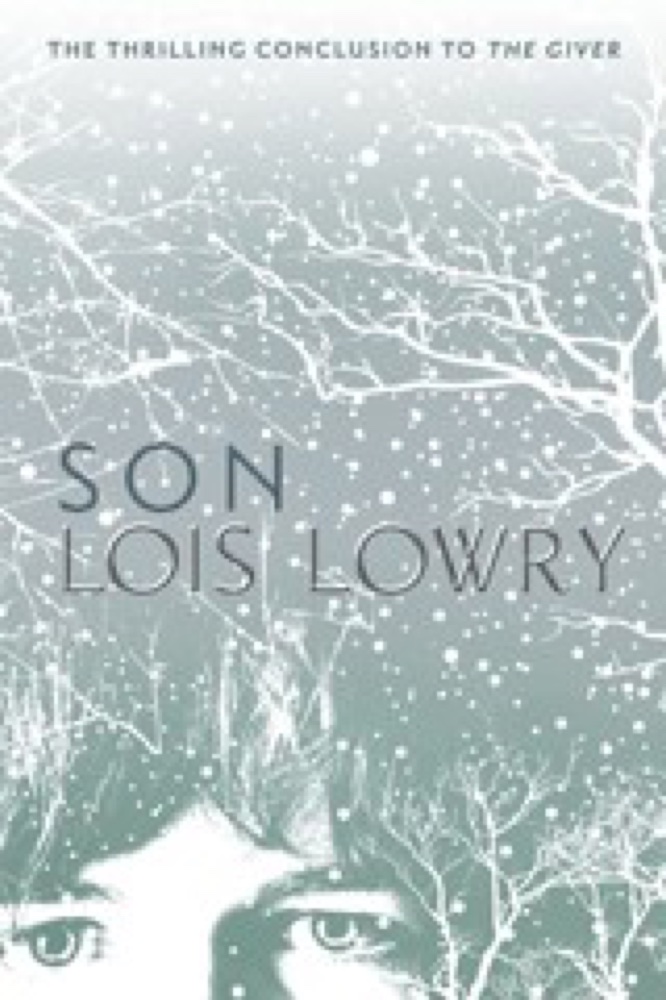 Son
Son
 The Heart Is a Lonely Hunter
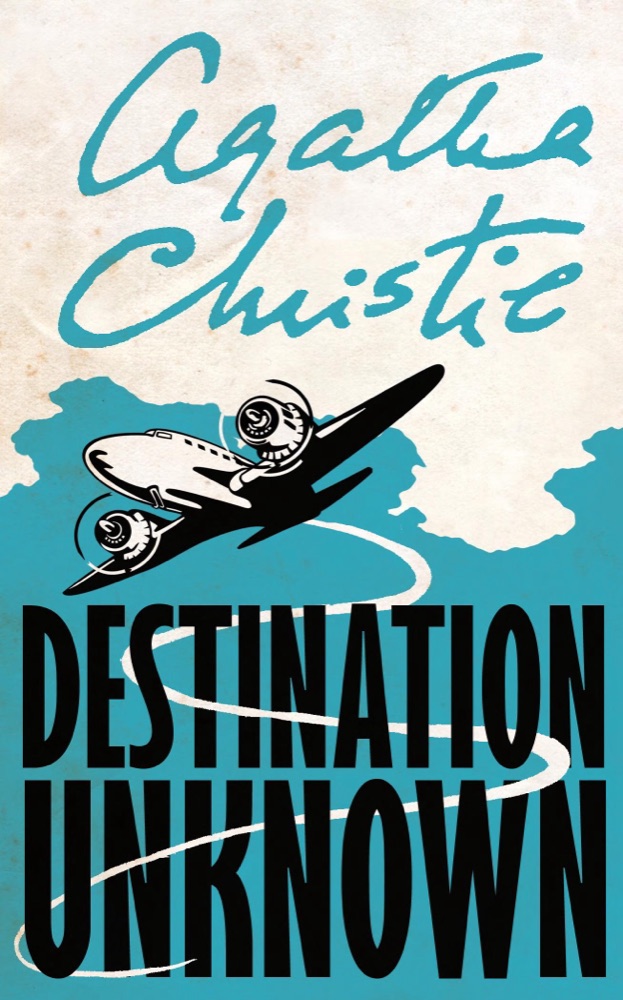 Destination Unknown
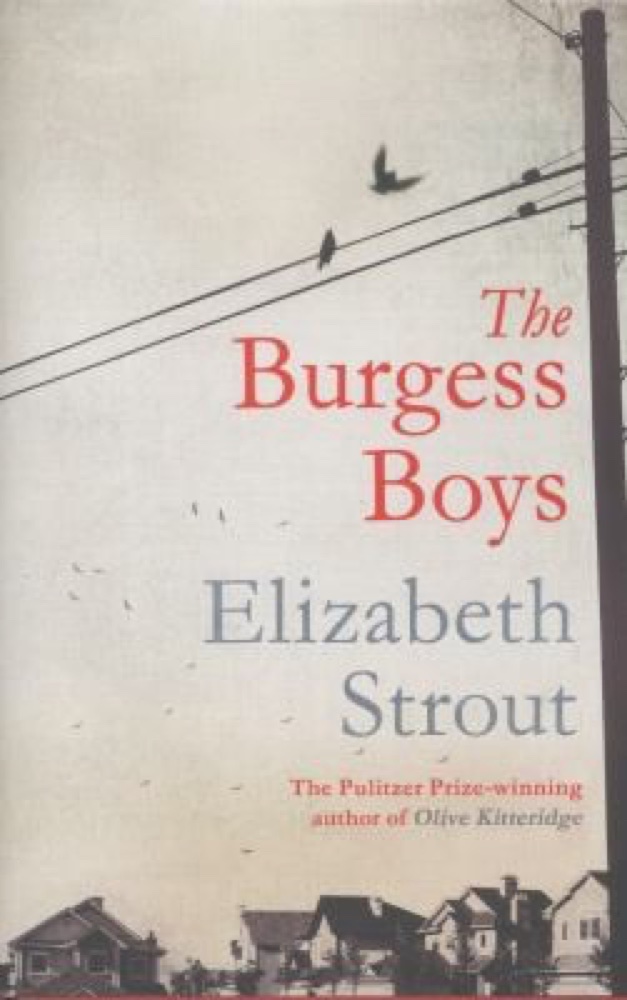 The Burgess Boys
 Birnam Wood
 A Dance to the Music of Time: 1st Movement
 The Forgotten Garden
 Silent Scream
 Last Night in Montreal
 Hush
Hush
 A Rule Against Murder
 The Fifth Woman
 The Jewel in the Crown
 Down Cemetery Road
 There's Someone Inside Your House
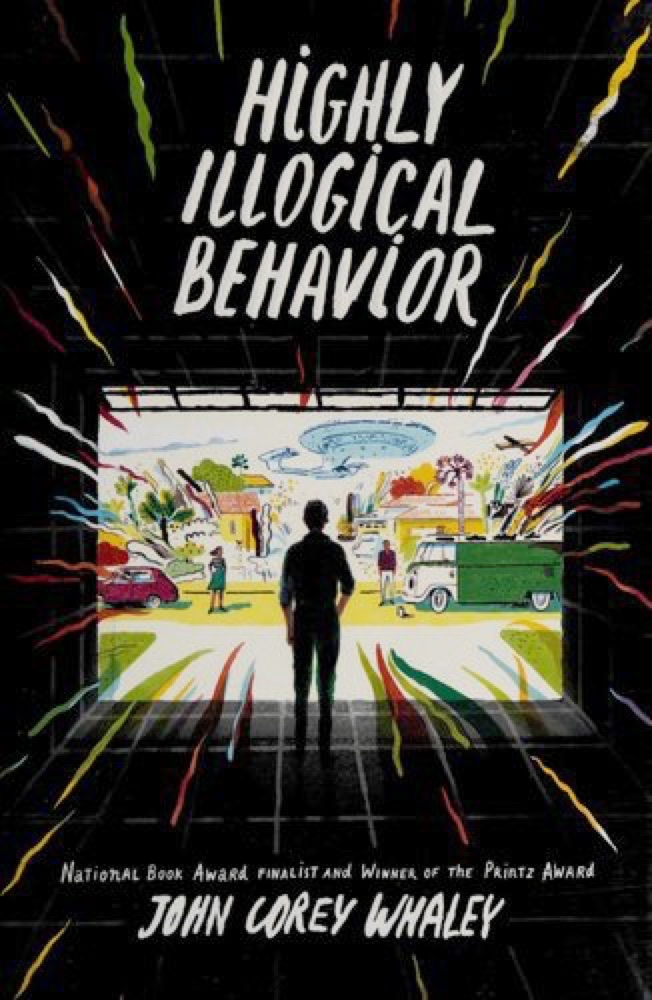 Highly Illogical Behavior
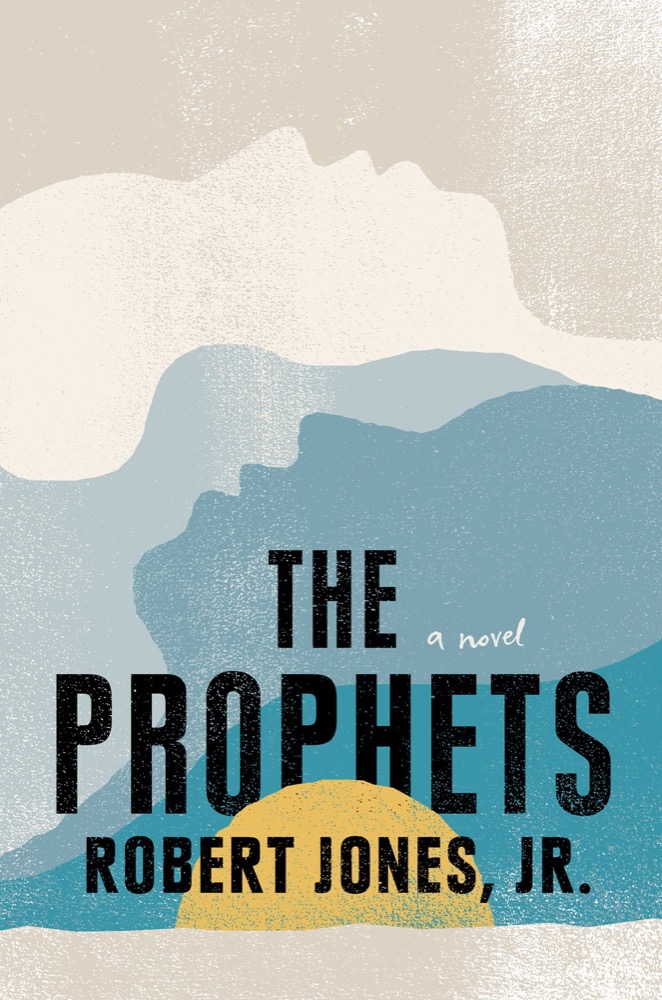 The Prophets
 Life After Life
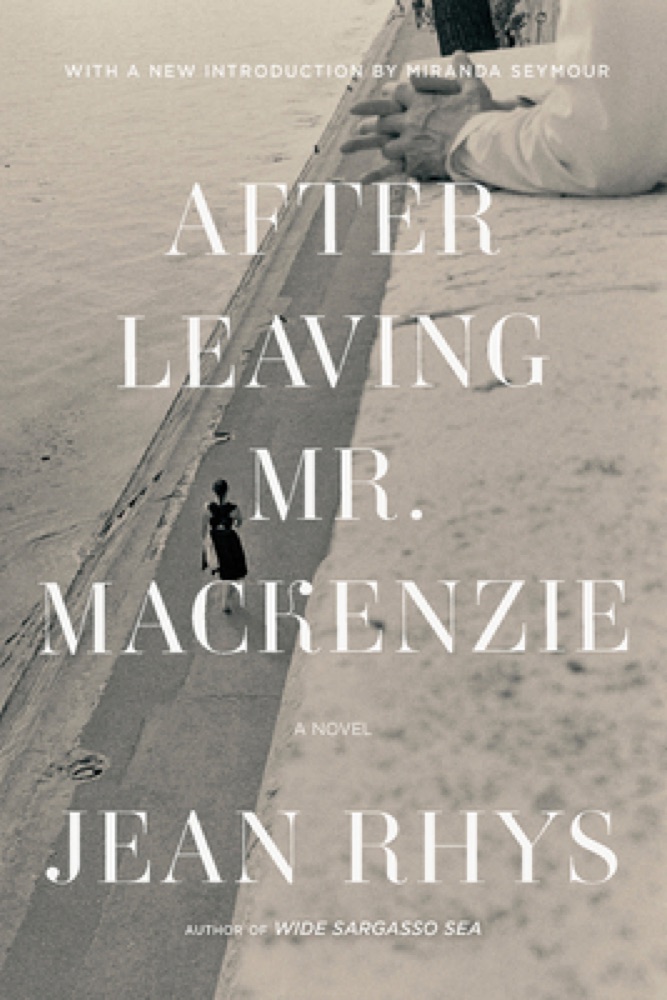 After Leaving Mr. Mackenzie
 No One Is Talking About This
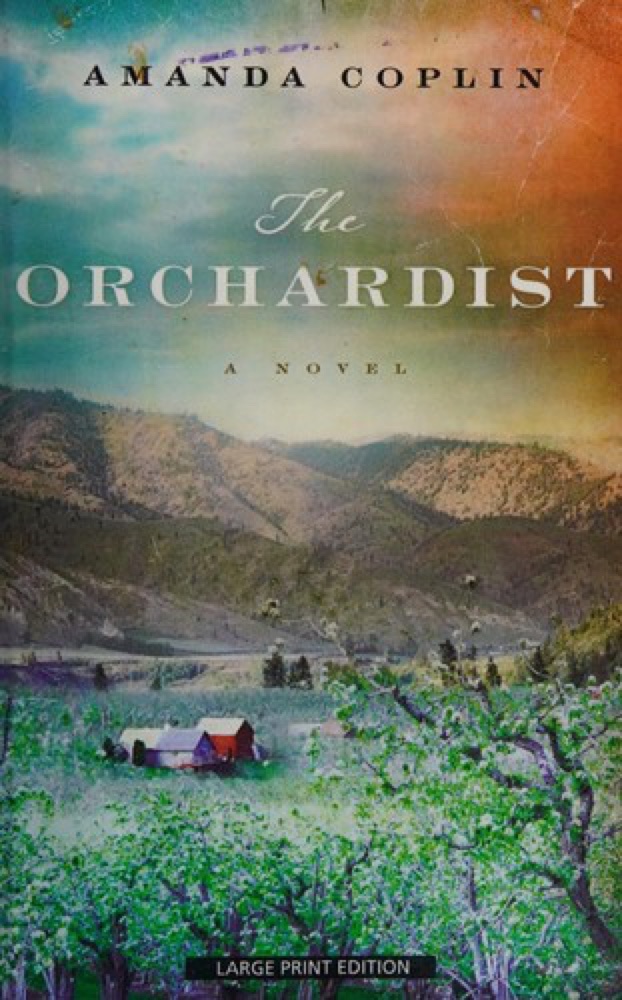 The Orchardist
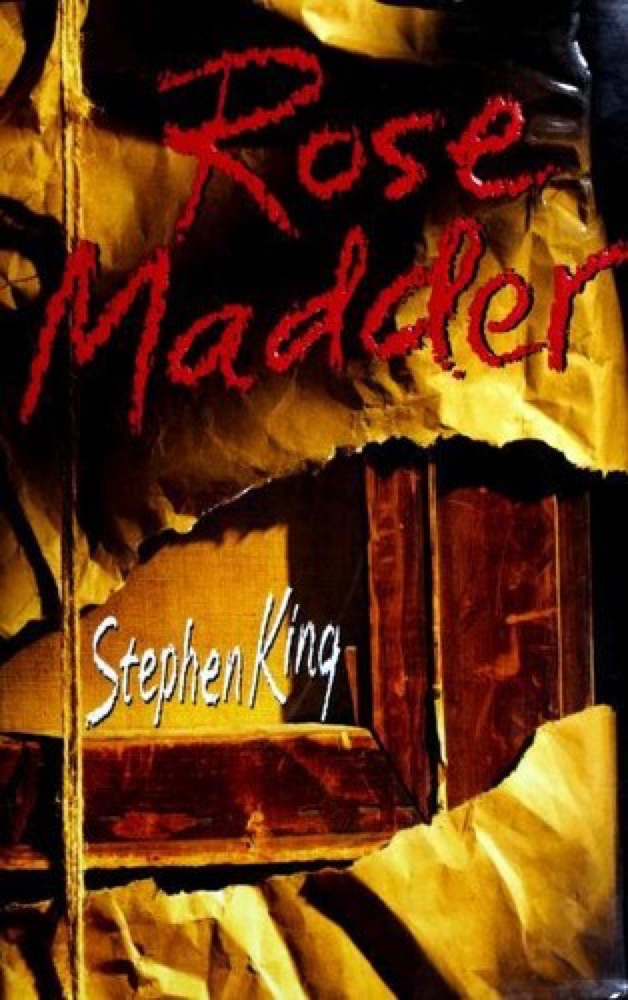 Rose Madder
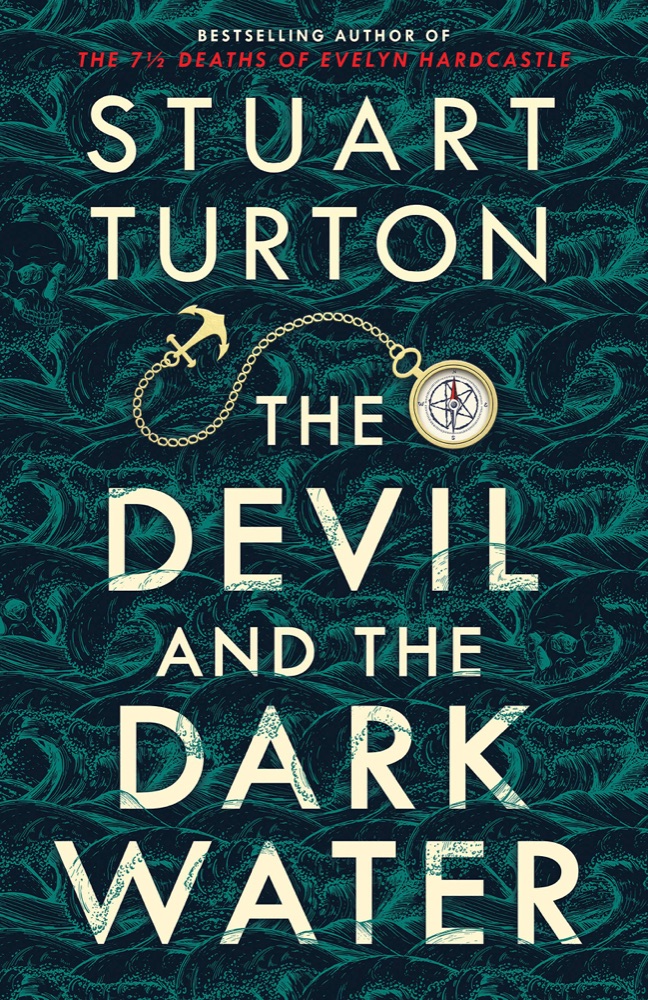 The Devil and the Dark Water
 Somebody Else's Daughter
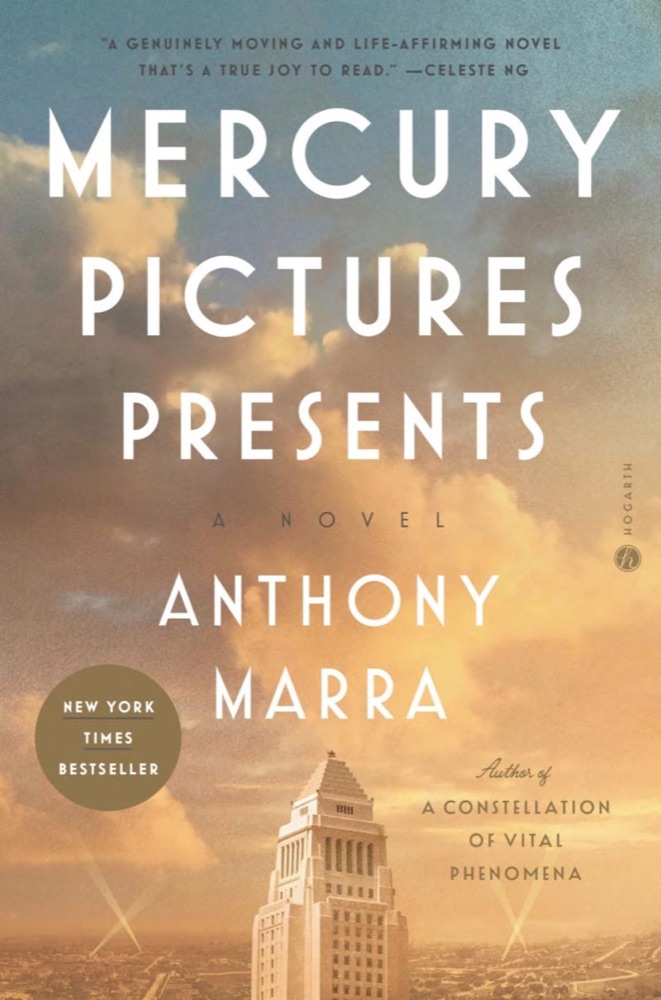 Mercury Pictures Presents
 The Voyage Out
 The Book of Strange New Things
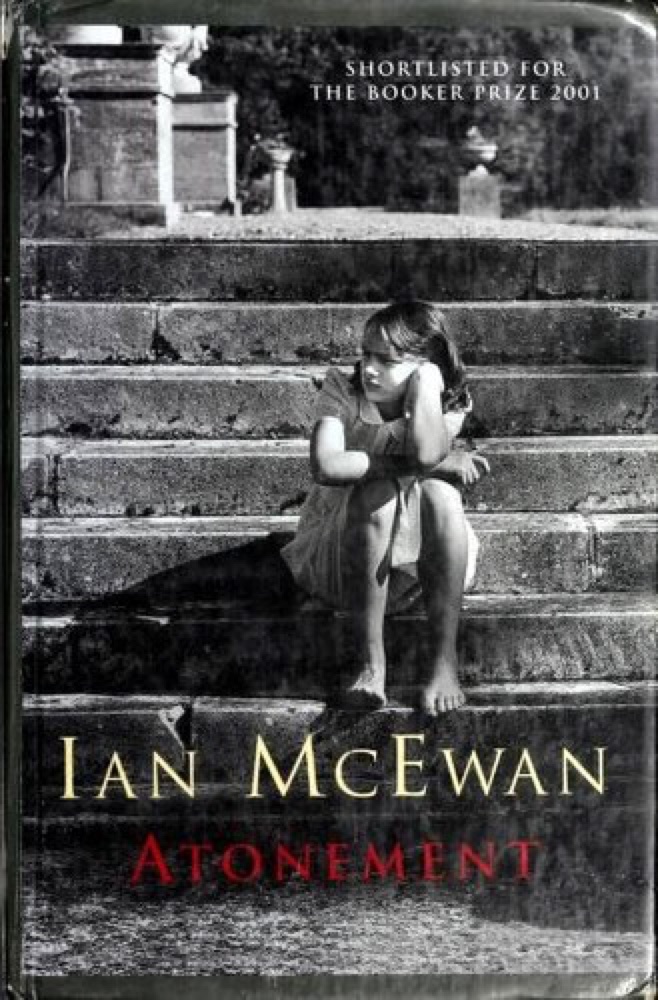 Atonement
 The Cuckoo's Calling
 No Name