
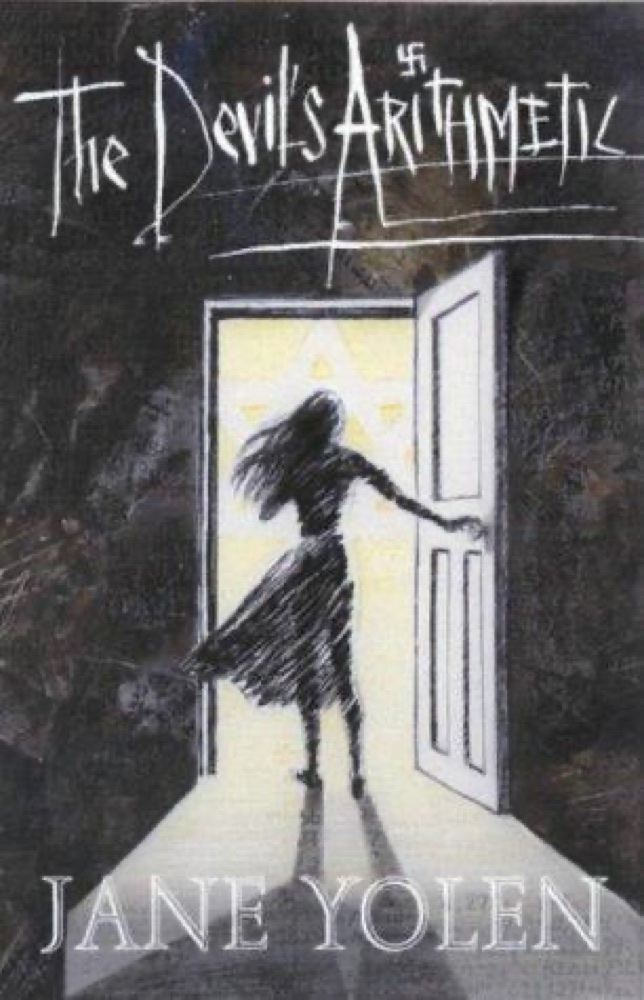
 The Devil's Arithmetic
Quotes from the Book
Fairy Tales always have a happy ending.' That depends... on whether you are Rumpelstiltskin or the Queen.
Time may heal all wounds, but it does not erase the scars.
Stories," he'd said, his voice low and almost husky, "we are made up of stories. And even the ones that seem the most like lies can be our deepest hidden truths.
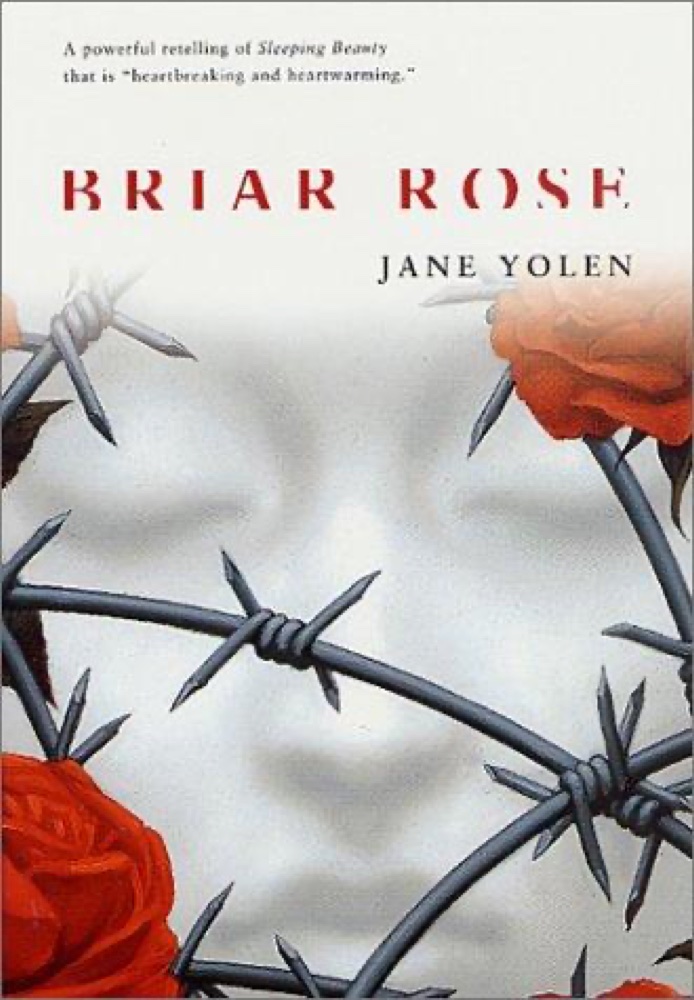
A mist. A great mist. It covered the entire kingdom. And everyone in it - the good people and the not so good, the young people and the not-so-young, and even Briar Rose's mother and father fell asleep. Everyone slept: lords and ladies, teacher and tummlers, dogs and doves, rabbits and rabbitzen and all kinds of citizens. So fast asleep they were, they were not able to wake up for a hundred years.
Happy-ever-after is a fairy-tale notion, not history. I know of no woman who escaped from Chelmno alive.
A mist still lay all about the walls and floors, hovering like a last breath on the lips of all the sleepers. As he walked through the castle, he marveled at how many lay asleep: the good people, the not-so-good, the young people and the not-so-young, and not one of them stirring. Not one.
All around the castle, a briary hedge began to grow, with thorns as sharp as barbs.
Once upon a time," Gemma began, the older two girls whispering the opening with her, "which is all times and no times but not the very best of times,there was a castle. And in it lived a king who wanted nothing more in the world than a child.
Watch on YouTube
About Jane Yolen
We have collected 15 quotes from 2 books by Jane Yolen on BookQuoters.
More about the author →More by Jane Yolen
The Devil's Arithmetic
Book details
- Author
- Jane Yolen
- Genre
- Fiction
- Goodreads rating
- 3.80 (15k ratings) →
Keep reading
 Thornhedge
 Reckless
 A Feast for Crows
 The Queen of the Tearling
 Shadowmarch
 Fairytales for Wilde Girls
 Pan's Labyrinth: The Labyrinth of the Faun
 One Dark Window
 Long Live Evil
 The Complete Fairy Tales
 A Conjuring of Light
 Song of the Forever Rains
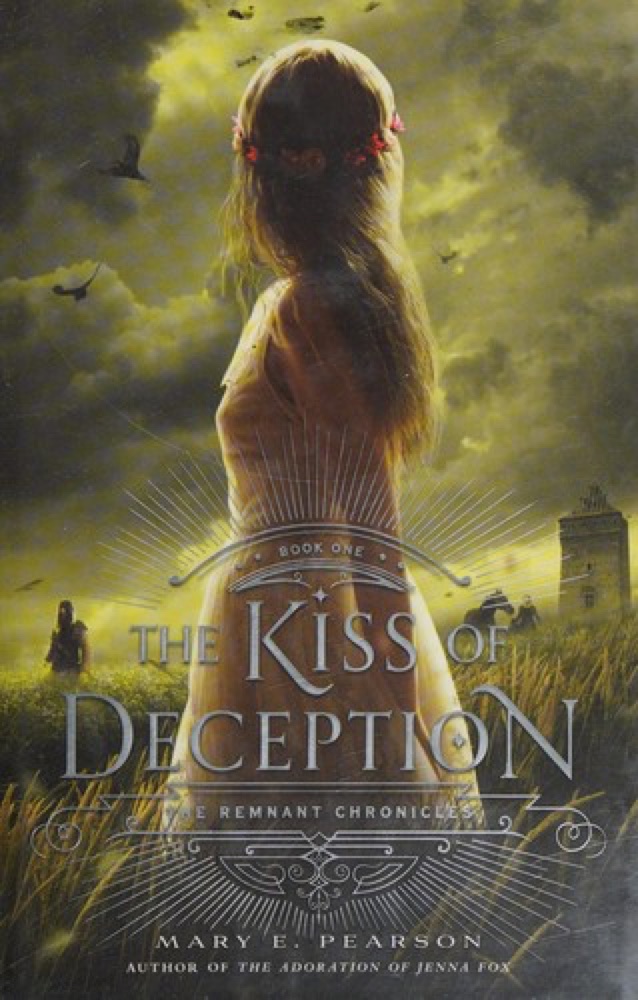 The Kiss of Deception
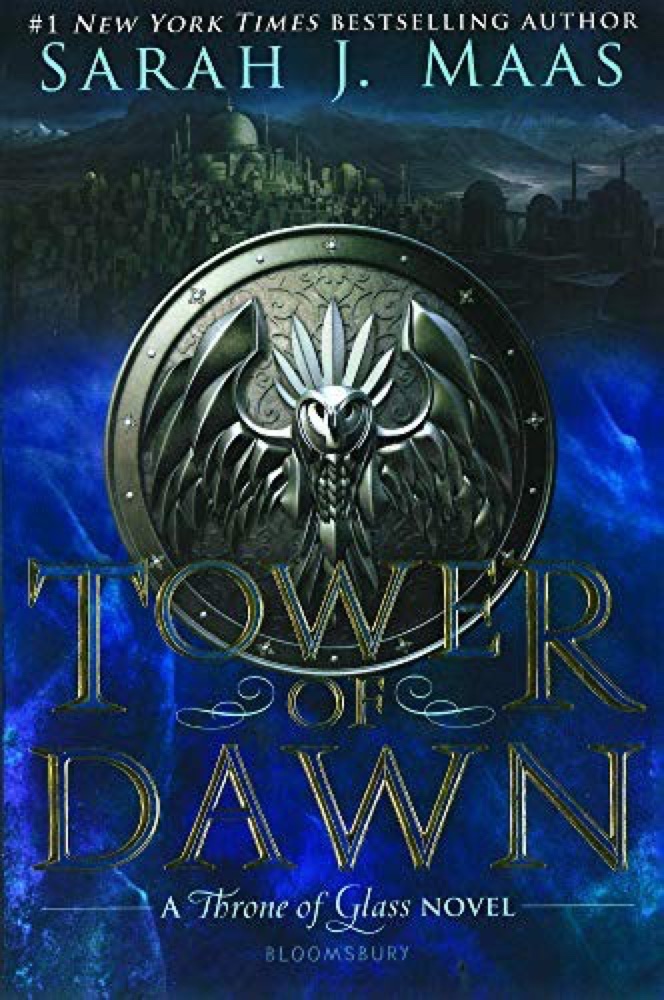 Tower of Dawn
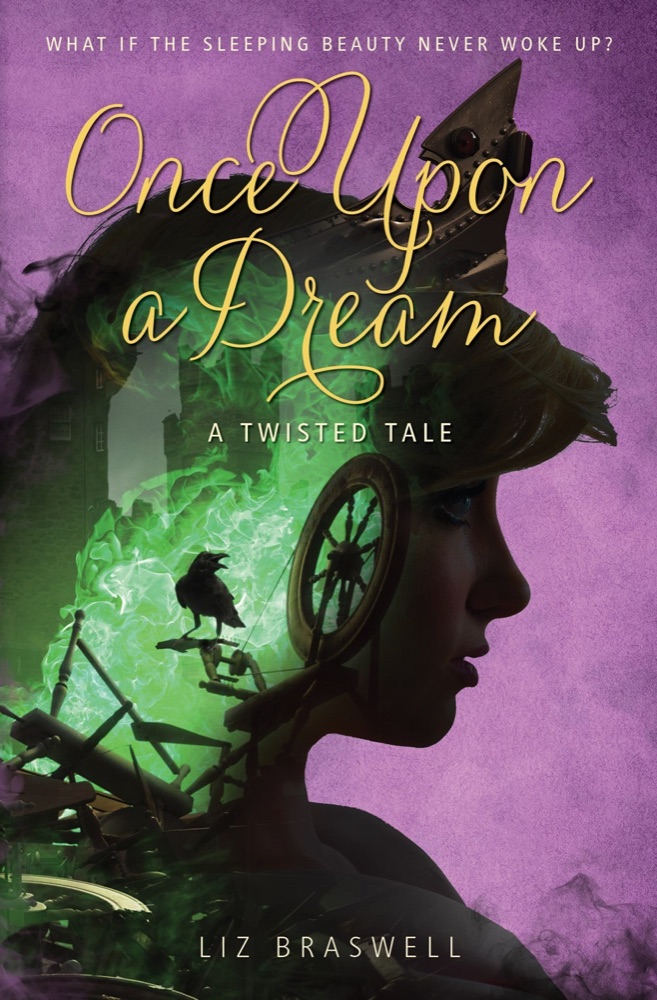 Once Upon a Dream
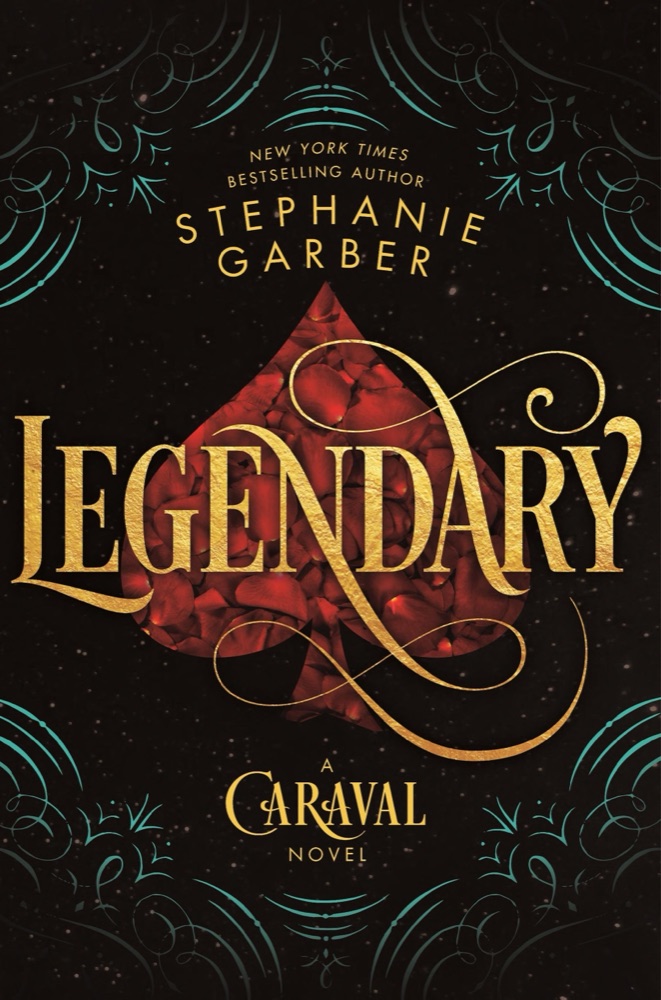 Legendary
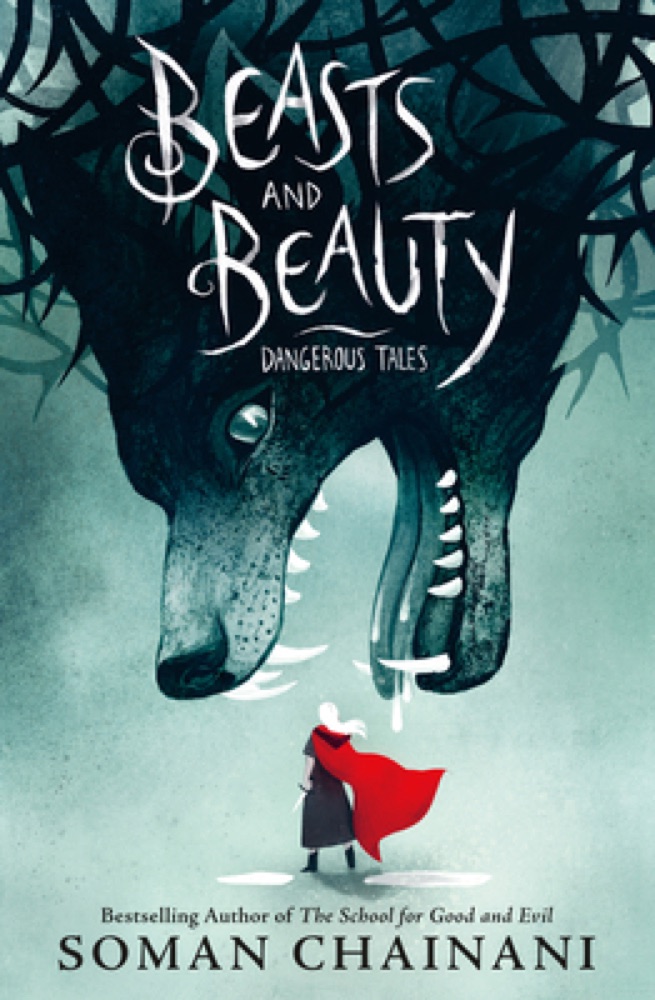 Beasts and Beauty: Dangerous Tales
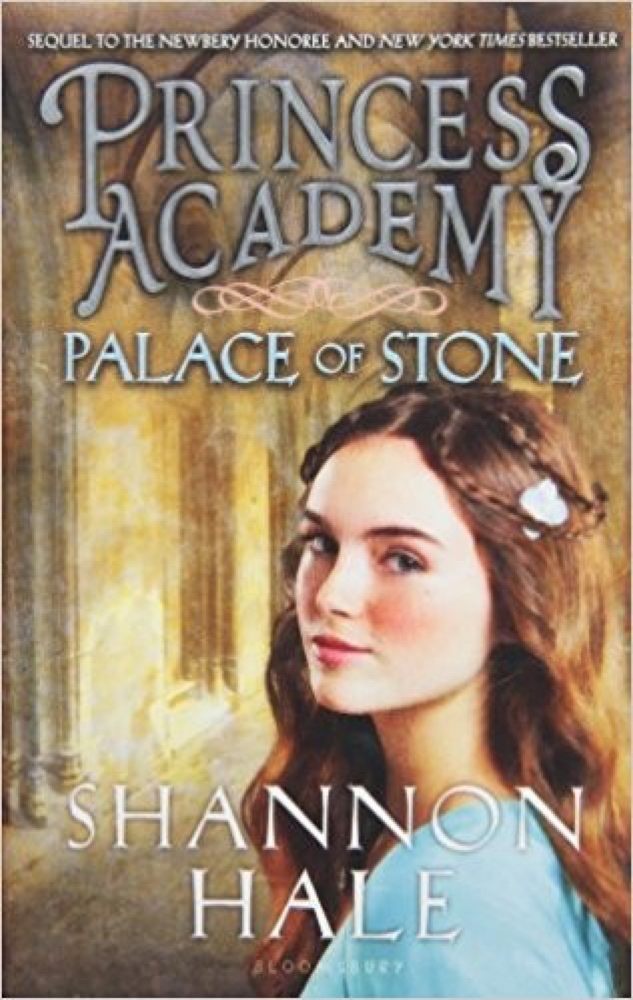 Palace of Stone
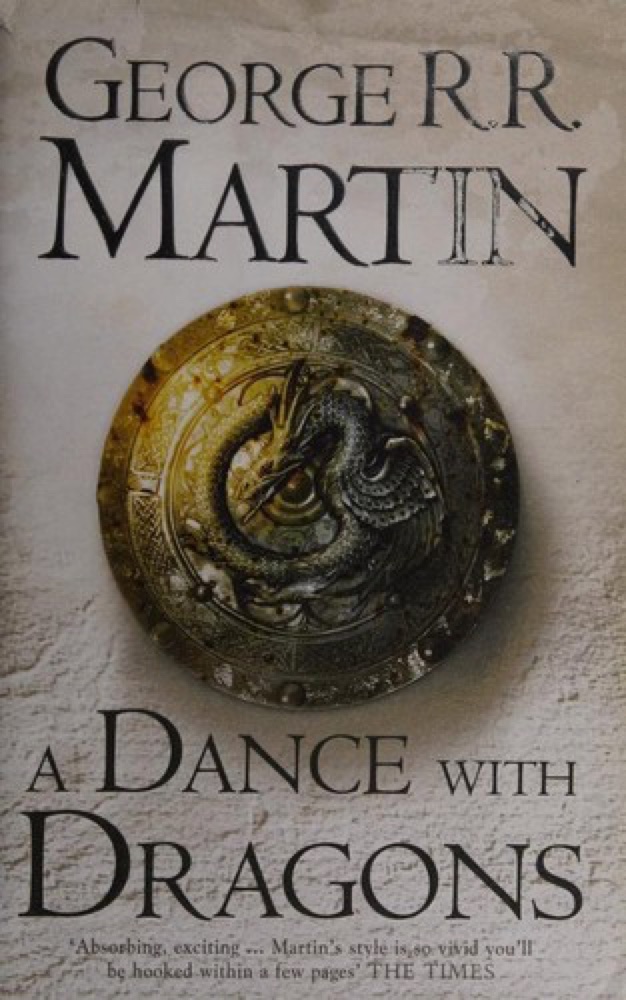 A Dance with Dragons
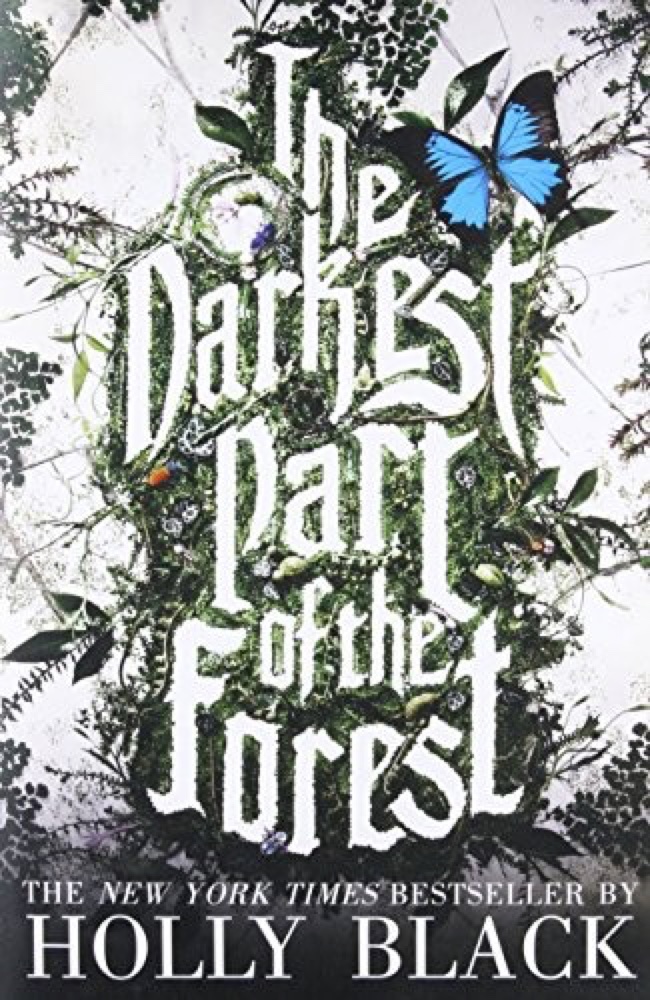 The Darkest Part of the Forest
 The Raven and the Reindeer
 Rebel Spring
 The Lion, the Witch and the Wardrobe
 A Day of Fallen Night
 Gilded
 All of Us Villains
 A Storm of Swords
 The Guinevere Deception
 The Last Tale of the Flower Bride
 The Last Ever After
 The Story Girl
 The Wind Through the Keyhole
 A Face Like Glass
 The Blue Castle
 The Girl in the Tower
 The Beast Within
 The Rose and the Beast: Fairy Tales Retold
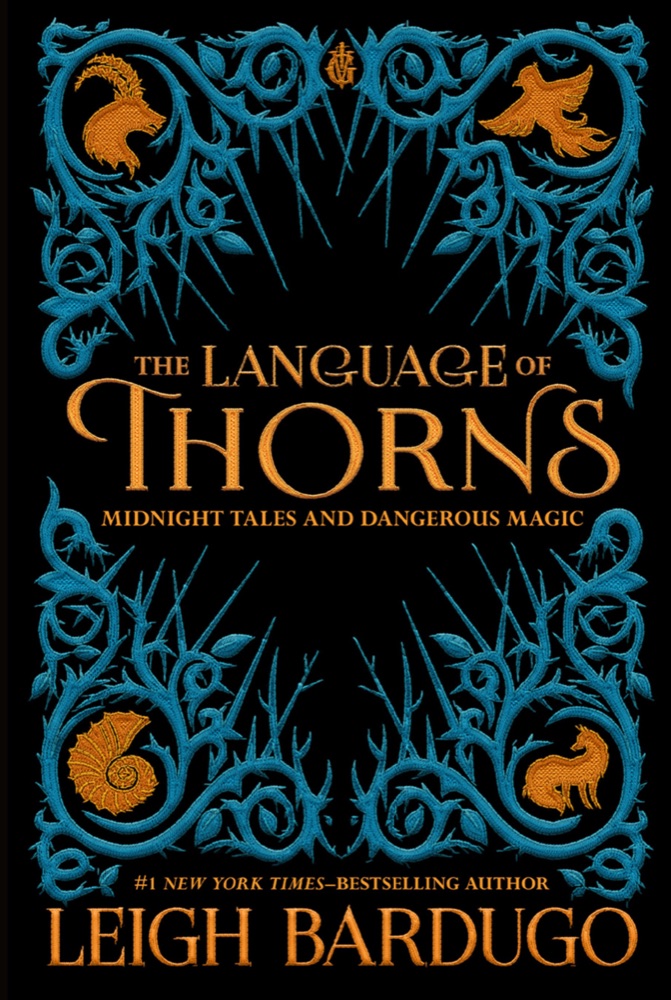 The Language of Thorns: Midnight Tales and Dangerous Magic
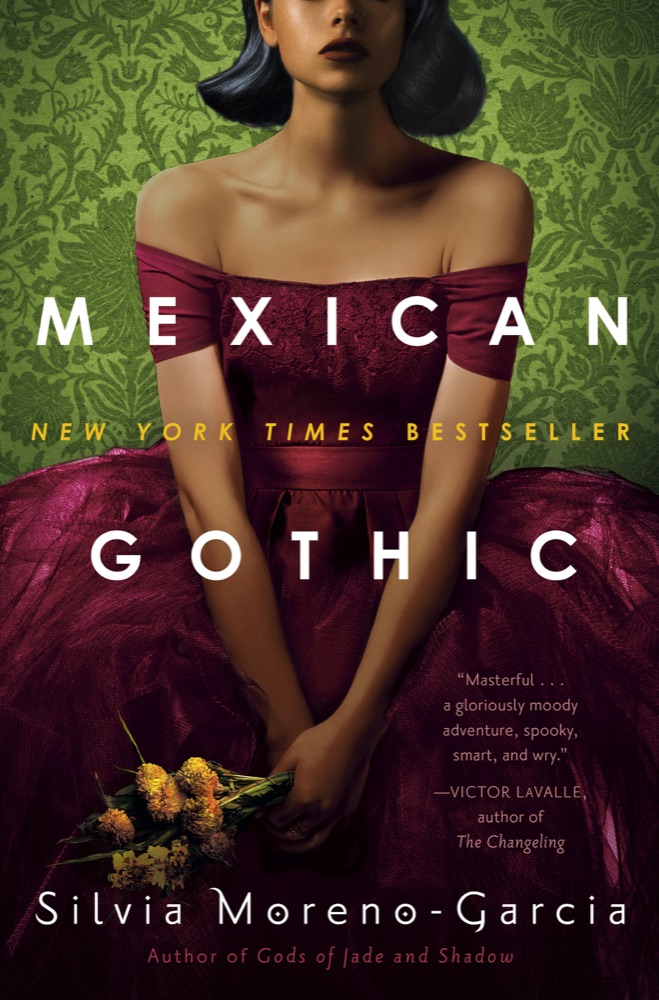 Mexican Gothic
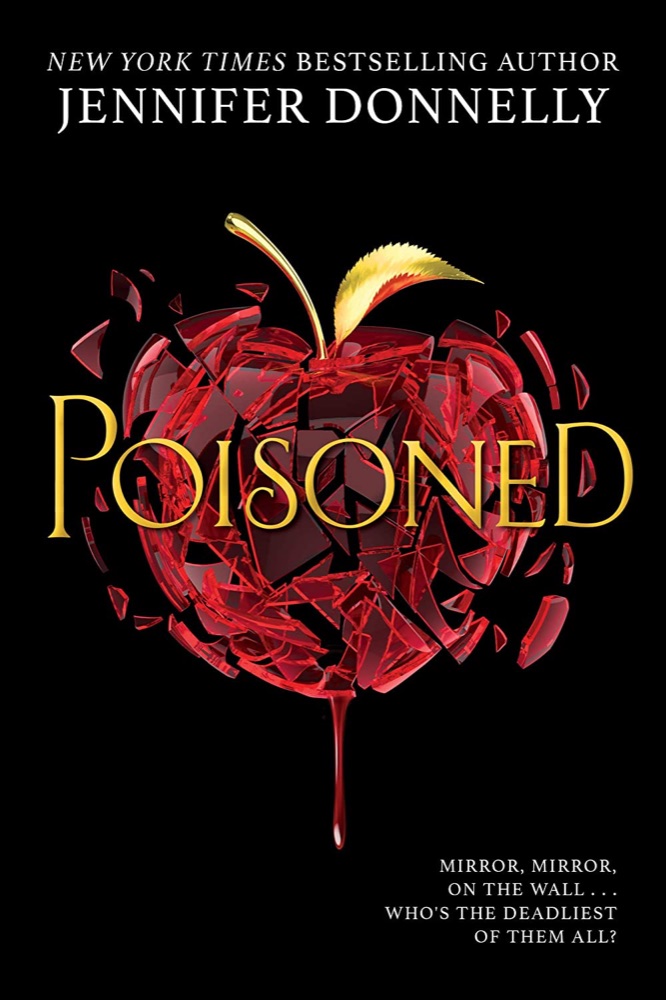 Poisoned
 Titus Groan
 Hunted
 Breadcrumbs
 The Tales of Beedle the Bard
 House of Salt and Sorrows
 The Poet Empress
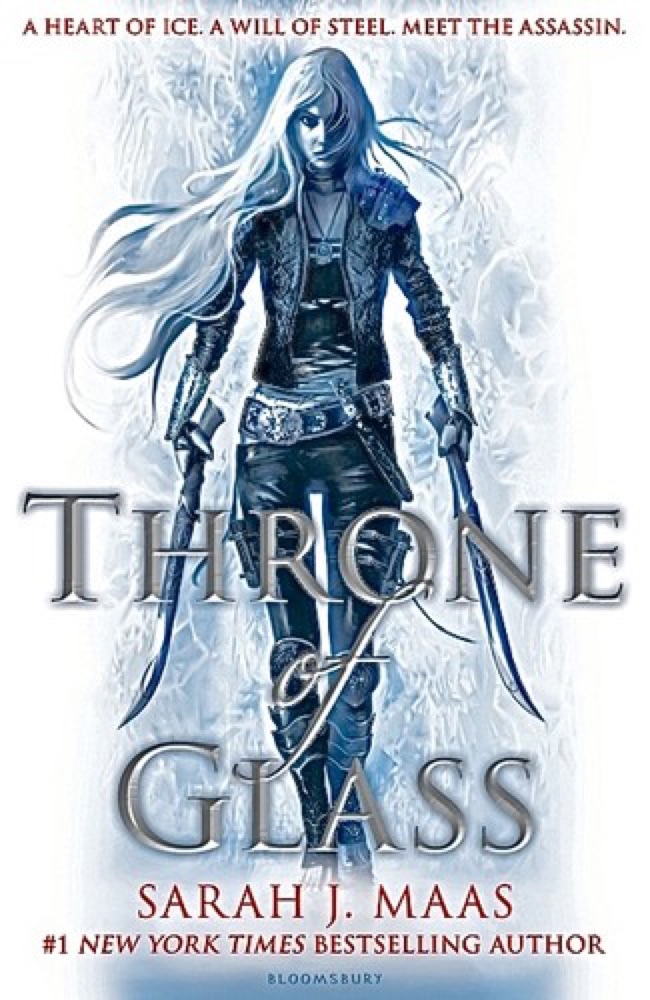 Throne of Glass
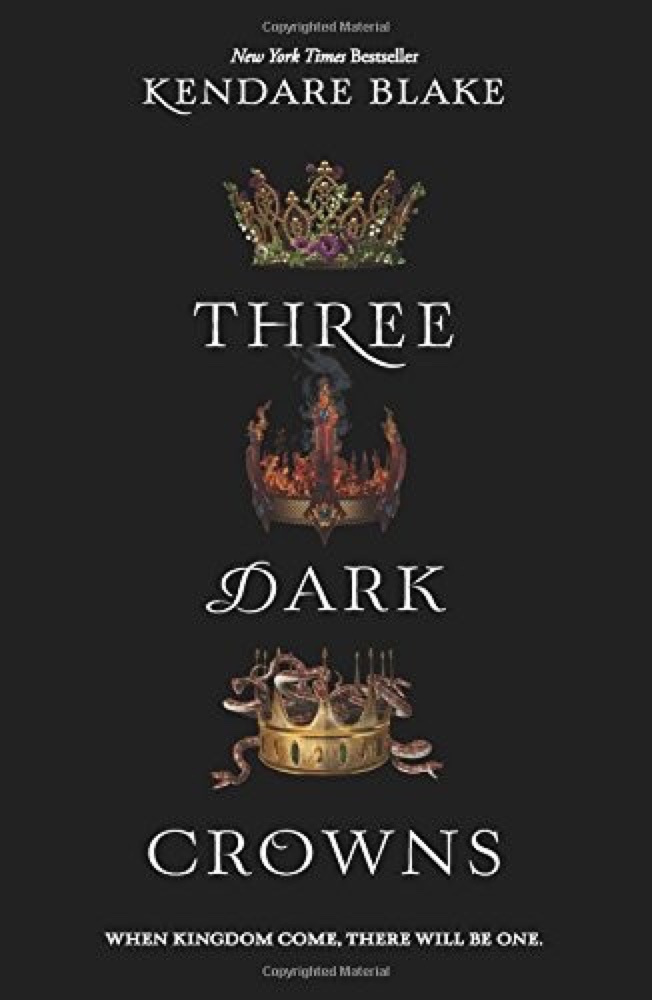 Three Dark Crowns
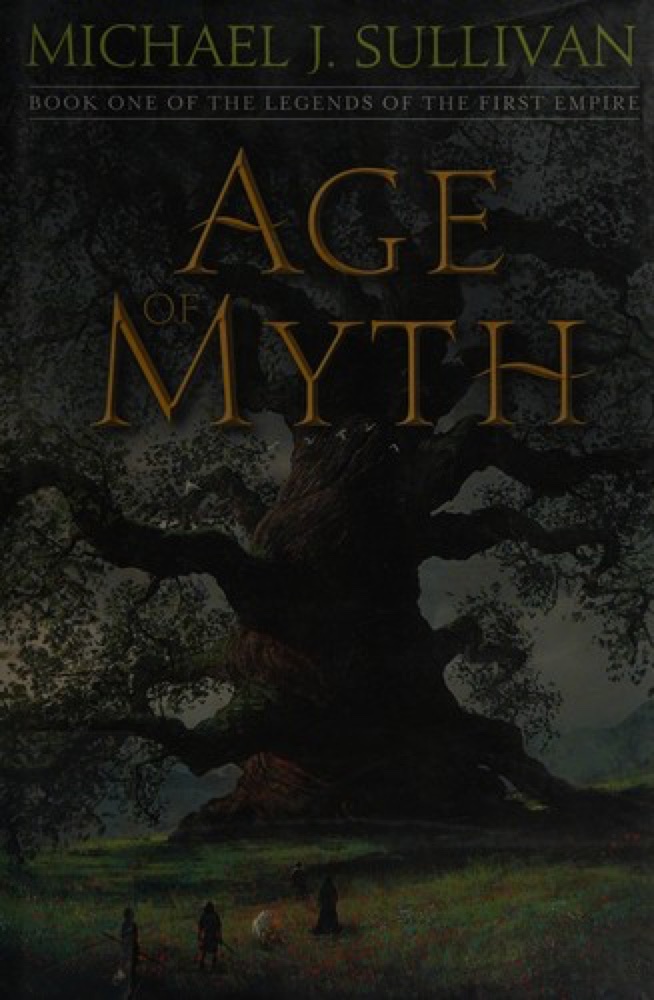 Age of Myth
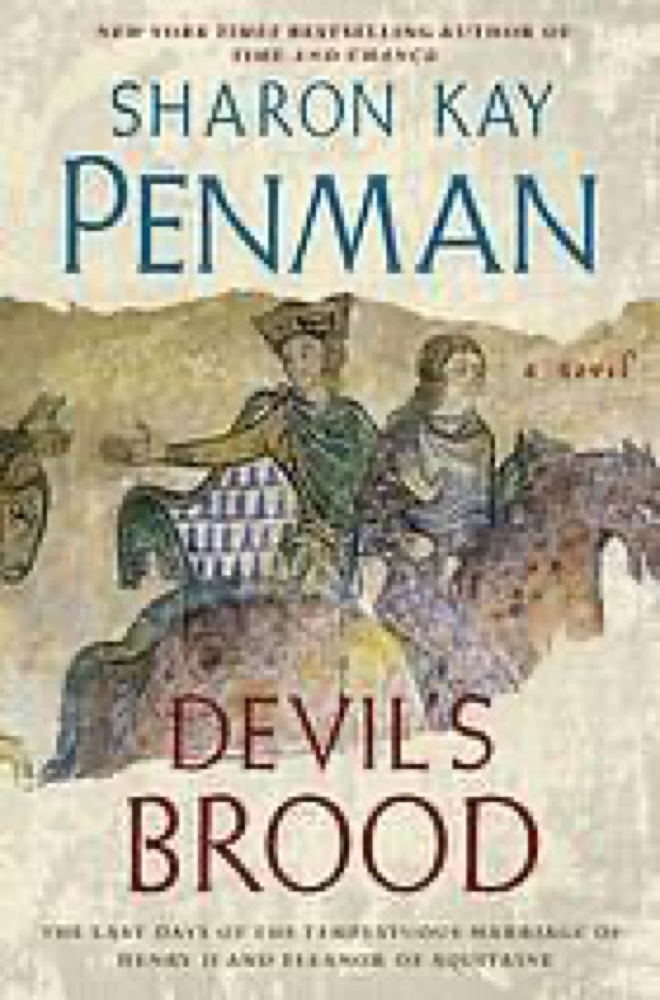 Devil's Brood
 The Gormenghast Novels
 Gods of Jade and Shadow
 The Golden Yarn
 Queen Song
 The Magician’s Daughter
 In the Night Garden
 Fairy Tales Every Child Should Know
 An Enchantment of Ravens
 Wizard and Glass
 The Girl Who Raced Fairyland All the Way Home