
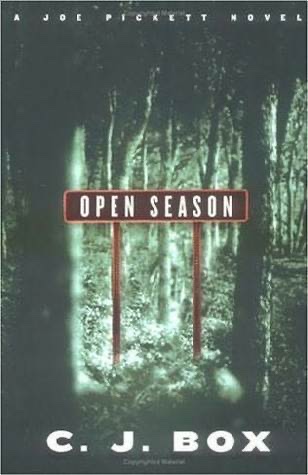
 Open Season
Quotes from the Book
AS A HUNTER I am looked down upon in Western society. I am portrayed as a brute. I am denigrated and spat upon, and thought of as a slow-witted anachronism, the dregs of a discredited culture. This happened quickly when one looks at human history. The skills I possess—the ability to track, hunt, kill, and dress out my prey so it can be served at a table to feed others—were prized for tens of thousands of years. Hunters fed those in the tribe and family who could not hunt well or did not hunt because they weren’t physically able to. The success of the hunter produced not only healthy food and clothing, tools, medicine, and amenities, but a direct hot-blooded connection with God and the natural world. The hunter was the provider, and exalted as such.
I often think that in the world we live in today, where we are threatened by forces as violent and primitive as anything we have ever faced, that it would be wise to look back a little ourselves and embrace our heritage. We were once a nation of hunters. And not the effete, European-style hunters who did it for sport. We hunted for our food, our independence. It’s what made us who we are. But, like so many other virtues that made us unique, we have, as a society, forgotten where we came from and how we got here. What was once both noble and essential has become perverted and indefensible.
I know Edmond Locard’s Principle, the central theory of modern forensic crime-scene investigation: something is always left behind.
It’s strange how often human beings die without any kind of style.
Good hunters considered hunting a solemn privilege and a means to reconnect with the natural world, to place themselves back on earth, into a place without supermarkets, processed foods, and commercial meat manufacturing industries. Hunting was basic, primal, and humbling.
Watch on YouTube
About C.J. Box
We have collected 25 quotes from 4 books by C.J. Box on BookQuoters.
More about the author →More by C.J. Box
Book details
- Author
- C.J. Box
- Genre
- Fiction
- Goodreads rating
- 4.31 (25k ratings) →
Keep reading
 H is for Hawk
 The Hangman's Replacement: Sprout of Disruption
 The Atlantis Gene
 Devolution: A Firsthand Account of the Rainier Sasquatch Massacre
 Split Tooth
 The Fall
 Scythe
 Hunters of Dune
 Thirteen Moons
 A Language Older Than Words
 Death's Acre: Inside the Legendary Forensic Lab the Body Farm Where the Dead Do Tell Tales
 The Gone-Away World
 Cutting for Stone
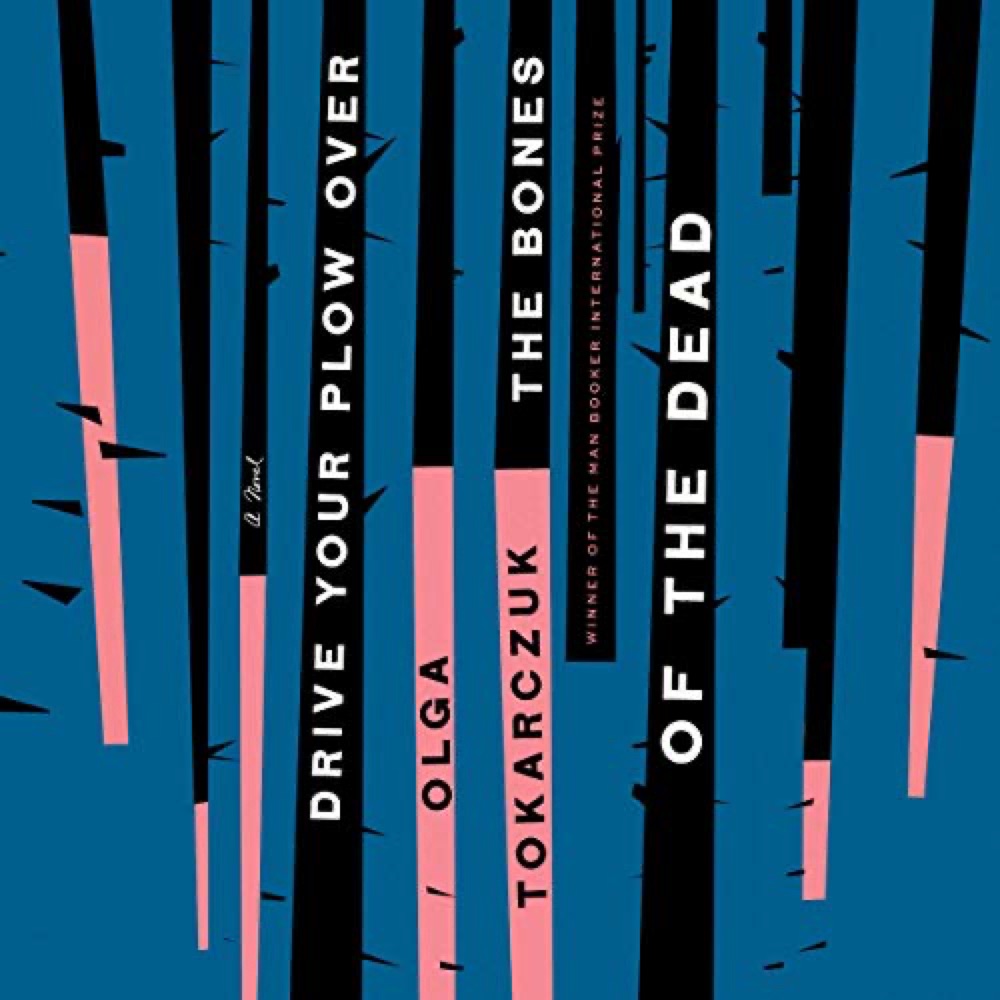 Drive Your Plow Over the Bones of the Dead
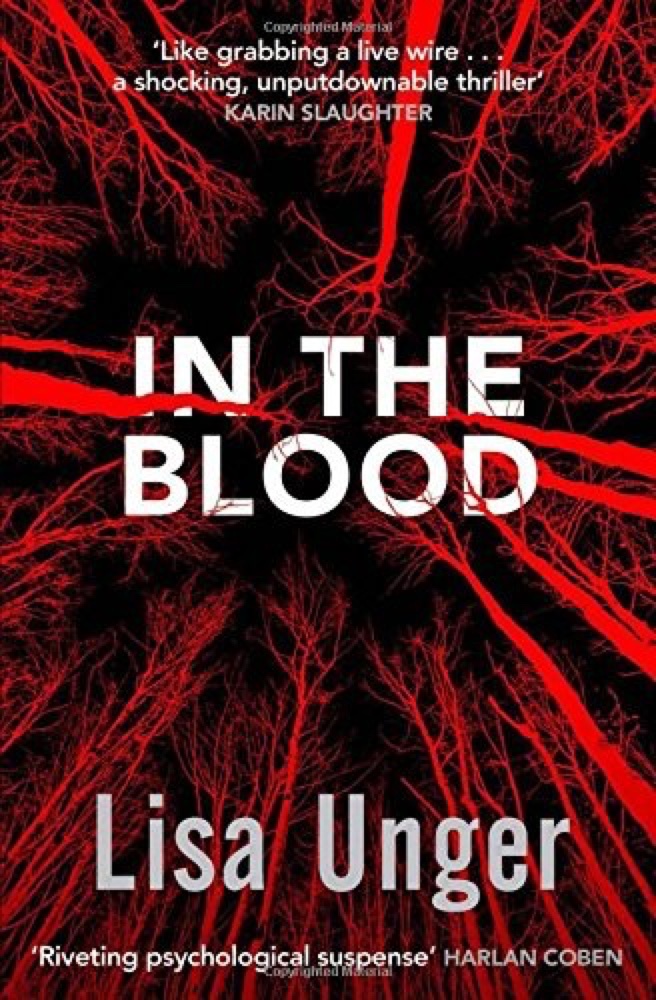 In The Blood
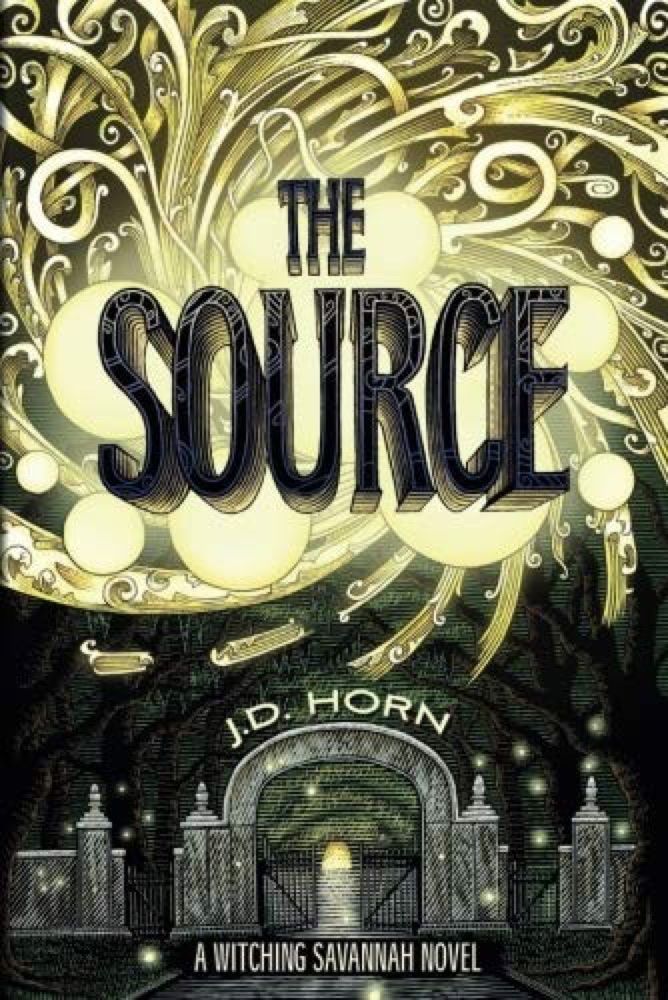 The Source
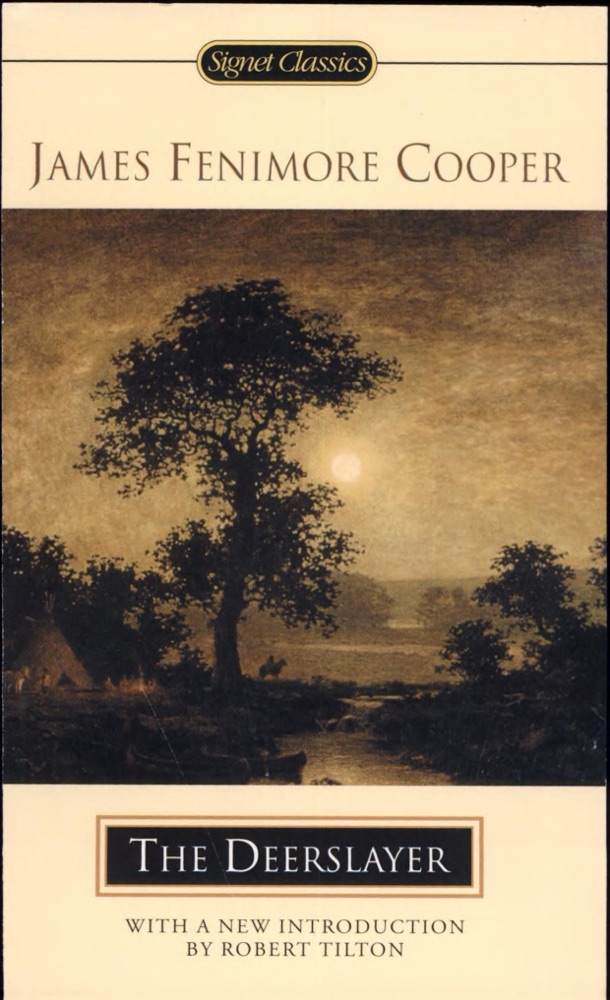 The Deerslayer
 City of Blades
 Why We Run: A Natural History
 The Empusium
 Underworld
 Still Life
 Creation Lake
 An Ordinary Man: An Autobiography
 White Noise
 Tribe: On Homecoming and Belonging
 Shadows of Forgotten Ancestors
 The World-Ending Fire: The Essential Wendell Berry
 Toll the Hounds
 Resistance, Rebellion and Death: Essays
 The Log from the Sea of Cortez
 Dead Astronauts
 On Trails: An Exploration
 Arctic Dreams
 The Girl Who Smiled Beads: A Story of War and What Comes After
 The Place of Tides
 Every Dead Thing
 Human Acts
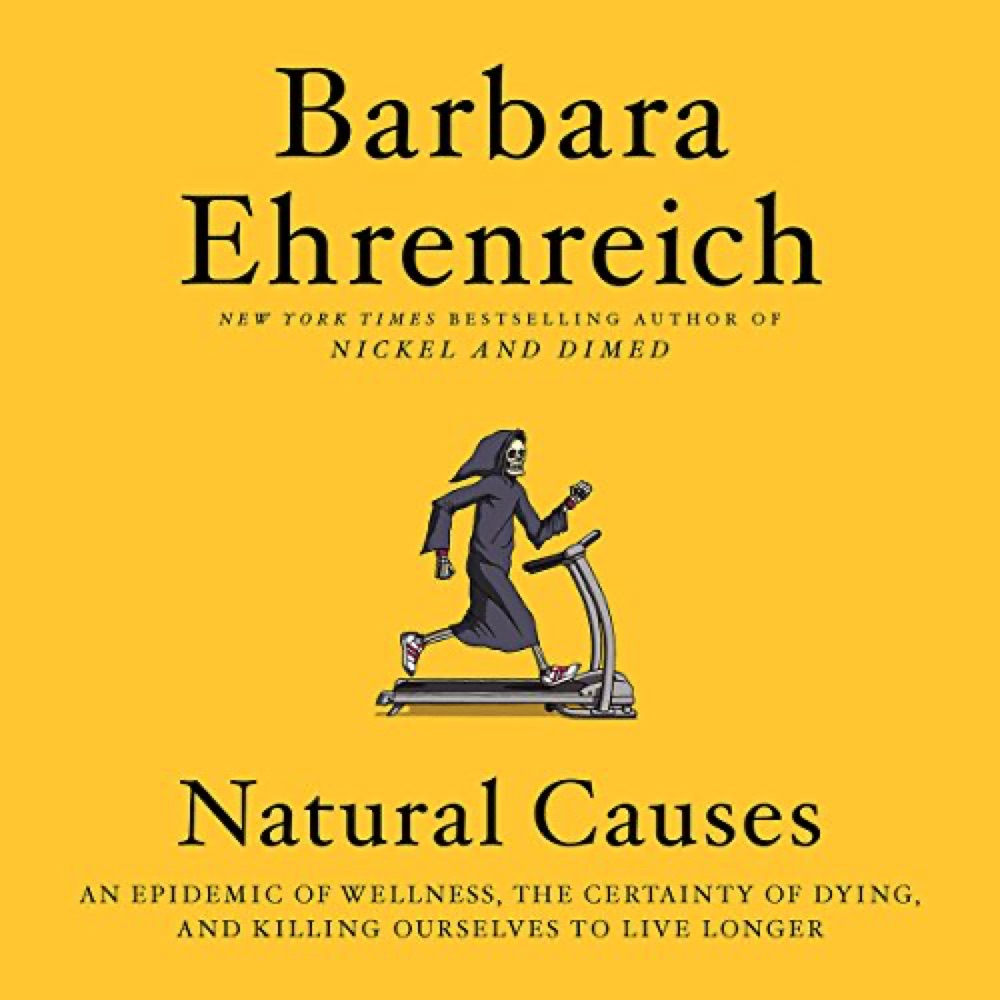 Natural Causes: An Epidemic of Wellness, the Certainty of Dying, and Killing Ourselves to Live Longer
 West with the Night
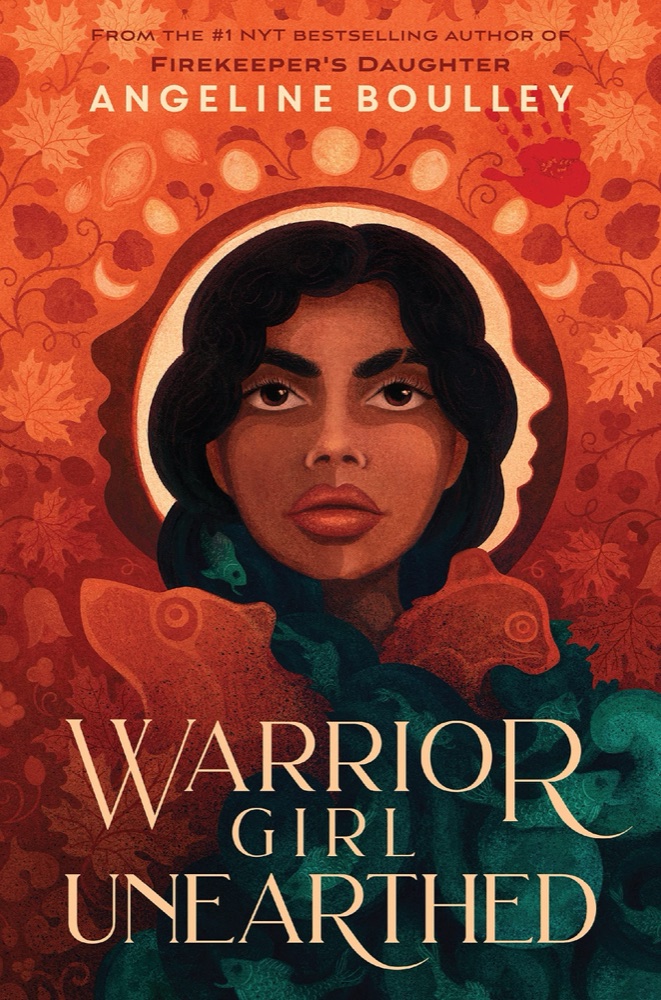 Warrior Girl Unearthed
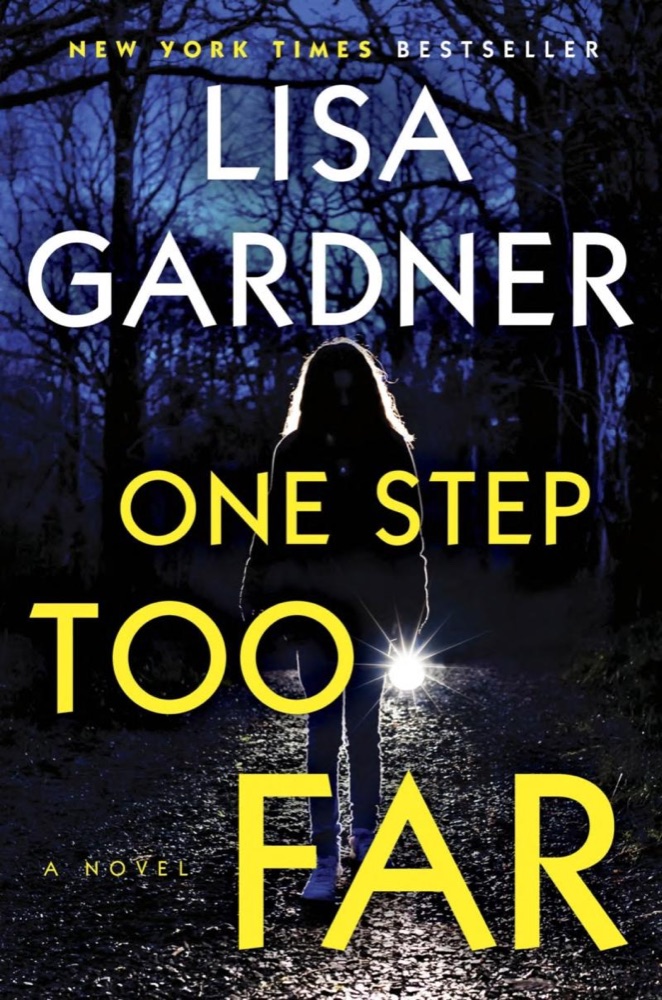 One Step Too Far
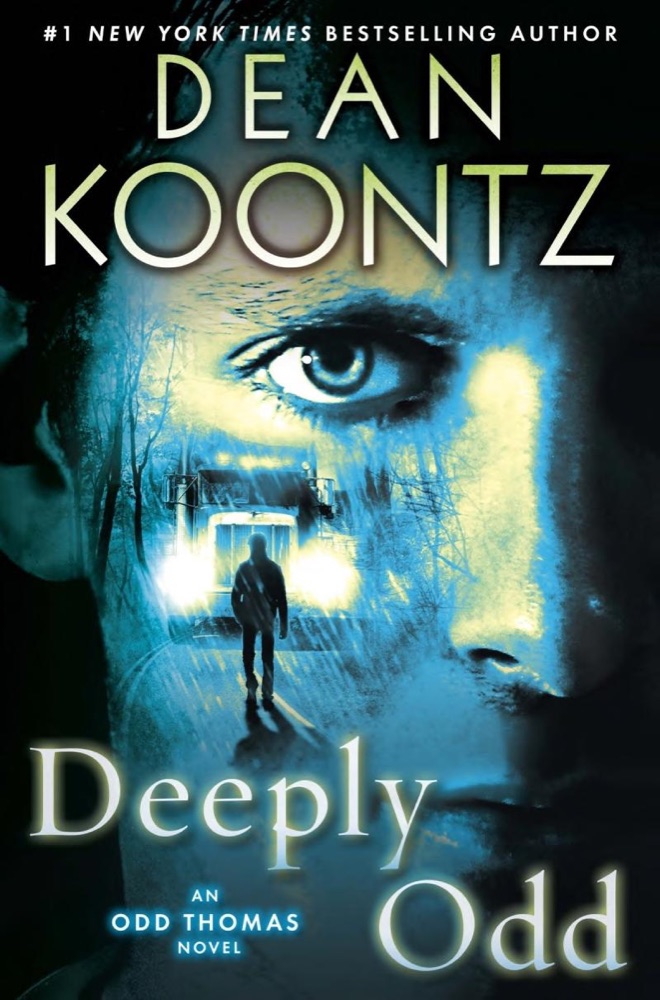 Deeply Odd
 Jane Steele
 Sacred Hunger
 Seeker
 The Naked and the Dead
 The Philosopher and the Wolf
 The Killing Kind
 Parable of the Talents
 Billions & Billions: Thoughts on Life and Death at the Brink of the Millennium
 The Postcard
 Postmortem
 From Here to Eternity: Traveling the World to Find the Good Death
 The Quick and the Dead
 Sandworms of Dune
 Wake of Vultures
 Walking
 A Rule Against Murder
 Sea of Rust