
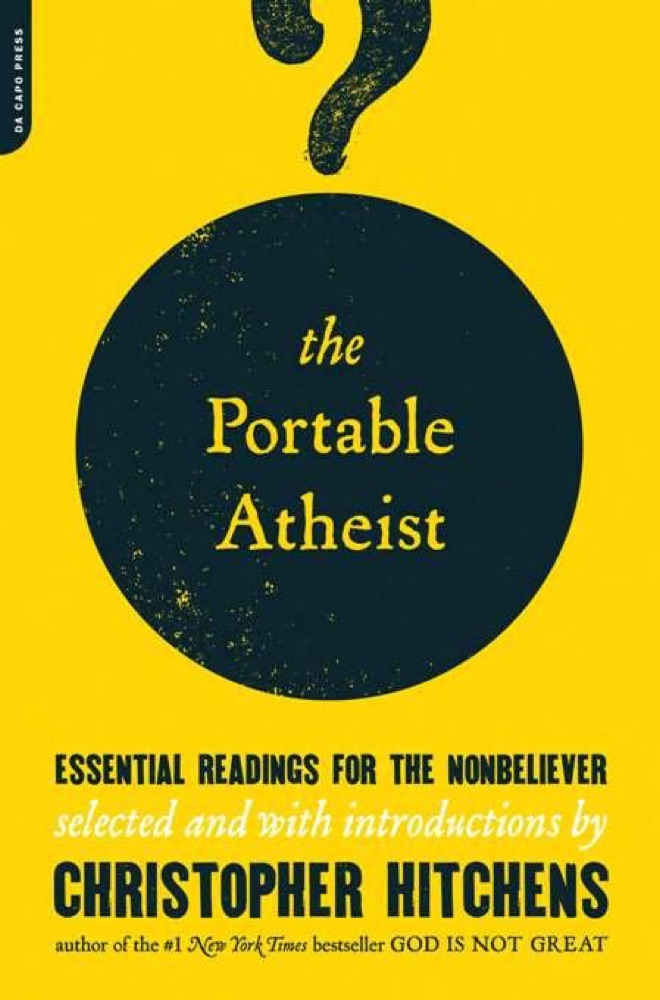
 The Portable Atheist: Essential Readings for the Nonbeliever
Quotes from the Book
How strange that excision – female circumcision, with several languages using the same term for both kinds of mutilation – of little girls should revolt the westerner but excite no disapproval when it is performed on little boys. Consensus on the point seems absolute. But ask your interlocutor to think about the validity of this surgical procedure, which consists of removing a healthy part of a nonconsenting child’s body on nonmedical grounds – the legal definition of… mutilation.
You cannot kill a breeze, a wind, a fragrance, you cannot kill a dream or an ambition. God, manufactured by mortals in their own quintessential image, exists only to make daily life bearable despite the path that every one of us treads toward extinction. As long as men are obliged to die, some of them, unable to endure the prospect, will concoct fond illusions.We cannot assassinate or kill an illusion. In fact, illusion is more likely to kill us — for God puts to death everything that stands up to him, beginning with reason, intelligence, and the critical mind. All the rest follows in a chain reaction.
Désormais, sous prétexte de laïcité, tous les discours se valent : l’erreur et la vérité, le faux et le vrai, le fantasque et le sérieux. Le mythe et la fable pèsent autant que la raison. La magie compte autant que la science. Le rêve autant que la réalité. Or tous les discours ne se valent pas : ceux de la névrose, de l’hystérie et du mysticisme procèdent d’un autre monde que celui du positiviste. Pas plus qu’on ne doit renvoyer dos à dos bourreau et victime, bien et mal, on ne doit tolérer la neutralité, la bienveillance affichée pour la totalité des régimes de discours, y compris ceux des pensées magiques. Faut-il rester neutre ? Doit-on rester neutre ? A-t-on encore les moyens de ce luxe ? Je ne crois pas...
Every theocracy is a denial of democracy. Even better: the smallest hint of theocracy neutralizes the very essence of democracy.
Watch on YouTube
About Michel Onfray
We have collected 4 quotes from 1 book by Michel Onfray on BookQuoters.
More about the author →Book details
- First published
- 2005
- Author
- Michel Onfray
- Genre
- Philosophy
- Goodreads rating
- 3.76 (4k ratings) →
Keep reading
The Portable Atheist: Essential Readings for the Nonbeliever
 Twilight of the Idols/The Anti-Christ
 The End of Faith: Religion, Terror, and the Future of Reason
 Letter to a Christian Nation
 The Age of Reason
 The God Delusion
 Psychology and Religion
 The Crisis of the Modern World
 The Perennial Philosophy
 Tactics: A Game Plan for Discussing Your Christian Convictions
 A Little History of Religion
 Orthodoxy
 God and the State
 Reasonable Faith
 The Revolt of the Angels
 Breaking the Spell: Religion as a Natural Phenomenon
 God Is Not One: The Eight Rival Religions That Run the World--and Why Their Differences Matter
 god is Not Great: How Religion Poisons Everything
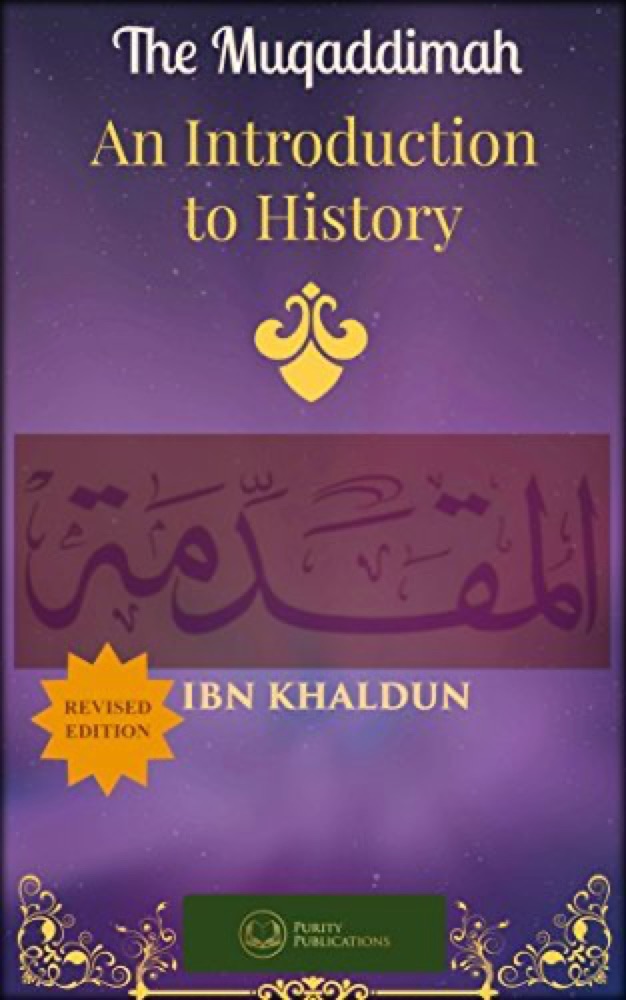 The Muqaddimah: An Introduction to History
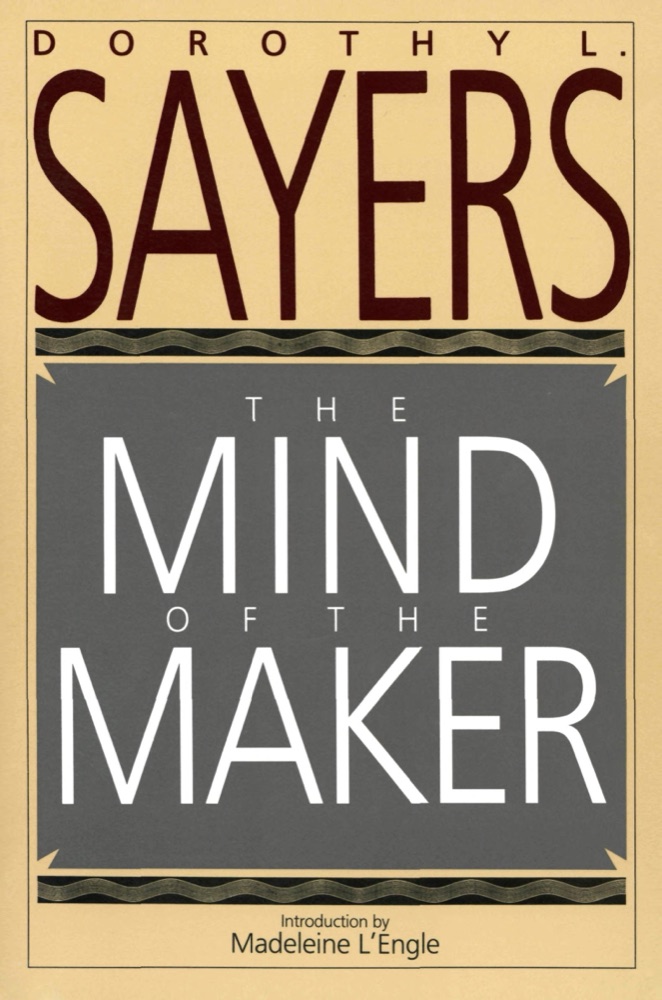 The Mind of the Maker: Dorothy L. Sayers' Witty Classic on the Trinity, Christianity, and Human Creativity
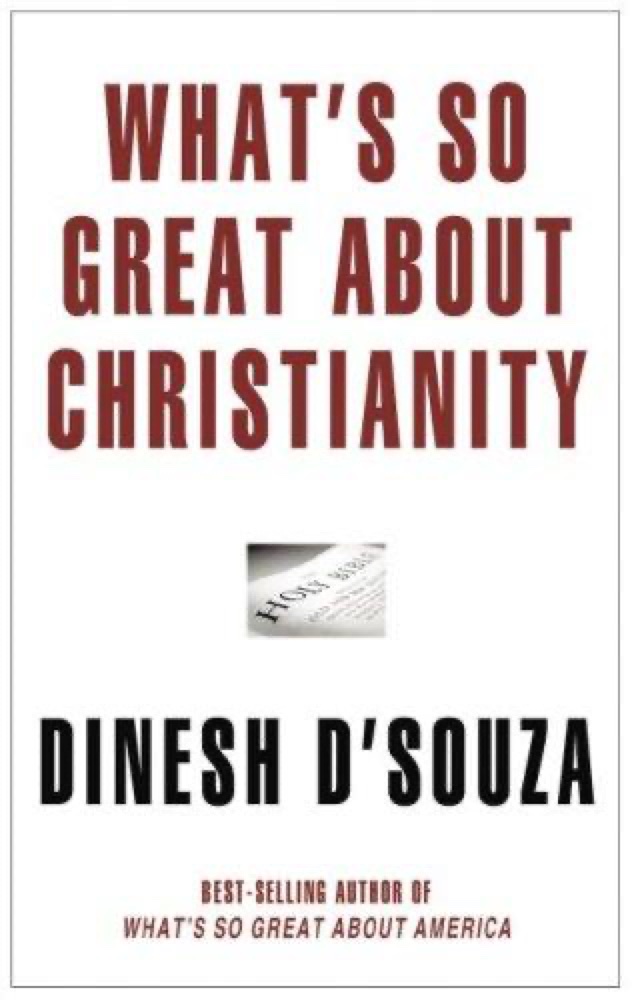 What's So Great About Christianity
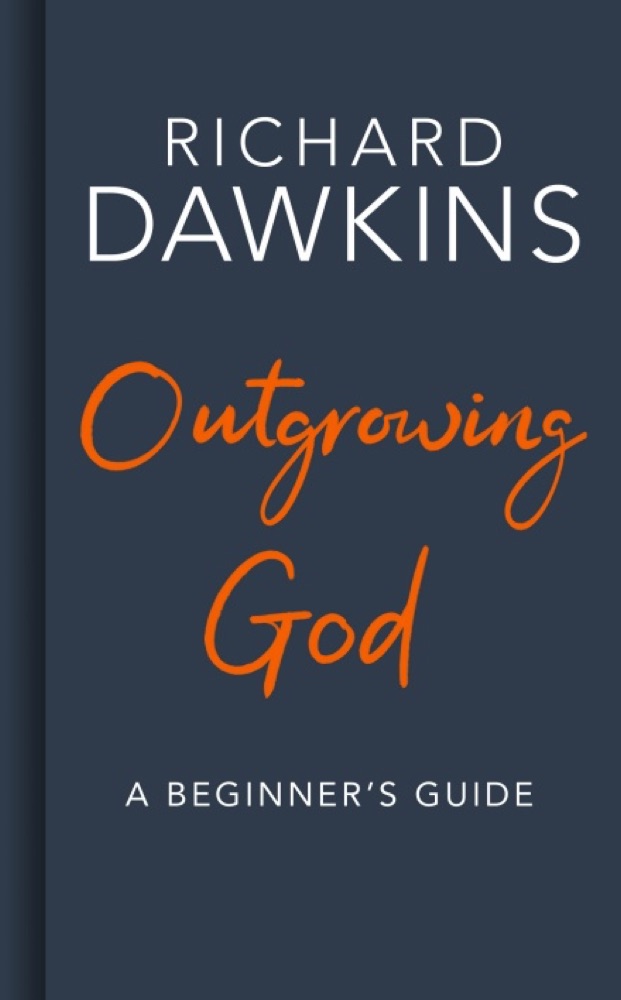 Outgrowing God: A Beginner’s Guide to Atheism
 Heretics
 The Better Angels of Our Nature: Why Violence Has Declined
 The Case for God
 The World's Last Night: And Other Essays
 Why I Am Not a Christian and Other Essays on Religion and Related Subjects
 No god but God: The Origins, Evolution and Future of Islam
 Persian Letters
 Daybreak: Thoughts on the Prejudices of Morality
 Tears and Saints
 The Future of an Illusion
 The Anti-Christ
 The Divine Invasion
 The Sacred and the Profane: The Nature of Religion
 Summa Theologica
 The Rage Against God: How Atheism Led Me to Faith
 How Should We Then Live? The Rise and Decline of Western Thought and Culture
 The Last Day of a Condemned Man
 Myths to Live By
 Freedom from the Known
 Letters from the Earth: Uncensored Writings
 The Everlasting Man
 The Parafaith War
 Heretics of Dune
 A History of God: The 4,000-Year Quest of Judaism, Christianity, and Islam
 Tragic Sense of Life
 Dialogues Concerning Natural Religion
 The Temptation to Exist
 Maps of Meaning: The Architecture of Belief
 The Story of My Experiments With Truth
 The Story of B: An Adventure of the Mind and Spirit
 Islam and the Future of Tolerance: A Dialogue
 A Language Older Than Words
 What the Buddha Taught
 The Ego and Its Own
 The Occult
 The Abolition of Man
 The Biggest Secret: The Book That Will Change the World