
 Microserfs
Quotes from the Book
All families are psychotic. Everybody has basically the same family - it's just reconfigured slightly different from one to the next.
...blame is just a lazy person's way of making sense of chaos.
She thought about her life and how lost she’d felt for most of it. She thought about the way that all truths she’d been taught to consider valuable invariably conflicted with the world as it was actually lived. How could a person be so utterly lost, yet remain living?
This place is like some cosmic dream crusher. All you can get out of a place like this is a creepy little tingle that lets you know your kid is never going to be anything more than a customer-that the whole world is being turned into casino.
Okay, I know--my superpower--I'd be able to shoot lightening bolts out from my fingertips--great big knowledge network lightening bolts--and when a person was zapped by one of those bolts, they'd fall down on their knees and once on their knees, they'd be under water, in this place I saw once off the east coast of the Bahamas, a place where a billion electric blue fish swam up to me and made me a part of their school--and then they'd be up in the air, up in Manhattan, above the World Trade Center, with a flock of pigeons, flying amid the skyscrapers, and then--then what? And then they'd go blind, and then they'd be taken away--they'd feel homesick--more homesick than they'd felt in their entire life--so homesick they were throwing up--and they'd be abandoned, I don't know...in the middle of a harvested corn field in Missouri. And then they'd be able to see again, and from the edges of the field people would appear--everybody they'd known--and they'd be carrying Black Forest cakes and burning tiki lamps and boom boxes playing the same song, and they sky would turn into a sunset, the way it does in Walt Disney brochure, and the person I zapped would never be alone or isolated again.
Watch on YouTube
About Douglas Coupland
We have collected 255 quotes from 12 books by Douglas Coupland on BookQuoters.
More about the author →More by Douglas Coupland
All books by Douglas Coupland →
Book details
- Author
- Douglas Coupland
- Genre
- Literature
- Goodreads rating
- 3.70 (15k ratings) →
Keep reading
 Ill Will
 The Circle
 Stella Maris
 The Emperor of Gladness
 The Boy on the Bridge
 A Head Full of Ghosts
 The Shock of the Fall
 The Seven Moons of Maali Almeida
 Underground: The Tokyo Gas Attack and the Japanese Psyche
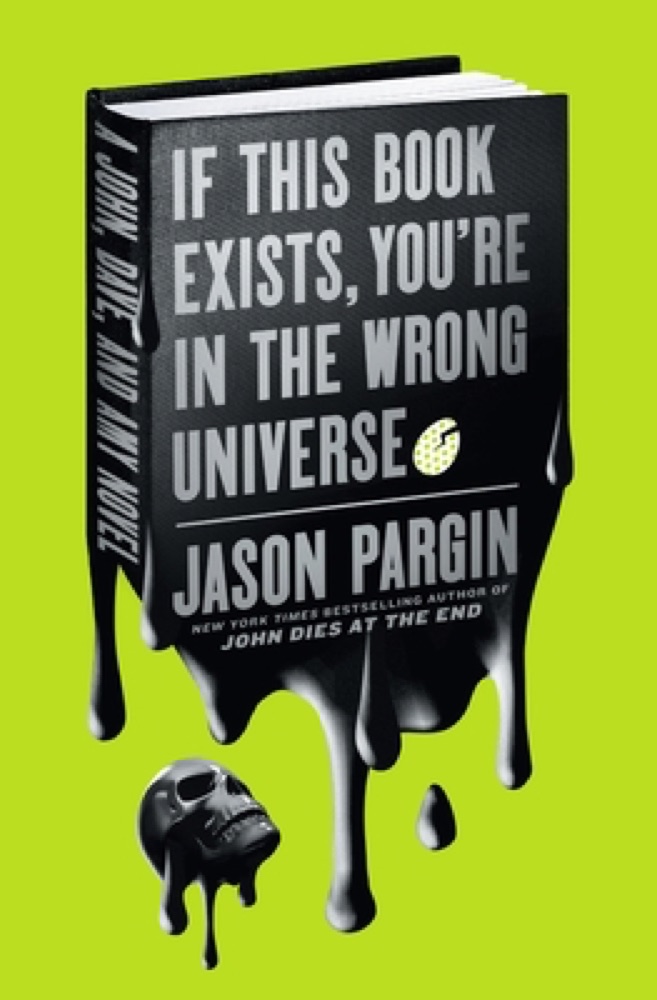 If This Book Exists, You're in the Wrong Universe
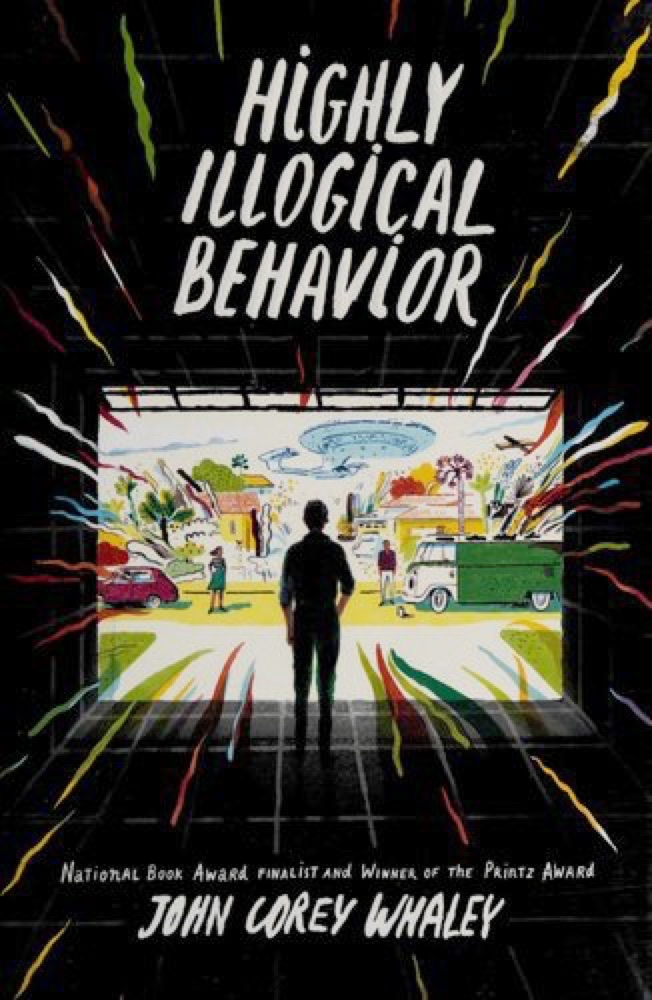 Highly Illogical Behavior
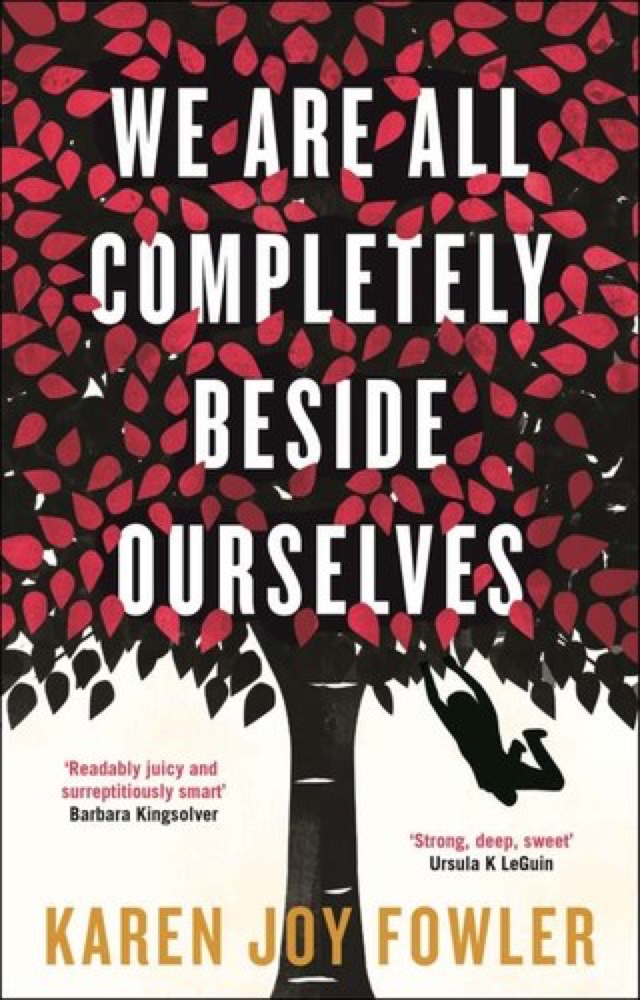 We Are All Completely Beside Ourselves
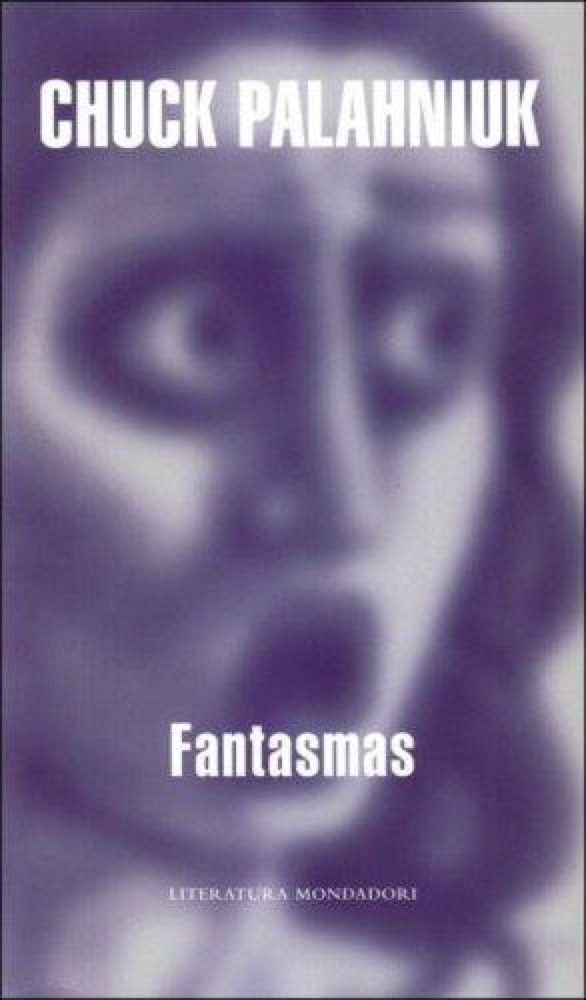 Haunted
 The Keep
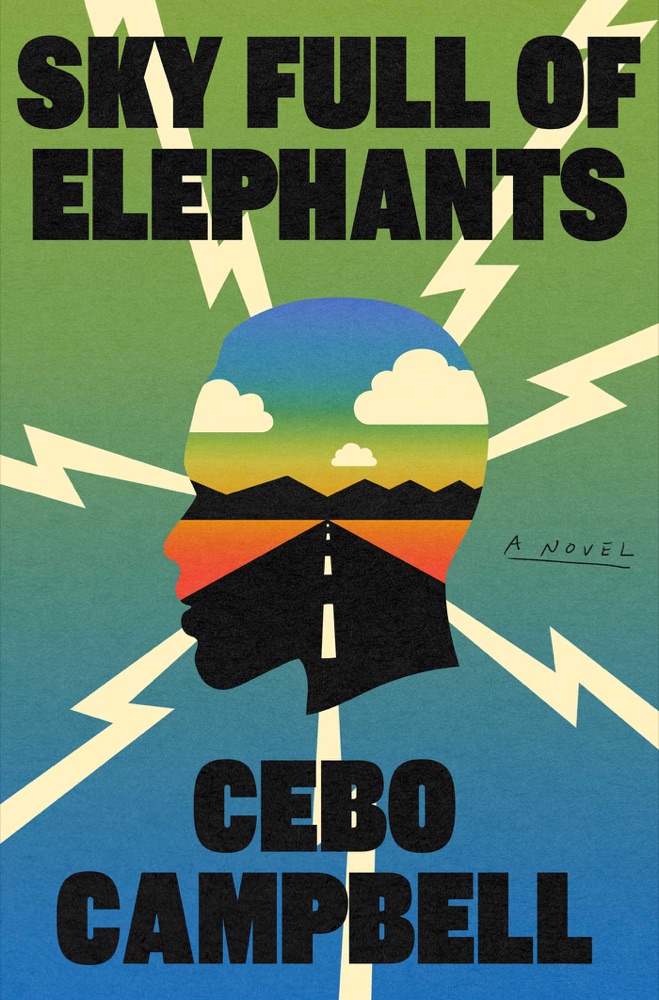 Sky Full of Elephants
 Saint X
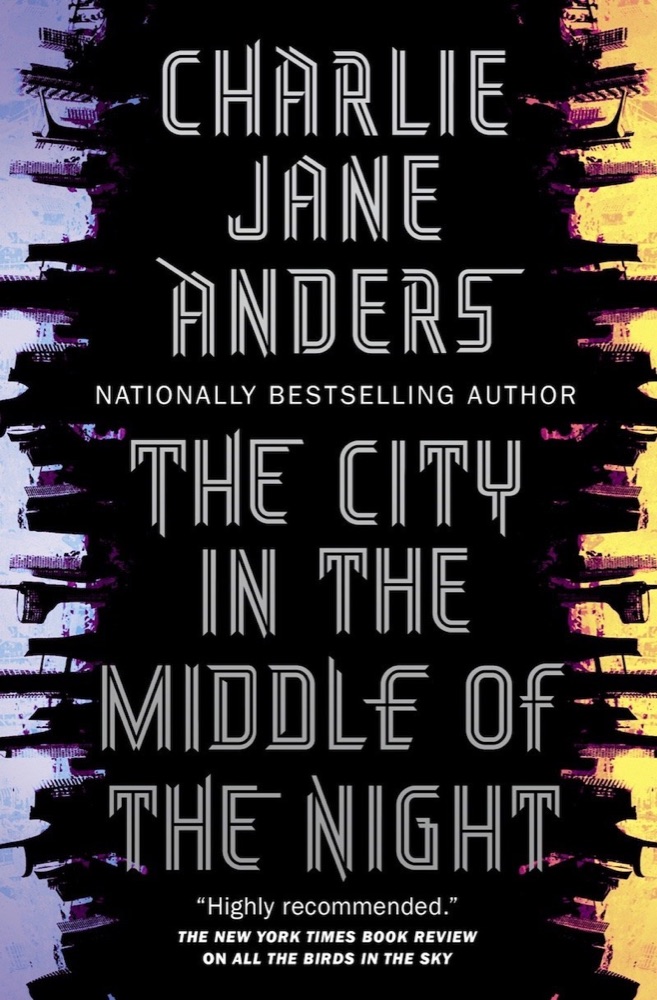 The City in the Middle of the Night
 Broken Harbor
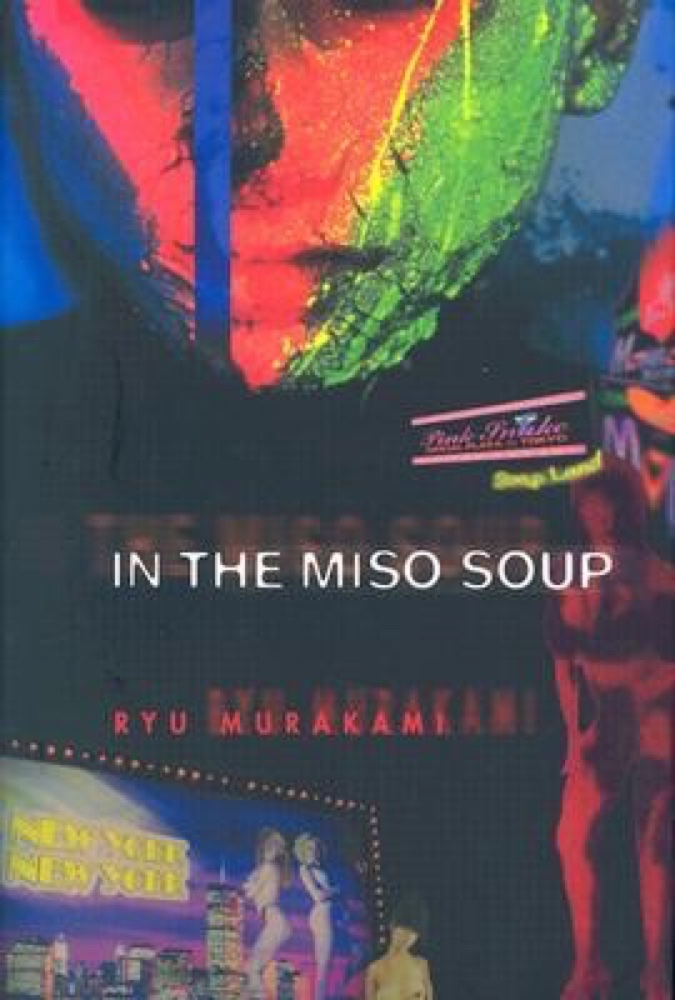 In the Miso Soup
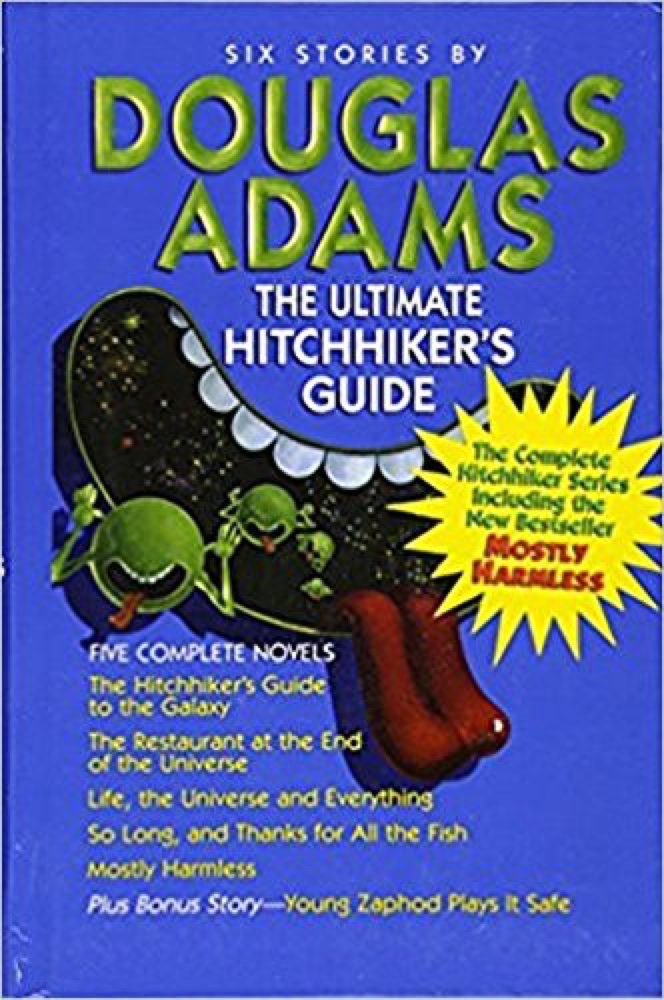 The Ultimate Hitchhiker's Guide
 State of Paradise
 Future Home of the Living God
 Ohio
Ohio
 The Psychopath Test
 All the Birds in the Sky
 Mr. Splitfoot
 Challenger Deep
 The Last House on Needless Street
 The Aosawa Murders
 Dinner at the Homesick Restaurant
 Robicheaux
 Special Topics in Calamity Physics
 Antsy Does Time
 Fall; or, Dodge in Hell
 The Prince of Milk
 Conviction
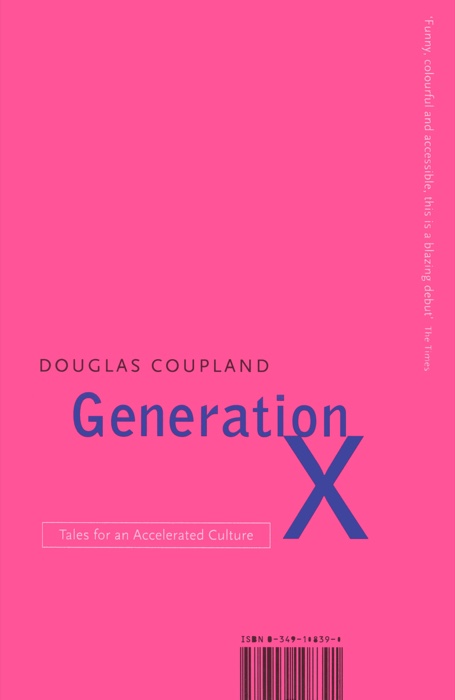 Generation X: Tales for an Accelerated Culture
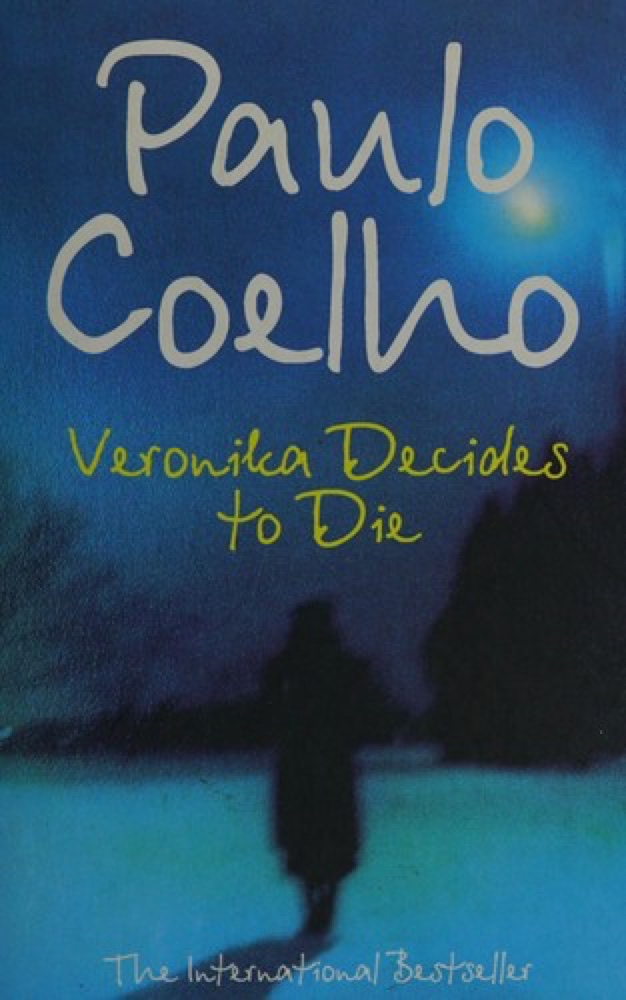 Veronika Decides to Die
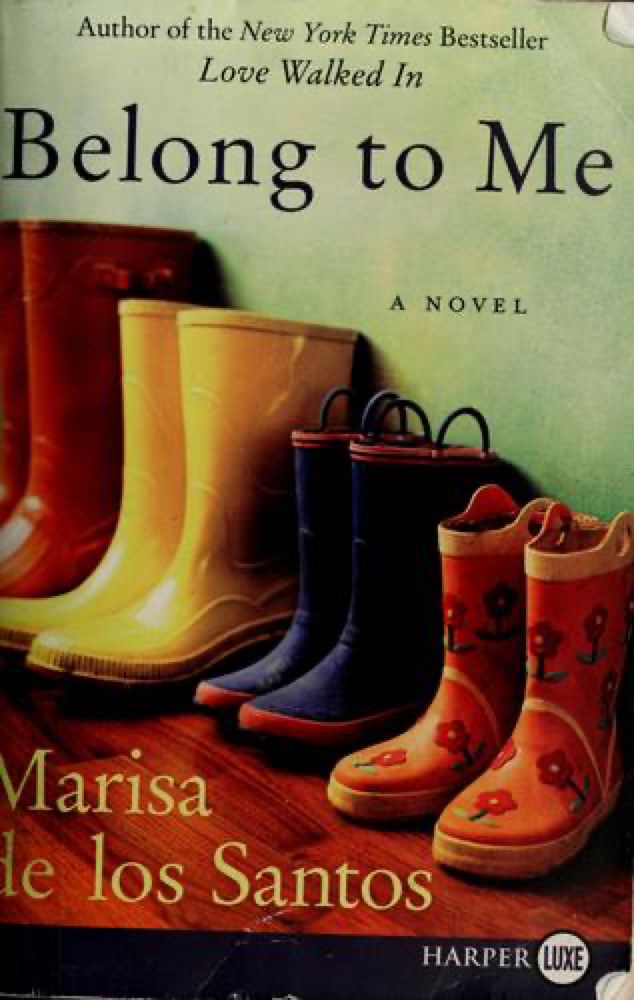 Belong to Me
 VALIS
VALIS
 The Only Alien on the Planet
 Hold Tight
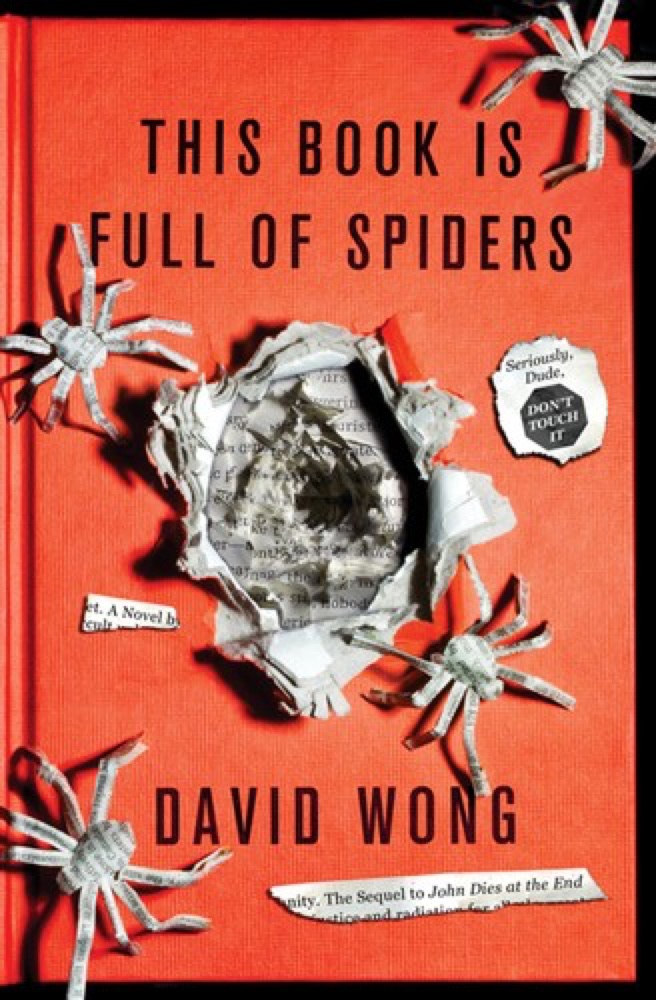 This Book Is Full of Spiders
 The Future
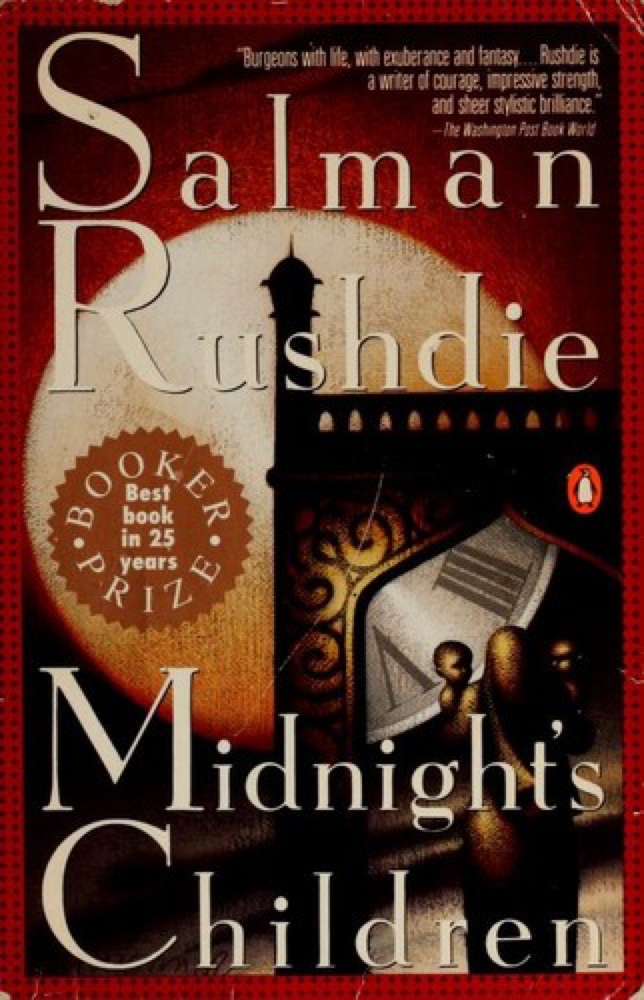 Midnight's Children
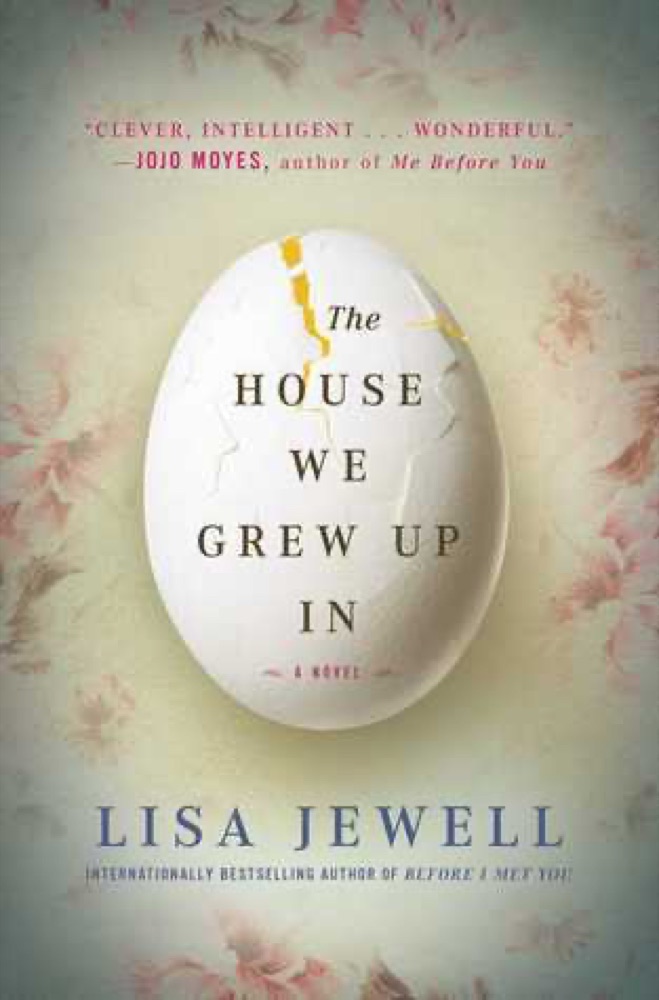 The House We Grew Up In
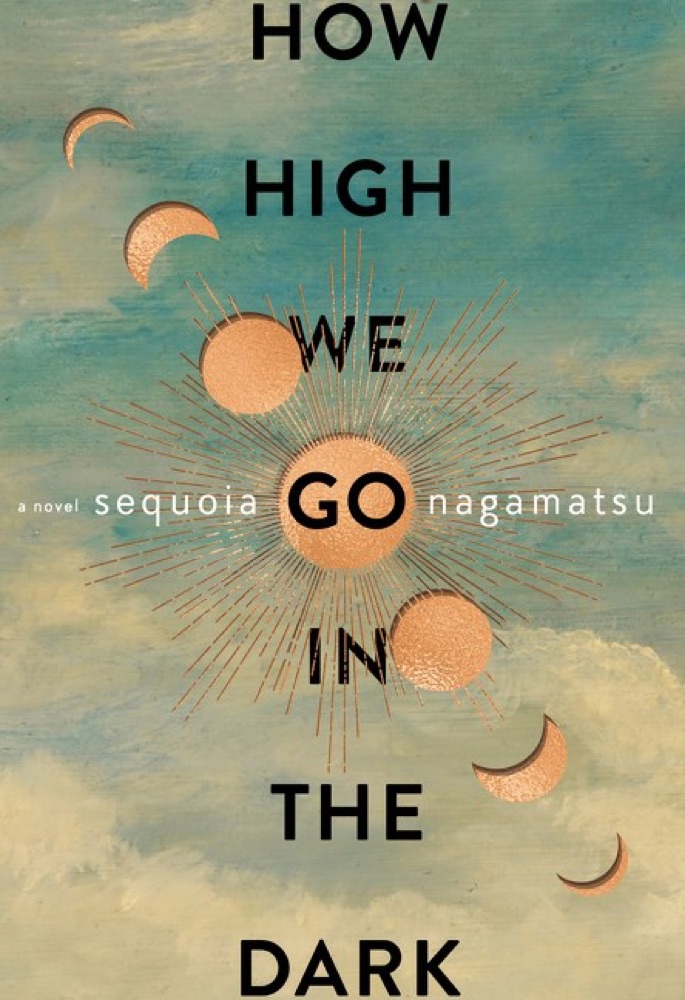 How High We Go in the Dark
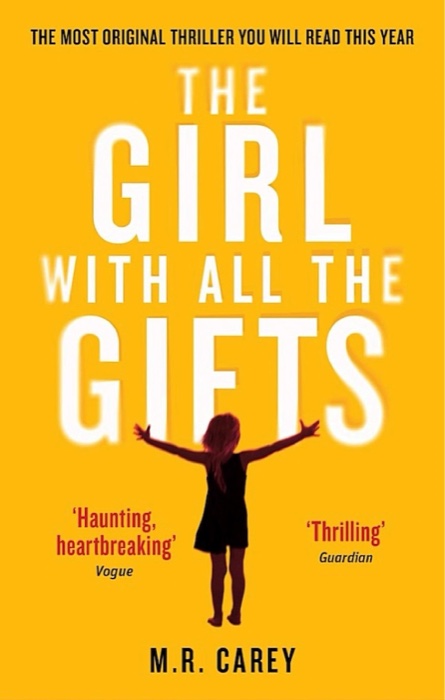 The Girl With All the Gifts
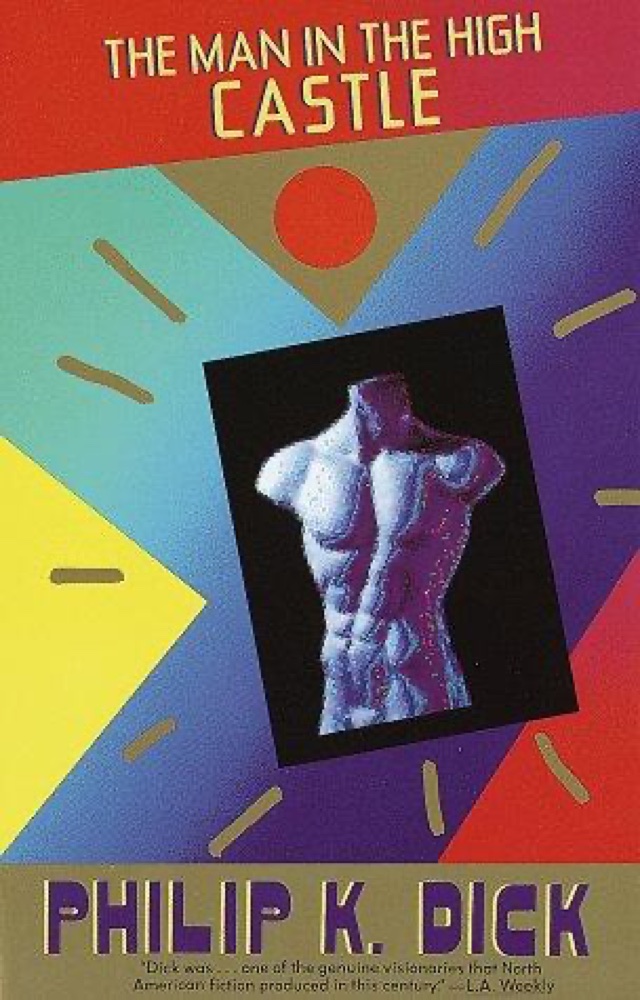 The Man in the High Castle
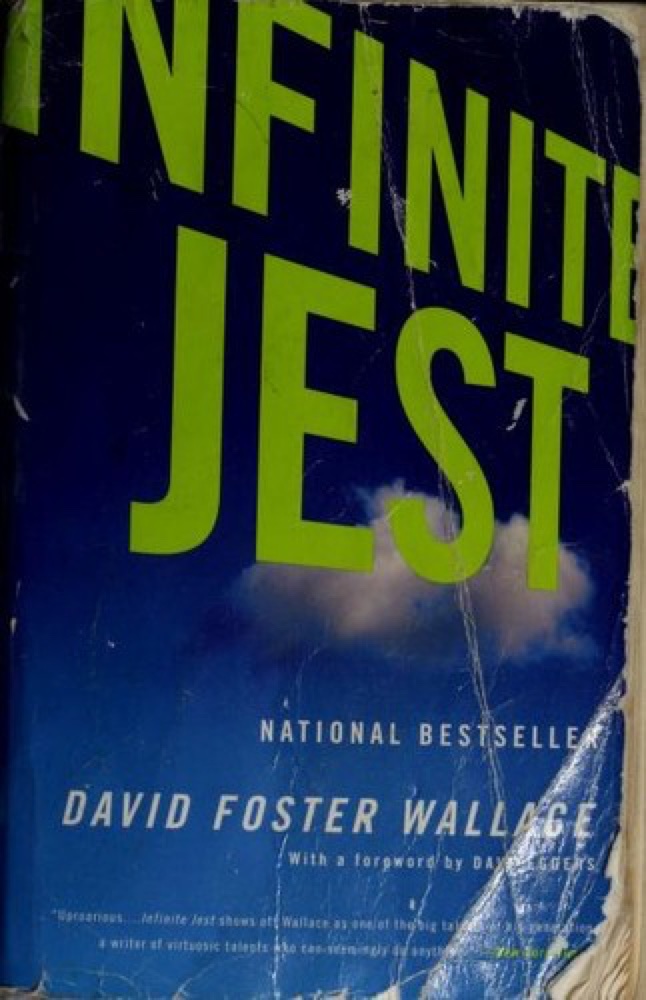 Infinite Jest
 The Many Daughters of Afong Moy
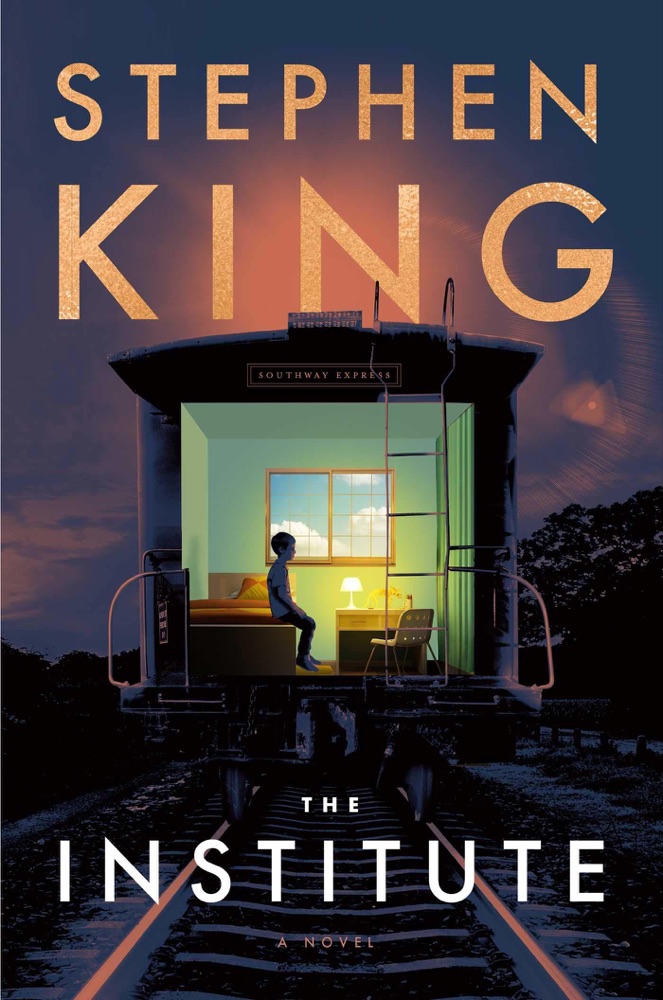 The Institute
 Hush
Hush
 The Gone-Away World
 No One Is Talking About This
 We Live in Water
 Dig
Dig
 Breasts and Eggs
 The Solitaire Mystery