
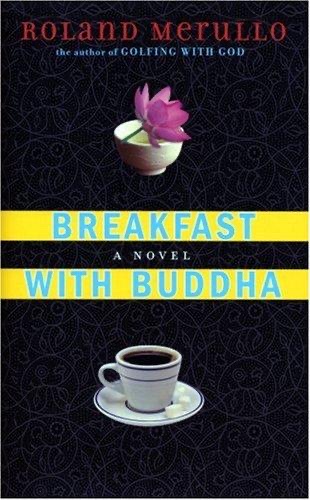
 Breakfast with Buddha
Quotes from the Book
I felt I was drawing close to that age, that place in life, where you realize one day what you'd told yourself was a Zen detachment turns out to be naked fear. You'd had one serious love relationship in your life and it had ended in tragedy, and the tragedy had broken something inside you. But instead of trying to repair the broken place, or at least really stop and look at it, you skated and joked. You had friends, you were a decent citizen. You hurt no one. And your life was somehow just about half of what it could be.
Families are like countries. They have their own language and jokes and secrets and assumptions about the right and wrong ways of doing things, and some of that always shows in the children, the way something of Germany or Australia always shows in a German or an Australian, no matter where they go. Outsiders like it or they don't, they feel at home there or they don't. It's like the taste of cilantro.
I decided that if I was worth anything as a person, I ought to be able to let her be with what it was she had to be with then: not urge her to fight it if she was tired of fighting, not ply her with hope, not make her think about who might be upset or worried, not ask anything of her, nothing, just be alive with her while she was still alive.
I like that kind of thing. I like warmth and uncalled-for kindness, the small unnoticed generosities that speckle the meanness of the world.
I miss women,” he went on. “I miss that kind of intimacy. But I think whatever people do; they do in search of pleasure. Or trying to get rid of pain or fear, which is the same thing, basically. Everything, everything is really about that. Everything is about bringing your mind to a place where it’s at peace
About Roland Merullo
We have collected 32 quotes from 2 books by Roland Merullo on BookQuoters.
More about the author →More by Roland Merullo
Breakfast with Buddha
Book details
- Author
- Roland Merullo
- Genre
- Fiction
- Goodreads rating
- 3.84 (1k ratings) →
Keep reading
 What I Loved
 Love from A to Z
 Mr. Fox
 Panenka
 Conversations with Friends
 A Little Life
 The Perks of Being a Wallflower
 Intermezzo
 Jazz
Jazz
 Good Morning, Destroyer of Men's Souls: A Memoir of Women, Addiction, and Love
 Dead-End Memories: Stories
 The Saving Graces
 Women
Women
 Eleanor Oliphant Is Completely Fine
 Norwegian Wood
 Slapstick, or Lonesome No More!
 The Choice
 On Beauty
 The Woman He Loved Before
 Belong to Me
 Children of the Mind
 The Rachel Papers
 My Cousin Rachel
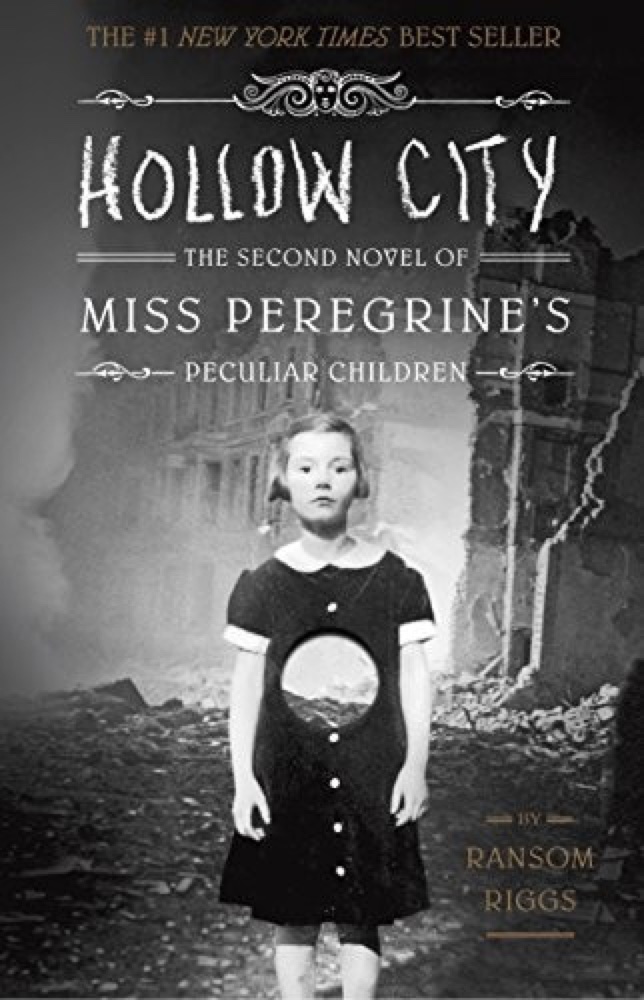 Hollow City
 Something Blue
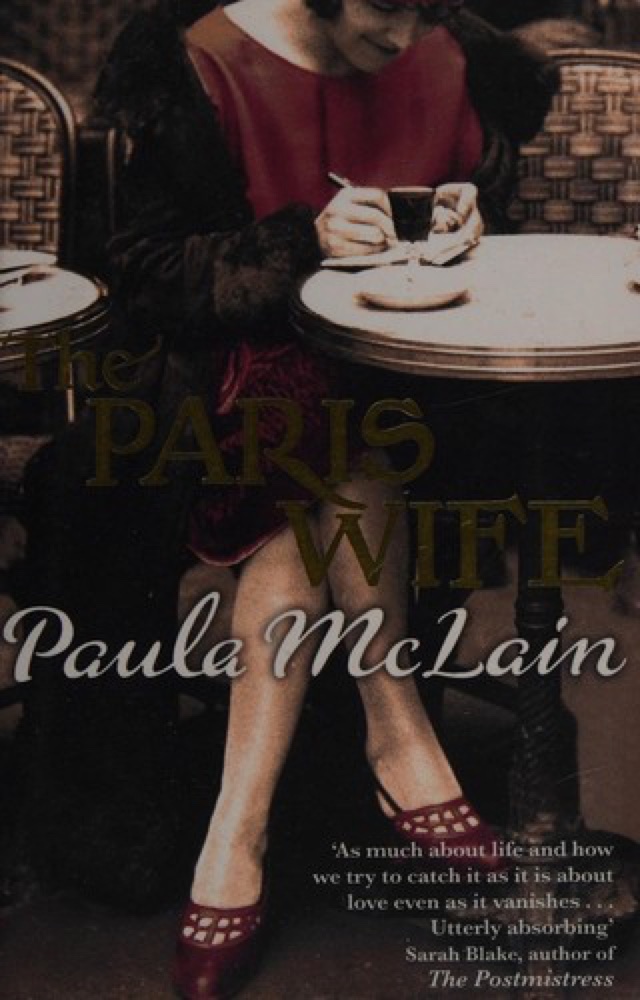 The Paris Wife
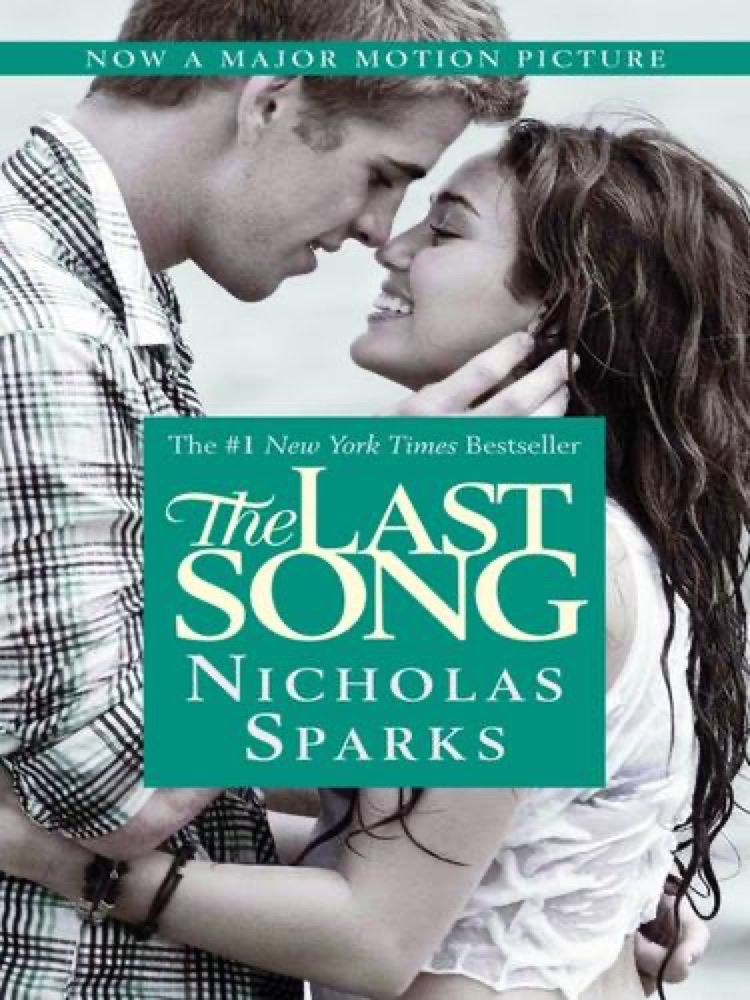 The Last Song
 The Sweet Hereafter
 Traveling Mercies: Some Thoughts on Faith
 The Nightingale
 Good in Bed
 Charmed Thirds
 Happy Hour
 On the Other Side
 Handle with Care
 Men Without Women
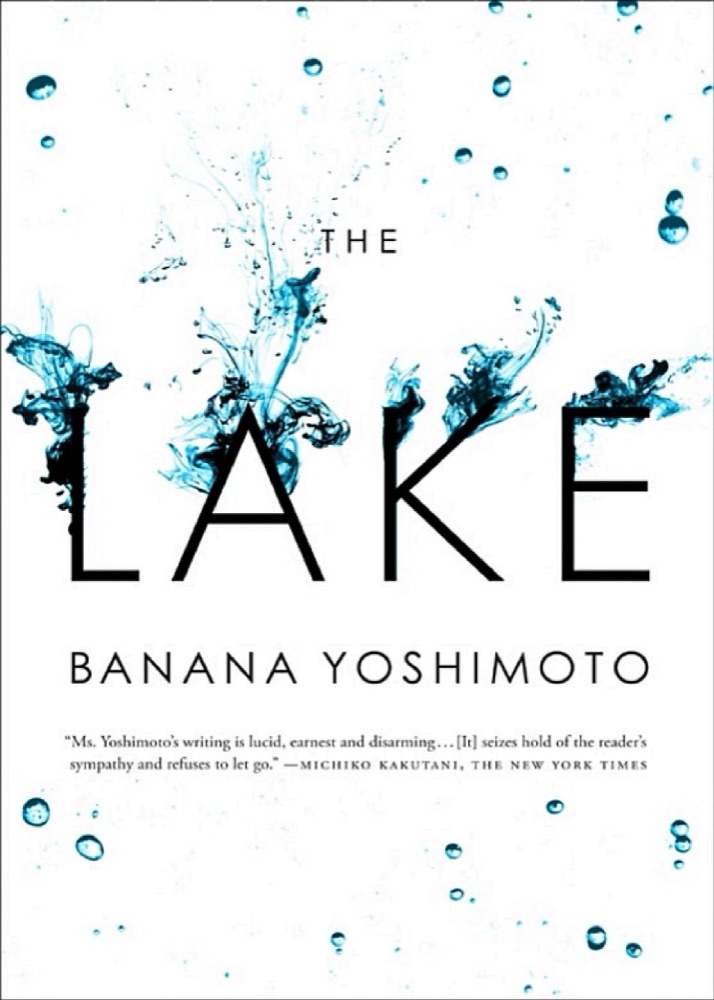 The Lake
 American Wife
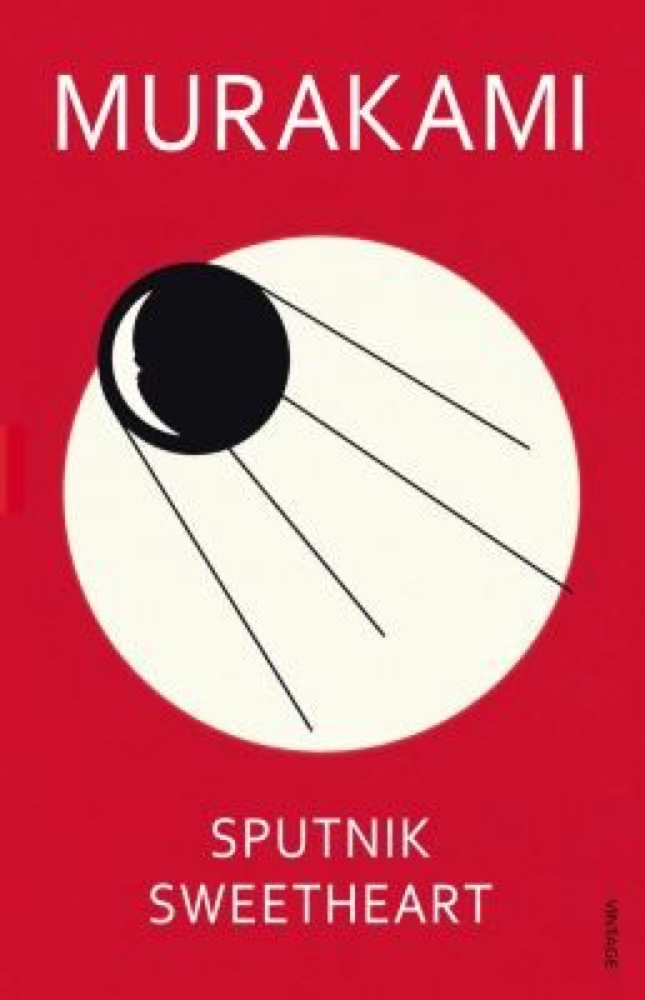 Sputnik Sweetheart
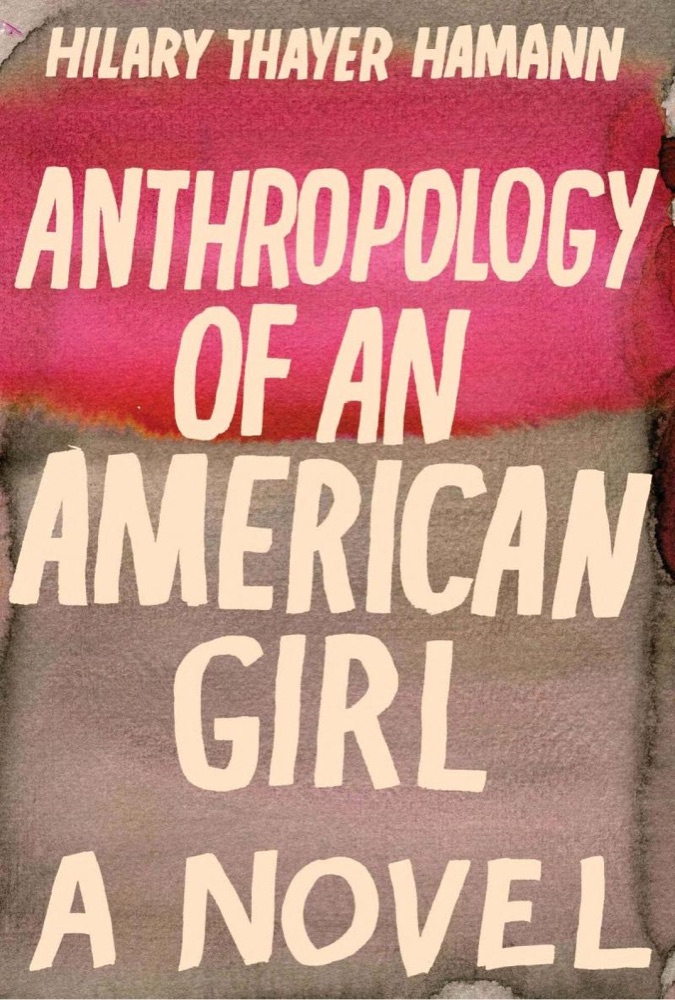 Anthropology of an American Girl
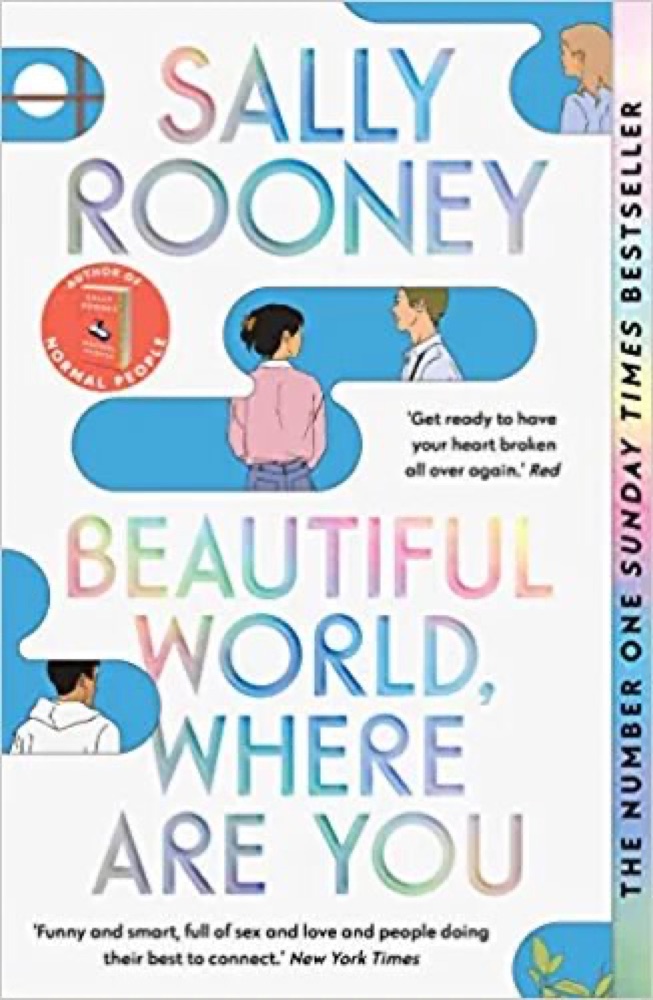 Beautiful World, Where Are You
 The Feast of Love
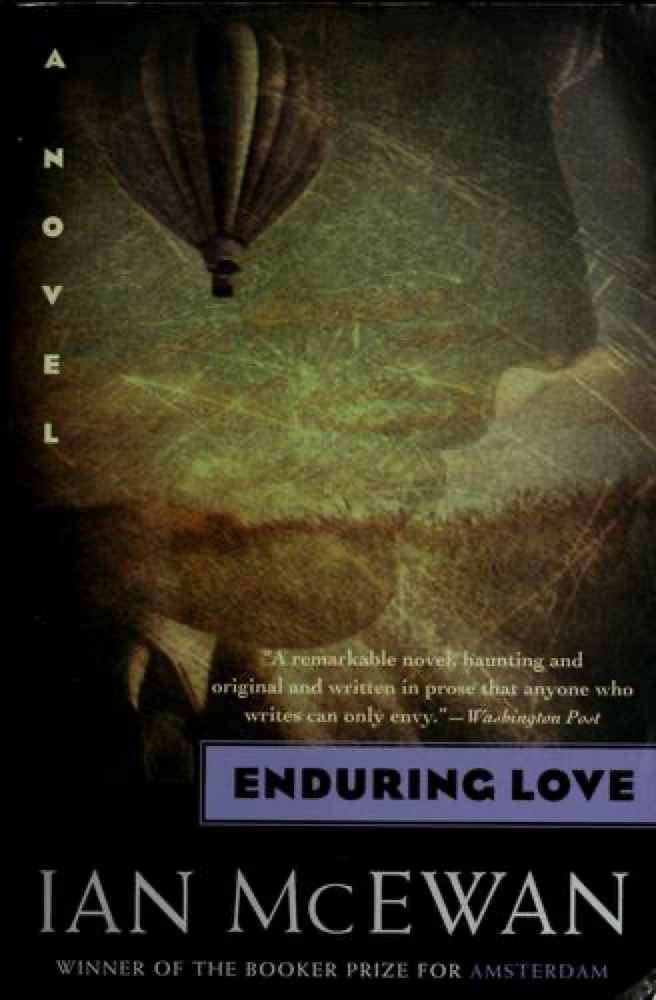 Enduring Love
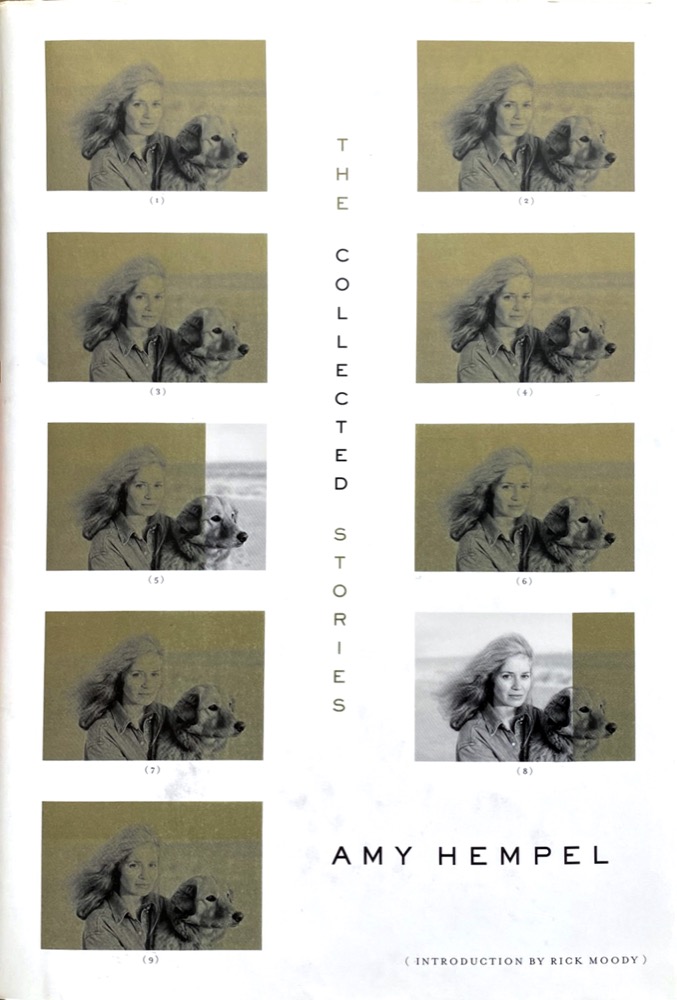 The Collected Stories
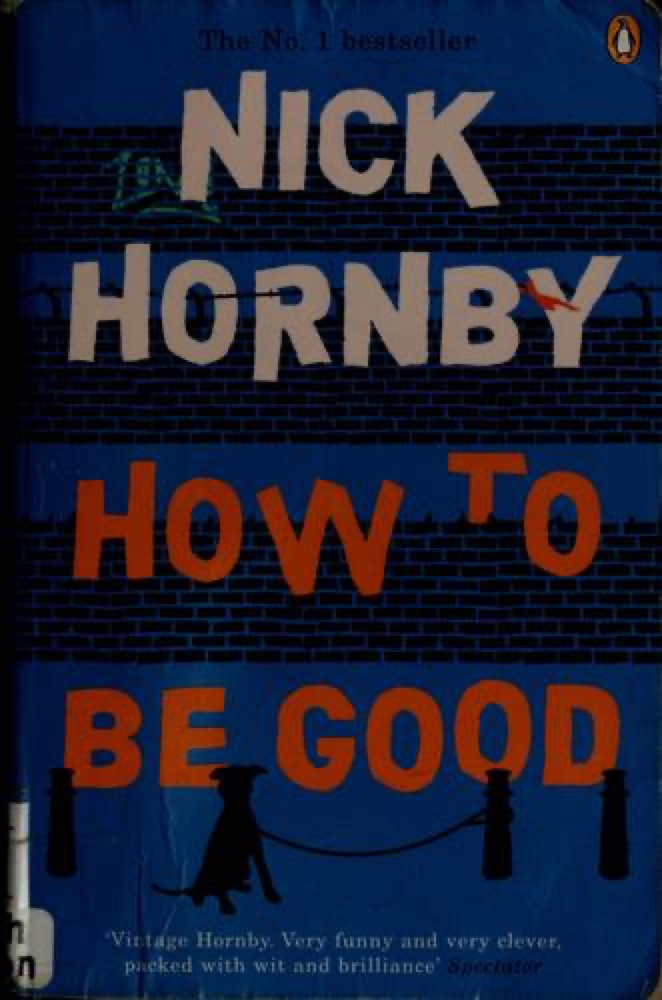 How to Be Good
 Love Walked in
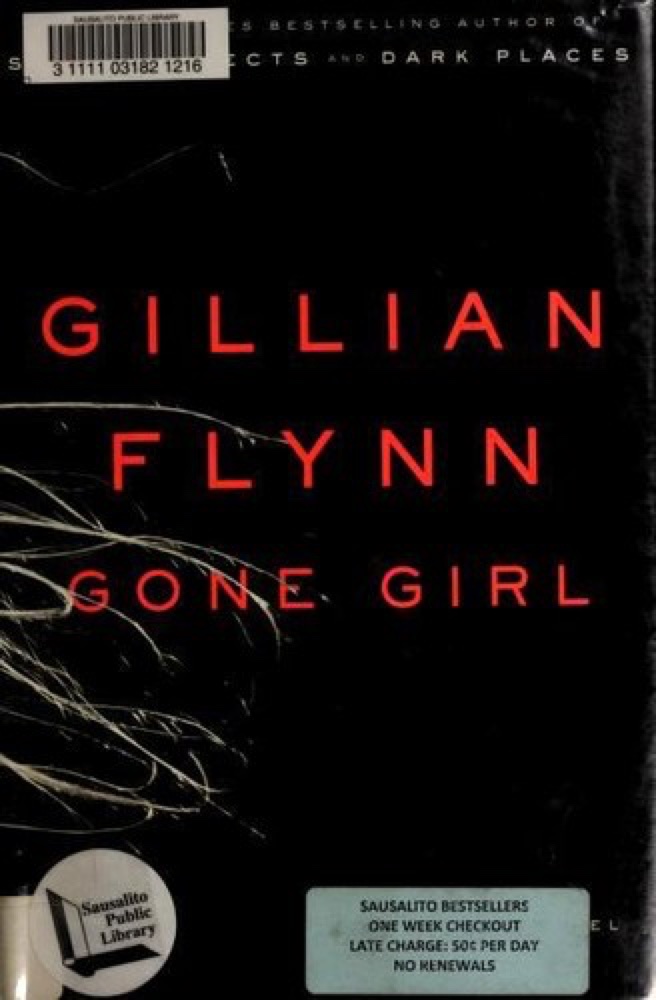 Gone Girl
 The Post-Birthday World
 Freedom
 Animal Dreams
 The Harder I Fight the More I Love You: A Memoir
 Watermelon
 Rules of Civility
 The Crane Wife: A Memoir in Essays
 Memoirs of a Teenage Amnesiac
 Anna Karenina
 The Return
 Finding Eden
 Girl with Curious Hair