
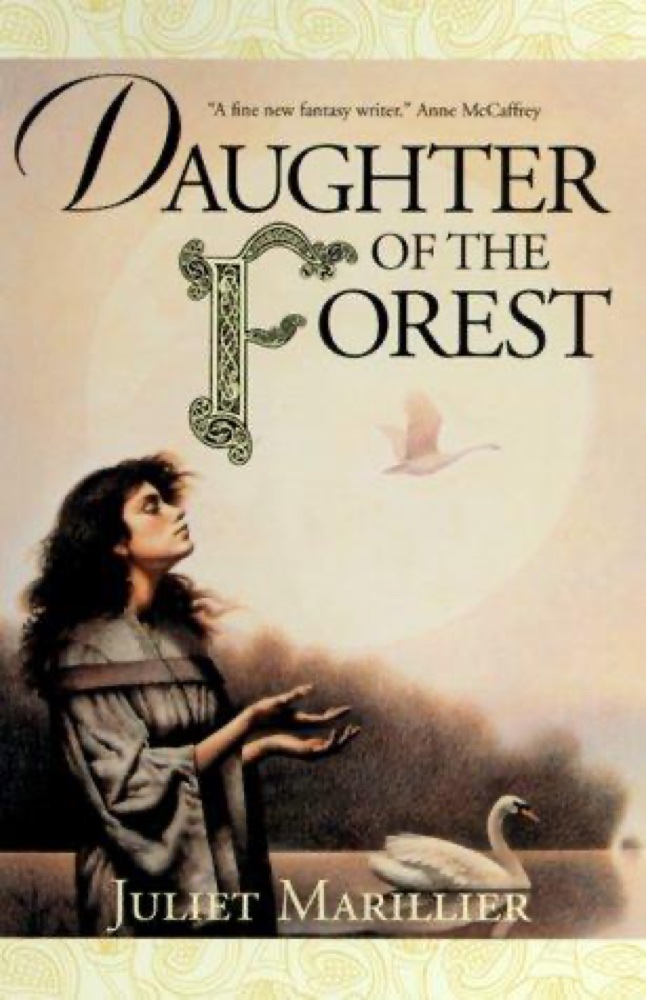
 Daughter of the Forest
Quotes from the Book
The error was not yours, Somerled," Eyvind said quietly, moving to the doorway. "It was mine. I failed to teach you the one lesson you could not do without: how to be a man.
Now he understood what it was to be a man: that it was to be weak as well as strong, to be foolish sometimes and wise sometimes, to know love as well as to kill. And he had learned that there were other paths for him, other gods who called in the deep places of the earth, in the lap of wavelets on the shore, in the breath of the wind. He had learned that there were other kinds of courage. He knew, with deep certainty, that the islands held a new path for him. He need only move forward and find it.
I wonder how it takes you, that moment when everything turns to shadows.
The god honors the faithful. And who is more true than a man who keeps his oath, though it breaks his heart?
Watch on YouTube
About Juliet Marillier
We have collected 164 quotes from 14 books by Juliet Marillier on BookQuoters.
More about the author →More by Juliet Marillier
All books by Juliet Marillier →
Book details
- Author
- Juliet Marillier
- Genre
- Fiction
- Goodreads rating
- 4.05 (8k ratings) →
Keep reading
 Oathbringer
 Beyond the Shadows
 The High King
 Fell
Fell
 The Children of Húrin
 Son of the Shadows
 Inheritance
 New Spring
 The Way of Kings
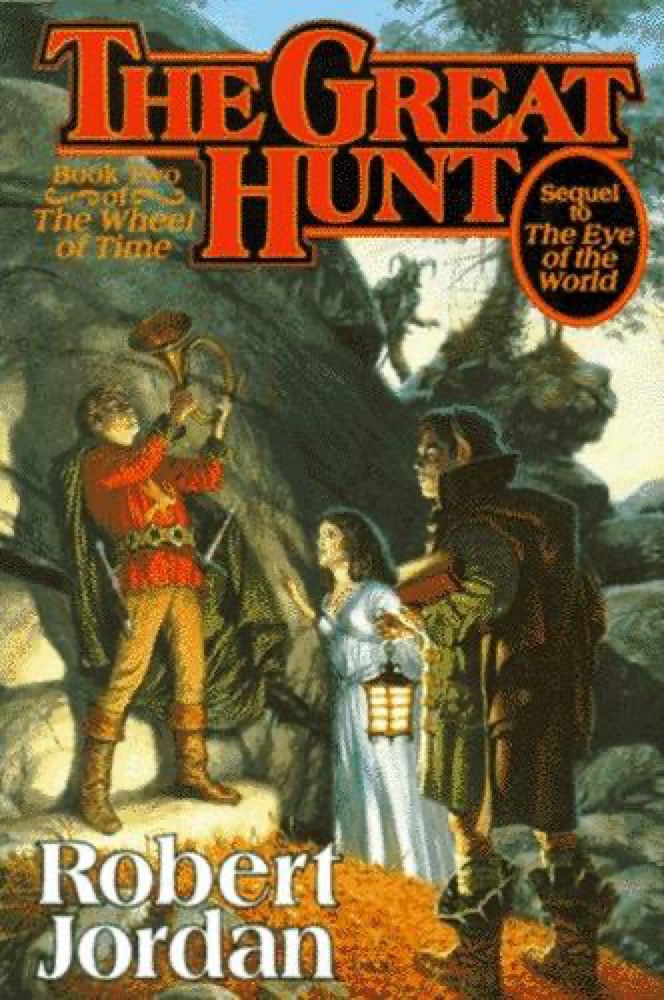 The Great Hunt
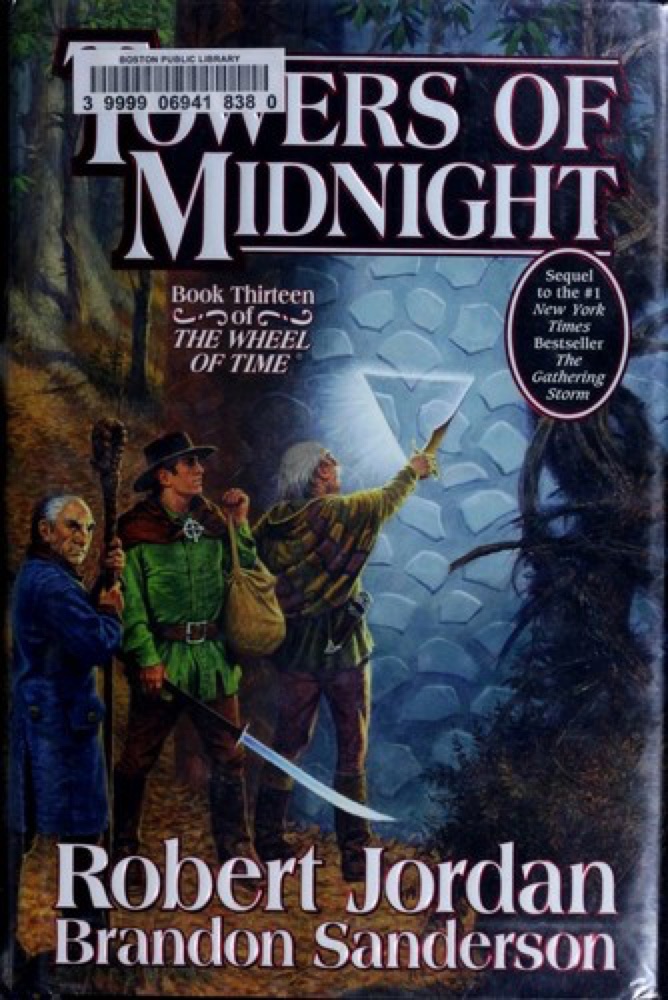 Towers of Midnight
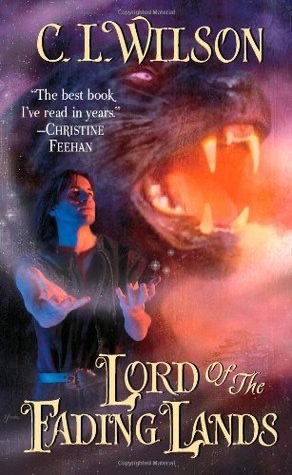 Lord of the Fading Lands
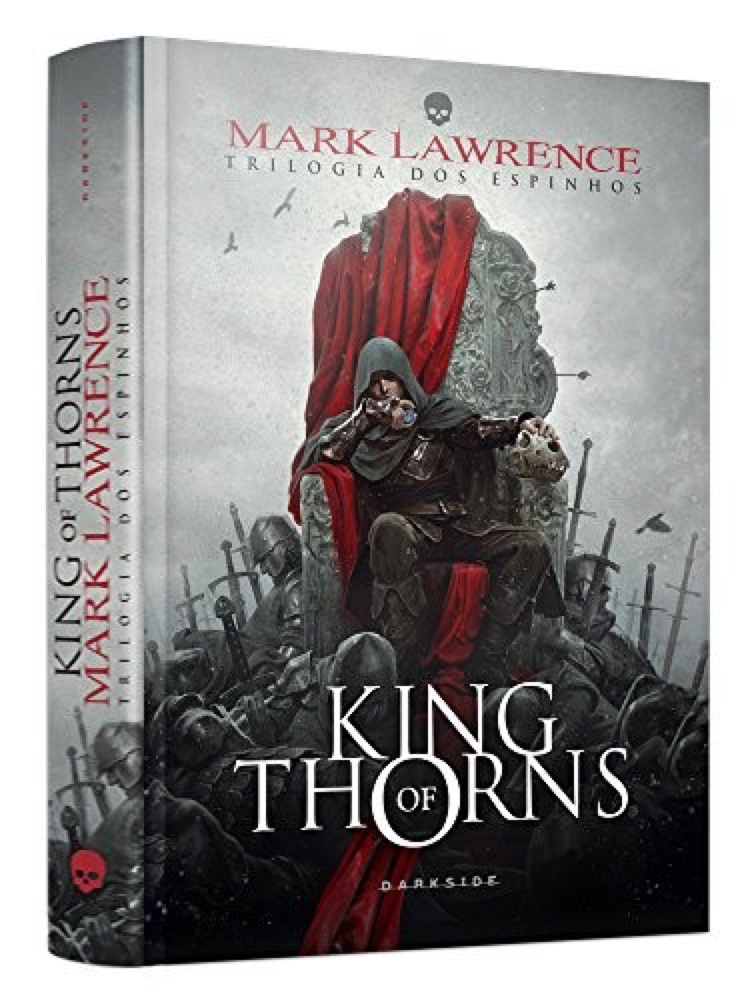 King of Thorns
 The Warrior Prophet
 The Broken Eye
 Finnikin of the Rock
 The Burning White
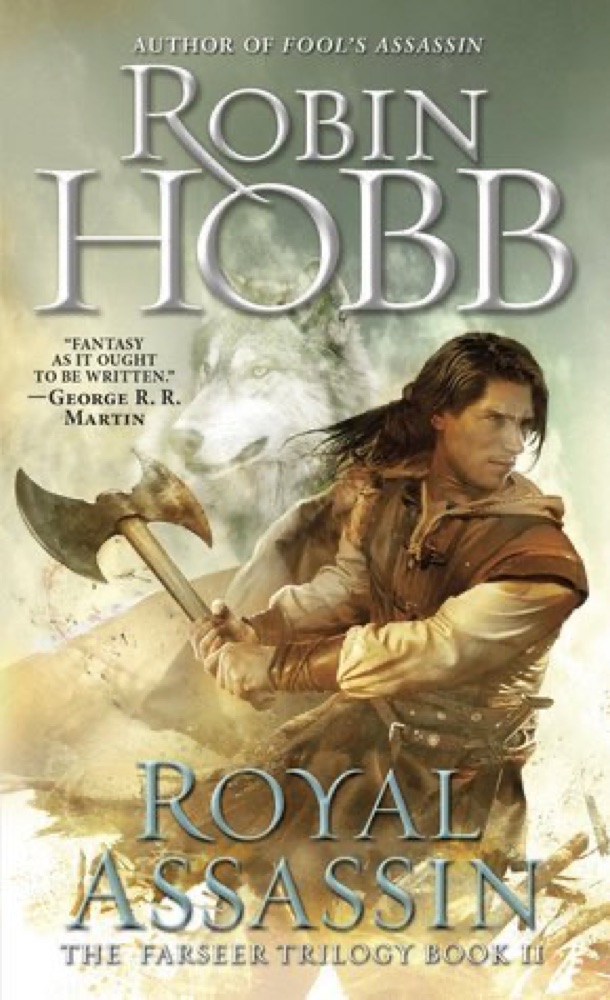 Royal Assassin
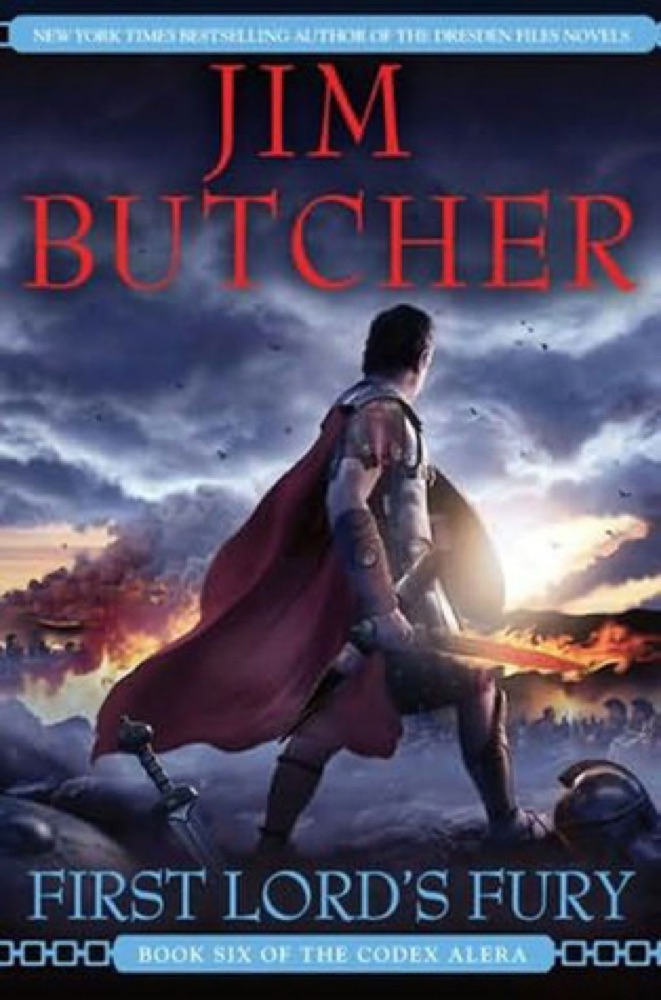 First Lord's Fury
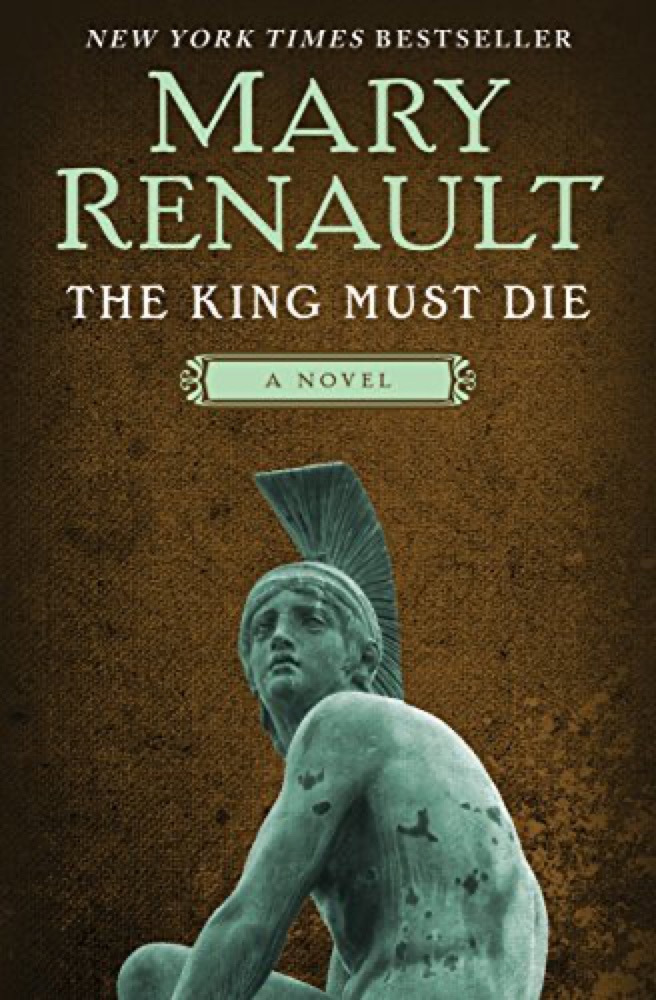 The King Must Die
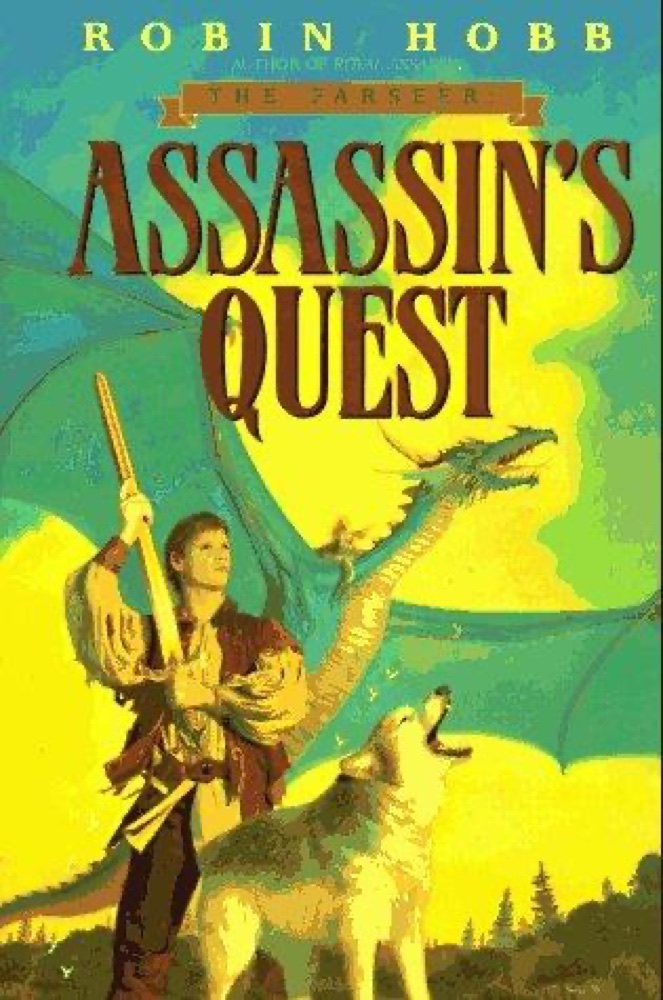 Assassin's Quest
 March
March
 The Hallowed Hunt
 The Dagger of Adendigaeth
Daughter of the Forest
The Dagger of Adendigaeth
Daughter of the Forest
 A Game of Thrones
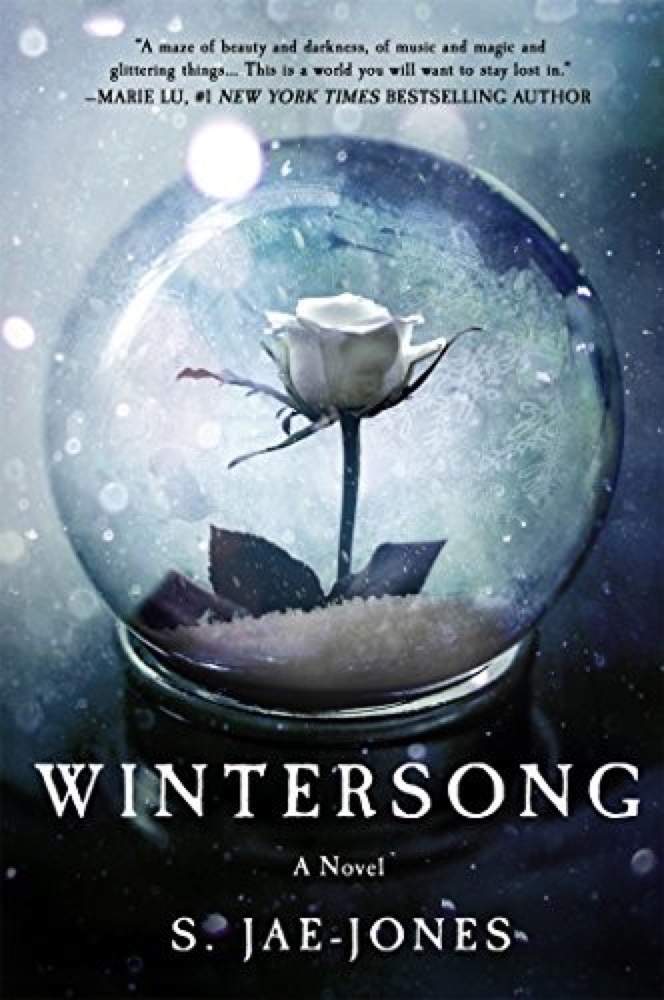 Wintersong
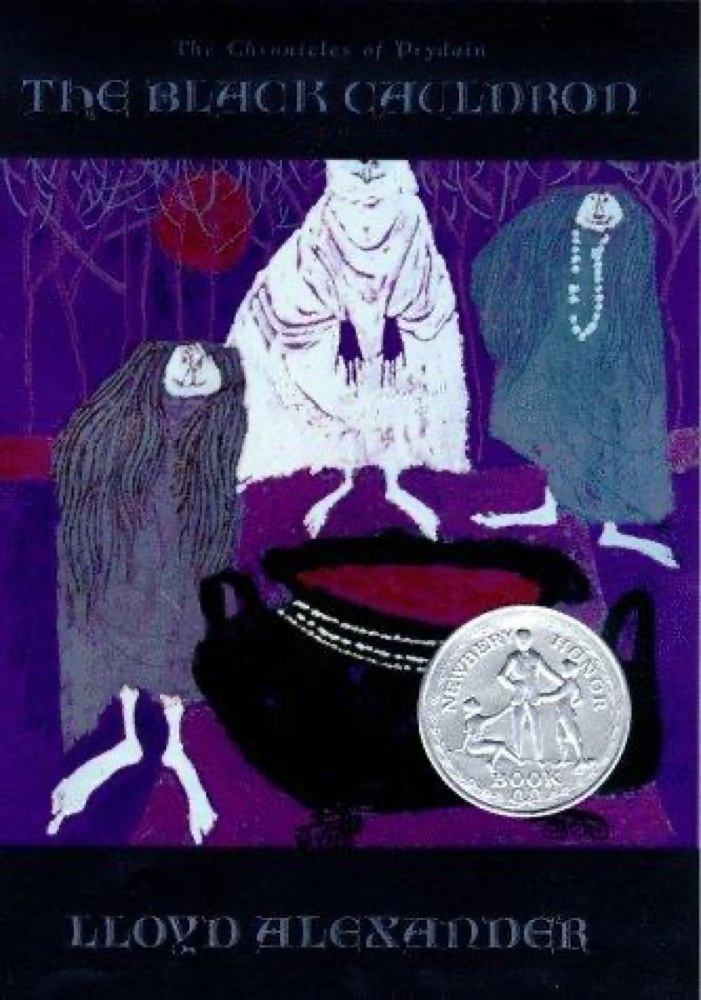 The Black Cauldron
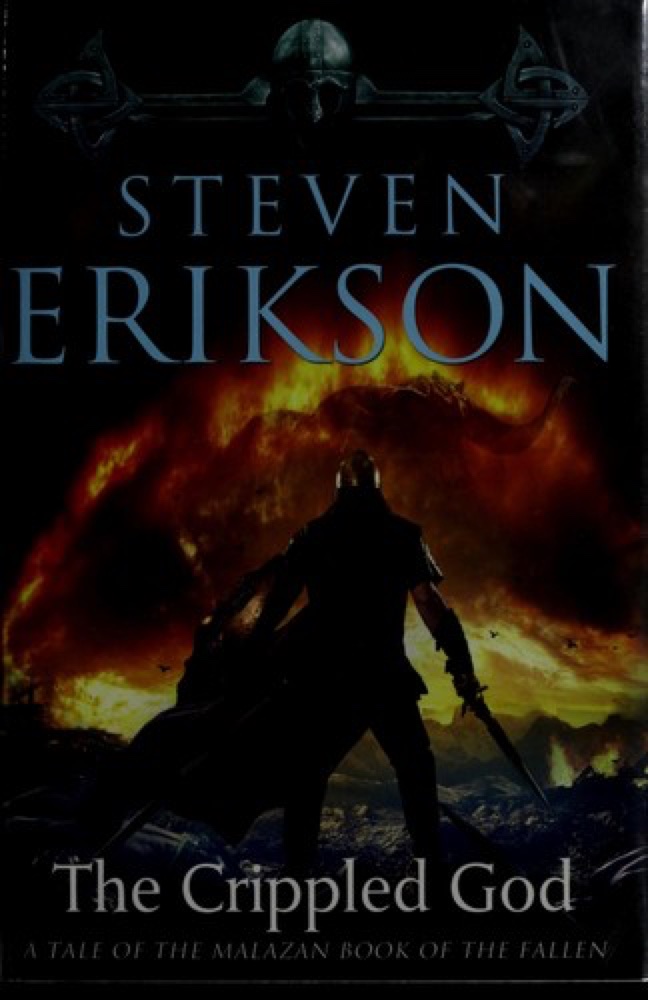 The Crippled God
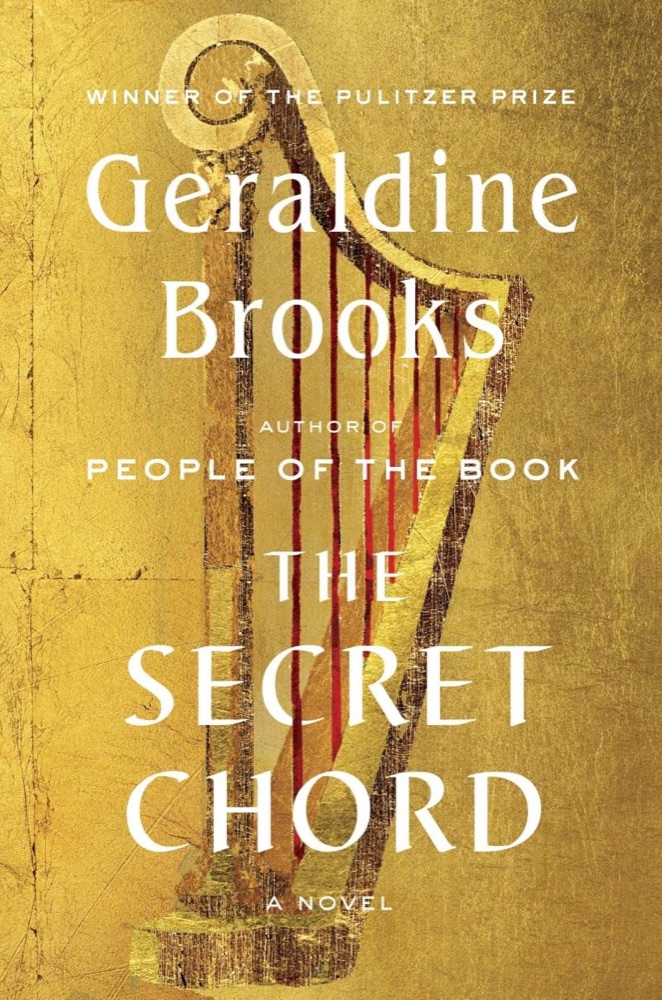 The Secret Chord
 Fool's Quest
 Empire of the Vampire
 The Return of the King
 Lord Jim
 The Thousandfold Thought
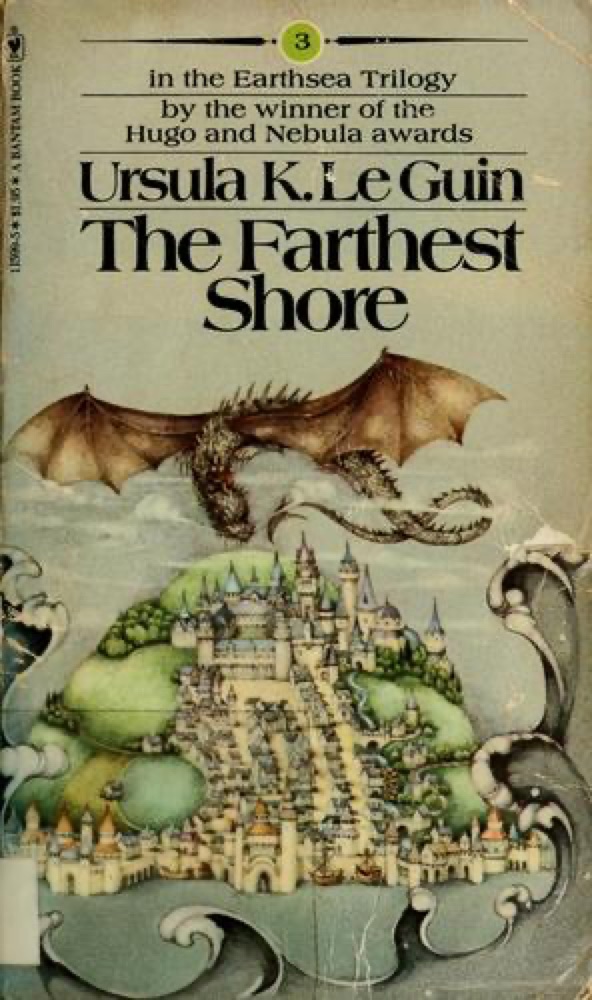 The Farthest Shore
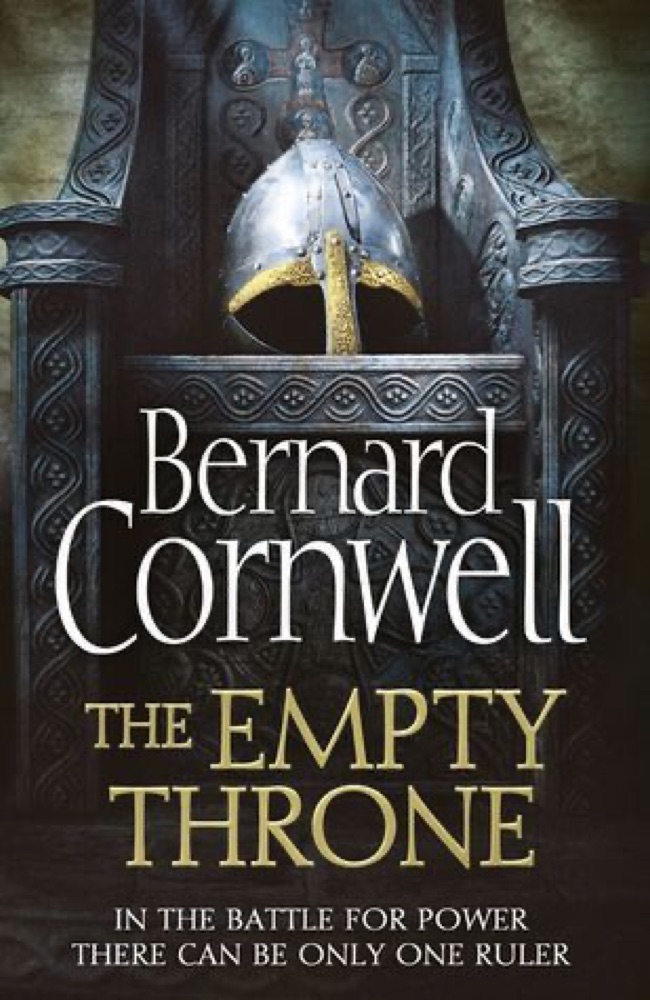 The Empty Throne
 Wayfarer
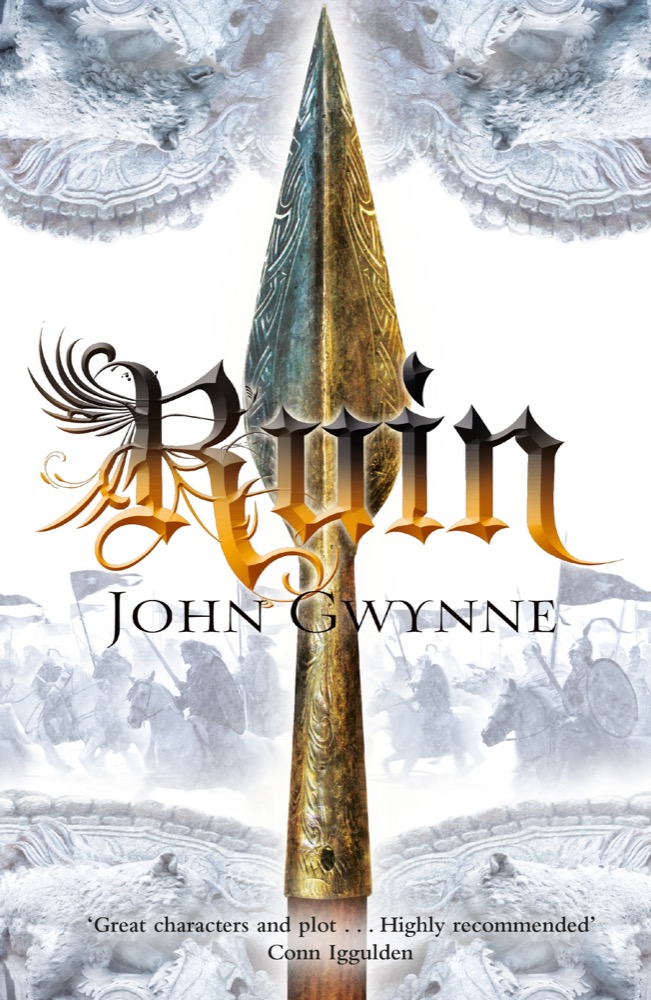 Ruin
Ruin
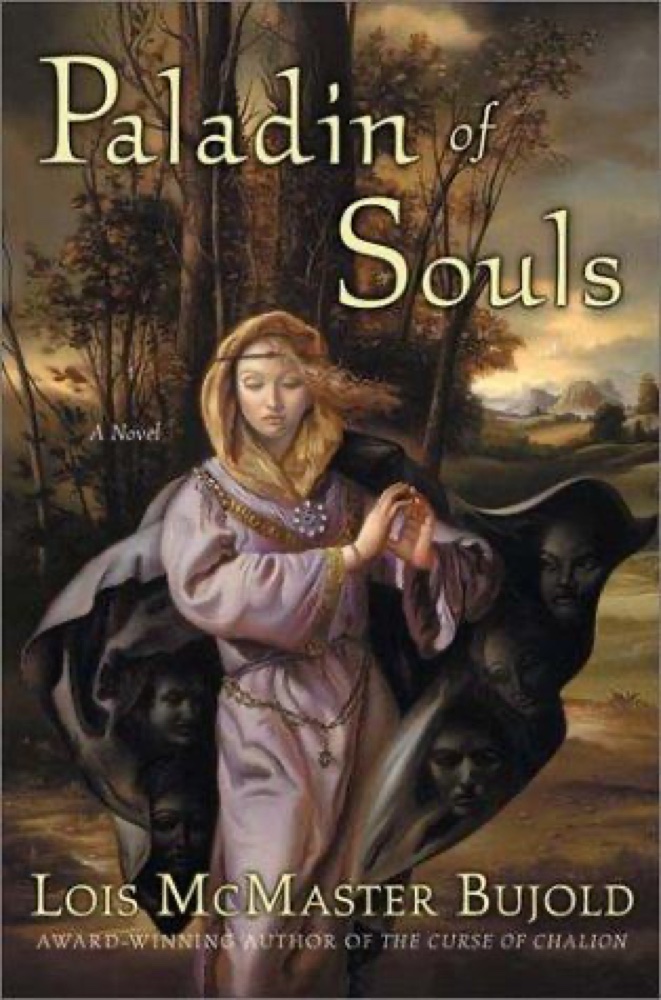 Paladin of Souls
 Forge of Darkness
 The Speaker
 The Pale Horseman
 Fall of Light
 The Beauty of Darkness
 The Last Mortal Bond
 Beowulf
 A Clash of Kings
 The Crystal Cave
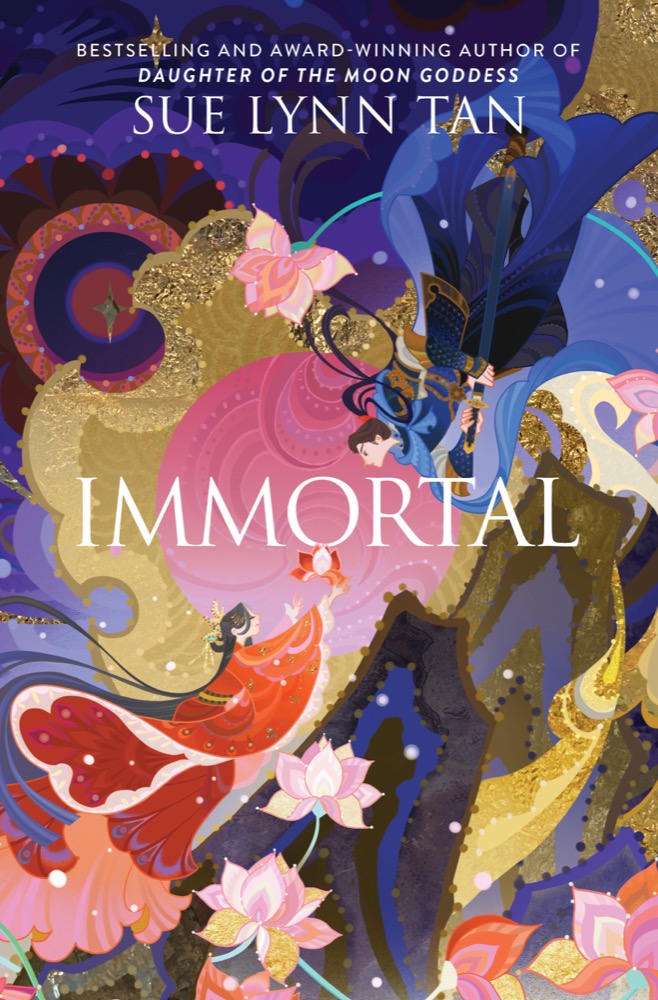 Immortal
 Black Leopard, Red Wolf
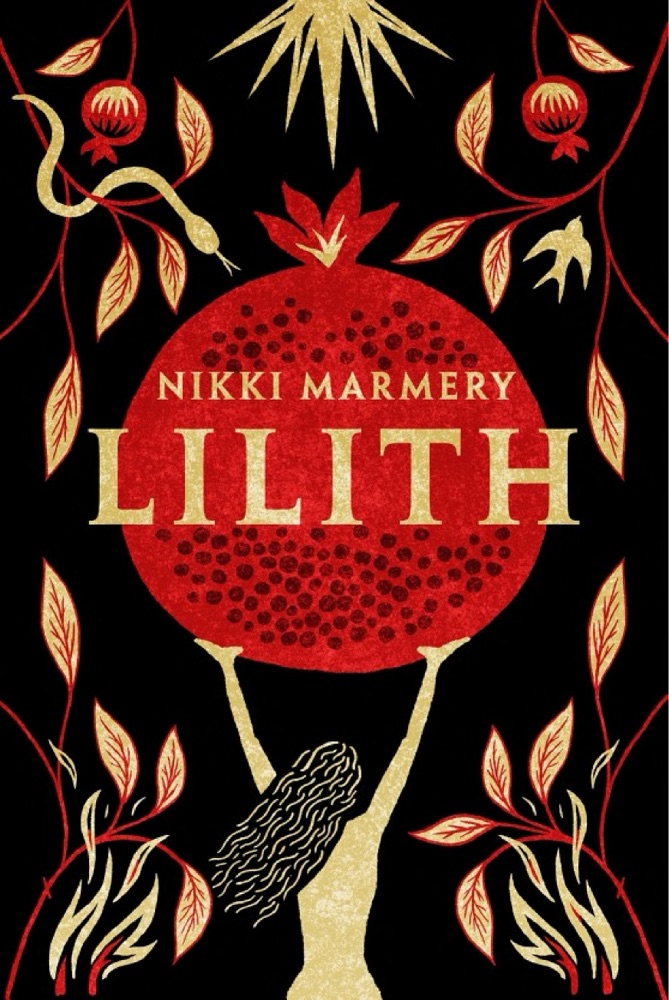 Lilith
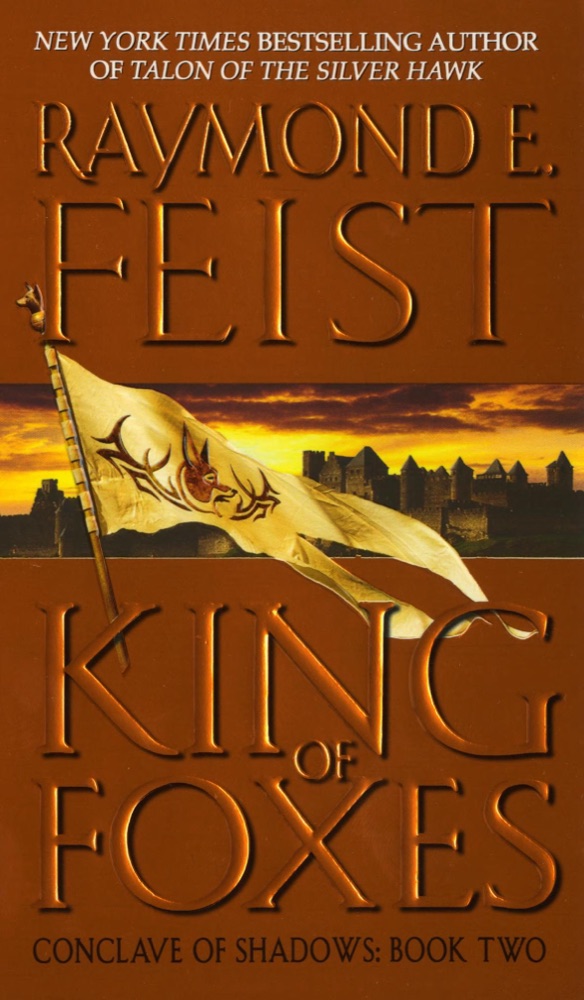 King of Foxes
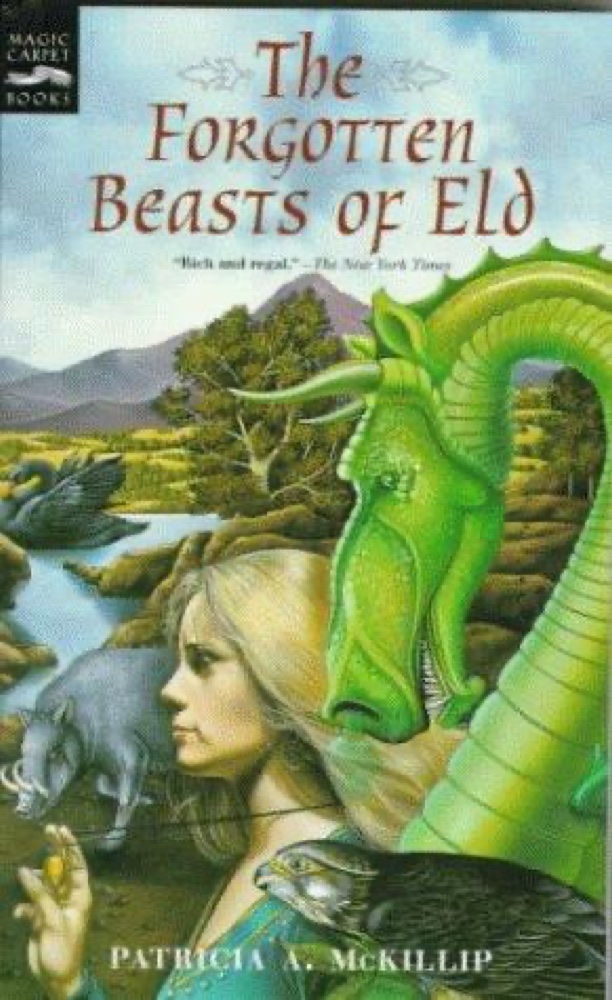 The Forgotten Beasts of Eld
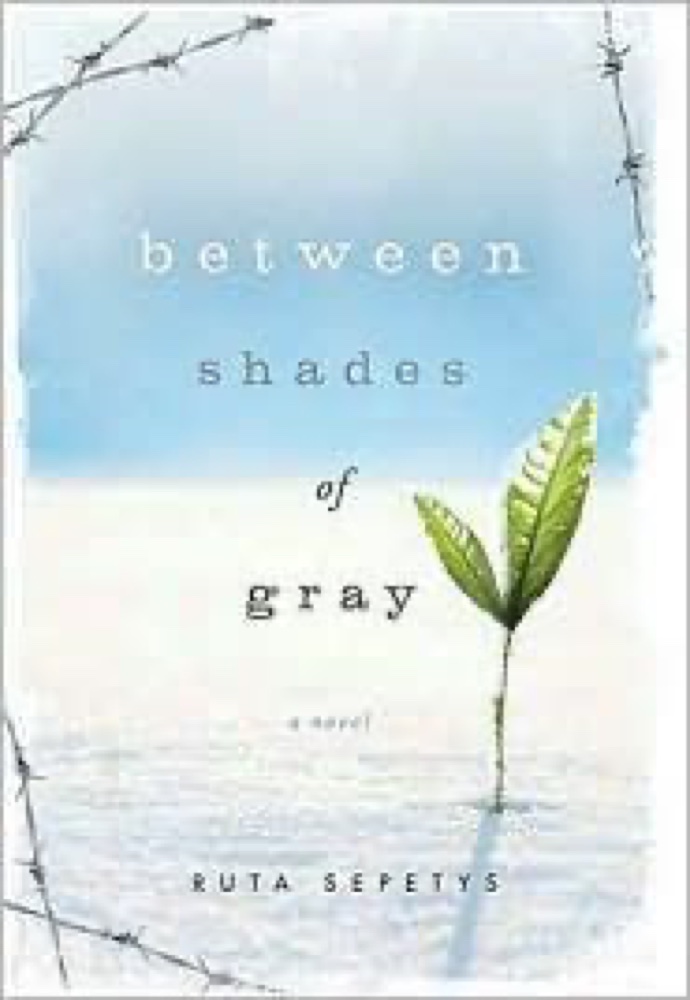 Between Shades of Gray
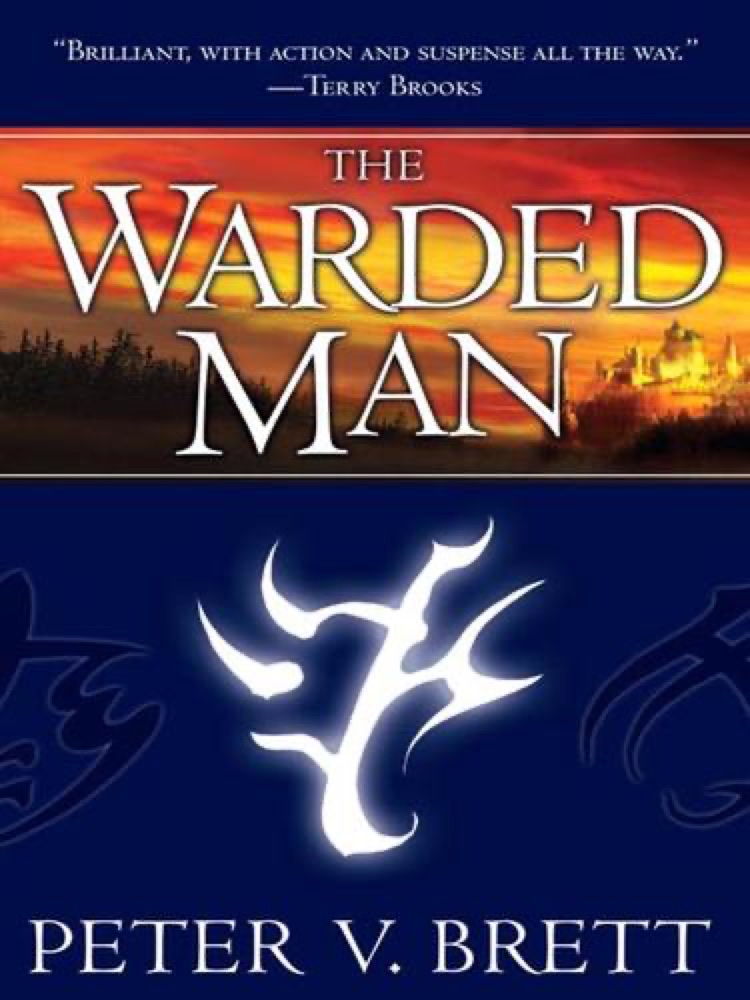 The Warded Man
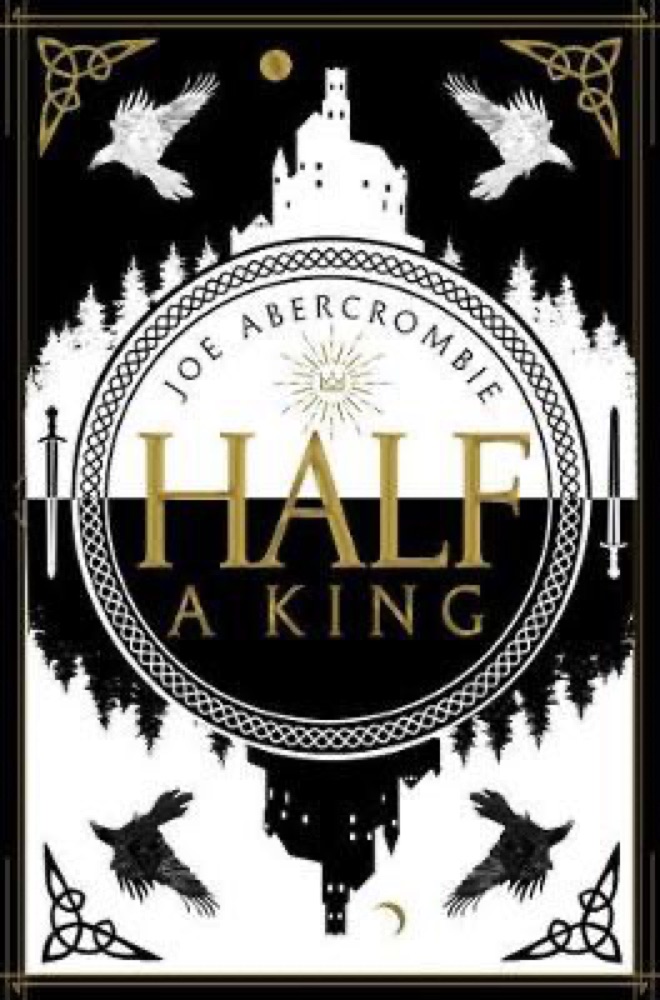 Half a King
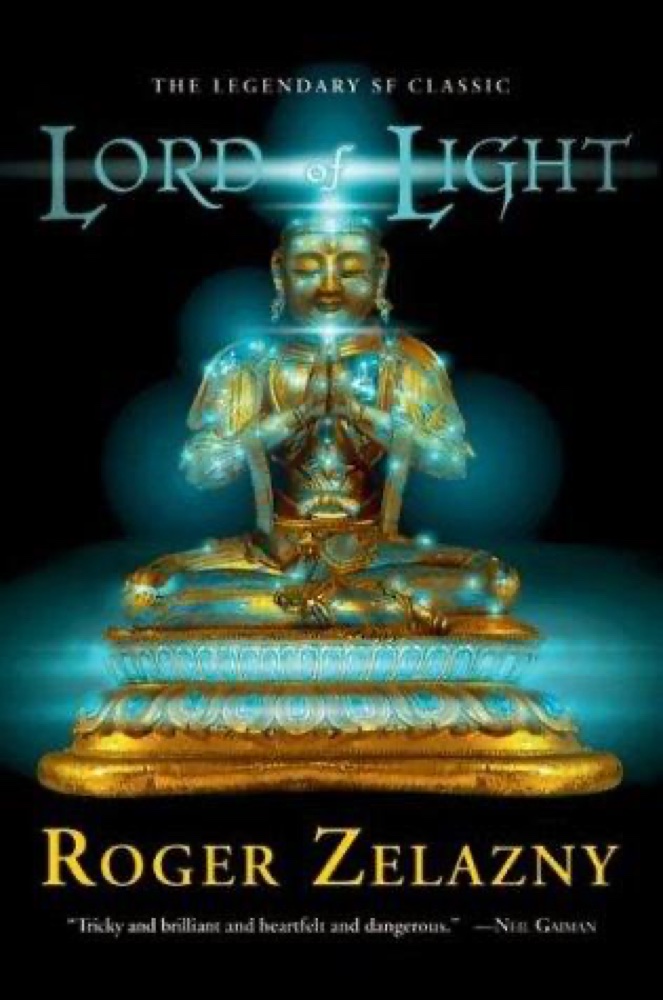 Lord of Light
 Wind and Truth
 Sacred Journey of the Peaceful Warrior