
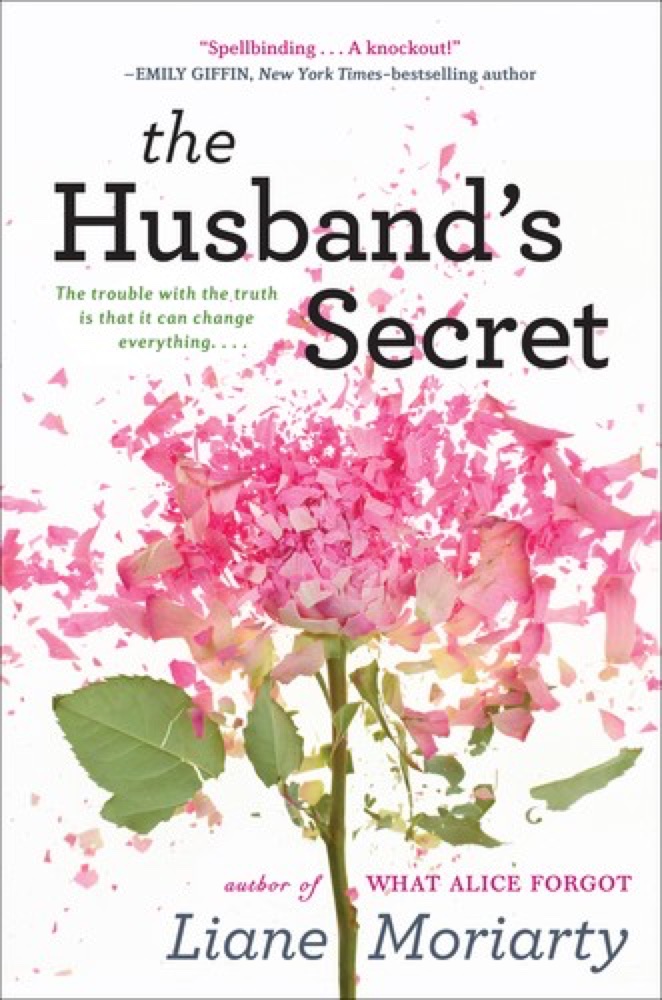
 The Husband's Secret
Quotes from the Book
Early love is exciting and exhilarating. It's light and bubbly. Anyone can love like that. But after three children, after a separation and a near-divorce, after you've hurt each other and forgiven each other, bored each other and surprised each other, after you've seen the worst and the best-- well, that sort of love is ineffable. It deserves its own word.
But maybe every life looked wonderful if all you saw was the photo albums.
Each memory, good and bad, was another invisible thread that bound them together...It was as simple and complicated as that. Love after children, after you've hurt each other and forgiven each other, bored each other and surprised each other, after you've seen the worst and the best...-well, that sort of love is ineffable. It deserves its own word.
They would think she was savoring the taste (blueberries, cinnamon, cream-excellent), but she was actually savoring the whole morning, trying to catch it, pin it down, keep it safe before all those precious moments became yet another memory.
She had always thought that exquisitely happy time at the beginning of her relationship with Nick was the ultimate, the feeling they'd always be trying to replicate, to get back, but now she realized that was wrong. That was like comparing sparkling mineral water to French champagne. Early love is exciting and exhilarating. It's light and bubbly. Anyone can love like that. But love after three children, after a separation and a near-divorce, after you've hurt each other and forgiven each other, bored each other and surprised each other, after you've seen the worst and the best--well, that sort of a love is ineffable. It deserves its own word.
So now I just assume that it won't work, and that if it does work, I'll lose it anyway. This is meant to protect me, although it doesn't, because somehow the hope sneakily finds its way in. I'm never aware of the hope until it's gone, whooshed away like a rug pulled from under my feet, each time I hear another "I'm sorry.
He got Alice, the way we did, or maybe even more so than us. He made her more confident, funnier, smarter. He brought out all the things that were there already and let her be fully herself, so she seemed to shine with this inner light.
The medication, the hormones and the relentless frustrations of our lives make us bitchy and you're not allowed to be bitchy in public or people won't like you.
She was busy thinking about the concept of forgiveness. It was such a lovely, generous idea when it wasn't linked to something awful that needed forgiving.
Just because a marriage ended didn't mean that it hadn't been happy at times.
How strange it all was. Wouldn't it be a lot less messy if everyone just stayed with the people they married in the first place?
she was remembering what it was like when you broke up with someone. Conversations became so hopelessly tangled. You had to be polite and precise. You couldn’t safely criticize anymore, because you didn’t have the right. You’d lost your immunity.
We'd traveled, we'd been to lots of parties, lots of movies and concerts, we'd slept in. We'd done all those things that people with children seem to miss so passionately. We didn't want those things anymore. We wanted a baby.
And even though I adore the fact that Francesca has Ben's eyes, I also see now that her biological connection to us is irrelevant. She is her own little person. She is Francesca. If we weren't her "natural" parents, we would still have loved her just as much.
Finally she stopped resisting and called a truce. Young Alice was allowed to stay as long as she didn't eat too much chocolate.
It was good to remember that for every horrible memory from her marriage, there was also a happy one. She wanted to see it clearly, to understand that it wasn’t all black, or all white. It was a million colors. And yes, ultimately it hadn’t worked out, but that was okay. Just because a marriage ended didn’t mean that it hadn’t been happy at times. She thought about that
It seemed truly frightening that it was only by sheer chance that she had met Nick. It could so easily not have happened and then she would have had a shadowy, half-alive existence, like some sort of woodland creature who never sees sunlight, never even knowing how much she could love and how much she could be loved. Elisabeth once said — very definitely and severely — that the right man didn't complete you, you have to find happiness yourself, and Alice nodded agreeably, while thinking to herself, 'Oh, but yes he does.
That's what's so embarrassing about all this. Each time I sobbed for a lost baby, it was like sobbing over the end of a relationship when I'd never even gone out with the guy. My babies weren't babies. They were just microscopic clusters of cells that weren't ever going to be anything else. they were just my own desperate hopes. Dream babies. And people have to give up on dreams.
He made her more confident, funnier, smarter. He brought out all the things that were there already and let her be fully herself, so she seemed to shine with this inner light. He loved her so much, he made her seem even more lovable.
Alice would give anything, anything at all, to be lying in bed with Nick, waiting for a cup of tea. Maybe he got sick of making her cups of tea? Was that it? Had she taken him for granted? Who did she think she was, some sort of princess, lying in bed waiting for cups of tea to be delivered.
We should have given up years ago. It's so clear now. We should have "explored other options." We should have adopted. We gave up years of our lives and we very nearly destroyed our marriage. Our happy ending could have and should have arrived so much sooner. And even though I adore the fact that Francesca has Ben's eyes, I also see now that her biological connection to us is irrelevant.
A thank-you card,” repeated Alice. “Yes. I know, I know, it’s teaching them good manners and everything, but I sort of hate those thank-you cards. I always imagine the kids groaning and having to be forced into writing them. It makes me feel like an elderly aunt.
Nick explained that an aperitif was an pre-dinner drink. Nick came from an aperitif-drinking family. Alice came from a family with one dusty bottle of Baileys sitting hopefully in the back of the pantry with the tins of spaghetti.
How could she not be with someone forever when even their feet-his huge, not especially attractive feet, with their long hairy toes-felt like home?
I can hardly bear to think of ourselves hugging and crying and making giggly phone calls, like we were in some inane sitcom. We actually discussed names. Names! I want to shout back through the years at myself, "Just because you're pregnant doesn't mean you get a baby, you idiots!
I have no right to be sad about anything. No right to have therapy from expensive doctors like you for losing children who never existed. There is real grief in the world. There are real mothers losing real children.
I'd be at work where poeple respected my opinions, said Nick. And then, I'd come home and it was like I was the village idiot.
Each memory, good and bad, was another invisible thread that bound them together, even when they were foolishly thinking they could lead separate lives. It was as simple and complicated as that.
Did you know?
- The novel was published in Australia in 2009 by Pan Macmillan.
- The central plot device is retrograde amnesia caused when Alice falls in a step-aerobics class and loses memory of the previous ten years.
- Film rights to the novel were acquired by TriStar Pictures in July 2014.
- The story is set in Sydney, Australia, the author's home city.
- It is one of the works that helped establish Liane Moriarty before the international success of "Big Little Lies."
About Liane Moriarty
Liane Moriarty is an Australian author born in Sydney, known for domestic-drama fiction. Her novels include "Big Little Lies," "The Husband's Secret," and "What Alice Forgot," and she has become one of the world's best-selling contemporary novelists.
More about the author →More by Liane Moriarty
All books by Liane Moriarty →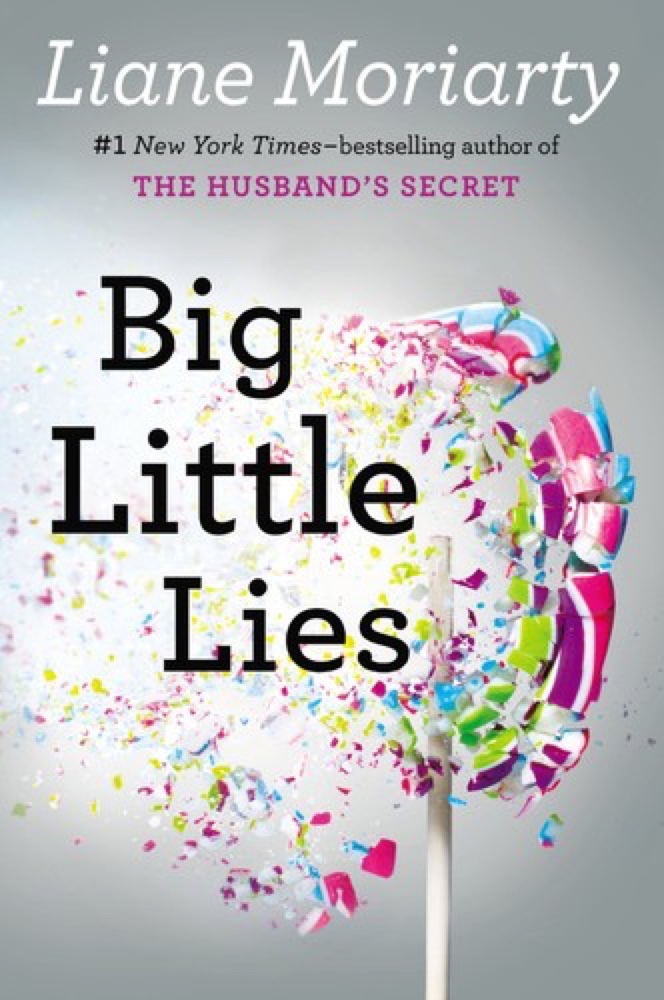
About the book
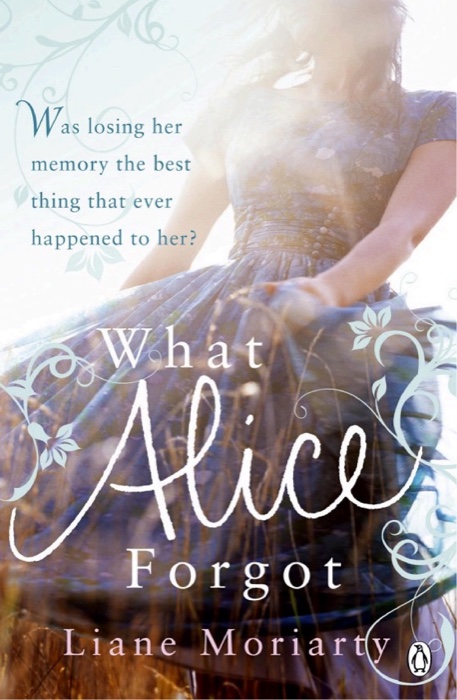
"What Alice Forgot" is a 2009 novel by Australian author Liane Moriarty about Alice Love, a woman in Sydney who slips and hits her head during a step-aerobics class and wakes up believing she is a happily married 29-year-old newlywed expecting her first child. In fact she is 39, the mother of three children, and in the middle of a bitter divorce, estranged from the husband, sister, and friends she thought she knew. Having lost all memory of the previous decade, Alice must piece together how her life and marriage came to this point.
The novel uses Alice's amnesia as a device to examine how people drift from the selves they once were. Confronting her present life with the fresh, hopeful eyes of her younger self, Alice is forced to reckon with the compromises, grudges, and gradual estrangements that accumulate over ten years of marriage and parenthood. Alongside Alice's story, the book follows her sister Elisabeth, whose struggles with infertility deepen the portrait of family and disappointment, and the letters of Frannie, the sisters' surrogate grandmother.
A blend of domestic drama, romance, and gentle comedy, the book became one of Moriarty's breakout successes and helped establish her as a bestselling chronicler of suburban family life, a reputation later cemented by novels such as "Big Little Lies." Praised for its warmth and its poignant meditation on memory, love, and the passage of time, "What Alice Forgot" remains one of her most popular and widely recommended works.
Key characters
- Alice LoveProtagonist who loses ten years of memory and believes she is a pregnant 29-year-old newlywed
- NickAlice's husband, from whom she is estranged and divorcing in the present
- Elisabeth (Libby)Alice's older sister, struggling with infertility
- FrannieThe sisters' surrogate grandmother, whose letters run through the novel
- GinaAlice's best friend of the lost decade, whom she cannot remember and who has died
- MadisonAlice's eldest daughter
Book details
- First published
- 2009
- Length
- 487 pages
- Reading time
- 30 hours
- Author
- Liane Moriarty
- Genre
- Fiction
- Goodreads rating
- 4.07 (522k ratings) →
Movie & TV adaptations
- IMDb
If you liked this, read…
- 1The Husband's SecretAnother Liane Moriarty domestic drama about family secrets
- 2Big Little LiesMoriarty's best-known novel of suburban family life and hidden tensions
- 3Before I Go to SleepAlso centers on a woman grappling with lost memory
Keep reading
 Happily Ever After
 The House We Grew Up In
 Still Alice
The Husband's Secret
Still Alice
The Husband's Secret
 Three Wishes
 The Last Summer (of You and Me)
 The Last Anniversary
 Sisterhood Everlasting
 Belong to Me
 Then She Was Gone
 Lisey's Story
 The Rachel Incident
 One Plus One
 Mr. Fox
 Em and The Big Hoom
 Only Mostly Devastated
 Watermelon
 Forever in Blue: The Fourth Summer of the Sisterhood
 A Small Indiscretion
 Fixing Delilah
 The Story of Us
 Too Much Happiness: Stories
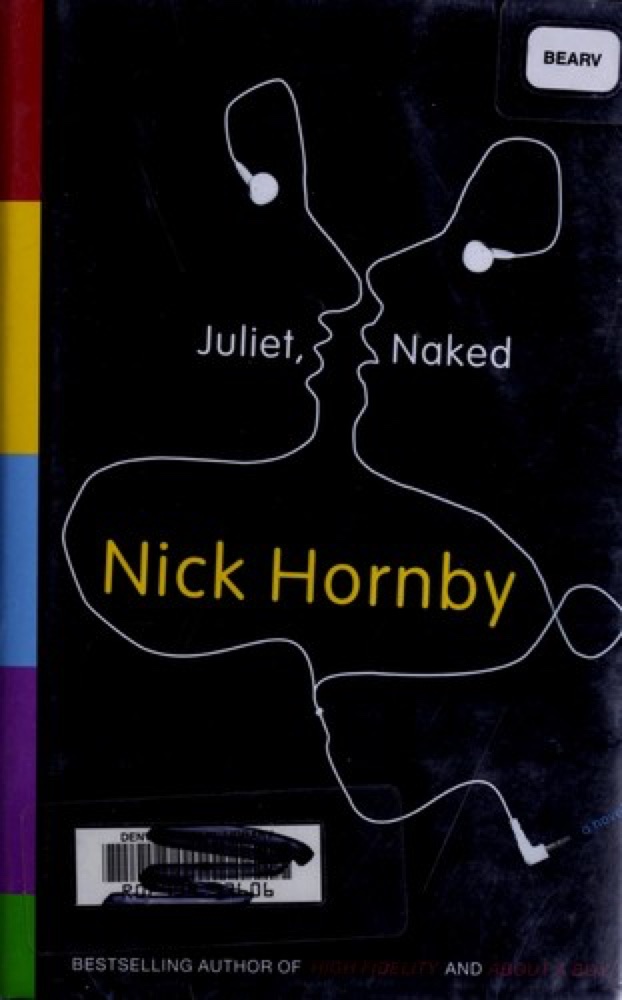 Juliet, Naked
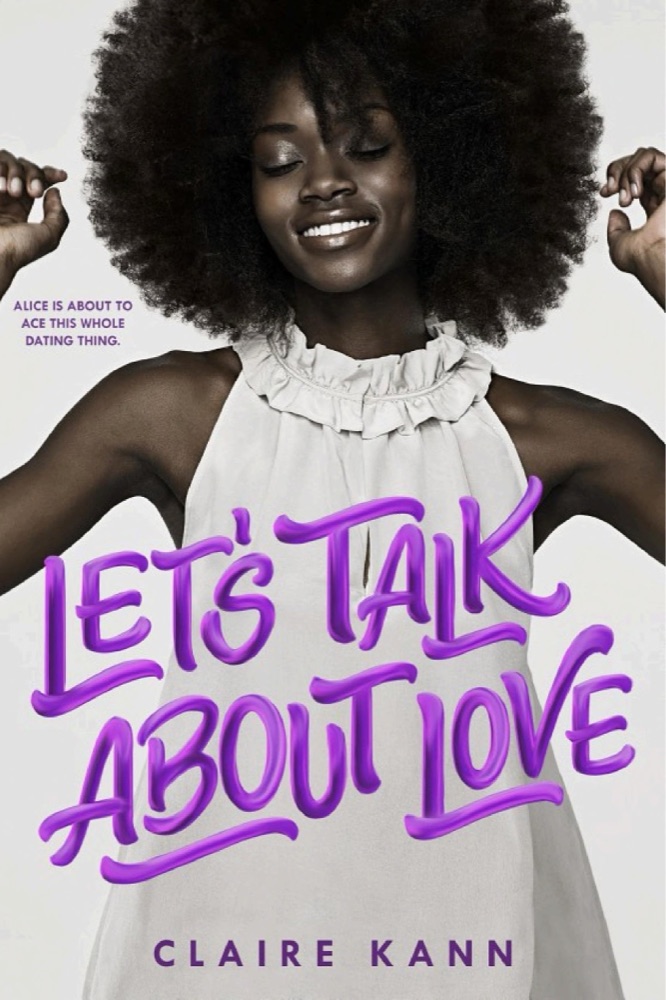 Let's Talk About Love
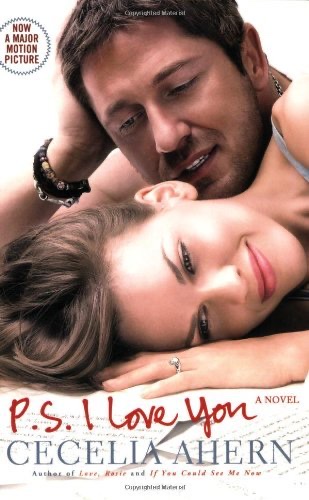 P.S. I Love You
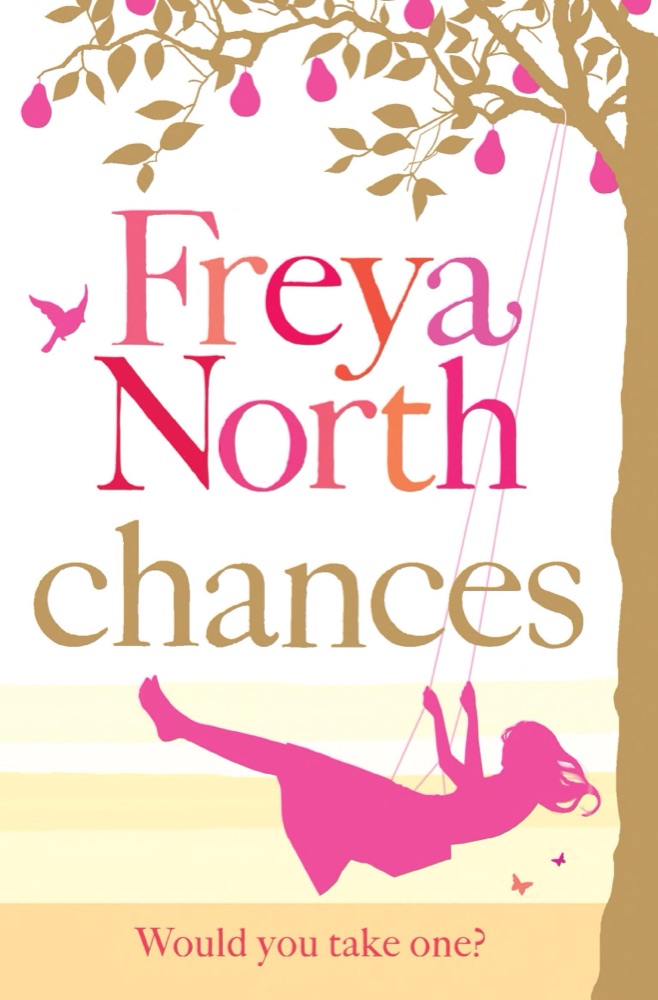 Chances
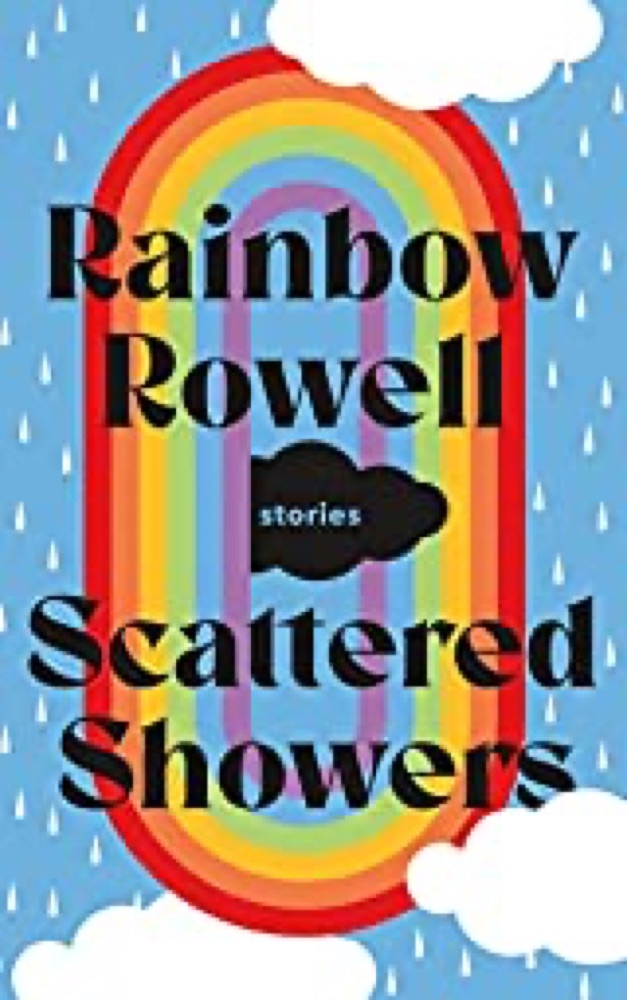 Scattered Showers: Stories
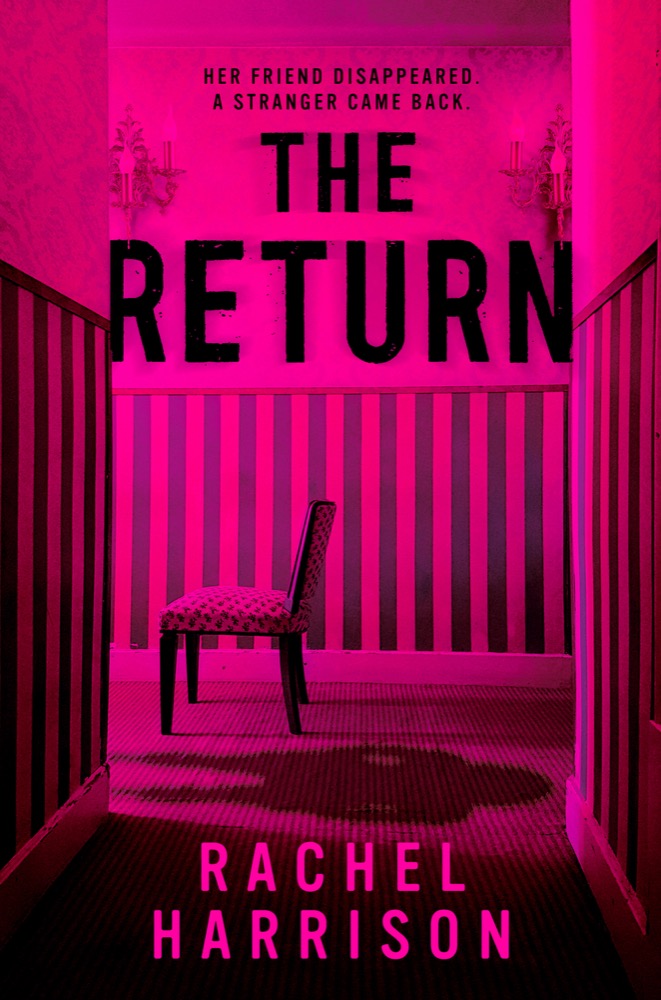 The Return
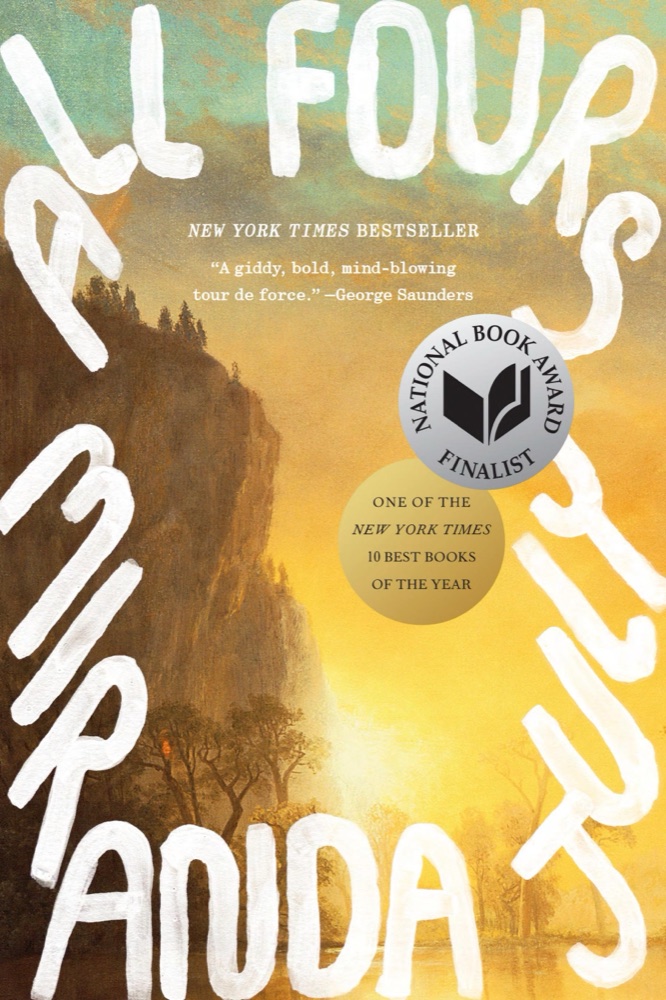 All Fours
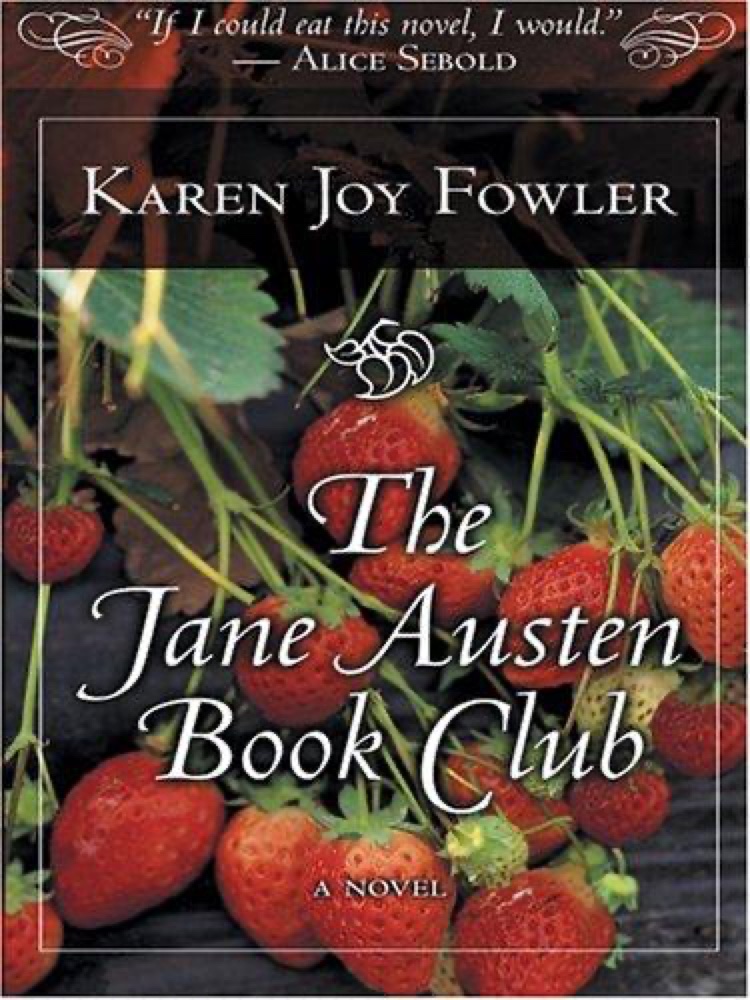 The Jane Austen Book Club
 What I Loved
 The Best of Everything
 Trust: Betrayed
 The Lucy Variations
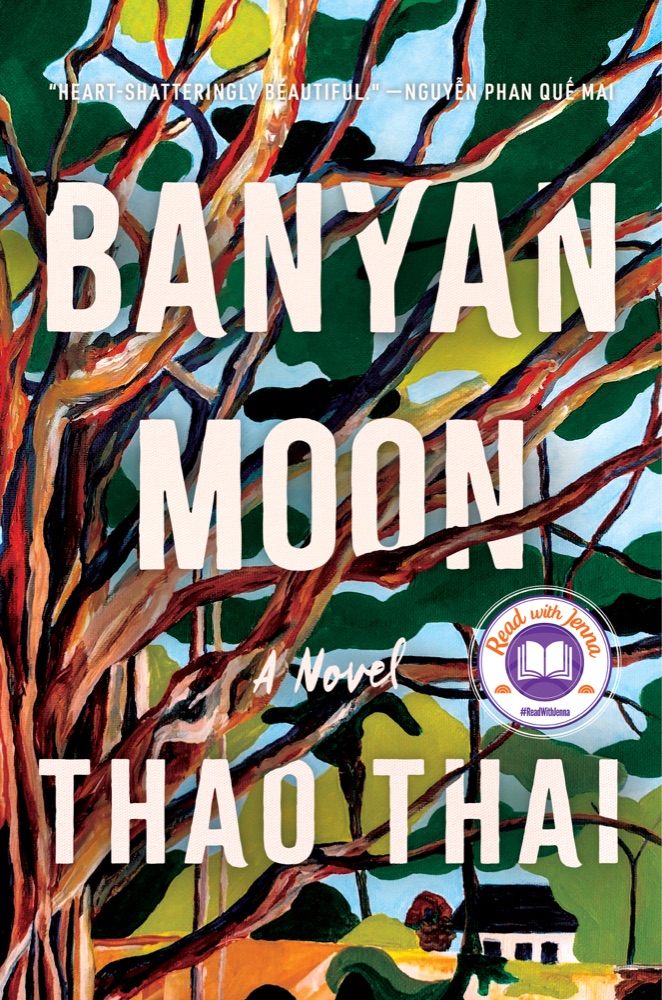 Banyan Moon
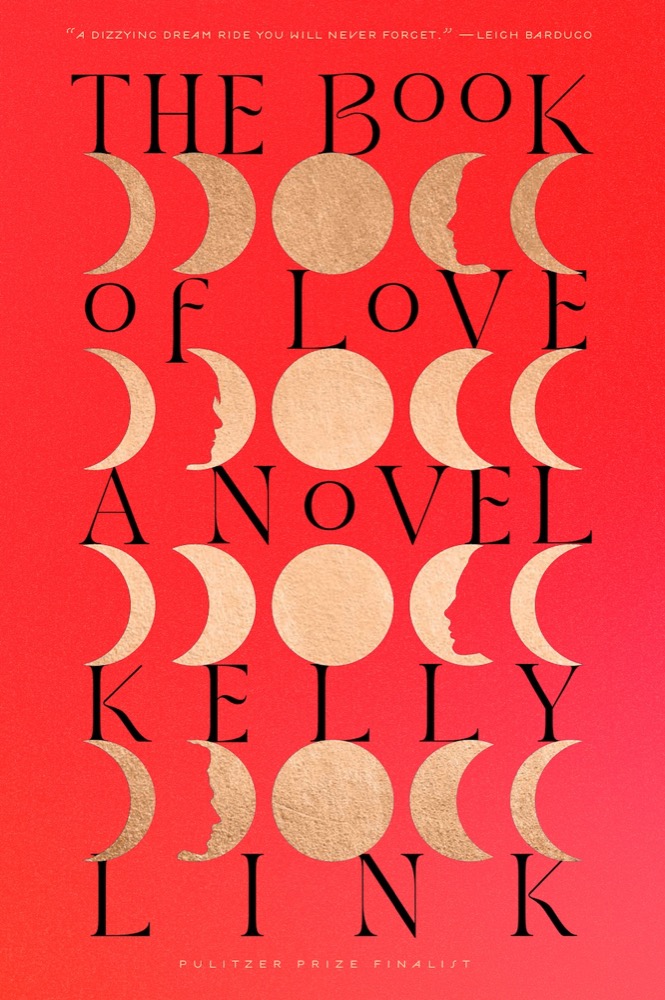 The Book of Love
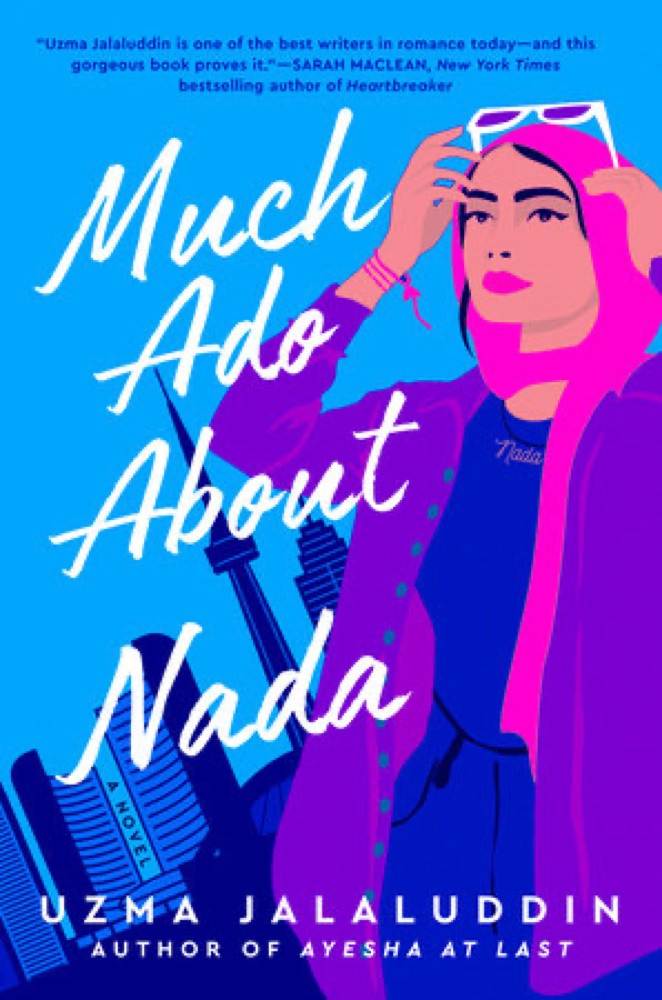 Much Ado about Nada
 The Post-Birthday World
 The First Bad Man
 Summer Days and Summer Nights: Twelve Love Stories
 Distant Shores
 American Wife
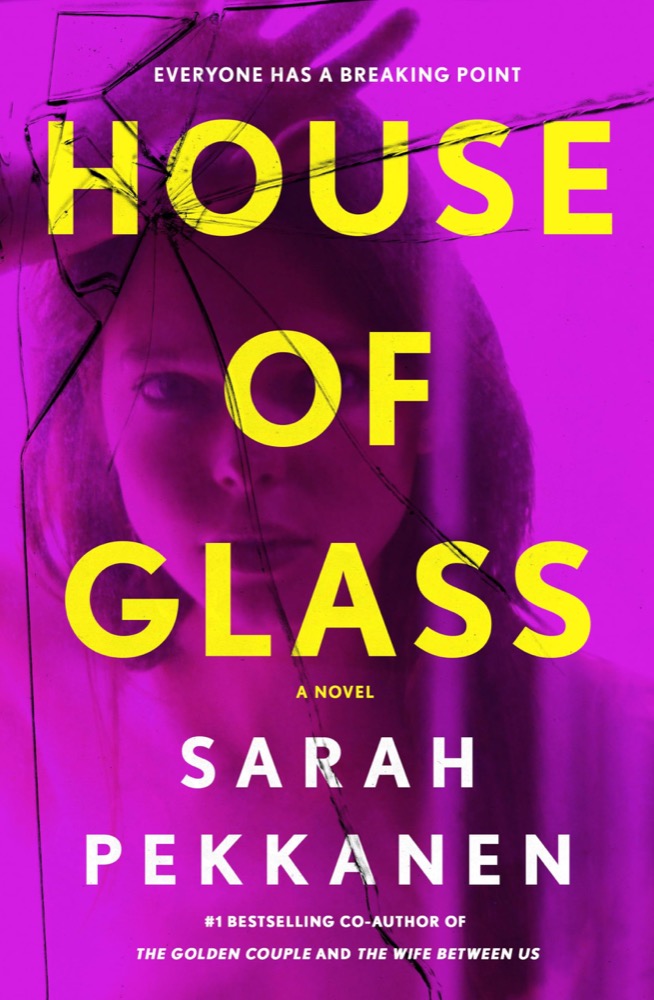 House of Glass
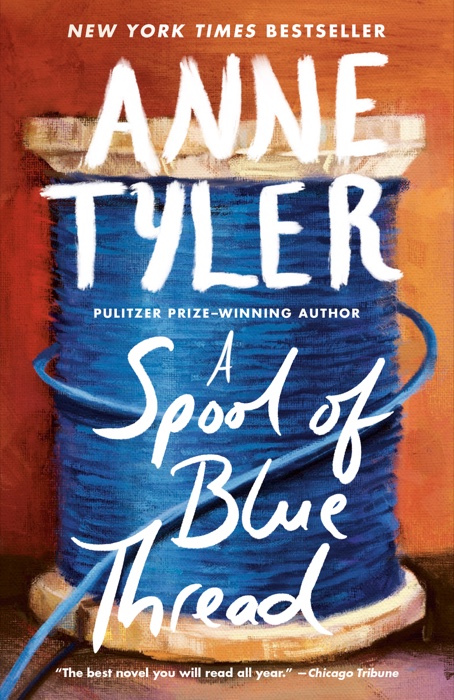 A Spool of Blue Thread
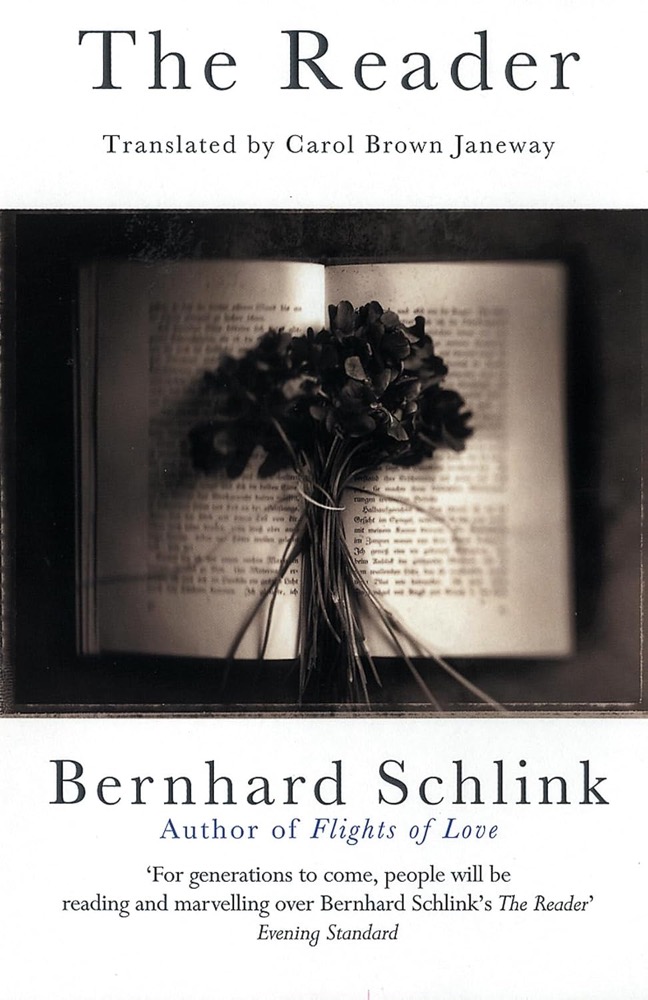 The Reader
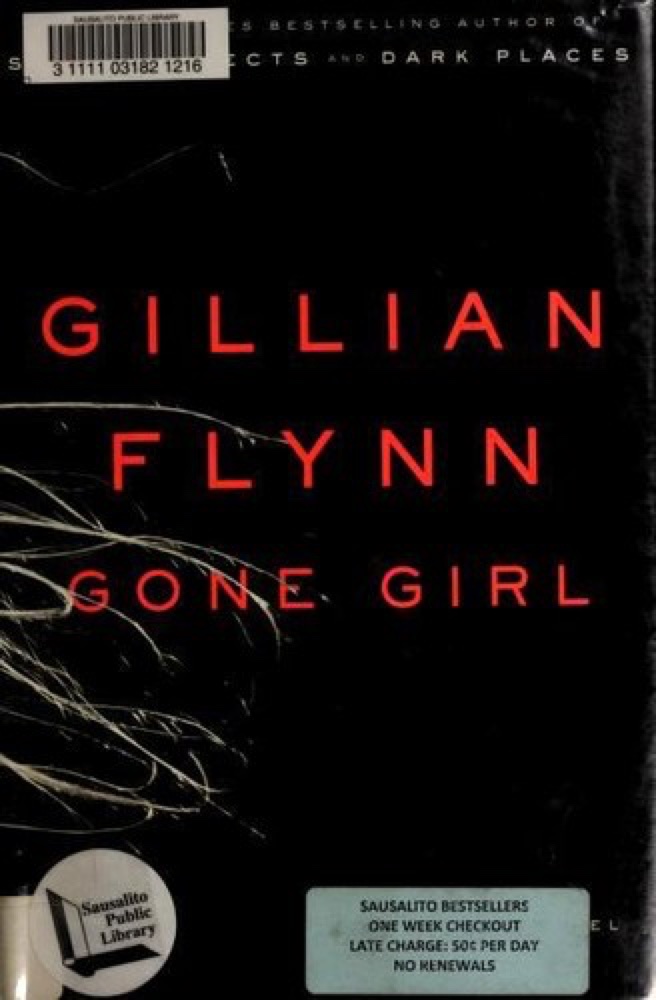 Gone Girl
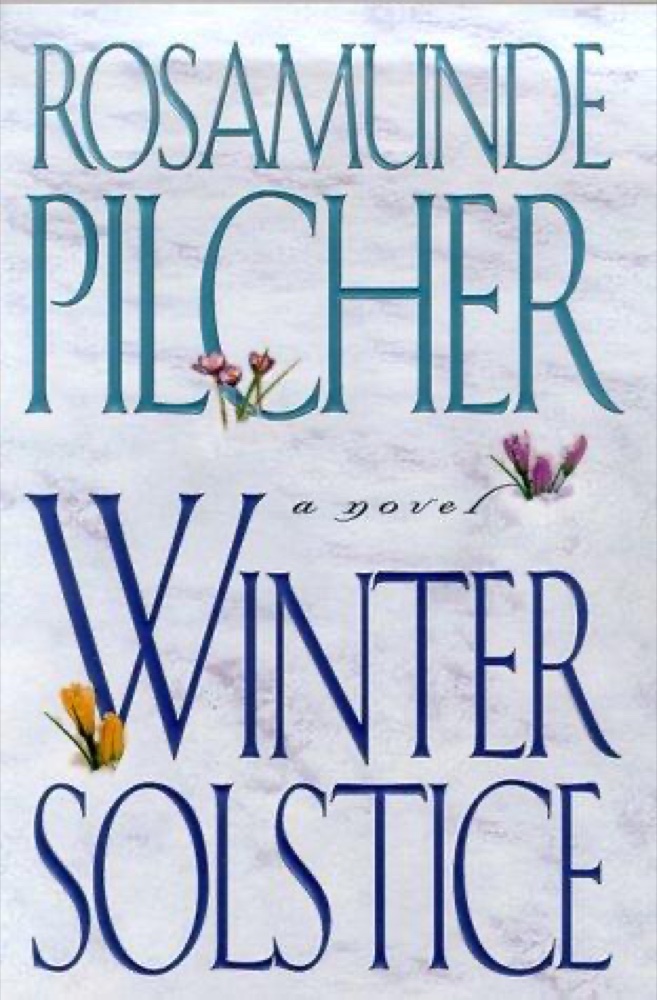 Winter Solstice
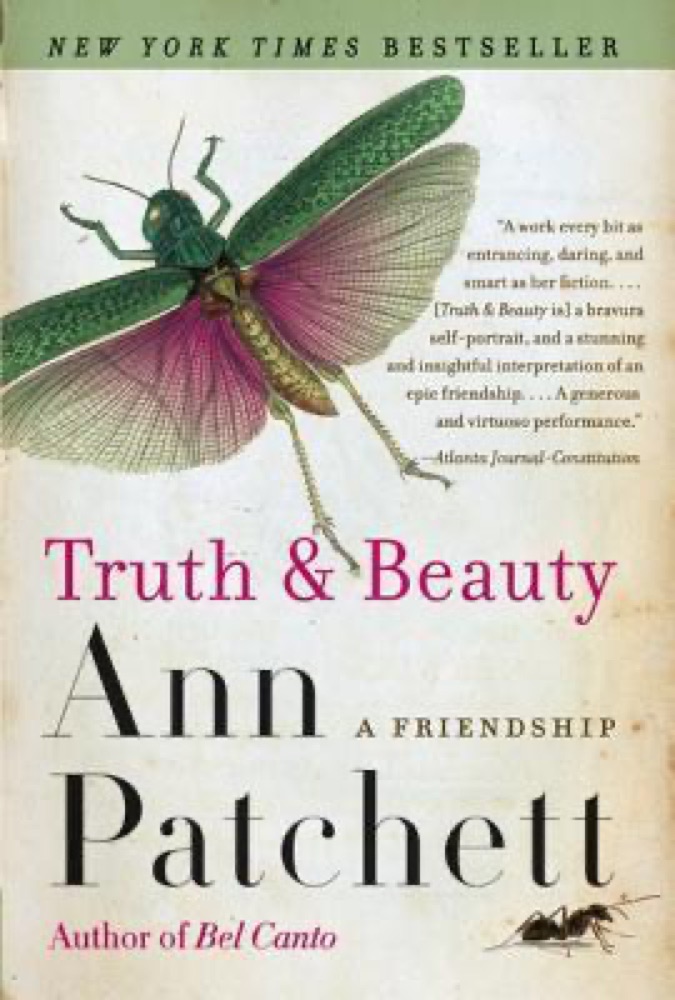 Truth & Beauty
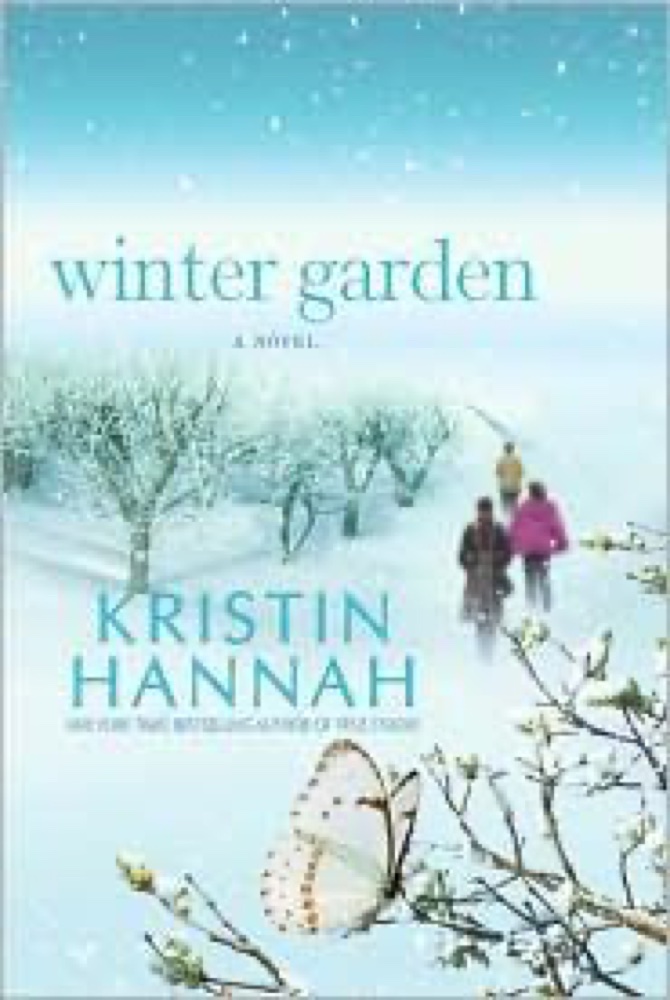 Winter Garden
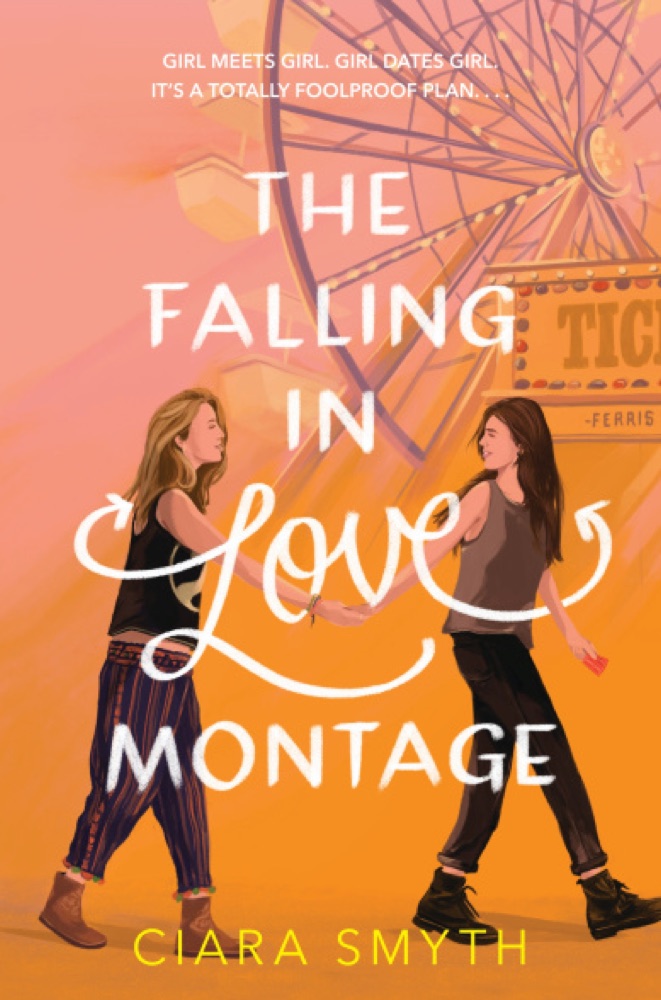 The Falling in Love Montage
 The Things We Do for Love
 Olive Kitteridge
 The Color Master: Stories
 The Wedding
 The Paying Guests
 One True Thing
 My Lovely Wife
 Attachments
 Our Chemical Hearts
 The Choice