

 Grande Sertão: Veredas
Quotes from the Book
No mar tanta tormenta, e tanto dano, Tantas vezes a morte apercebida! Na terra tanta guerra, tanto engano, Tanta necessidade avorrecida! Onde pode acolher-se um fraco humano, Onde terá segura a curta vida, Que não se arme, e se indigne o Céu sereno Contra um bicho da terra tão pequeno?
Ó glória de mandar! Ó vã cobiça Desta vaidade, a quem chamamos Fama! Ó fraudulento gosto, que se atiça Cua aura popular, que honra se chama! Que castigo tamanho e que justiça Fazes no peito vão que muito te ama! Que mortes, que perigos, que tormentas, Que crueldades neles esprimentas!
E ponde na cobiça um freio duro, E na ambição também, que indignamente Tomais mil vezes, e no torpe e escuro Vício da tirania infame e urgente; Porque essas honras vãs, esse ouro puro, Verdadeiro valor não dão à gente. Milhor é merecê-los sem os ter, Que possuí-los sem os merecer.
Me disse: "As cousas árduas e lustrosas Se alcançam com trabalho e com fadiga; Faz as pessoas altas e famosas (...)
Mas, logo ao outro dia, seus parceiros, Todos nus e da cor da escura treva, Decendo pelos ásperos outeiros, As peças vem buscar que estoutro leva. Domésticos já tanto e companheiros Se nos mostram, que fazem que se atreva Fernão Veloso a ir ver da terra o trato E partir-se co eles pelo mato. É Veloso no braço confiado E, de arrogante, crê que vai seguro; Mas, sendo um grande espaço já passado, Em que algum bom sinal saber procuro, Estando, a vista alçada, co cuidado No aventureiro, eis pelo monte duro Aparece e, segundo ao mar caminha, Mais apressado do que fora, vinha. O batel de Coelho foi depressa Polo tomar; mas, antes que chegasse, Um Etíope ousado se arremessa A ele, por que não se lhe escapasse. Outro e outro lhe saem; vê-se em presa Veloso, sem que alguém lhe ali ajudasse, Acudo eu logo, e, enquanto o remo aperto Se mostra um bando negro descoberto. Da espessa nuvem setas e pedradas Chovem sobre nós outros, sem medida, E não foram ao vento em vão deitadas, Que esta perna trouxe eu dali ferida; Mas nós, como pessoas magoadas, A reposta lhe demos tão tecida, Que em mais que nos barretes se suspeita Que a cor vermelha levam desta feita. E, sendo já Veloso em salvamento, Logo nos recolhemos pera a armada, Vendo a malícia feia e rudo intento Da gente bestial, bruta e malvada, De quem nenhum milhor conhecimento Pudemos ter da Índia desejada Que estarmos inda muito longe dela. E assi tornei a dar ao vento a vela. Disse então a Veloso um companheiro (Começando-se todos a sorrir): "Oula, Veloso amigo, aquele outeiro É milhor de decer que de subir.
Watch on YouTube
About Luís de Camões
We have collected 5 quotes from 1 book by Luís de Camões on BookQuoters.
More about the author →Book details
- Author
- Luís de Camões
- Genre
- Fiction
- Goodreads rating
- 3.98 (10k ratings) →
Keep reading
Grande Sertão: Veredas
 Sleepwalking Land
 The Year of the Death of Ricardo Reis
 Dona Flor and Her Two Husbands
 Baltasar and Blimunda
 O Alienista
 De dömdas ö
 Equador
 Dom Casmurro
 Fanny Hill, or Memoirs of a Woman of Pleasure
 Hurting Distance
 The First Day
 A Woman Of Thirty
 Quincas Borba
 Grey Souls
 Key of Valor
 The Time of the Hero
 Tuareg
 On Heroes and Tombs
 Days and Nights of Love and War
 Bestiario
 Nada
Nada
 Lost Illusions
 Cronopios and Famas
 Upside Down: A Primer for the Looking-Glass World
 Paris Spleen
 Dracul
 Gomorrah
 Of Love and Shadows
 The Children of Freedom
 Returning to Reims
 The Sun Over Breda
 Misunderstanding in Moscow
 Malinche
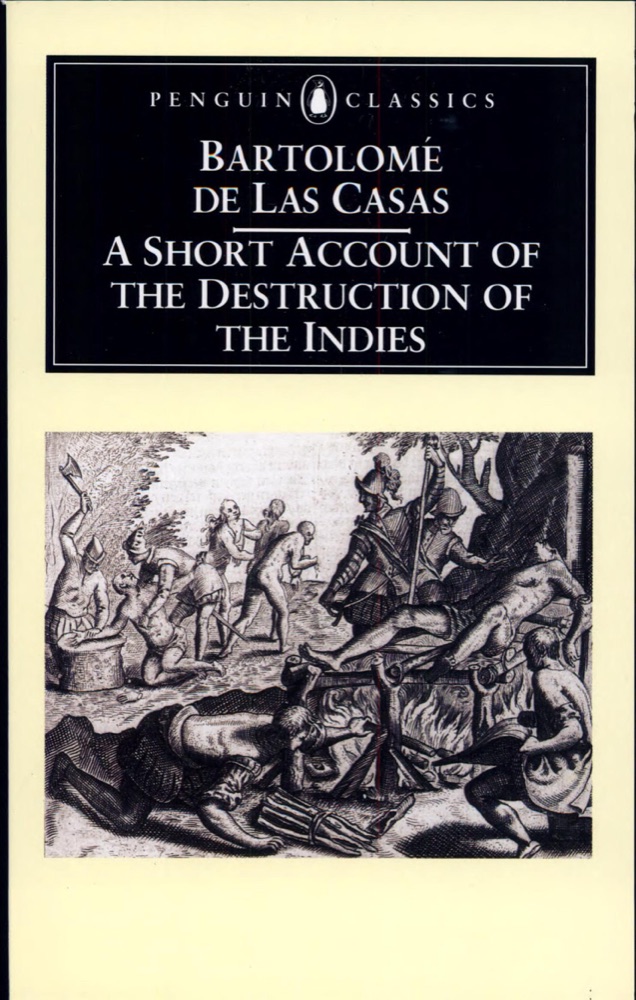 A Short Account of the Destruction of the Indies
 The Family of Pascual Duarte
 The Life Before Us ("Madame Rosa'')
 Dancing Girls and Other Stories
 My Sweet Orange Tree
 The Yellow Eyes of Crocodiles
 Conversation in the Cathedral
 The Feast of the Goat
 The Last Cato
 Forest of the Pygmies
 The Ingredients of Love
 Miss Kim Knows and Other Stories
 The Key
 Ripper
 The Wild Ass's Skin
 Everything You and I Could Have Been If We Weren't You and I
 62: A Model Kit
 Captain Alatriste
 So Much for That
 Forsaken
 Don Quixote de La Mancha, Vol. 1
 The Lost Steps
 Strange Pilgrims
 The Yellow World
 Eartheater
 The Horse Healer