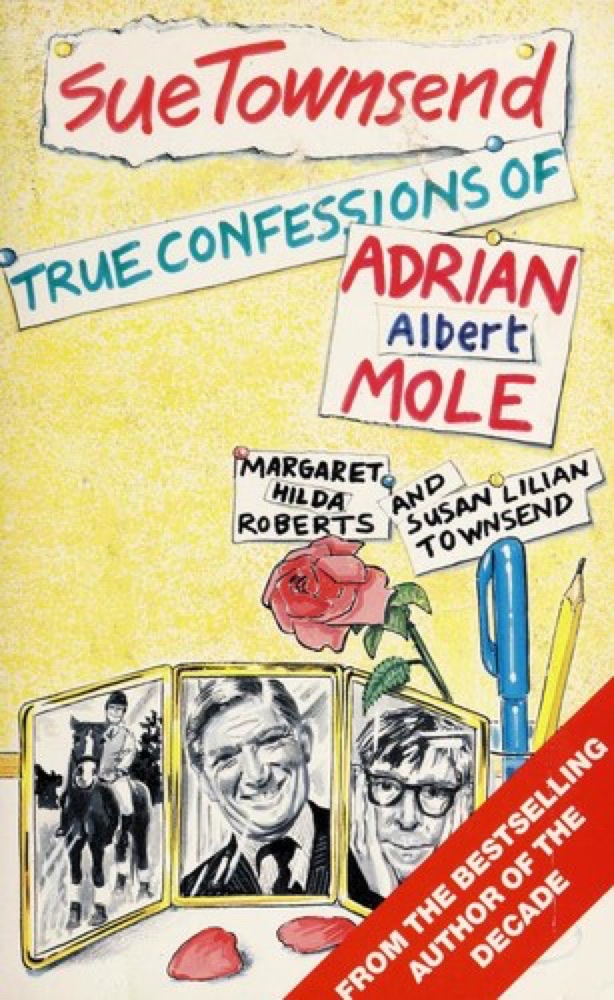

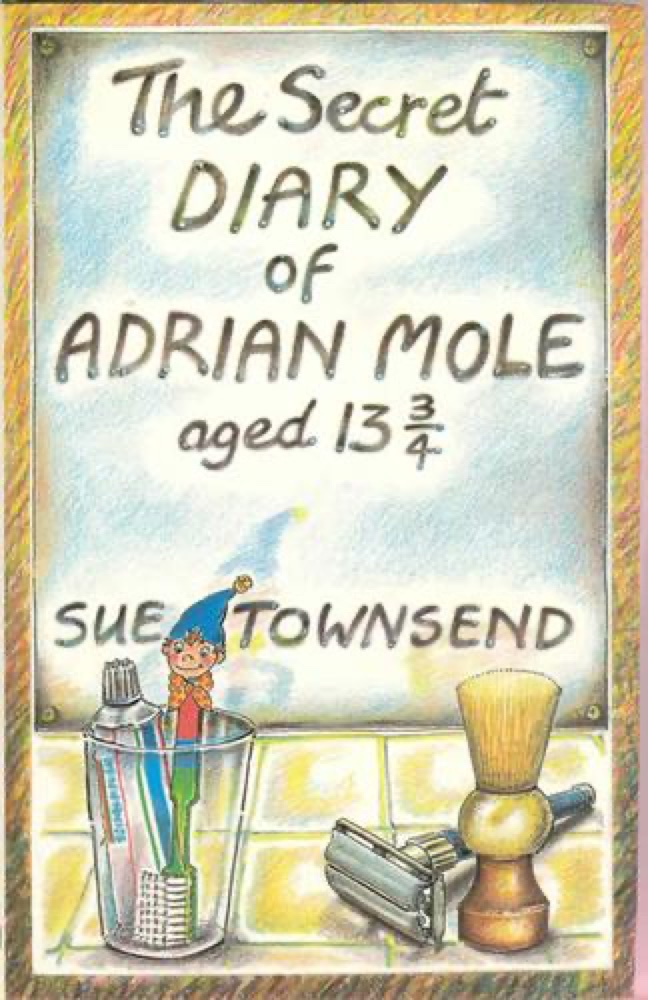
 The Secret Diary of Adrian Mole, Aged 13 3/4
Quotes from the Book
A. MOLE’S SCONES Ingredients 4 oz flour or metric equivalent 2 oz butter or metric equivalent 2 oz sugar or metric equivalent 1 egg (eggs are still only eggs) Method Beat up all the ingredients. Make a tin greasy, throw it all in. Turn oven to number 5. Wait until scones are higher than they were. Should be 12 minutes, but keep opening oven door every 30 seconds.
I’ve been a bit worried about my maleness lately, somewhere along the line I seem to have picked up too many female hormones.
Watch on YouTube
About Sue Townsend
We have collected 21 quotes from 3 books by Sue Townsend on BookQuoters.
More about the author →More by Sue Townsend
The Secret Diary of Adrian Mole, Aged 13 3/4
 The Growing Pains of Adrian Mole
Book details
- Author
- Sue Townsend
- Genre
- Fiction
- Goodreads rating
- 3.51 (7k ratings) →
Keep reading
The Secret Diary of Adrian Mole, Aged 13 3/4
 Recipe for Second Chances
 Julie and Julia: 365 Days, 524 Recipes, 1 Tiny Apartment Kitchen: How One Girl Risked Her Marriage, Her Job, and Her Sanity to Master the Art of Living
 Babe in Boyland
 Flirty Little Secret
 Cherry Cheesecake Murder
 Stay Another Day
 Recipes for Love and Murder
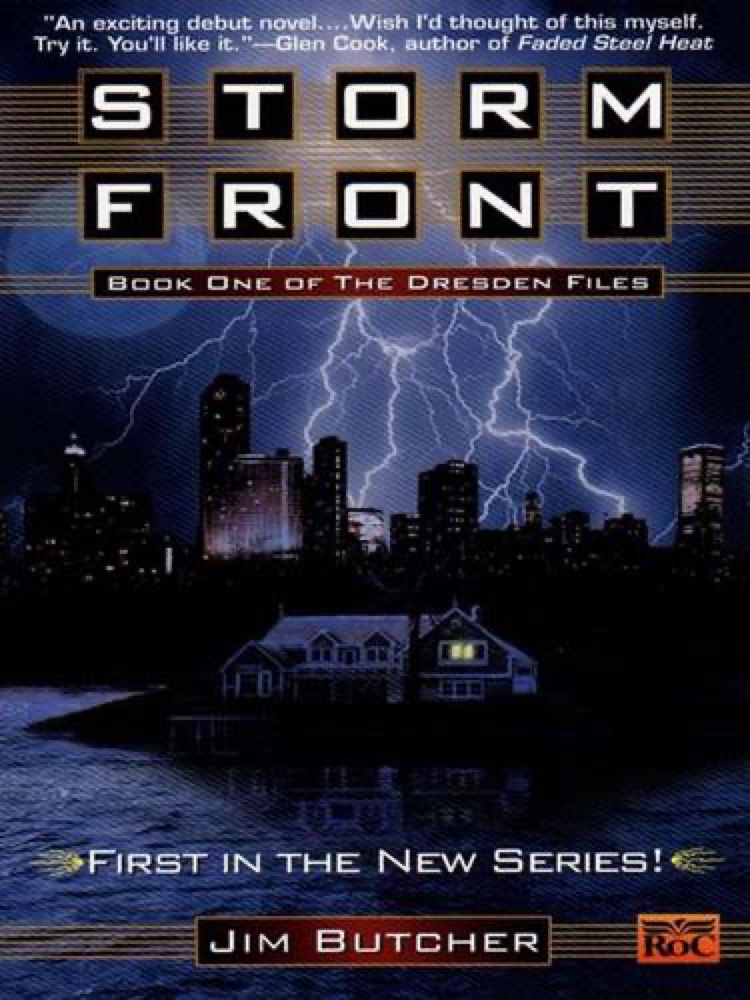 Storm Front
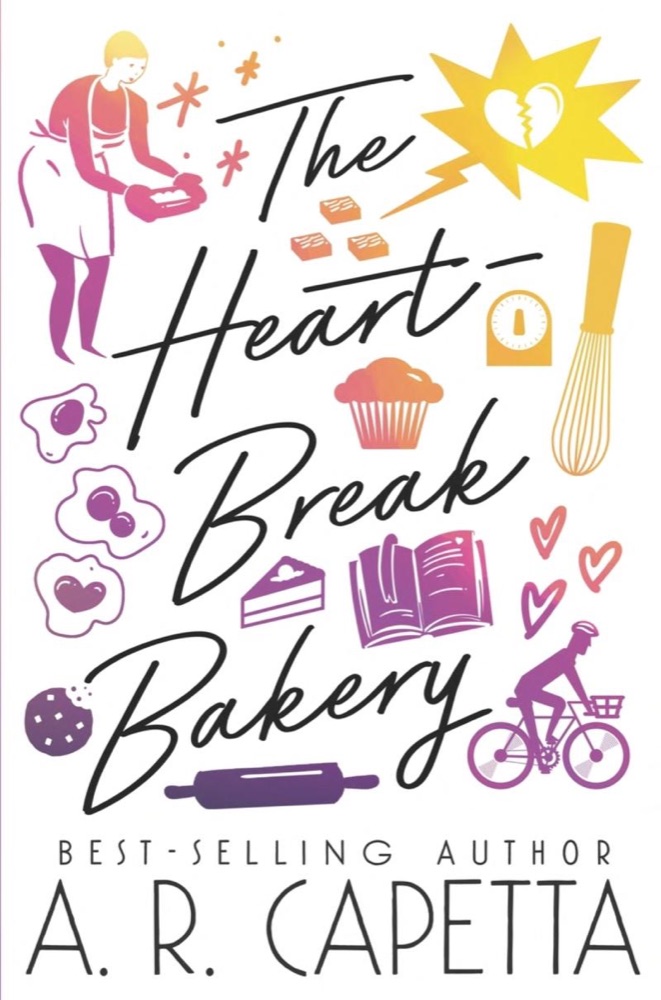 The Heartbreak Bakery
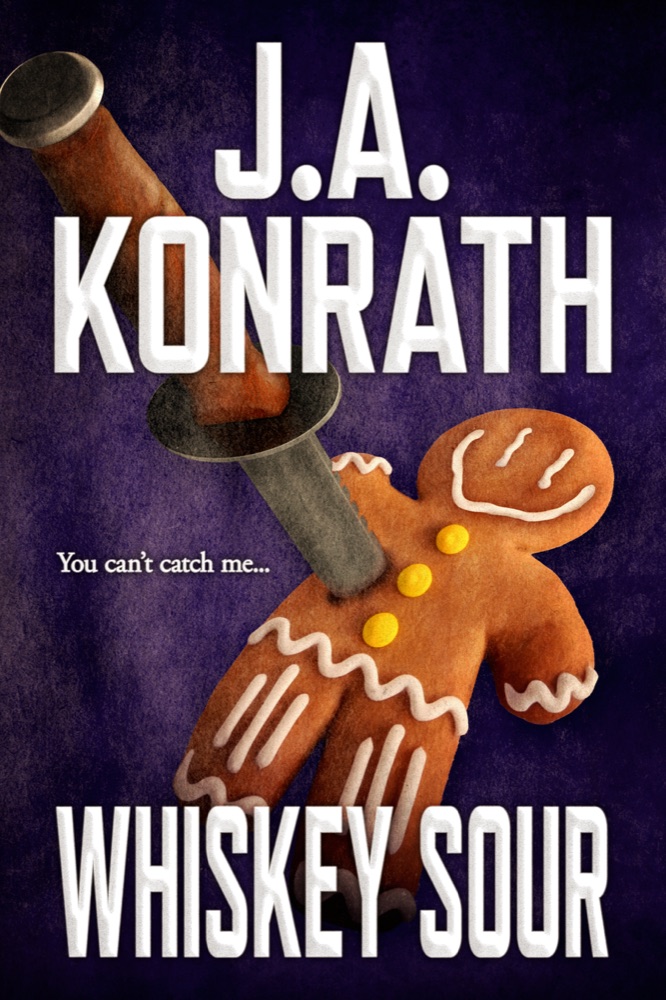 Whiskey Sour
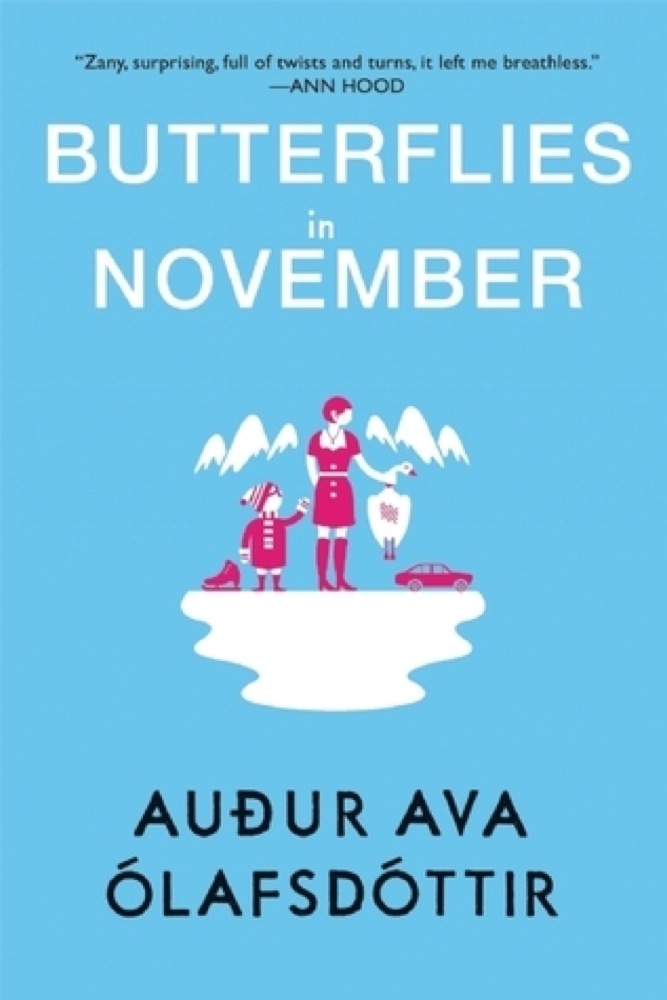 Butterflies in November
 When in Doubt, Add Butter
 Girl Mans Up
 Possible Side Effects
 If You Can't Take the Heat: Tales of Food, Feminism, and Fury
 Angus, Thongs and Full-Frontal Snogging
 No Hope for Gomez!
 Cabin Fever
 The Perfumist of Paris
 How to Flirt with a Naked Werewolf
 Heartburn
 The 4-Hour Body: An Uncommon Guide to Rapid Fat-Loss, Incredible Sex, and Becoming Superhuman
 To Throw Away Unopened
 Tokyo Ever After
 Crazy Sexy Diet: Eat Your Veggies, Ignite Your Spark, and Live Like You Mean It!
 Sweet Little Lies
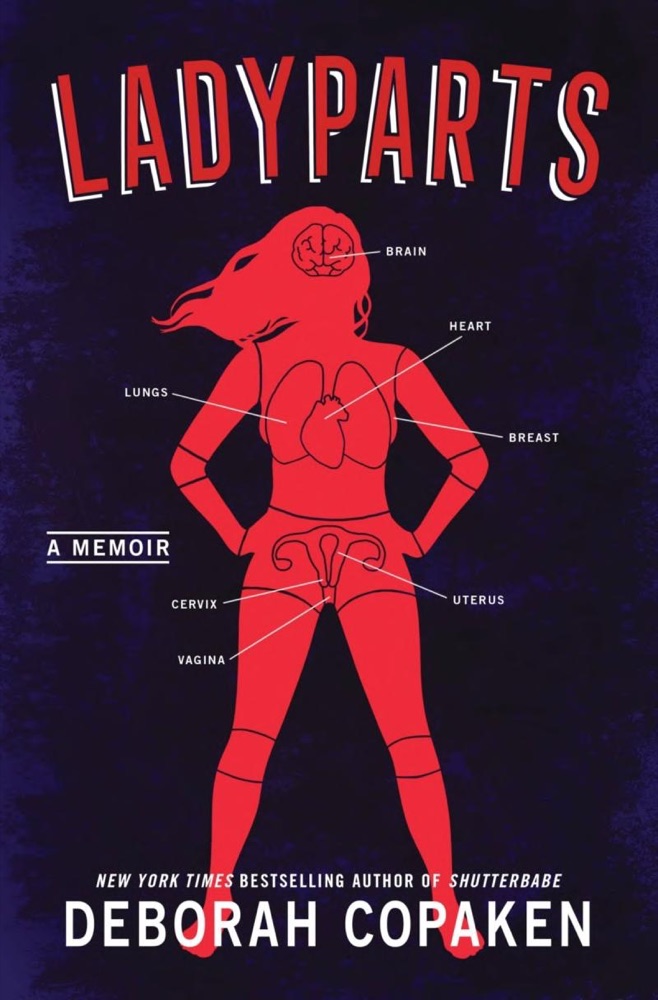 Ladyparts
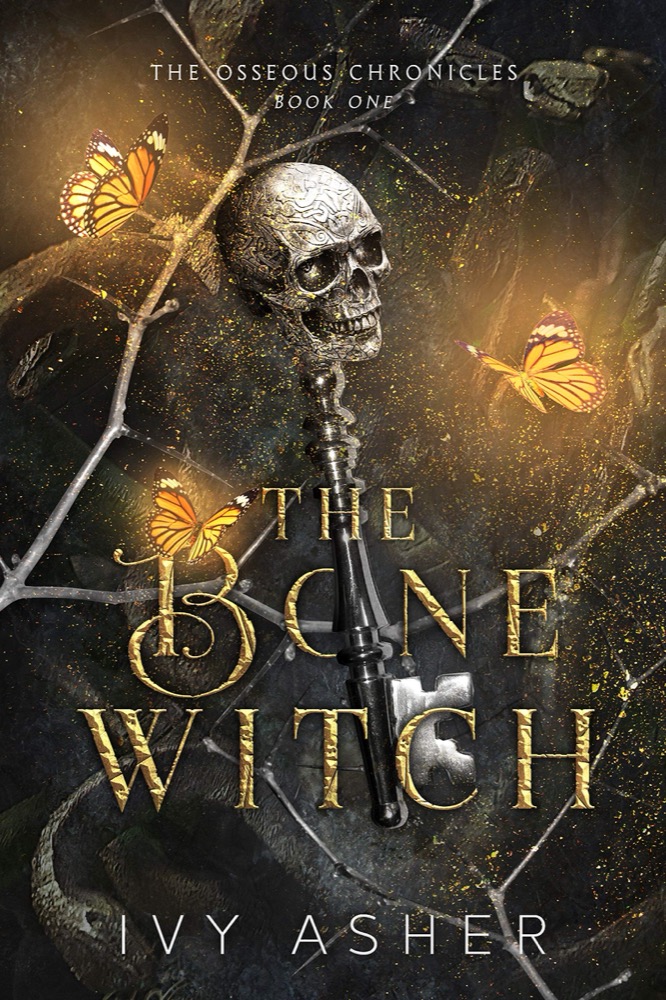 The Bone Witch
 You'll Grow Out of It
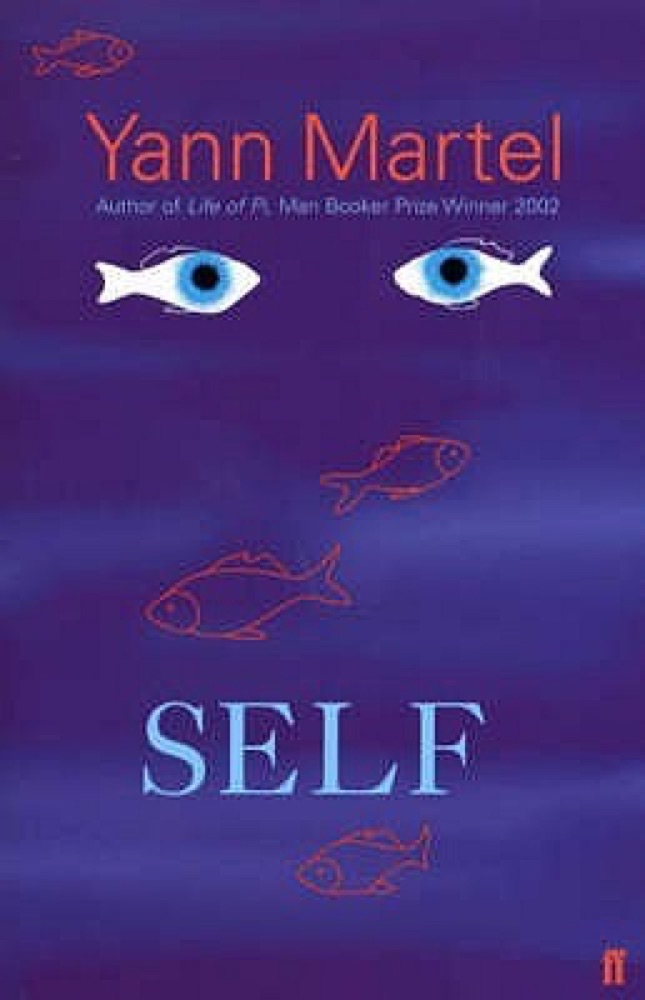 Self
Self
 Boy Parts
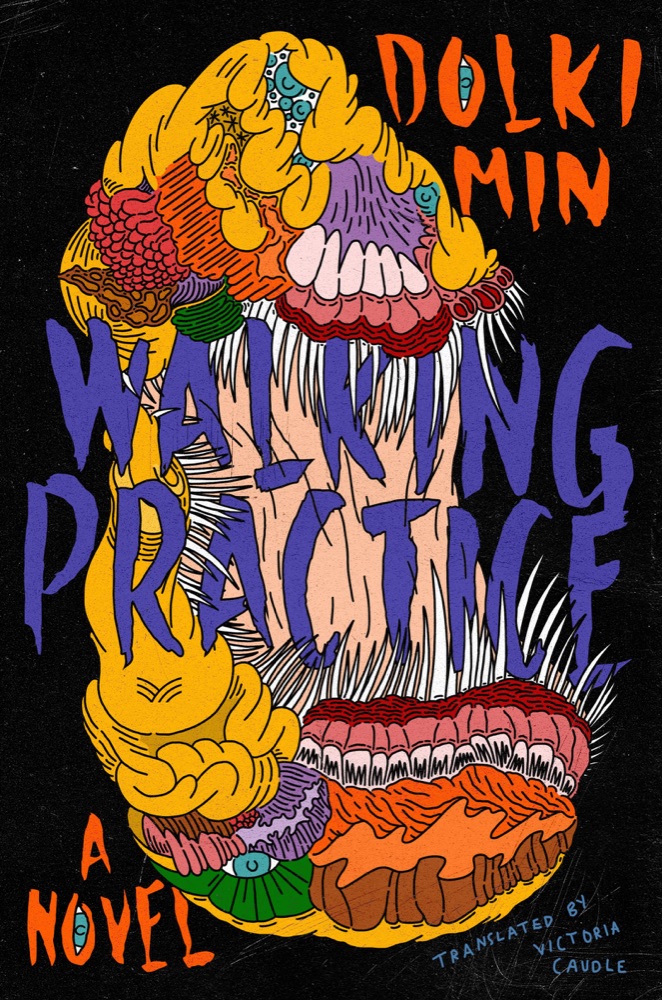 Walking Practice
 Locked
 Shopping for a Billionaire
 I'm Fine...And Other Lies
 Don't Get Too Comfortable: The Indignities of Coach Class, the Torments of Low Thread Count, the Never-Ending Quest for Artisanal Olive Oil, and Other First World Problems
 Symptoms of Being Human
 Dancing in My Nuddy-Pants
 NGLND XPX
 The Widow's Husband's Secret Lie
 Are These My Basoomas I See Before Me?
 Business Casual
 Bumped
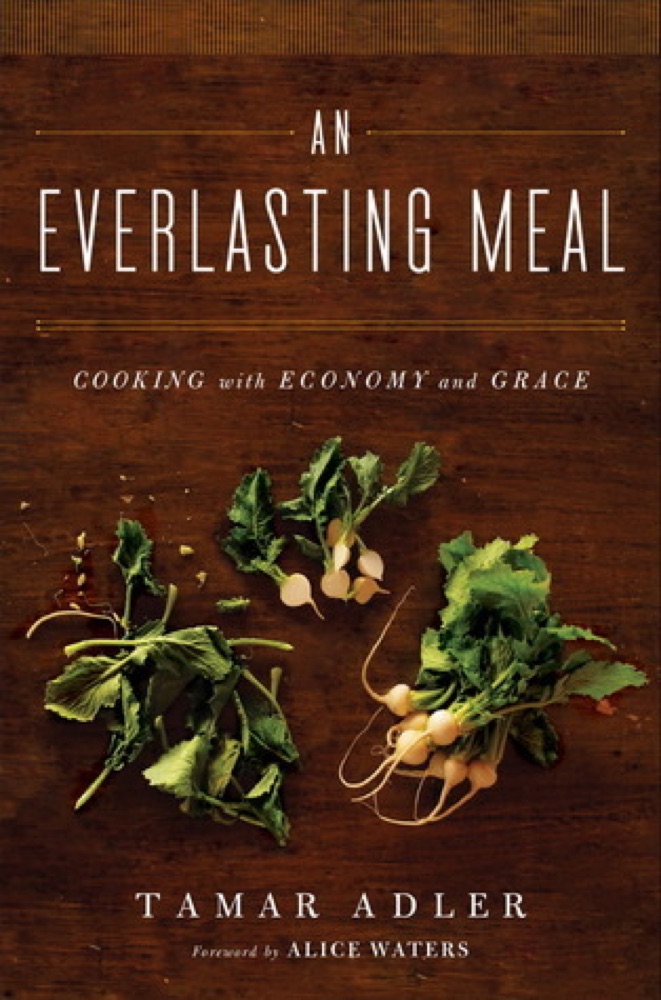 An Everlasting Meal: Cooking with Economy and Grace
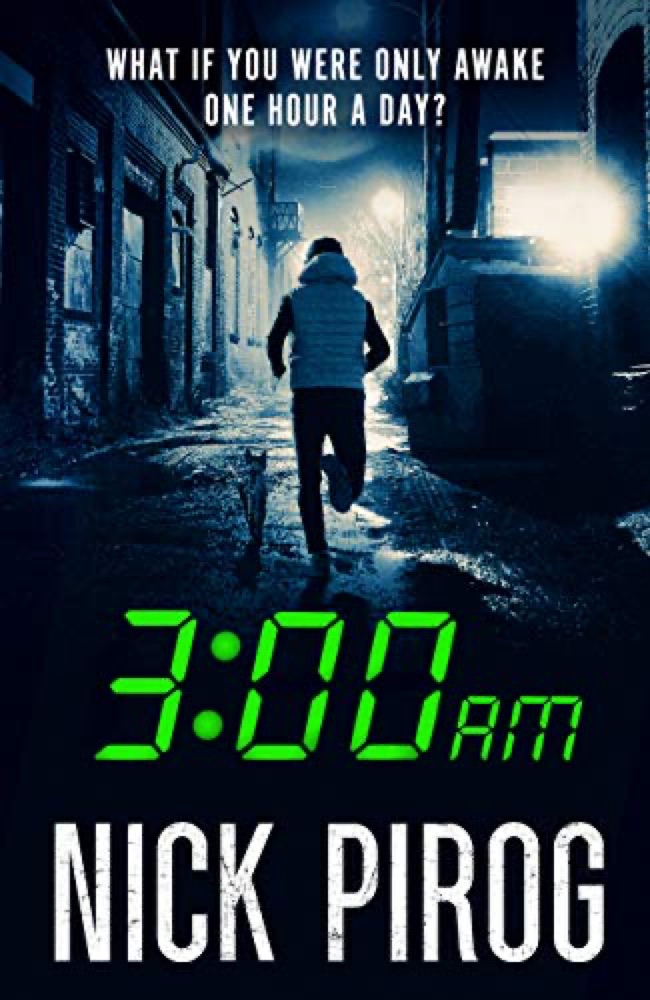 3 a.m.
 Cat's Eye
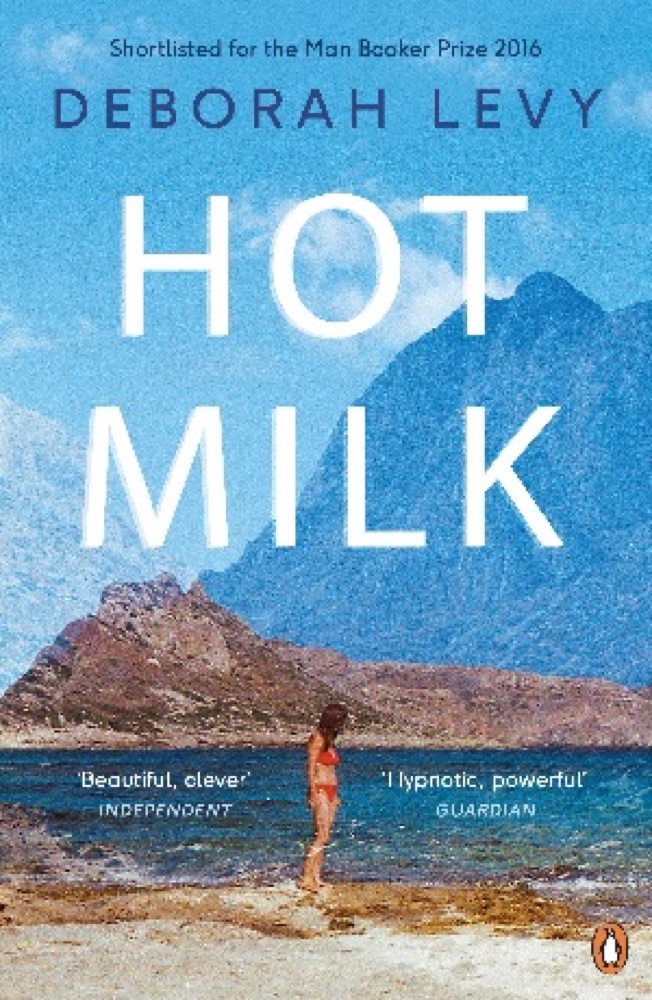 Hot Milk
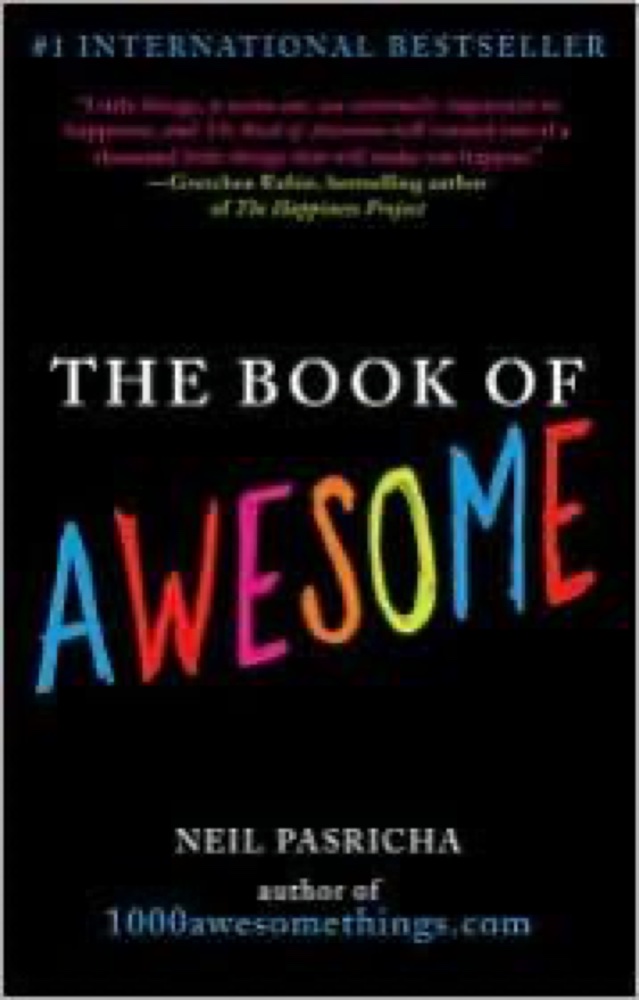 The Book of Awesome
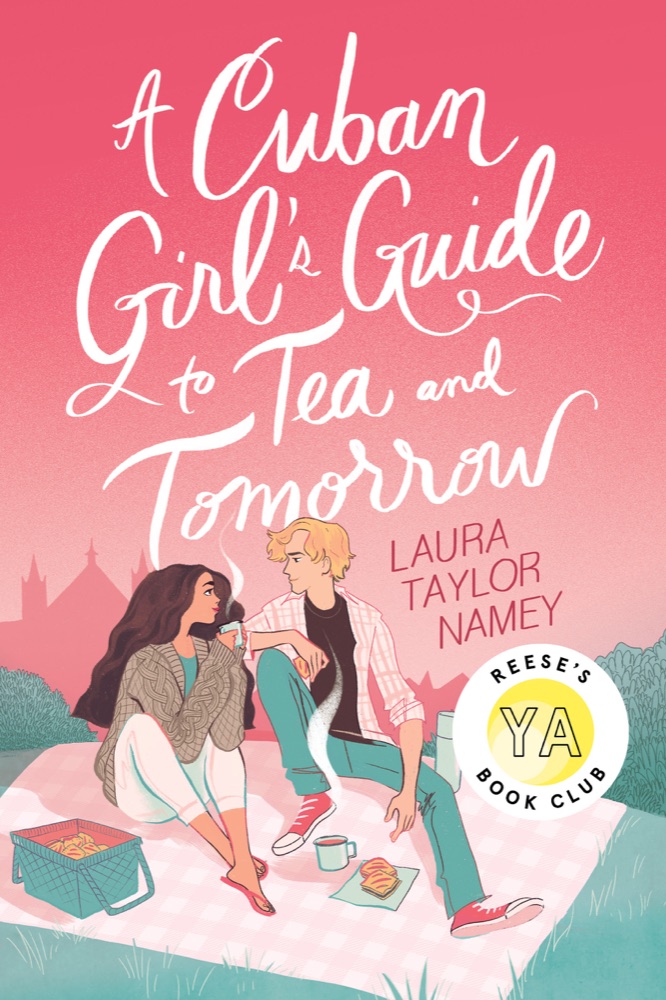 A Cuban Girl's Guide to Tea and Tomorrow
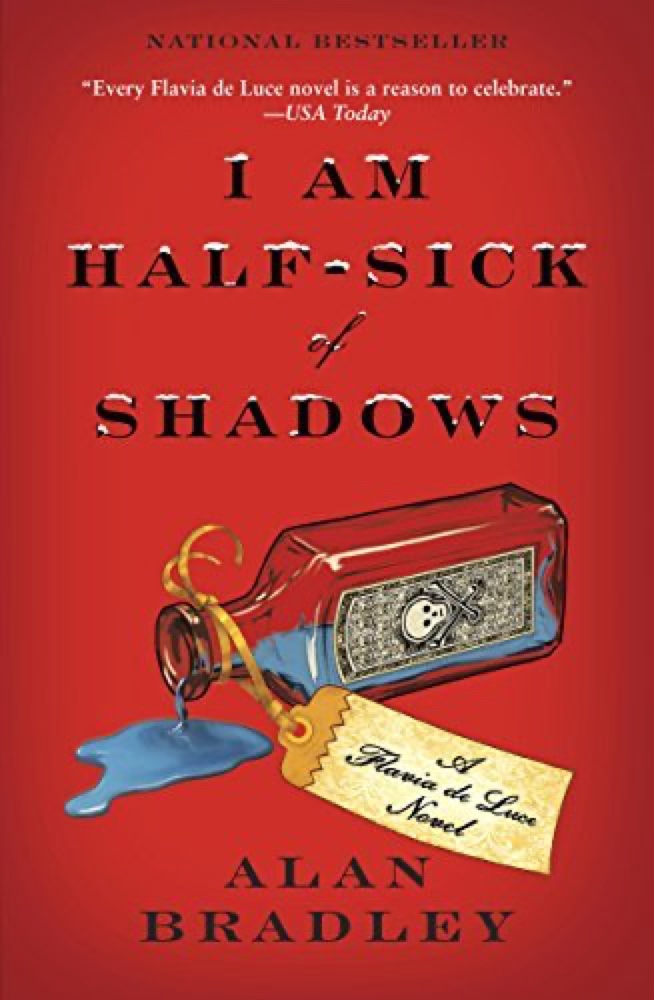 I Am Half-Sick of Shadows
 I Heard Her Call My Name: A Memoir of Transition
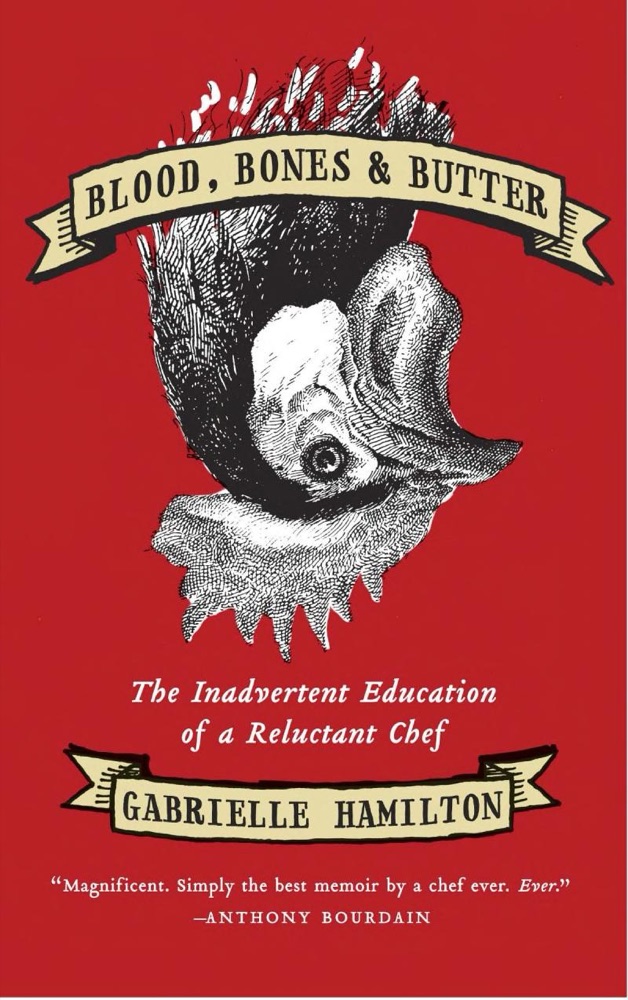 Blood, Bones, and Butter: The Inadvertent Education of a Reluctant Chef
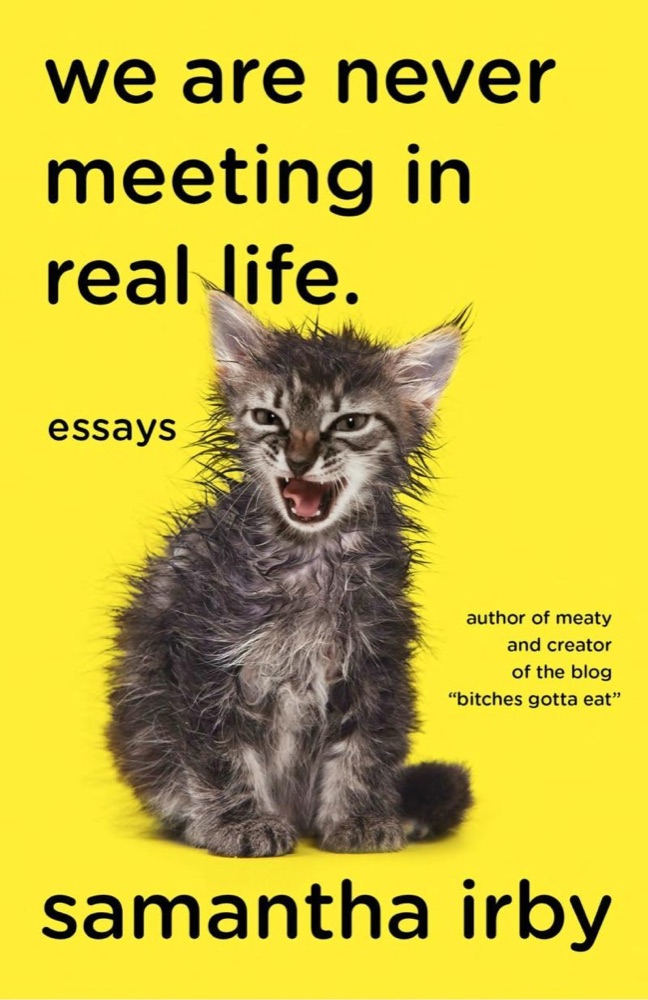 We Are Never Meeting in Real Life.
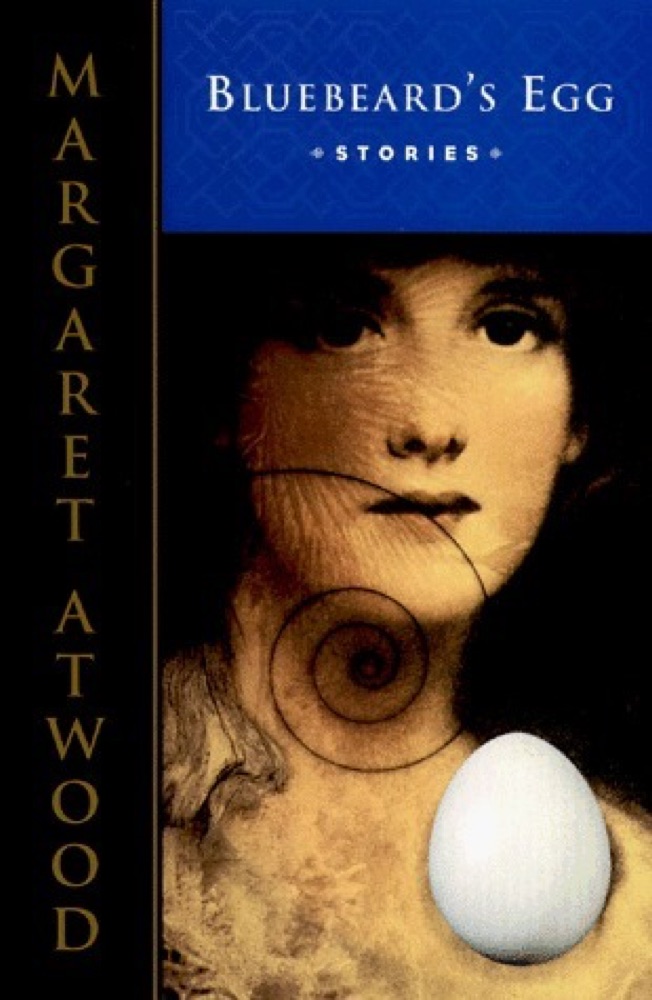 Bluebeard's Egg
 Girl Online
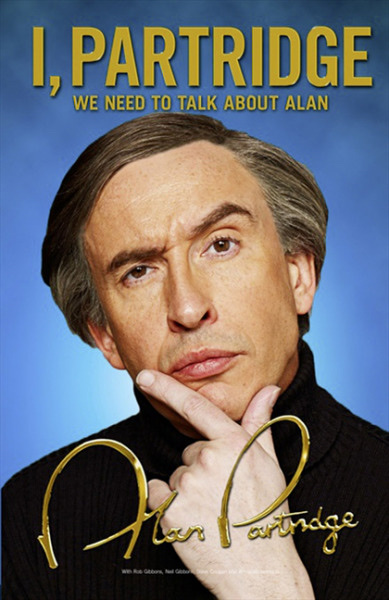 I, Partridge: We Need to Talk About Alan
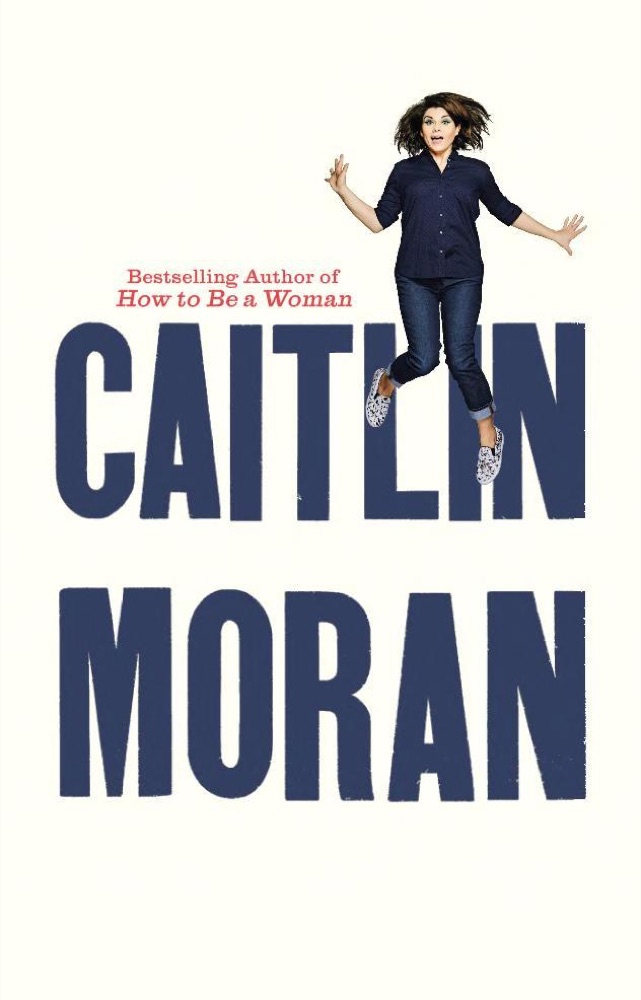 Moranifesto
 Second Grave on the Left
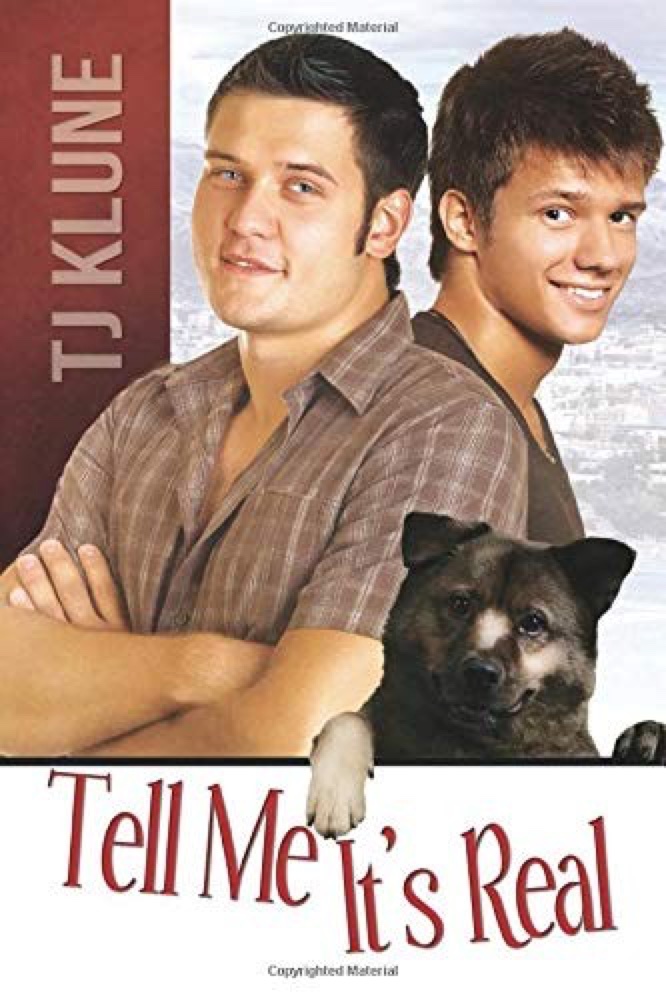 Tell Me It's Real