
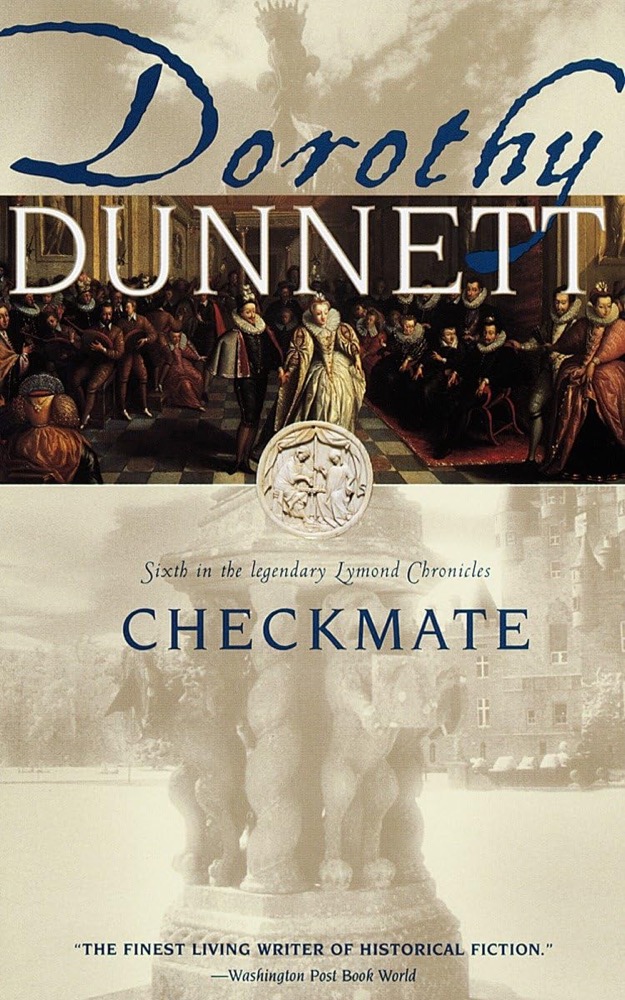
 Checkmate
Quotes from the Book
Tobie. Unless I'm giving off steam, behave normally. I remember what to do. One foot in front of the other, but not both at the same time unless I'm a robin.
Well, get the coffer out," said Tobie roundly. "You find his clean clothes and I'll cut his hair round his cap and wash his ears out. Then, when we get to the Palazzo Medici, you imitate his voice and I'll sit him on my knee and move his arms up and down. Where is the problem?
Your state has been seen, and will be reported on. Only it is necessary that you do not yawn. Or, of course, speak. Discretion in all things in all things is needed." She was reminding them, and she hoped they realised it, that they were not circumcised. The circumlocution expected of a high-born Syrian princess was sometimes a trial to Sara Khatun.
Julius rose to his feet. The towel dropped, showering cut brown hair over Monna Alessandra's elegant tiles. His hair, finely tailored, clung to a thick-boned face with slanting eyes and a blunt profile which would have looked well on a coin. Tobie, who had almost no hair, gazed at him sadly.
Julius brooded. He could see Julius despising the medical school of Pavia. Tobie said, "Nicholas managed the journey from Flanders all right. Deferred to you, joked discreetly with me, got on like a dyeworks on fire with the muleteers.
Watch on YouTube
About Dorothy Dunnett
We have collected 191 quotes from 8 books by Dorothy Dunnett on BookQuoters.
More about the author →More by Dorothy Dunnett
All books by Dorothy Dunnett →
Book details
- Author
- Dorothy Dunnett
- Genre
- Fiction
- Goodreads rating
- 4.42 (3k ratings) →
Keep reading
 Ptolemy's Gate
 The Code of the Woosters
 Carry on, Jeeves
 Powder and Patch
 Post Captain
 Right Ho, Jeeves
 The Confusion
 Hard Times
 The Game of Kings
 Parade's End
 The Grand Sophy
 The Throne of Fire
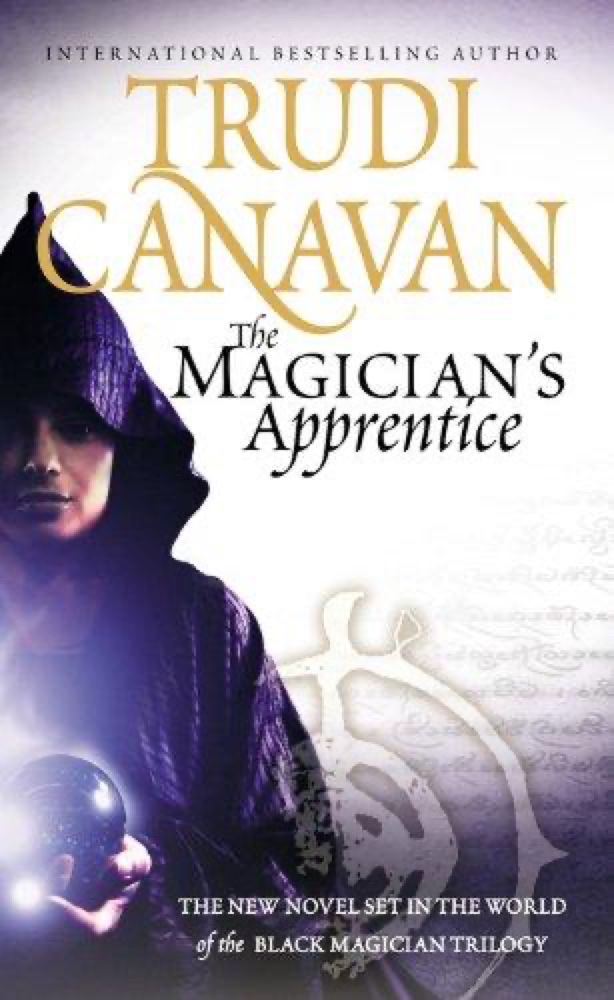 The Magician's Apprentice
 The Bonfire of the Vanities
 On the Edge
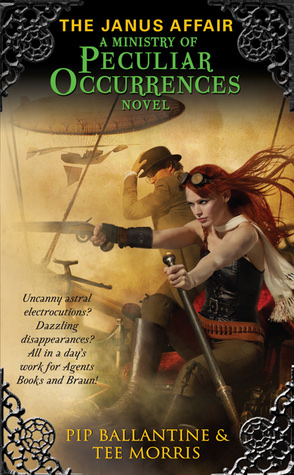 The Janus Affair
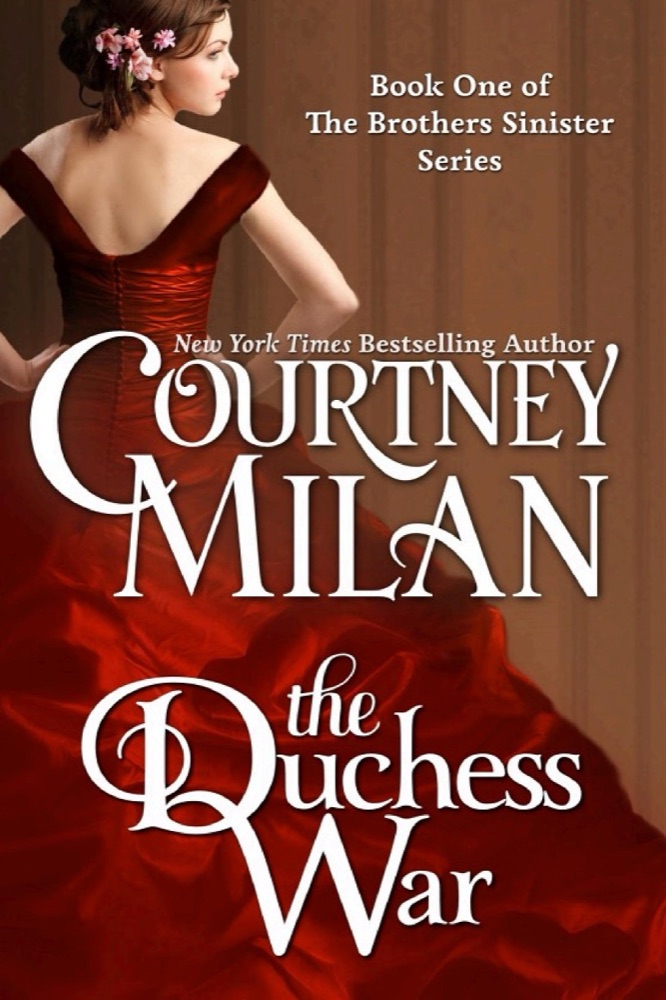 The Duchess War
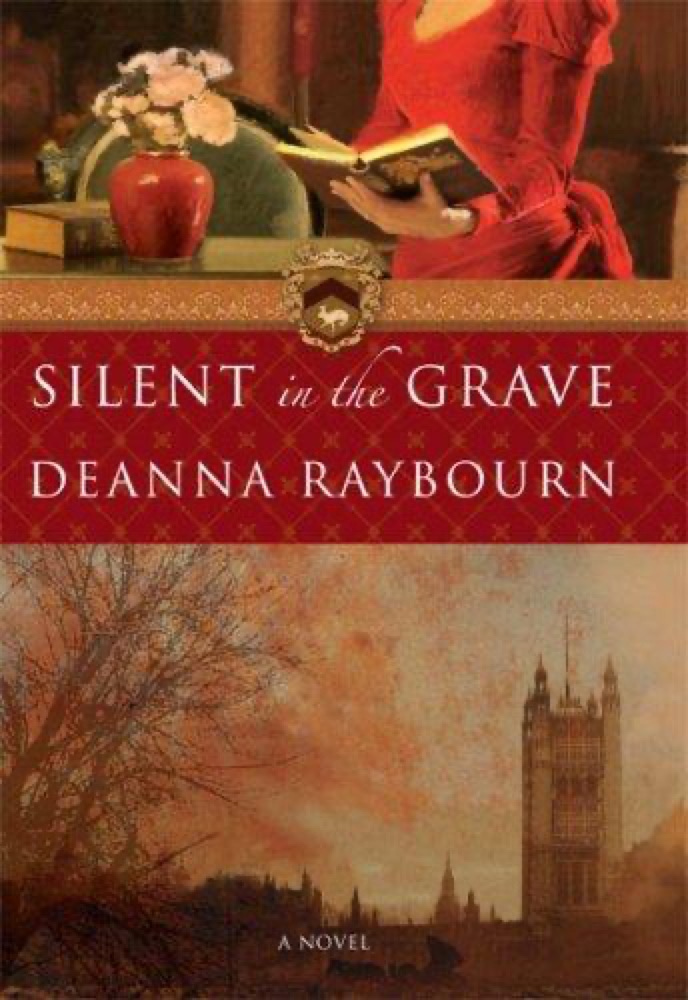 Silent in the Grave
 Queens' Play
 A Perilous Undertaking
 The Diary of a Nobody
 Crown Duel
 The Parasites
 New York
Checkmate
New York
Checkmate
 Good Behaviour
 A Conspiracy of Kings
 Zuleika Dobson
 Diplomatic Immunity
 The Complete Saki
 Palace of Stone
 Fly Trap
 The Man in the Brown Suit
 At Swim-Two-Birds
 Waistcoats & Weaponry
 The Unseen Guest
 Castle of Wizardry
 Sweep in Peace
 Roughing It
 Dombey and Son
 False Colours
 The Silver Chair
 Courting Miss Lancaster
 Carpe Jugulum
 Coriolanus
 The Royal We
 The Mystery of Edwin Drood
 Three Men in a Boat
 Pygmalion
 Much Ado About Nothing
 The Lost Future of Pepperharrow
 The Golem's Eye
 Knots and Crosses
 Table for Two
 Portnoy's Complaint
 Timeless
 The Satyricon
 Competence
 Academ's Fury
 Me Talk Pretty One Day