 The Underground Railroad
Quotes from the Book
They use everything about the hog except the squeal.
The great corporation which employed you lied to you, and lied to the whole country—from top to bottom it was nothing but one gigantic lie.
If we are the greatest nation the sun ever shone upon, it would seem to be mainly because we have been able to goad our wage-earners to this pitch of frenzy.
One could not stand and watch very long without being philosophical, without beginning to deal in symbols and similes, and to hear the hog-squeal of the universe.... Each of them had an individuality of his own, a will of his own, a hope and a heart's desire; each was full of self-confidence, of self-importance, and a sense of dignity. And trusting and strong in faith he had gone about his business, the while a black shadow hung over him, and a horrid Fate in his pathway. Now suddenly it had swooped upon him, and had seized him by the leg. Relentless, remorseless, all his protests, his screams were nothing to it. It did its cruel will with him, as if his wishes, his feelings, had simply no existence at all; it cut his throat and watched him gasp out his life.
To do that would mean, not merely to be defeated, but to acknowledge defeat- and the difference between these two things is what keeps the world going.
Into this wild-beast tangle these men had been born without their consent, they had taken part in it because they could not help it; that they were in jail was no disgrace to them, for the game had never been fair, the dice were loaded. They were swindlers and thieves of pennies and dimes, and they had been trapped and put out of the way by the swindlers and thieves of millions of dollars.
They had chains which they fastened about the leg of the nearest hog, and the other end of the chain they hooked into one of the rings upon the wheel. So, as the wheel turned, a hog was suddenly jerked off his feet and borne aloft. At the same instant the ear was assailed by a most terrifying shriek; the visitors started in alarm, the women turned pale and shrank back. The shriek was followed by another, louder and yet more agonizing--for once started upon that journey, the hog never came back; at the top of the wheel he was shunted off upon a trolley and went sailing down the room. And meantime another was swung up, and then another, and another, until there was a double line of them, each dangling by a foot and kicking in frenzy--and squealing. The uproar was appalling, perilous to the ear-drums; one feared there was too much sound for the room to hold--that the walls must give way or the ceiling crack. There were high squeals and low squeals, grunts, and wails of agony; there would come a momentary lull, and then a fresh outburst, louder than ever, surging up to a deafening climax. It was too much for some of the visitors--the men would look at each other, laughing nervously, and the women would stand with hands clenched, and the blood rushing to their faces, and the tears starting in their eyes. Meantime, heedless of all these things, the men upon the floor were going about their work. Neither squeals of hogs nor tears of visitors made any difference to them; one by one they hooked up the hogs, and one by one with a swift stroke they slit their throats. There was a long line of hogs, with squeals and life-blood ebbing away together; until at last each started again, and vanished with a splash into a huge vat of boiling water. It was all so very businesslike that one watched it fascinated. It was pork-making by machinery, pork-making by applied mathematics. And yet somehow the most matter-of-fact person could not help thinking of the hogs; they were so innocent, they came so very trustingly; and they were so very human in their protests--and so perfectly within their rights! They had done nothing to deserve it; and it was adding insult to injury, as the thing was done here, swinging them up in this cold-blooded, impersonal way, without a pretence at apology, without the homage of a tear. Now and then a visitor wept, to be sure; but this slaughtering-machine ran on, visitors or no visitors. It was like some horrible crime committed in a dungeon, all unseen and unheeded, buried out of sight and of memory.
They were trying to save their souls- and who but a fool could fail to see that all that was the matter with their souls was that they had not been able to get a decent existence for their bodies?
The rich people not only had all the money, they had all the chance to get more; they had all the know-ledge and the power, and so the poor man was down, and he had to stay down.
The old wanderlust had gotten into his blood, the joy of the unbound life, the joy of seeking, of hoping without limit.
All day long this man would toil thus, his whole being centered upon the purpose of making twenty-three instead of twenty-two and a half cents an hour; and then his product would be reckoned up by the census taker, and jubilant captains of industry would boast of it in their banquet halls, telling how our workers are nearly twice as efficient as those of any other country. If we are the greatest nation the sun ever shone upon, it would seem to be mainly because we have been able to goad our wage-earners to this pitch of frenzy.
Can you not see that the task is your task - yours to dream, yours to resolve, yours to execute?
There is one kind of prison where the man is behind bars, and everything that he desires is outside; and there is another kind where the things are behind the bars, and the man is outside.
So he went on, tearing up all the flowers from the garden of his soul, and setting his heel upon them.
It is the music which makes it what it is; it is the music which changes the place from the rear room of a saloon in back of the yards to a fairy place, a wonderland, a little comer of the high mansions of the sky.
...Nobody rose in Packingtown by doing good work. You could lay that down for a rule—if you met a man who was rising in Packingtown, you met a knave. That man who had been sent to Jurgis' father by the boss, he would rise; the man who told tales and spied upon his fellows would rise; but the man who minded his own business and did his work—why, they would "speed him up" till they had worn him out, and then they would throw him into the gutter.
So long as we have wage slavery," answered Schliemann, "it matters not in the least how debasing and repulsive a task may be, it is easy to find people to perform it. But just as soon as labor is set free, then the price of such work will begin to rise. So one by one the old, dingy, and unsanitary factories will come down— it will be cheaper to build new; and so the steamships will be provided with stoking machinery , and so the dangerous trades will be made safe, or substitutes will be found for their products. In exactly the same way, as the citizens of our Industrial Republic become refined, year by year the cost of slaughterhouse products will increase; until eventually those who want to eat meat will have to do their own killing— and how long do you think the custom would survive then?— To go on to another item— one of the necessary accompaniments of capitalism in a democracy is political corruption; and one of the consequences of civic administration by ignorant and vicious politicians, is that preventable diseases kill off half our population. And even if science were allowed to try, it could do little, because the majority of human beings are not yet human beings at all, but simply machines for the creating of wealth for others. They are penned up in filthy houses and left to rot and stew in misery, and the conditions of their life make them ill faster than all the doctors in the world could heal them; and so, of course, they remain as centers of contagion , poisoning the lives of all of us, and making happiness impossible for even the most selfish. For this reason I would seriously maintain that all the medical and surgical discoveries that science can make in the future will be of less importance than the application of the knowledge we already possess, when the disinherited of the earth have established their right to a human existence.
Surely it is moderate to say that the dish-washing for a family of five takes half an hour a day; with ten hours as a day’s work, it takes, therefore, half a million able bodied persons --- mostly women --- to do the dish-washing of the country. And note that this is most filthy and deadening and brutalizing work: that it is a cause of anemia, nervousness, ugliness, and ill-temper: of prostitution, suicide, and insanity; of drunken husbands and degenerate children --- for all of which things the community has naturally to pay.
And now was one to believe that there was nowhere a god of hogs, to whom this hog personality was precious, to whom these hog squeals and agonies had a meaning?
As if political liberty made wage slavery any the more tolerable!
This was in truth not living; it was scarcely even existing, and they felt that it was too little for the price they paid. They were willing to work all the time; and when people did their best, ought they not to be able to keep alive?
A wonderful privilege it was to be thus admitted into the soul of a man of genius, to be allowed to share the ecstasies and the agonies of his inmost life.
...and the wild beast rose up within him and screamed, as it had screamed in the Jungle from the dawn of time.
The gates of memory would roll open—old joys would stretch out their arms to them, old hopes and dreams would call to them, and they would stir beneath the burden that lay upon them, and feel its forever immeasurable weight. They could not even cry out beneath it; but anguish would seize them, more dreadful than the agony of death.
Day after day he roamed about in the arctic cold, his soul filled full of bitterness and despair. He saw the world of civilization then more plainly than ever he had seen it before; a world in which nothing counted but brutal might, an order devised by those who possessed it for the subjugation of those who did not.
Now and then a visitor wept, to be sure; but this slaughtering machine ran on, visitors or no visitors. It was like some horrible crime committed in a dungeon, all unseen and unheeded, buried out of sight and of memory.
..there was nothing to do but to dig away at the base of this mountain of ignorance and prejudice. You must keep at the poor fellow; you must hold your temper, and argue with him, and watch for your chance to stick an idea or two into his head. And the rest of the time you must sharpen up your weapons- you must think out new replies to his objections and provide yourself with new facts to prove to him the folly of his ways.
Our friends were not poetical, and the sight suggested to them no metaphors of human destiny; they thought only of the wonderful efficiency of it all.
It was like some horrible crime committed in a dungeon, all unseen and unheeded, buried out of sight and of memory.
They could tell the whole hateful story of it, set forth in the inner soul of a city in which honor and justice, women's bodies and men's souls, were for sale in the market-place, and human beings writhed and fought and fell upon each other like wolves in a pit; in which lusts were raging fires, and men were fuel, and humanity was festering and stewing and wallowing in its own corruption. Into this wild-beast tangle these men had been born without their consent, they had taken part in it because they could not help it; that they were in jail was no disgrace to them, for the game had never been fair, the dice were loaded. They were the swindlers and thieves of pennies and dimes, and they were being trapped and put out of the way by the swindlers and thieves of millions of dollars.
Watch on YouTube
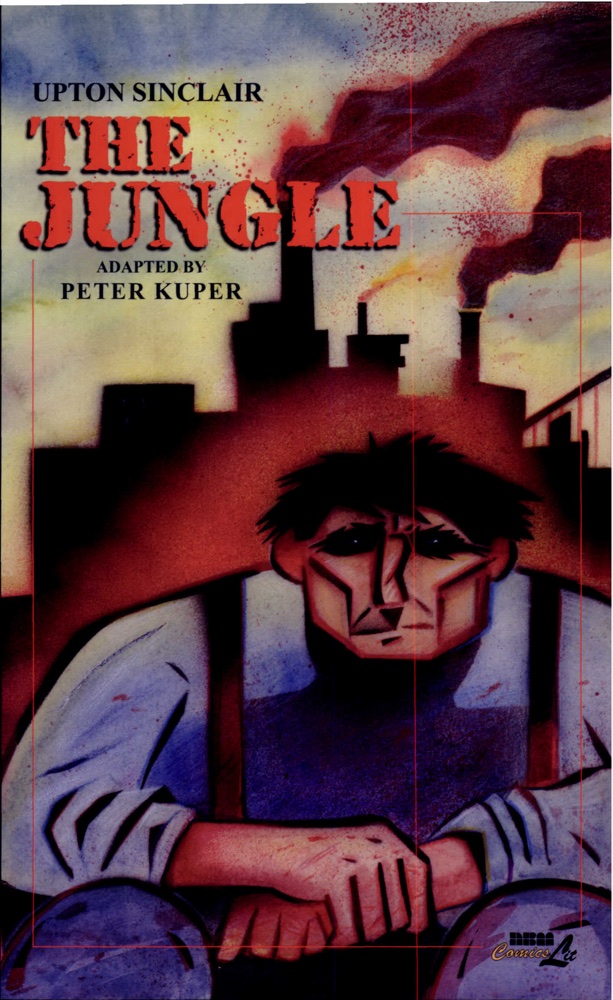
About Upton Sinclair
We have collected 30 quotes from 1 book by Upton Sinclair on BookQuoters.
More about the author →Book details
- Author
- Upton Sinclair
- Genre
- Classics
- Goodreads rating
- 3.78 (157k ratings) →
Keep reading
The Underground Railroad
 Ragtime
 Cage of Souls
 The Damnation Game
 The Naked and the Dead
 Under the Volcano
 Toll the Hounds
 The Prophets
 Dead Souls
 Uncle Tom's Cabin
 Hard Times
 The Son
 Victory
 Roughing It
 The Brutal Telling
 The Ministry of Fear
 The Enchantress of Florence
 Birdsong
 Zone One
 In Cold Blood
 Nights at the Circus
 The Call of the Wild
 Another Country
 The People of the Abyss
 Nostromo
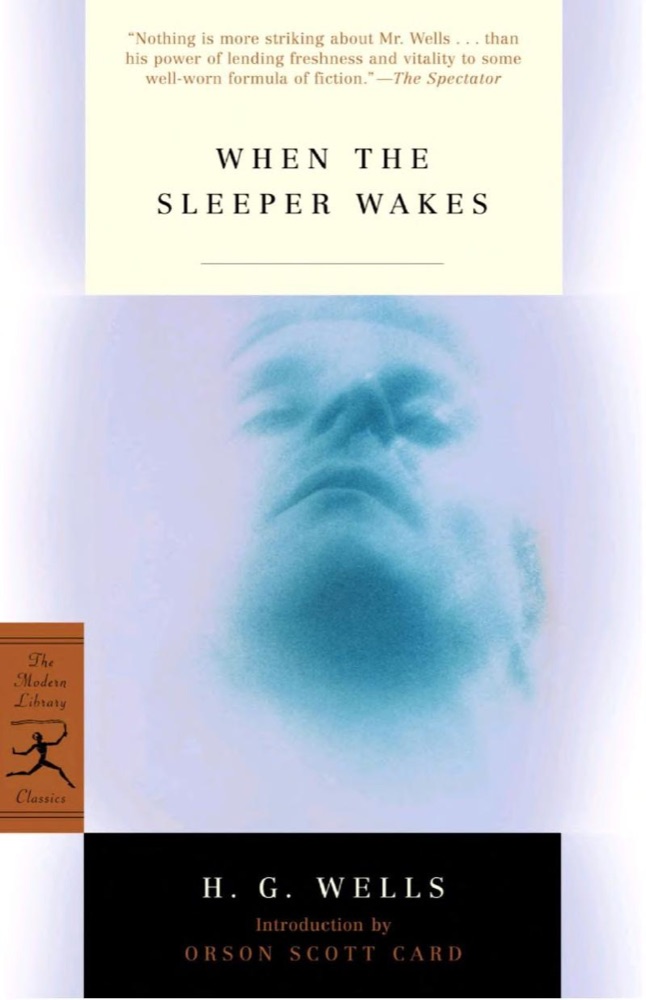 When the Sleeper Wakes
 Consider Phlebas
 The House of the Dead
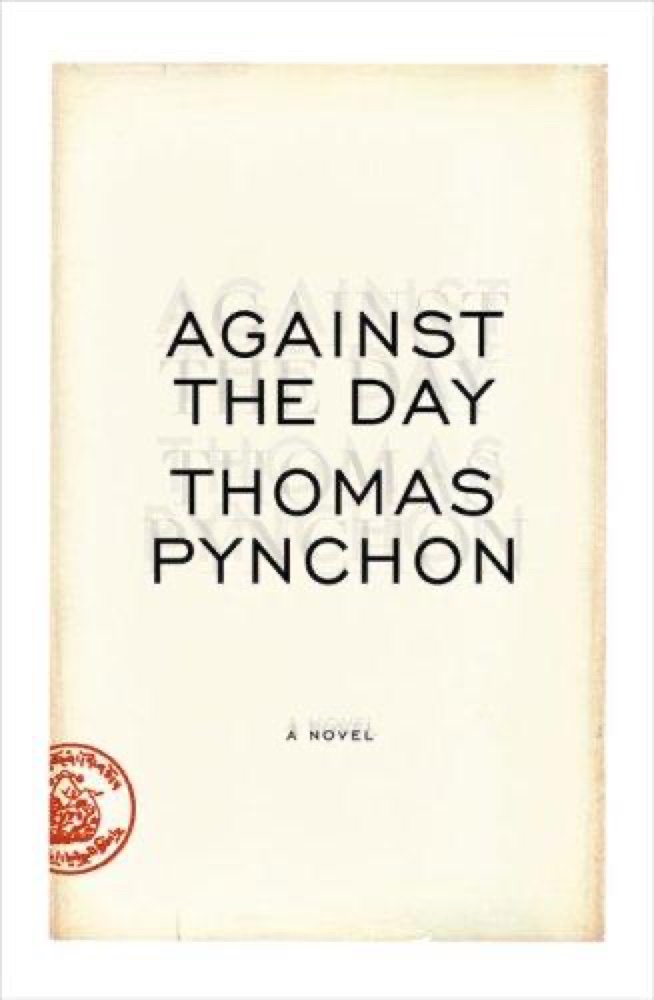 Against the Day
 Heart of Darkness
 The Water Dancer
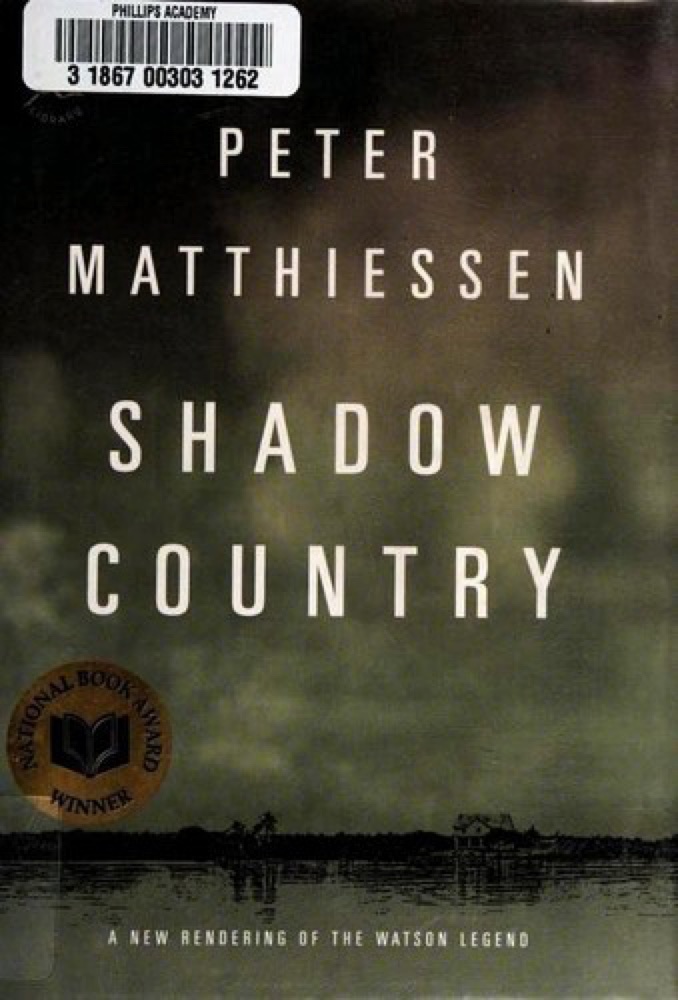 Shadow Country
 The Monkey Wrench Gang
 Soul of the Fire
 Crime and Punishment
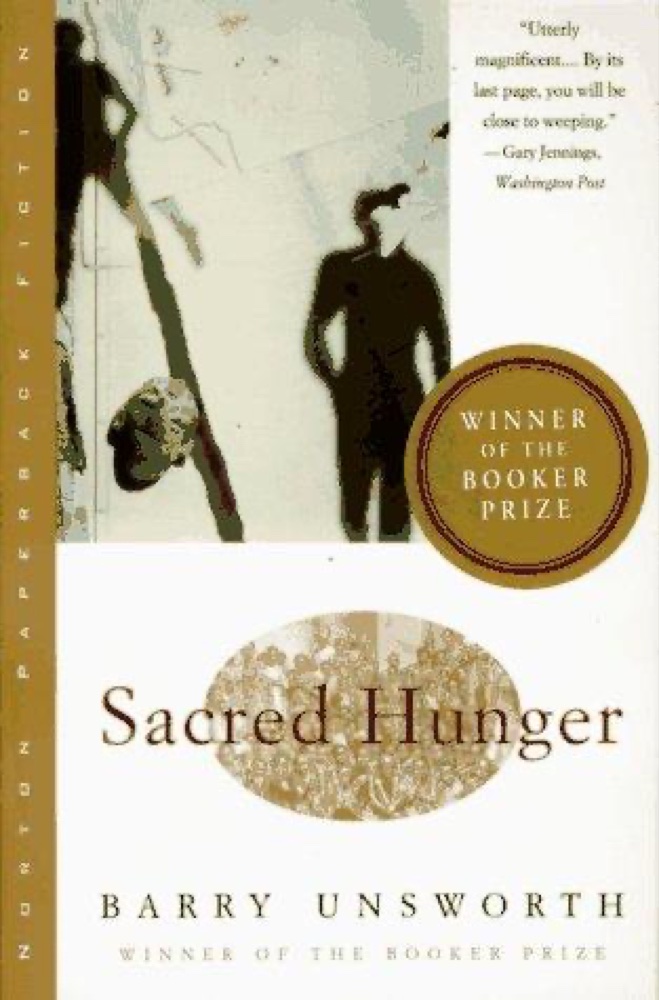 Sacred Hunger
 A Time of Torment
 Antic Hay
 The Warrior Prophet
 Keep the Aspidistra Flying
 Call for the Dead
 Of Human Bondage
 Tree of Smoke
 Forge of Darkness
 Miss Lonelyhearts
 Red Mars
 Quicksilver
 The Devil and the Dark Water
 Lord Foul's Bane
 The Blade Itself
 How Beautiful We Were
 Shadow & Claw
 River of Smoke
 The Chocolate War
 Allan Quatermain
 All the King's Men
 The House of the Seven Gables
 Guards! Guards!
 The Last Mortal Bond