
 The Unlikely Escape of Uriah Heep
Quotes from the Book
In the end, it was four words that changed the course of our lives and the history of the world. Perhaps it wasn’t really so surprising. They were, after all, the most important words in any language. ‘What are you reading?
4
I was used to feeling stupid—it was the first step to knowledge, I always told my students—but this was different. I had been the worst kind of scholar, the kind who accepts answers without even realising there are questions to ask.
2
I had spent so many years shaping myself into what they had wanted me to be, and all it had done was annoy them.
2
That can be the most insidious way to keep someone out of a place: to make it so unpleasant they no longer see the point in fighting to be there.
2
But the world had never been safe, not for everybody. It had been broken for a very long time, and the war had only shown those cracks for what they were. It couldn’t be patched over. It needed to shatter if it was ever to be rebuilt into something glittering and new.
2
That was just what I told myself, to give myself the excuse. I wanted to see for myself if it worked. I wanted to be the one who made it work.” I fumbled for words in the dark, and found only his own. “I was sick of pretending everything was fine since the war too. I didn’t just want to fix you. I wanted to fix everything.
1
I’m not a good person, Clover. You believe I am because I’m clever and charming, but neither of those things are virtues. And you’ve never tried to cross me in anything I want to do.
1
I know we were all angry and bitter, but we were friends. We should have tried to make amends. Instead we all went our separate ways, we barely looked at one another after we came back to Camford, like first-years after a regrettable one-night stand.
1
He paused, frustrated. “I don’t know what it was about. Just that sometimes I’m sick of pretending everything’s fine.” That struck me with the physical force of an epiphany, like learning the term for a concept in magical studies that had been vague and nebulous and now suddenly made sense. Because we were all pretending, weren’t we?
1
I reached out and squeezed his hand on impulse, and he smiled faintly as he squeezed it back. “Thank you,” I said. “Only if you’re sure. I mean that.” I didn’t, really, and he must have known it. The most I can say for myself is that I tried.
1
I knew my friend; I recognized him now. And I wished with all my heart that I didn’t
1
He was like a burning sun. In my experience
I stopped fighting the vines and started fighting myself.
Superstition clung to the hill like shreds of cobweb—
What are you reading? he had asked, and he had laughed as if I had meant it when I said, A book. I had loved him from that moment. It was a strange, intense, complicated love, wrapped around Camford and Hero and Eddie and Ashfield and a whole shimmering way of life, embedded in my heart like a climbing rose. I didn’t know what to do with that love now, but I was grateful for it nonetheless.
We had all done so many foolish and terrible things trying to save the people we loved.
I’m sorry about it, but it wasn’t my doing. It was centuries before I was even born, for God’s sake. Our world was built on the back of it, and we can’t undo it without bringing everything crashing down. Believe me, you’ve a stake in this too.
I’d walked through Camford blinkered, and the worst part was that those blinkers had been worn willingly.
I couldn’t tell if that was meant to be helpful or condescending, and it didn’t matter. I’d learned long ago that I wasn’t going to get far in the magical world if I stumbled over every perceived slight.
My success was measured by how well I could assimilate myself into Camford despite my shortcomings.
The faerie ignored this exchange. It was looking at me, its green eyes fixed and unwavering. I have never been looked at like that before or since. It made the rest of the world recede into white noise.
I never did like this room,” Hero said with distaste. “That’s utter rubbish,” Alden said absently. “You never gave this room a second thought in your entire life.” “If I don’t like something, darling,” Hero said, at her most Hero, “then that’s exactly how I treat it.
Here is where I have to make another confession: I knew what I should have answered. If Alden had told Hero what he wanted to believe, as she quite rightly predicted he would, it would have been because he had truly made himself believe it. That was how Alden’s brain worked, what made him so convincing and so difficult to resist. He was absolutely capable of persuading himself. I wasn’t. The scholarship was sound, as far as it went. But the scholarship was far from perfect, especially when we were learning out of scraps from old books and illegal experiments.
I didn’t, at that point, recognise the gleam in his eye as dangerous. It was the echo of the gleam in my own, and I hadn’t yet learned that mine was dangerous too.
For the last time, his eyes met mine. Just for a second, in a searing flash of dust and sunlight and the smell of old paper, we were in the Camford Library with the whole world spread before us. What are you reading? he had asked, and he had laughed as if I had meant it when I said, A book.
Did you know?
- The novel was first published in October 2024, by Orbit Books in the UK and its Redhook imprint in the US.
- Its magical academy, Camford, is a hidden institution attached to Oxford and Cambridge.
- The story's inciting catastrophe is a faerie attack during the real First World War Battle of Amiens in 1918.
- Reviewers frequently compared the book to Susanna Clarke's Jonathan Strange & Mr Norrell.
- It is a standalone novel by the author of The Magician's Daughter.
About H.G. Parry
H. G. Parry is a New Zealand author who lives on the Kapiti Coast. She holds a Ph.D. in English Literature from Victoria University of Wellington and has taught English, film, and media studies; her other novels include The Magician's Daughter and A Declaration of the Rights of Magicians.
More about the author →More by H.G. Parry
The Unlikely Escape of Uriah Heep
 The Magician’s Daughter
About the book
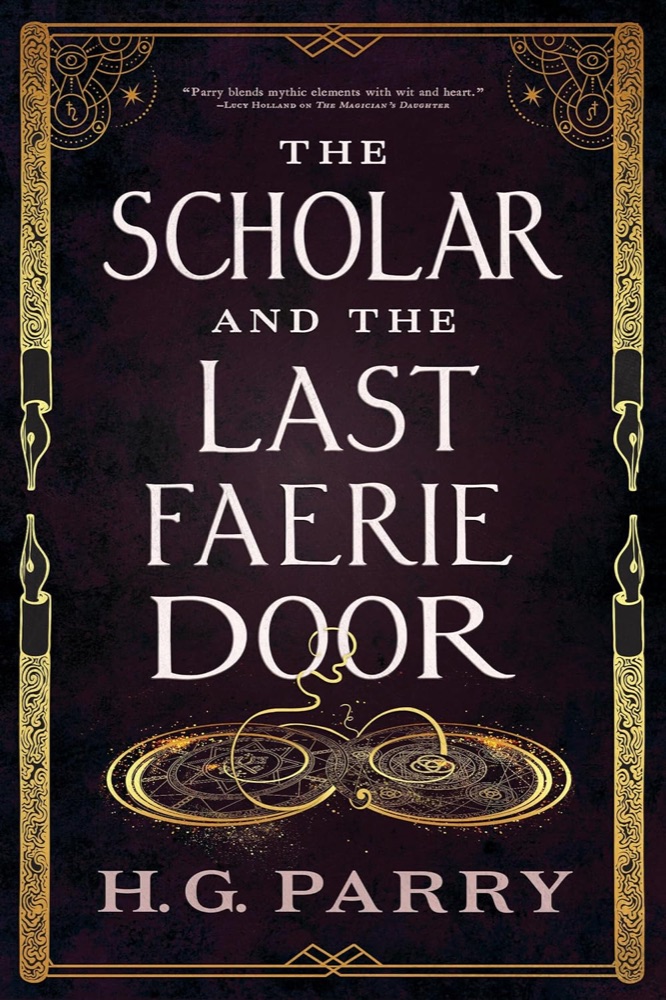
The Scholar and the Last Faerie Door is a 2024 historical fantasy novel by New Zealand author H. G. Parry. Set in England in the aftermath of the First World War, it follows Clover Hill, a farmgirl with no magical bloodline or social connections, whose soldier brother Matthew returns from the 1918 Battle of Amiens bearing a debilitating faerie curse. Determined to find a cure, Clover wins a place at Camford, a secret magical academy hidden between Oxford and Cambridge, where she falls in with three privileged students drawn to the same forbidden subject.
Beneath its academic-magic surface, the book is a story about class, privilege, and belonging, examining who is allowed access to knowledge and power. Its emotional core lies in the bonds and betrayals among its four central friends, alongside the lingering trauma of the war. It is a deliberately character-driven, introspective novel rather than an action-led one, lingering on questions of ambition, loyalty, and the cost of the choices friends make for one another.
The novel drew comparisons to Susanna Clarke's Jonathan Strange & Mr Norrell for its scholarly, mist-laced approach to English magic. Reviewers generally praised its ambition and craft, with Publishers Weekly calling the results complex, introspective, and impressive, while some critics found the pacing slow. It was published as a standalone work by the author of The Magician's Daughter.
Key characters
- Clover HillFarmgirl protagonist who enrolls at Camford to cure her brother
- Matthew HillClover's older brother, a WWI soldier cursed by a faerie
- Alden Lennox-FontaineCharismatic aristocratic student who befriends Clover
- HeroOne of Clover's three fellow students of forbidden magic
- EddieOne of Clover's three fellow students of forbidden magic
Book details
- First published
- 2024
- Length
- 464 pages
- Reading time
- 14 hours
- Author
- H.G. Parry
- Genre
- Fantasy
- Goodreads rating
- 4.10 (7k ratings)
- First line
- “In the end, it was four words that changed the course of our lives and the history of the world.”
Critical reception
- Publishers Weekly described the results as complex, introspective, and impressive.
- Reviewers compared the novel to Susanna Clarke's Jonathan Strange & Mr Norrell for its scholarly take on English magic.
- Critics praised it as an ambitious, character-driven historical fantasy centered on friendship, class, and belonging.
- Some reviewers found the book slow-paced, favoring atmosphere and character over action.
The buzz
- Publishers WeeklyThe Scholar and the Last Faerie Door2024Trade review calling the results complex, introspective, and impressive
Keep reading
 The Last Smile in Sunder City
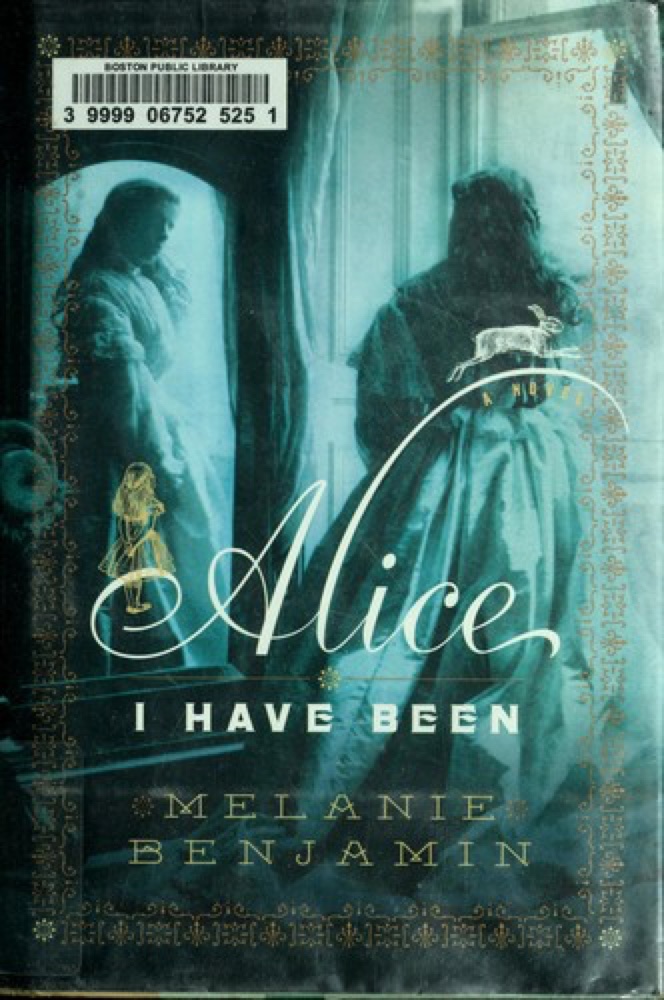 Alice I Have Been
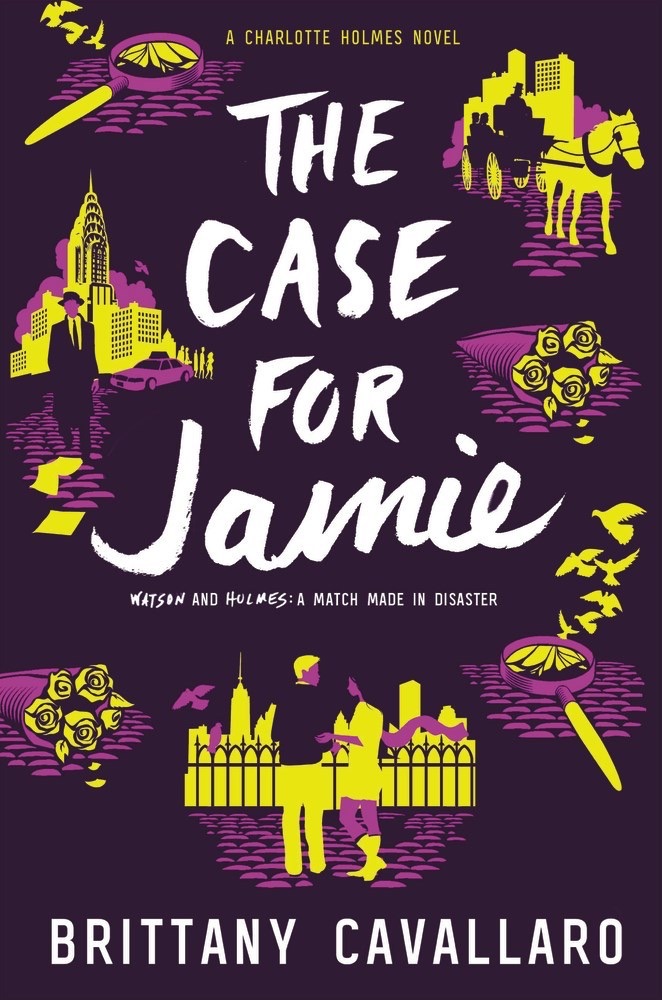 The Case for Jamie
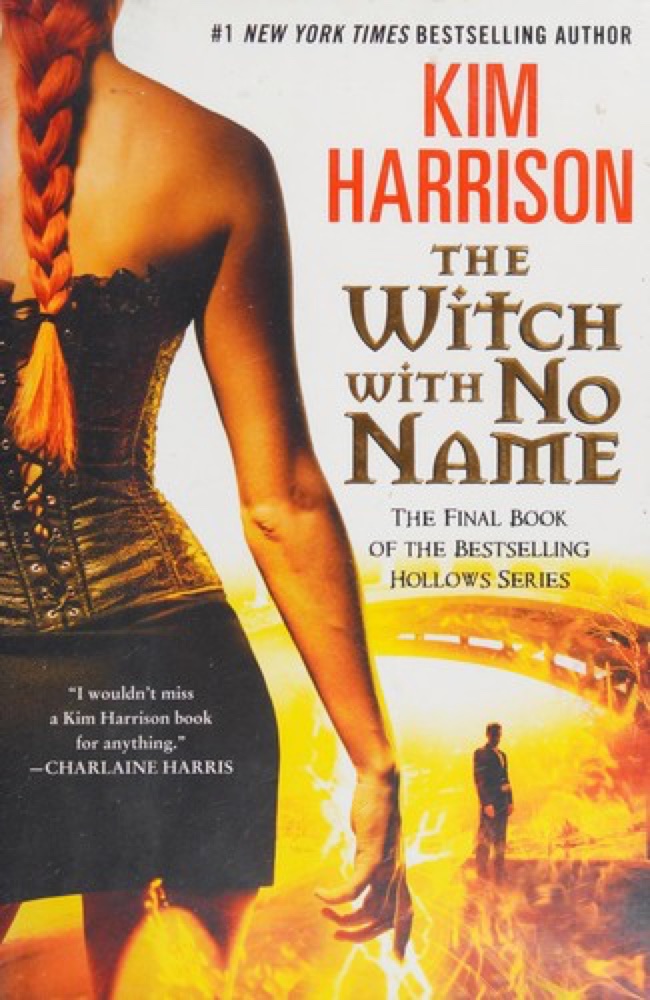 The Witch With No Name
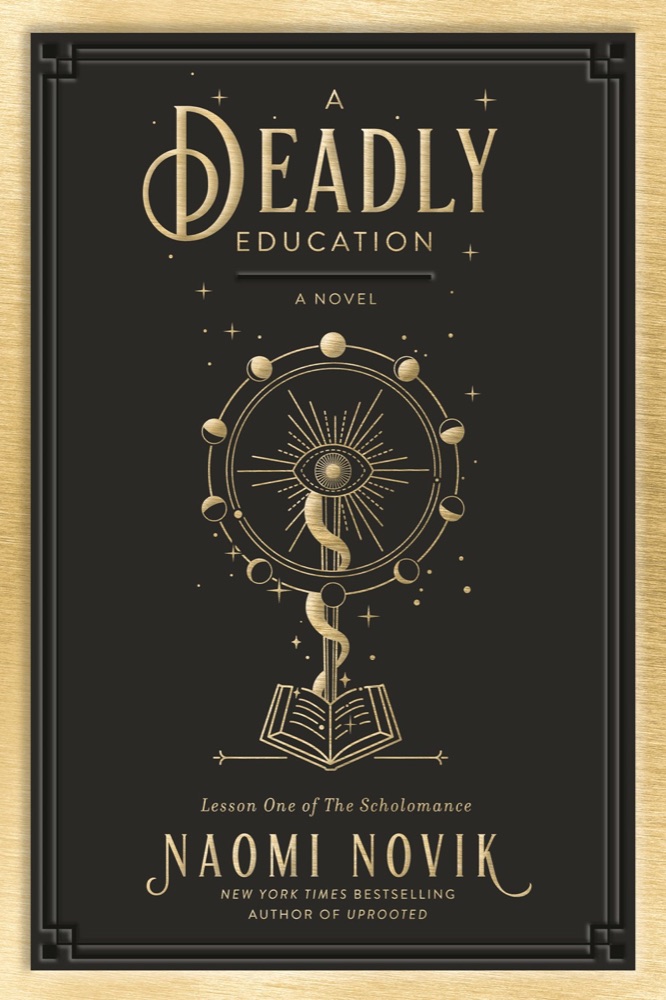 A Deadly Education
 Underdog
 Hemlock & Silver
 The Go-Between
 Swimming in the Dark
 Defiant
 The Witch Elm
 What I Was
 The Binding
 Tangerine
 Daughter of No Worlds
 Miss Peregrine’s Home for Peculiar Children
 Outpost
 Servant of Earth
 Stranded
 The Dark Descent of Elizabeth Frankenstein
 Rainbow Black
 Relentless
 The Virtu
 Notes on Your Sudden Disappearance
 The First Bad Man
 Kissing the Witch: Old Tales in New Skins
 The Basic Eight
 The Book of the Most Precious Substance
 Chances Are...
 Wonder Boys
 Wolf Hollow
 Ninth House
 Noughts & Crosses
 The Story of a New Name
 Milkman
 Mischling
 So Long, See You Tomorrow
 While England Sleeps
 What the River Knows
 The Turn of the Screw
 The Bone Season
 Glitterland
 The Echo Wife
 All the Ugly and Wonderful Things
 All But My Life: A Memoir
 Lucy Sullivan Is Getting Married
 The Jasad Heir
 The Rachel Incident
 Half Sick of Shadows
 The Wonder Spot
 The Hazel Wood
 Savage Lands
 Widdershins
 Breakable
 Gates of Thread and Stone
 The Immortal Rules
 Where Things Come Back
 A Room Made of Leaves
 Silver in the Bone
 Renegade's Magic