 Blood of Elves
Quotes from the Book
People," Geralt turned his head, "like to invent monsters and monstrosities. Then they seem less monstrous themselves. When they get blind-drunk, cheat, steal, beat their wives, starve an old woman, when they kill a trapped fox with an axe or riddle the last existing unicorn with arrows, they like to think that the Bane entering cottages at daybreak is more monstrous than they are. They feel better then. They find it easier to live.
Lesser, greater, middling, it's all the same. Proportions are negotiated, boundaries blurred. I'm not a pious hermit, I haven't done only good in my life. But if I'm to choose between one evil and another, then I prefer not to choose at all.
I manage because I have to. Because I've no other way out. Because I've overcome the vanity and pride of being different, I've understood that they are a pitiful defense against being different. Because I've understood that the sun shines differently when something changes. The sun shines differently, but it will continue to shine, and jumping at it with a hoe isn't going to do anything.
People”—Geralt turned his head—“like to invent monsters and monstrosities. Then they seem less monstrous themselves.
A mother, you son-of-a-bitch, is sacred!
Only Evil and Greater Evil exist and beyond them, in the shadows, lurks True Evil. True Evil, Geralt, is something you can barely imagine, even if you believe nothing can still surprise you. And sometimes True Evil seizes you by the throat and demands that you choose between it and another, slightly lesser, Evil.
Evil is evil, Stregobor,” said the witcher seriously as he got up. “Lesser, greater, middling, it's all the same. Proportions are negotiated, boundaries blurred. I’m not a pious hermit. I haven't done only good in my life. But if I’m to choose between one evil and another, then I prefer not to choose at all.
They weren't lying. They firmly believed it all. Which doesn't change the facts.
I need this conversation. They say silence is golden. Maybe it is, although I'm not sure it's worth that much. It has its price certainly; you have to pay for it.
Nonsense," said the witcher. "And what's more, it doesn't rhyme. All decent predictions rhyme.
There's a grain of truth in every fairy tale,
I don't believe in Melitele, don't believe in the existence of other gods either, but I respect your choice, your sacrifice. Your belief. Because your faith and sacrifice, the price you're paying for your silence, will make you better, a greater being. Or, at least, it could. But my faithlessness can do nothing. It's powerless.
No. I’ve no time to waste. Winter’s coming.
As usual, cats and children noticed him first.
All around, everywhere you look, is dullness and uncertainty. Even something born of beauty soon leads to boredom and banality, commonplace, the human ritual, the tedious rhythm of life.
(...) Ale, między nami, nie rób przy niej tego, co ostatnim razem, podczas kolacji. - Idzie ci o to, że rzuciłem widelcem w szczura? - Nie. Idzie mi o to, że trafiłeś, chociaż było ciemno. - Myślałem, że to będzie zabawne.
Destiny has many faces. Mine is beautiful on the outside and hideous on the inside. She has stretched her bloody talons toward me—
They say silence is golden. Maybe it is, although I’m not sure it's worth that much. It has its price certainly; you have to pay for it.
Make use of the opportunity to have a bath yourself. I can not only guess the age and breed of your horse, but also its color, by the smell.
The Witcher had a knife to his throat. He was wallowing in a wooden tub, brimfull with soapsuds, his head thrown agains the slippery rim. The bitter taste of soap lingered in his mouth as the knife, blunt as a doorknob, scraped his Adam's apple painfully and moved towards his chin with a grating sound.
Aridea quite often turned to the Mirror—’ ‘With the usual question, I take it,’ interrupted Geralt. ‘“Who is the fairest of them all?” I know; all Nehalenia’s Mirrors are either polite or broken.
Evil is Evil. Lesser, greater, middling… Makes no difference. The degree is arbitary. The definition’s blurred. If I’m to choose between one evil and another… I’d rather not choose at all.
Listen, Geralt—" "No. You won't win me over with your reasons nor convince me that Eltibad wasn't a murdering madman, so let's get back to the monster threatening you. You'd better understand that, after the introduction you've given me, I don't like the story. But I'll hear you out." "Without interrupting with spiteful comments?" "That I can't promise.
Then, four years later I received news from Aridea. She’d tracked down the little one, who was living in Mahakam with seven gnomes whom she’d managed to convince it was more profitable to rob merchants on the roads than to pollute their lungs with dust from the mines.
I thought I was choosing the lesser evil. I chose the lesser evil. Lesser evil! I’m Geralt! Witcher…I’m the Butcher of Blaviken—
During his life, the witcher had met thieves who looked like town councilors, councilors who looked like beggars, harlots who looked like princesses, princesses who looked like calving cows and kings who looked like thieves. But Stregobor always looked as, according to every rule and notion, a wizard should look. He was tall, thin and stooping, with enormous bushy gray eyebrows and a long, crooked nose. To top it off, he wore a black, trailing robe with improbably wide sleeves, and wielded a long staff capped with a crystal knob.
Don’t be embarrassed,’ she said, throwing an armful of clothing on the hook. ‘I don’t faint at the sight of a naked man. Triss Merigold, a friend, says if you’ve seen one, you’ve seen them all.
Jeśli dobrze rozumiem - powiedział - mam stanąć do pojedynku, bo jeżeli odmówię, to mnie powieszą. Jeśli będę walczył, to mam pozwolić, by przeciwnik mnie okaleczył, bo jeśli ja go zranię, to mnie połamią kołem. Same radosne alternatywy. A może zaoszczędzić wam kłopotów? Huknę głową o pień sosny i sam się obezwładnię.
Did you know?
- The collection was originally published in Polish in 1993 by SuperNowa under the title Ostatnie zyczenie.
- It contains seven short stories tied together by a frame narrative in which an injured Geralt recovers at a temple.
- The English translation by Danusia Stok was published by Gollancz in 2007.
- Many of its stories are dark reworkings of traditional fairy tales and Slavic folklore.
- The title story depicts the first meeting between Geralt and the sorceress Yennefer of Vengerberg.
- Although Sword of Destiny was published earlier, The Last Wish is regarded as the first book in the Witcher series.
About Andrzej Sapkowski
Andrzej Sapkowski is a Polish fantasy author, best known for creating The Witcher saga centered on the monster-hunter Geralt of Rivia. His work, first published in Poland from the late 1980s, has been translated into numerous languages and adapted into video games and a Netflix series.
More about the author →More by Andrzej Sapkowski
All books by Andrzej Sapkowski →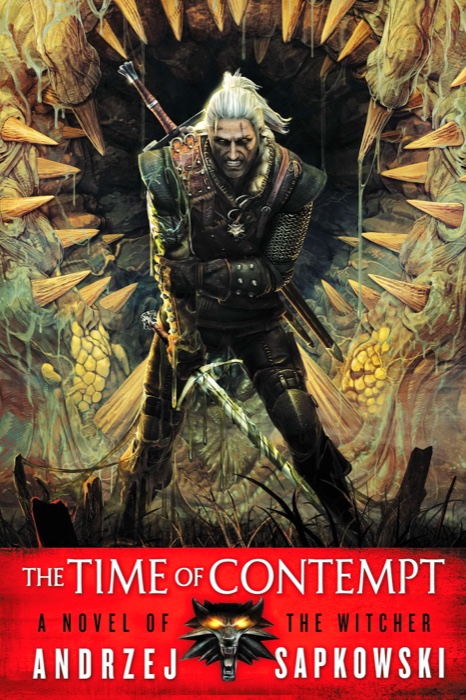
About the book
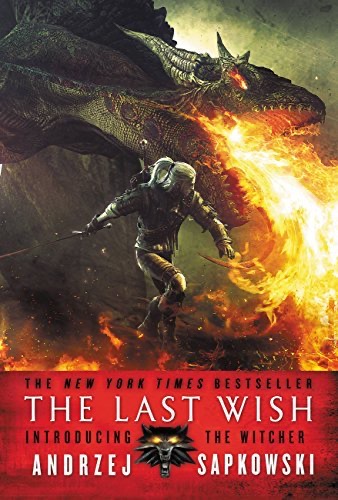
The Last Wish (Polish: Ostatnie zyczenie) is a collection of short stories by Polish author Andrzej Sapkowski and the opening entry in his Witcher saga. It introduces Geralt of Rivia, a monster-hunting witcher whose supernatural abilities and combat training are for hire, and follows him through seven interlinked tales bound together by a frame story: injured after a battle, Geralt convalesces at a temple, and each of his flashbacks becomes one of the stories. The collection was first published by SuperNowa in Poland in 1993 and appeared in English, translated by Danusia Stok, from Gollancz in 2007.
The seven stories draw heavily on Slavic folklore and reworked fairy tales, filtering them through Geralt's world of moral ambiguity, where, as the book repeatedly insists, not everything monstrous-looking is evil and not everything fair is good. Along the way Geralt crosses paths with the bard Dandelion, the priestess Nenneke, and the sorceress Yennefer of Vengerberg, whose fateful first meeting with Geralt drives the title story and its bargain with a captured djinn. Rather than a single novel, the book works as an introduction to the witcher and the ethical grey zones he is forced to navigate.
Though published after 1992's Sword of Destiny, The Last Wish is treated as the official first book of the series and became the gateway through which many English-language readers discovered the Witcher. Its stories and characters were later drawn on by the hugely successful Witcher video games and by Netflix's live-action series, whose first season adapts material from this collection. The book helped establish Sapkowski as one of the most internationally recognized figures in modern fantasy.
Key characters
- Geralt of RiviaA witcher, a mutated monster-hunter for hire and the collection's protagonist
- Yennefer of VengerbergA powerful sorceress whose fate becomes bound to Geralt's
- DandelionA bard and poet who is Geralt's friend and traveling companion
- NennekeHigh priestess of the temple where the injured Geralt recovers
- IolaA mute novice at the temple who tends to Geralt
Book details
- First published
- 1993
- Length
- 288 pages
- Reading time
- 6 hours
- Author
- Andrzej Sapkowski
- Genre
- Fiction
- Goodreads rating
- 4.14 (430k ratings) →
Series & reading order
- 1 The Last Wish
- 2 Sword of Destiny
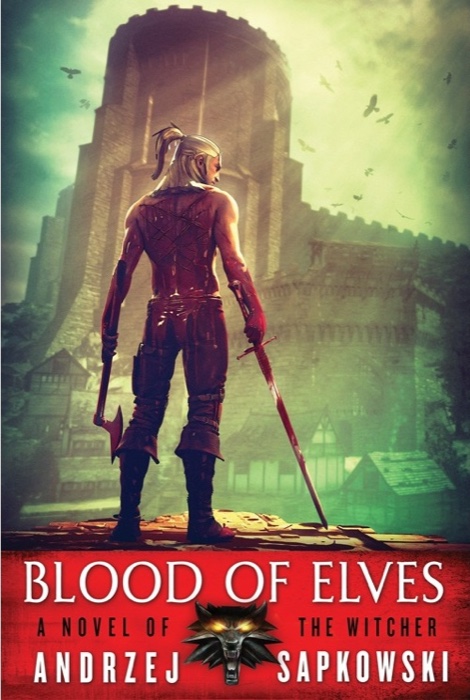
- 3 Blood of Elves
- 4 Time of Contempt
- 5 Baptism of Fire
- 6 The Tower of the Swallow
- 7 The Lady of the Lake
Movie & TV adaptations
- IMDb
If you liked this, read…
- 1The Blade ItselfGrimdark fantasy with morally grey characters by Joe Abercrombie
- 2The Lies of Locke LamoraCharacter-driven fantasy blending wit, danger, and dark tone
- 3Assassin's ApprenticeIntrospective fantasy centered on a lone, morally complex outsider
Keep reading
 Sword of Destiny
 Season of Storms
 The Tower of the Swallow
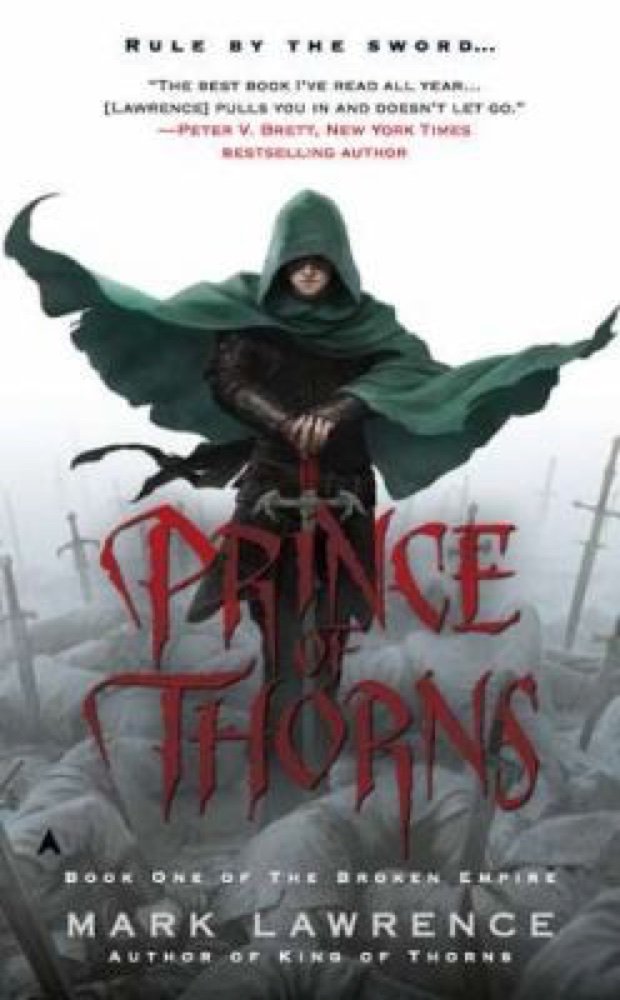 Prince of Thorns
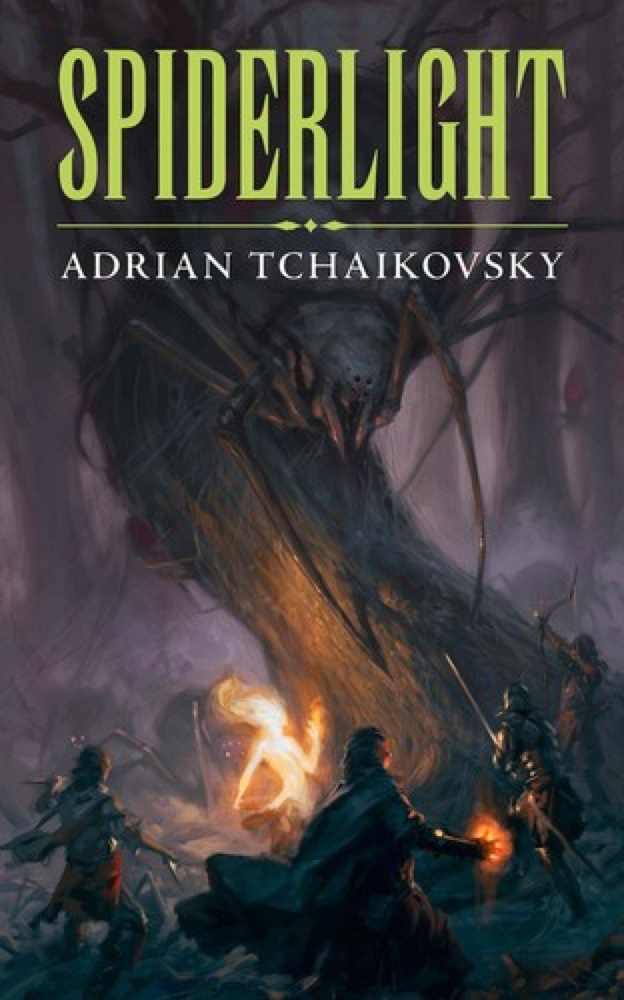 Spiderlight
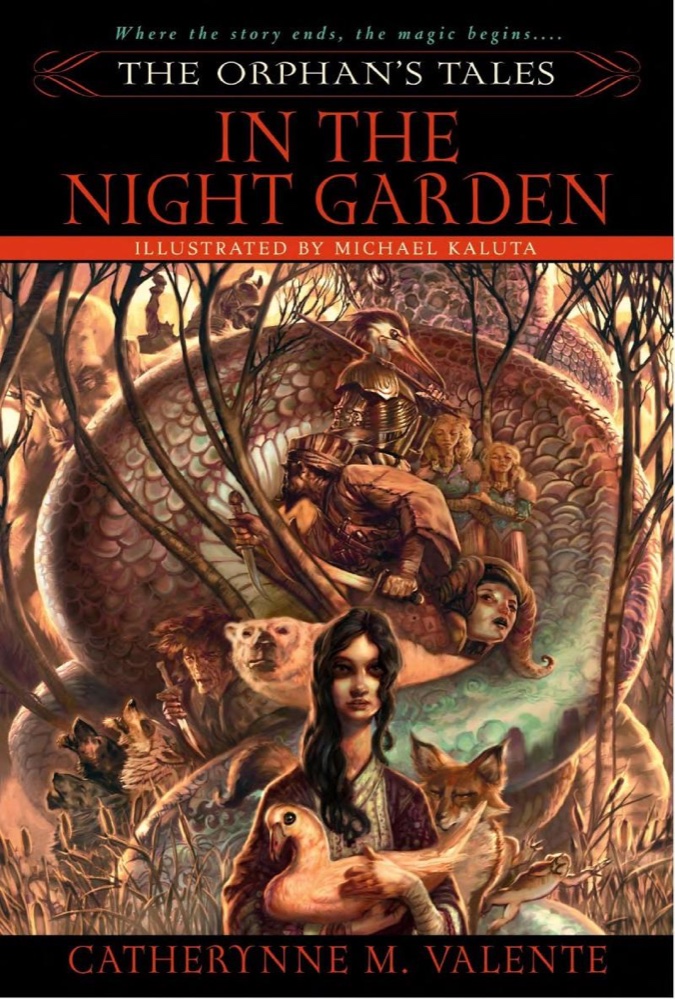 In the Night Garden
 The Last Watch
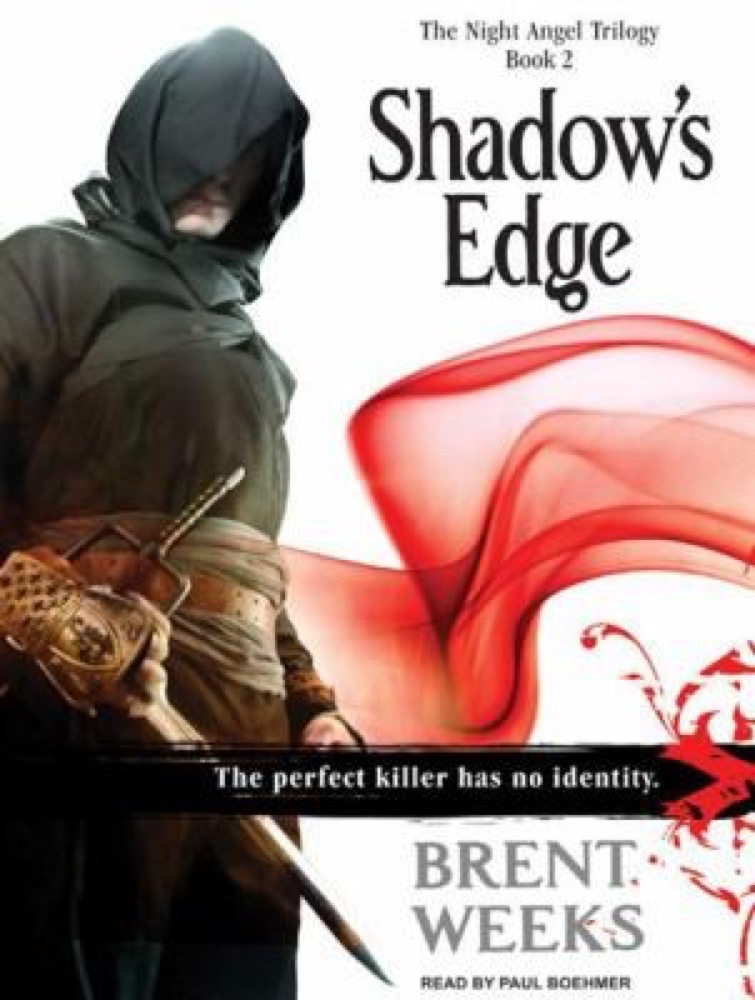 Shadow's Edge
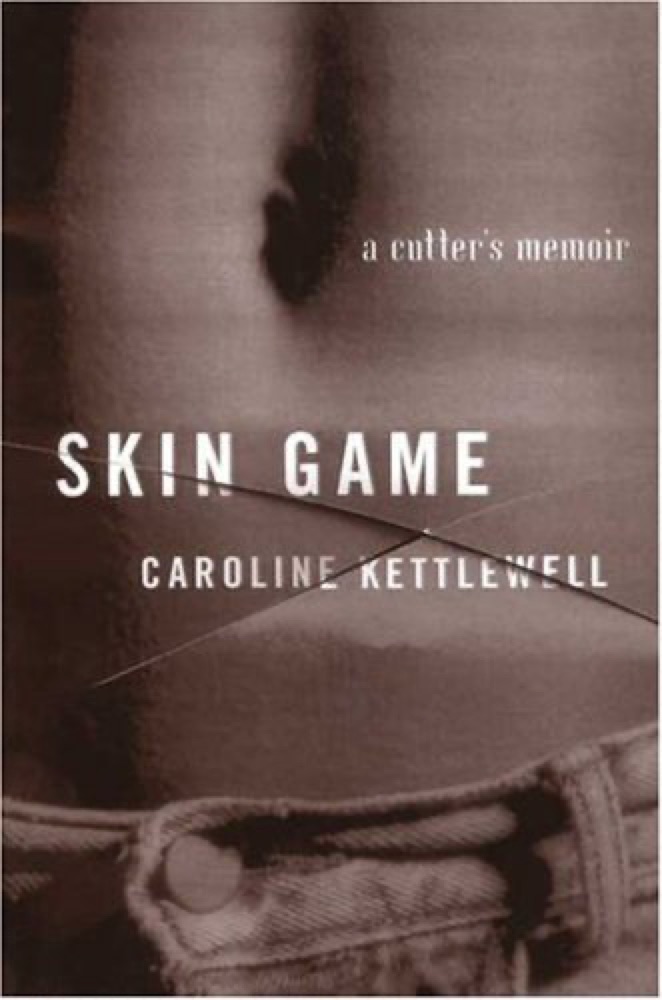 Skin Game
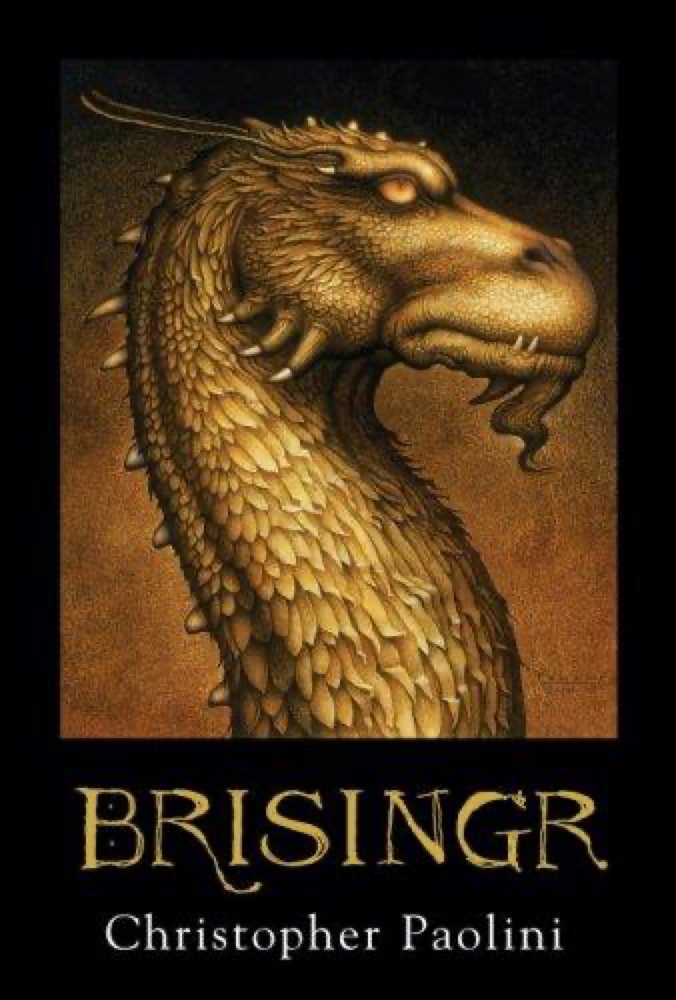 Brisingr
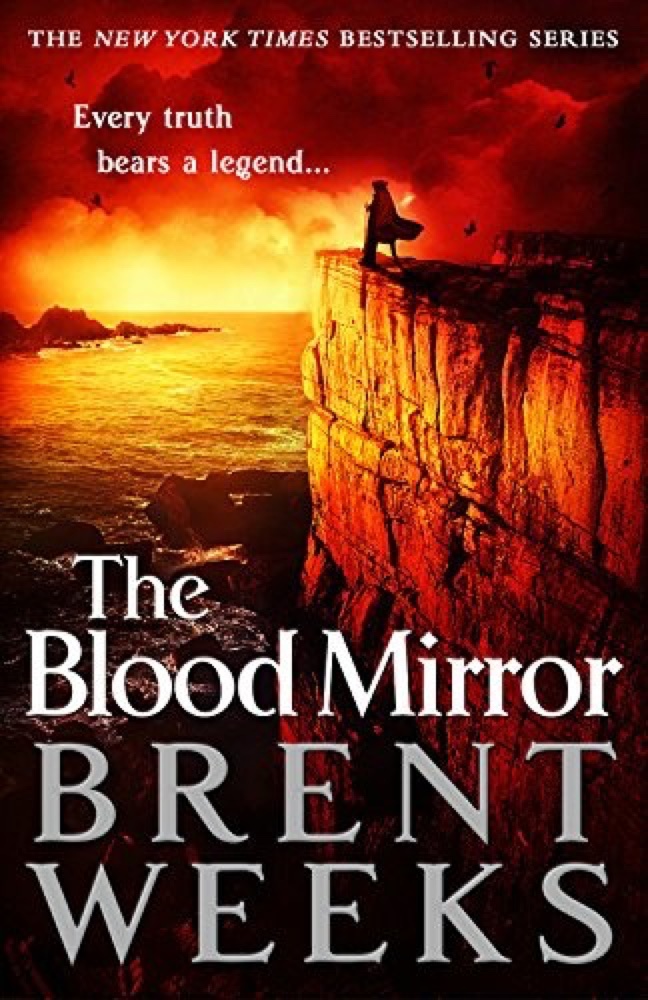 The Blood Mirror
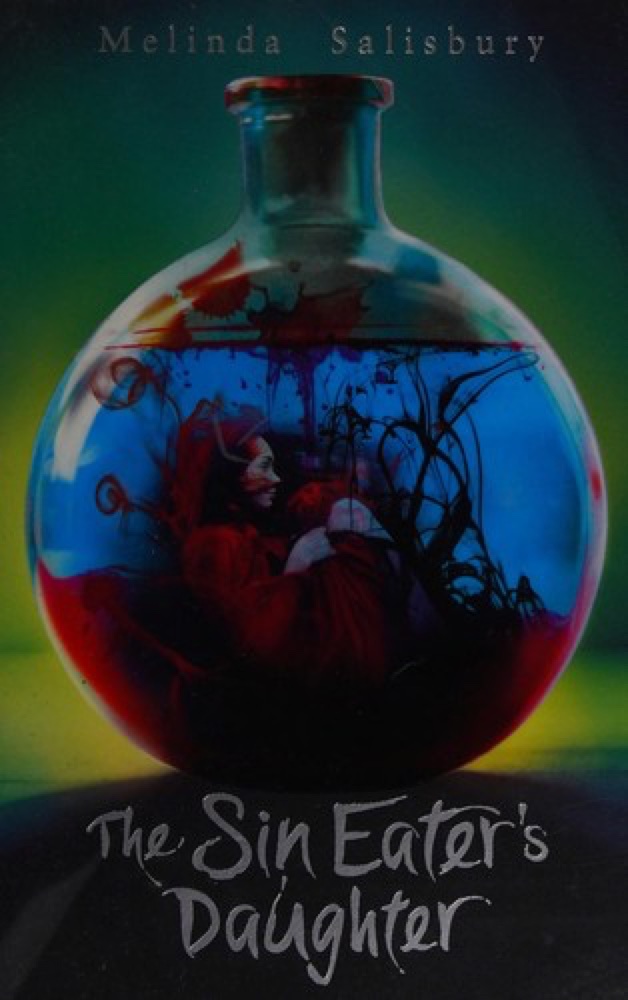 The Sin Eater’s Daughter
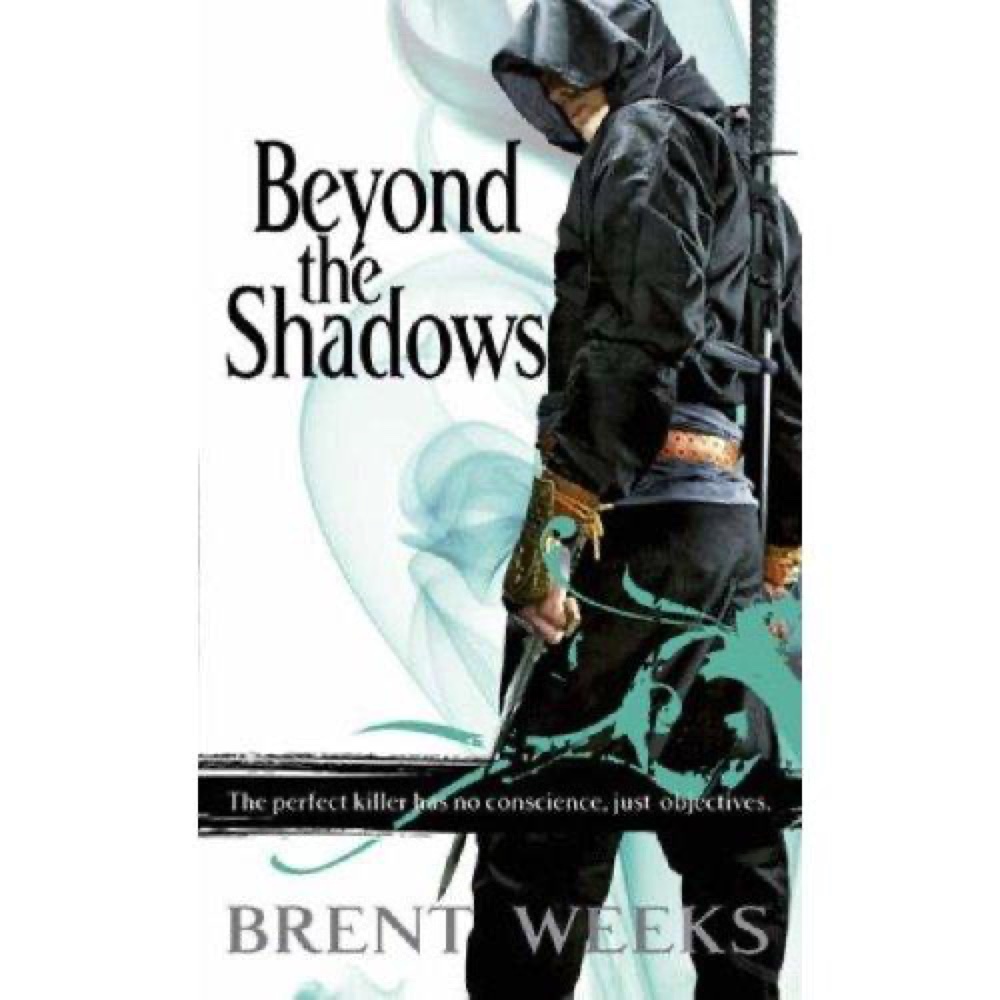 Beyond the Shadows
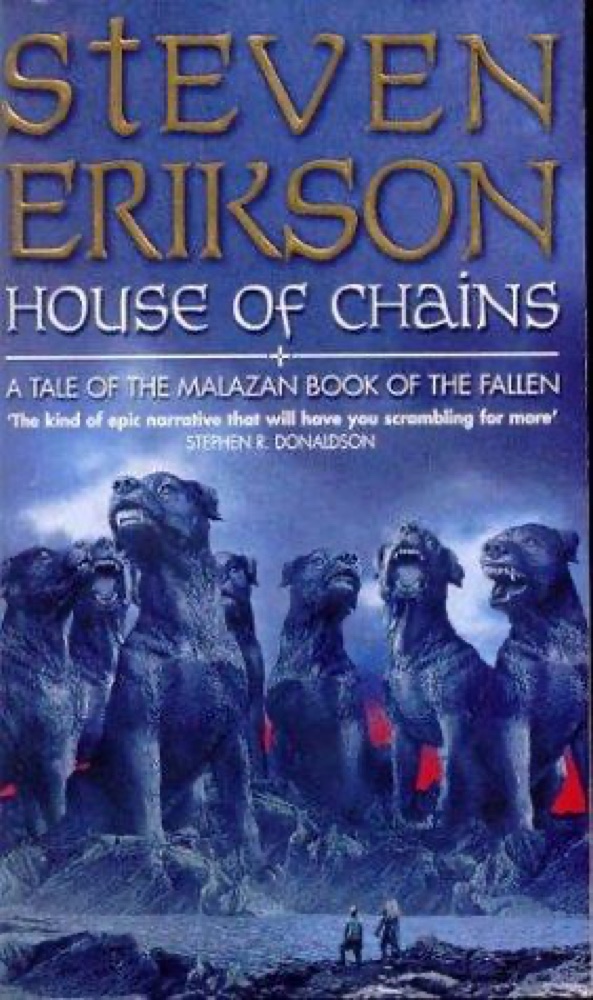 House of Chains
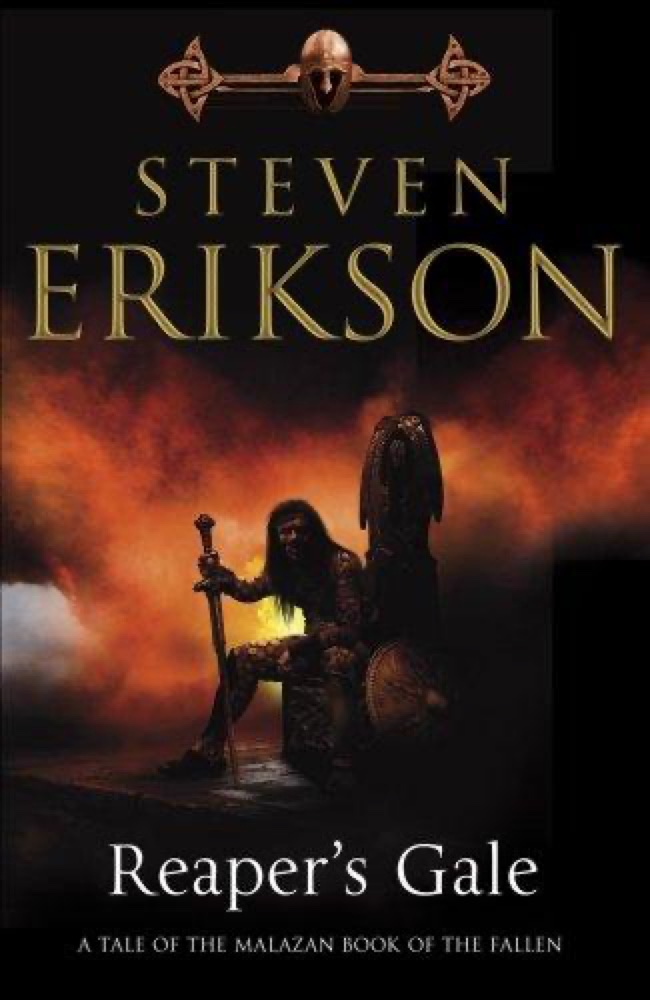 Reaper's Gale
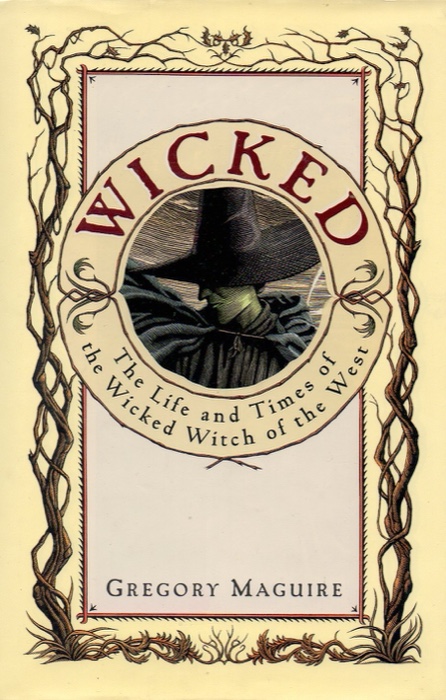 Wicked: The Life and Times of the Wicked Witch of the West
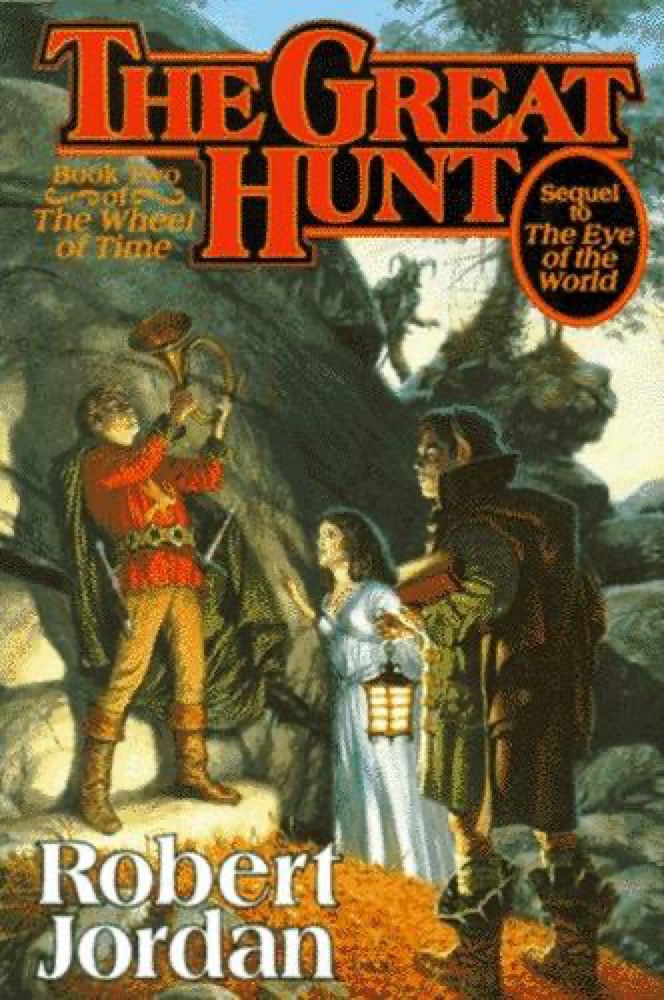 The Great Hunt
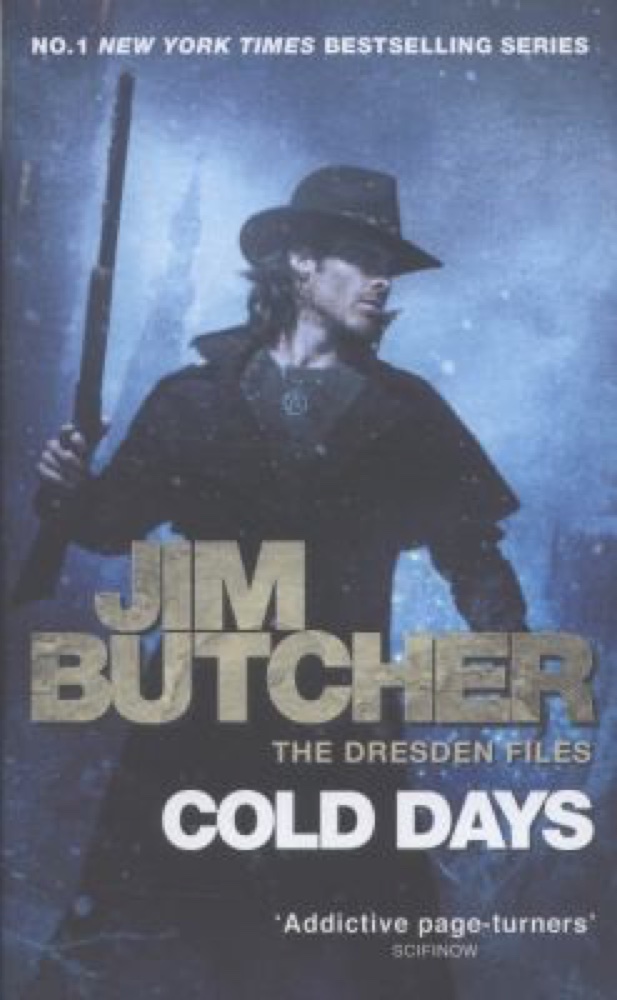 Cold Days
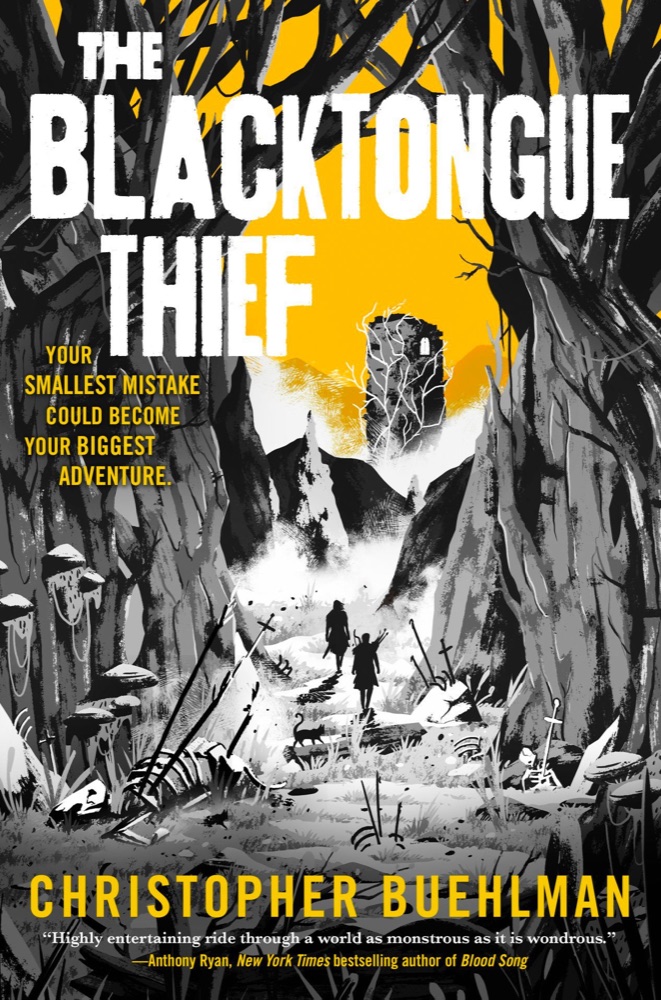 The Blacktongue Thief
 Death Masks
 Son of a Witch
 Sweep in Peace
 Lords and Ladies
 Sword & Citadel
 Lord of Shadows
 The Dragon Reborn
 Eldest
 The Queen of the Damned
 American Gods
 A Clash of Kings
 Hunted
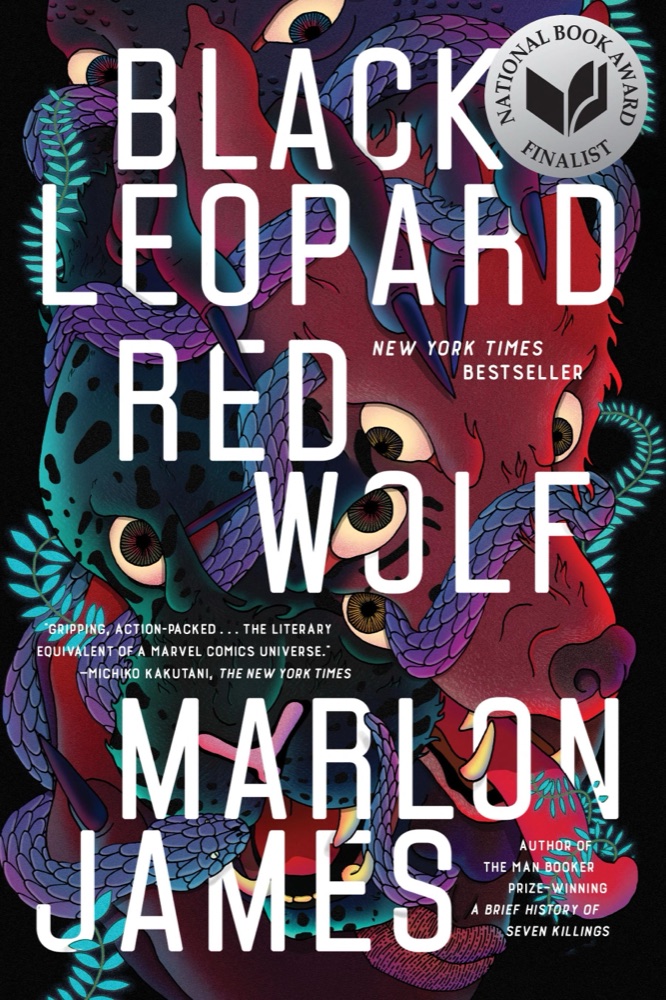 Black Leopard, Red Wolf
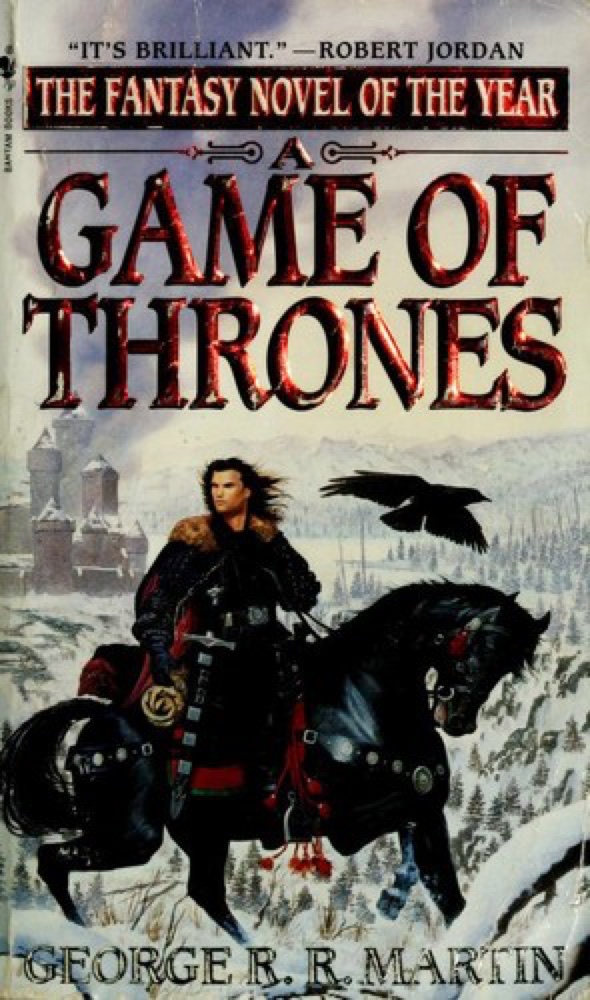 A Game of Thrones
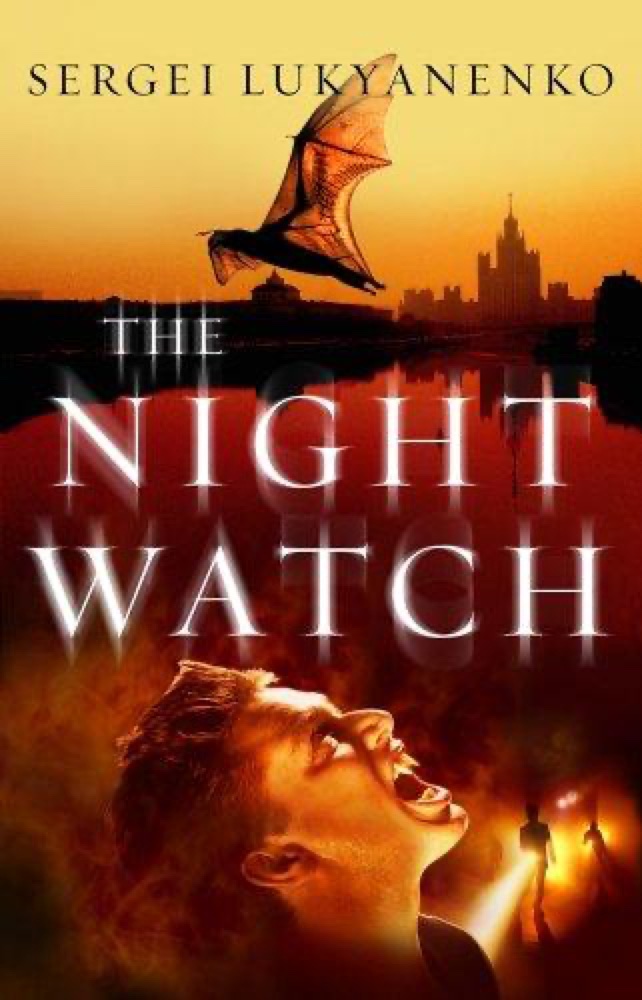 Night Watch
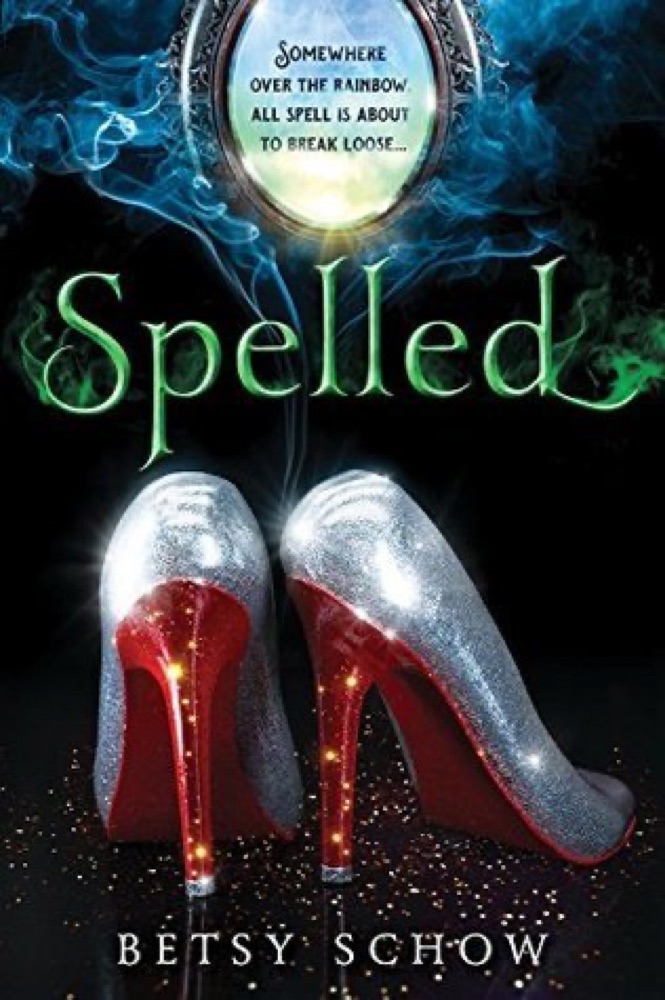 Spelled
 The Last Dragonslayer
 A Kiss of Shadows
 Carpe Jugulum
 The Shadow Rising
 Rogues
 Red Country
 Crooked Kingdom
 Toll the Hounds
 Runemarks
 The Sword of Summer
 The Knight and the Moth
 Hounded
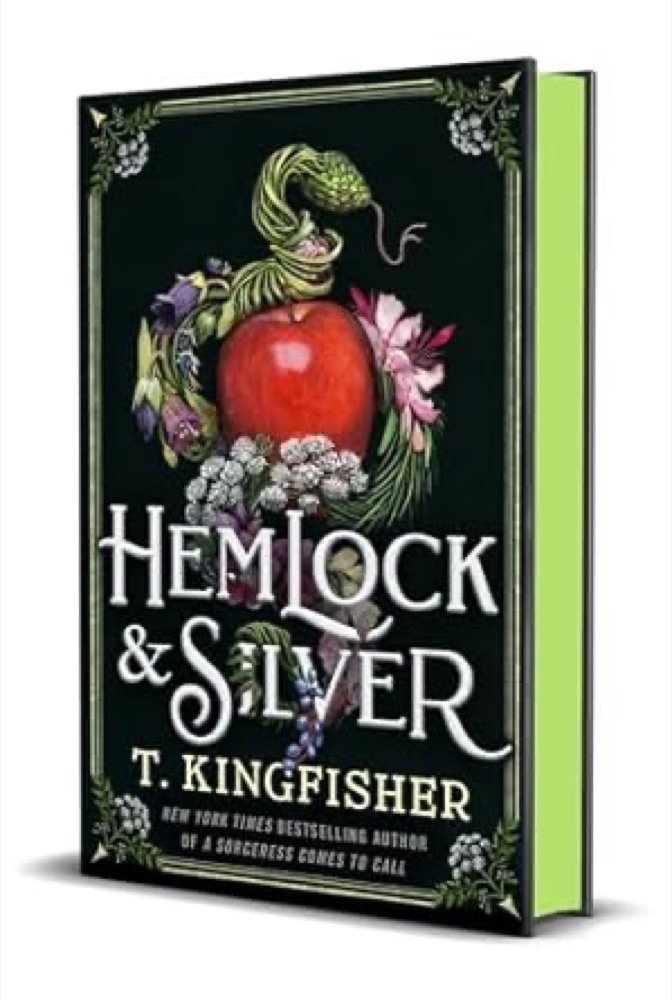 Hemlock & Silver
 Belgarath the Sorcerer
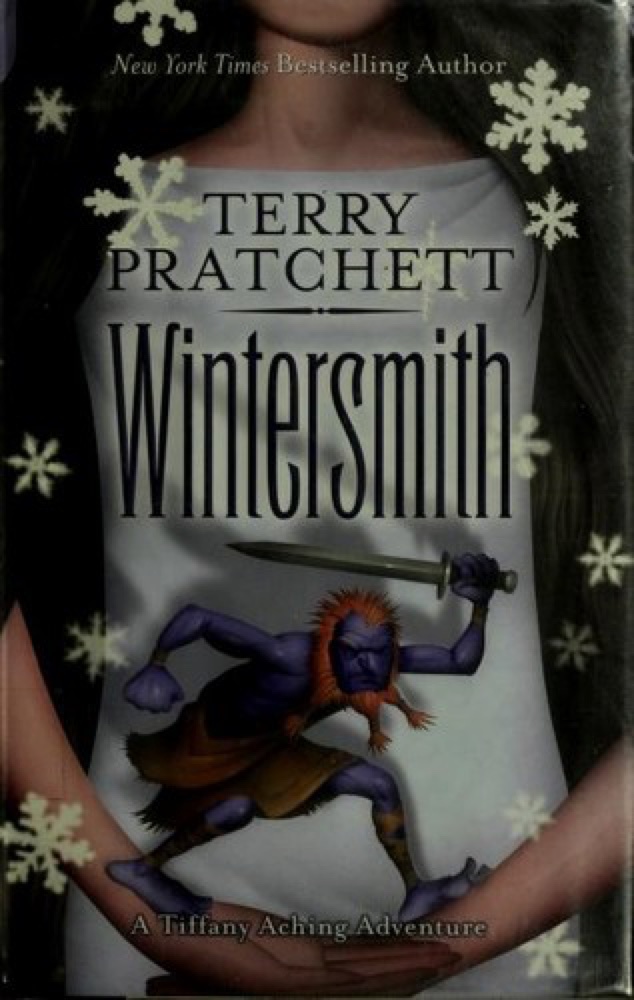 Wintersmith
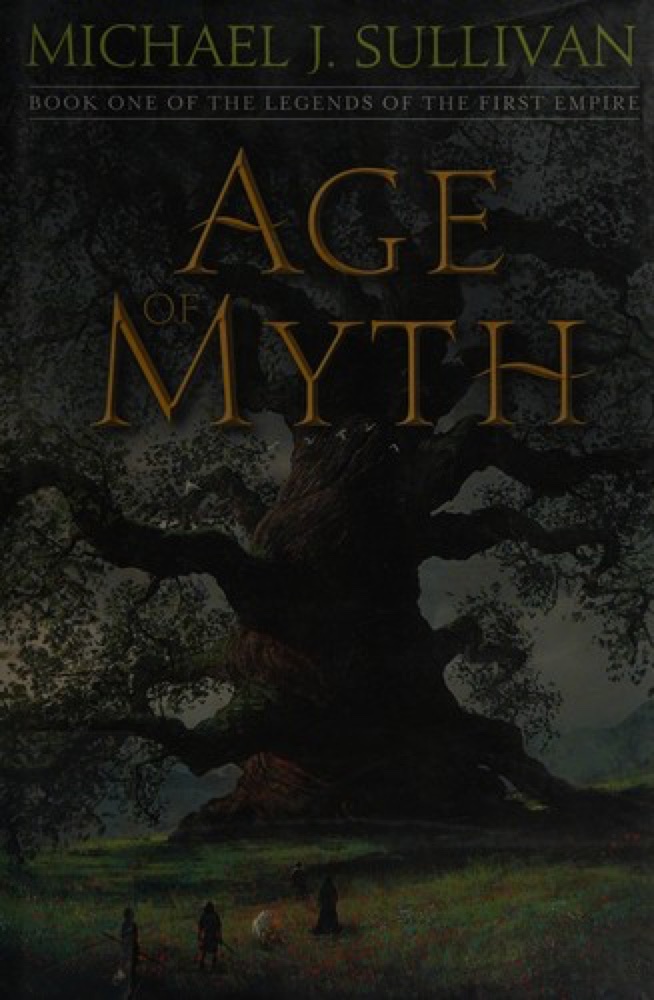 Age of Myth
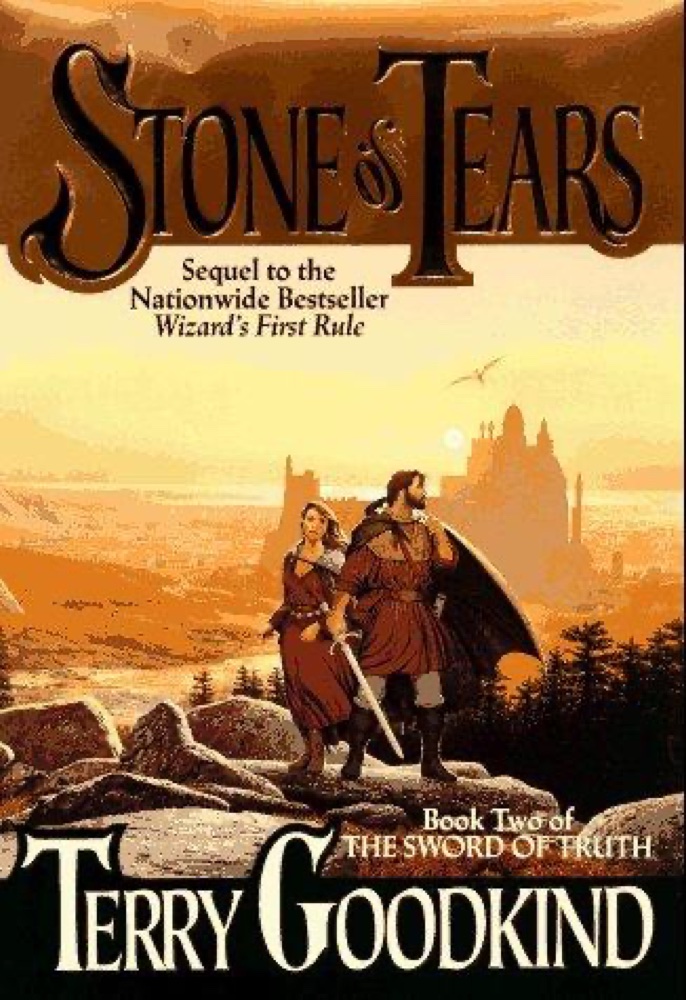 Stone of Tears
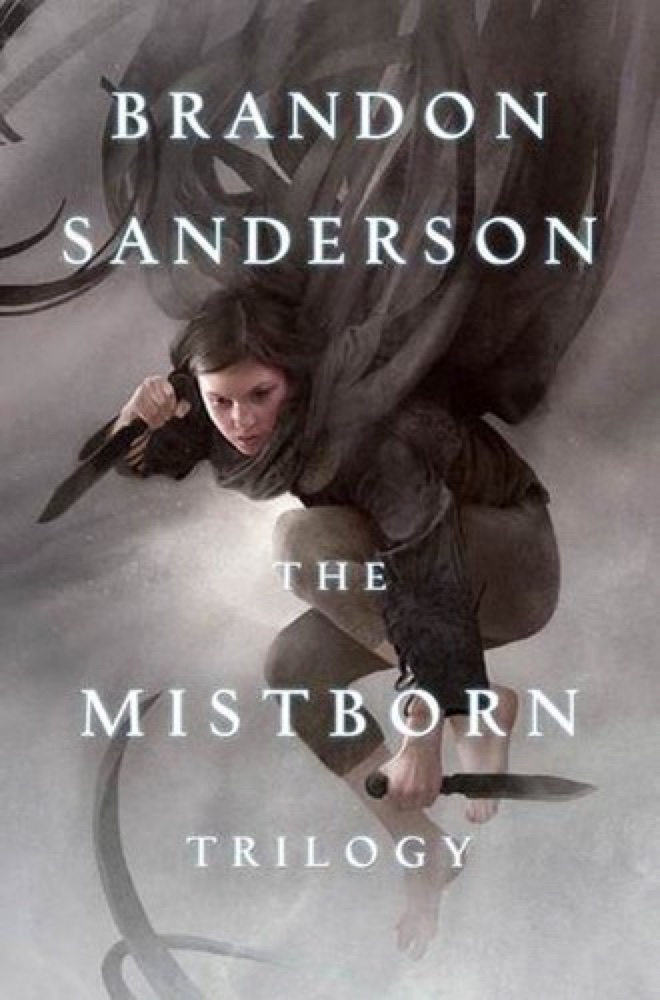 Mistborn
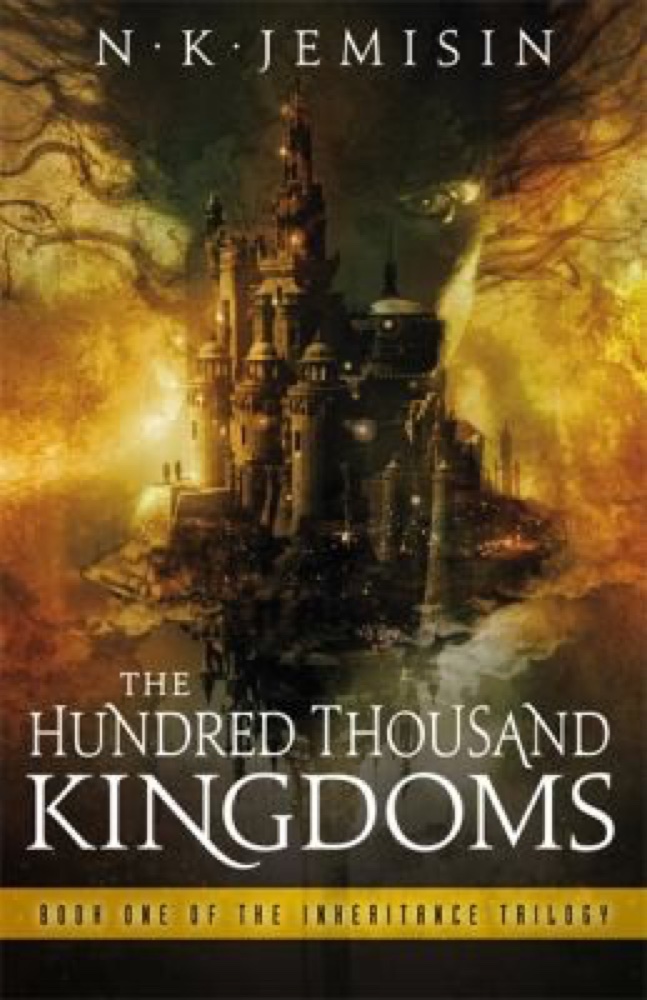 The Hundred Thousand Kingdoms
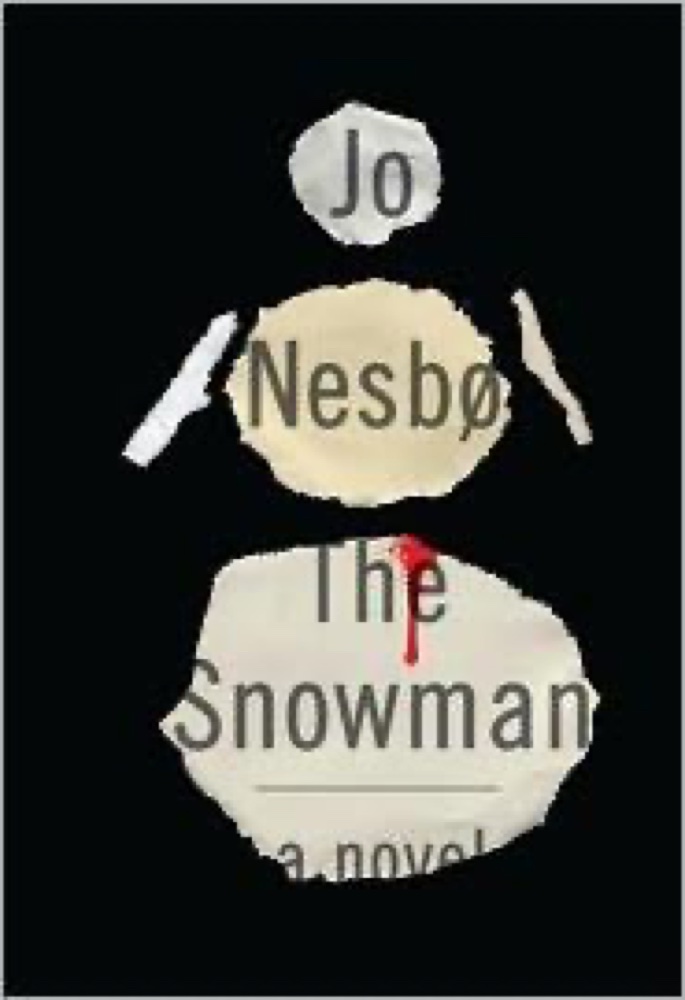 The Snowman
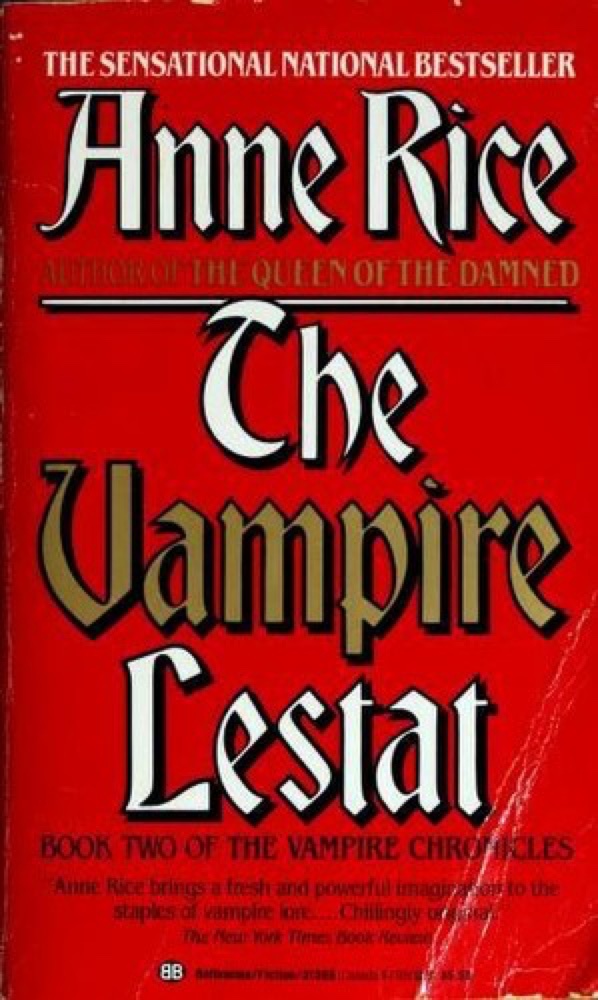 The Vampire Lestat
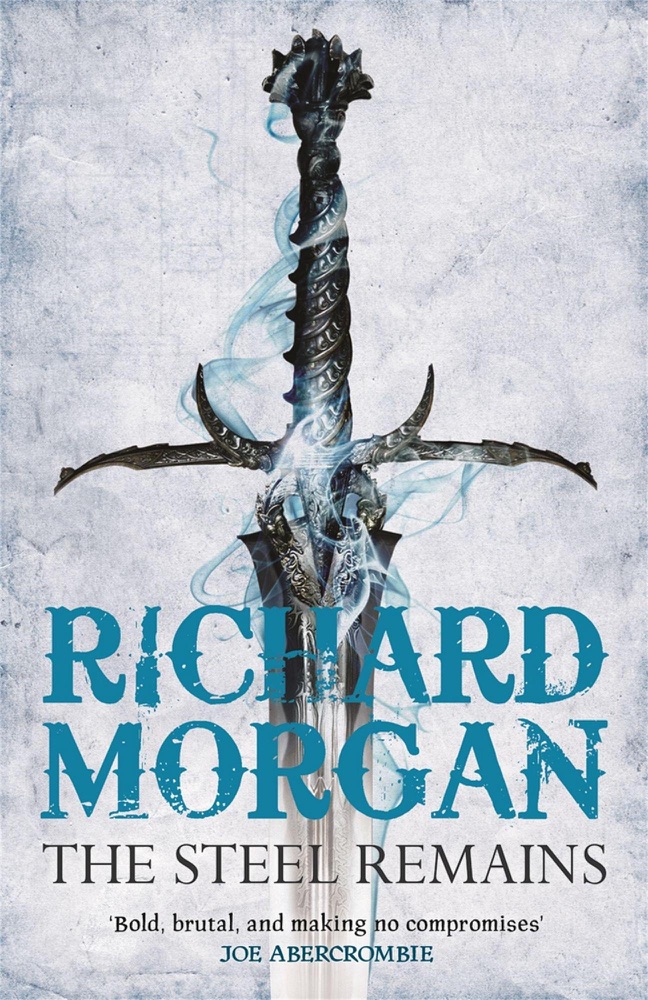 The Steel Remains
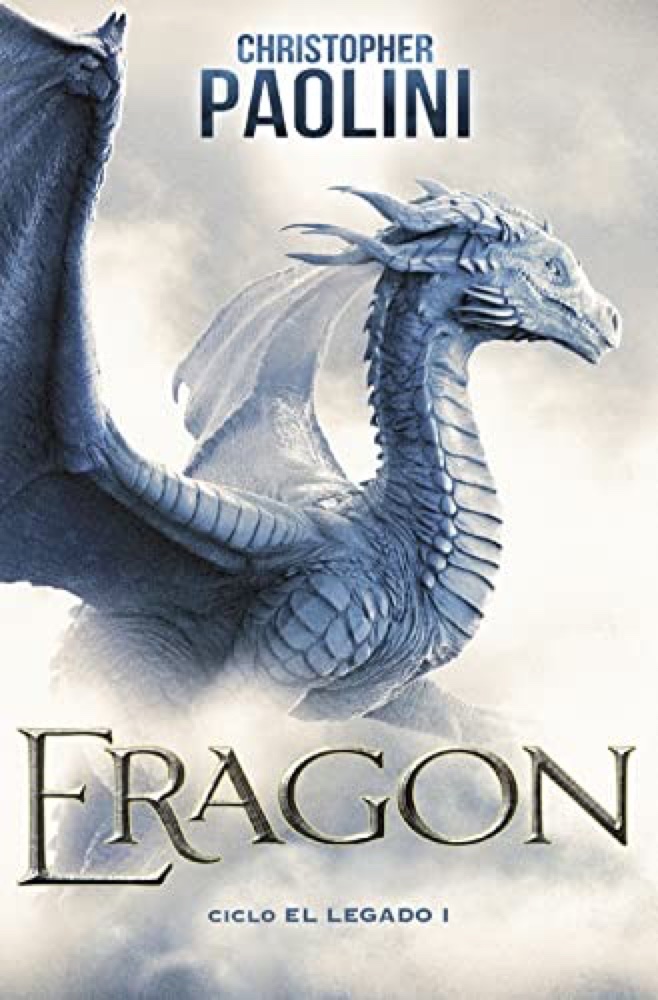 Eragon
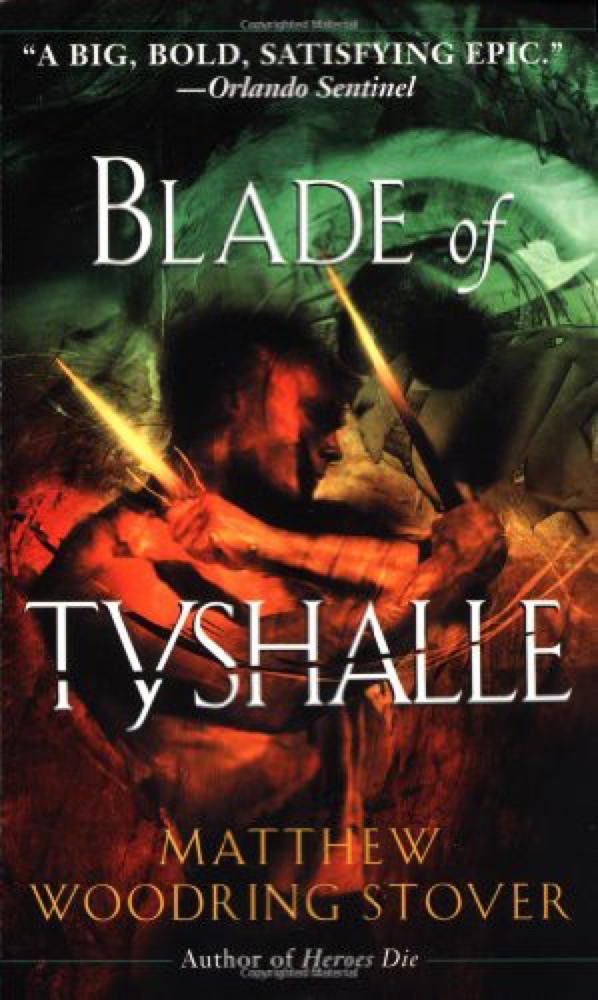 Blade of Tyshalle
 A Conjuring of Light