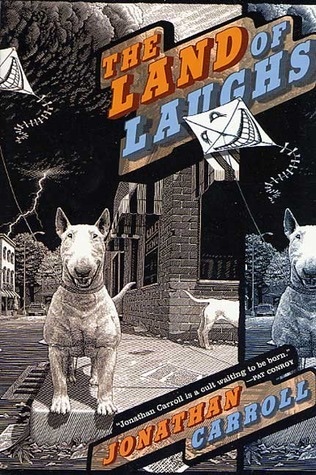
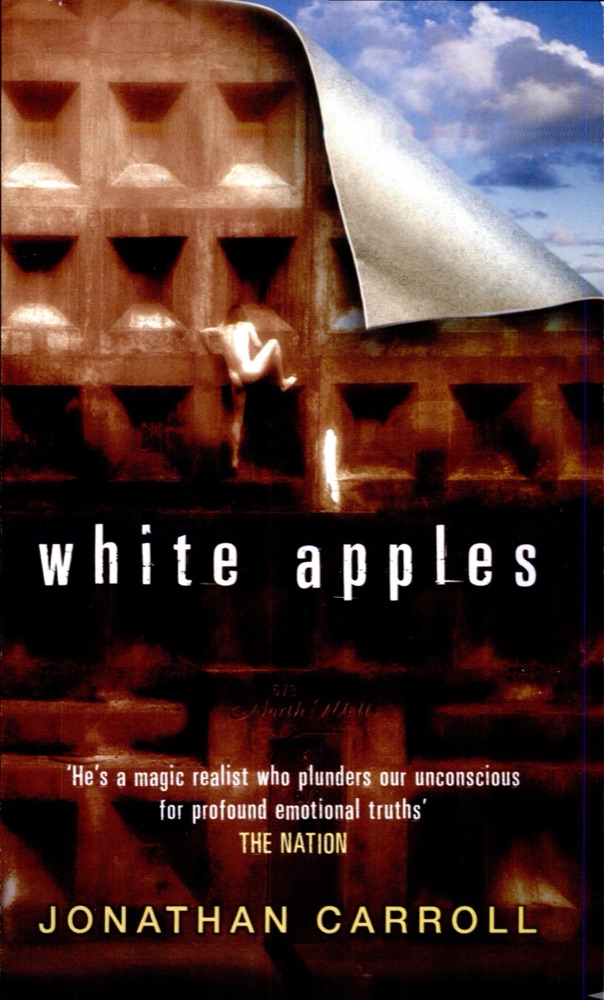
 White Apples
Quotes from the Book
Reading a book, for me at least, is like traveling in someone else's world. If it's a good book, then you feel comfortable and yet anxious to see what's going to happen to you there, what'll be around the next corner. But if it's a lousy book, then it's like going through Secaucus, New Jersey -- it smells and you wish you weren't there, but since you've started the trip, you roll up the windows and breathe through your mouth until you're done.
The questions are the danger. Leave them alone and they sleep. Ask them, awake them, and more than you know will begin to rise.
Watch on YouTube
About Jonathan Carroll
We have collected 13 quotes from 3 books by Jonathan Carroll on BookQuoters.
More about the author →More by Jonathan Carroll
White Apples
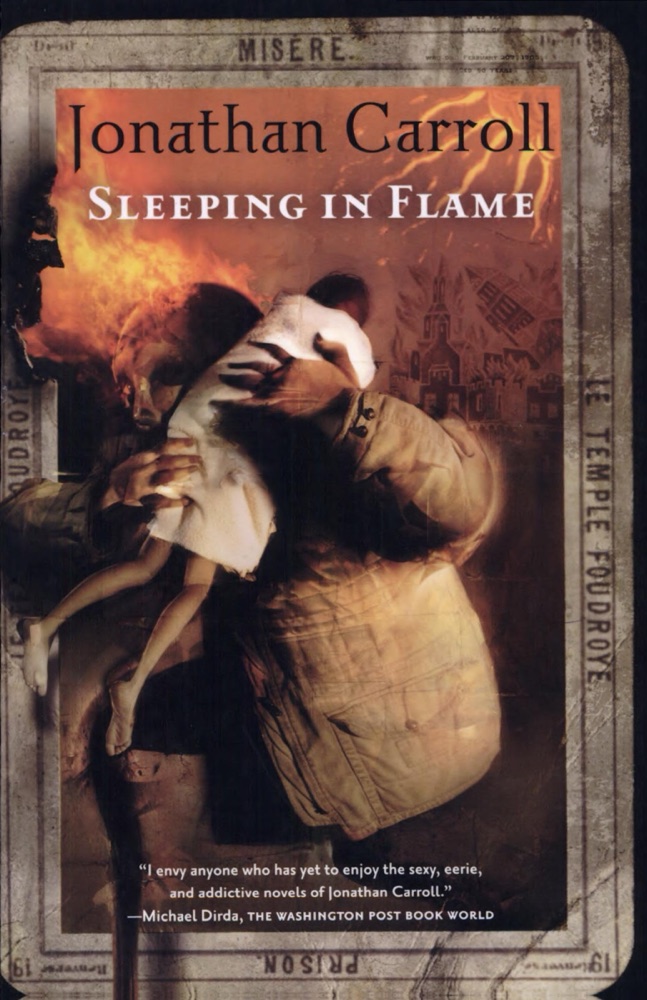 Sleeping in Flame
Book details
- Author
- Jonathan Carroll
- Genre
- Fiction
- Goodreads rating
- 3.88 (7k ratings) →
Keep reading
 The Name of This Book Is Secret
 Shouldn't You Be in School?
 Lexicon
 Mr. Penumbra's 24-Hour Bookstore
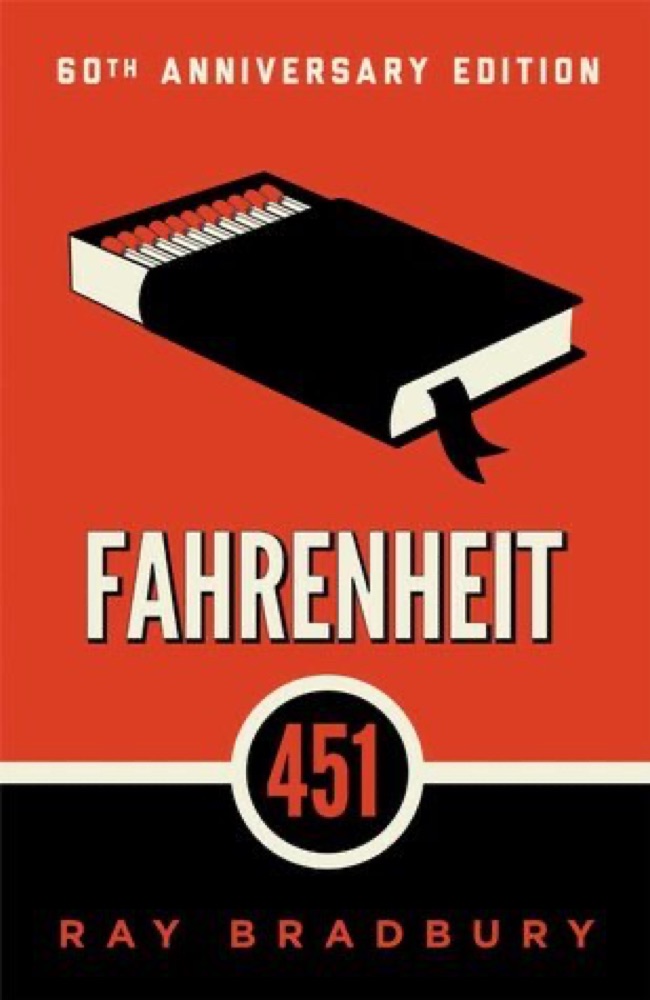 Fahrenheit 451
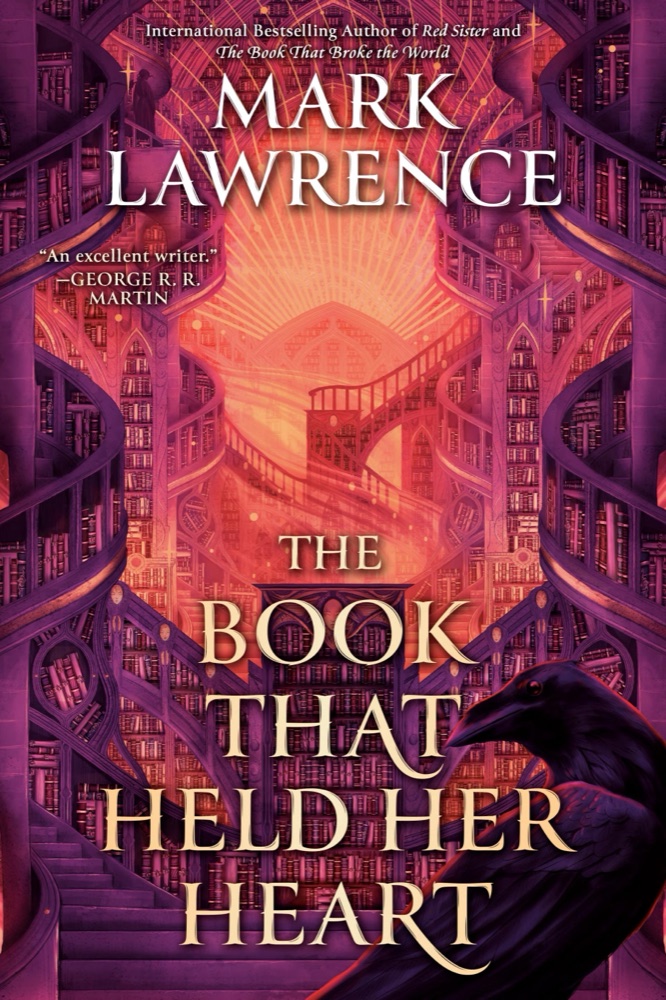 The Book That Held Her Heart
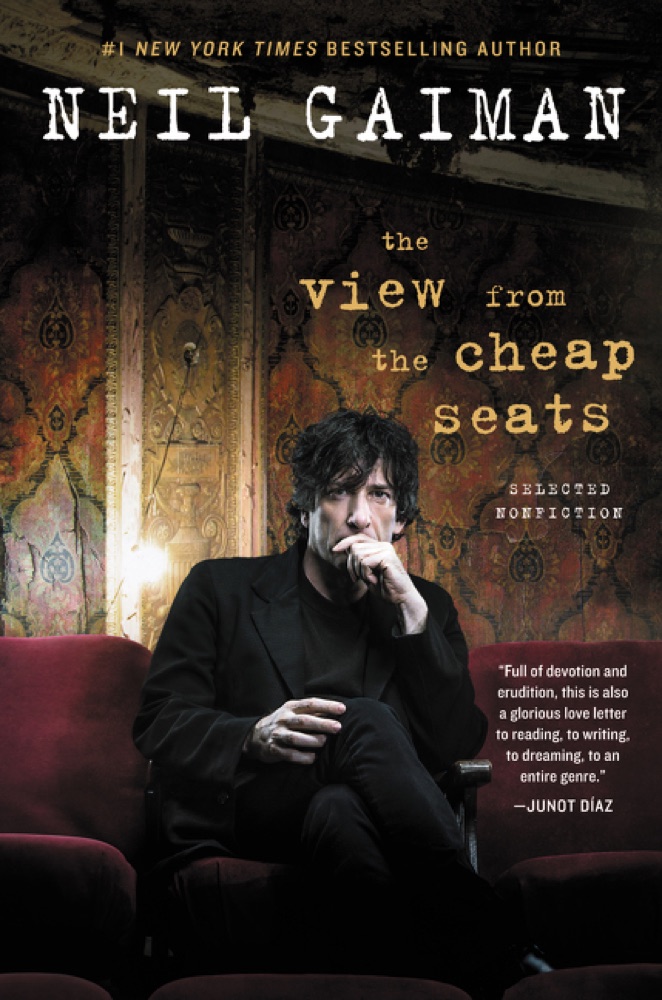 The View from the Cheap Seats: Selected Nonfiction
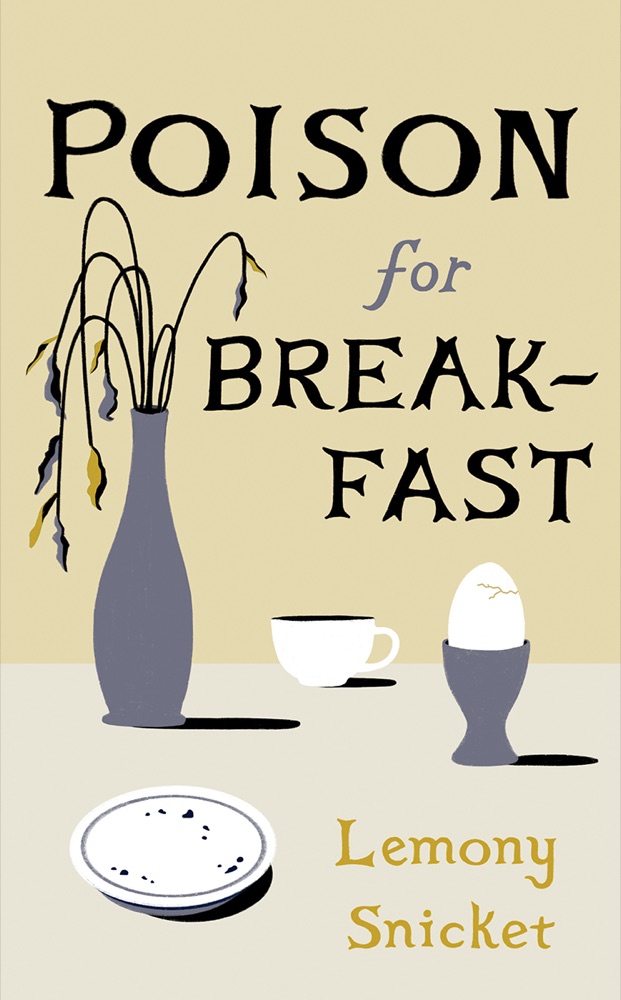 Poison for Breakfast
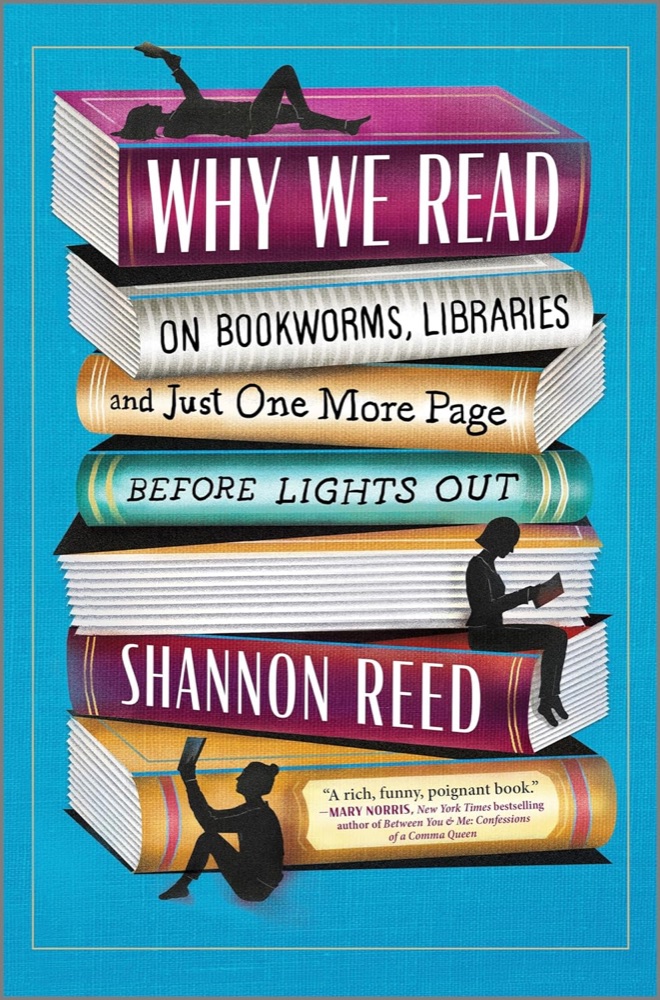 Why We Read: On Bookworms, Libraries, and Just One More Page Before Lights Out
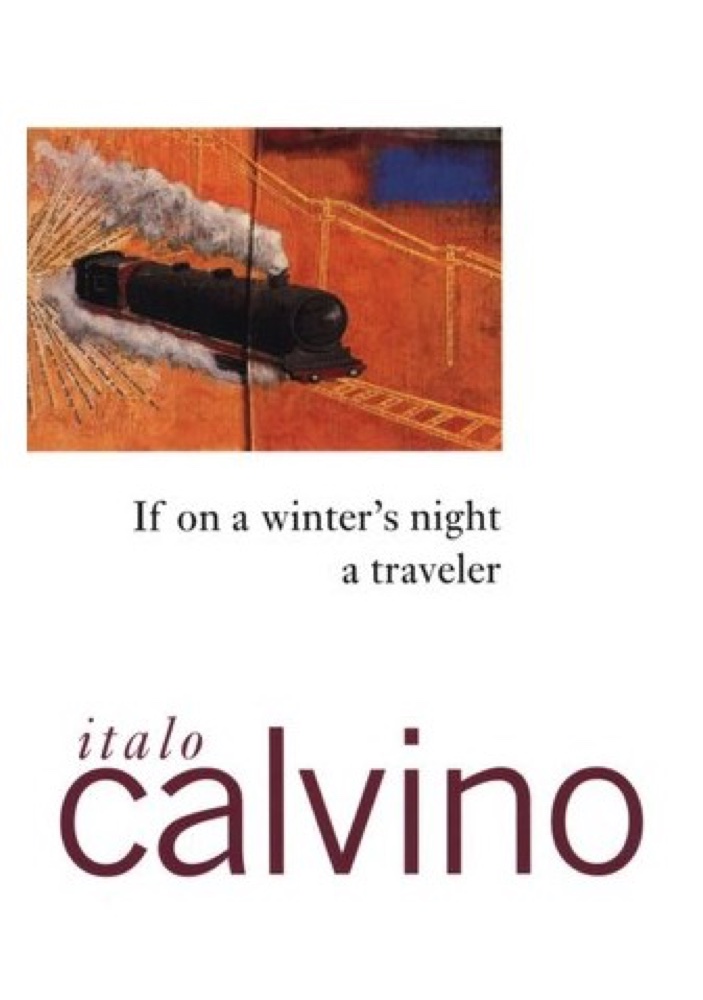 If on a Winter's Night a Traveler
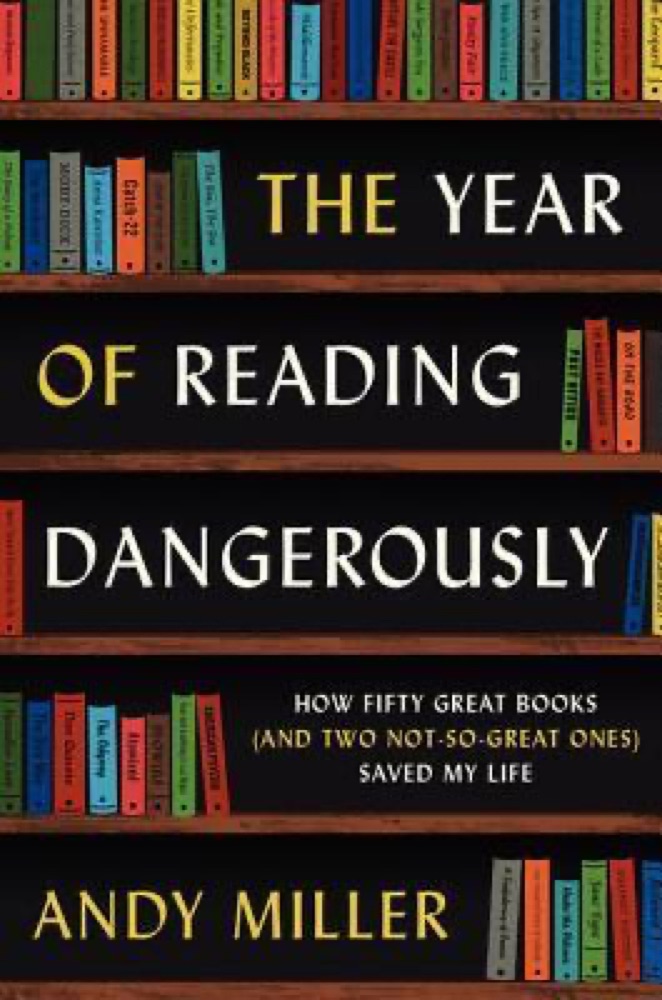 The Year of Reading Dangerously
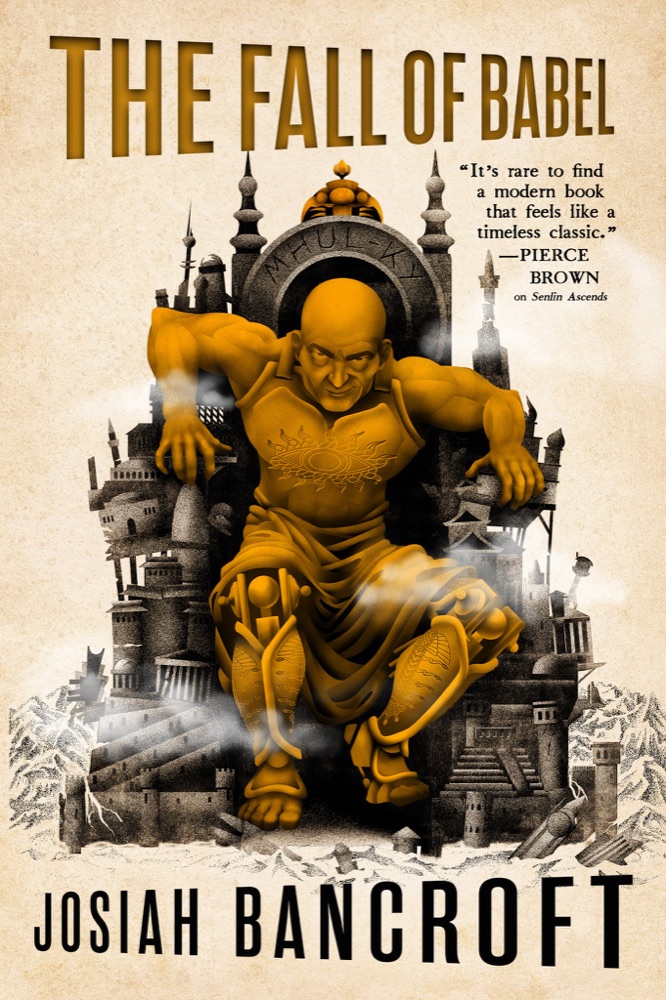 The Fall of Babel
 Sleeping Giants
 The Slippery Slope
 The Fran Lebowitz Reader
 Infinite Jest
 American Gods
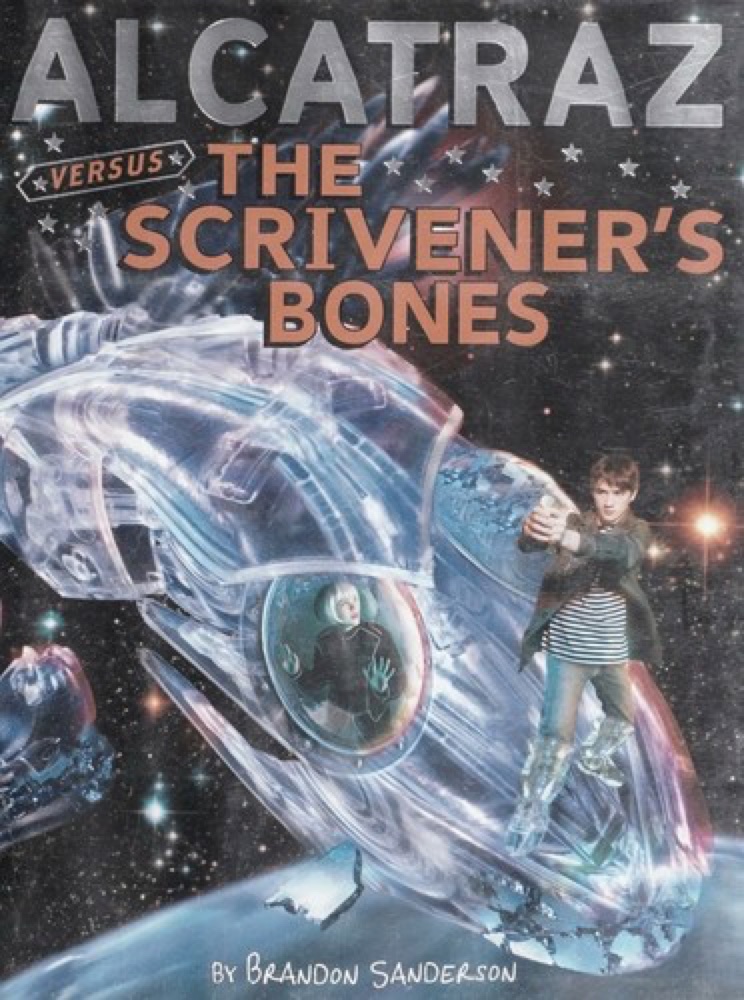 Alcatraz Versus the Scrivener's Bones
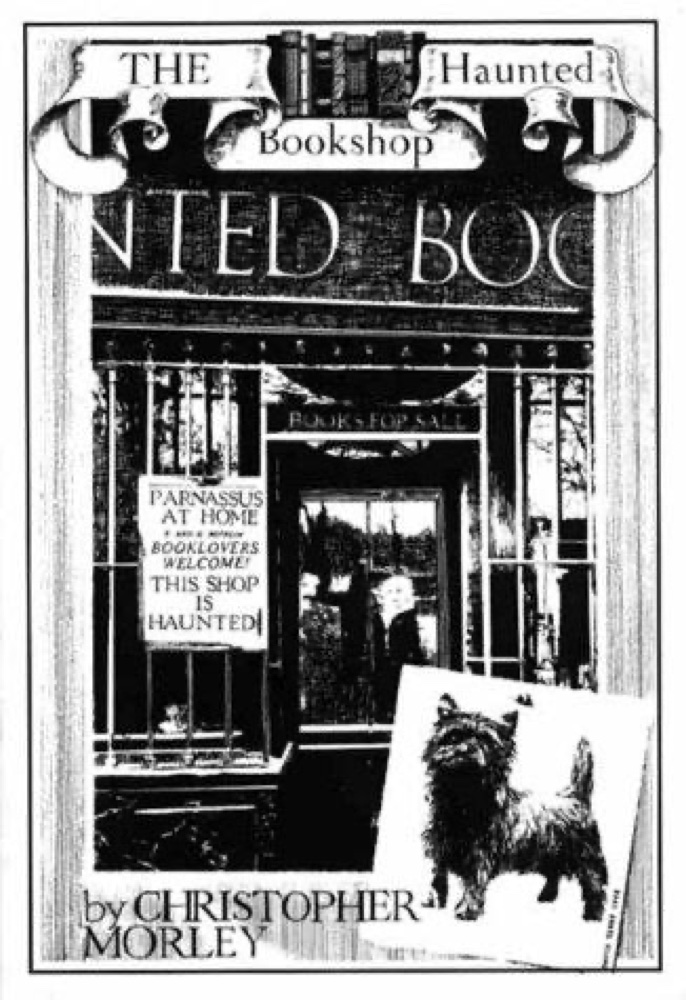 The Haunted Bookshop
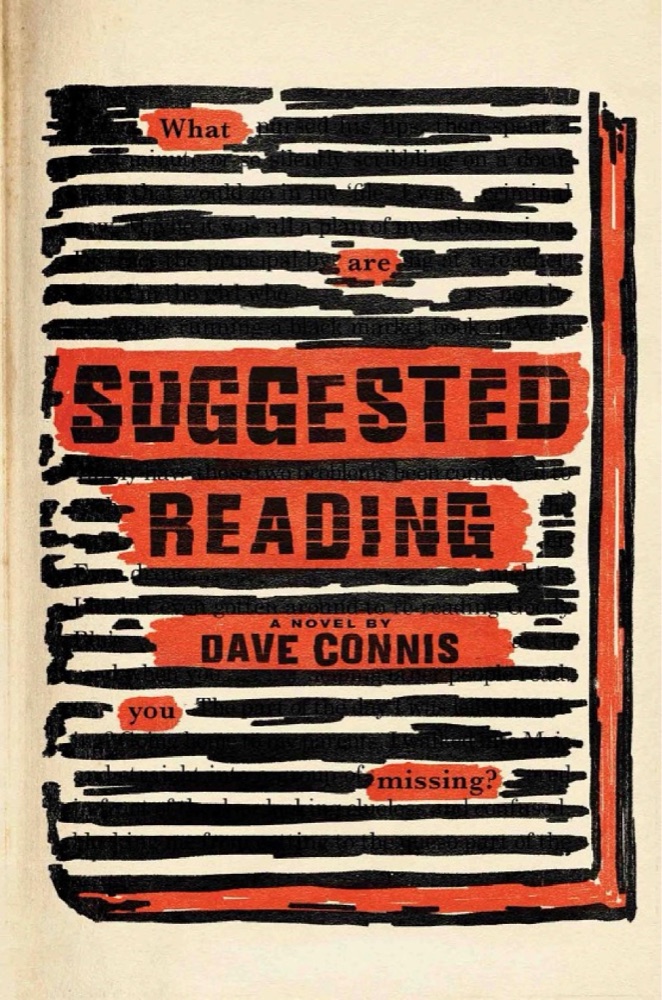 Suggested Reading
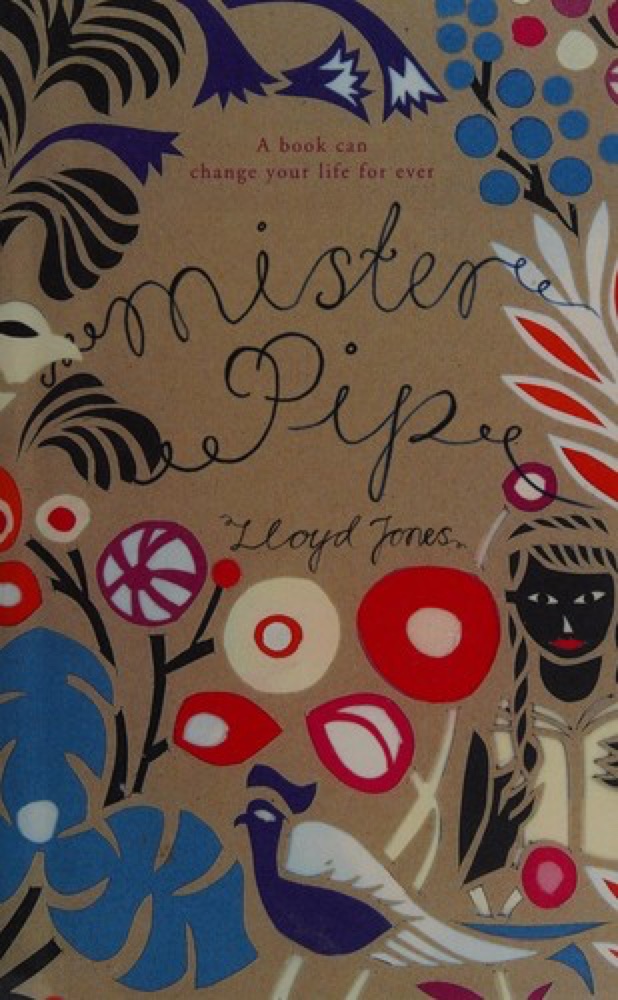 Mister Pip
 The Giant's House
 Bradbury Stories: 100 of His Most Celebrated Tales
 The Brooklyn Follies
 The Braindead Megaphone
 The Library of the Dead
 Checkout 19
 Sometimes a Great Notion
 Awaken
 Travels with Charley: In Search of America
 The Last Librarian
 A Slip of the Keyboard: Collected Non-Fiction
 Broken Harbor
 Housekeeping vs. the Dirt
 Trigger Warning: Short Fictions and Disturbances
 Wampeters, Foma and Granfalloons
 First Among Sequels
 The Book of Form and Emptiness
 The Guernsey Literary and Potato Peel Pie Society
 The Fry Chronicles
 The Enchanted
 If This Book Exists, You're in the Wrong Universe
 The Angel's Game
 Among Others
 The Wave in the Mind: Talks and Essays on the Writer, the Reader and the Imagination
 The Thirteenth Tale
 Books for Living
 The Cat Who Saved Books
 White Noise
 A Madness of Angels
 Different Seasons
 No One Writes Back
 The Rent Collector
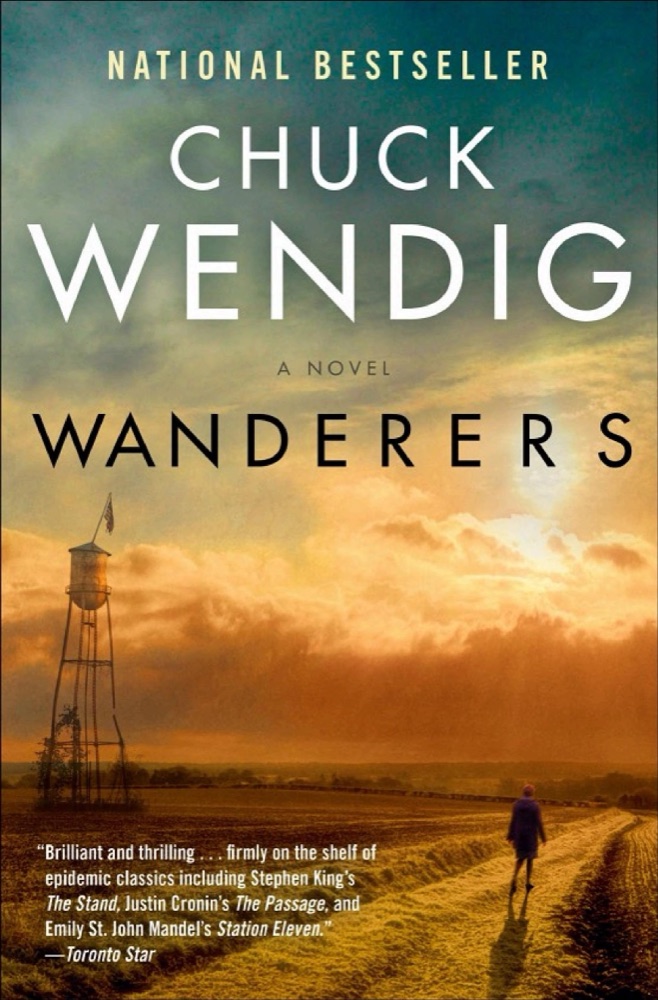 Wanderers
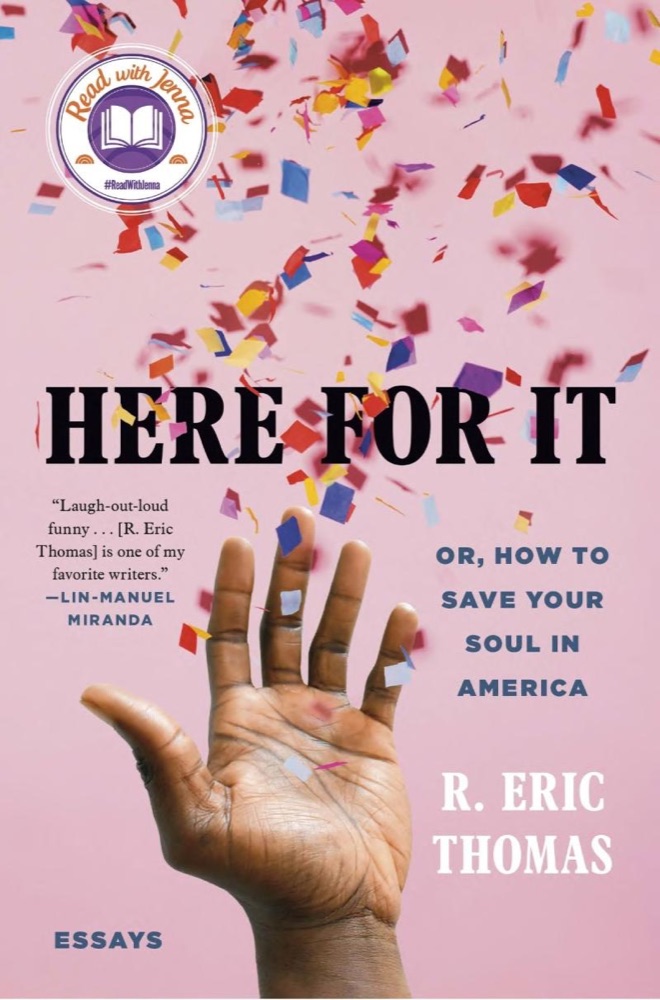 Here for It; Or, How to Save Your Soul in America: Essays
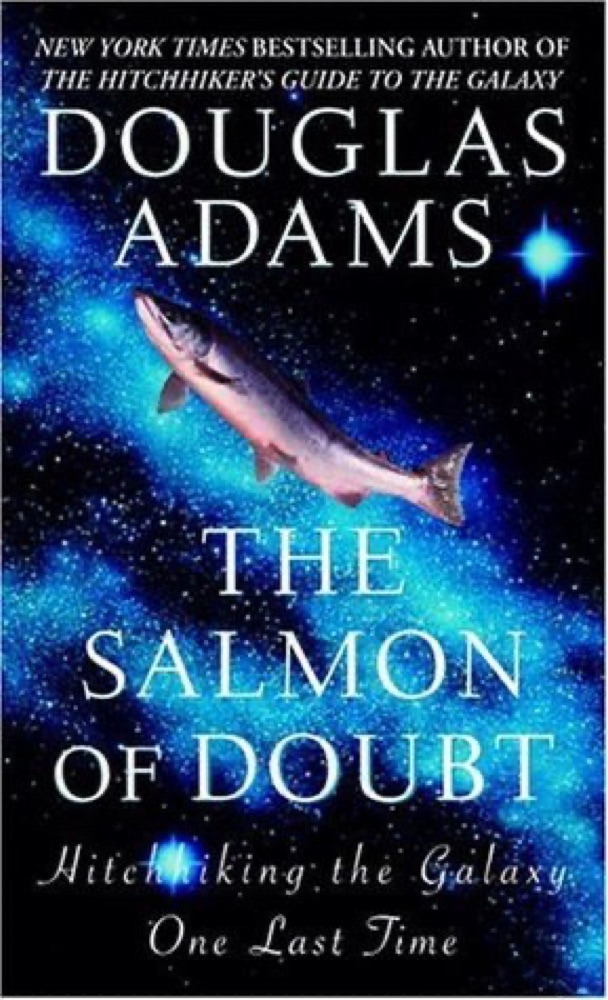 The Salmon of Doubt
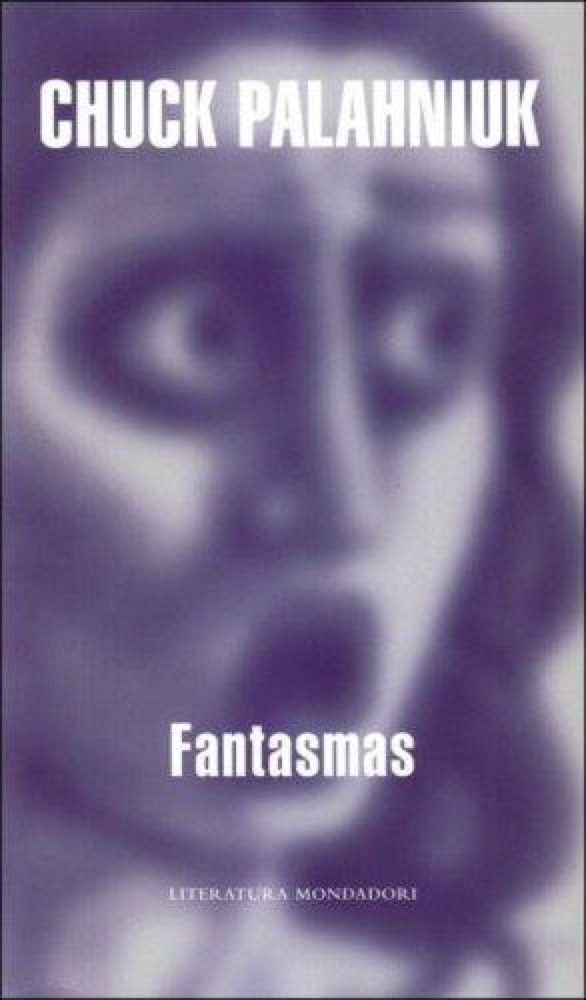 Haunted
 The Boy Who Lost Fairyland
 The Circle
 The Book of Dreams