
 Anarchy, State, and Utopia
Quotes from the Book
Every schoolchild learns of L’Enfant’s design to make an invasion of Washington difficult. But more interesting is the placement of the White House relative to the Capitol. The distance between them is one mile, and at the time it was a mile through difficult terrain (the mall was a swamp). The distance was a barrier meant to tilt the intercourse between Congress and the president by making it marginally more difficult for them to connect—and thereby more difficult for the executive to control the legislature.
The question is: Which means best advances the regulator’s goal, subject to the constraints (whether normative or material) that the regulator must recognize? My
If my writing produces angry reactions, then it might also effect a more balanced reflection. These are hard times to get it right, but the easy answers to yesterday’s debate won’t get it right.
Liberty in cyberspace will not come from the absence of the state. Liberty there, as anywhere, will come from a state of a certain kind. We build a world where freedom can flourish not by removing from society any self-conscious control, but by setting it in a place where a particular kind of self-conscious control survives. We build liberty as our founders did, by setting society upon a certain constitution.
In speaking of a constitution in cyberspace we are simply asking: What values should be protected there? What values should be built into the space to encourage what forms of life?
Watch on YouTube
About Lawrence Lessig
We have collected 5 quotes from 1 book by Lawrence Lessig on BookQuoters.
More about the author →Book details
- Author
- Lawrence Lessig
- Genre
- Nonfiction
- Goodreads rating
- 3.95 (2k ratings) →
Keep reading
Anarchy, State, and Utopia
 Justice: What's the Right Thing to Do?
 Walden Two
 Chomsky On Anarchism
 One Nation: What We Can All Do to Save America's Future
 Burning Questions: Essays and Occasional Pieces, 2004 to 2021
 Reflections on the Revolution in France
 The 5000 Year Leap: A Miracle That Changed the World
 Rules for Radicals: A Pragmatic Primer for Realistic Radicals
 Blue Mars
 The Futurological Congress: From the Memoirs of Ijon Tichy
 The Constitution of Liberty
 Heaven's River
 You Are Not a Gadget
 Free to Choose: A Personal Statement
 How Should We Then Live? The Rise and Decline of Western Thought and Culture
 Understanding Power: The Indispensable Chomsky
 Children of Dune
 Green Mars
 Doing Justice: A Prosecutor's Thoughts on Crime, Punishment, and the Rule of Law
 What's Our Problem?: A Self-Help Book for Societies
 Permanent Record
 Endgame, Vol. 1: The Problem of Civilization
 Sex, Economy, Freedom, and Community: Eight Essays
 Civil Disobedience
 Behold a Pale Horse
 Who Owns the Future?
 Rationality: From AI to Zombies
 Liberty Defined: 50 Essential Issues That Affect Our Freedom
 Finite and Infinite Games: A Vision of Life as Play and Possibility
 Rights of Man
 What Unites Us: Reflections on Patriotism
 Tactics: A Game Plan for Discussing Your Christian Convictions
 The Utopia of Rules: On Technology, Stupidity, and the Secret Joys of Bureaucracy
 The Shockwave Rider
 Chapterhouse: Dune
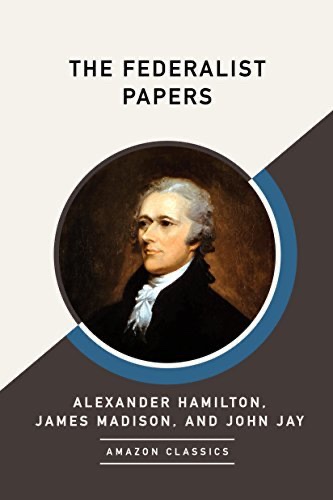 The Federalist Papers
 Gnomon
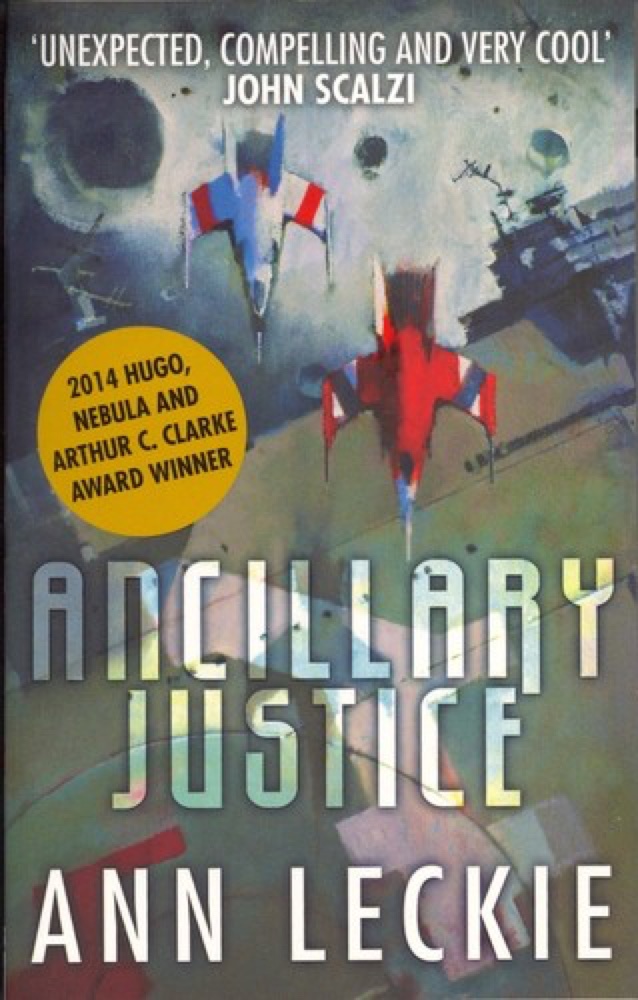 Ancillary Justice
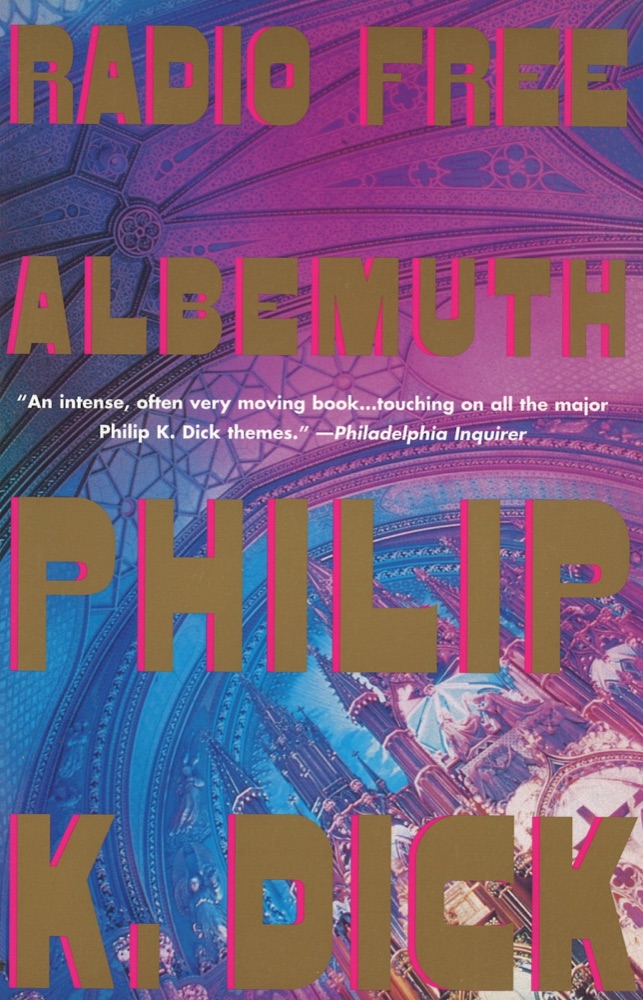 Radio Free Albemuth
 Civil Disobedience and Other Essays
 The Meaning of It All: Thoughts of a Citizen-Scientist
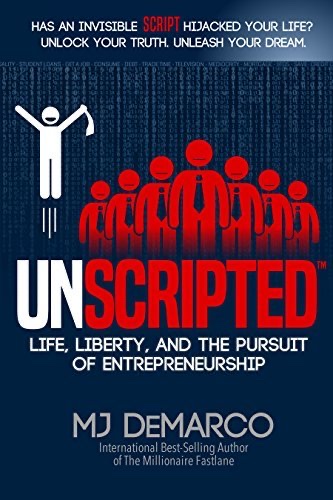 Unscripted: Life, Liberty, and the Pursuit of Entrepreneurship
 Cryptonomicon
 Revolution
 Ill Fares the Land
 Words That Work: It's Not What You Say, It's What People Hear
 The Midwich Cuckoos
 The Road to Serfdom
 House Corrino
 No Time To Spare: Thinking About What Matters
 Saving Time: Discovering a Life Beyond the Clock
 An Essay Concerning Human Understanding
 The World Is Flat: A Brief History of the Twenty-first Century
 2312
2312
 Promises to Keep: On Life and Politics
 Capitalism and Freedom
 Permutation City
 The State of the Art
 On Liberty