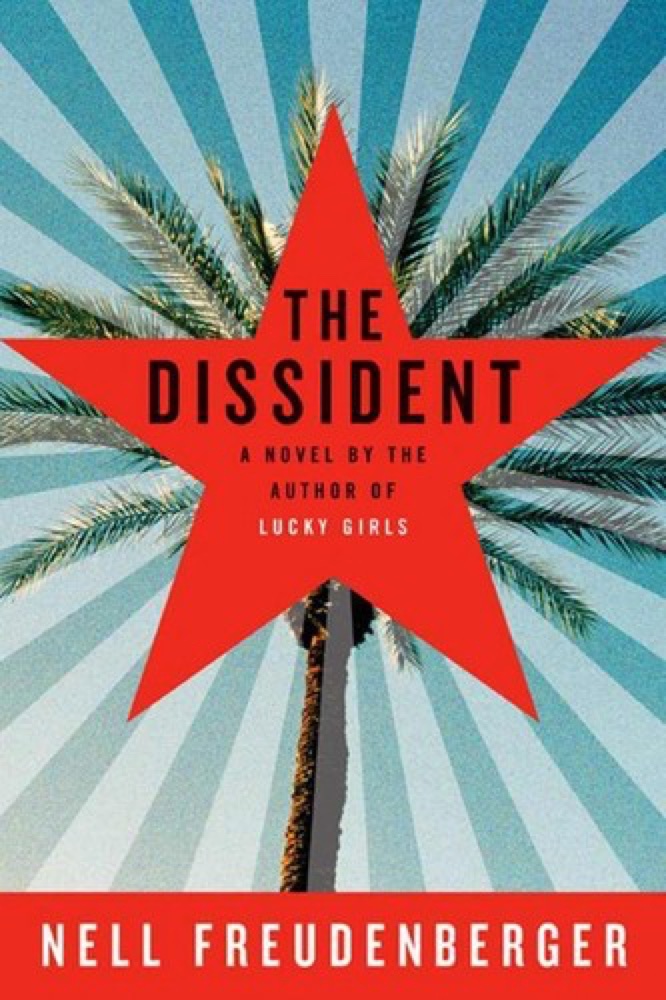

 Milkman
Quotes from the Book
... you sometimes had to force people to say things they would rather not articulate, just so they could hear their own words. It was interesting the way people could know things and not know them at the same time. Denial, he said, was like a thick stone wall.
He didn't understand how sadness came so easily to people. For him it was like a pile of rocks that had to be moved one at a time. Just thinking about it made him tired.
People lived their lives, carelessly dropping information as if it were trash. The writer moved behind them like a ragpicker. She cleaned and separated their garbage, culled and collected it.
Relationships were never equivalent: that was why it was so hard to find permanent ones. When two people depended on each other, they each had their own reasons. Sometimes the reasons balanced each other out temporarily, and the two of you were suspended gently in air. Then inevitably, one side came crashing down.
But I have never been sure that we are all talking about the same thing when we talk about love. Perhaps real love is too boring to talk about. Heartbreak is so much easier to understand that I think we might sometimes employ it as an understudy, a stand-in for the real thing.
Phil doesn't say yes, but he doesn't really say no. He's willing to ruin a person's life in order to keep her from being angry at him.
About Nell Freudenberger
We have collected 6 quotes from 1 book by Nell Freudenberger on BookQuoters.
More about the author →Book details
- Author
- Nell Freudenberger
- Genre
- Fiction
- Goodreads rating
- 3.36 (914 ratings) →
The buzz
- The New York TimesReview in The New York Timesprofessional review (via Book Marks)
- The Washington PostReview in The Washington Postprofessional review (via Book Marks)
- Kirkus ReviewsReview in Kirkus Reviewsprofessional review (via Book Marks)
- Publishers WeeklyReview in Publishers Weeklyprofessional review (via Book Marks)
- LibraryjournalReview in Libraryjournalprofessional review (via Book Marks)
- BooklistReview in Booklistprofessional review (via Book Marks)
Keep reading
Milkman
 Juliet, Naked
 The Husband's Secret
 The Story of the Lost Child
 Biography of X
 The Corrections
 Transit
 The Casual Vacancy
 Perfect
 Purity
 The Love Affairs of Nathaniel P.
 One Hundred Names
 Revolutionary Road
 Mystic River
 The Human Factor
 A Spot of Bother
 Hush
Hush
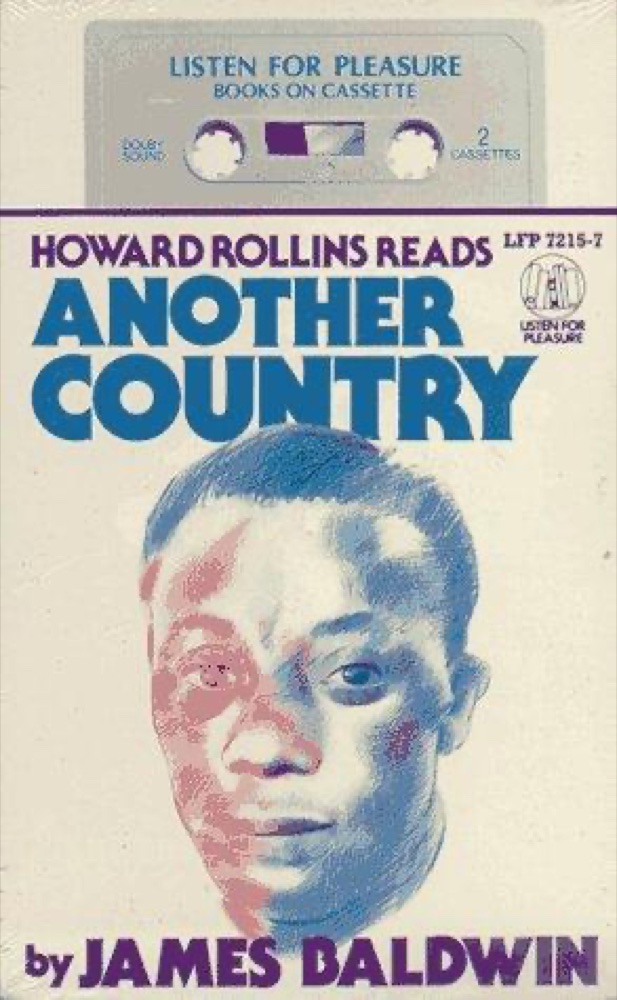 Another Country
 The God of Small Things
 Freedom
 The Proposal
 The Mandarins
 The Nest
 Too Much Happiness: Stories
 The Silent Patient
 A Widow for One Year
 Real Life
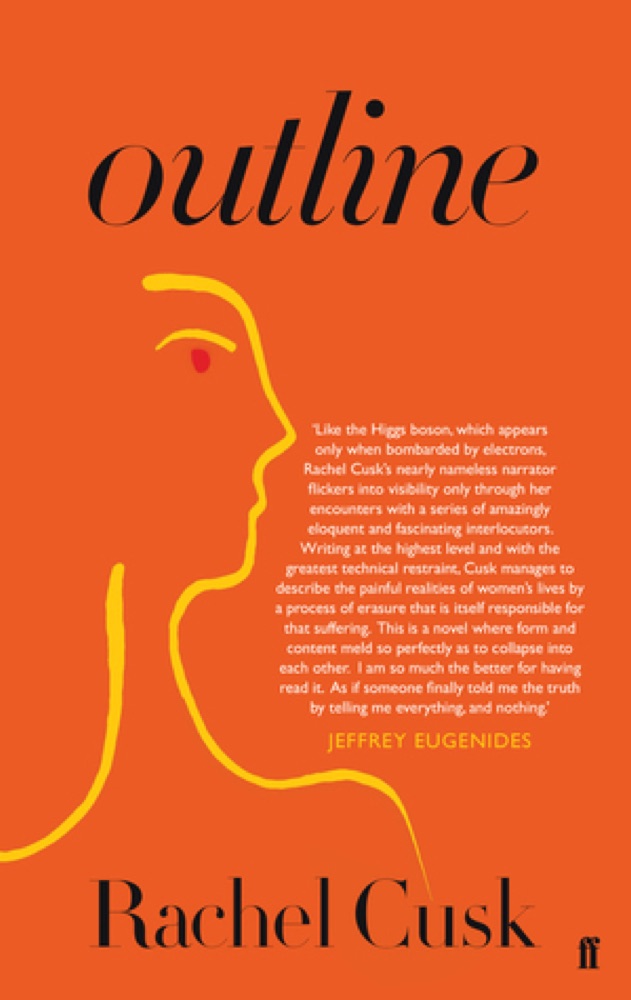 Outline
 The Chemist
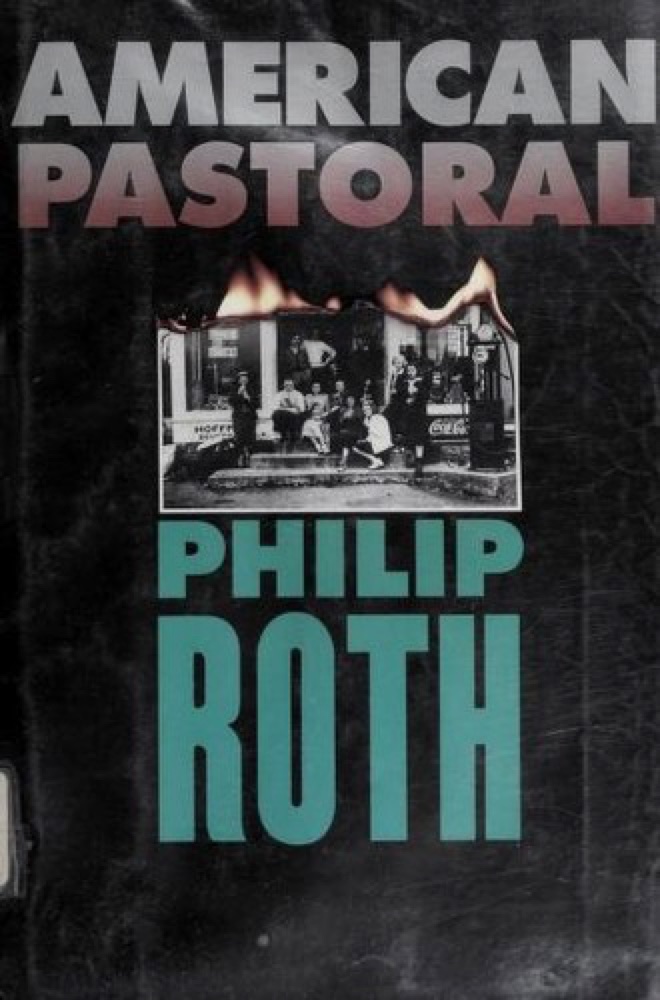 American Pastoral
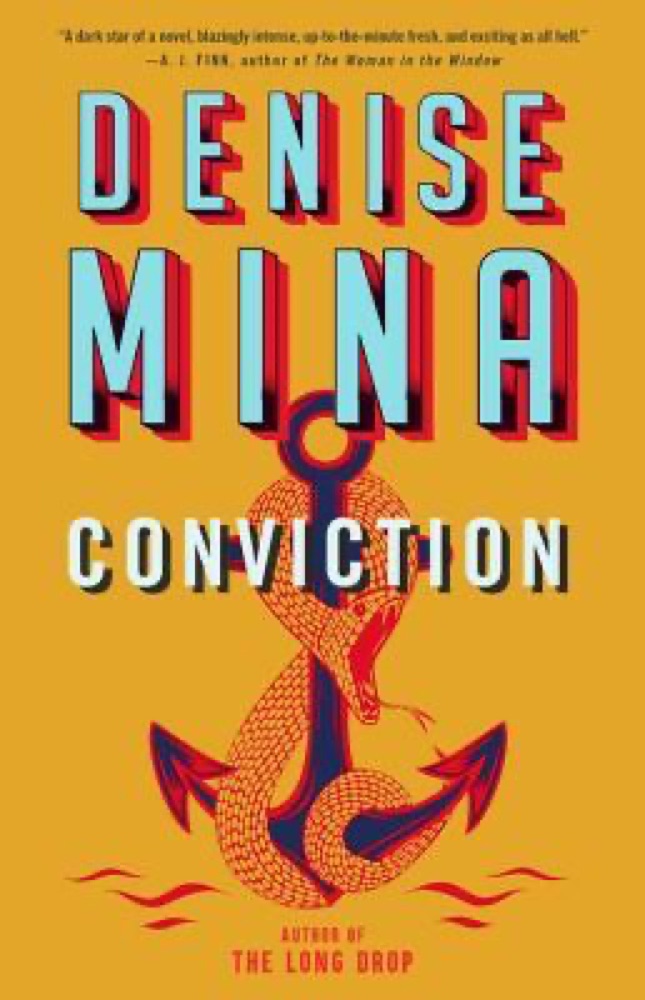 Conviction
 Lexicon
 Men Without Women
 The Tenth Circle
 Seven Types of Ambiguity
 The Mysterious Mr. Quin
 The Rescue
 About a Boy
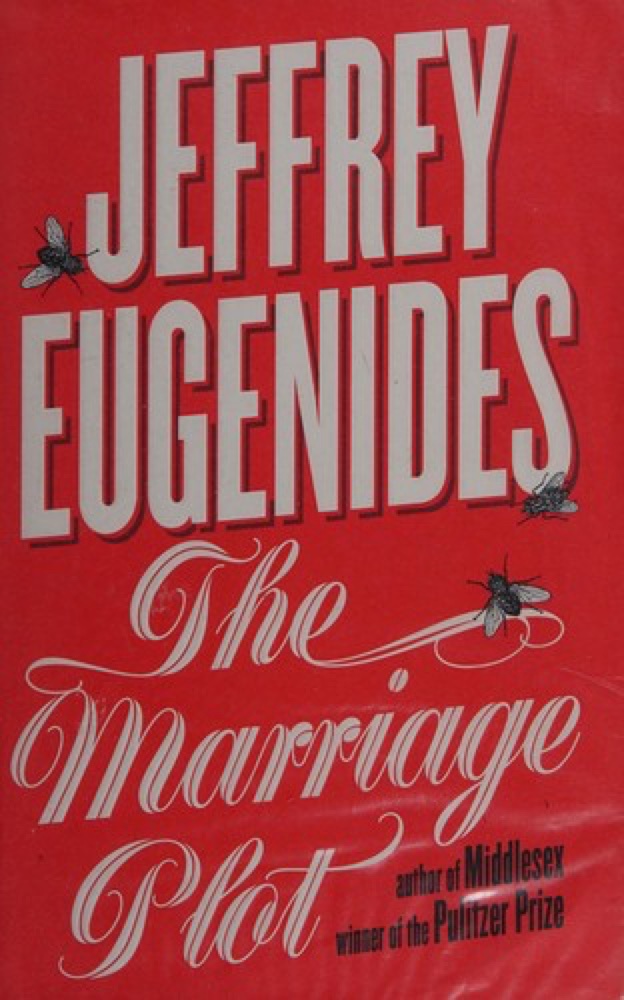 The Marriage Plot
 Case Histories
 The Adventures of Augie March
 Downtown Owl
 A Fraction of the Whole
 Panenka
 Necromancing the Stone
 Colorless Tsukuru Tazaki and His Years of Pilgrimage
 Disgrace
 Attempting Normal
 What Is Not Yours Is Not Yours
 The Post-Birthday World
 The Whisper Man
 The Story of a New Name
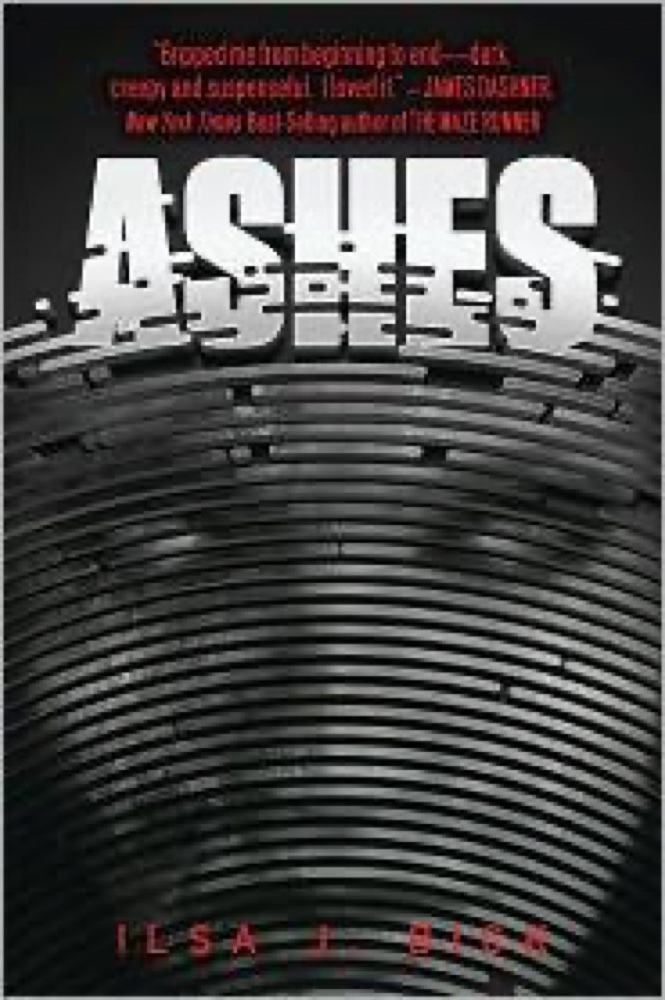 Ashes
Ashes
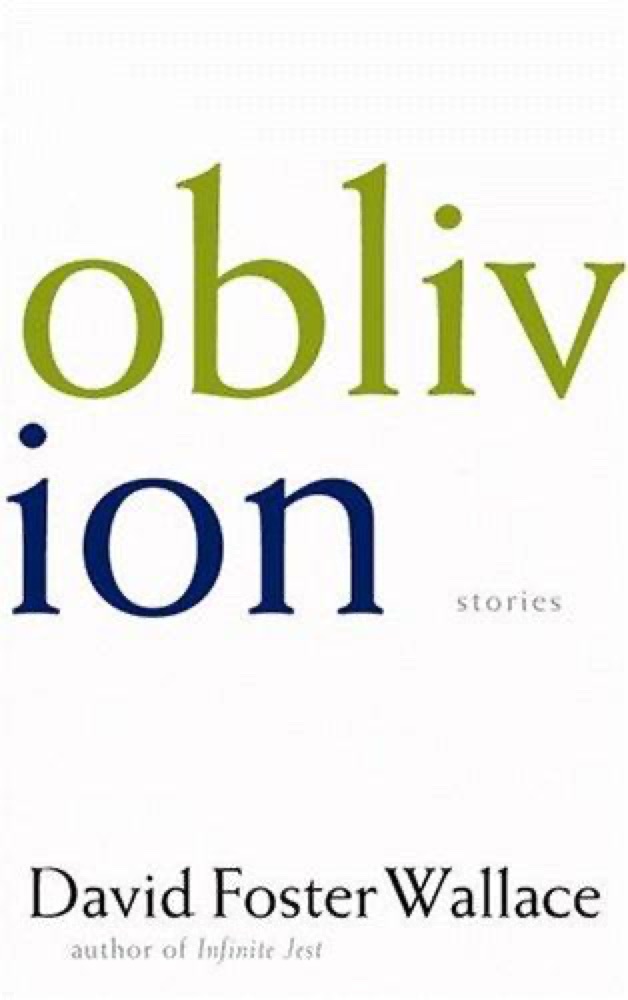 Oblivion
 Tell No One
 Gone Girl
 What We Talk About When We Talk About Love
 Dept. of Speculation
 The Finkler Question
 Flight Behavior