
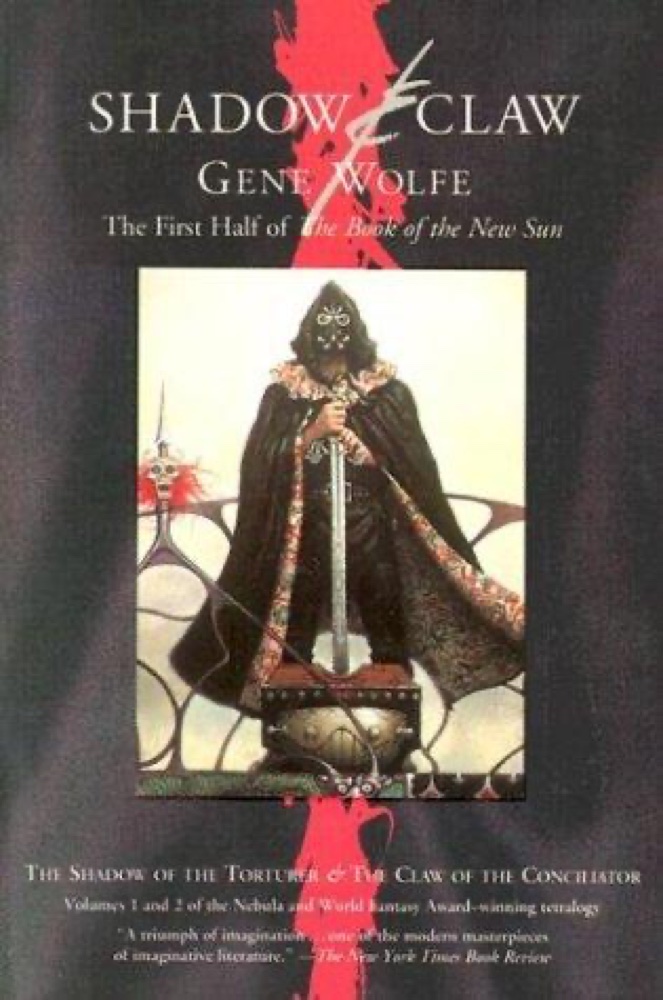
 Shadow & Claw
Quotes from the Book
When a client is driven to the utmost extremity, it is warmth and food and ease from pain he wants. Peace and justice come afterward. Rain symbolizes mercy and sunlight charity, but rain and sunlight are better than mercy and charity. Otherwise they would degrade the things they symbolize.
Sometimes driven aground by the photon storms, by the swirling of the galaxies, clockwise and counterclockwise, ticking with light down the dark sea-corridors lined with our silver sails, our demon-haunted sails, our hundred-league masts as fine as threads, as fine as silver needles sewing the threads of starlight, embroidering the stars on black velvet, wet with the winds of Time that go racing by. The bone in her teeth! The spume, the flying spume of Time, cast up on these beaches where old sailors can no longer keep their bones from the restless, the unwearied universe. Where has she gone? My lady, the mate of my soul? Gone across the running tides of Aquarius, of Pisces, of Aries. Gone. Gone in her little boat, her nipples pressed against the black velvet lid, gone, sailing away forever from the star-washed shores, the dry shoals of the habitable worlds. She is her own ship, she is the figurehead of her own ship, and the captain. Bosun, Bosun, put out the launch! Sailmaker, make a sail! She has left us behind. We have left her behind. She is in the past we never knew and the future we will not see. Put out more sail, Captain for the universe is leaving us behind…
Here is light. You will say that it is not a living entity, but you miss the point that it is more, not less. Without occupying space, it fills the universe. It nourishes everything, yet itself feeds upon destruction. We claim to control it, but does it not perhaps cultivate us as a source of food? May it not be that all wood grows so that it can be set ablaze, and that men and women are born to kindle them?
I have no way of knowing whether you, who eventually will read this record, like stories or not. If you do not, no doubt you have turned these pages without attention. I confess that I love them. Indeed, it often seems to me that of all the good things in the world, the only ones humanity can claim for itself are stories and music; the rest, mercy, beauty, sleep, clean water and hot food (as the Ascian would have said) are all the work of the Increate. Thus, stories are small things indeed in the scheme of the universe, but it is hard not to love best what is our own—hard for me, at least.
You believe me wise because I taught you once, but I have not been north, as you have. You have seen (what) I have never seen...You flatter me by asking my opinion.
You are the advocate of the dead.’ The old man nodded. ‘I am. People talk about being fair to this one and that one, but nobody I ever heard talks about doing right by them. We take everything they had, which is all right. And spit, most often, on their opinions, which I suppose is all right too. But we ought to remember now and then how much of what we have we got from them. I figure while I’m still here I ought to put a word in for them.
Watch on YouTube
About Gene Wolfe
We have collected 141 quotes from 8 books by Gene Wolfe on BookQuoters.
More about the author →More by Gene Wolfe
All books by Gene Wolfe →
Book details
- Author
- Gene Wolfe
- Genre
- Fiction
- Goodreads rating
- 4.26 (12k ratings) →
Keep reading
 Sword & Citadel
 Lord of Light
 Notes From The Tilt-A-Whirl: Wide-Eyed Wonder in God's Spoken World
 The Island of the Day Before
 The Etched City
 Always Coming Home
 The Sandman: Endless Nights
 House of Chains
 Henderson the Rain King
 Plainwater: Essays and Poetry
 Memories of Ice
 The Soul of Rumi: A New Collection of Ecstatic Poems – Coleman Barks's Sublime Renderings of the 13th-Century Sufi Mystic's Insights into Divine Love and the Human Heart
 The Gay Science
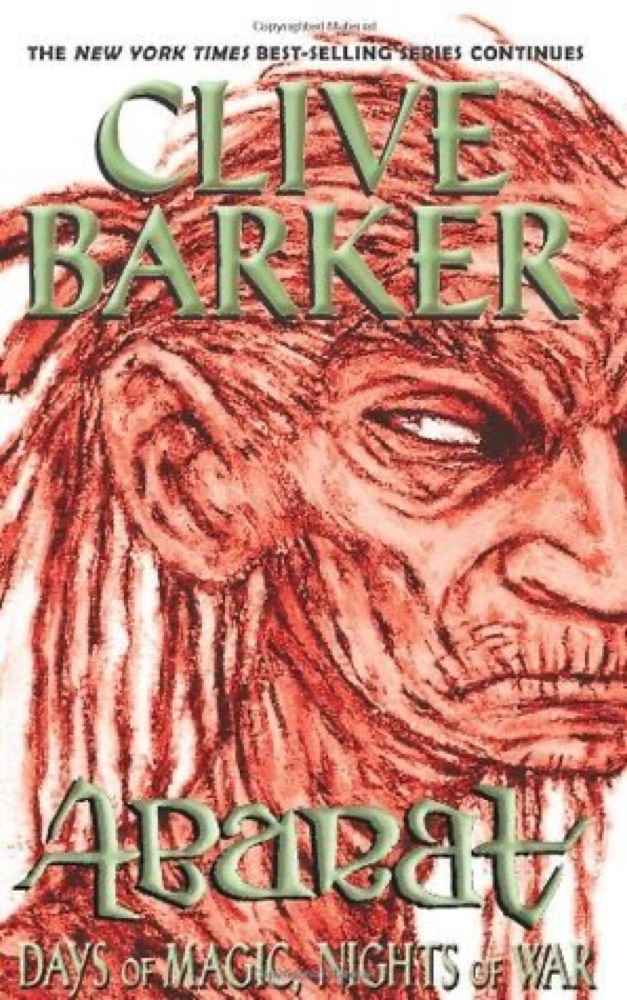 Abarat
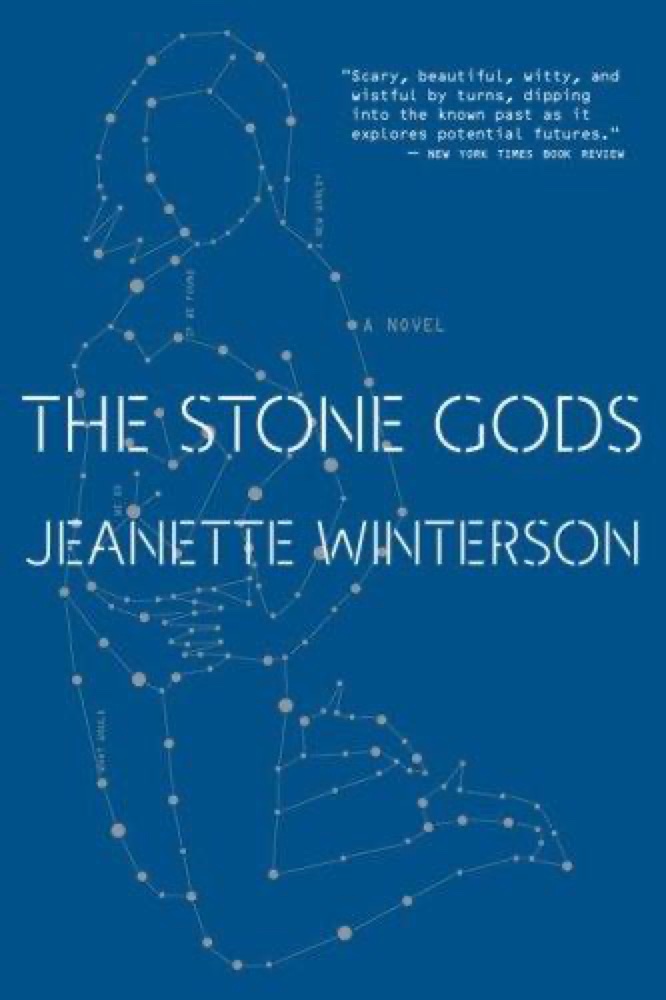 The Stone Gods
 Split Tooth
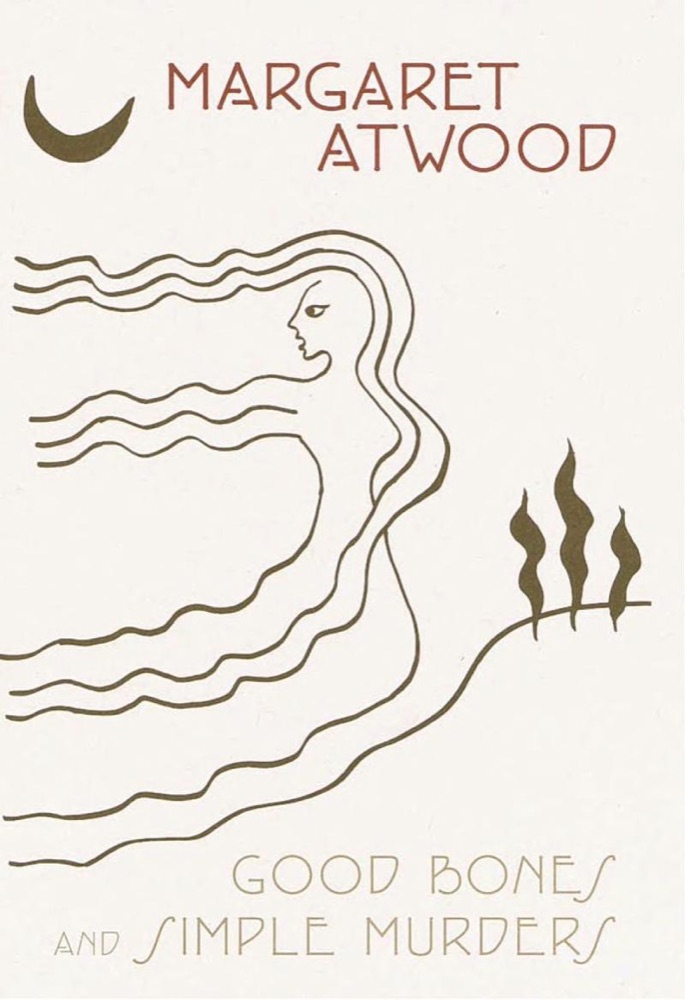 Good Bones and Simple Murders
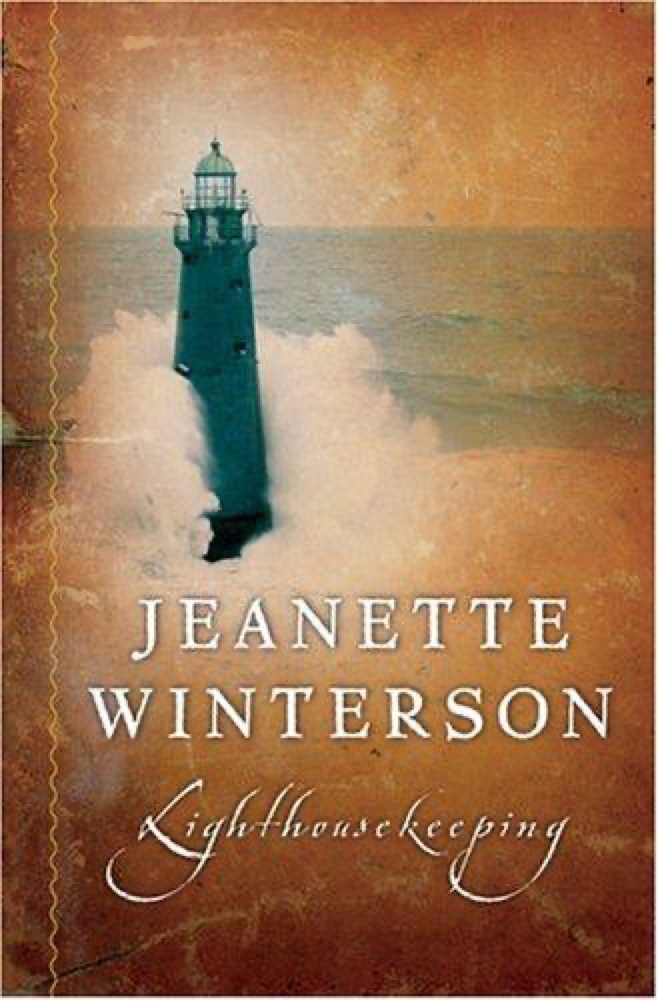 Lighthousekeeping
 The Red Book: Liber Novus
 A Swiftly Tilting Planet
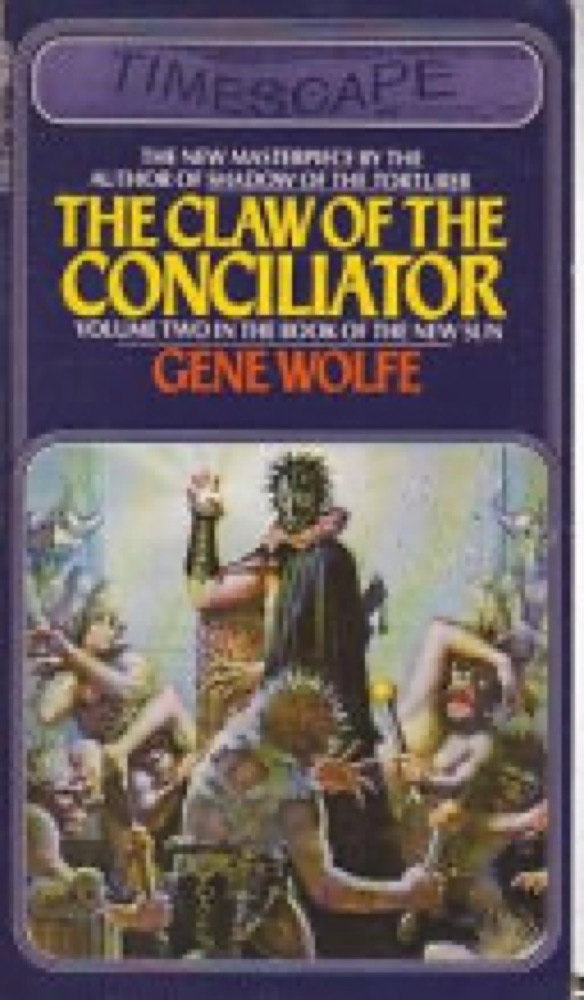 The Claw of the Conciliator
 Ahab's Wife, or The Star-Gazer
 Gilead
 Laurus
 Corrag
 West with the Night
 Winter's Tale
 Reaper's Gale
 The Sunset Limited
 Jayber Crow
 Sexus
Sexus
 Selected Poems
 A Soldier of the Great War
 Art and Lies
 The Star Rover
 Shadow Scale
 The Everlasting Man
 You Can't Go Home Again
 Night Watch
 The Shape of Water
 The Conference of the Birds
 We the Living
 Perelandra
Shadow & Claw
Perelandra
Shadow & Claw
 The Kindly Ones
 The Telling
 Flight To Arras
 Skinny Legs and All
 Iron Gold
 Wind, Sand and Stars
 Empire of Silence
 Winter Hours: Prose, Prose Poems, and Poems
 Moravagine
 The Notebooks of Malte Laurids Brigge
 Morning in the Burned House: Poems
 The Broken Kingdoms
 Either/Or: A Fragment of Life
 Arm of the Sphinx
 Rosewater
 The Isle of Blood