
 Cinder
Quotes from the Book
But hoping," he said, "is how the impossible can be possible after all.
It is a dangerous thing to unbelieve something only because it frightens you.
The easiest way to steal something, is for it to be given willingly.
Sometimes your heart is the only thing worth listening to.
When pleased, I beat like a drum. When sad, I break like glass. Once stolen, I can never be taken back. What am I?
A heart, once stolen, can never be taken back.
Fascinating, isn't it, how often heroic and foolish turn out to be one and the same.
Perhaps we know each other in the future and you’re only remembering backward.
To be all right implies an impossible phase. We hope for mostly right on the best of our days.
Why is a raven like a writing-desk?
Her mother sneered. “Then you are a fool.” “Good. I’ve become rather fond of fools.
Stuff and nonsense. Nonsense and stuff and much of a muchness and nonsense all over again. We are all mad here, don't you know?
These things do not happen in dreams, dear girl,' he said, vanishing up to his neck. 'They happen only in nightmares.' His head spiralled and he was gone.
Now mine eyes see the heart that once we did search for, and I fear this heart shall be mended, nevermore.
You have my heart, Jest. I don't know if you deserve it or not. I can't tell if you're a hero or a villain, but it doesn't seem to matter. Either way, my heart is yours.
Mind my words, Cheshire, I will have you banished from this kingdom if you tempt me." "An empty threat from an empty girl." She rounded on him, teeth flashing. "I am not empty. I am full to the brim with murder and revenge. I am overflowing and I do not think you wish for me to overflow on to you." "There was a time" – Cheshire yawned – "when you overflowed with whimsy and icing sugar. I liked that Catherine better.
Is this what’s going to make you happy?’ ‘How different everything could have been, if you had thought to ask me that before.
Are you here for a reason, Cheshire? Why, yes, I would enjoy a cup of tea. I take mine with lots of cream, and no tea. Thank you.
Peter, Peter, pumpkin eater, Had a wife but couldn’t keep her; He put her in a pumpkin shell And there he kept her very well. Peter, Peter, pumpkin eater, Had a pet and couldn’t feed her; Caught a maid who had meant well –What became of her, no one can tell
Oh no,” she murmured, her smile thawing, falling, carried away with the undeniable, inevitable, impossible truth of it. She was falling in love with him.
You know as well as I that you're going to break at least one heart before this is over, and I want nothing more to do with you.
This was why she enjoyed baking. A good dessert could make her feel like she'd created joy at the tips of her fingers. Suddenly, the people around the table were no longer strangers. They were friends and confidantes, and she was sharing with them her magic.
You want to hear a riddle, you say? I know a very good one. It begins, why is a raven like a writing desk?’ She lifted her chin. ‘Have you gone mad, Hatta? I can’t seem to tell.’ ‘They are both so full of poetry, you see. Darkness and whimsy, nightmares and song.
We will all greet fate, on the other side.
For the murder of Jest, the court joker of Hearts, I sentence this man to death.’ She spoke without feeling, unburdened by love or dreams or the pain of a broken heart. It was a new day in Hearts, and she was the Queen. ‘Off with his head
Did you know?
- The novel is a prequel to Lewis Carroll's "Alice's Adventures in Wonderland," telling the backstory of the Queen of Hearts.
- It was published on November 8, 2016, and became a #1 New York Times bestseller.
- Protagonist Catherine Pinkerton is a passionate baker who dreams of opening her own shop.
- Meyer is best known for The Lunar Chronicles, and "Heartless" was a standalone departure into fairy-tale retelling.
- Wonderland figures such as the Cheshire Cat and the Mad Hatter appear as characters in the story.
About Marissa Meyer
Marissa Meyer, born February 19, 1984, in Tacoma, Washington, is an American novelist best known for the young-adult series The Lunar Chronicles, which began with her 2012 debut Cinder. Much of her work reimagines classic fairy tales and stories.
More about the author →
About the book
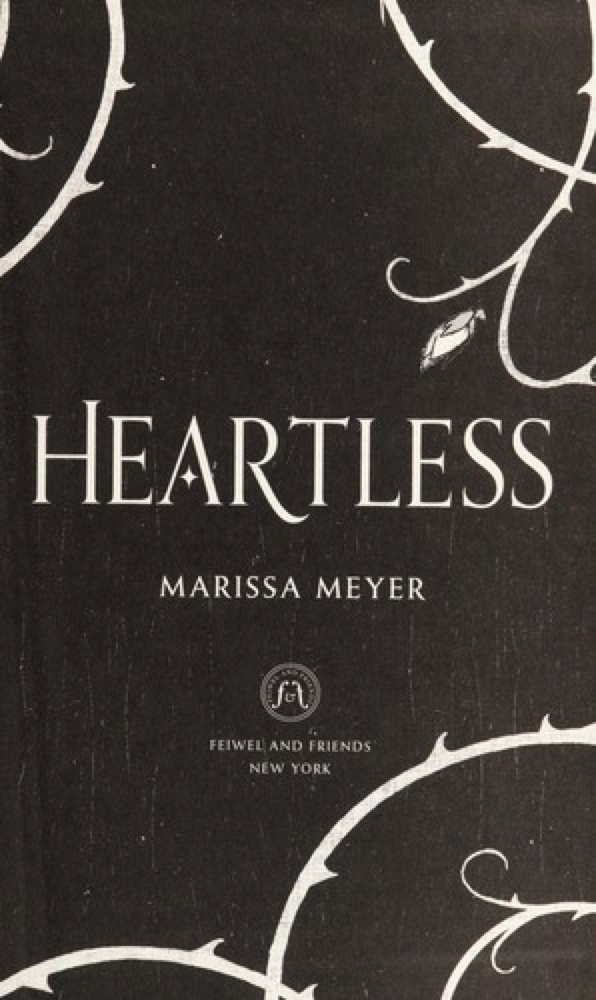
"Heartless" is a young-adult fantasy novel by Marissa Meyer that imagines the origin story of the Queen of Hearts from Lewis Carroll's "Alice's Adventures in Wonderland." Set in the Kingdom of Hearts, it follows Catherine Pinkerton, a gifted baker and the daughter of a marquess, who dreams of opening a bakery with her best friend rather than accepting the marriage proposal everyone expects the unmarried King of Hearts to offer her. When she meets Jest, the King's mysterious new court joker, at a royal ball, she feels true attraction for the first time and enters into a secret, forbidden courtship.
At its heart the book is a tragic romance woven through with the whimsy and menace of Wonderland, populated by figures such as the Cheshire Cat, a raven, and the Mad Hatter. Meyer draws on Carroll's world to explore how a girl who only wanted love and a shop of her own could be shaped by grief, fate, and thwarted desire into one of literature's most feared villains. Themes of destiny versus free will, ambition, class expectation, and the corrupting power of loss run throughout.
Published in 2016, "Heartless" became a #1 New York Times bestseller and marked Meyer's move beyond her science-fiction Lunar Chronicles into fairy-tale-adjacent retelling. As a prequel that reframes a famous antagonist with sympathy, it appealed to readers drawn to villain-origin stories and to the enduring popularity of Wonderland reimaginings.
Key characters
- Catherine PinkertonA talented young baker and marquess's daughter who becomes the future Queen of Hearts
- JestThe King's mysterious new court joker, secretly a Rook from the land of Chess
- The King of HeartsThe good-natured, unmarried ruler expected to propose to Catherine
- Mary AnnCatherine's best friend and the family's maid, her hoped-for bakery partner
- HattaAn eccentric hat-maker, this world's version of the Mad Hatter
- RavenJest's companion, a raven who speaks in verse
- CheshireA sly, disappearing cat who offers Catherine cryptic guidance
Book details
- First published
- 2016
- Length
- 453 pages
- Reading time
- 8 hours
- Author
- Marissa Meyer
- Genre
- Fantasy
- Goodreads rating
- 4.08 (274k ratings) →
- First line
- “Three luscious lemon tarts glistened up at Catherine.”
If you liked this, read…
- 1Alice's Adventures in WonderlandThe classic Lewis Carroll novel whose Queen of Hearts this book reimagines
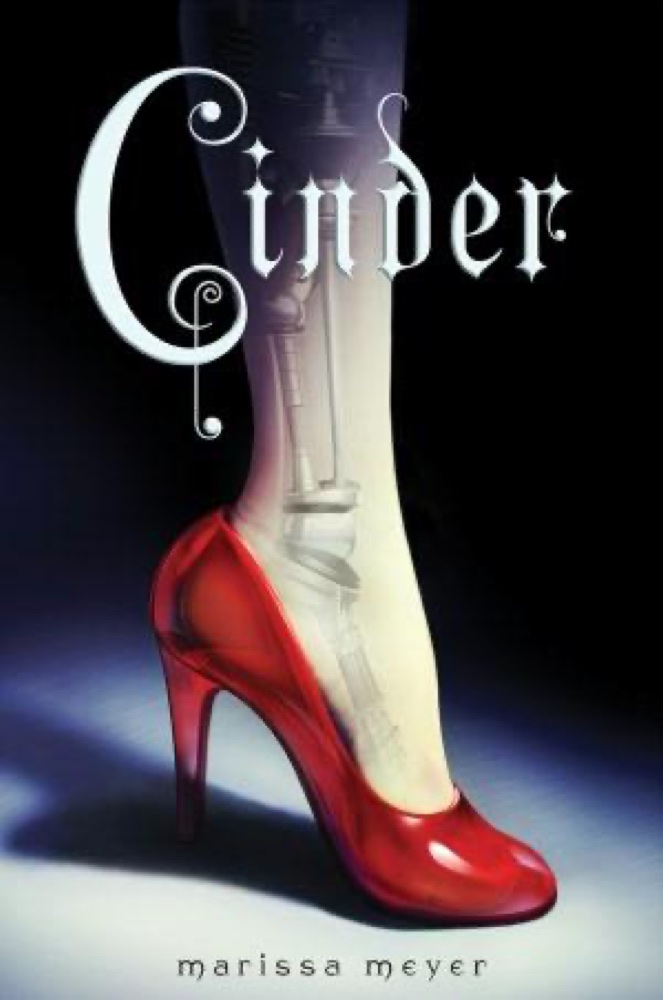
- 2CinderMeyer's own fairy-tale-inspired YA that established her signature retelling style
- 3Dorothy Must DieAnother dark reimagining that recasts a beloved children's-fantasy world
Keep reading
 The Year of the Flood
 The Broken Eye
 UnWholly
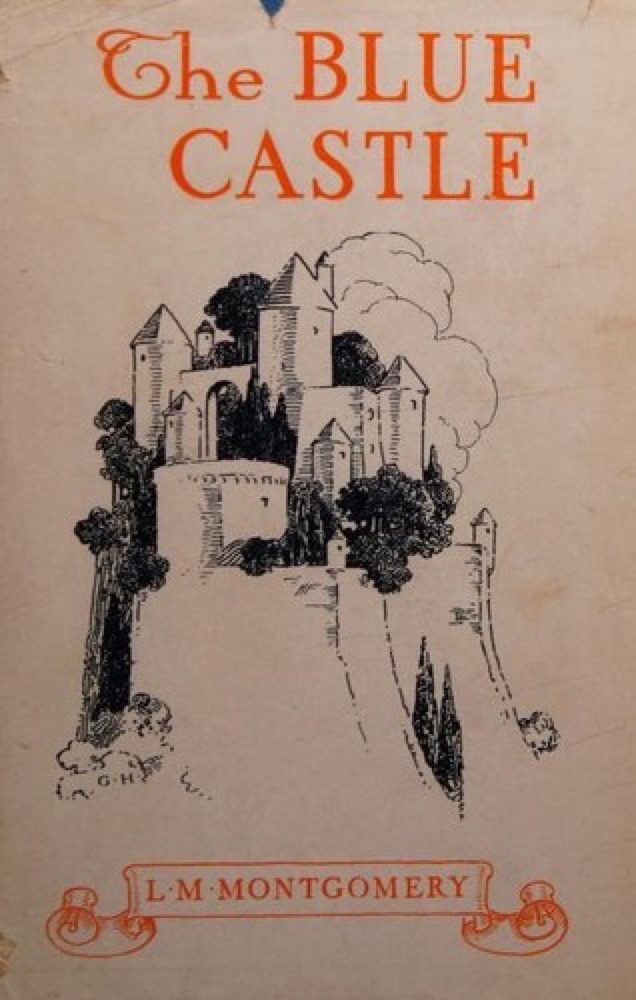 The Blue Castle
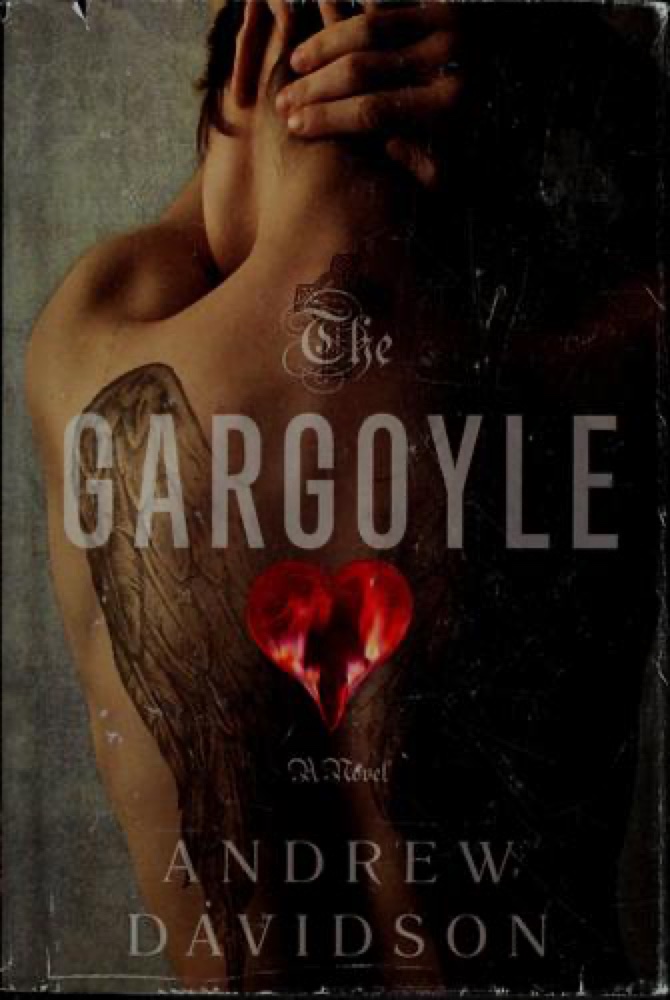 The Gargoyle
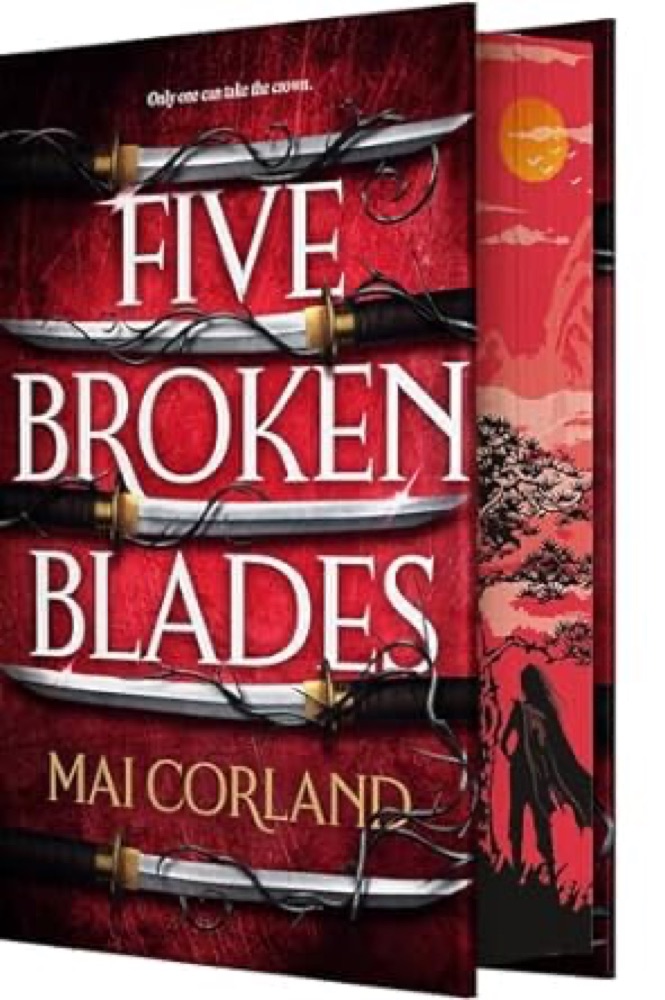 Five Broken Blades
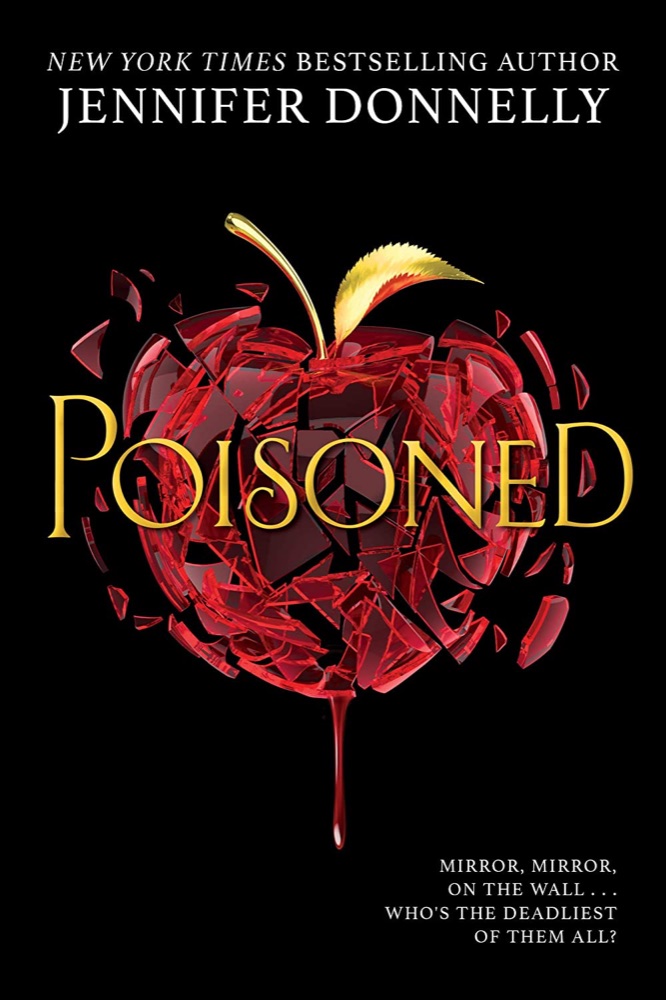 Poisoned
 Great Expectations
 Fool's Fate
 Requiem
 We Were Liars
 Crooked Kingdom
 Juliet
 Dracula
 Enchanted
 Beautiful Creatures
 Stardust
 I Fell in Love With Hope
 The Jewel
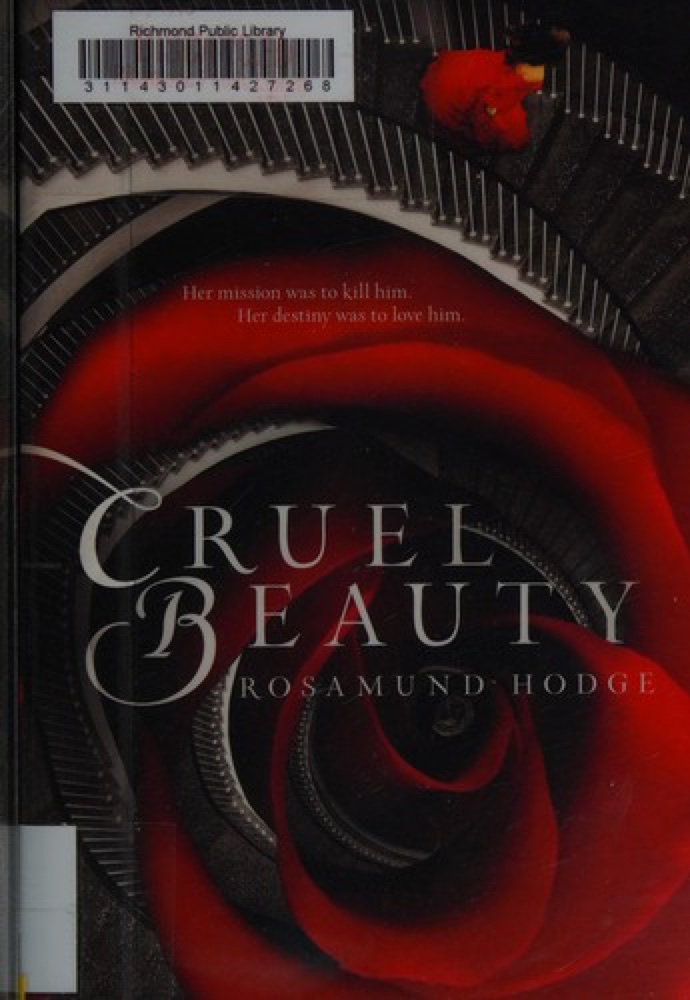 Cruel Beauty
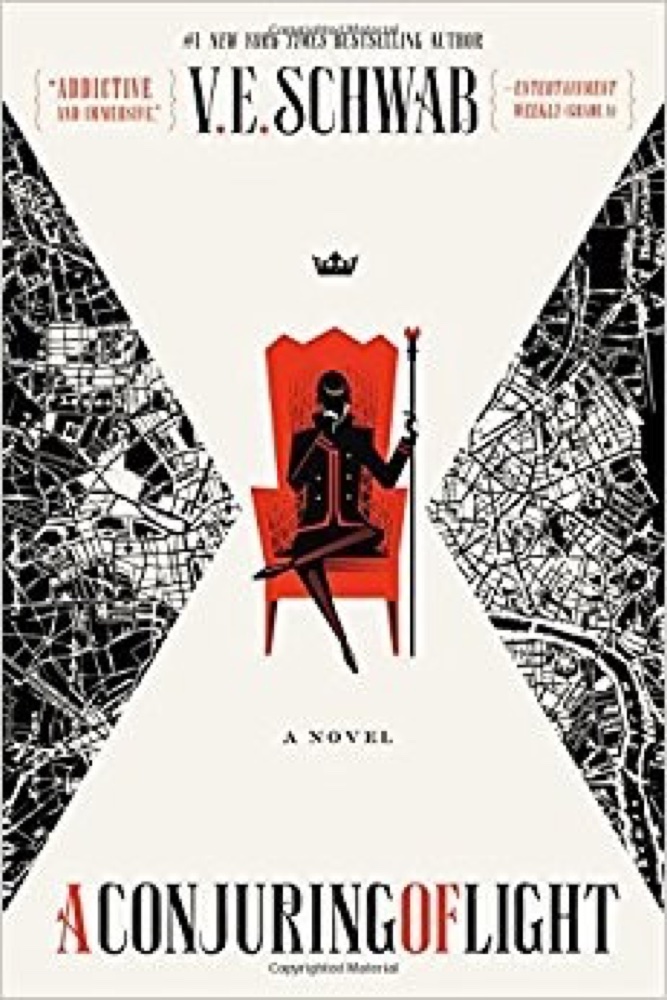 A Conjuring of Light
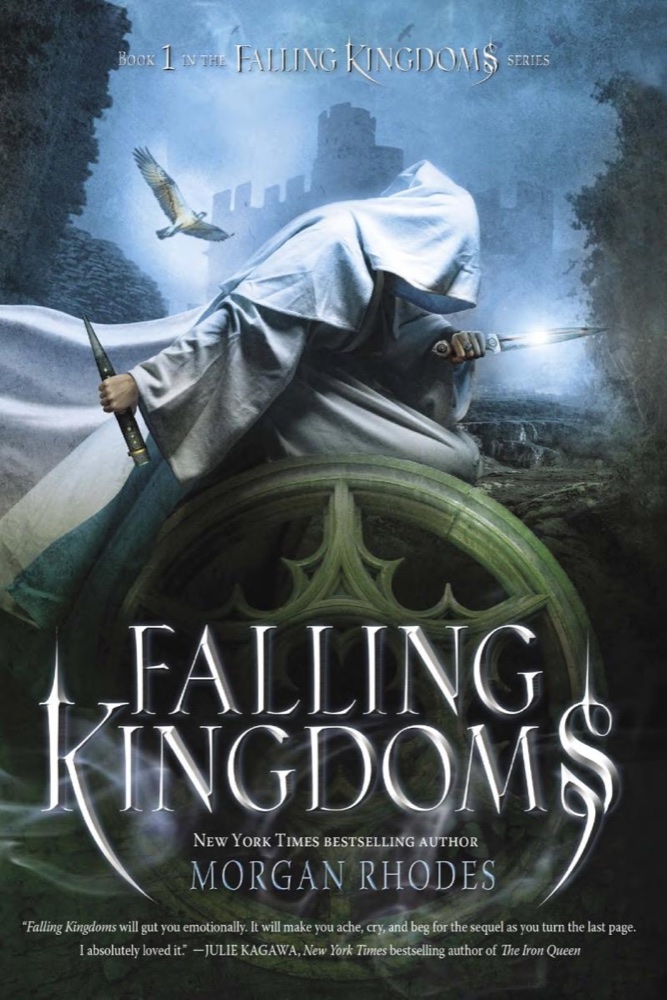 Falling Kingdoms
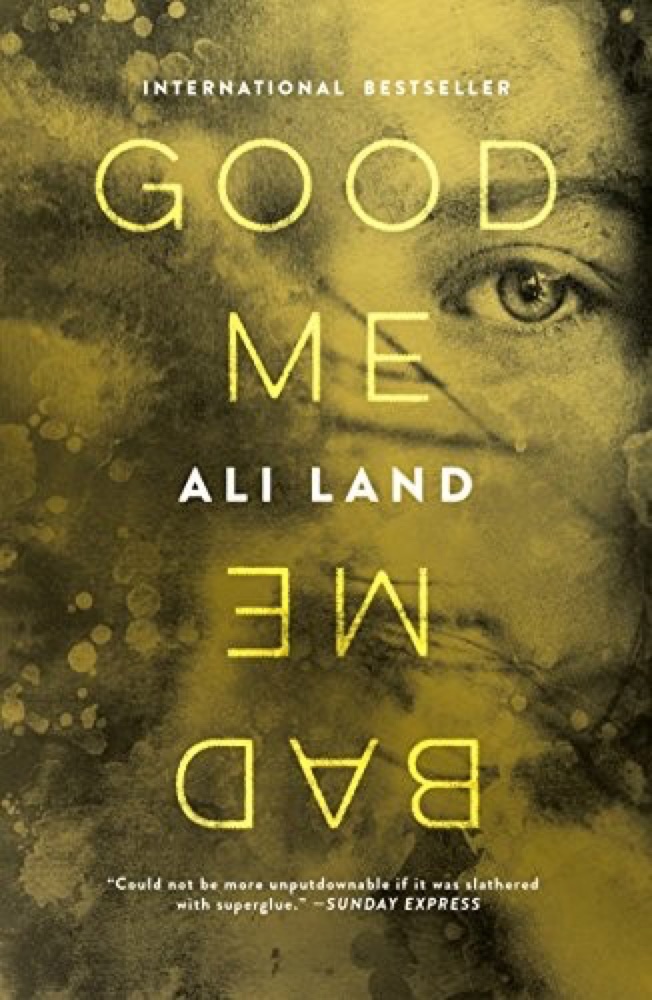 Good Me, Bad Me
 Fever
Fever
 Atonement
 The English Patient
 Our Mutual Friend
 The Witching Hour
 The Cruel Prince
 Mortal Heart
 The Coldest Girl in Coldtown
 The Death of the Heart
 Wizard and Glass
 Trust: Betrayed
 Emma
Emma
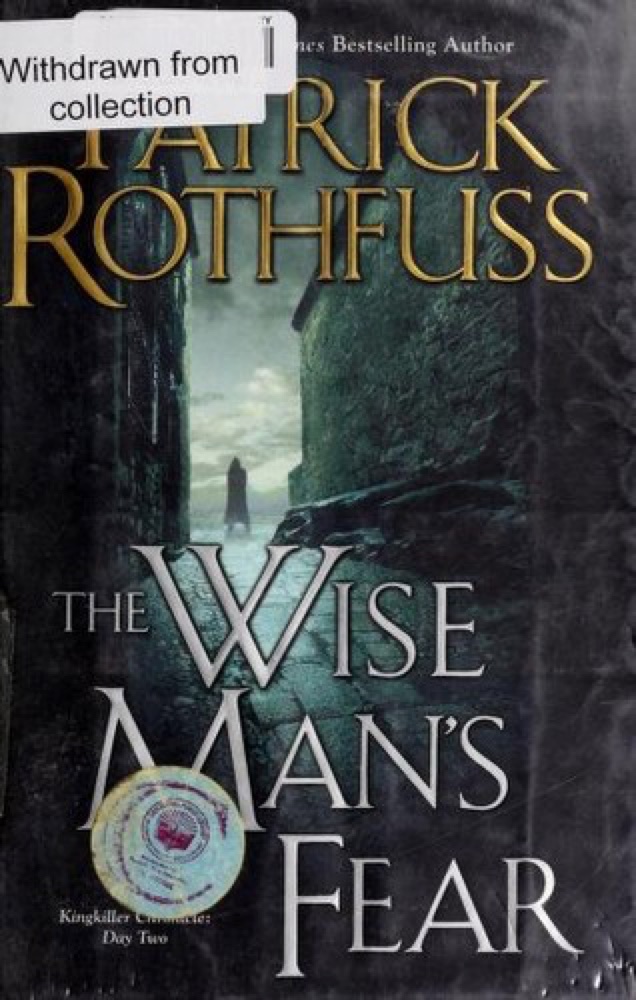 The Wise Man's Fear
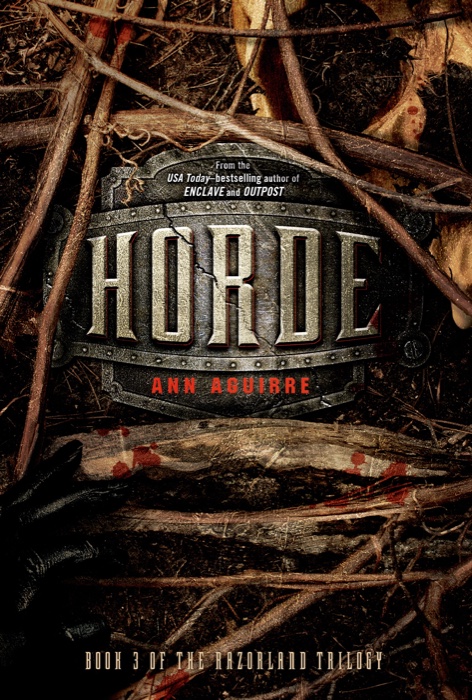 Horde
Horde
 Library of Souls
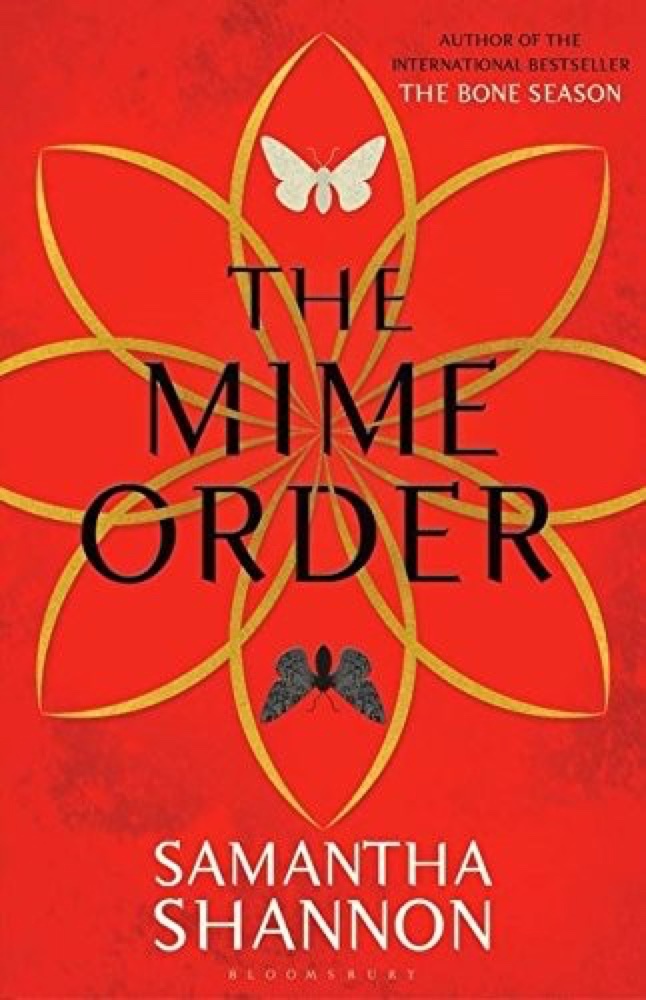 The Mime Order
 The Book Thief
 Once Upon a Broken Heart
 An Enchantment of Ravens
 Breakable
 Shirley
 Making Faces
 Mother Night
 Chime
Chime
 The Magus
 His Dark Materials
 Abarat
 Ironside
 Incantation
 Every Heart a Doorway
 Hunted
 The Passion
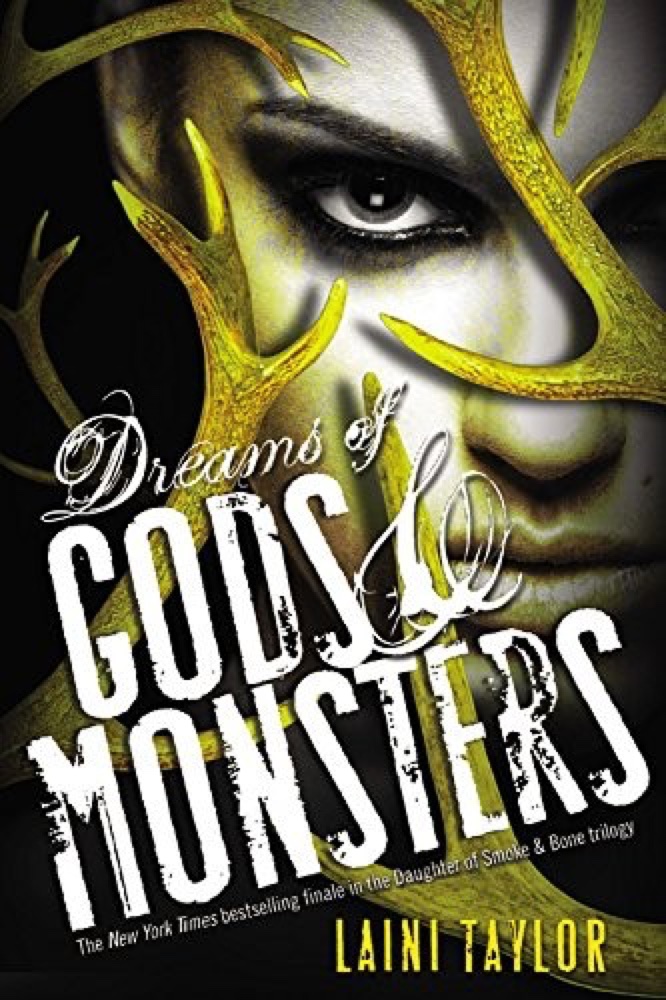 Dreams of Gods & Monsters
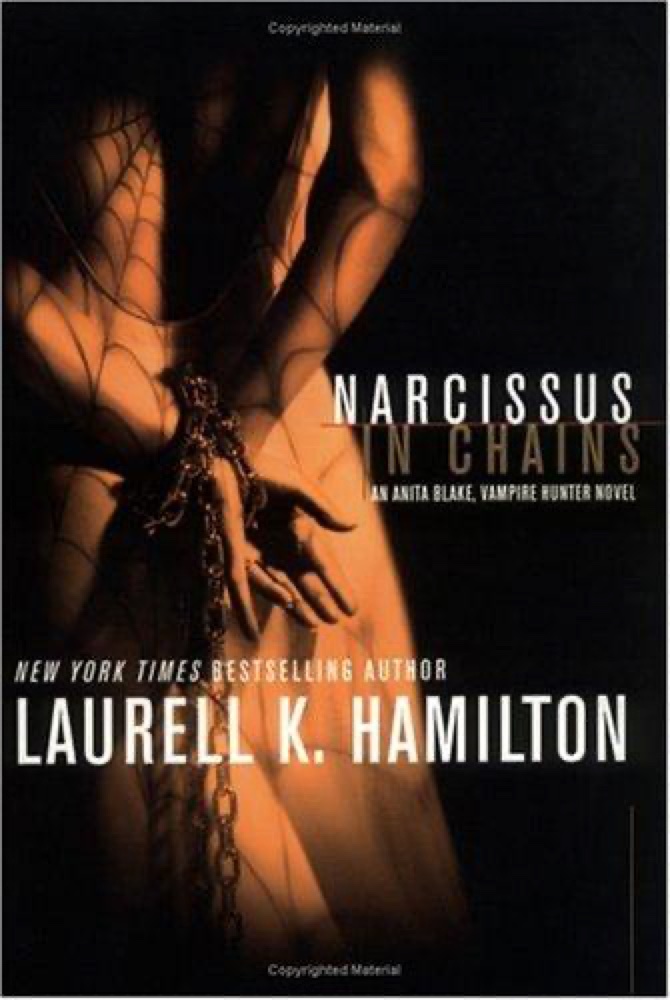 Narcissus in Chains
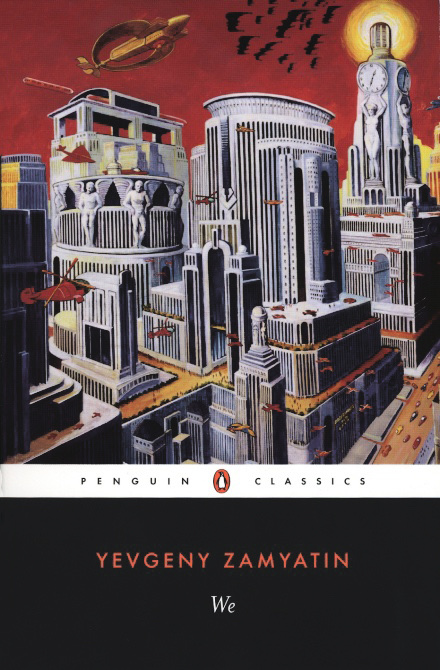 We
We
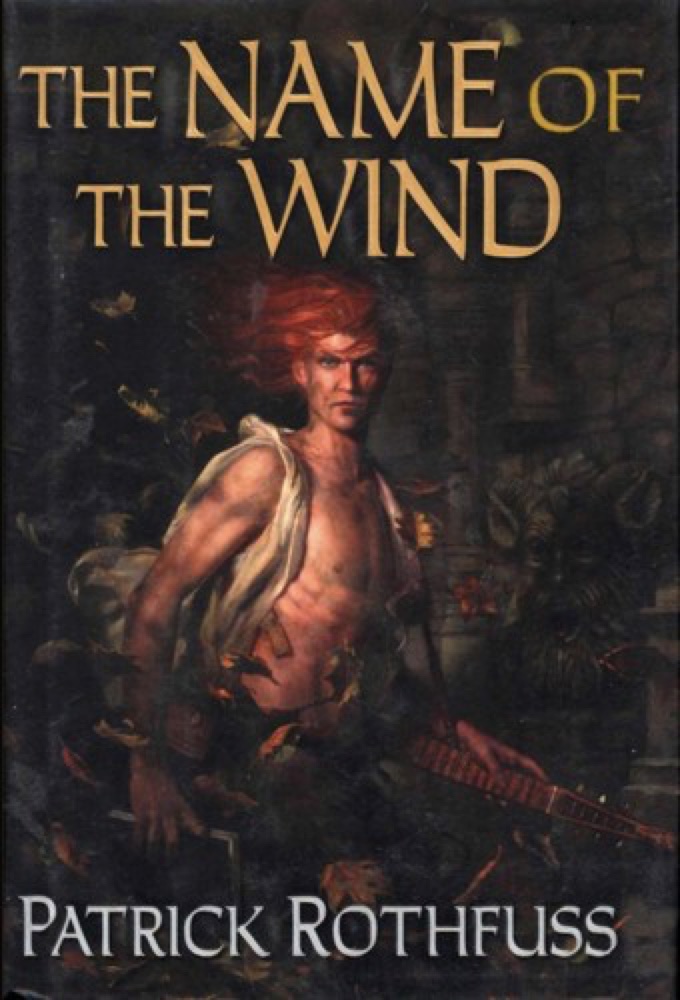 The Name of the Wind
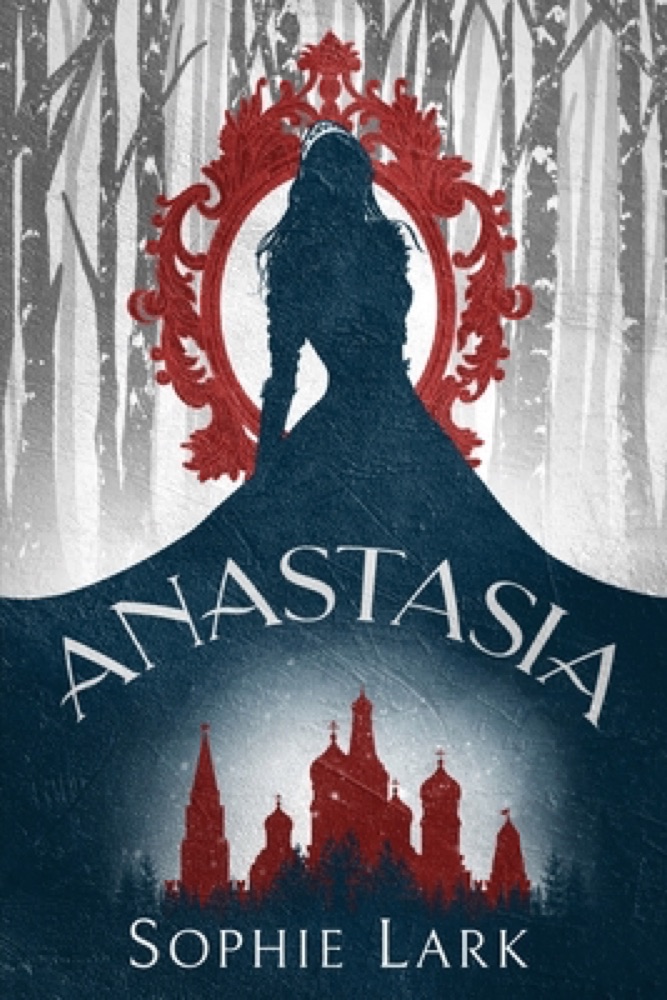 Anastasia