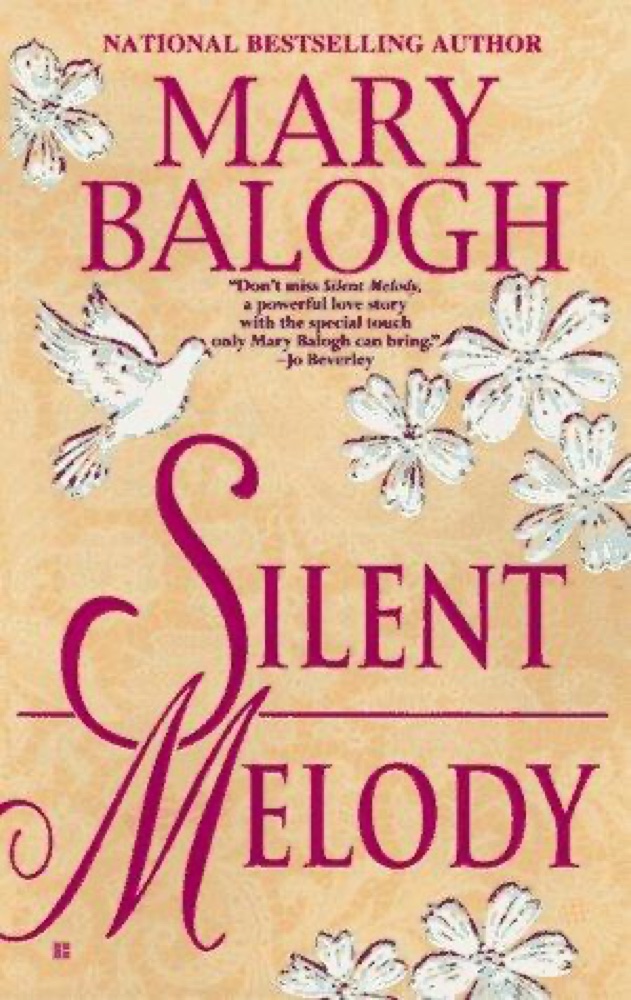

 Slightly Dangerous
Quotes from the Book
Idleness was so often despised. And yet it was on idleness, she knew, that one touched meaning and peace.
Even at its darkest moment, life was a precious gift.
It takes chracter to refuse a man you love more dearly than life merely because marrying him would be the wrong thing to do.
Ah, those eyes," he said. "They can speak volumes, but sometimes even I cannot translate the language. And we never did invent enough signs for deeper thoughts and feelings.
Perhaps we should do the learning - and learn not to communicate, or to do it in a different way. Now there is a thought. Perhaps we could learn your peace if we could share your silence.
Tis what marriage is all about, madam," he said. "Have you not realized it? 'Tis about discovering unknown facets of the character and experience and taste of one's spouse and learning to adjust one's life accordingly. 'Tis learning to hope that one's spouse is doing the same thing.
But Ashley had always understood. He had always known there was a person behind the silence - not just a person who listened with her eyes and would have responded in similar words if she could have, but one who inhabited a world of her own and lived in it quiet as richly as anyone in his world. With Ashley there had always been a language. There had always been a way of giving him glimpses of herself.
Gifts were dangerous things, she thought. Sometimes one succeeded only in taking far more than one gave.
She wondered if she would have tumbled into love with him during the past week if her heart had been whole, if her soul had no been shattered long ago. She rather thought she might have. But a heart and soul could not be mended by the power of the will, she had discovered over seven years. And so she had accepted reality and moved on.
He would never know know her. Such intimacy but no communication, because words - even if she could speak or write them - could never explain her world to him.
That was the heart of the difference, she thought. In her world she had learned to be . Other people seemed to gain their sense of identity and worth from doing.
It was hard to leave. But it was impossible to stay. He was leaving from choice because he was young and energetic and adventurous and had long wanted to carve a life of his own. He was going to new possibility, new dreams. But he was leaving behind places and people. And though, being young, he was sure he would see them all again some day, he knew too that many years might pass before he did so. It was not easy to leave.
There was at least as much to learn as there was to be taught.
She was not sure that her deafness had strengthened her character. She was not even sure she had met a challenge. A silent world was as natural to her as a noisy one must be to them, she reflected. But people tended to assume that deaf persons could function as people only if they learned to conform to a world of sound. What about the challenge of silence? Very few people of hearing ever accepted it or even knew that there was a challenge there. People of hearing feared silence...
It was in idleness that one came face-to-face with the I AM. With simple, elemental Being.
Watch on YouTube
About Mary Balogh
We have collected 203 quotes from 16 books by Mary Balogh on BookQuoters.
More about the author →More by Mary Balogh
All books by Mary Balogh →

Book details
- Author
- Mary Balogh
- Genre
- Romance
- Goodreads rating
- 3.75 (4k ratings) →
Keep reading
 A Reliable Wife
 The Proposal
 The Memory Keeper's Daughter
 The Orchardist
 The Well of Loneliness
 Atonement
 Bel Canto
 The Book of the Unnamed Midwife
 The Art of Hearing Heartbeats
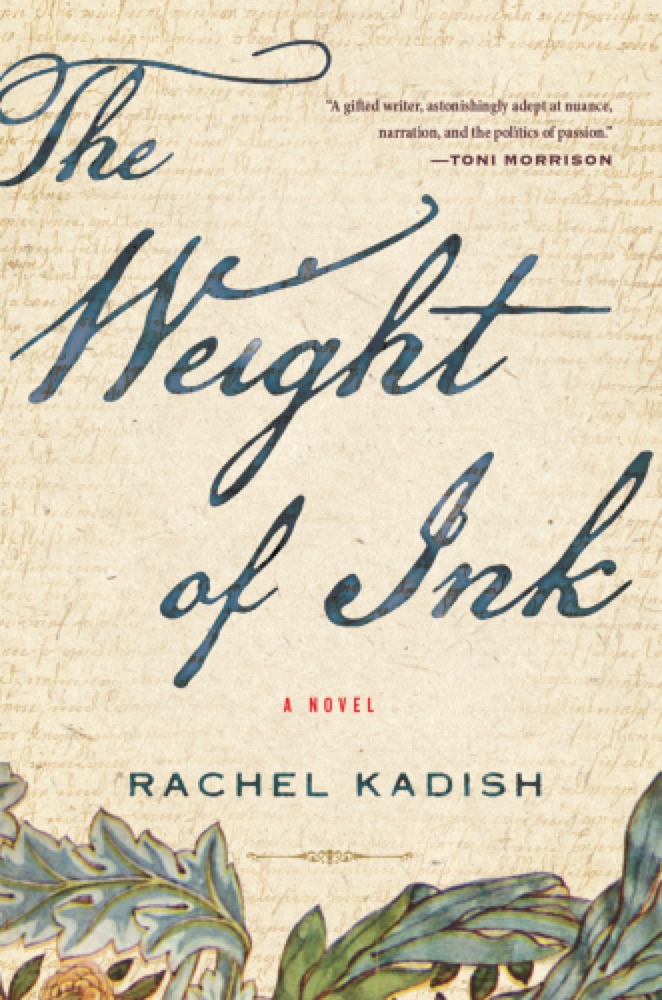 The Weight of Ink
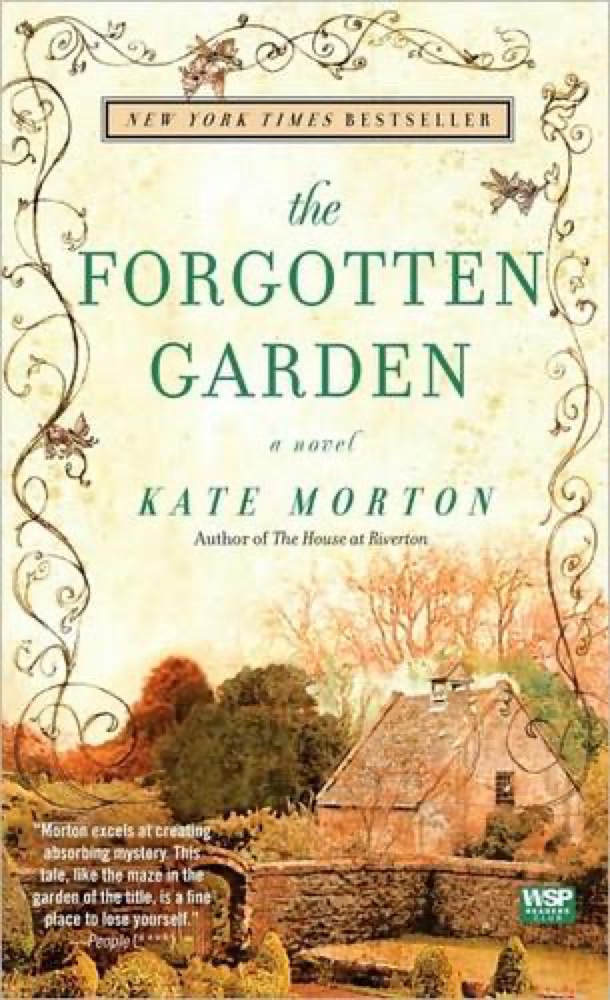 The Forgotten Garden
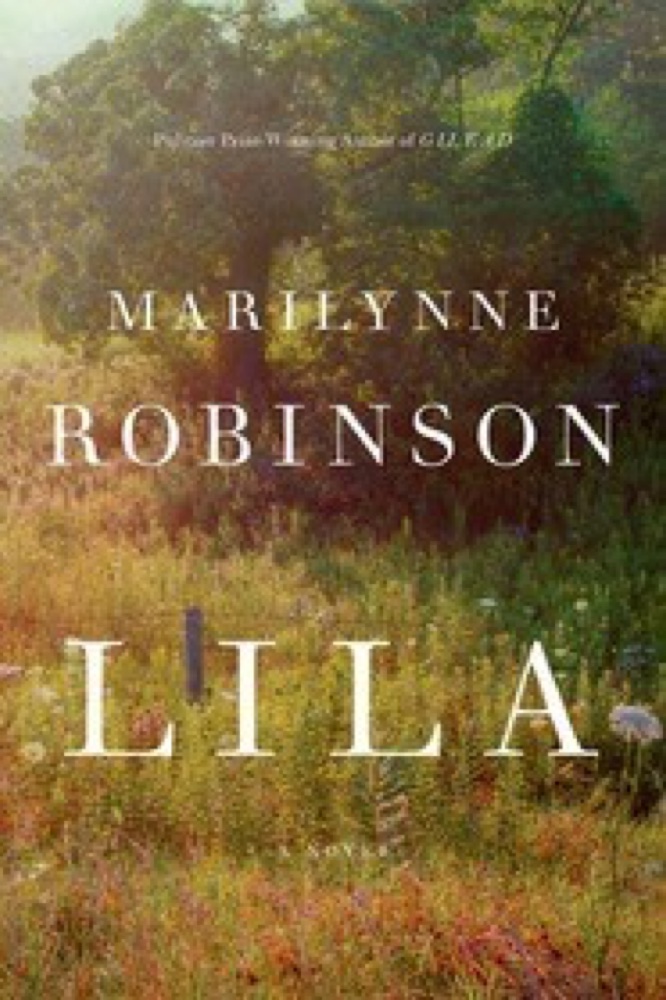 Lila
Lila
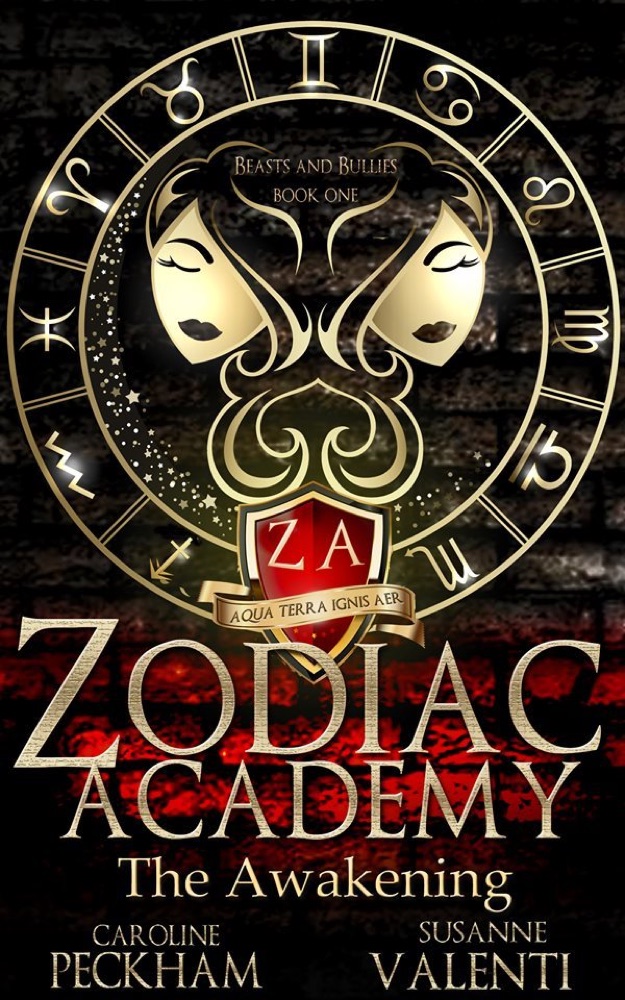 The Awakening
 A Widow for One Year
 Justine
 Acacia: The War with the Mein
 The Husband's Secret
 The Heart Is a Lonely Hunter
 The Story of Beautiful Girl
 Prodigal Summer
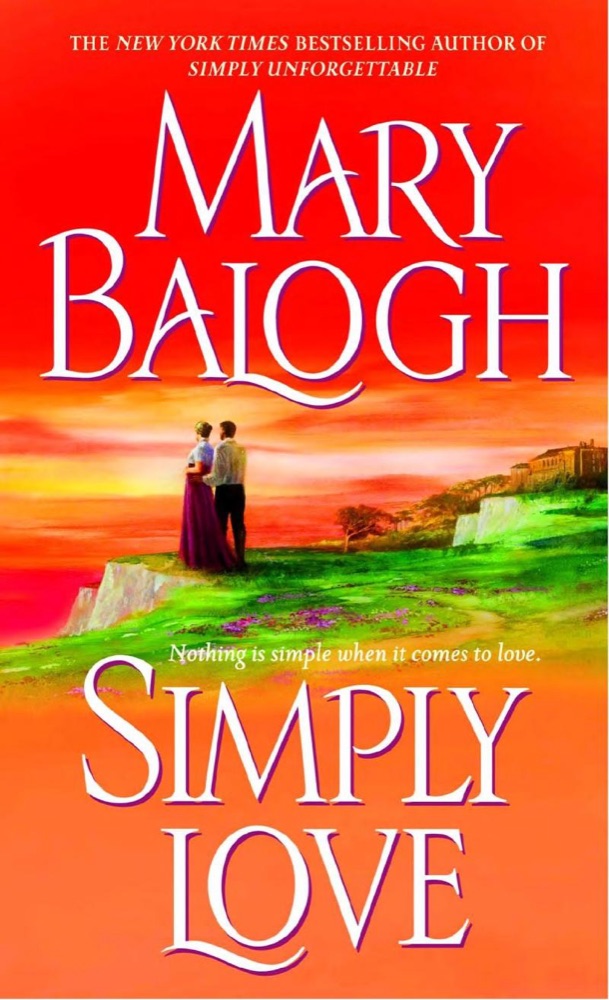 Simply Love
 Pavilion of Women: A Novel of Life in the Women's Quarters
 Sisterhood Everlasting
 The Slow Regard of Silent Things
 Lost in Translation
 The Brutal Telling
 A Woman Is No Man
 The Secret Keeper
 The Silent Waters
 Embers
 The God of Small Things
 Unaccustomed Earth
 The Mill on the Floss
 The Voyage Out
 The Daughter of Doctor Moreau
 Somebody Else's Daughter
 On Mystic Lake
 The English Patient
 The Rainbow
 Forever in Blue: The Fourth Summer of the Sisterhood
 The Clockmaker's Daughter
 Green Dolphin Street
 Homeseeking
 We Are Not Ourselves
 Death Watch
 The Choice
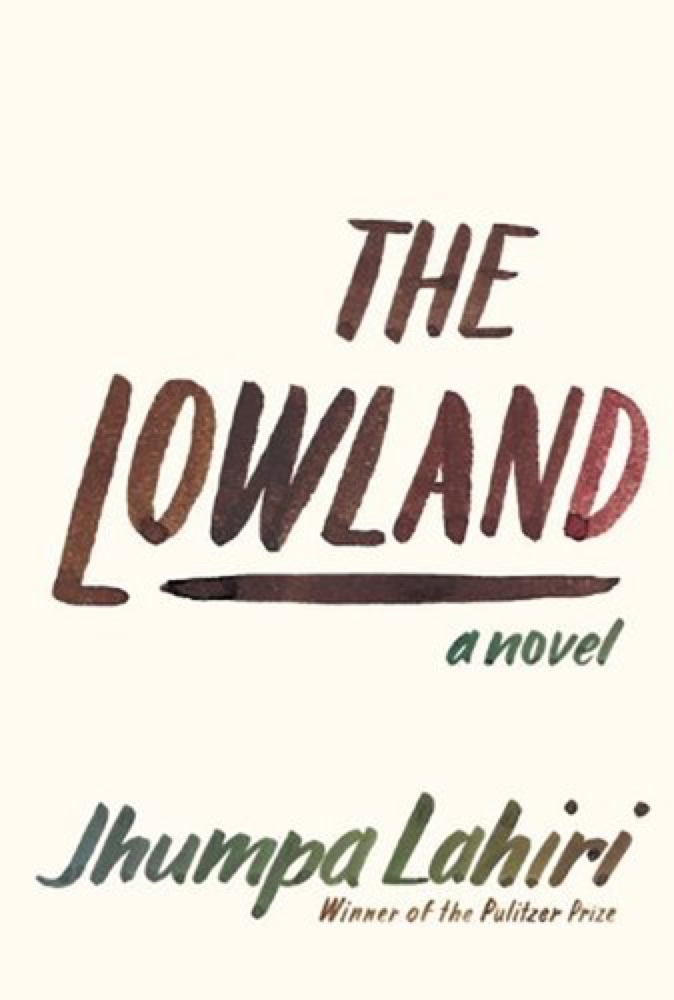 The Lowland
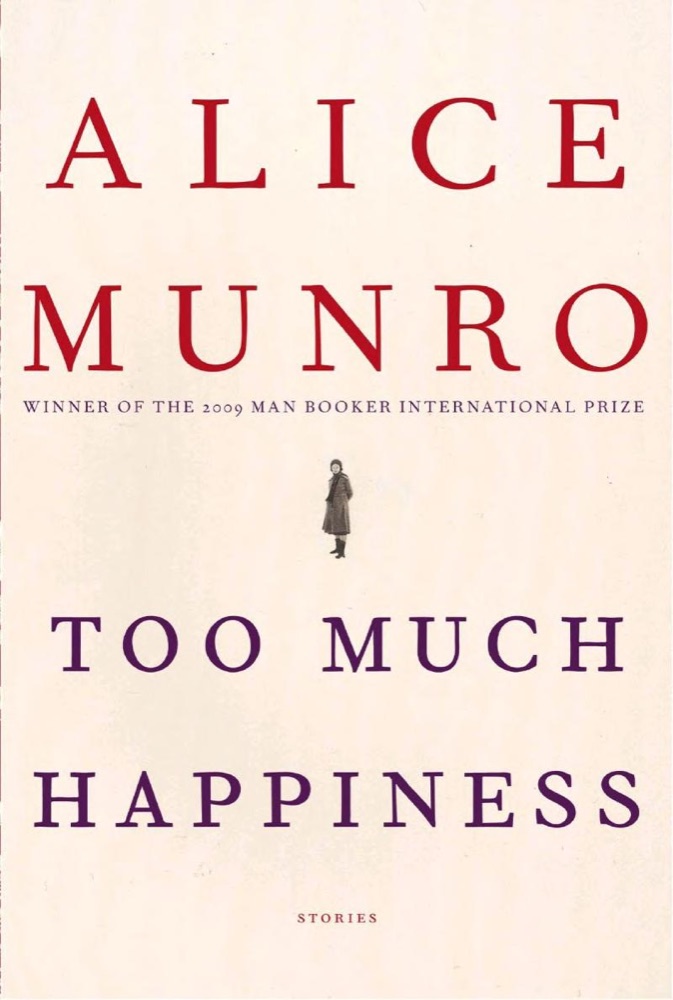 Too Much Happiness: Stories
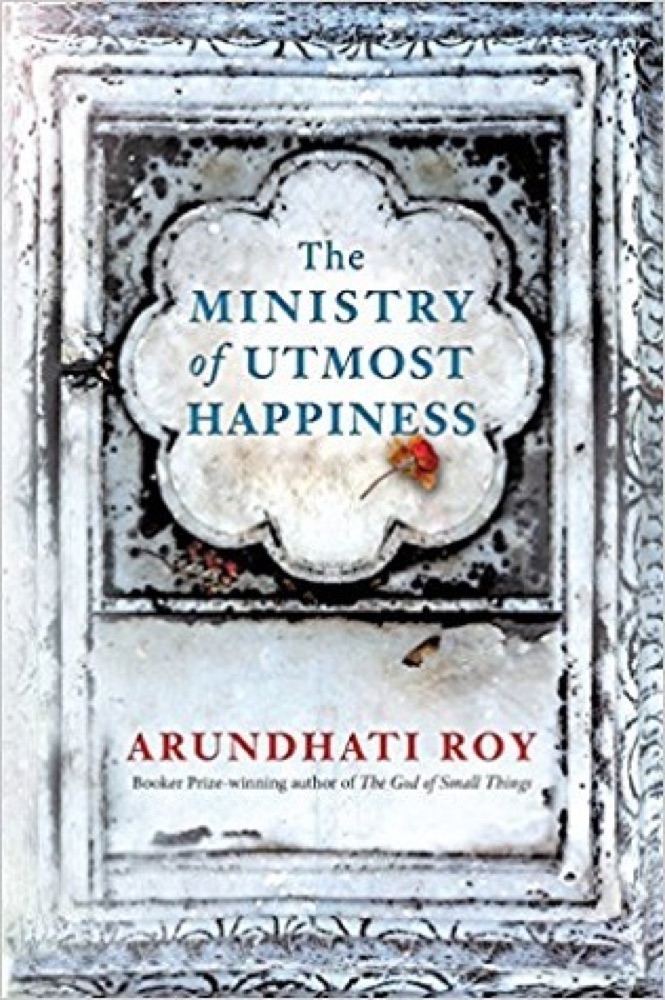 The Ministry of Utmost Happiness
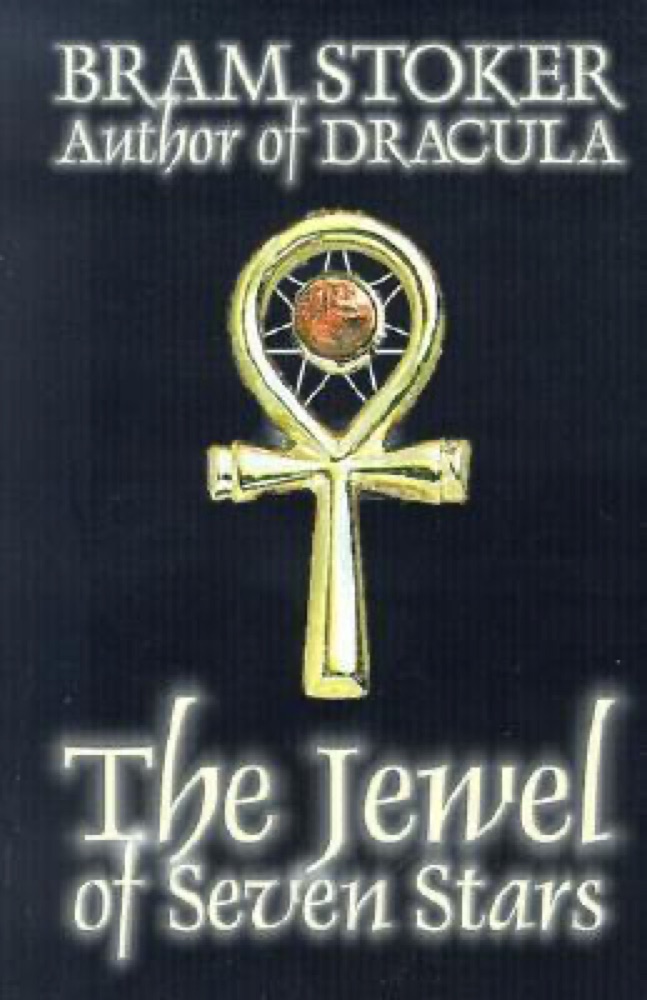 The Jewel of Seven Stars
 The Paper Magician
 The Door
 Anna Karenina
 The Scent of Water
 Interpreter of Maladies
 Now Is the Time to Open Your Heart
 Muse of Nightmares
 The Red Garden
 Stoner
 The Gift of Rain