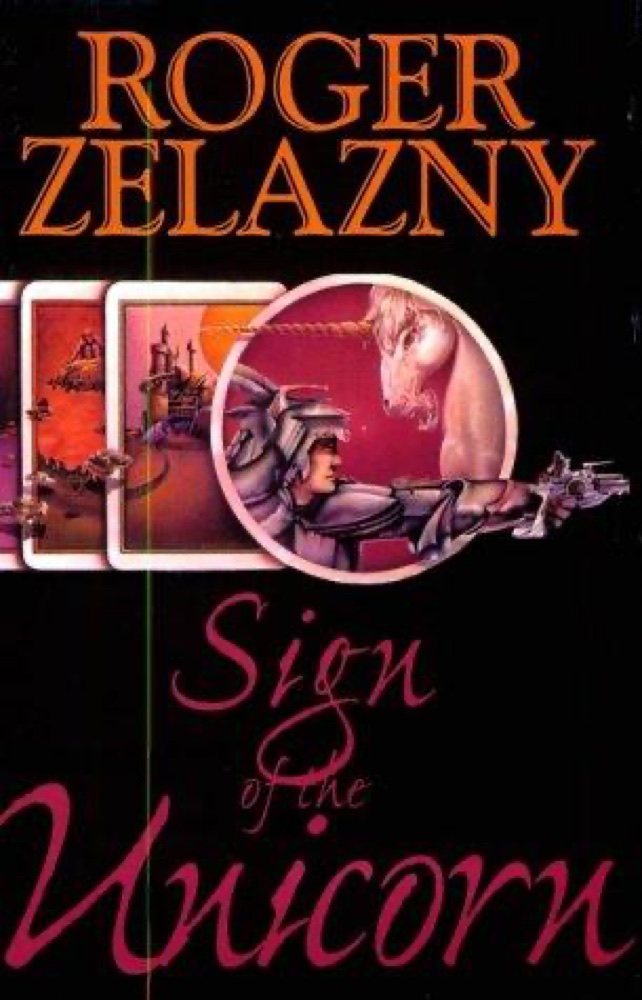

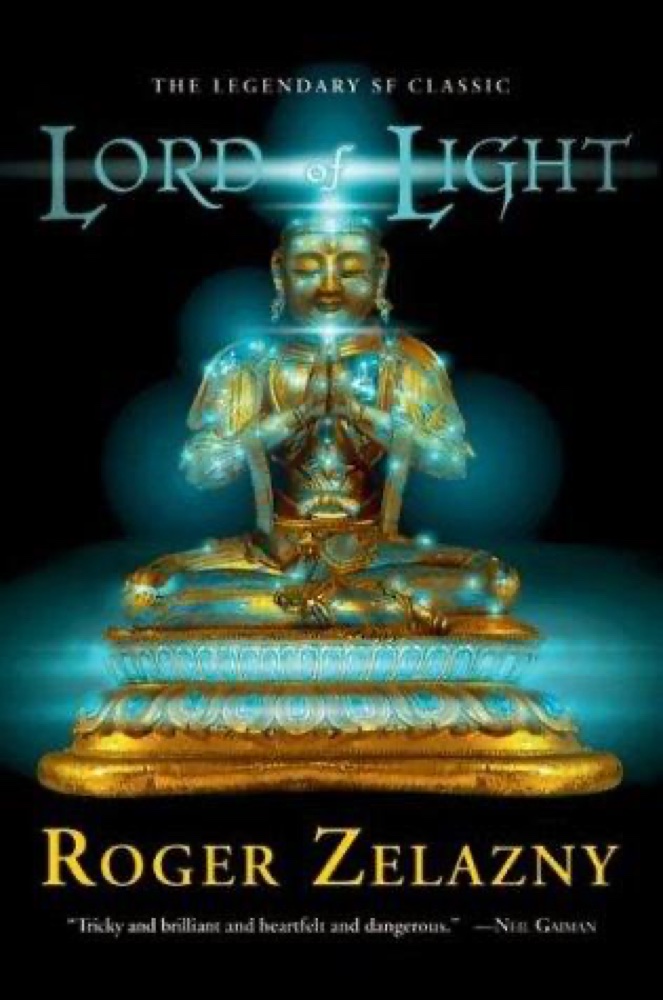
 Lord of Light
Quotes from the Book
To paraphrase Oedipus, Hamlet, Lear, and all those guys, "I wish I had known this some time ago.
While sex heads a great number of lists, we all have other things we like to do in between.
Yes,” he said. “But I wonder . . . I’ve a peculiar feeling that I may never see you again. It is as if I were one of those minor characters in a melodrama who gets shuffled offstage without ever learning how things turn out.” “I can appreciate the feeling,” I said. “My own role sometimes makes me want to strangle the author. But look at it this way: inside stories seldom live up to one’s expectations. Usually they are grubby little things, reducing down to the basest of motives when all is known. Conjectures and illusions are often the better possessions.
Before you are fully aware of anything else, you are aware whether you are awakening in your own bed.
things sort of equal to equal things sort of being equal to each other, it didn’t much seem to matter.
Watch on YouTube
About Roger Zelazny
We have collected 127 quotes from 10 books by Roger Zelazny on BookQuoters.
More about the author →More by Roger Zelazny
All books by Roger Zelazny →
Book details
- Author
- Roger Zelazny
- Genre
- Fiction
- Goodreads rating
- 4.14 (21k ratings) →
Keep reading
 In One Person
 Wittgenstein's Mistress
 The Collected Stories
 Sweet Tooth
 Bright Lights, Big City
 Out of Oz
 The Blindfold
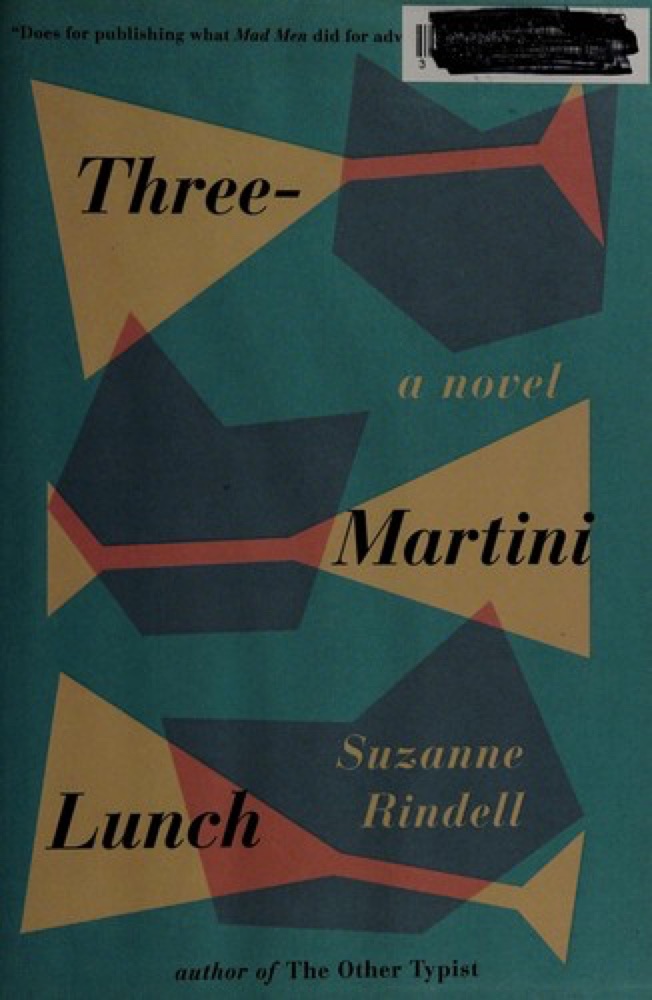 Three-Martini Lunch
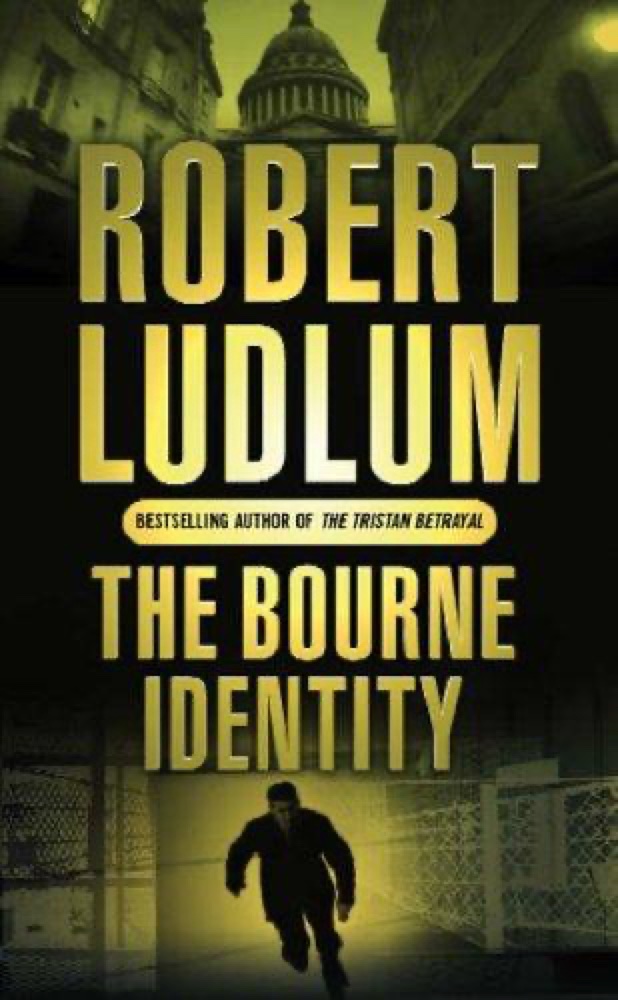 The Bourne Identity
 Sixty Stories
 The Girl Before
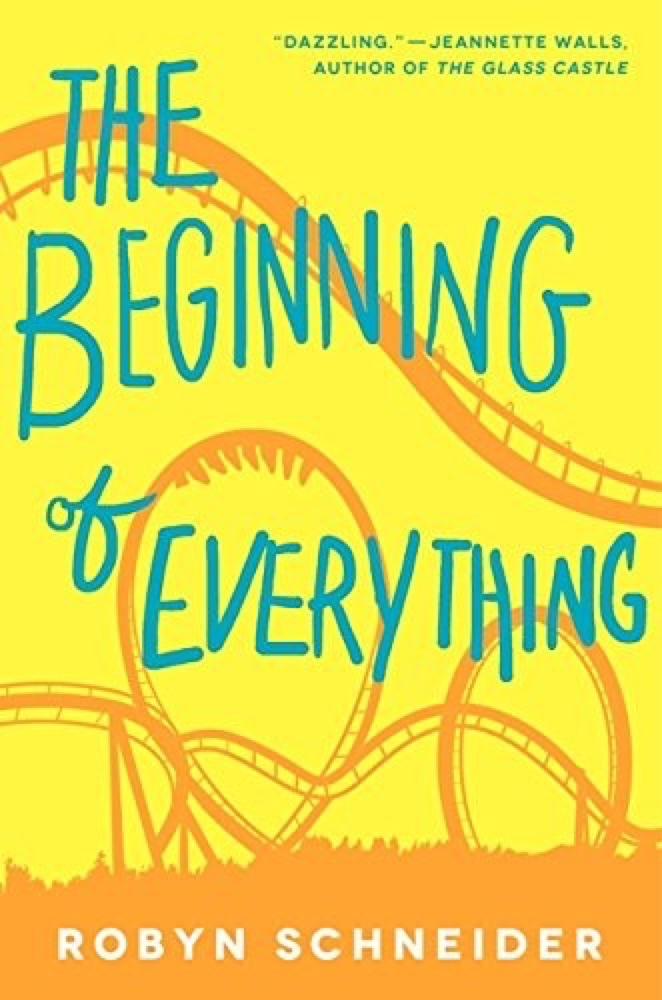 The Beginning of Everything
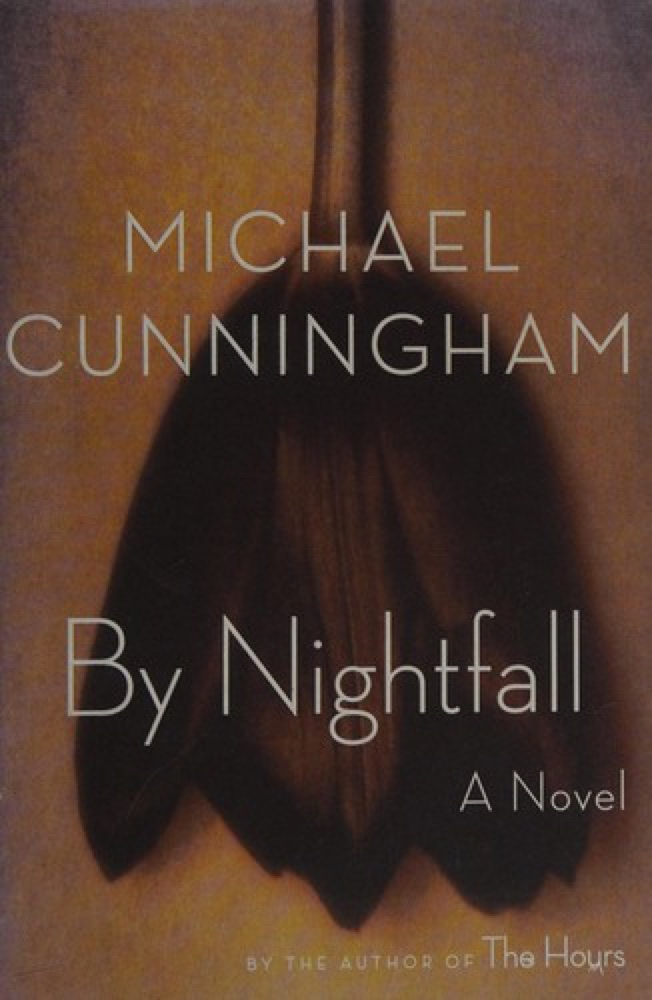 By Nightfall
 David Copperfield
 A Fraction of the Whole
 Mostly Harmless
 A Lion Among Men
 Angle of Repose
 A Thousand Acres
 The Moon and More
 In the Woods
 The Post-Birthday World
 Memoirs of a Teenage Amnesiac
 Speedboat
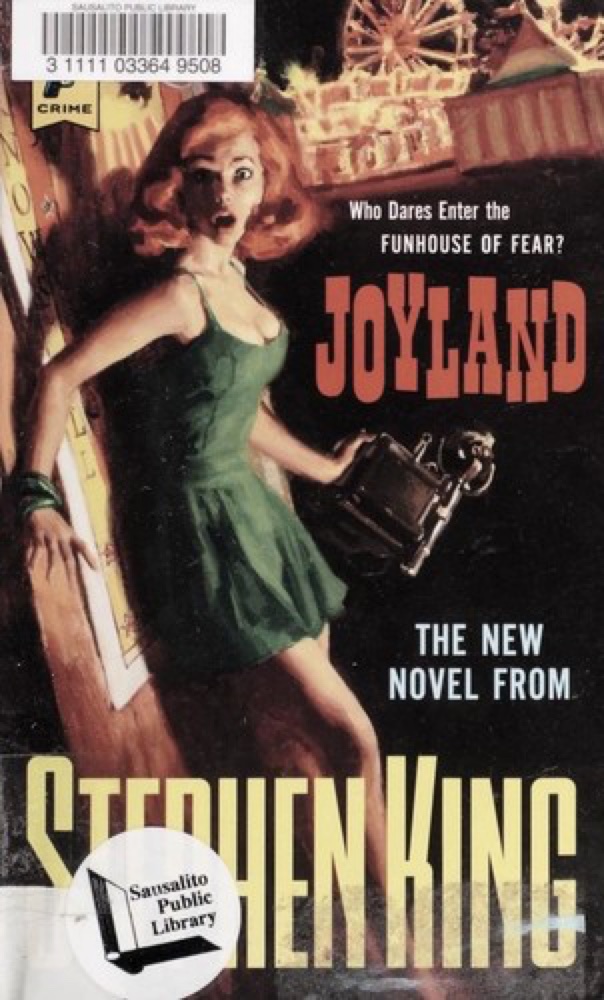 Joyland
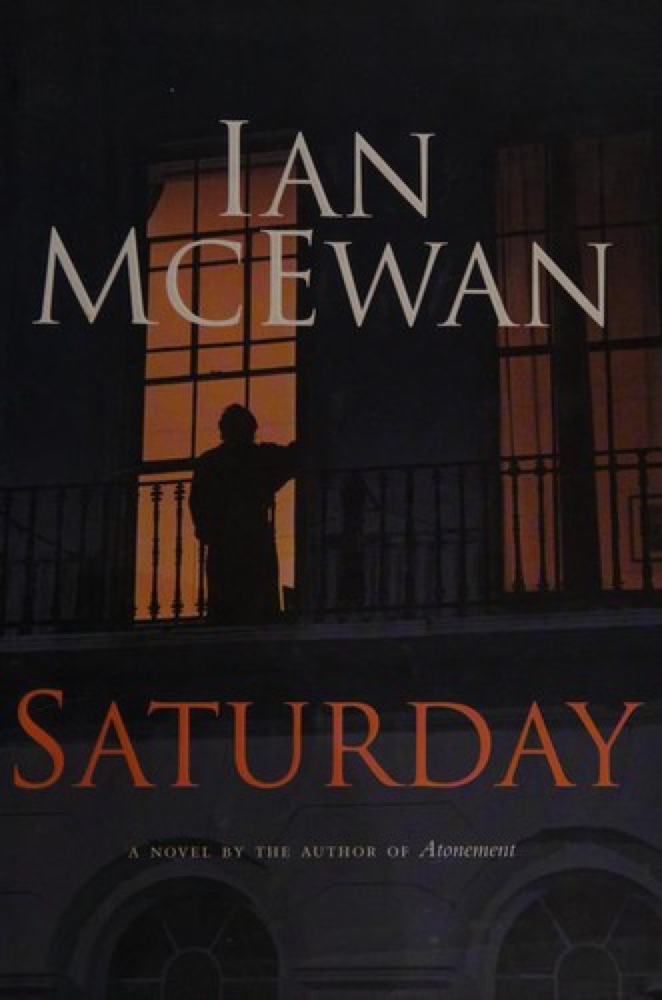 Saturday
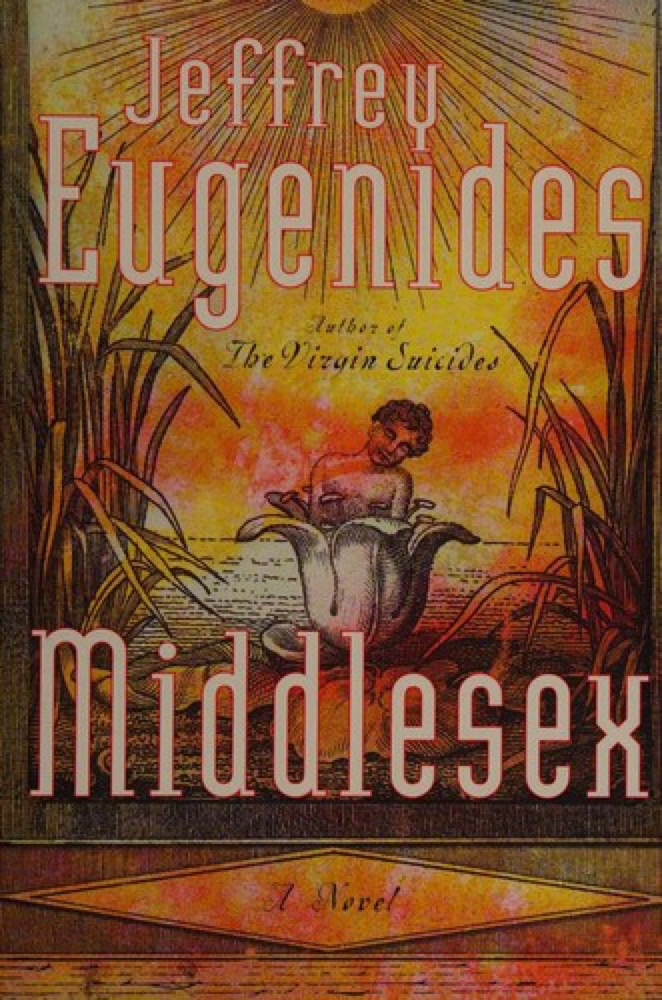 Middlesex
 Too Much Happiness: Stories
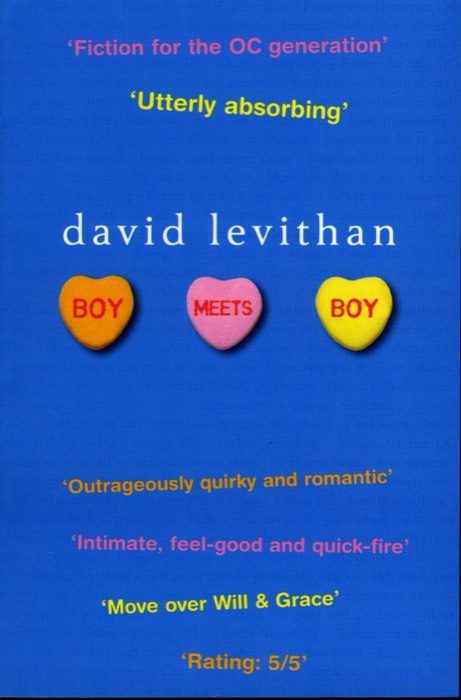 Boy Meets Boy
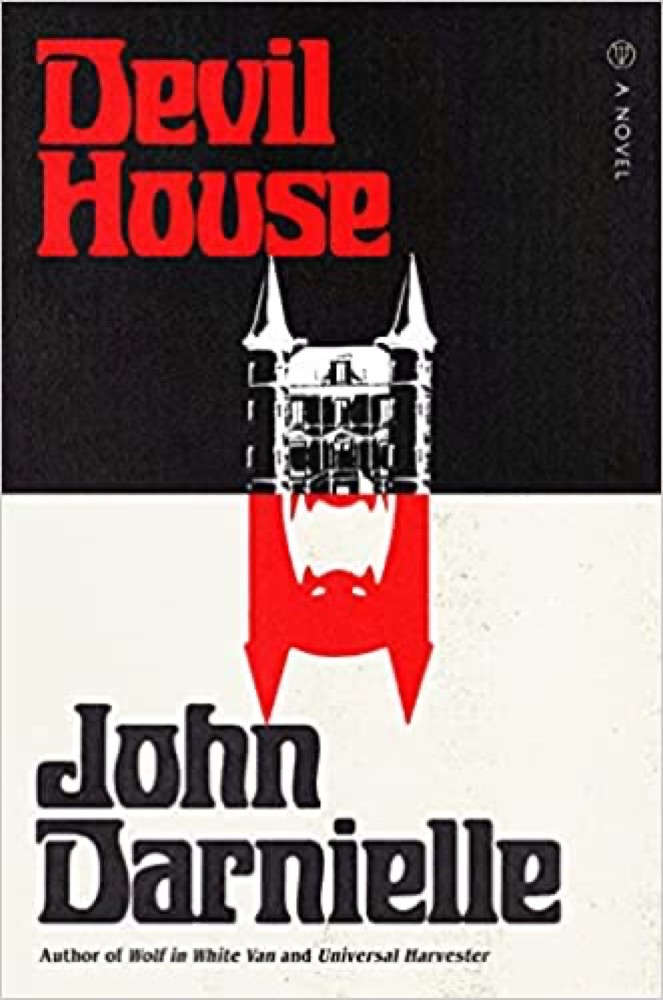 Devil House
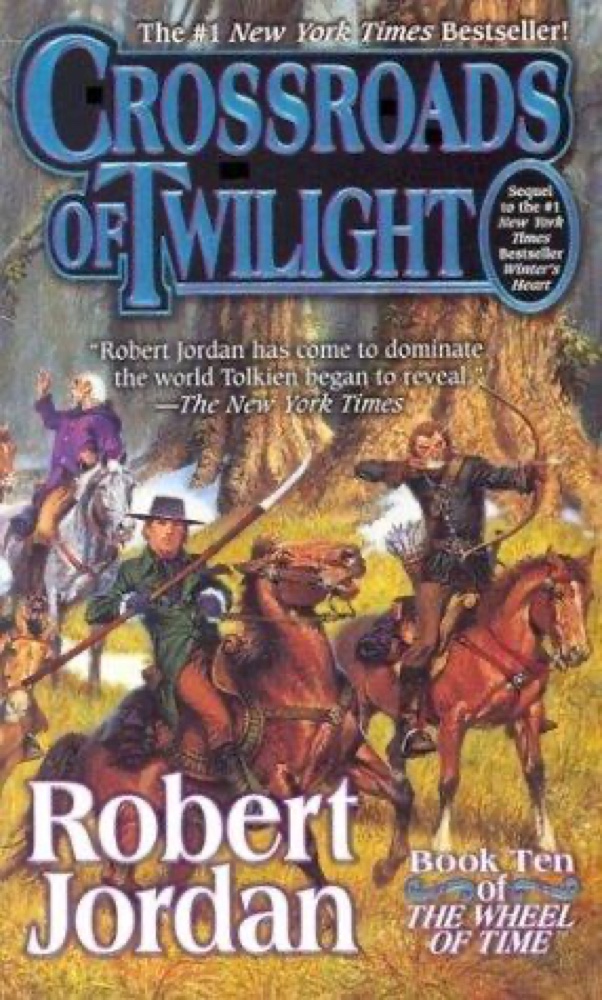 Crossroads of Twilight
 Rules of Civility
 When You Are Engulfed in Flames
 American Wife
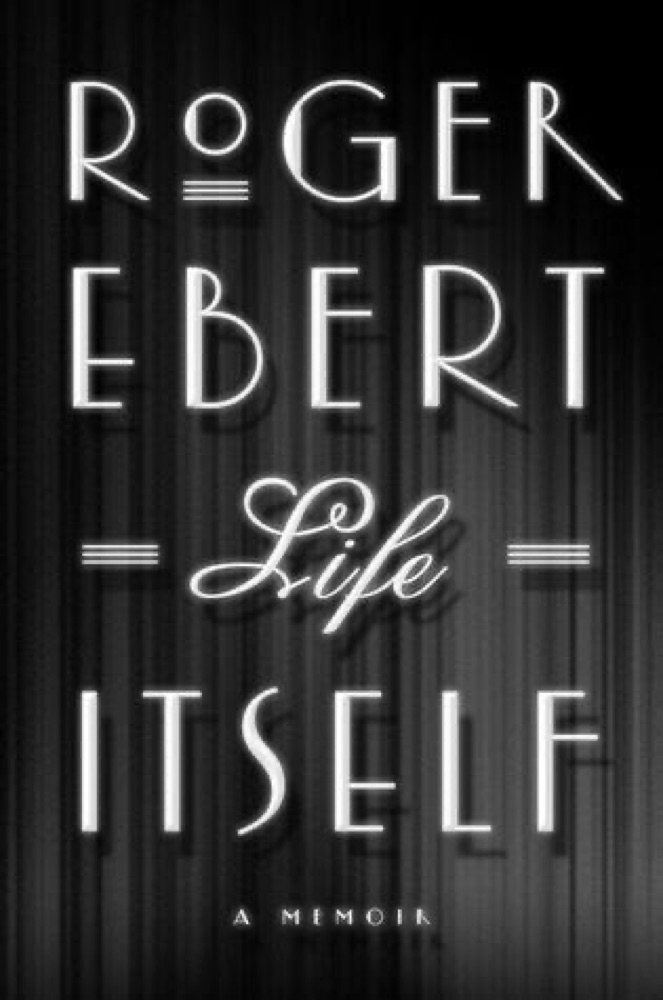 Life Itself
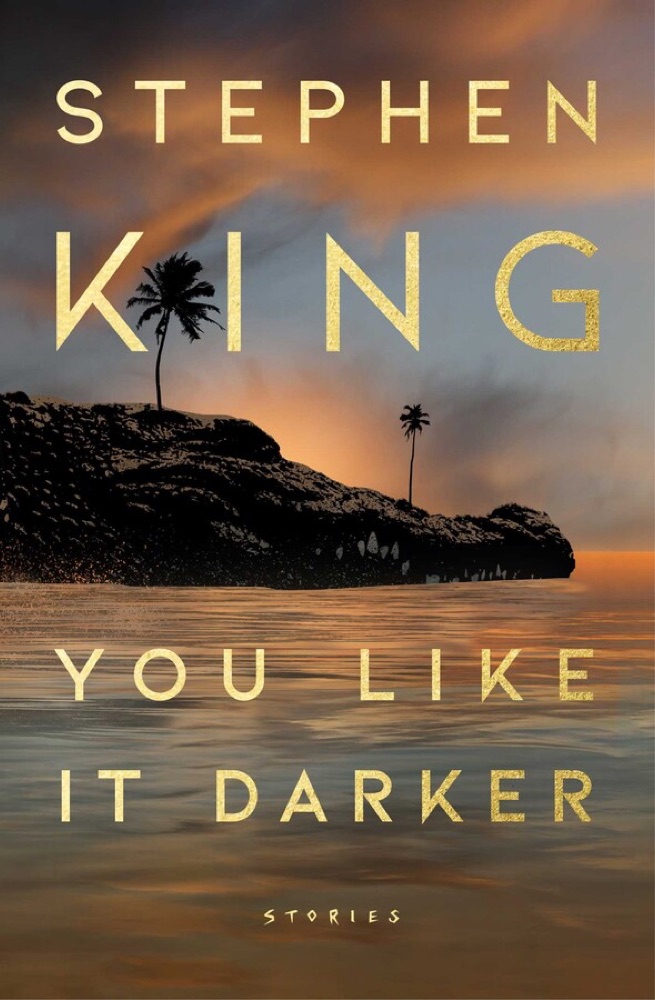 You Like It Darker
 The Weight of Words
 Just After Sunset
 The Mandarins
 A Sport and a Pastime
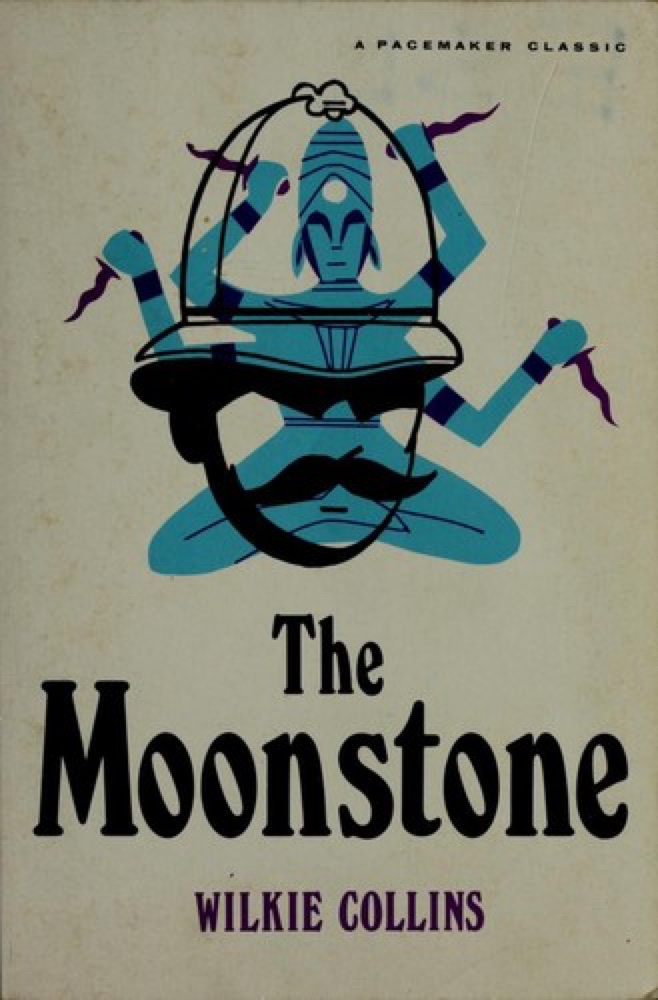 The Moonstone
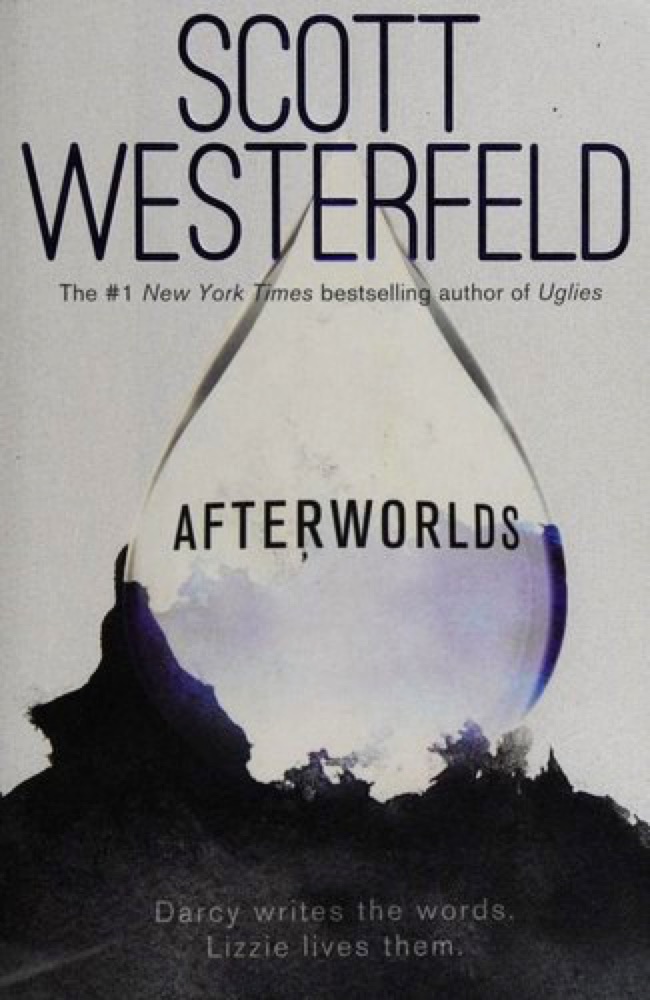 Afterworlds
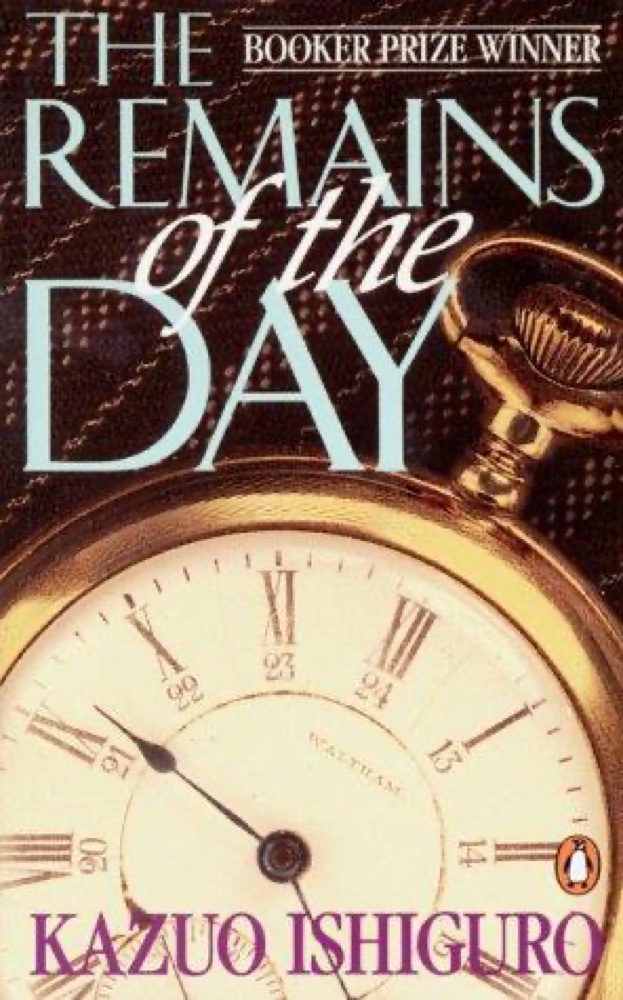 The Remains of the Day
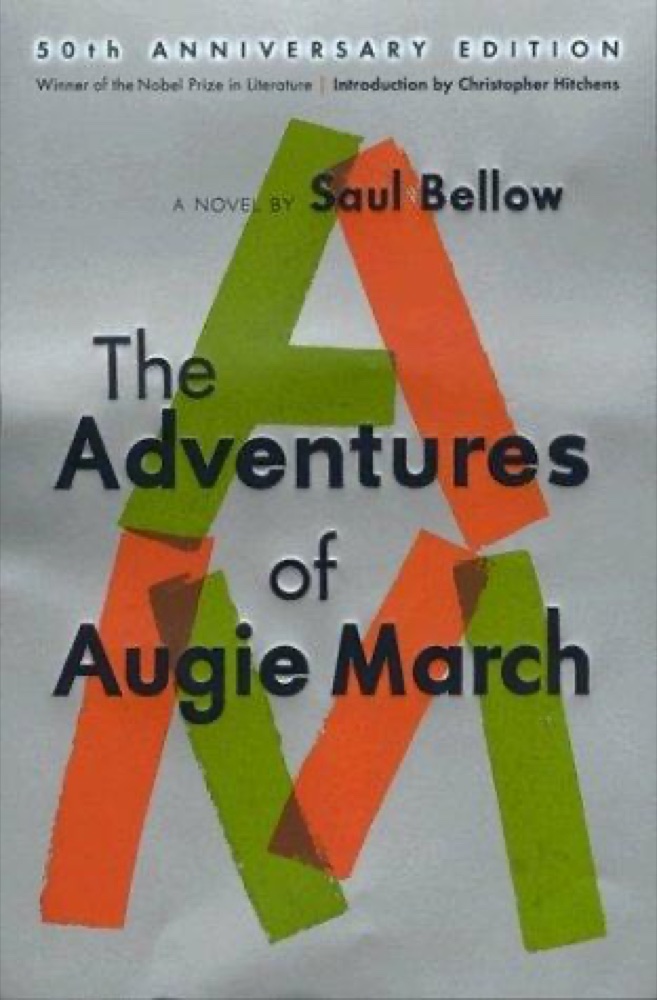 The Adventures of Augie March
 Canada
 Be Careful What You Wish For
 Underworld
 What I Loved
 The Hour I First Believed
 The Gun Seller
 The Illustrated Man
 The Sportswriter
 As You Like It
 The Folded Clock: A Diary
 Sweet Thursday
 Anagrams
 The Night Circus
 Dept. of Speculation
 Belong to Me
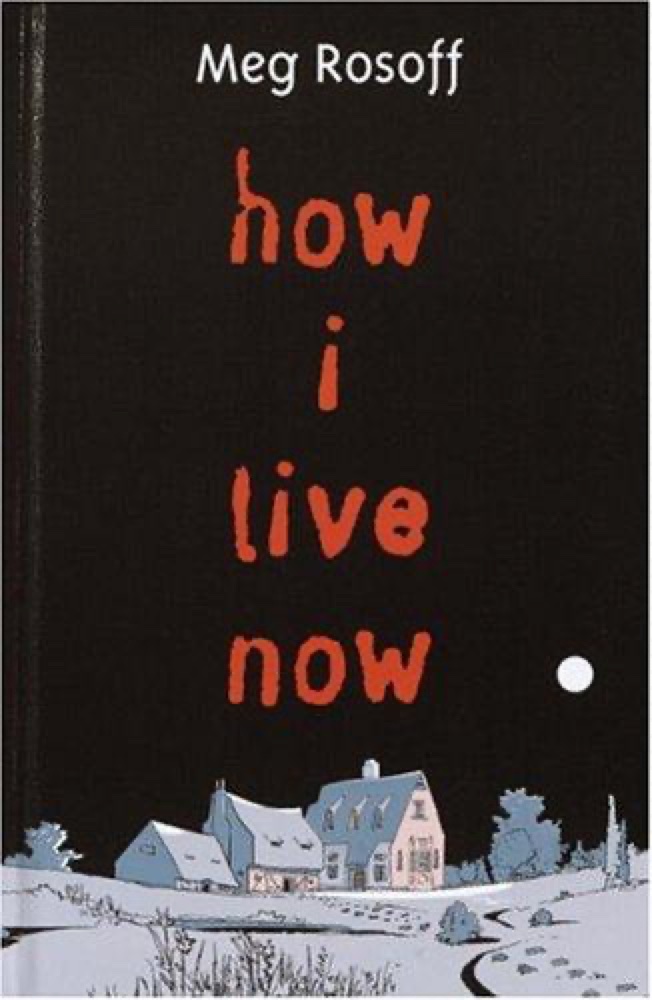 How I Live Now