
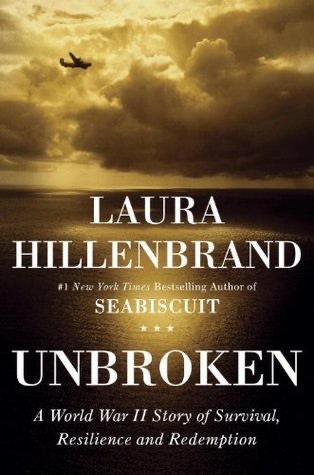
 Unbroken: An Extraordinary True Story of Courage and Survival
Quotes from the Book
His books were the closest thing he had to furniture and he lived in them the way other men live in easy chairs.
...maybe it was better to break a man's leg than to break his heart.
It's easy to talk to a horse if you understand his language. Horses stay the same from the day they are born until the day they die. They are only changed by the way people treat them.
He had no money and no home; he lived entirely on the road of the racing circuit, sleeping in empty stalls, carrying with him only a saddle, his rosary, and his books....The books were the closest thing he had to furniture, and he lived in them the way other men live in easy chairs.
In 1938... the year's #1 newsmaker was not FDR, Hitler, or Mussolini. Nor was it Lou Gehrig or Clark Gable. The subject of the most newspaper column inches in 1938 wasn't even a person. It was an undersized, crooked-legged racehorse named Seabiscuit.
He (Thomas Smith) believed with complete conviction that no animal was permanently ruined. Every horse could be improved. He lived by a single maxim: 'Learn your horse. Each one is an individual, and once you penetrate his mind and heart, you can often work wonders with an otherwise intractable beast.
The racehorse, by virtue of his awesome physical gifts, freed the jockey from himself. When a horse and a jockey flew over the track together, there were moments in which the man's mind wedded itself to the animal's body to form something greater than the sum of both parts.
We had to rebuild him, both mentally and physically, but you don't have to rebuild the heart when it's already there, big as all outdoors.
Old Pops and I have got four good legs between us,” he said. “Maybe that’s enough.
Horses stay the same from the day they are born until the day they die. . . . They are only changed by the way people treat them.
There's more than one thing I can't do and there are a lot more things than that that you can't do or you wouldn't be in the newspaper business. You'd be a jockey and a scholar and a connoisseur of femininity like I am
A Thoroughbred racehorse is one of God's most impressive engines. Tipping the scales at up to 1,450 pounds, he can sustain speeds of forty miles per hour. Equipped with reflexes much faster than those of the most quick-wired man, he swoops over as much as twenty-eight feet of earth in a single stride, and corners on a dime. His body is a paradox of mass and lightness, crafted to slip through air with the ease of an arrow. His mind is impressed with a single command: run. He pursues speed with superlative courage, pushing beyond defeat, beyond exhaustion, sometimes beyond the structural limits of bone and sinew. In flight, he is nature's ultimate wedding of form and purpose.
Man is preoccupied with freedom yet laden with handicaps. The breadth of his activity and experience is narrowed by the limitations of his relatively weak, sluggish body. The racehorse, by virtue of his awesome physical gifts, freed the jockey from himself.
We figure he is the people’s horse, and we propose to train him in the open.
He had a colorless translucence about him that made him seem as if he were in the earliest stages of progressive invisibility.
Who hit you in the butt with a saddle and told you you could ride?" a starter hissed before a race. "The same S.O.B. that hit you in the butt and told you you could start!" he shot back. Pollard had found the one place on earth that could hold his interest. He was broke, hungry, and, according to his sister Edie, "happy as heck.
Howard then made Seabiscuit’s entry for the Santa Anita Handicap. He left the jockey space blank.
The autos alone remained to conquer space.
So long, Charley.”24 He had coined a phrase that jockeys would use for decades.
Each of his workouts was attended by ten thousand or more spectators.
Watch on YouTube
About Laura Hillenbrand
We have collected 49 quotes from 2 books by Laura Hillenbrand on BookQuoters.
More about the author →More by Laura Hillenbrand
Unbroken: An Extraordinary True Story of Courage and Survival
Book details
- Author
- Laura Hillenbrand
- Genre
- History
- Goodreads rating
- 4.23 (170k ratings) →
Keep reading
 The Power of the Dog
 A Connecticut Yankee in King Arthur's Court
 Once a Runner
 The 13½ Lives of Captain Bluebear
 Cannery Row
 Roughing It
 Hadji Murad
 The Sword in the Stone
 Jubal Sackett
 The Eighty-Dollar Champion: Snowman, the Horse That Inspired a Nation
 Black Beauty
 The Horse and His Boy
 The Boys in the Boat: Nine Americans and Their Epic Quest for Gold at the 1936 Berlin Olympics
 Lonesome Dove
 Half Broke Horses
 The Black Stallion
 Ragtime
 The Virginian
 Absolute Power
 Hard Times
 Nation
 The Given Day
 The Good Lord Bird
 Miss Lonelyhearts
 Babbitt
 One of Ours
 From Here to Eternity
 The Known World
 The Bonfire of the Vanities
 The Big Over Easy
 Mornings on Horseback
 The Sailor Who Fell from Grace with the Sea
 The Great Santini
 Hawaii
 Mohawk
 One Summer: America, 1927
 The Reivers
 The Last Hero
 All the Pretty Horses
 Earth Abides
 The Unvanquished
 The Pearl
 The Aeronaut's Windlass
 New York
 The Art of Fielding
 Devil at My Heels: A Heroic Olympian's Astonishing Story of Survival as a Japanese POW in World War II
 The Damnation Game
 The Naked and the Dead
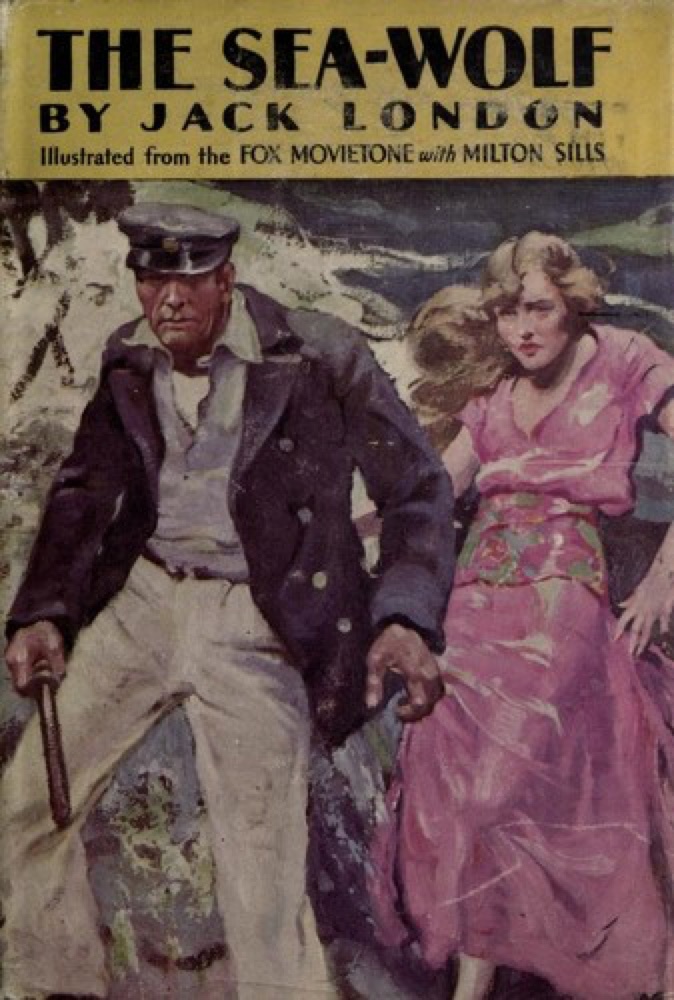 The Sea Wolf
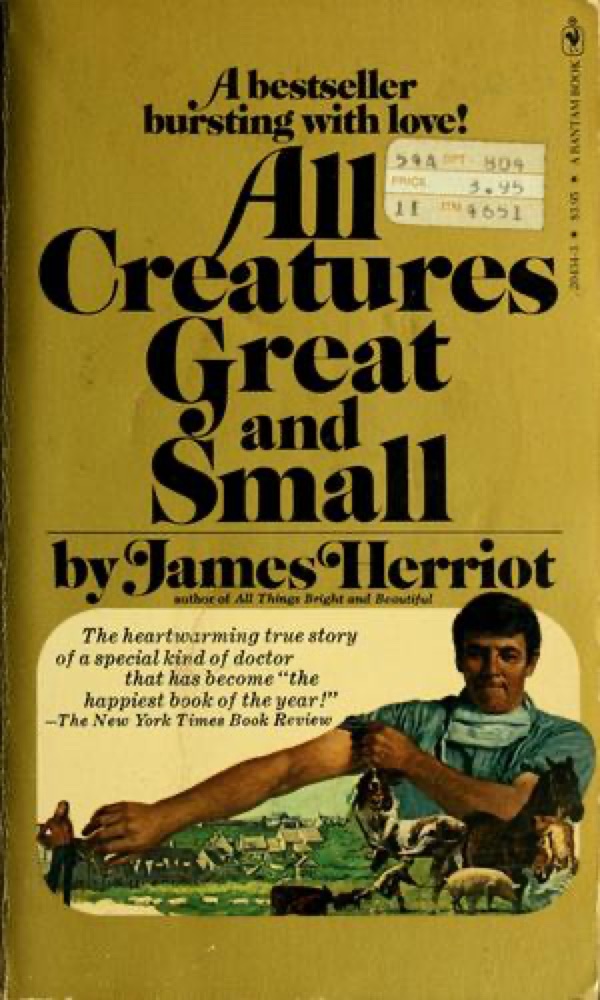 All Creatures Great and Small
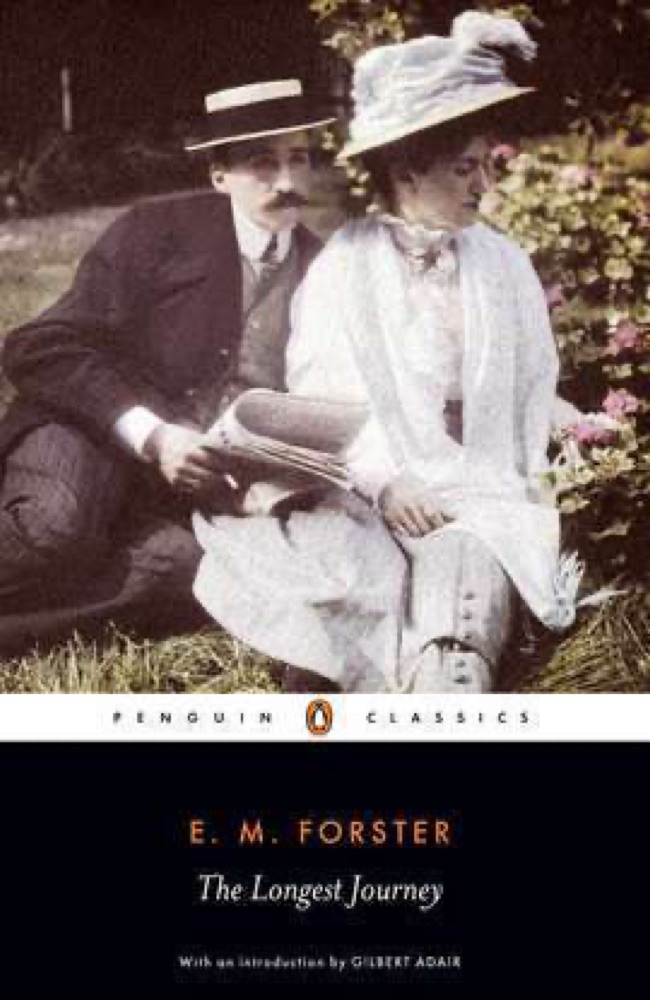 The Longest Journey
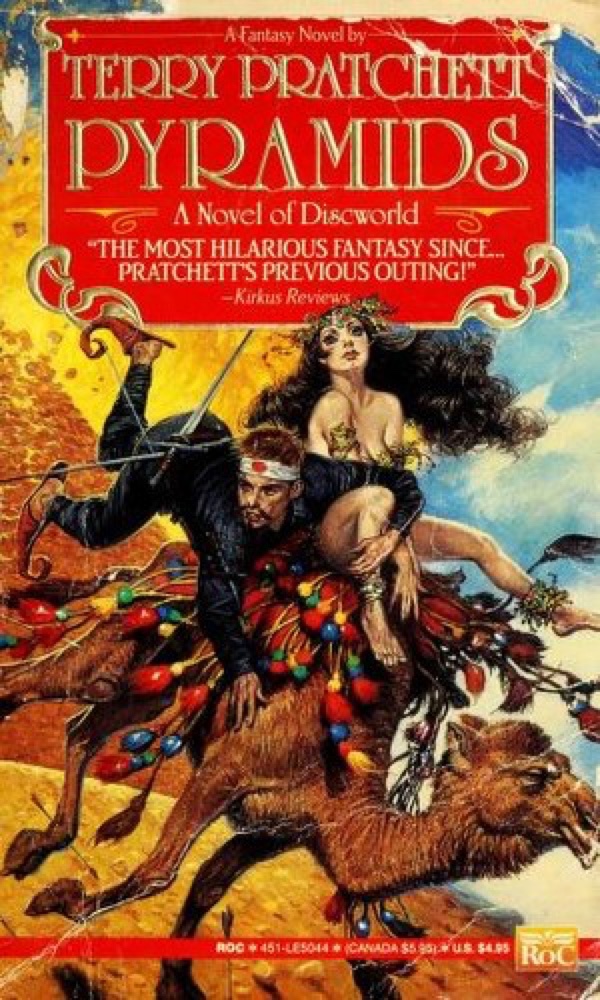 Pyramids
 The Pickwick Papers
 True Grit
 American Colossus: The Triumph of Capitalism, 1865-1900
 Nicholas Nickleby
 Man and Superman
 The Proud Tower: A Portrait of the World Before the War, 1890-1914
 Dead Souls