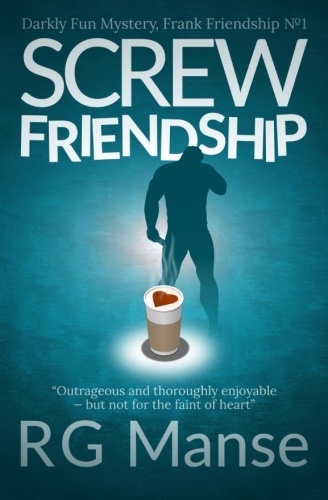

 Indigo's Star
Quotes from the Book
Franny?” Rosy held up the four little Franks. “Could I keep one of these?” Franny looked at her hard for a moment then nodded. “’Course you can, hen,” she said, “But that’s not your daddy.” Rosy gaped. “It’s not?” “That’s my wee darling. That’s my wee Frankie before the devil twisted him into a monster.” She poked her finger into another hole where Frank’s face should have been. Her eyes glinted.
Rosy lifted her arm, tried to say something, then pointed at the cafe, held her head, covered her mouth and—humiliation of humiliations—she began to cry. Right there in the street. “I’m so confused,” she said but it came out as a great honking wail. “Come here, you silly girl,” Phyllis said. The woman put her arms around Rosy, patted her back, and for the first time in forever, Rosy allowed herself to just cry. A young mother with twins in a pram passed them. The children’s eyes tracked Rosy for a second before their faces crumpled and they started to cry too. “I’m sorry,” Rosy said, and flapped her arms. “I’m sorry.
Frank treated customers with the contempt Rosy had only seen before at airport passport control. Even then, she’d never heard an immigration official refer to anybody as baldy. “Hey, baldy,” Frank had said and whistled to call a customer back as though he were down in the paddock with an unruly herd. “You forgot your juice.” Frank held up the bottle of Tropicana orange juice. And when… baldy came back, Frank slapped the bottle into his hand as though passing him the baton in a relay race, then waved the man aside—“Go!”—and pointed at the next customer. “What do you want?” Frank said. “Cheese? Again? That’s three cheese you’ll have had in a row. Are you eating right?” The customer stammered. “Eh-but-eh-but-eh-but,” Frank mimicked. “Never mind. But think up a different filling next time. And not cheese and tomato.” He shook his head and made up the roll.
Rosy ferried the drinks back to the table, slid the Guinness his way. “You said you have a show. Is it a comedy?” “No, but you will laugh, I hope, after hearing my qualifications.” His eyes glittered. “I do magic, with a twist. The twist is, my clothes are the first thing to disappear.” Rosy gaped. “Yes. I do magic… naked. I not only have a big ego.” Marek wiggled his middle finger. “I have a big wand.
Rosy’s mummy hands Franny a clear plastic bag full of reject biscuits, then Rosy holds her cheek out for Franny’s wet kiss. Rosy wipes the slime from her face and Franny cackles, then shows them both into the lounge. There on Franny’s coffee table is a biscuit tin with a Christmas picture on the lid. Proper shop-bought biscuits, not factory rejects. “Please, may I have a biscuit?” Rosy says. “Oh, there are no biscuits in that my darling,” Franny says, and pulls the tin from Rosy’s prying fingers. Franny holds open the bag of crumb-speckled chocolate digestives. “Help yourself, my wee hen.” Rosy settles for a reject. Franny puts the Christmas tin up high, way up high, way out of reach.
Rosy waited as long as she dared then sat forward and let her eye rove Franny’s lounge, up and down the shelves, looking for something, not even sure she could bring herself to act if she saw it again, already convinced this was her worst ever idea
About R.G. Manse
We have collected 6 quotes from 1 book by R.G. Manse on BookQuoters.
More about the author →Book details
- Author
- R.G. Manse
- Genre
- Fiction
- Goodreads rating
- 3.68 (128 ratings) →
Keep reading
Indigo's Star
 Monster High
 On the Edge
 The Dead Girls' Dance
 Feast of Fools
 It Happened One Autumn
 Saffy's Angel
 Croak
Croak
 The Body Finder
 One Dark Throne
 Devil's Daughter
 Nice Girls Don't Live Forever
 Reborn Yesterday
 Wake
Wake
 Witness in Death
 UnEnchanted
 Ghost Town
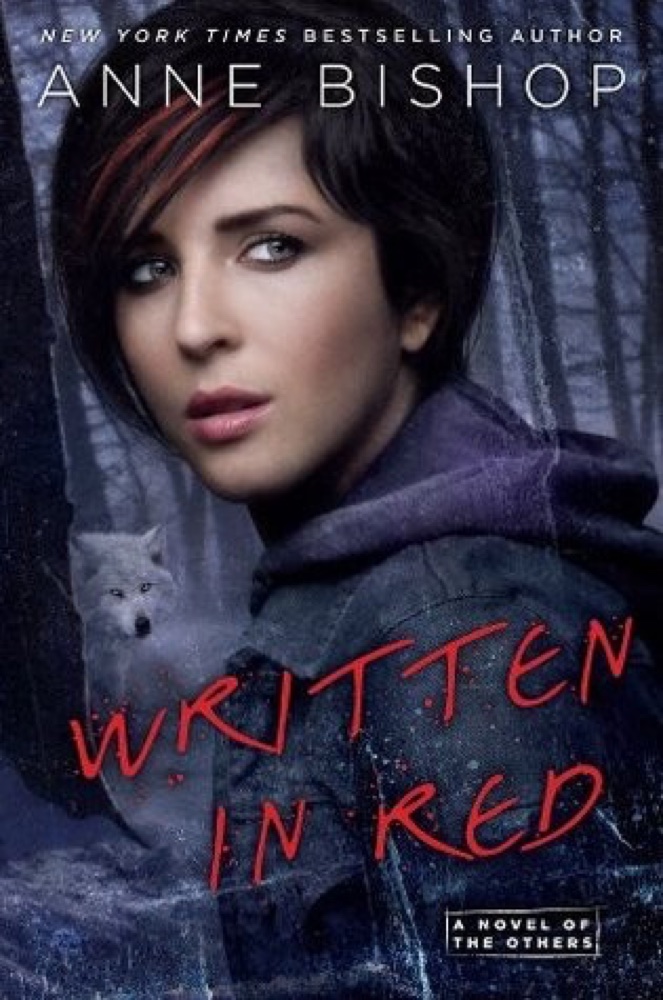 Written in Red
 Lies
Lies
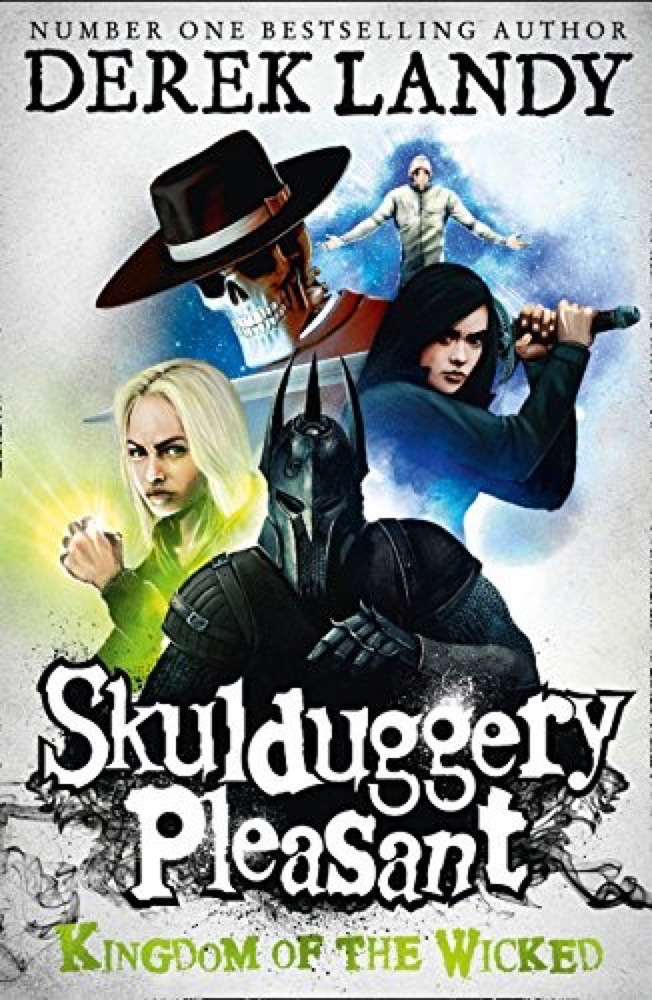 Kingdom of the Wicked
 Yours to Keep
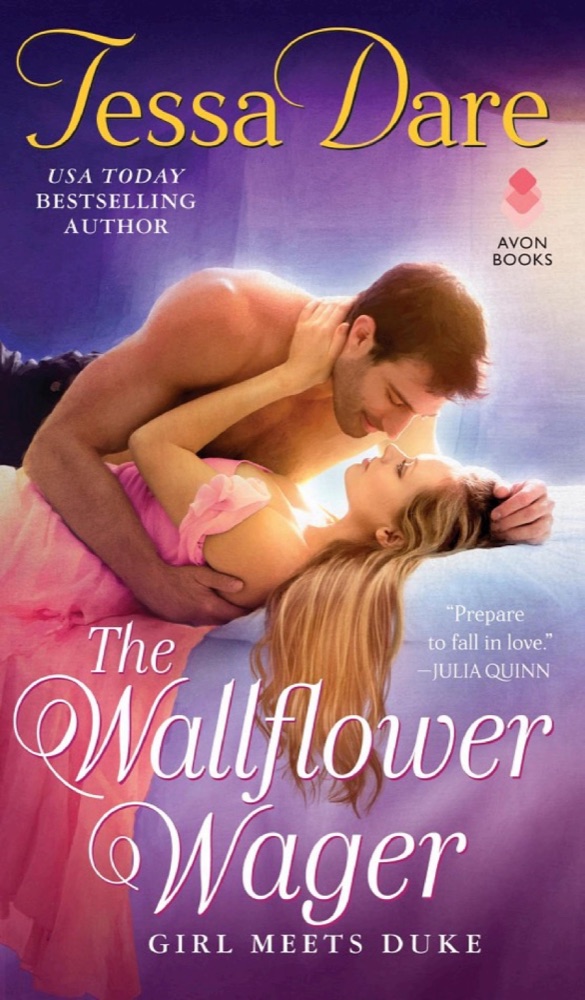 The Wallflower Wager
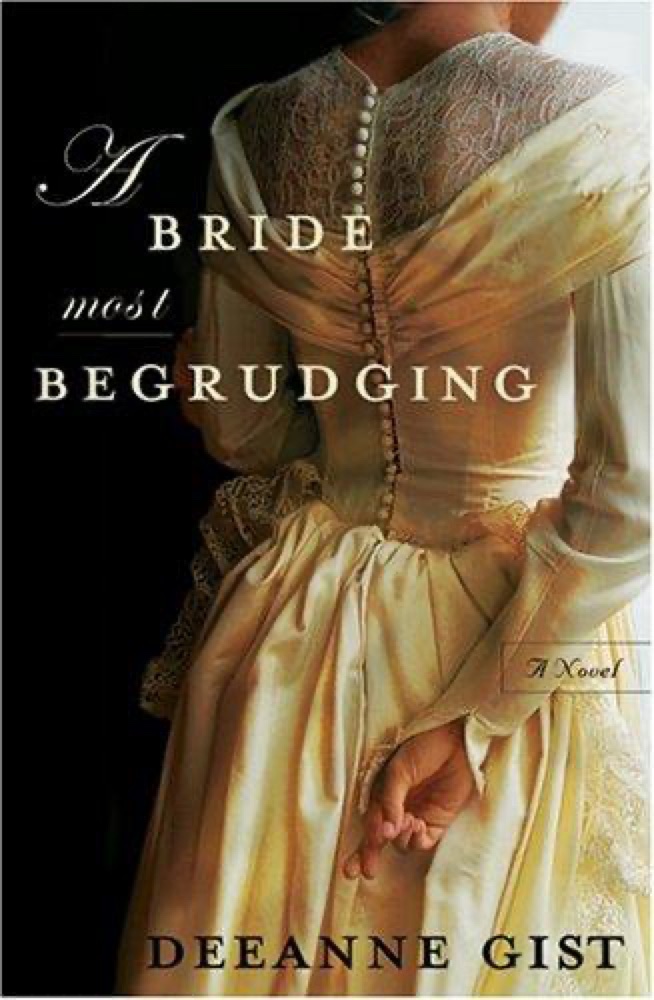 A Bride Most Begrudging
 Bet Me
 Double Standards
 The Actor and the Housewife
 A Perfect Blood
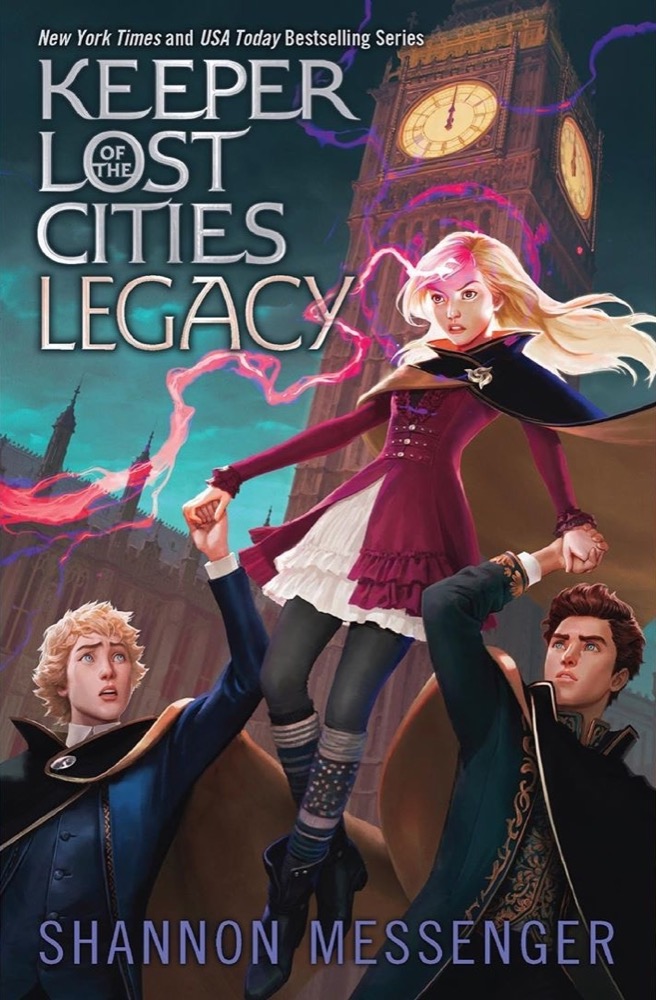 Legacy
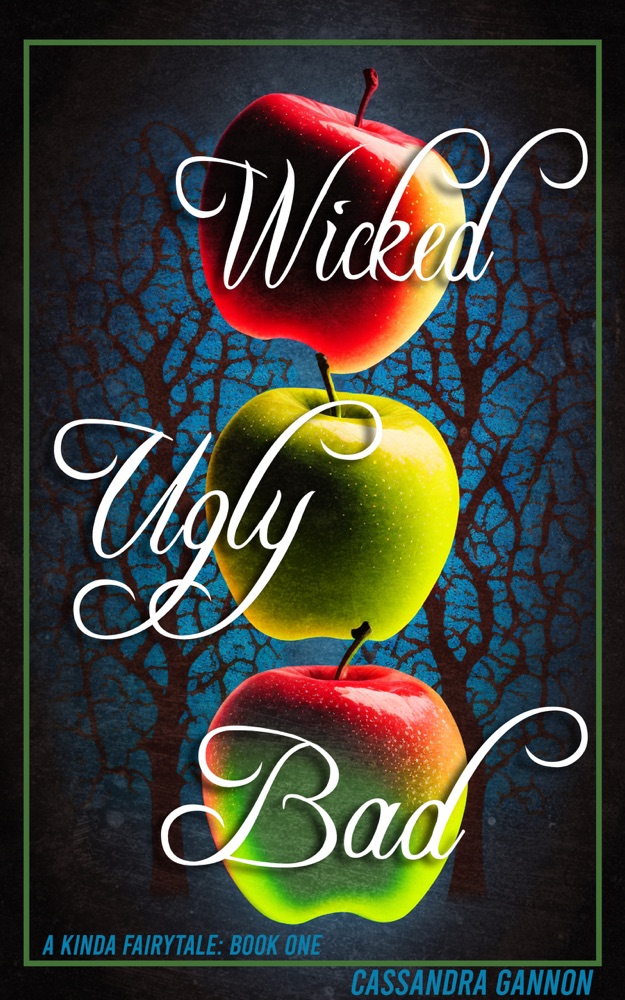 Wicked Ugly Bad
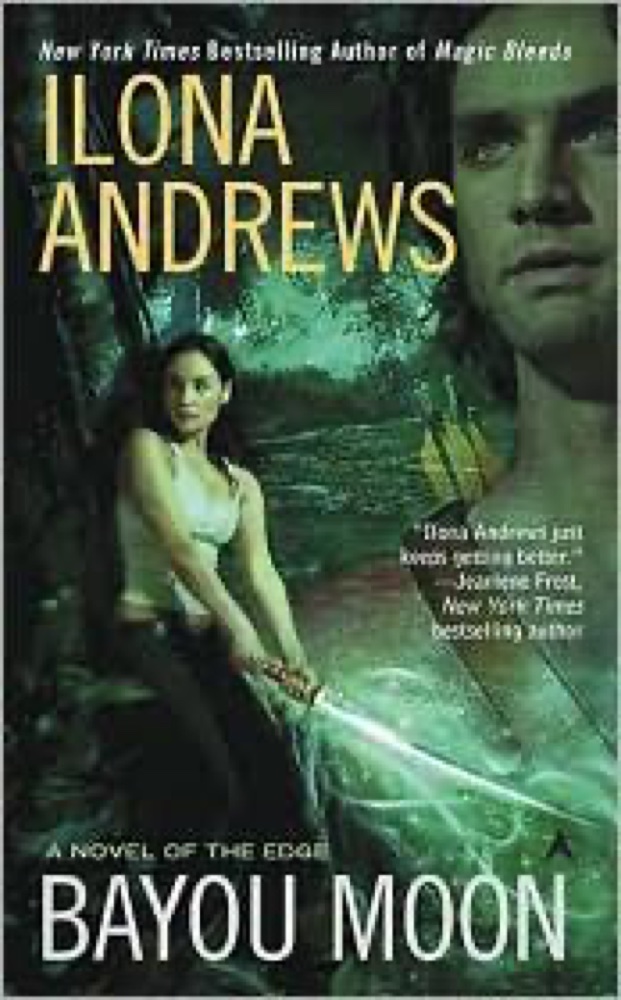 Bayou Moon
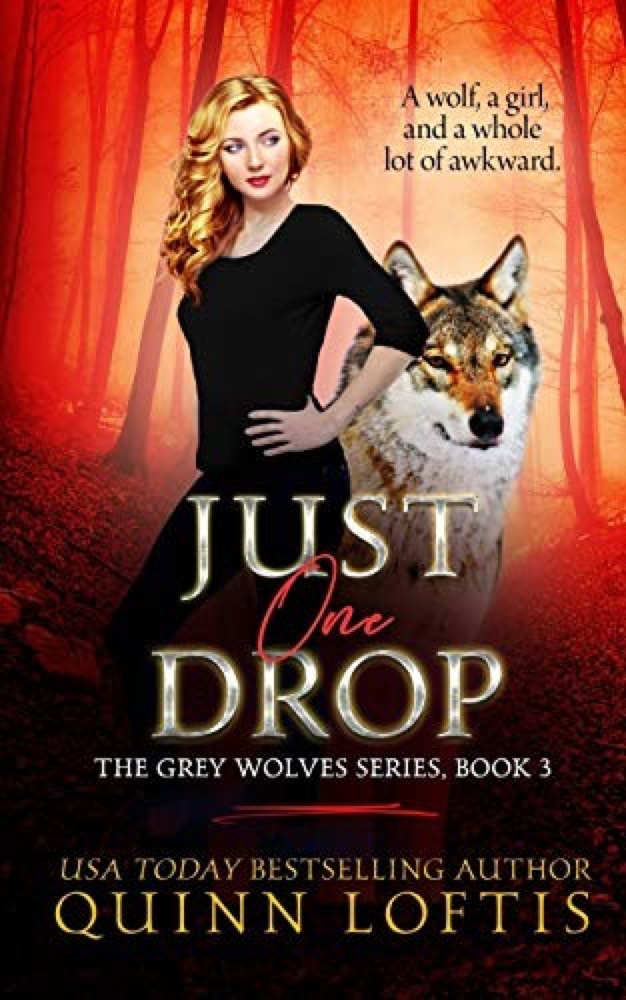 Just One Drop
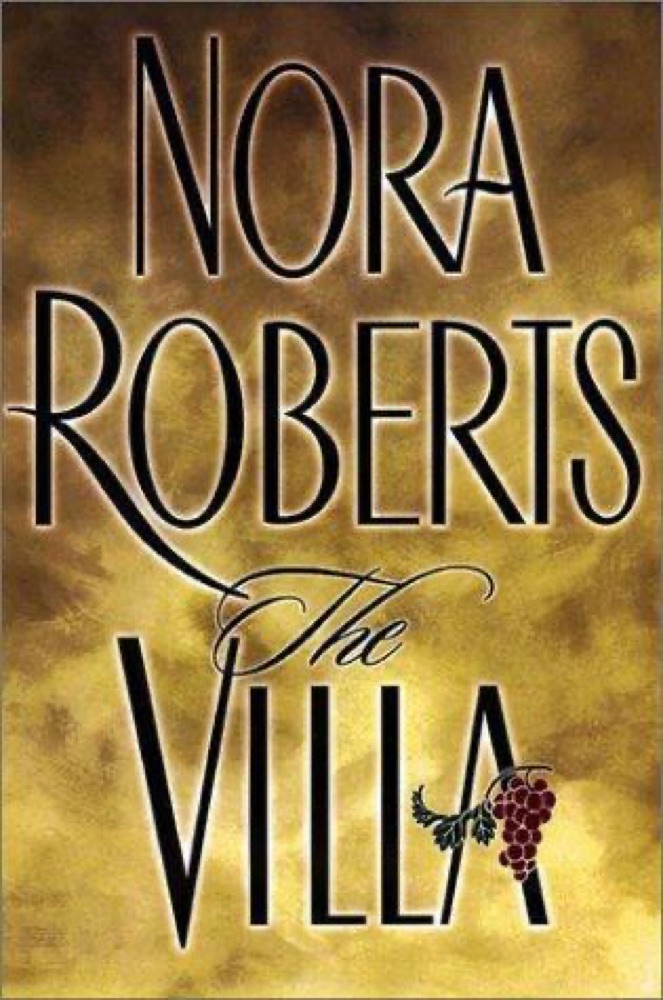 The Villa
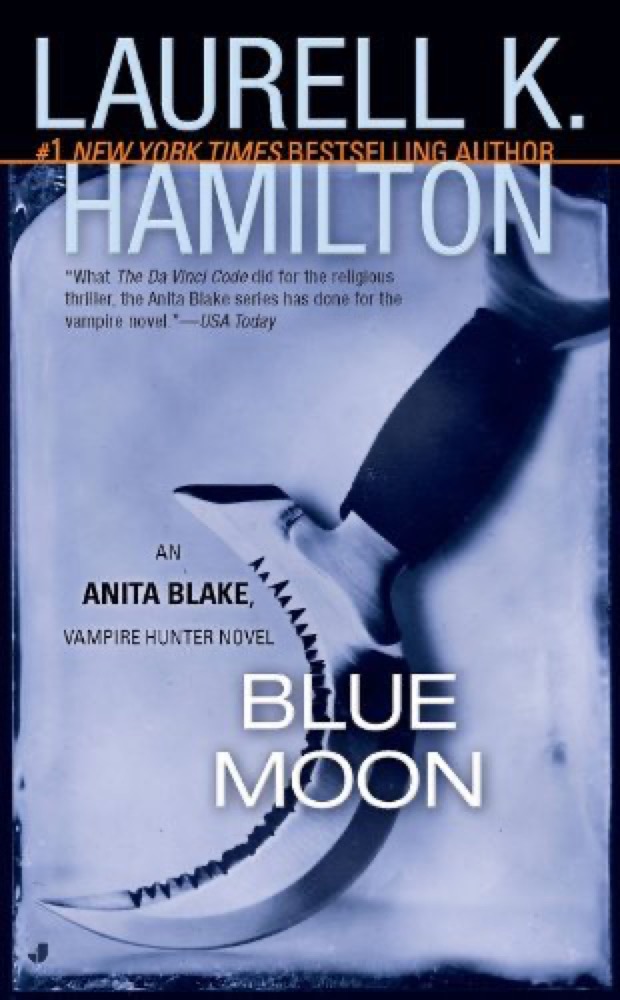 Blue Moon
 Kill Me Softly
 Curtsies & Conspiracies
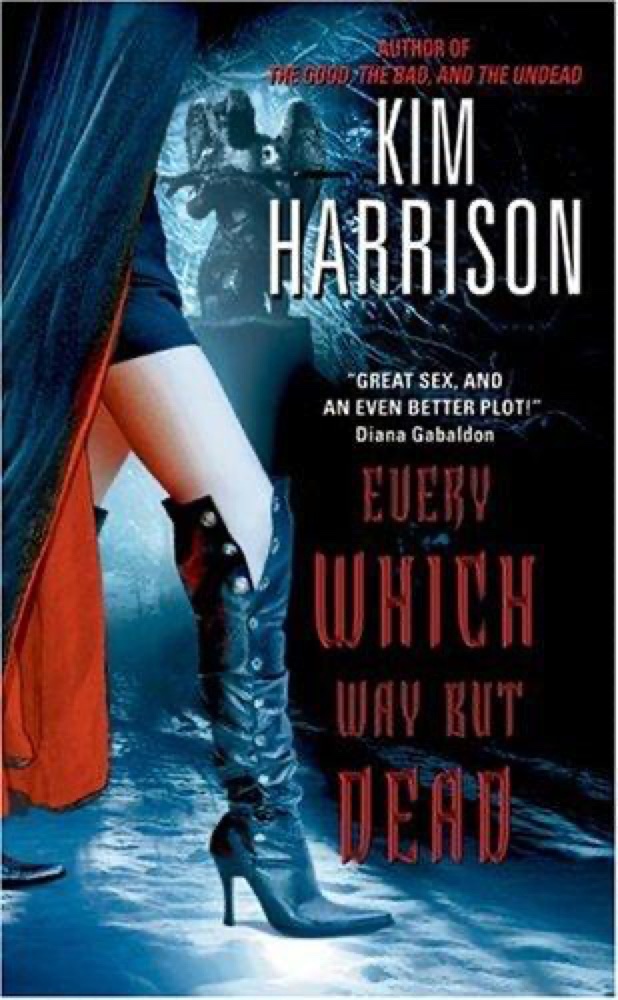 Every Which Way But Dead
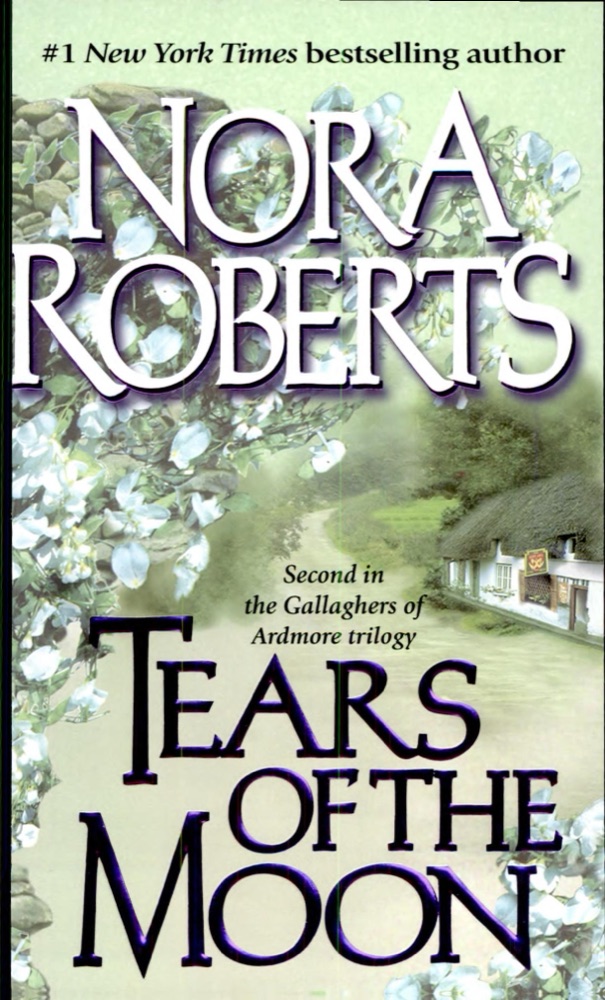 Tears of the Moon
 A Restless Truth
 Irish Rebel
 Caught
 The Girl Next Door
 Sarah's Key
 Big Bad Beast
 Pack Challenge
 Dearly, Departed
 Pale Demon
 The Duke and I
 Promises in Death
 Waiting for Summer's Return
 Battle Royal
 Burnt Offerings
 The Lunatic Cafe
 Forgiving Lies
 Vampire Mine
 Playing for Keeps
 Ruby Red
 Golden in Death
 Fade
Fade
 Gunmetal Magic
 Nine Rules to Break When Romancing a Rake