
 The Sunne in Splendour
Quotes from the Book
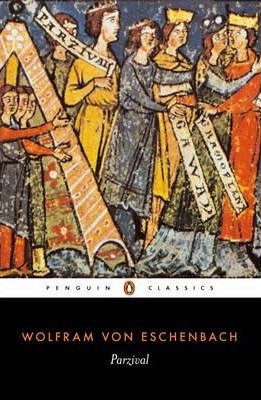
No, Sir, his manners are such that he would not know how to ask a woman to accept his service, although his looks are of Love's color.
Then the King of Arragon pushed old Utepandragun over his horse’s tail down on to the meadow – the King of Britain! – where he lay in a bed of flowers!
Alas that he did not ask the question then! I still sorrow for him on that account. For when the sword was put into his hand, it was a sign to him that he should ask. And I pity too his sweet host whom God's displeasure does not spare and who could have been freed from it by a question.
Sir, if you are otherwise discreet, you will consider that you have gone far enough. At my brother's request I am treating you no less kindly than Ampflise treated my uncle Gahmuret, without going to bed together. My kindness would in the long run outweigh hers, if anyone were to weigh us properly. And besides, Sir, I don't know who you are, and yet in such a short space of time you want to have my love.
The guest perceived his host's sorrow, for he had recounted it so clearly, and he said, "Sir, I am not wise, but if I ever win knightly fame so that I am fit to ask for love, you shall give me Liaze your daughter, the lovely maid. You have told me too much sorrow. If I can relieve it then, I will not let you bear so great a burden of it.
I am told that Meljanz also had adorned himself richly for battle. His courage too was high, and he rode a handsome Castilian which Meljacanz had won from Keie when he flung him so high with his thrust that Keie was caught on the branch of a tree and hung there.
Watch on YouTube
About Wolfram von Eschenbach
We have collected 6 quotes from 1 book by Wolfram von Eschenbach on BookQuoters.
More about the author →Book details
- Author
- Wolfram von Eschenbach
- Genre
- Classics
- Goodreads rating
- 3.73 (4k ratings) →
Keep reading
The Sunne in Splendour
 The Canterbury Tales
 Master of Crows
 Allegiance
 Lord John and the Brotherhood of the Blade
 Sacrifice
 The Raven Prince
 The Persian Boy
 King Henry IV, Part 1
 One Dance with a Duke
 The King of Attolia
 The Captive Maiden
 When Beauty Tamed the Beast
 Quintana of Charyn
 Lord of the Fading Lands
 Parade's End
 The Fell Sword
 My Lady Jane
 Lord of Scoundrels
 How the Marquess Was Won
 Le Morte d'Arthur: King Arthur and the Legends of the Round Table
 Devil's Cub
 A Conspiracy of Kings
 The Hallowed Hunt
 Captive Prince
 Devil's Brood
 Cotillion
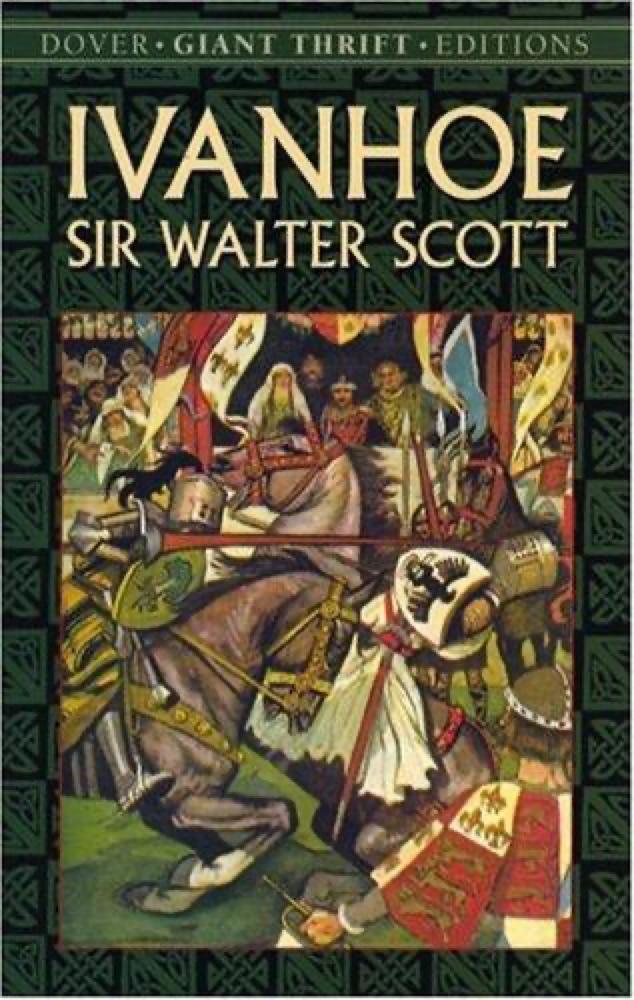 Ivanhoe
 When Christ and His Saints Slept
 The Hero and the Crown
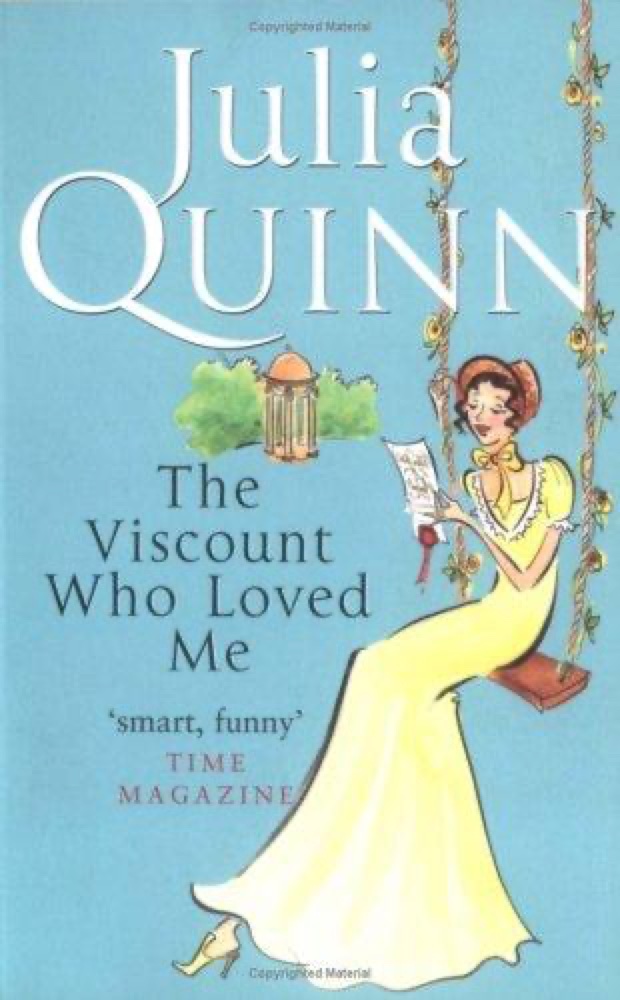 The Viscount Who Loved Me
 The White Queen
 The False Prince
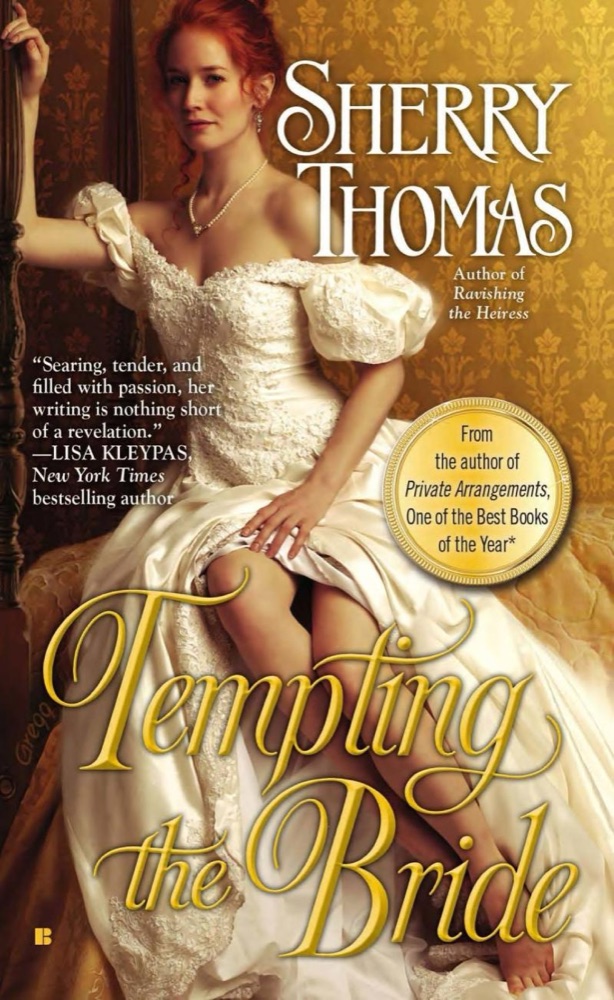 Tempting the Bride
 The Pale Horseman
 Ptolemy's Gate
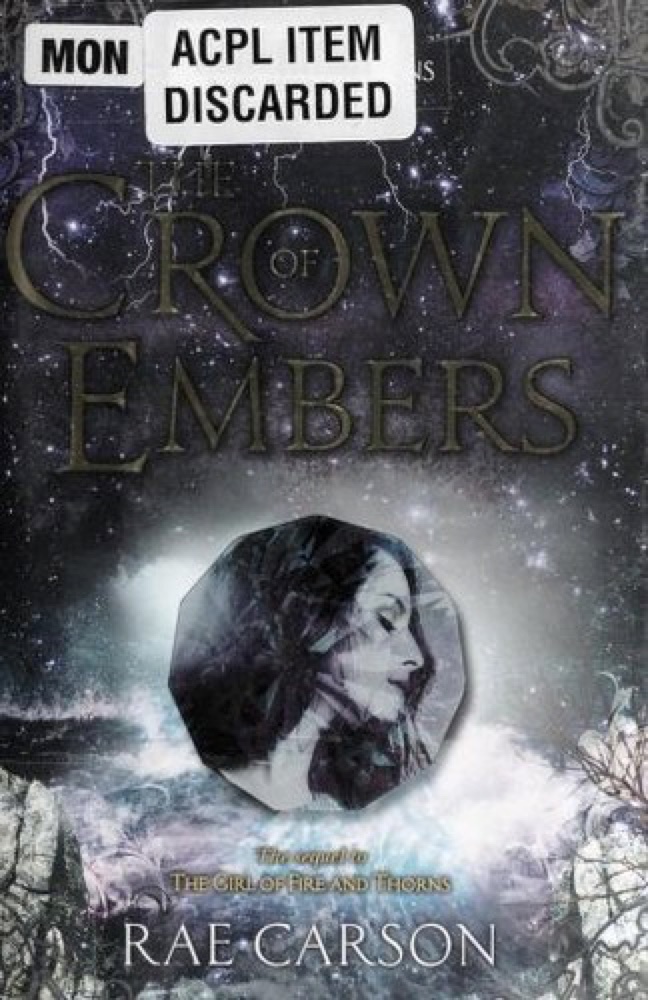 The Crown of Embers
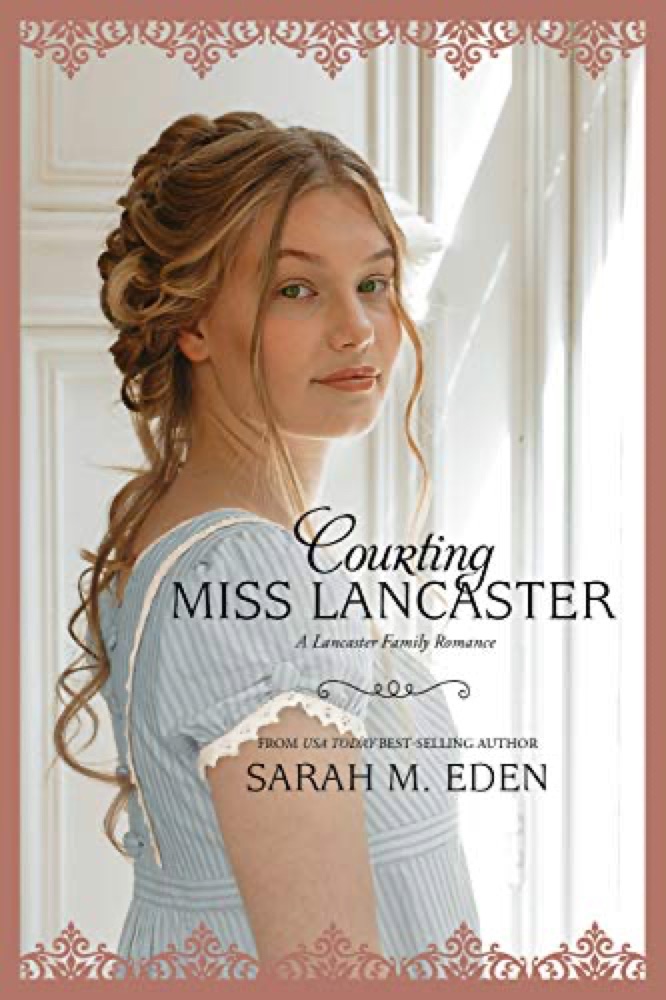 Courting Miss Lancaster
 At Your Pleasure
 The Unknown Ajax
 Lord John And The Hand Of Devils
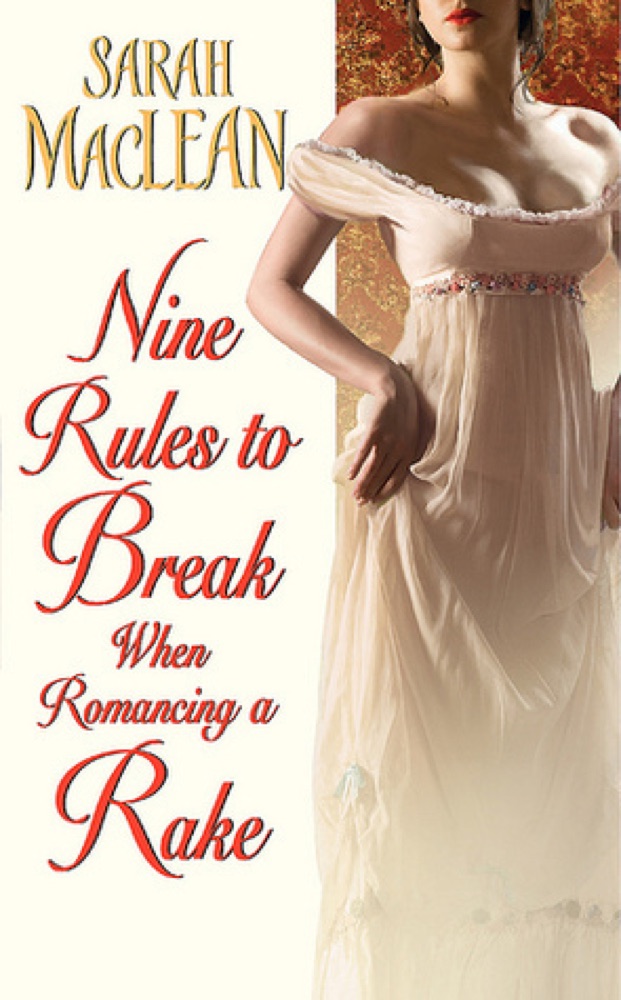 Nine Rules to Break When Romancing a Rake
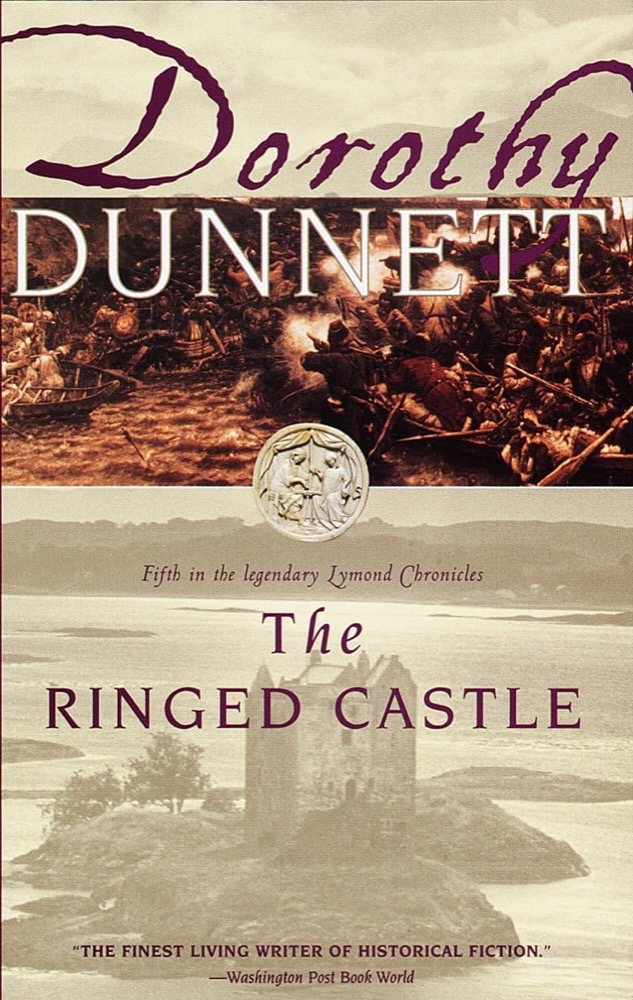 The Ringed Castle
 Kiss of the Highlander
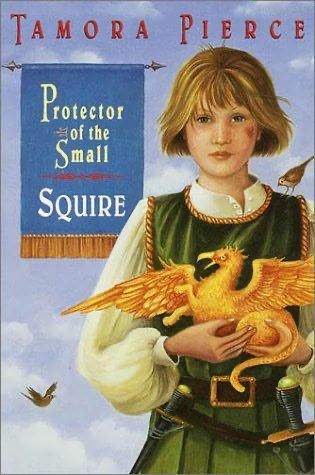 Squire
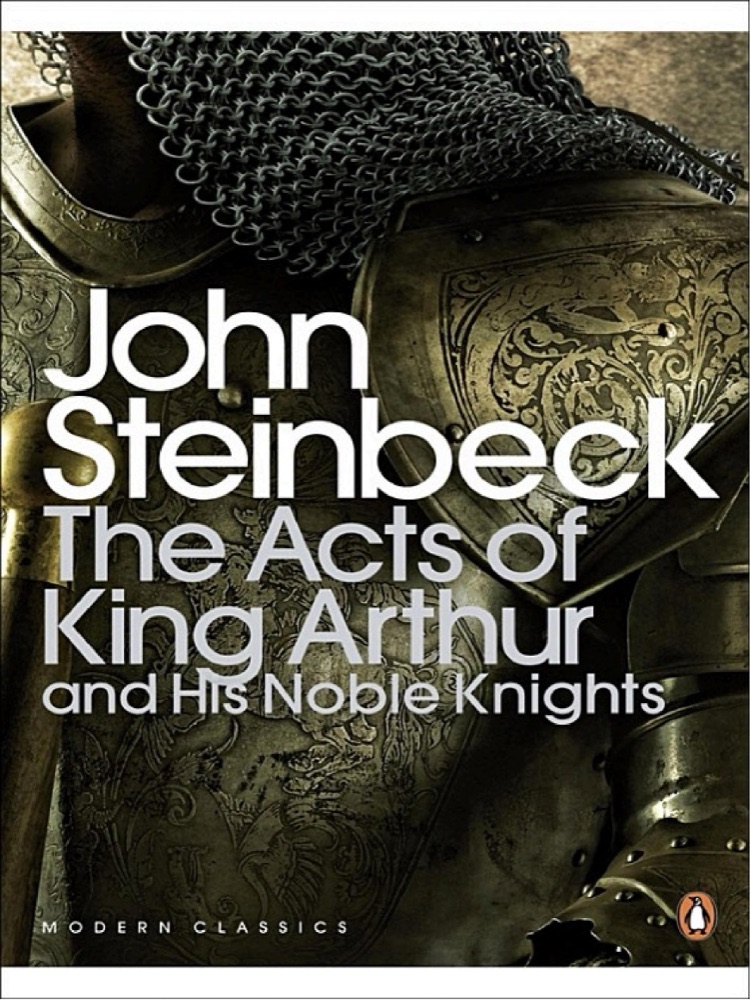 The Acts of King Arthur and His Noble Knights
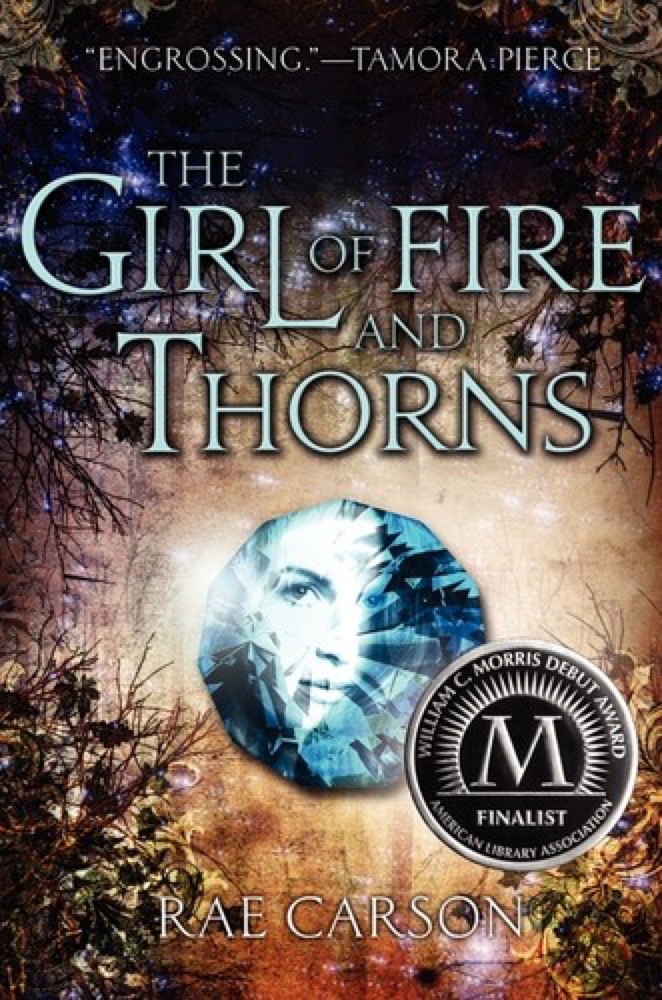 The Girl of Fire and Thorns
 When He Was Wicked
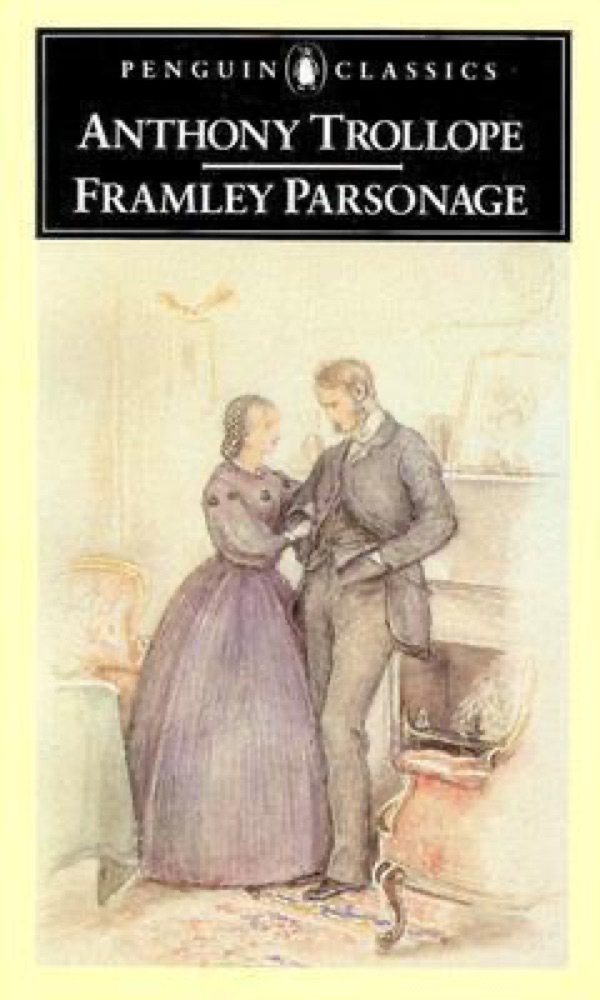 Framley Parsonage
 Devil in Winter
 The Prisoner of Zenda
 Court Duel
 A Perilous Undertaking
 The Scarlet Pimpernel
 The King Must Die
 The High King
 Grimm's Complete Fairy Tales
 Mademoiselle de Maupin
 A Storm of Swords
 Twenty Years After