 The Wings of the Dove
Quotes from the Book
Everything begins and ends at exactly the right time and place.
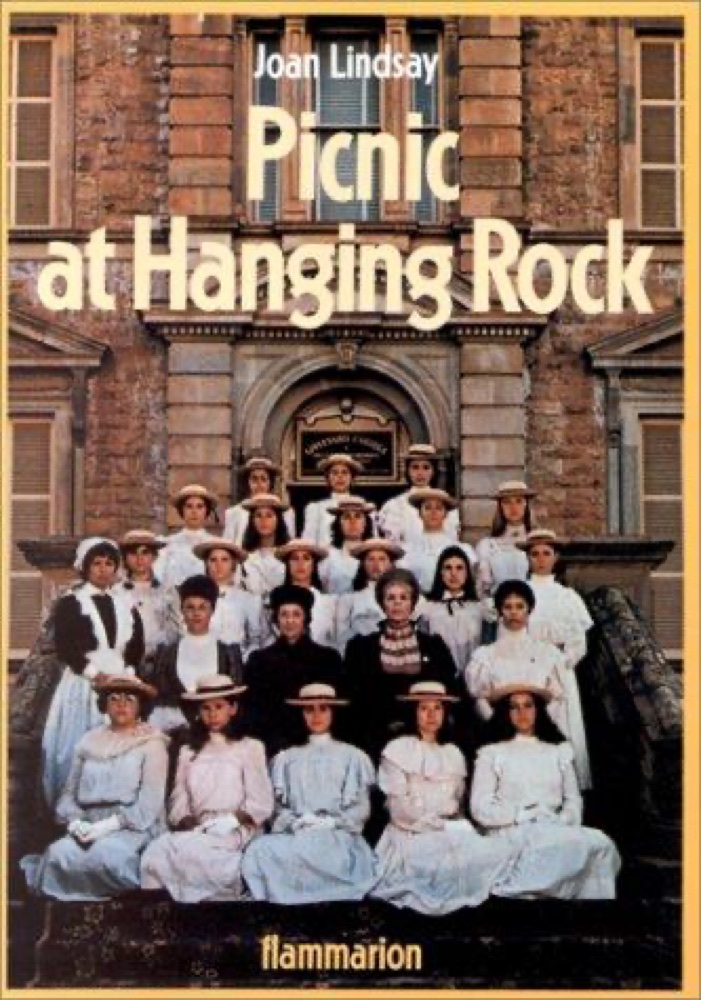
Although we are necessarily concerned, in a chronicle of events, with physical action by the light of day, history suggests that the human spirit wanders farthest in the silent hours between midnight and dawn. Those dark fruitful hours, seldom recorded, whose secret flowerings breed peace and war, loves and hates, the crowning or uncrowning of heads.
Marion Quade, the only member of the class to take Pythagoras in her stride, was a favourite pupil, in the sense that a savage who understands a few words of the language of a shipwrecked sailor is a favourite savage.
Except for those people over there with the wagonette we might be the only living creatures in the whole world,’ said Edith, airily dismissing the entire animal kingdom at one stroke.
Insulated from natural contacts with earth, air and sunlight, by corsets pressing on the solar plexus, by voluminous petticoats, cotton stockings and kid boots, the drowsy well-fed girls lounging in the shade were no more a part of their environment than figures in a photograph album, arbitrarily posed against a backcloth of cork rocks and cardboard trees.
Sometimes just to look at Miranda’s calm oval face and straight corn-yellow hair gave her a sharp little stab of pleasure.
Why is it, Miranda,’ she whispered, ‘that such a sweet pretty creature is a schoolteacher – of all dreary things in the world . . .?
Watch on YouTube
About Joan Lindsay
We have collected 7 quotes from 1 book by Joan Lindsay on BookQuoters.
More about the author →Book details
- Author
- Joan Lindsay
- Genre
- Classics
- Goodreads rating
- 3.66 (33k ratings) →
Keep reading
The Wings of the Dove
 The Garden Party and Other Stories
 Mrs. Dalloway
 Prodigal Summer
 The Return of the Native
 The Voyage Out
 To the Lighthouse
 The Enchanted April
 The Little Friend
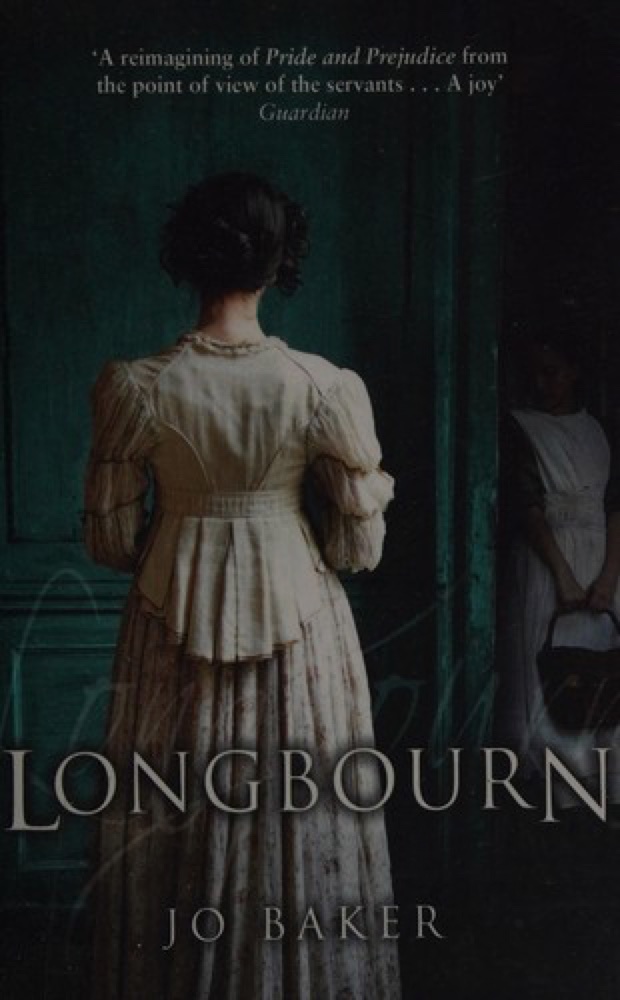 Longbourn
 Amy Snow
 Green Dolphin Street
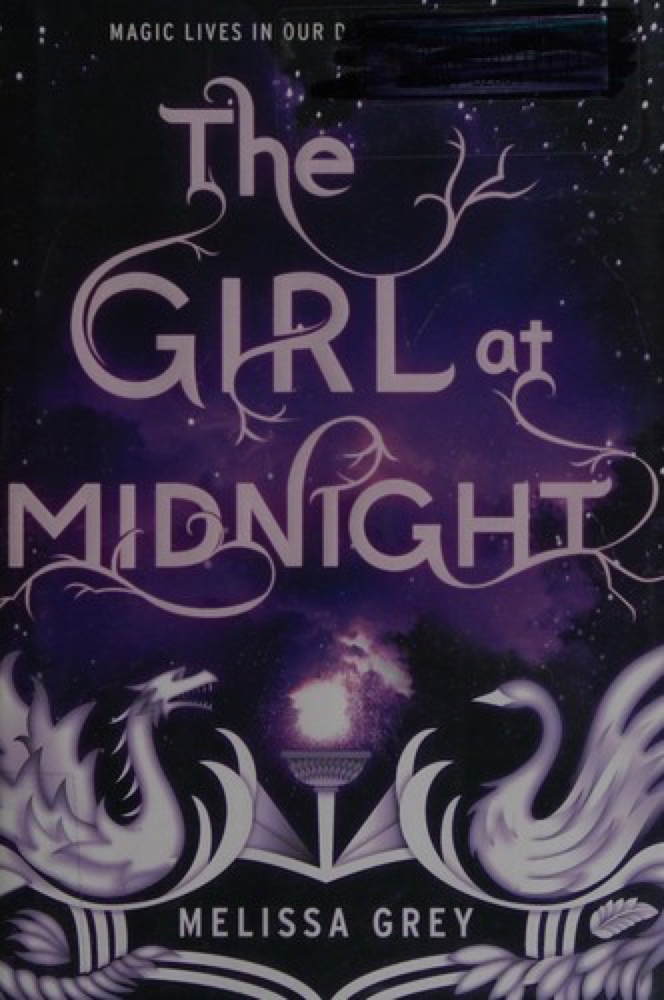 The Girl at Midnight
 The Woodlanders
 Main Street
 Bel-Ami
 The Fraud
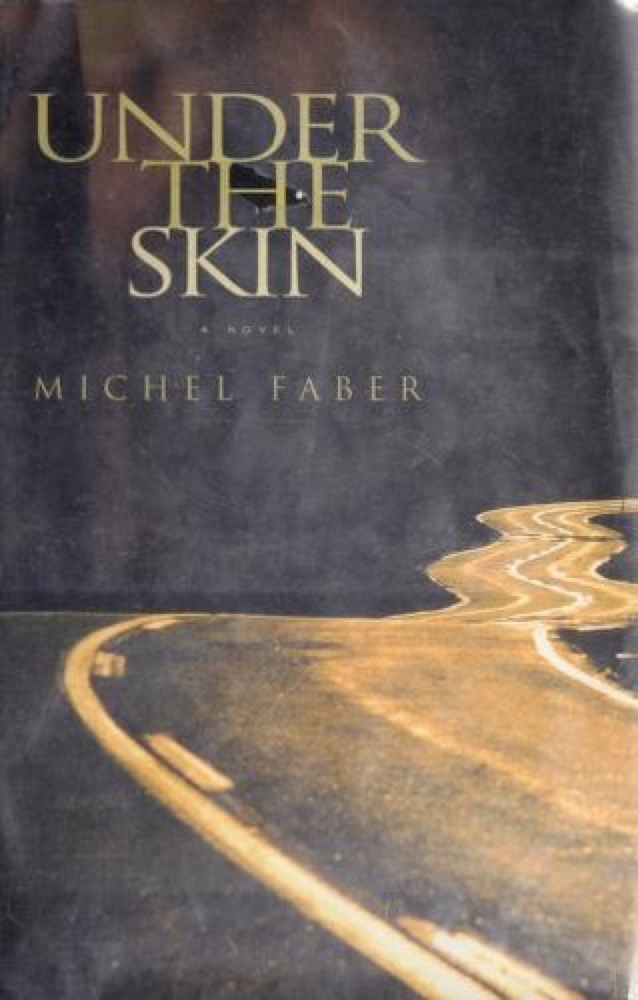 Under the Skin
 Tess of the D'Urbervilles
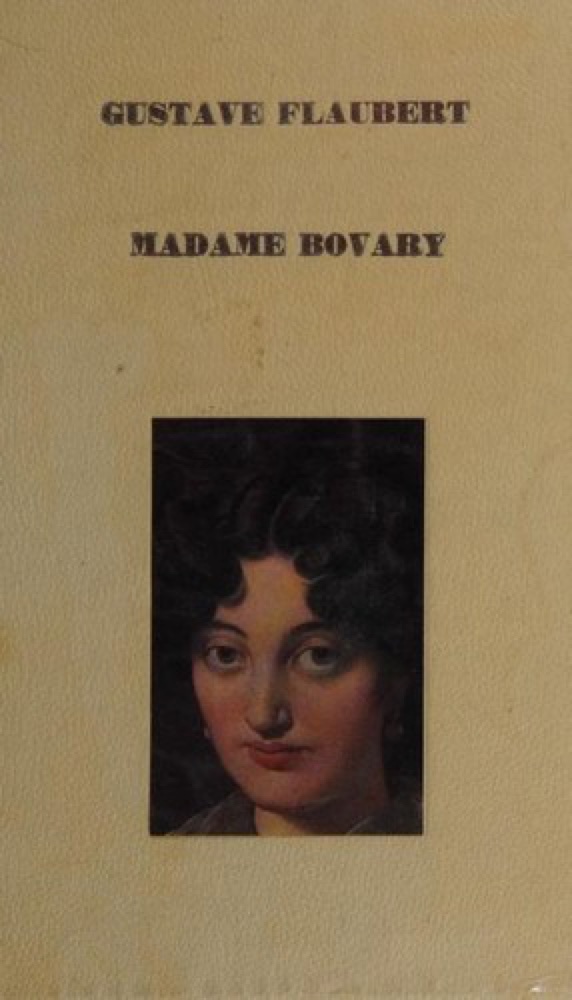 Madame Bovary
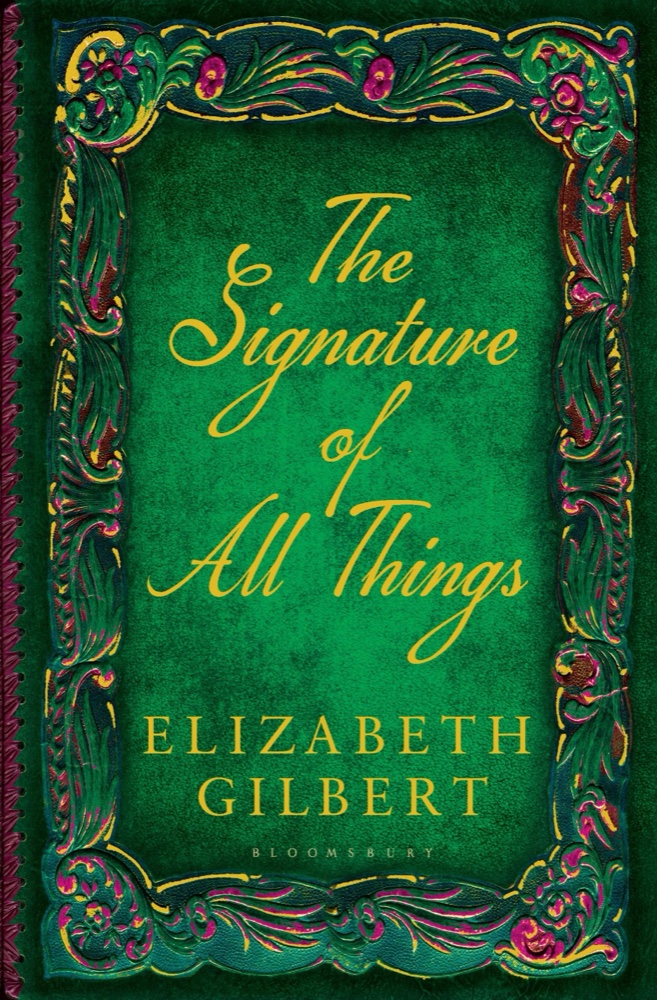 The Signature of All Things
 Save Me the Waltz
 Beach Music
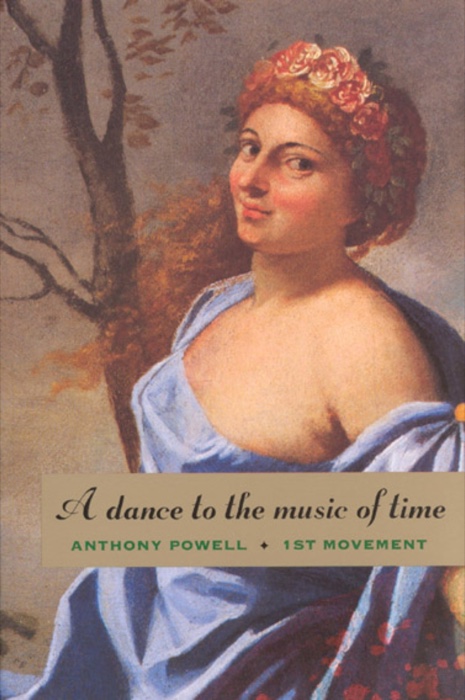 A Dance to the Music of Time: 1st Movement
 The House of Mirth
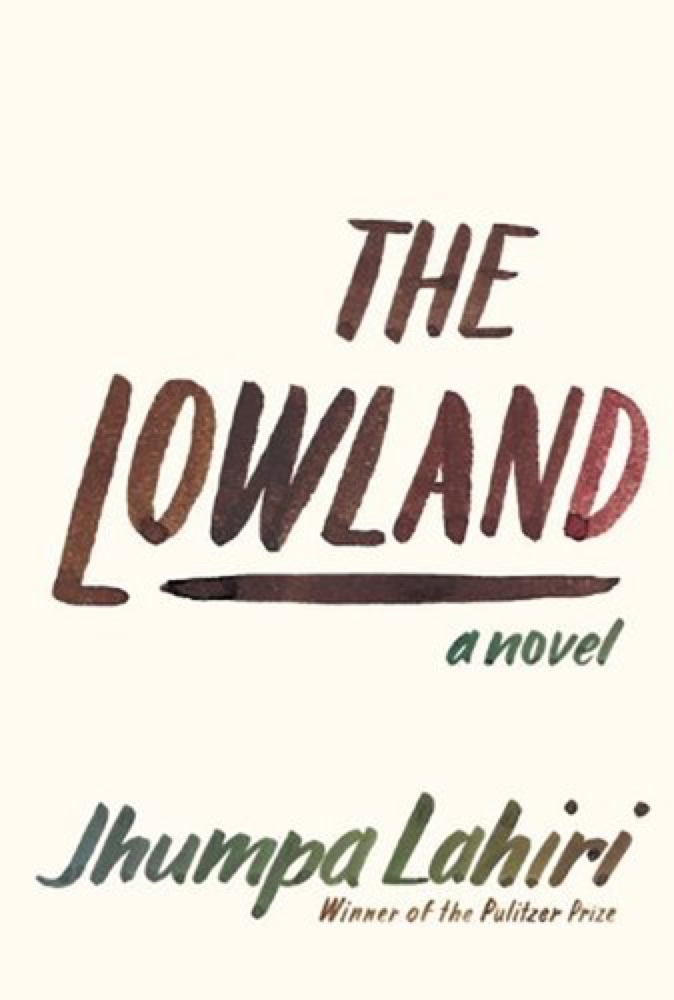 The Lowland
 Cold Comfort Farm
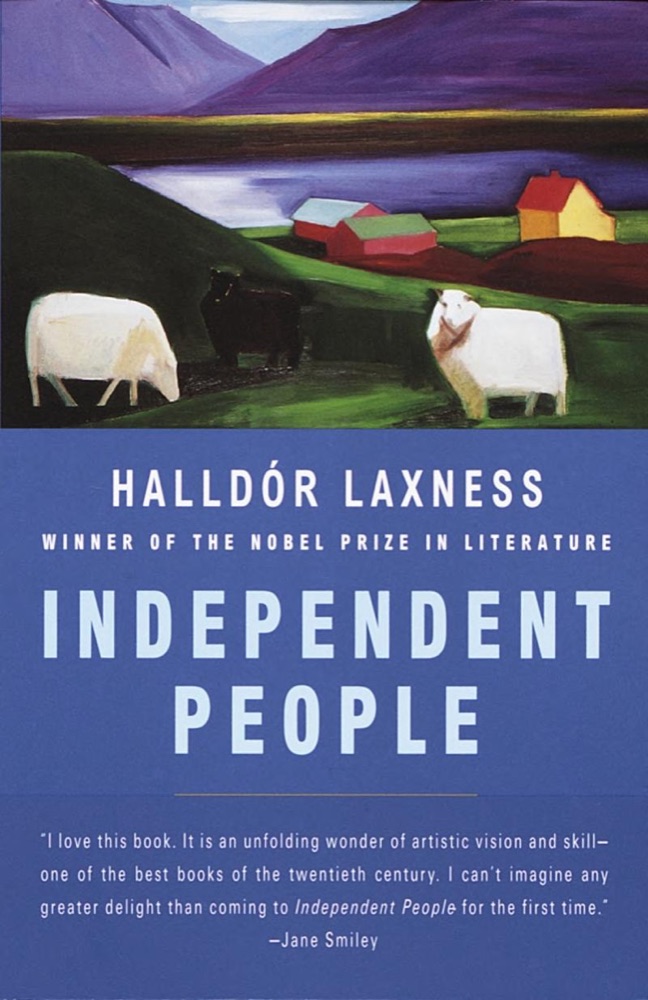 Independent People
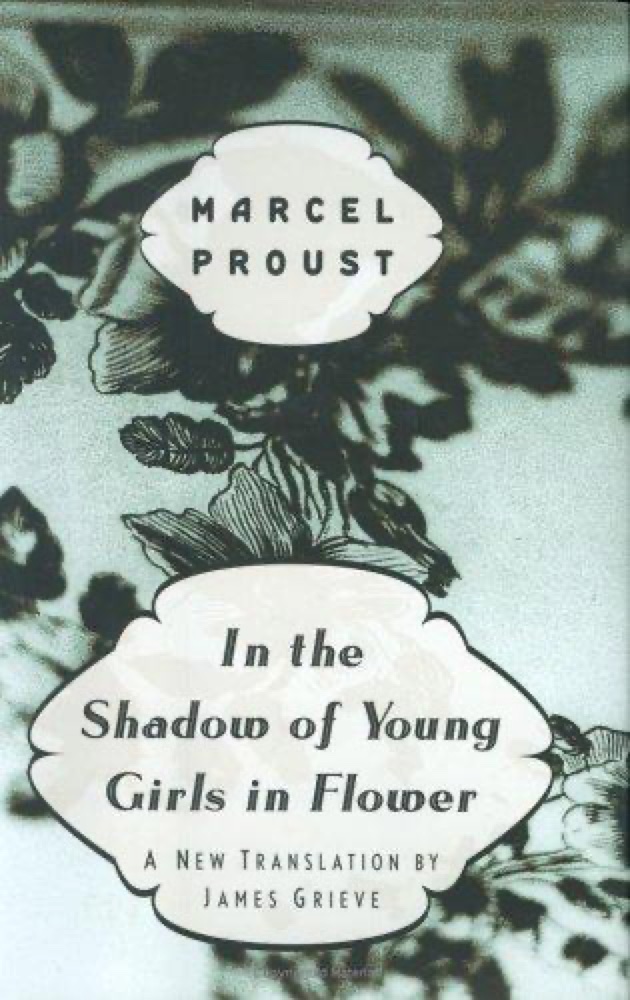 In the Shadow of Young Girls in Flower
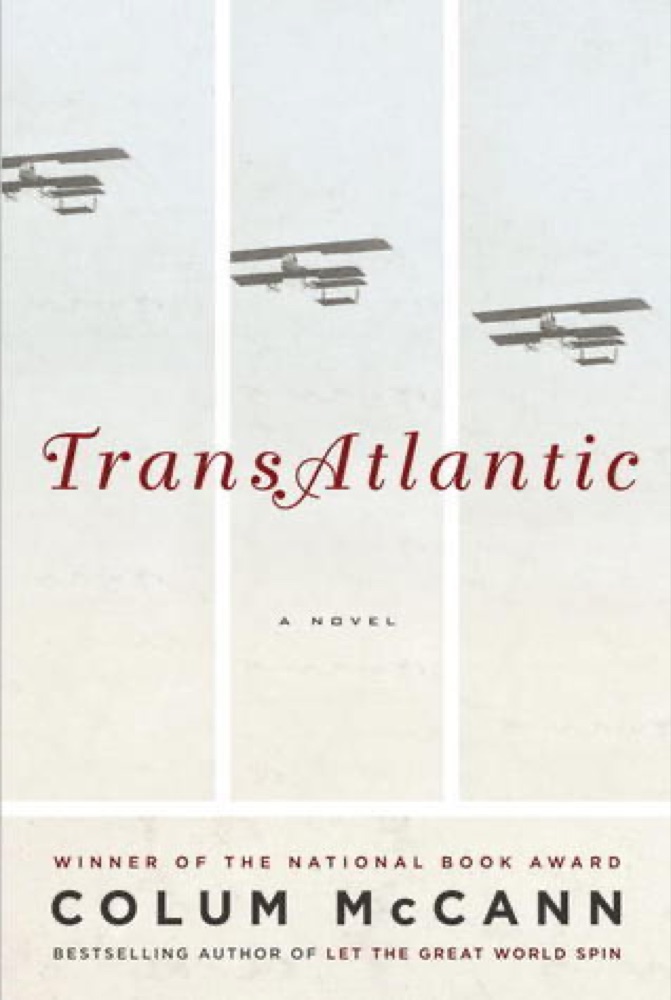 TransAtlantic
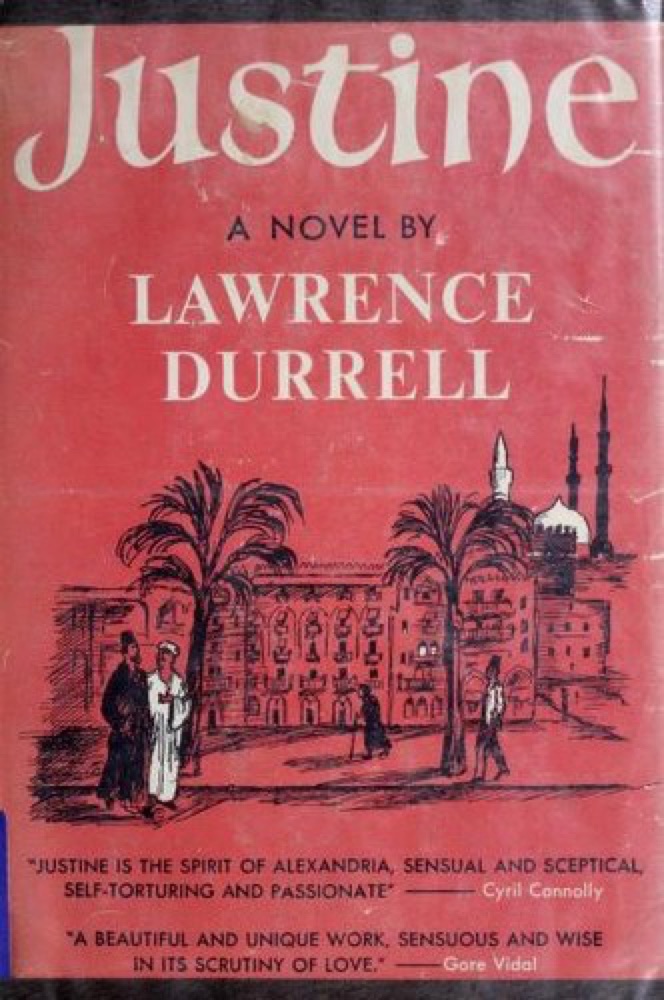 Justine
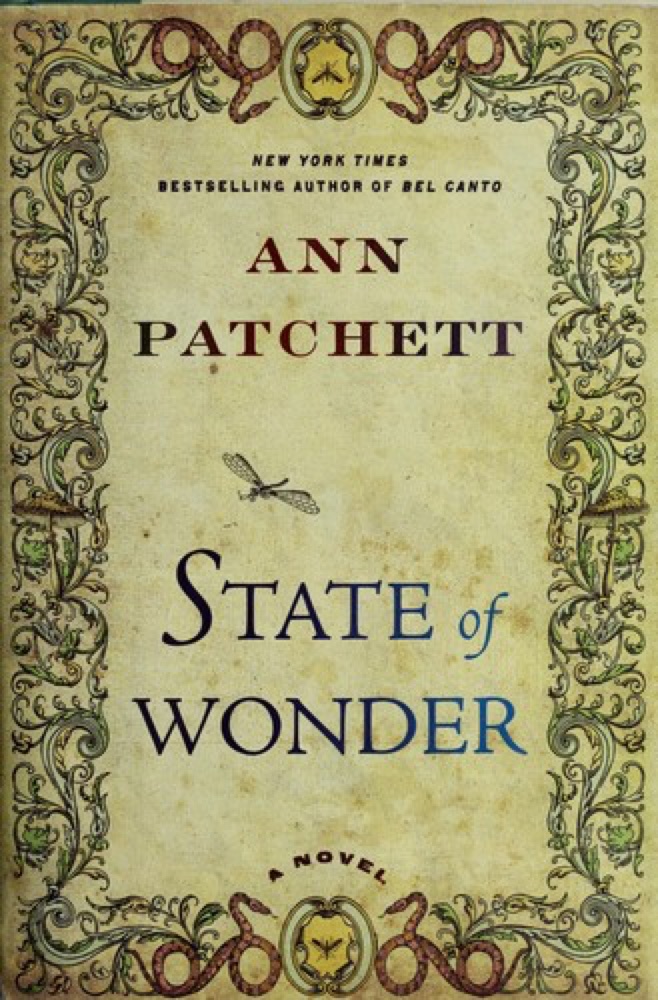 State of Wonder
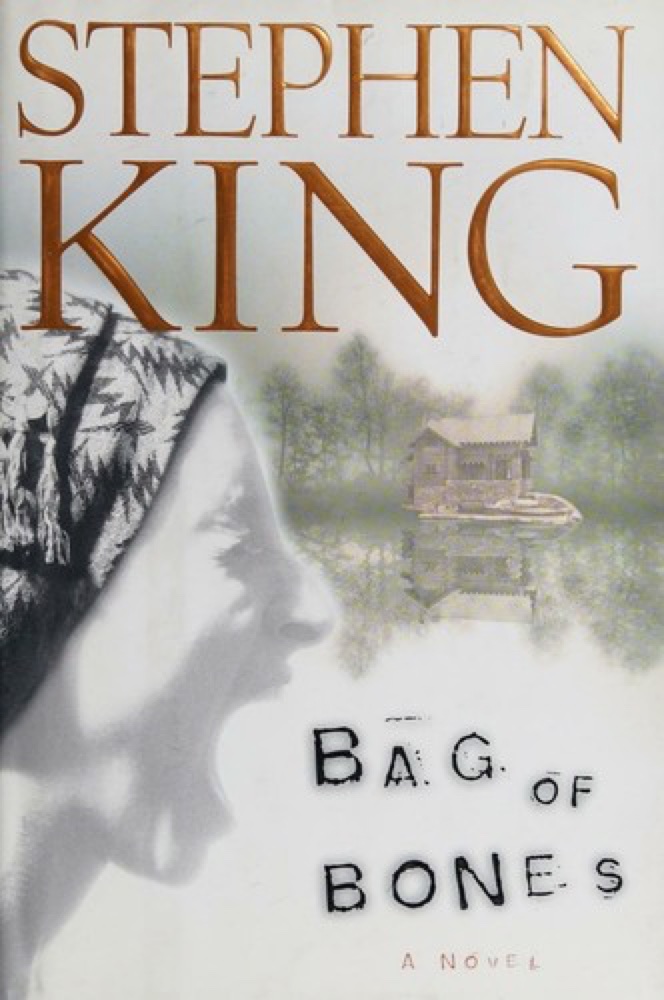 Bag of Bones
 Dombey and Son
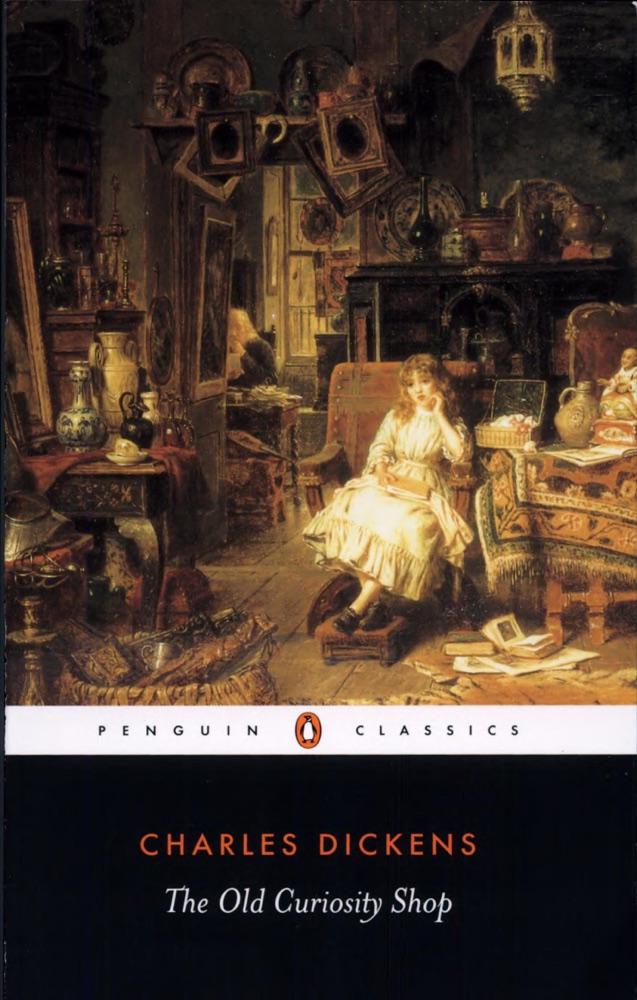 The Old Curiosity Shop
 The Scarlet Letter
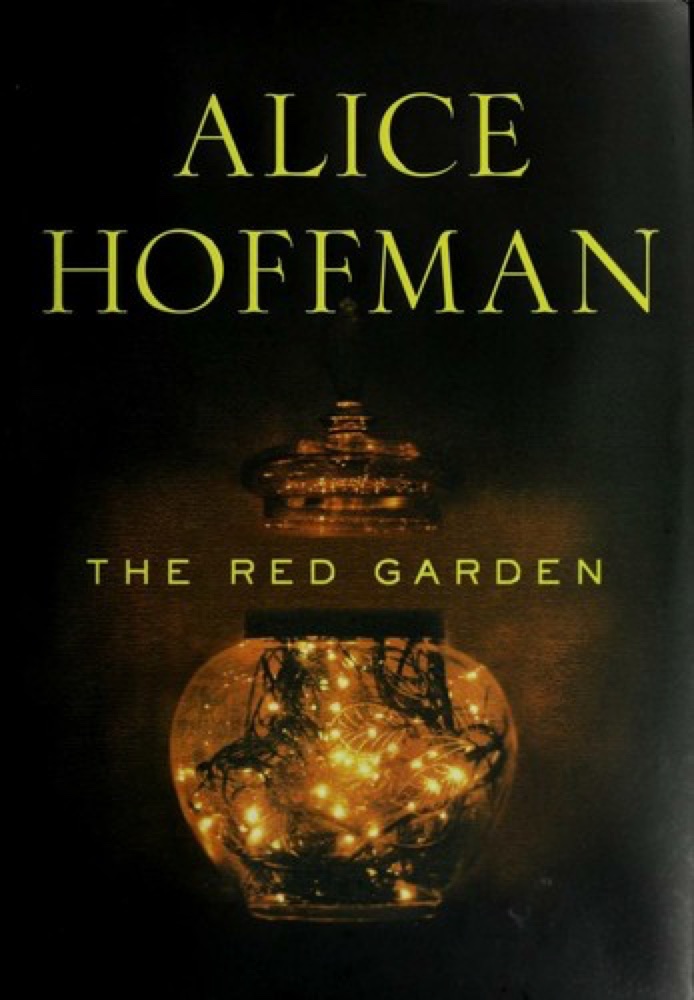 The Red Garden
 Little Dorrit
 The Buccaneers
 The Silent Corner
 The Beautiful
 Mexican Gothic
 Splendor
 The Girl Who Chased the Moon
 The Distant Hours
 The Shell Collector
 The Song of the Lark
 The Ministry of Utmost Happiness
 Bright Young Things
 The Grass Harp, Including A Tree of Night and Other Stories
 The Robber Bride
 The Children's Book
 The Children Act
 The Golden Bowl
 The Apprentice
 The People in the Trees
 The Vegetarian
 Frenchman's Creek
 The Well of Loneliness
 The October Country