
 The Stuff of Thought: Language as a Window into Human Nature
Quotes from the Book
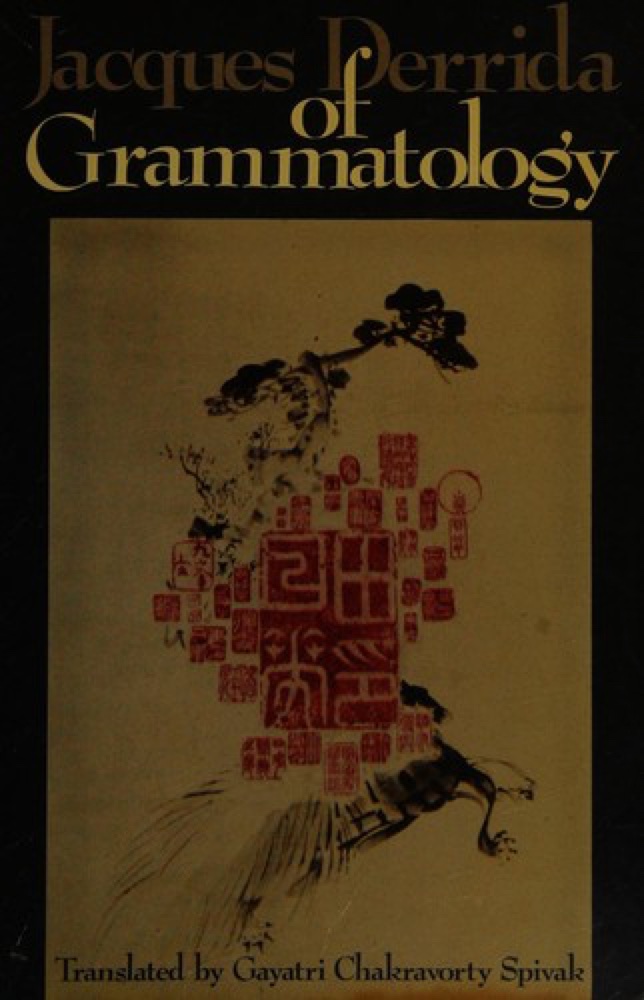
Let us narrow the arguments down further. In certain respects, the theme of supplementarity is certainly no more than one theme among others. It is in a chain, carried by it. Perhaps one could substitute something else for it. But it happens that this theme describes the chain itself, the being-chain of a textual chain, the structure of substitution, the articulation of desire and of language, the logic of all conceptual oppositions taken over by Rousseau…It tells us in a text what a text is, it tells us in writing what writing it, in Rousseau’s writing it tells us Jean-Jacque’s desire etc…the concept of the supplement and the theory of writing designate textuality itself in Rousseau’s text in an indefinitely multiplied structure—en abyme.
There are things like reflecting pools, and images, an infinite reference from one to the other, but no longer a source, a spring. There is no longer any simple origin. For what is reflected it split in itself and not only as an addition to itself of its image. The reflection, the image, the double, splits what it doubles. The origin of the speculation becomes a difference. What can look at itself is not one; and the law of the addition of the origin to its representation, or the thing to its image, is that one plus one makes at least three.
For the concept of the supplement - which here determines that of the representative image - harbors within itself two significations whose cohabitation is as strange as it is necessary. The supplement adds itself, it is a surplus, a plenitude enriching another plenitude, the fullest measure of presence. But the supplement supplements. It adds only to replace. It intervenes or insinuates itself in-the-place-of; if it fills, it is as one fills a void. If it represents and makes an image, it is by the anterior default of a presence. The sign is always the supplement of the thing itself. The supplement will always be the moving of the tongue or acting through the hands of others. In it everything is brought together: Progress as the possibility of perversion, regression toward an evil that is not natural and that adheres to the power of substitution, that permits us to absent ourselves and act by proxy, through the hands of others. Through the written. This substitution always has the form of the sign. The scandal is that the sign, the image, or the representer, become forces and make "the world move". Blindness to the supplement is the law. We must begin wherever we are and the thought of the trace, which cannot take the scent into account, has already taught of the trace, which cannot not take the scent into account, has already taught us that it was impossible to justify a point of departure absolutely, Wherever we are: in a text where we already believe ourselves to be.
Watch on YouTube
About Jacques Derrida
We have collected 3 quotes from 1 book by Jacques Derrida on BookQuoters.
More about the author →Book details
- Author
- Jacques Derrida
- Genre
- Philosophy
- Goodreads rating
- 3.97 (5k ratings) →
Keep reading
The Stuff of Thought: Language as a Window into Human Nature
 On Truth and Lies in a Nonmoral Sense
 Gödel, Escher, Bach: An Eternal Golden Braid
 The Mind of the Maker: Dorothy L. Sayers' Witty Classic on the Trinity, Christianity, and Human Creativity
 The Crisis of the Modern World
 Literary Theory: An Introduction
 The Master and His Emissary: The Divided Brain and the Making of the Western World
 Truth and Method
 Metaphysics
 Science and Sanity: An Introduction to Non-Aristotelian Systems and General Semantics
 Philosophical Investigations
 A Treatise of Human Nature
 Twilight of the Idols/The Anti-Christ
 Dialogues Concerning Natural Religion
 The Big Picture: On the Origins of Life, Meaning, and the Universe Itself
 Being and Time
 Stories of Your Life and Others
 The Order of Things: An Archaeology of the Human Sciences
 The Occult
 Testaments Betrayed: An Essay in Nine Parts
 An Essay Concerning Human Understanding
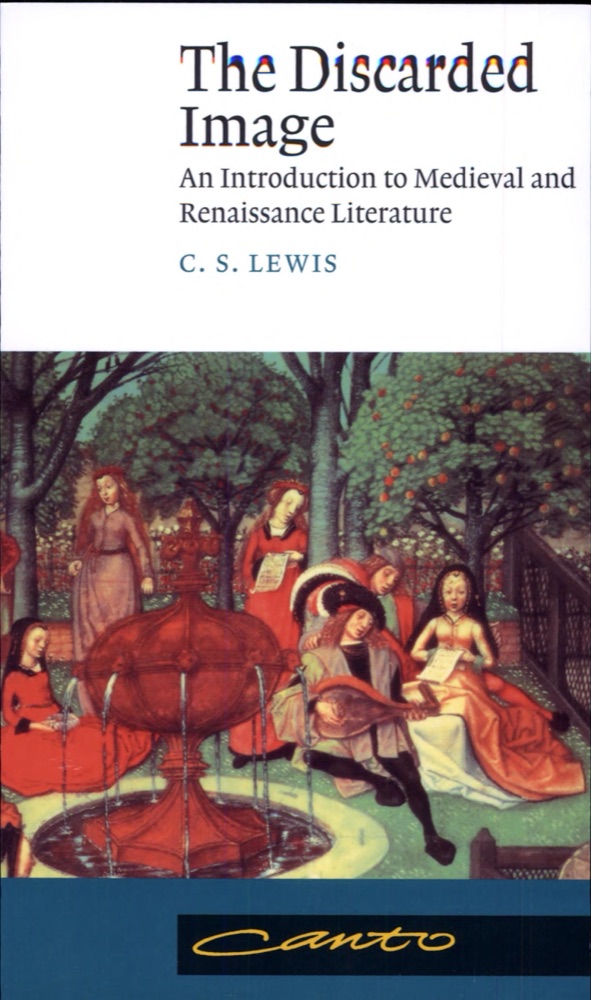 The Discarded Image: An Introduction to Medieval and Renaissance Literature
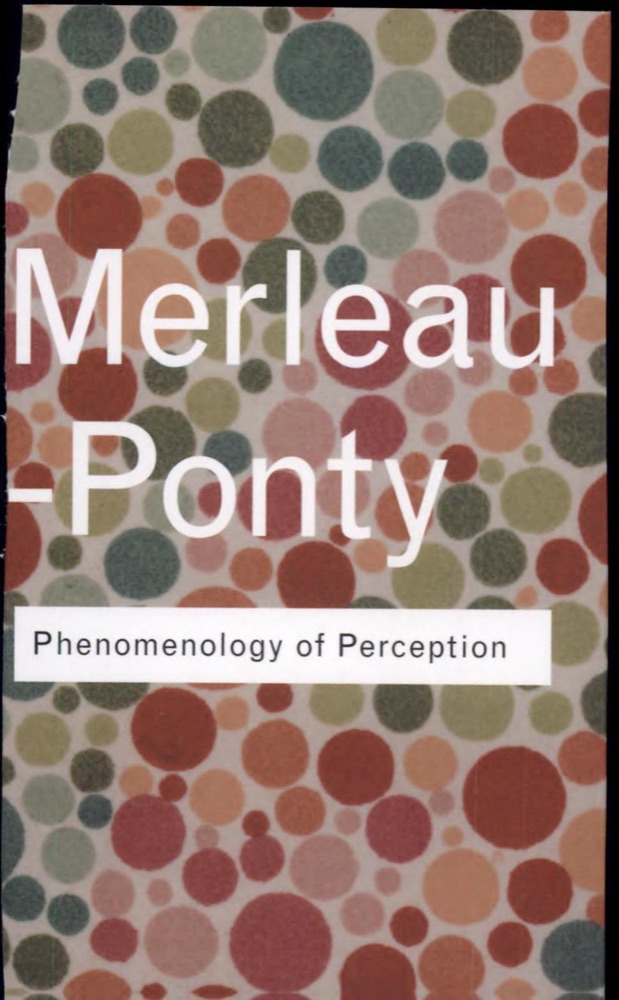 Phenomenology of Perception
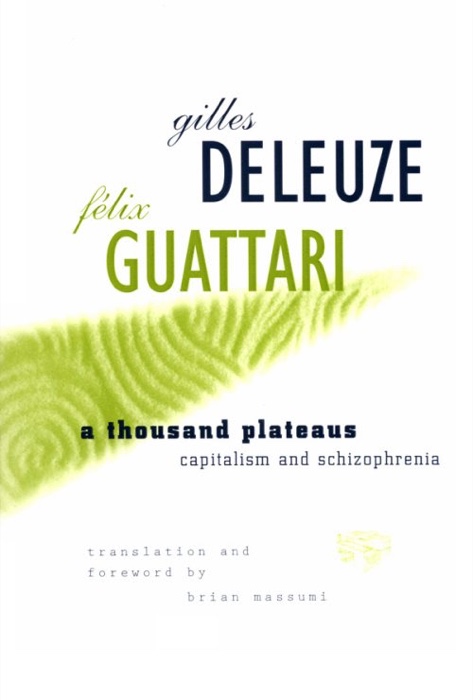 A Thousand Plateaus: Capitalism and Schizophrenia
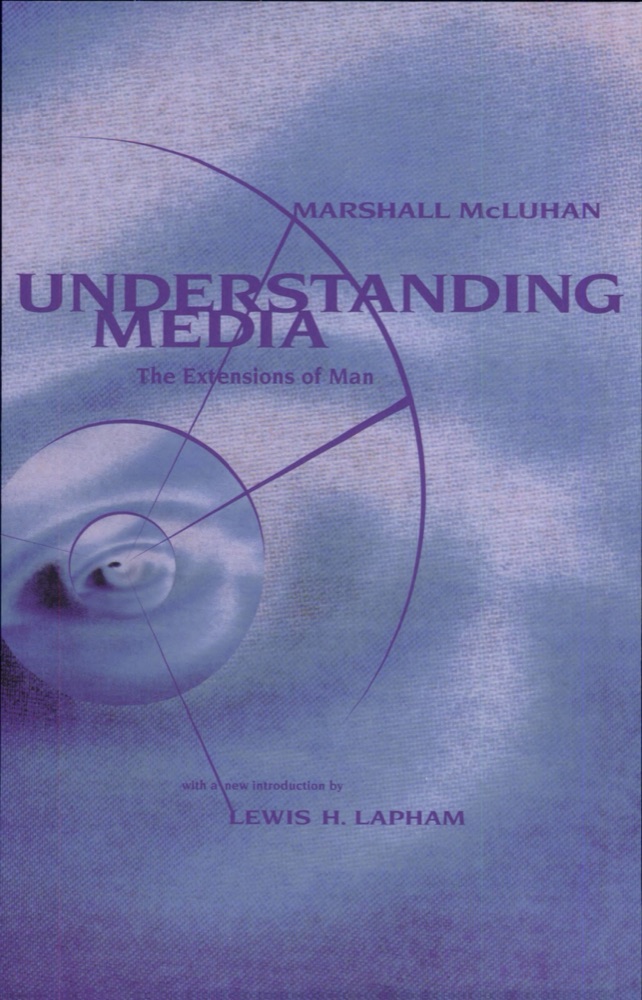 Understanding Media: The Extensions of Man
 Foucault's Pendulum
 Think: A Compelling Introduction to Philosophy
 Basic Writings
 The Perennial Philosophy
 Myths to Live By
 An Enquiry Concerning Human Understanding
 Labyrinths: Selected Stories and Other Writings
 Why People Believe Weird Things: Pseudoscience, Superstition, and Other Confusions of Our Time
 Illuminations: Essays and Reflections
 Why Does the World Exist?: An Existential Detective Story
 Tractatus Logico-Philosophicus
 Ways of Seeing
 The Art of the Novel
 Selected Non-Fictions
 The World as Will and Representation, Vol 1
 Discourse on Method and Meditations on First Philosophy
 Critique of Pure Reason
 The Birth of Tragedy
 The Question Concerning Technology and Other Essays
 The Mystery of Marie Rogêt
 Critique of Judgment
 Maps of Meaning: The Architecture of Belief
 Selections from the Prison Notebooks
 How Fiction Works
 A Philosophical Enquiry into the Origin of Our Ideas of the Sublime and Beautiful
 The Sublime Object of Ideology
 From Dawn to Decadence: 500 Years of Western Cultural Life, 1500 to the Present
 The Everlasting Man
 The Medium is the Massage
 Reality Hunger: A Manifesto
 Simulacra and Simulation
 Moravagine
 Introductory Lectures on Psychoanalysis
 The Ascent of Man