
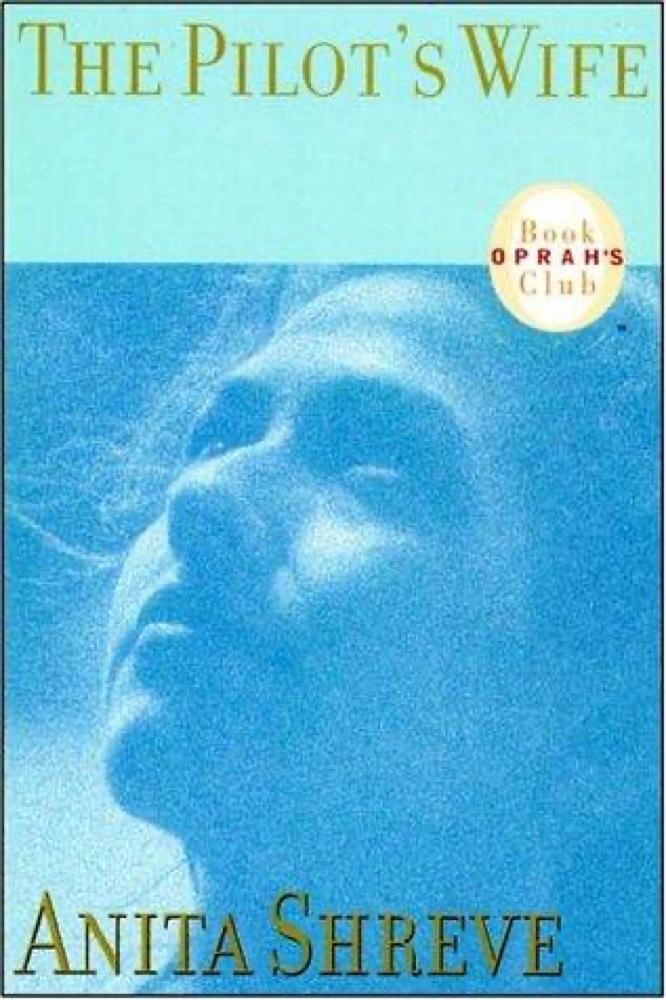
 The Pilot's Wife
Quotes from the Book
I thought about how one tiny decision can change a life. A decision that takes only a split second to make.
My mother taught me to knit when I was seven. I forgot about knitting until one day I saw Marion at the counter with hers and confessed that I knew how. Confessed is the right word. In those days, in the early 1980s, knitting was not a hobby a preteen would readily admit to. But Marion, every enthusiastic, pounced upon me and insisted that I show her something I'd made. I did -- a misshapen scarf -- which she priased exravagantly. she lent me a raspberry-colored wool for another project, a hat for myself. Since then I've been knitting pretty continuously. It's addictive and it's soothing, and fora a few minutes anyway, it makes me feel closer to my mother.
She's a good person to hug, because her body fills up all the empty spaces.
Something inside me squeezes up tight like a sponge that is being wrung out
Watch on YouTube
About Anita Shreve
We have collected 59 quotes from 7 books by Anita Shreve on BookQuoters.
More about the author →More by Anita Shreve
All books by Anita Shreve →
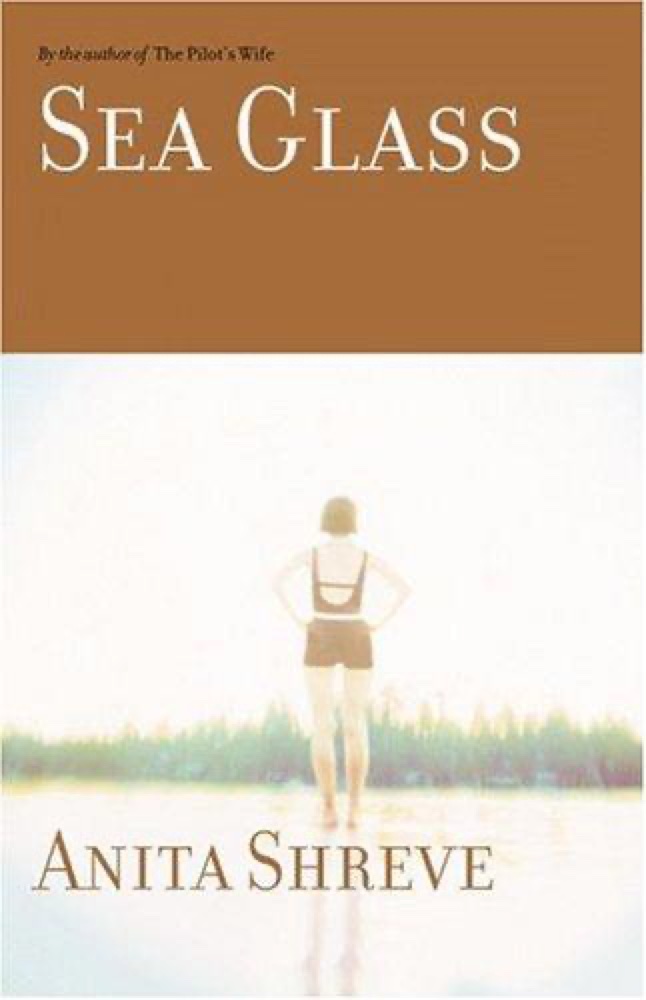
Book details
- Author
- Anita Shreve
- Genre
- Fiction
- Goodreads rating
- 3.67 (34k ratings) →
Keep reading
 The Good Girl
 The Help
 Sure Signs of Crazy
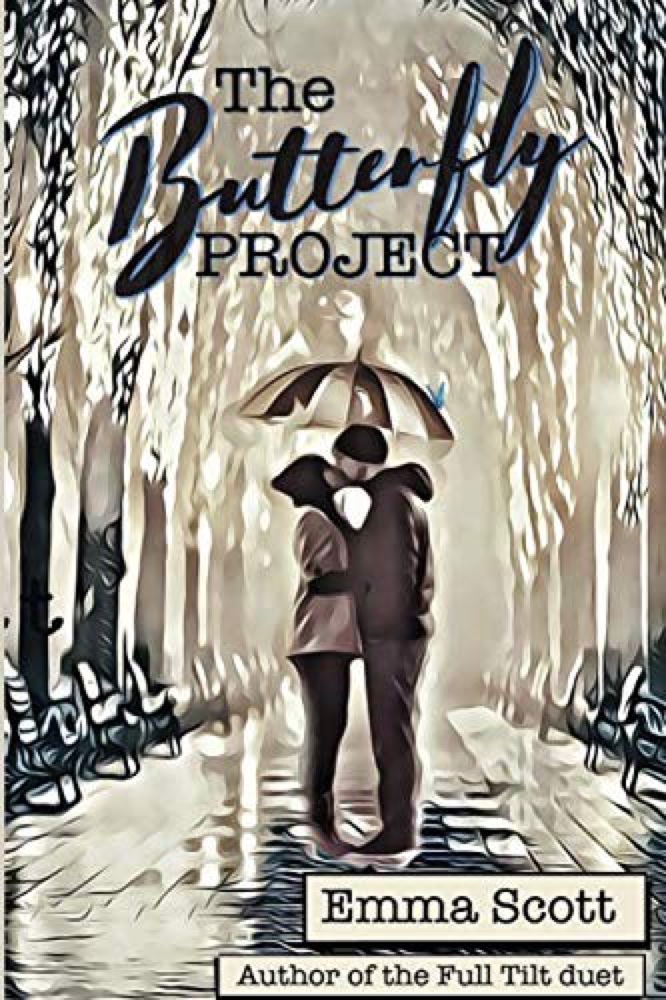 The Butterfly Project
 Sorta Like a Rock Star
 Thanks for the Memories
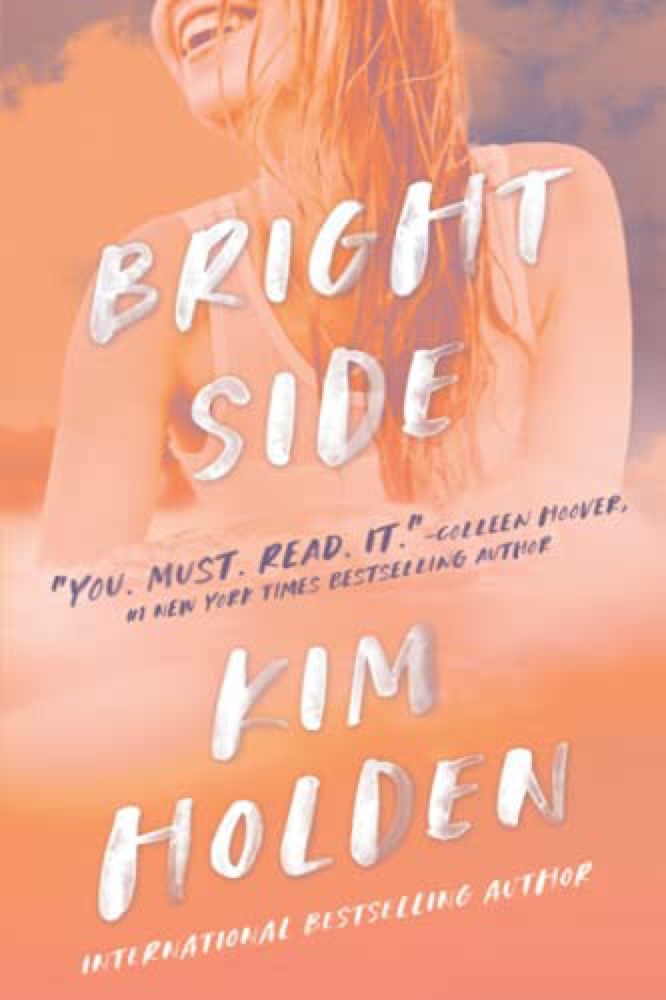 Bright Side
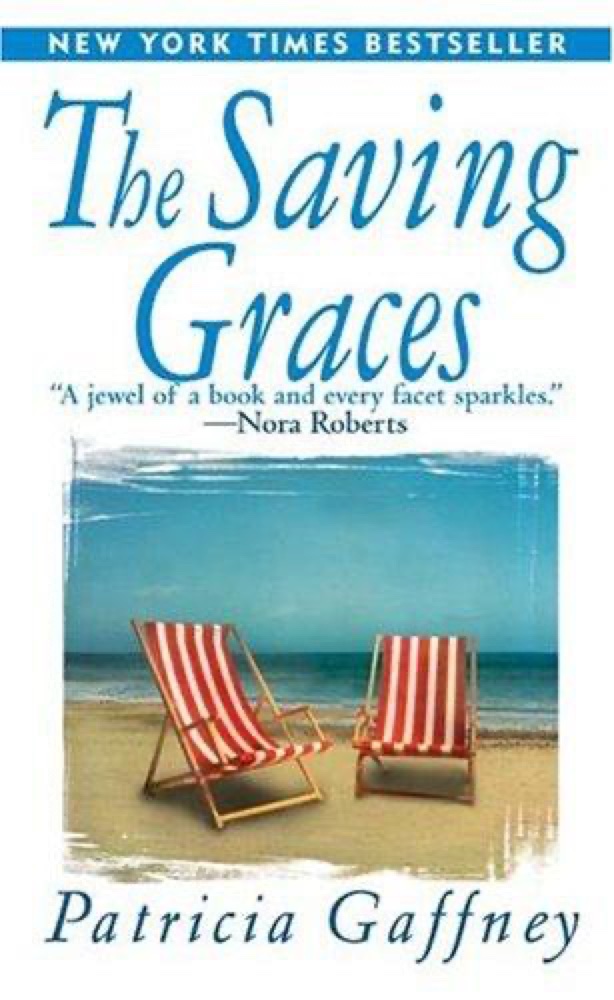 The Saving Graces
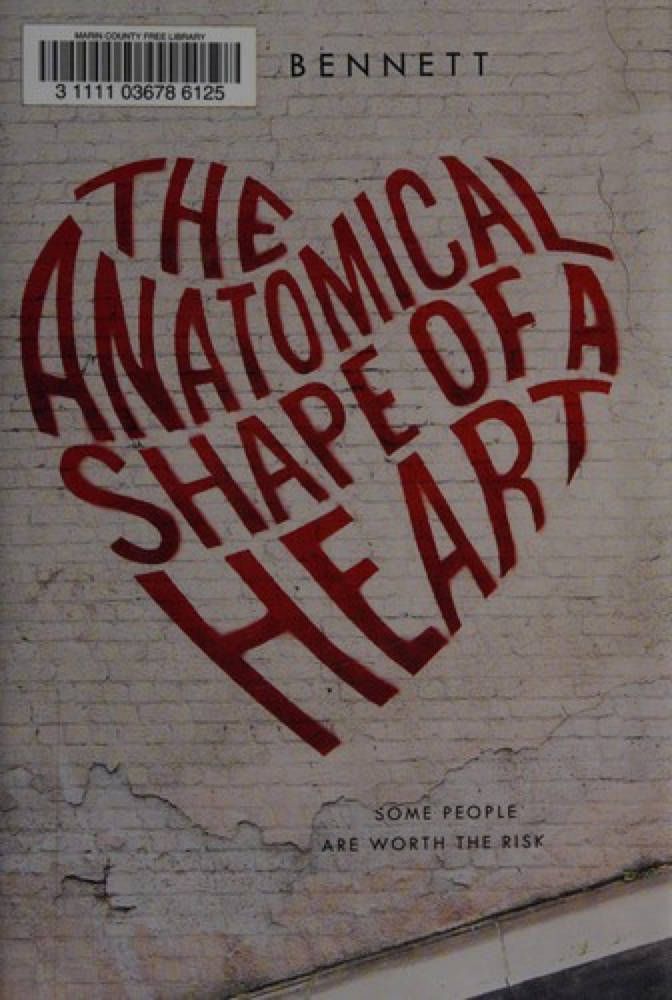 The Anatomical Shape of a Heart
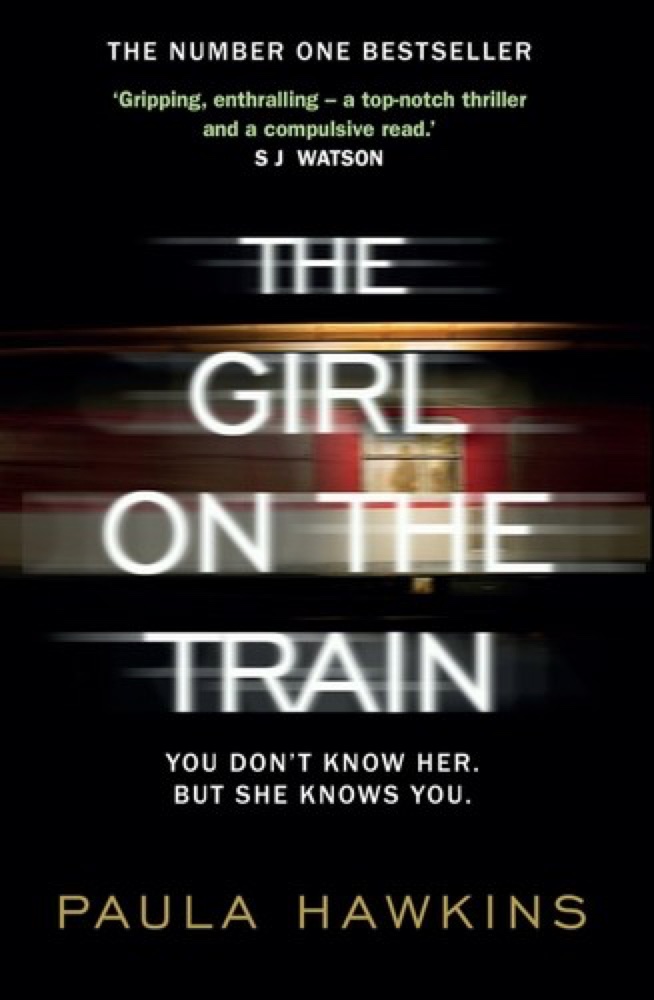 The Girl on the Train
 The Siren
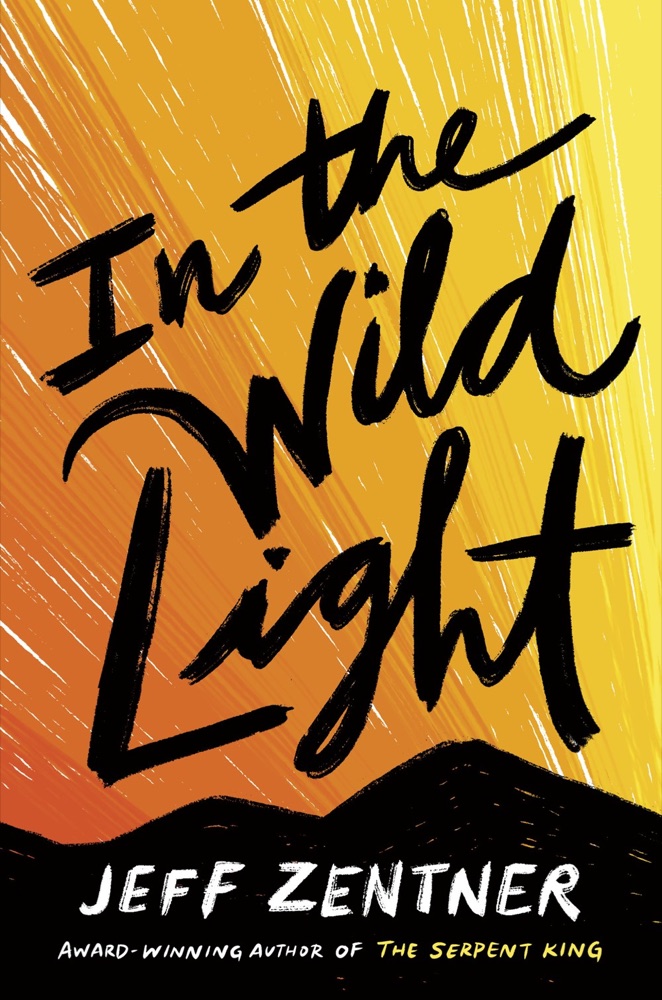 In the Wild Light
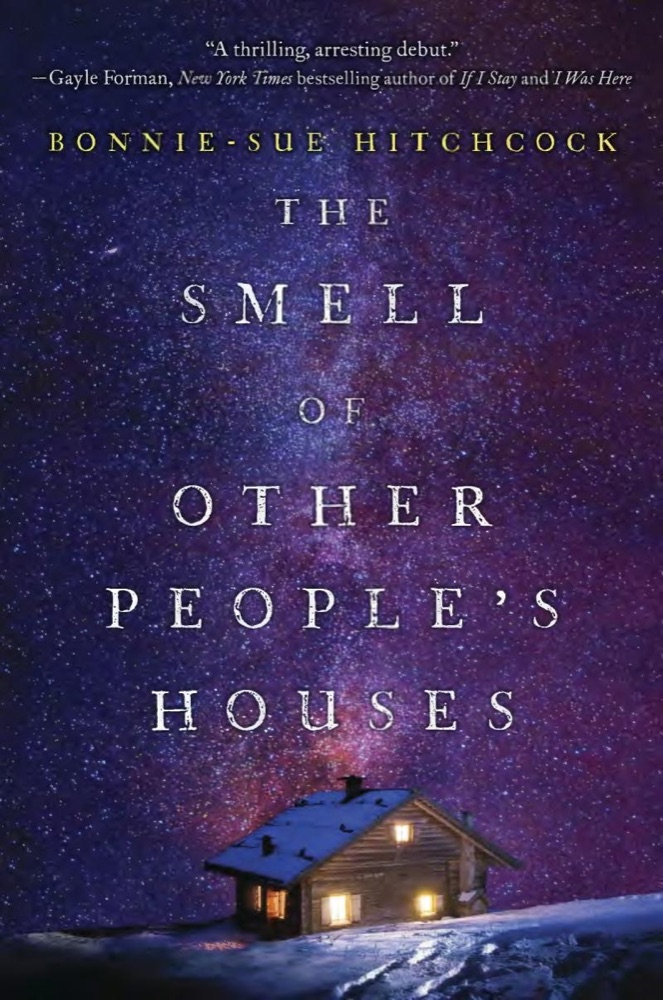 The Smell of Other People's Houses
 Pivot Point
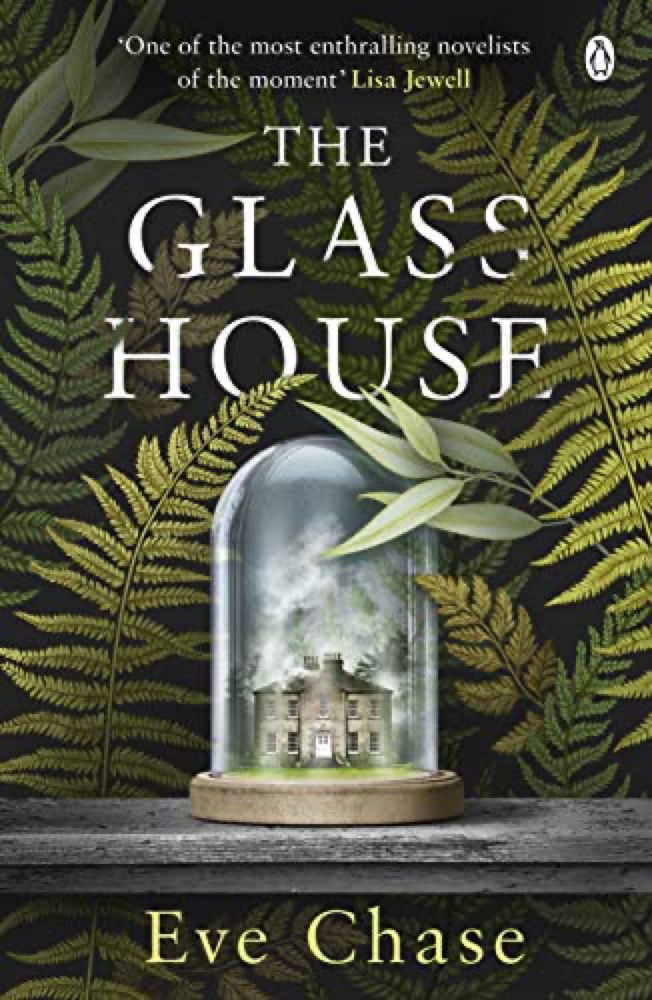 The Glass House
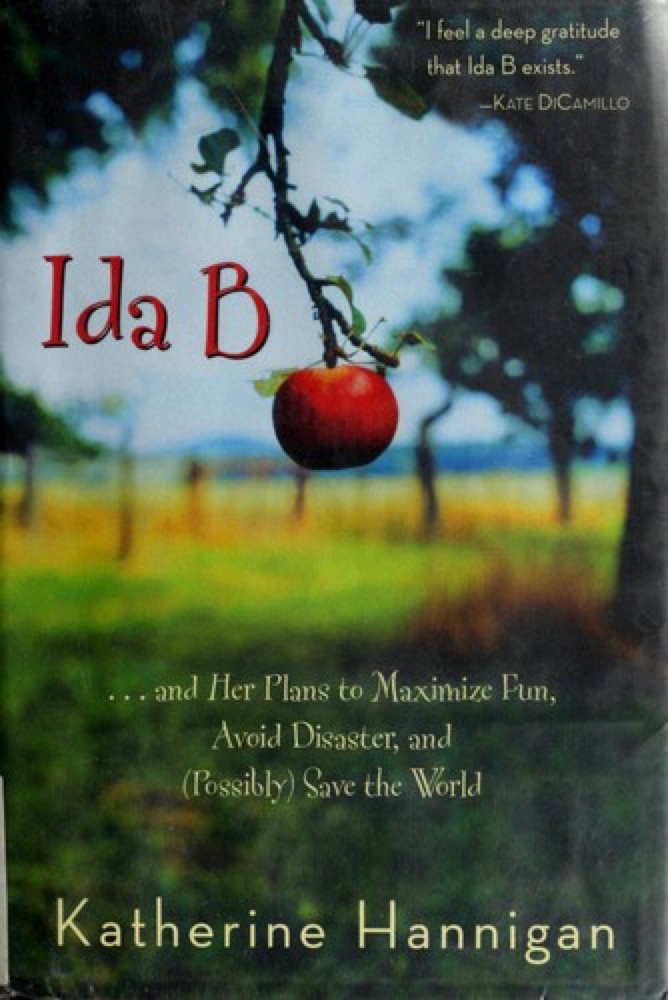 Ida B. . . and Her Plans to Maximize Fun, Avoid Disaster, and (Possibly) Save the World
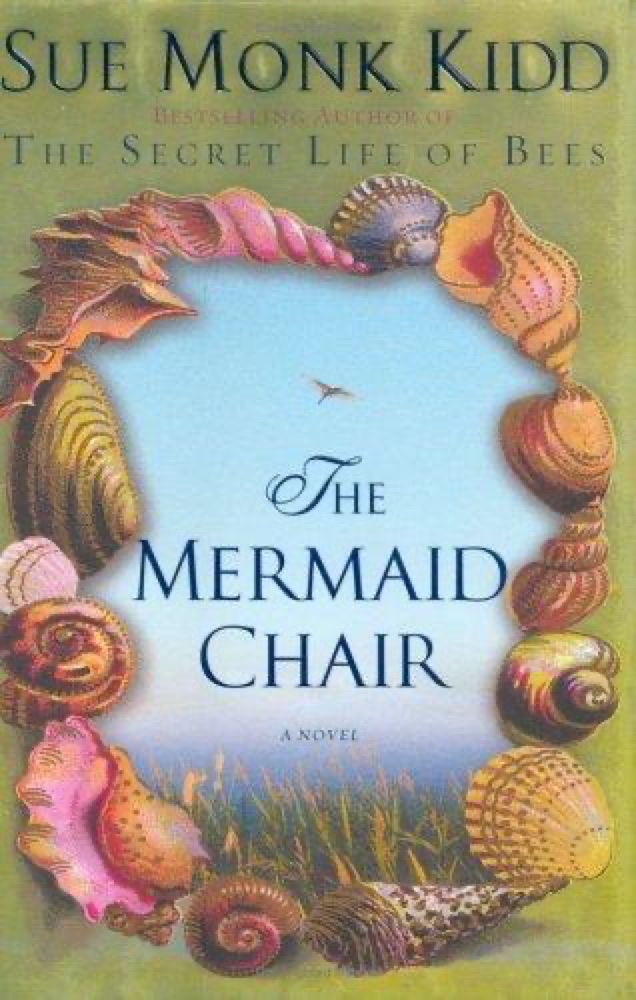 The Mermaid Chair
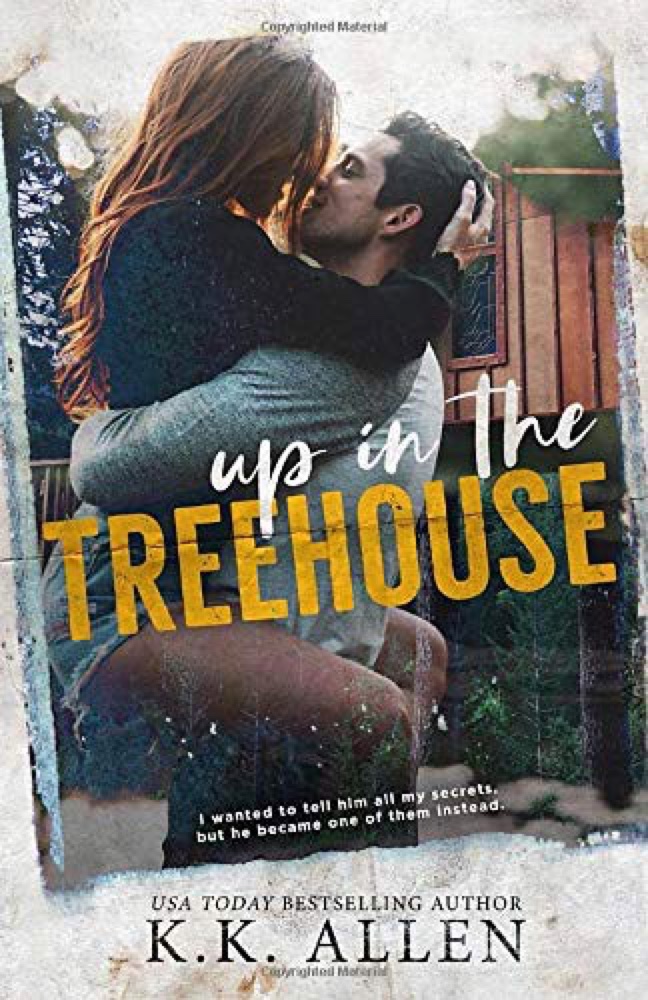 Up in the Treehouse
 No One Belongs Here More Than You
 Hold Still
 I Keep My Exoskeletons to Myself
 All the Bright Places
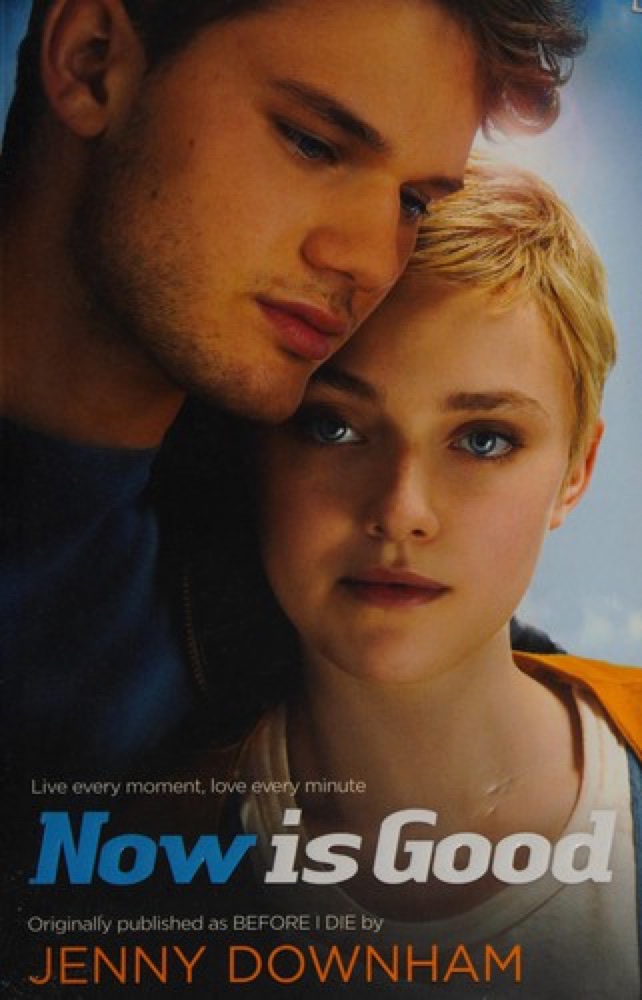 Now is Good
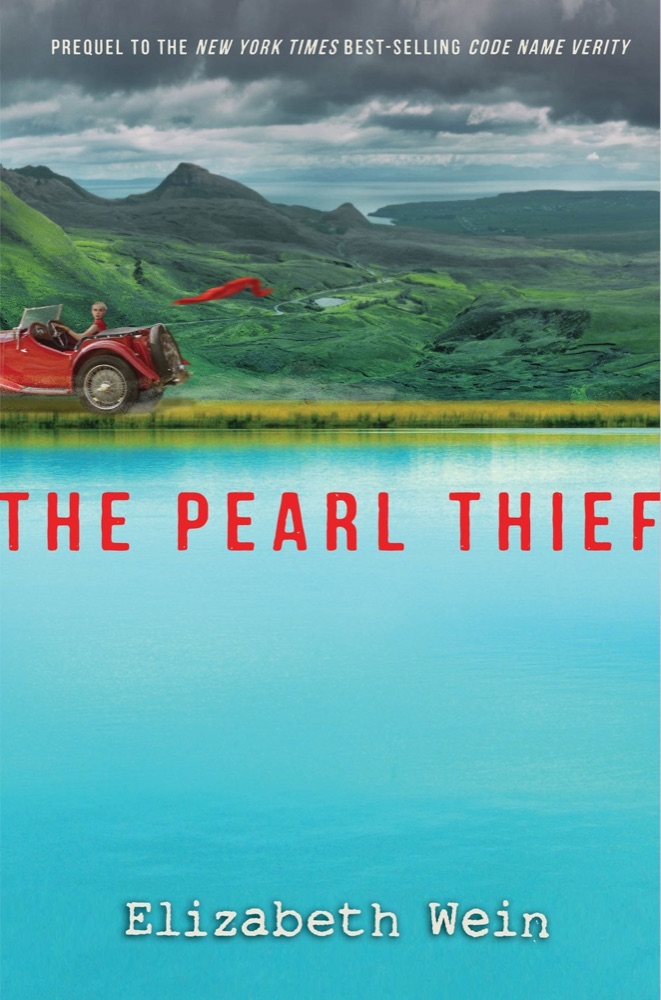 The Pearl Thief
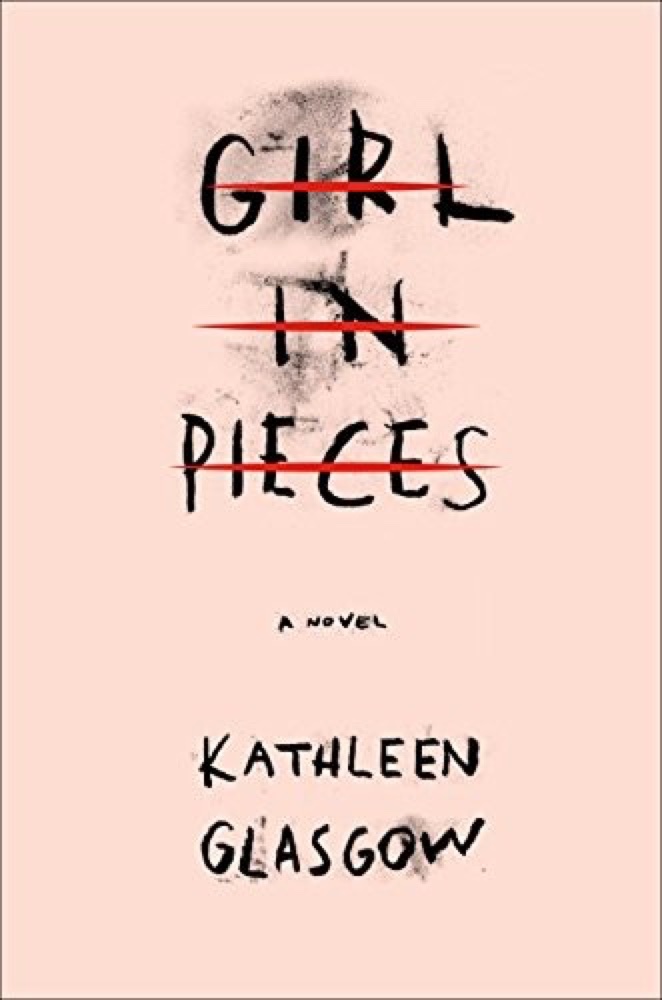 Girl in Pieces
 That's a Great Question, I'd Love to Tell You
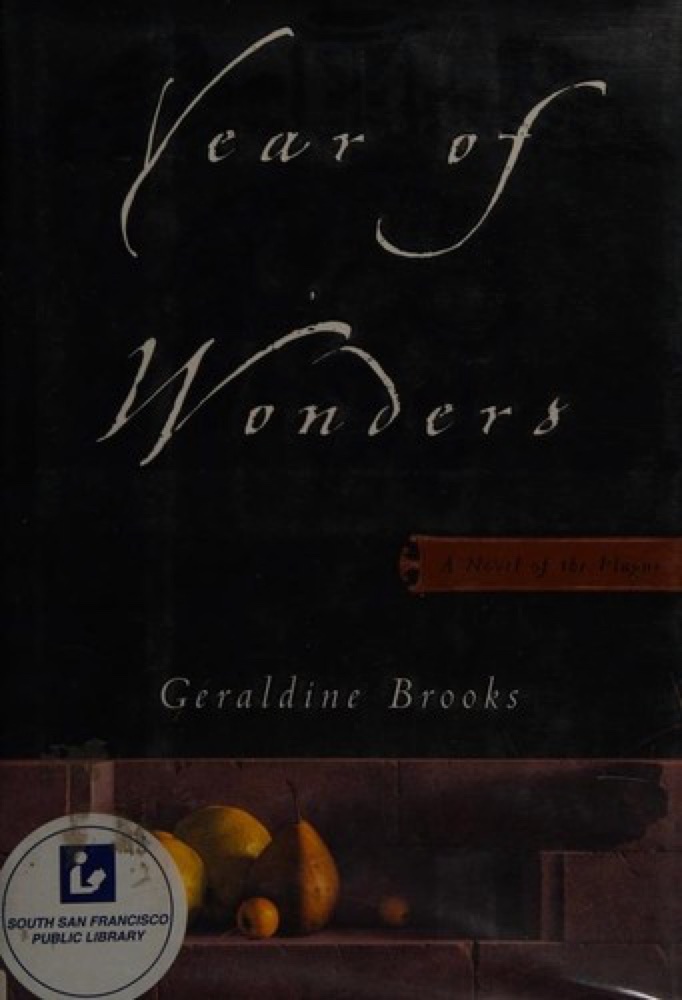 Year of Wonders
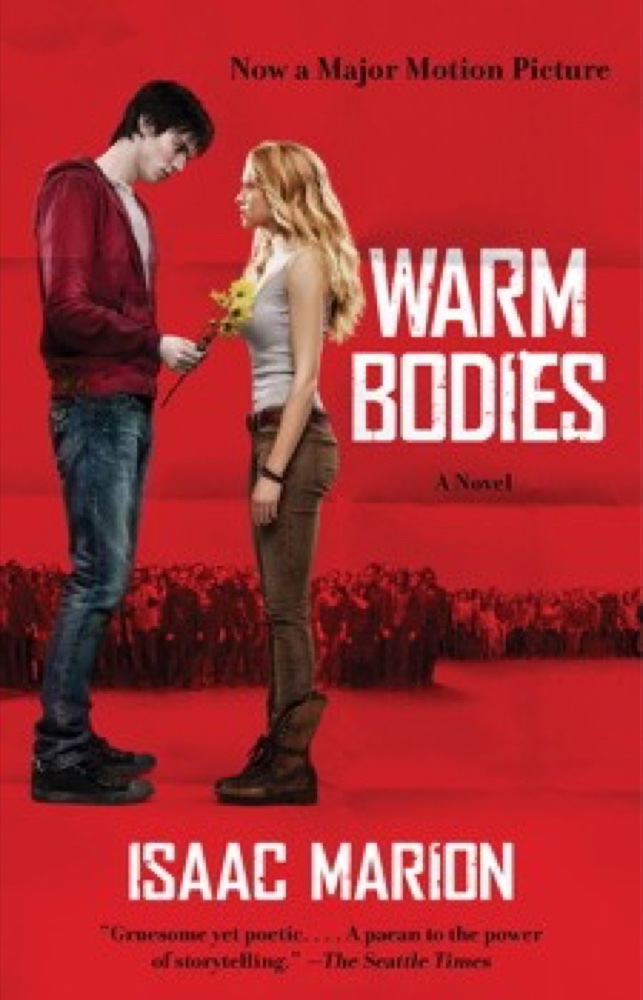 Warm Bodies
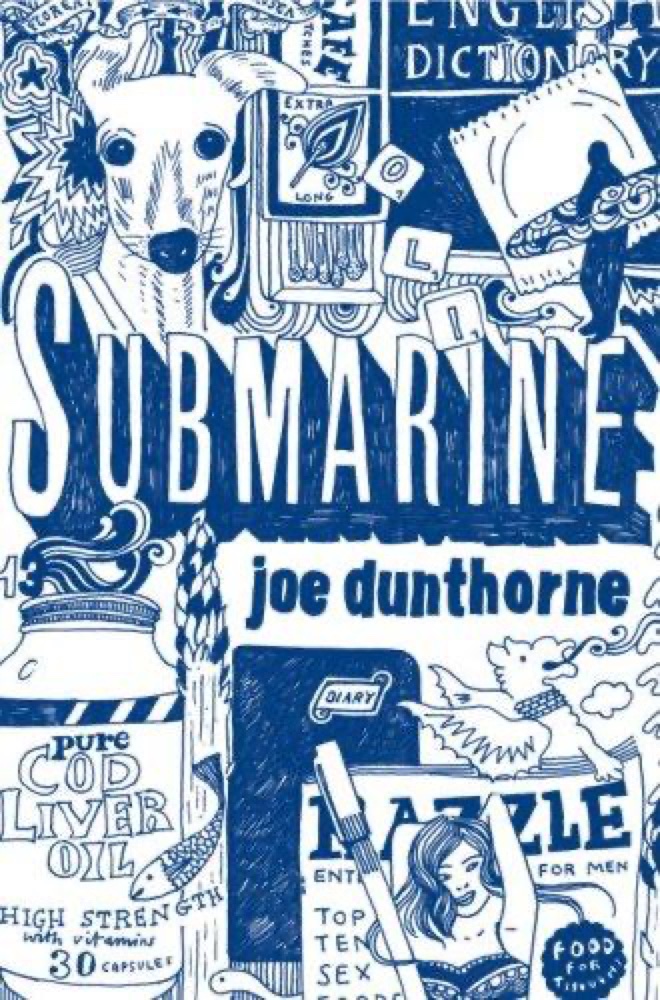 Submarine
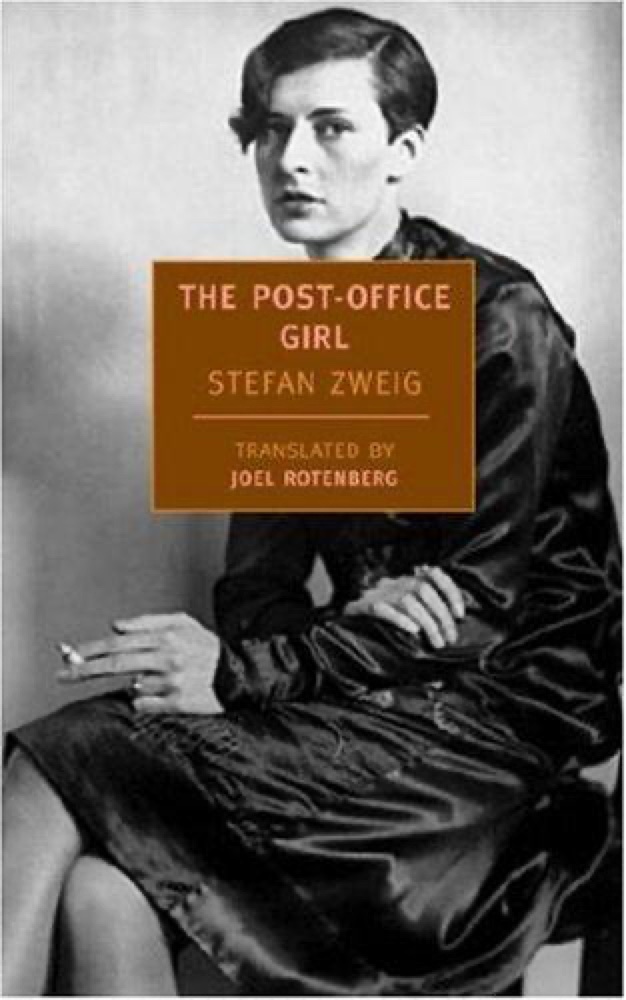 The Post-Office Girl
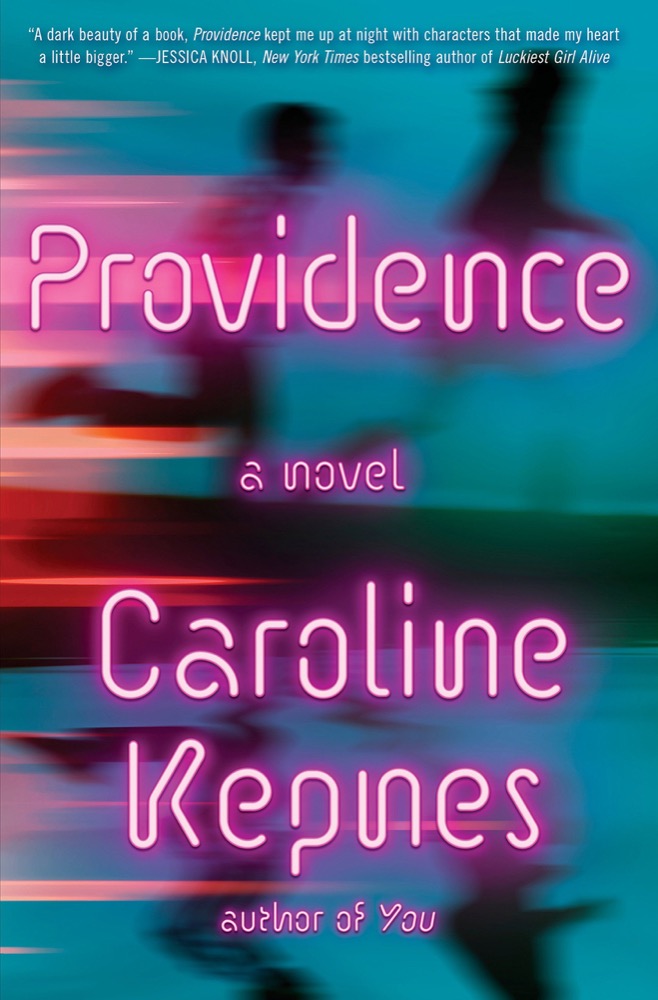 Providence
 Pigs in Heaven
 Foster
 I Capture the Castle
 The Color Master: Stories
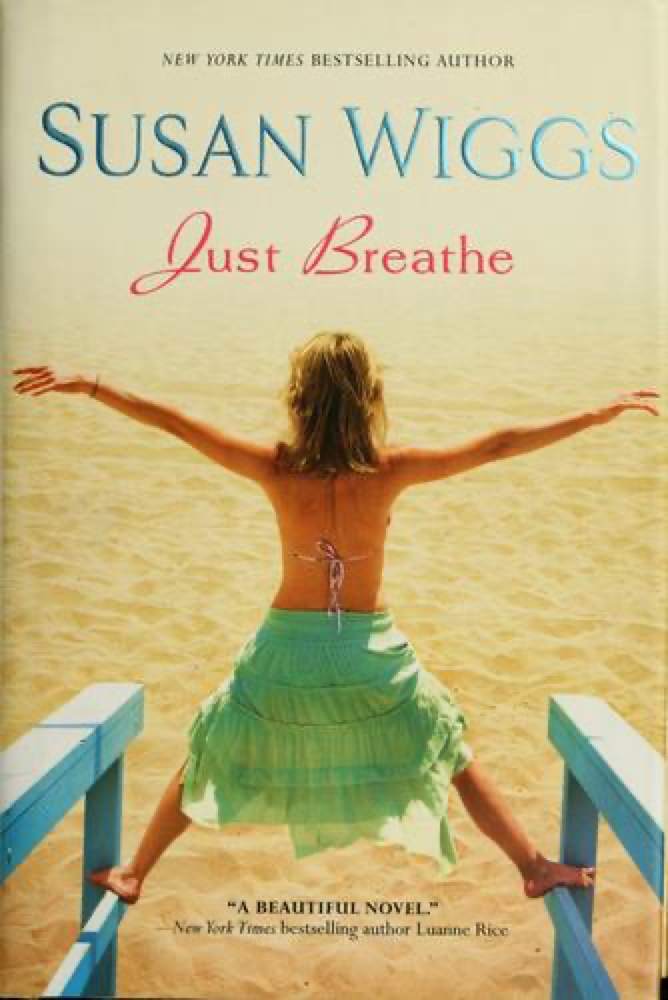 Just Breathe
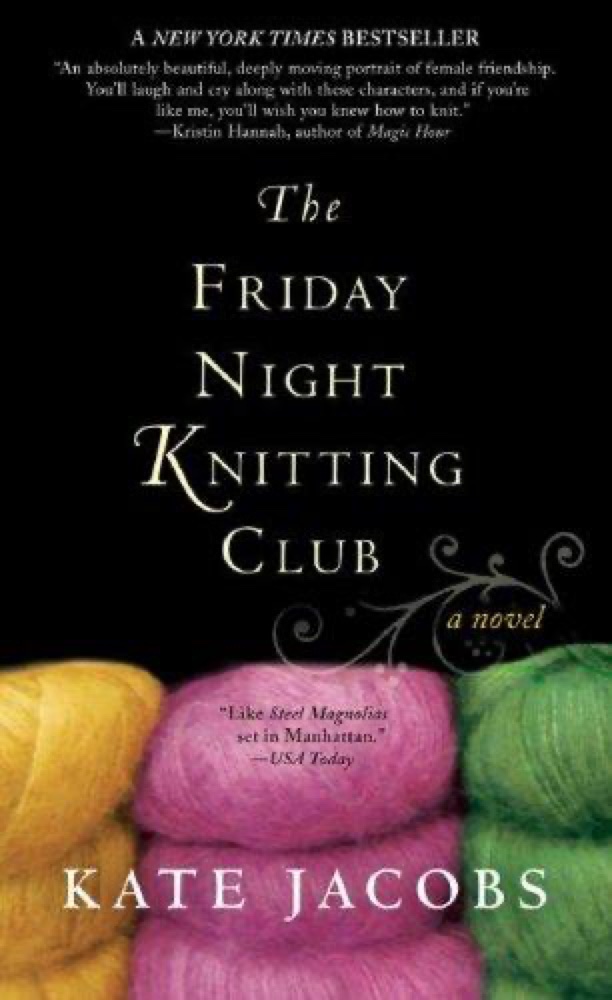 The Friday Night Knitting Club
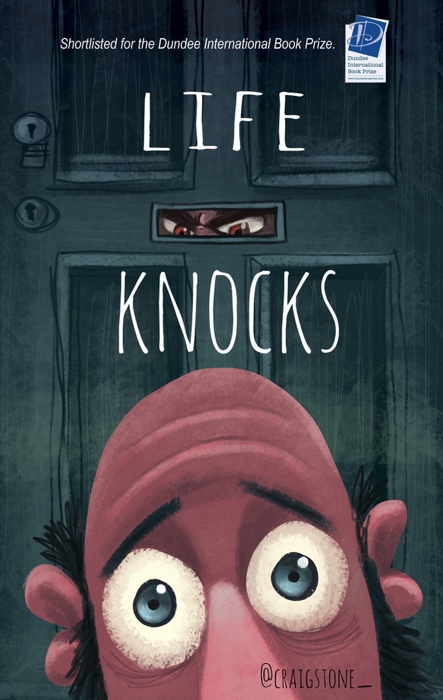 Life Knocks
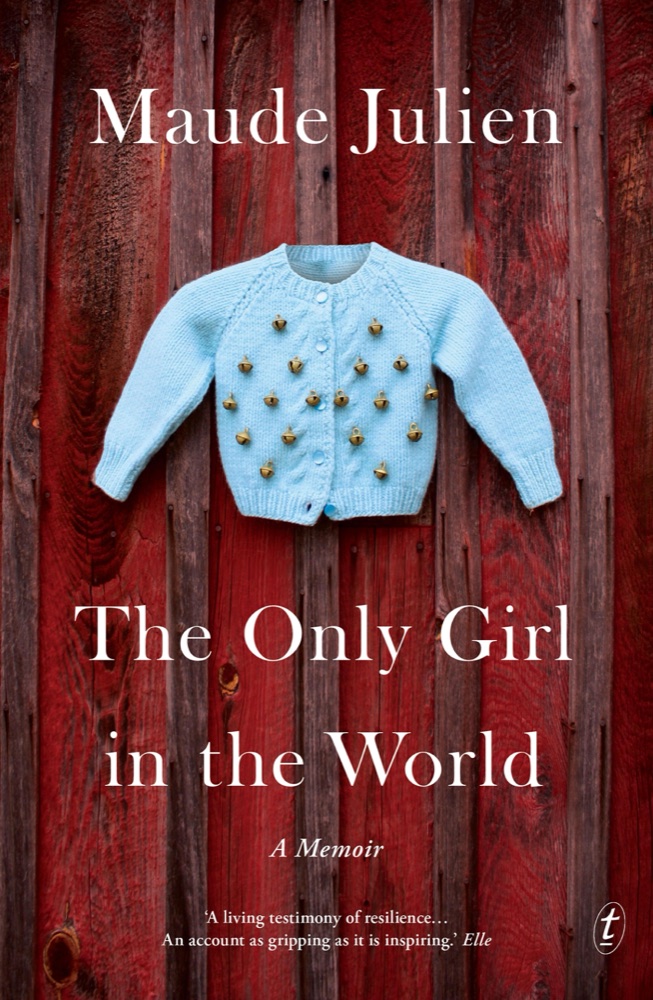 The Only Girl in the World
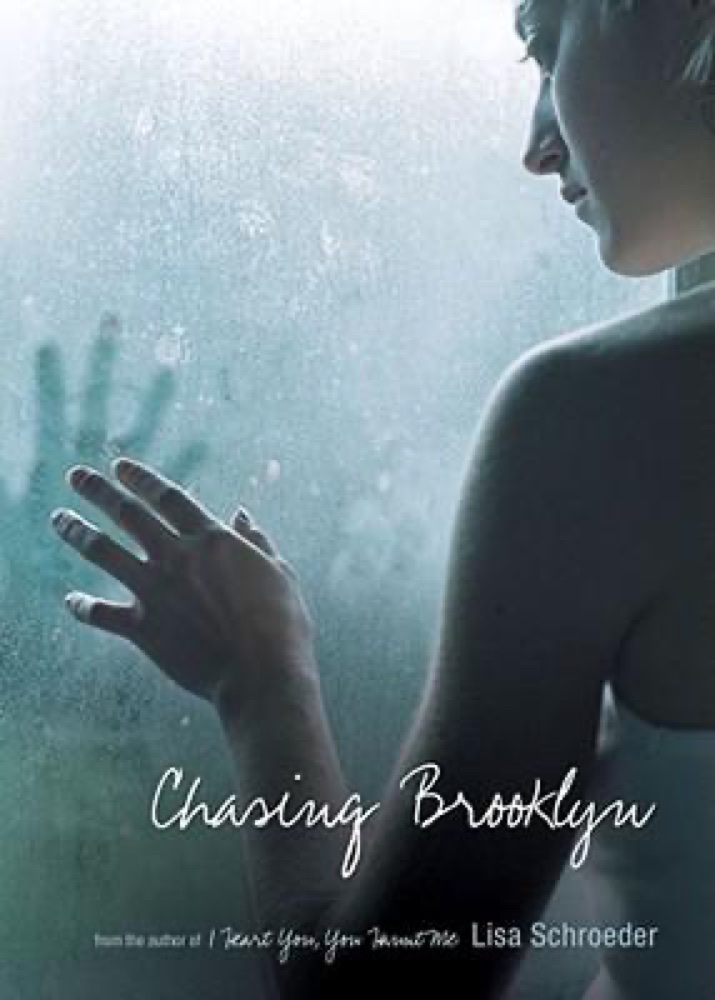 Chasing Brooklyn
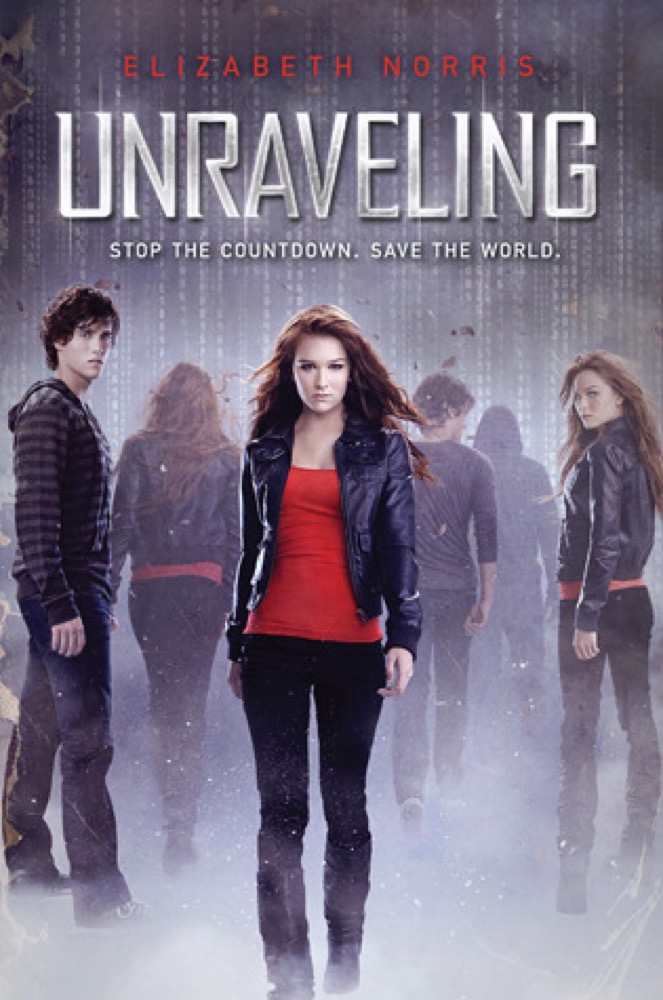 Unraveling
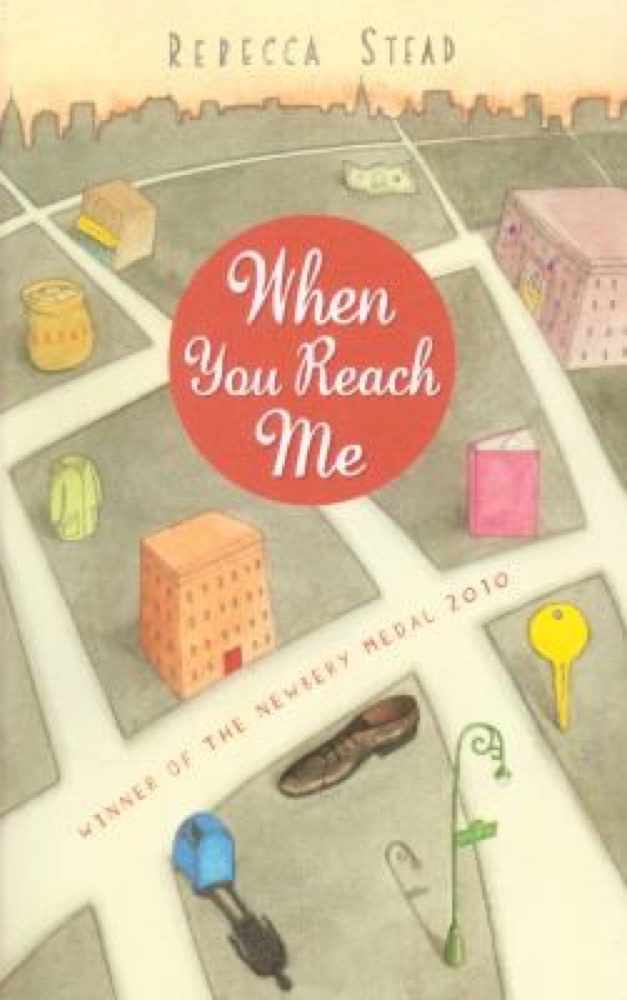 When You Reach Me
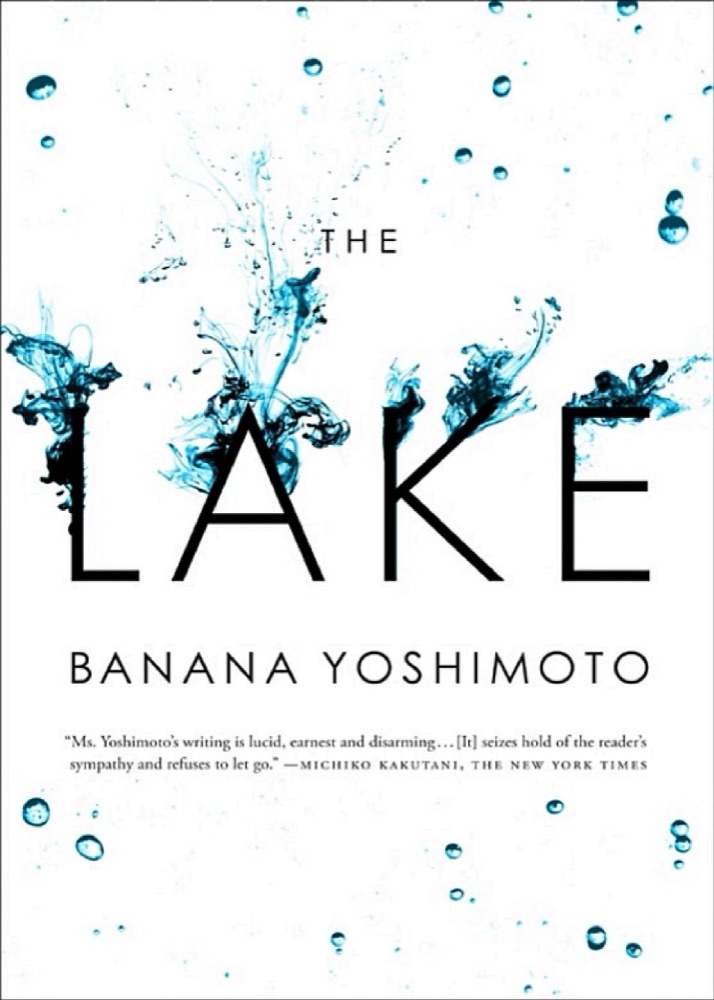 The Lake
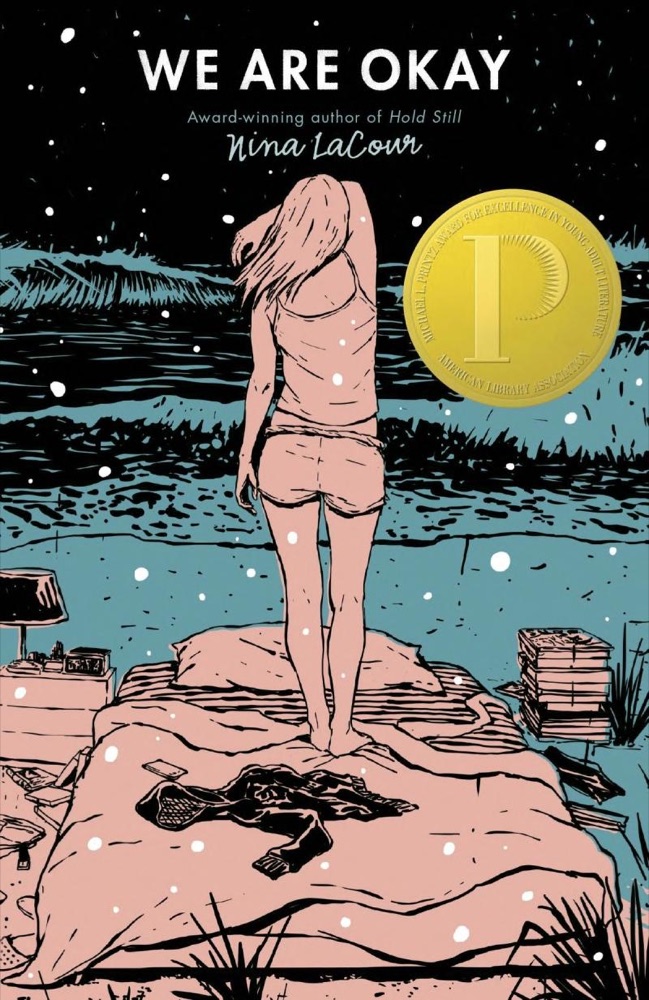 We Are Okay
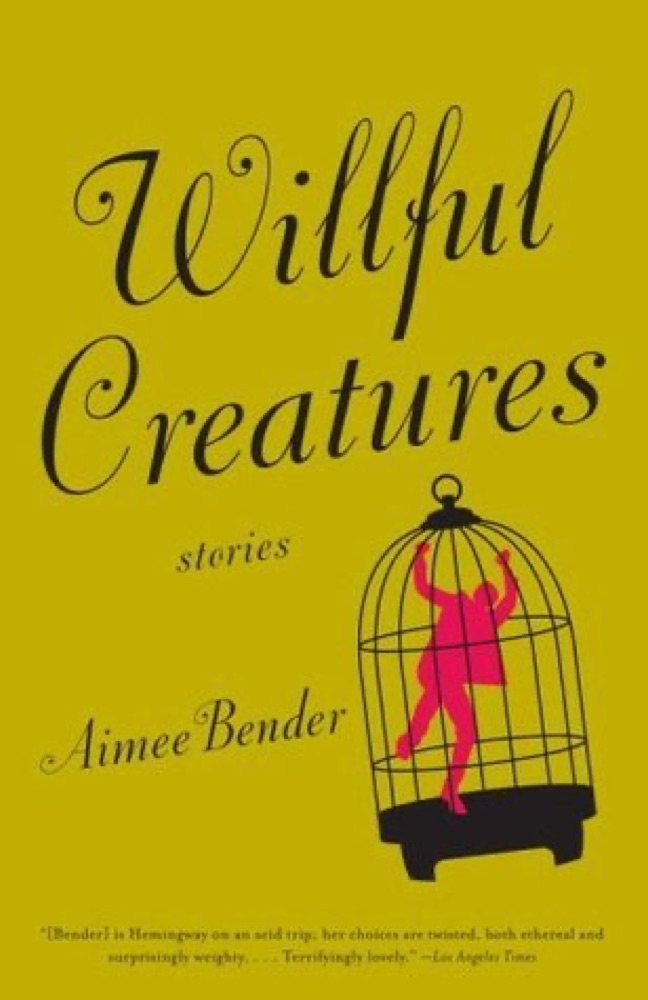 Willful Creatures
 Honey
Honey
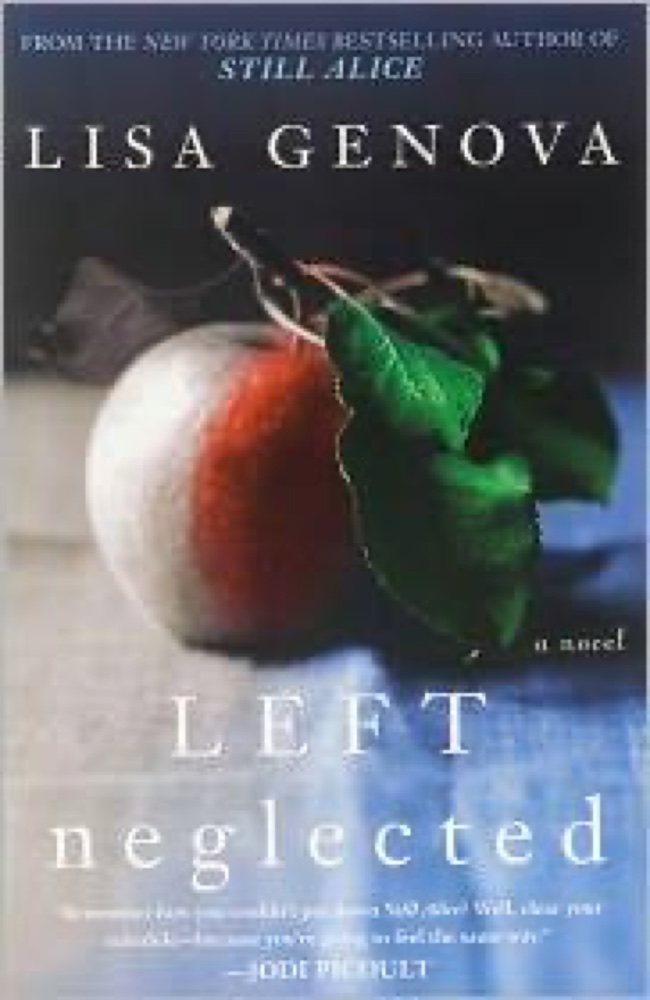 Left Neglected
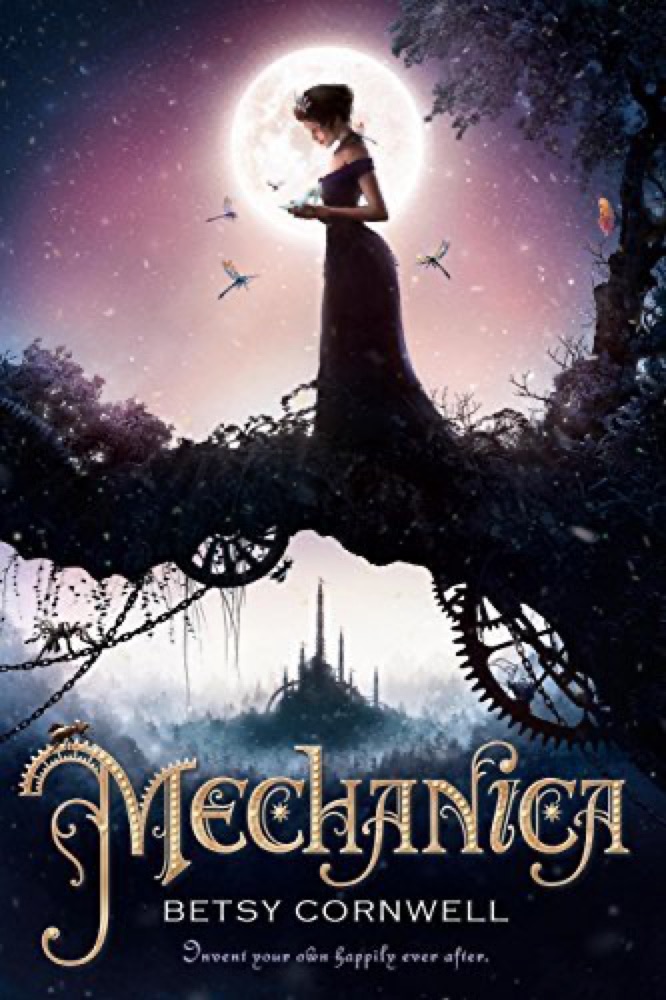 Mechanica
 One Last Stop
 The Girl Before
 Range of Motion
 The Day Before
 Frost Like Night
 Saving CeeCee Honeycutt
 Marrow
 The Portable Henry Rollins
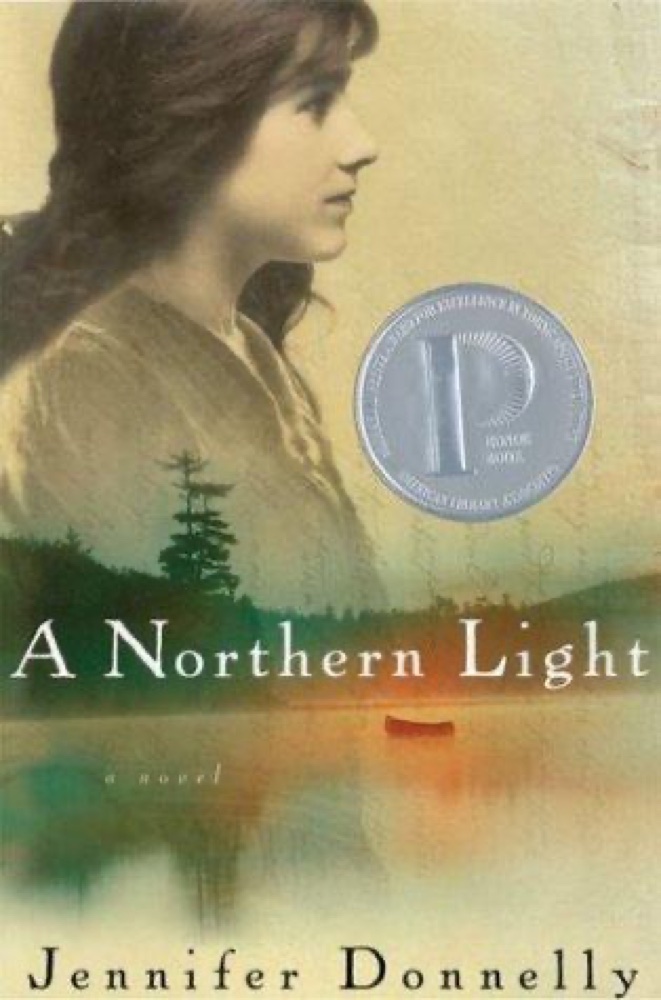 A Northern Light
 Blankets
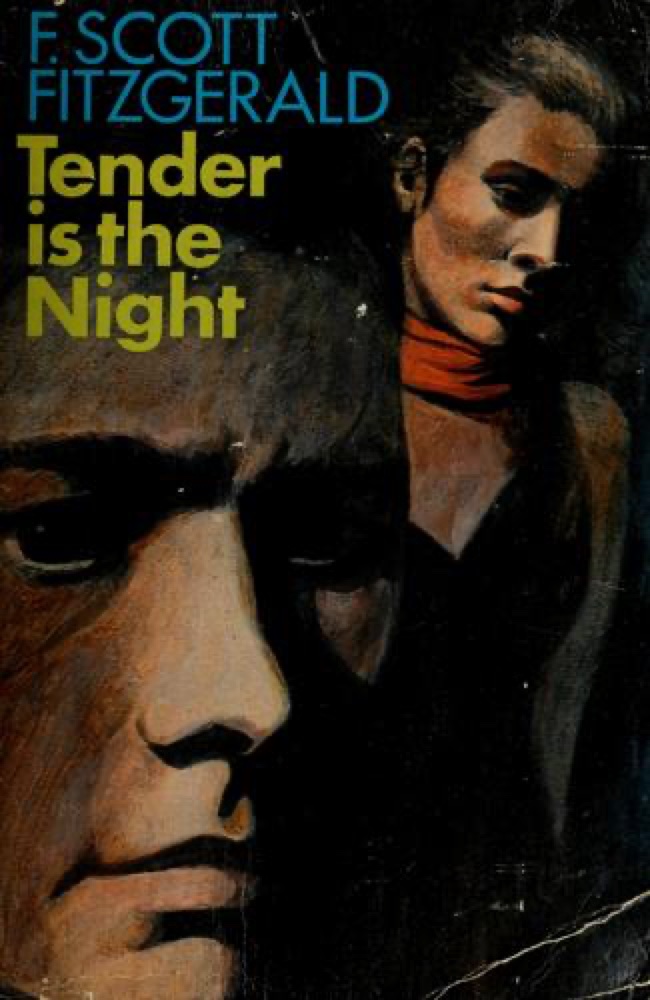 Tender Is the Night