

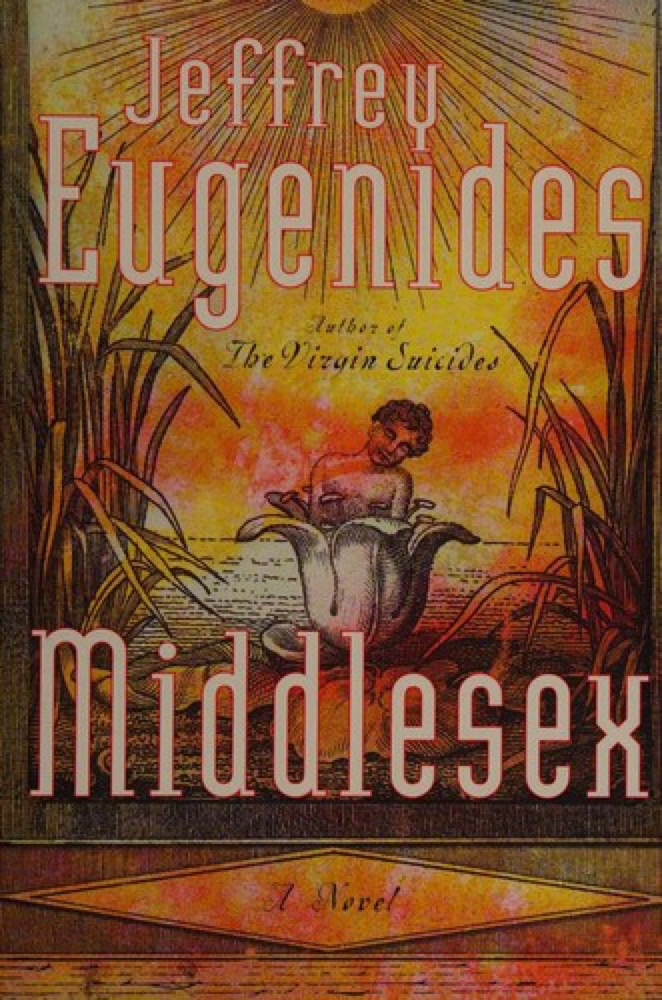
 Middlesex
Quotes from the Book
She held herself very straight, like Audrey Hepburn, whom all women idolize and men never think about.
Basically what we have here is a dreamer. Somebody out of touch with reality. When she jumped, she probably thought she'd fly
It didn't matter in the end how old they had been, or that they were girls, but only that we had loved them, and that they hadn't heard us calling, still do not hear us, up here in the tree house, with our thinning hair and soft bellies, calling them out of those rooms where they went to be alone for all time, alone in suicide, which is deeper than death, and where we will never find the pieces to put them back together.
We couldn't imagine the emptiness of a creature who put a razor to her wrists and opened her veins, the emptiness and the calm.
We felt the imprisonment of being a girl, the way it made your mind active and dreamy, and how you ended up knowing which colors went together. We knew that the girls were our twins, that we all existed in space like animals with identical skins, and that they knew everything about us though we couldn’t fathom them at all. We knew, finally, that the girls were really women in disguise, that they understood love and even death, and that our job was merely to create the noise that seemed to fascinate them.
I don’t know what you’re feeling. I won’t even pretend.
Dr. Armonson stitched up her wrist wounds. Within five minutes of the transfusion he declared her out of danger. Chucking her under the chin, he said, "What are you doing here, honey? You're not even old enough to know how bad life gets." And it was then Cecilia gave orally what was to be her only form of suicide note, and a useless one at that, because she was going to live: "Obviously, Doctor," she said, "you've never been a thirteen-year-old girl.
In the end we had the pieces of the puzzle, but no matter how we put them together, gaps remained, oddly shaped emptinesses mapped by what surrounded them, like countries we couldn't name.
In the end, the tortures tearing the Lisbon girls pointed to a simple reasoned refusal to accept the world as it was handed down to them, so full of flaws.
The girls took into their own hands decisions better left to God. They became too powerful to live among us, too self-concerned, too visionary, too blind.
They had killed themselves over our dying forests, over manatees maimed by propellers as they surfaced to drink from garden hoses; they had killed themselves at the sight of used tires stacked higher than the pyramids; they had killed themselves over the failure to find a love none of us could ever be. In the end, the tortures tearing the Lisbon girls pointed to a simple reasoned refusal to accept the world as it was handed down to them, so full of flaws.
We knew, finally, that the girls were really women in disguise, that they understood love and even death, and that our job was merely to create the noise that seemed to fascinate them.
We knew that Cecilia had killed herself because she was a misfit, because the beyond called to her, and we knew that her sisters, once abandoned, felt her calling from that place, too.
You never get over it, but you get to where it doesn't bother you so much.
We realized that the version of the world they rendered for us was not the world they really believed in...
Words, words, word. Once, I had the gift. I could make love out of words as a potter makes cups of clay. Love that overthrows empire. Love that binds two hearts together, come hellfire & brimstone. For sixpence a line, I could cause a riot in a nunnery. But now -- I have lost my gift. It's as if my quill is broken, as if the organ of my imagination has dried up, as if the proud -illegible word- of my genius has collapsed.
We could never understand why the girls cared so much about being mature, or why they felt compelled to compliment each other, but sometimes, after one of us had read a long portion of the diary out loud, we had to fight back the urge to hug one another or tell each other how pretty we were. We felt the imprisonment of being a girl, the way it made your mind active and dreamy, and how you ended up knowing which colors went together. We knew that the girls were our twins, that we allexisted in space like animals with identical skins, and that they knew everything about us though we couldn'y fathom them at all. We knew finally that the girls were really woman in diquise, that they understood love even death, and that our job was merely to create the noise that seemed to fascinate them.
and she had succeeded, on the second try, in hurling herself out of the world.
What lingered after them was not life, which always overcomes natural death, but the most trivial list of mundane facts: a clock ticking on a wall, a room dim at noon, and the outrageousness of a human being thinking only of herself.
They're just memories now. Time to write them off.
Winter is the season of alcoholism and despair.
The time has to be right and the heart willing.
The zipper opened all the way down our spines.
Capitalism has resulted in material well-being but spiritual bankruptcy.
We had loved them, and that they hadn't heard us calling, still do not hear us... calling them out of those rooms where they went to be alone for all time, alone in suicide, which is deeper than death, and where we will never find the pieces to put them back together.
The seeds of death get lost in the mess that God made us.
Added to their loveliness was a new mysterious suffering, perfectly silent, visible in the blue puffiness beneath their eyes or the way they would sometimes stop in mid-stride, look down, and shake their heads as though disagreeing with life.
The world, a tired performer, offers us another half-assed season.
Did you know?
- The novel is written in the first person plural, narrated by an anonymous group of neighborhood boys.
- It is set in Grosse Pointe, Michigan, during the 1970s.
- It was Jeffrey Eugenides's debut novel.
- An early version of the first chapter won the 1991 Aga Khan Prize for Fiction from The Paris Review.
- Eugenides was inspired after his nephew's teenage babysitter said she and her sisters had planned to commit suicide because they were 'under a lot of pressure.'
- Sofia Coppola's 1999 film adaptation was her feature directorial debut.
About Jeffrey Eugenides
Jeffrey Eugenides (born 1960) is an American novelist and short-story writer best known for The Virgin Suicides (1993), Middlesex (2002), and The Marriage Plot (2011). Middlesex won the 2003 Pulitzer Prize for Fiction.
More about the author →More by Jeffrey Eugenides
About the book
The Virgin Suicides, Jeffrey Eugenides's 1993 debut novel, is set in the affluent suburb of Grosse Pointe, Michigan, during the 1970s and centers on the five Lisbon sisters, whose deaths over the course of roughly a year haunt the neighborhood. After the youngest, thirteen-year-old Cecilia, attempts suicide and later succeeds, the surviving daughters are placed under the increasingly strict confinement of their controlling parents, culminating in a coordinated tragedy. The story is narrated in the first person plural by a group of anonymous neighborhood boys who, obsessively cataloguing their memories, relics, and fantasies, struggle years later to explain what they witnessed but never truly understood.
Told entirely through the collective, retrospective voice of these adolescent onlookers, the novel dwells on suburban isolation, adolescent alienation, suffocating parental control, and the unbridgeable gap between how we perceive others and their unknowable inner lives. The girls remain elusive figures glimpsed through the boys' longing and imagination, and the book turns the mystery of their deaths into a meditation on memory, desire, and the limits of understanding.
A critical success on publication by Farrar, Straus and Giroux, the novel established Eugenides as a major literary voice; its distinctive plural narration and mood of dreamy melancholy became widely influential. In 1999 it was adapted into an acclaimed film that marked Sofia Coppola's feature directorial debut, cementing the book's place in contemporary American fiction and introducing its atmosphere to a broad audience.
Key characters
- The Lisbon sistersFive daughters, aged thirteen to seventeen, at the center of the tragedy
- Lux LisbonThe rebellious sister who becomes involved with Trip Fontaine
- Cecilia LisbonThe youngest sister, whose suicide attempt sets events in motion
- Ronald LisbonThe girls' father, a high-school math teacher
- Mrs. LisbonThe girls' strict, deeply religious mother
- Trip FontaineA local heartthrob who pursues and dates Lux
- The neighborhood boysAnonymous collective narrators recalling the events years later
Book details
- First published
- 1993
- Length
- 249 pages
- Reading time
- 2 hours
- Author
- Jeffrey Eugenides
- Genre
- Classics
- Goodreads rating
- 3.78 (431k ratings) →
- First line
- “On the morning the last Lisbon daughter took her turn at suicide—it was Mary this time, and sleeping pills, like Therese—the two paramedics arrived at the house knowing exactly where the knife drawer was, and the gas oven, and the beam in the basement from which it was possible to tie a rope.”
Movie & TV adaptations
- IMDb
If you liked this, read…
- 1MiddlesexEugenides's Pulitzer-winning novel with the same lyrical voice and Michigan setting
- 2The Lovely BonesA haunting, retrospective narrative built around the death of a young girl
Keep reading
 The Walls Around Us
 The Book of the Unnamed Midwife
 The Story Sisters
 Girls on Fire
 Paint it Black
 Every Heart a Doorway
 The Story of a New Name
 The Ministry of Utmost Happiness
 The Witches of Eastwick
 The Void
 Birds of America
 The Children Act
 Requiem for a Dream
 Atonement
 Sula
Sula
 The Girls
 Rainbow Black
 A Reliable Wife
 The Age of Innocence
 Carrie
 Freshwater
 I, Zombie
 Under the Skin
 The Forgotten Garden
 The Girls
 Women in Love
 Case Histories
 The Hellbound Heart
 The House of Mirth
 Sever
Sever
 I Never Promised You a Rose Garden
 Manhunt
 The Passage
 Spin
Spin
 The Hearts We Sold
 Ghostgirl
 After Leaving Mr. Mackenzie
 Every Dead Thing
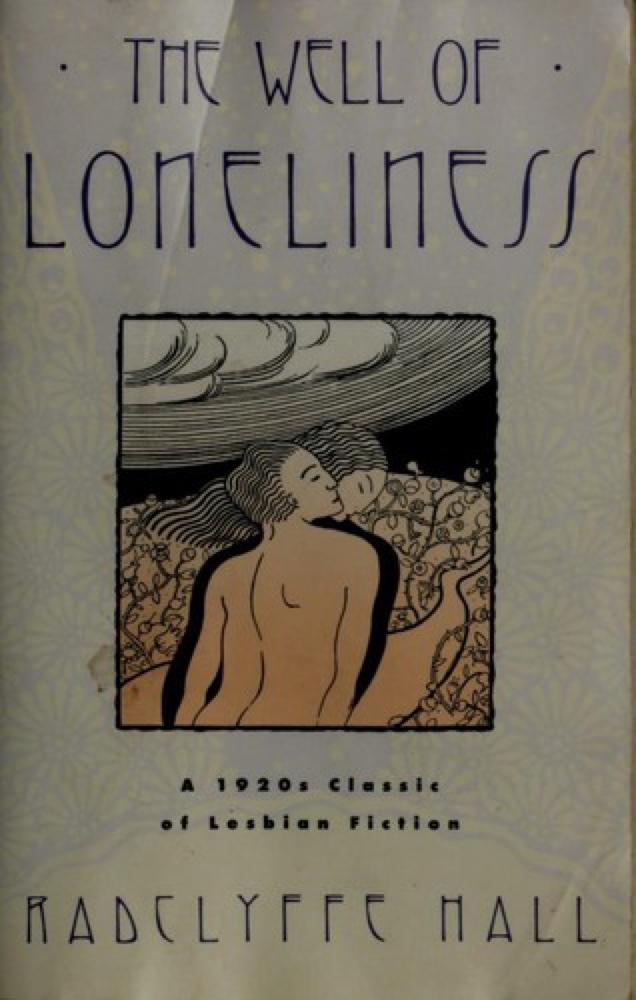 The Well of Loneliness
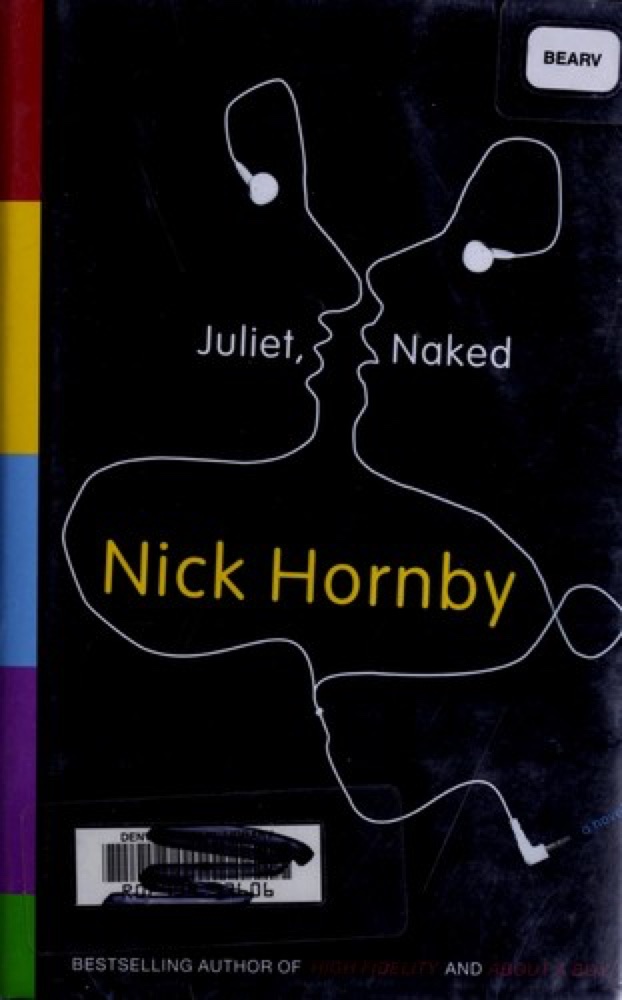 Juliet, Naked
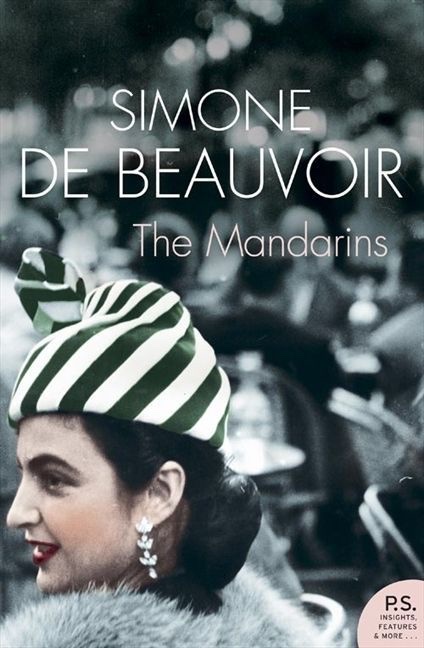 The Mandarins
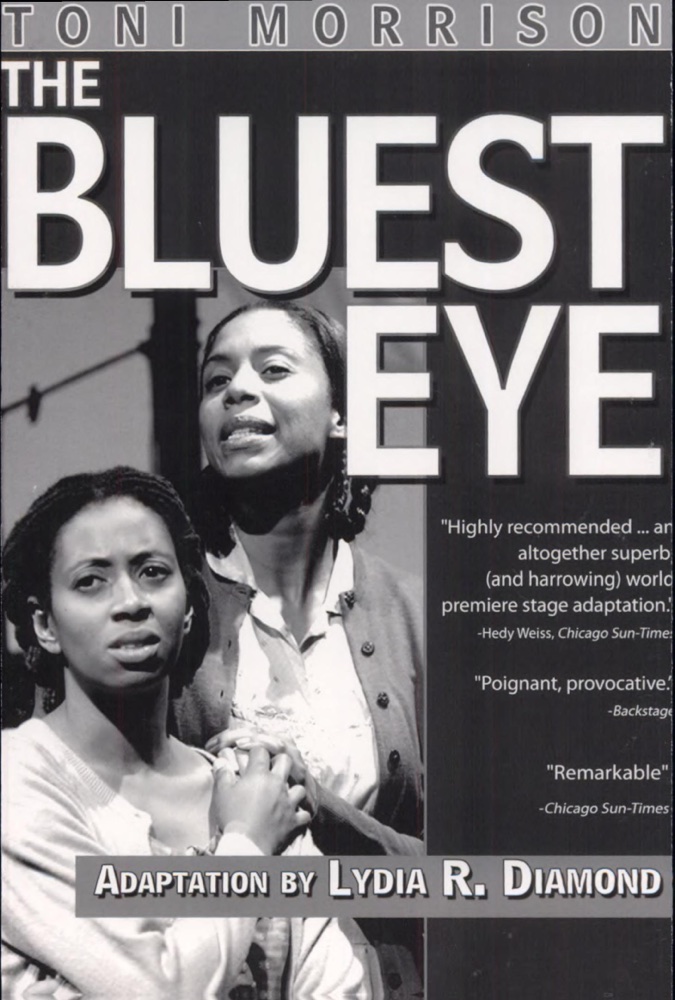 The Bluest Eye
 The Cuckoo's Calling
 The Husband's Secret
 When We Lost Our Heads
 The Slow Regard of Silent Things
 Other Voices, Other Rooms
 The People Look Like Flowers at Last
 The Yellow Birds
 Ilustrado
 The Burgess Boys
 Life After Life
 The Casual Vacancy
 Three Comrades
 Silent Scream
 The Strange and Beautiful Sorrows of Ava Lavender
 The Probable Future
 Saint X
 The Likeness
 The Story of the Lost Child