
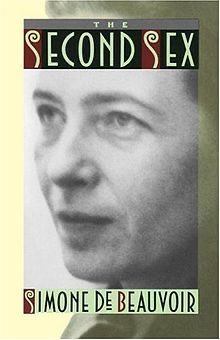
 The Second Sex
Quotes from the Book
Be loved, be admired, be necessary; be somebody.
…but all day long I would be training myself to think, to understand, to criticize, to know myself; I was seeking for the absolute truth: this preoccupation did not exactly encourage polite conversation.
The books I liked became a Bible from which I drew advice and support; I copied out long passages from them; I memorized new canticles and new litanies, psalms, proverbs, and prophecies, and I sanctified every incident in my life by the recital of these sacred texts. My emotions, my tears, and my hopes were no less sincere on account of that; the words and the cadences, the lines and the verses were not aids to make believe: but they rescued from silent oblivion all those intimate adventures of the spirit that I couldn’t speak to anyone about; they created a kind of communion between myself and those twin souls which existed somewhere out of reach; instead of living out my small private existence, I was participating in a great spiritual epic.
In fact, the sickness I was suffering from was that I had been driven out of the paradise of childhood and had not found my place in the world of adults. I had set myself up in the absolute in order to gaze down upon this world which was rejecting me; now, if I wanted to act, to write a book, to express myself, I would have to go back down there: but my contempt had annihilated it, and I could see nothing but emptiness. The fact is that I had not yet put my hand to the plow. Love, action, literary work: all I did was to roll these ideas round in my head; I was fighting in an abstract fashion against abstract possibilities, and I had come to the conclusion that reality was of the most pitiful insignificance. I was hoping to hold fast to something, and misled by the violence of this indefinite desire, I was confusing it with the desire for the infinite.
I was very fond of Lagneau’s phrase: “I have no comfort but in my absolute despair.
On the evenings when my parents held parties, the drawing-room mirrors multiplied to infinity the scintillations of a crystal chandelier. Mama would take her seat at the grand piano to accompany a lady dressed in a cloud of tulle who played the violin and a cousin who performed on a cello. I would crack between my teeth the candied shell of an artificial fruit, and a burst of light would illuminate my palate with a taste of blackcurrant or pineapple: all the colours, all the lights were mine, the gauzy scarves, the diamonds, the laces; I held the whole party in my mouth.
The thing I understood least of all was that knowledge led to despair and damnation. Our spiritual mentor had not said that those bad books had given a false picture of life: if that had been the case, he could easily have exposed their falsehood; the tragedy of the little girl whom he had failed to bring to salvation was that she had made a premature discovery of the true nature of reality. Well, anyhow, I thought, I shall discover it myself one day, and it isn’t going to kill me: the idea that there was a certain age when knowledge of the truth could prove fatal I found offensive to common sense.
Literature took the place in my life that had once been occupied by religion: it absorbed me entirely, and transfigured my life.
Alone: for the first time I understood the terrible significance of that word. Alone without a witness, without anyone to speak to, without refuge. The breath in my body, the blood in my veins, all this hurly-burly in my head existed for nobody.
One afternoon Clairaut came over to me with a book in his hand: “Mademoiselle de Beauvoir,” he began, in an inquisitorial tone, “what do you make of Brochard who is of the opinion that Aristotle’s God would be able to experience sexual pleasure?” Herbaud cast him a disdainful look: “I should hope so, for his sake,” he haughtily replied.
La stupidità ci faceva ridere, era uno dei nostri grandi motivi di spasso, ma aveva anche qualcosa di spaventevole. Se avesse prevalso, non avremmo più avuto il diritto di pensare, di prendere in giro, di provare veri desideri, veri piaceri. Bisognava combatterla o rinunciare a vivere.
Mais le pire, quand on habite une prison sans barreaux, c'est qu'on n'a pas même conscience des écrans qui bouchent l'horizon; j'errais à travers un épais brouillard, et je le croyais transparent. Les choses qui m'échappaient, je n'en entrevoyais même pas la présence.
If I had rediscovered in Heaven, amplified to infinity, the monstrous alliance of fragility and implacability, of caprice and artificial necessity which had oppressed me since my birth, rather than worship Him I would have chosen damnation.
Peut-être vas-tu me trouver ridicule, mais je me mépriserais de n'oser l'être jamais.
Watch on YouTube
About Simone de Beauvoir
We have collected 209 quotes from 12 books by Simone de Beauvoir on BookQuoters.
More about the author →More by Simone de Beauvoir
All books by Simone de Beauvoir →
Book details
- Author
- Simone de Beauvoir
- Genre
- Nonfiction
- Goodreads rating
- 4.12 (19k ratings) →
Keep reading
 Confessions
 The Words: The Autobiography of Jean-Paul Sartre
 Prime of Life
 The Thief's Journal
 The Lifted Veil
 Those Who Leave and Those Who Stay
 Les Chants de Maldoror
 A Hero of Our Time
 Peter Camenzind
 Agnes Grey
 Mother Mary Comes to Me
 Ada, or Ardor: A Family Chronicle
 The Story of the Lost Child
 Brideshead Revisited: The Sacred and Profane Memories of Captain Charles Ryder
 Testament of Youth
 Villette
 Tropic of Capricorn
 The Story of a New Name
 Mathilda
 The Untouchable
 Look at Me
 The Scapegoat
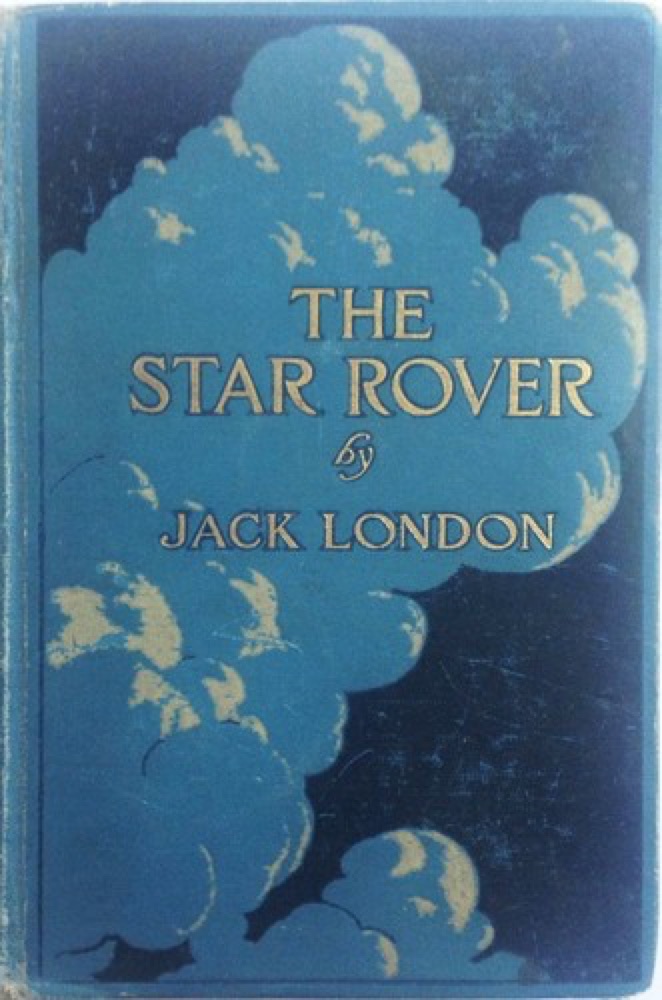 The Star Rover
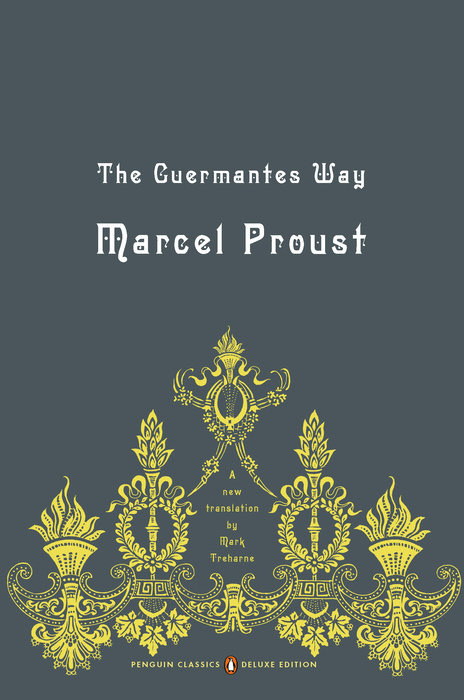 The Guermantes Way
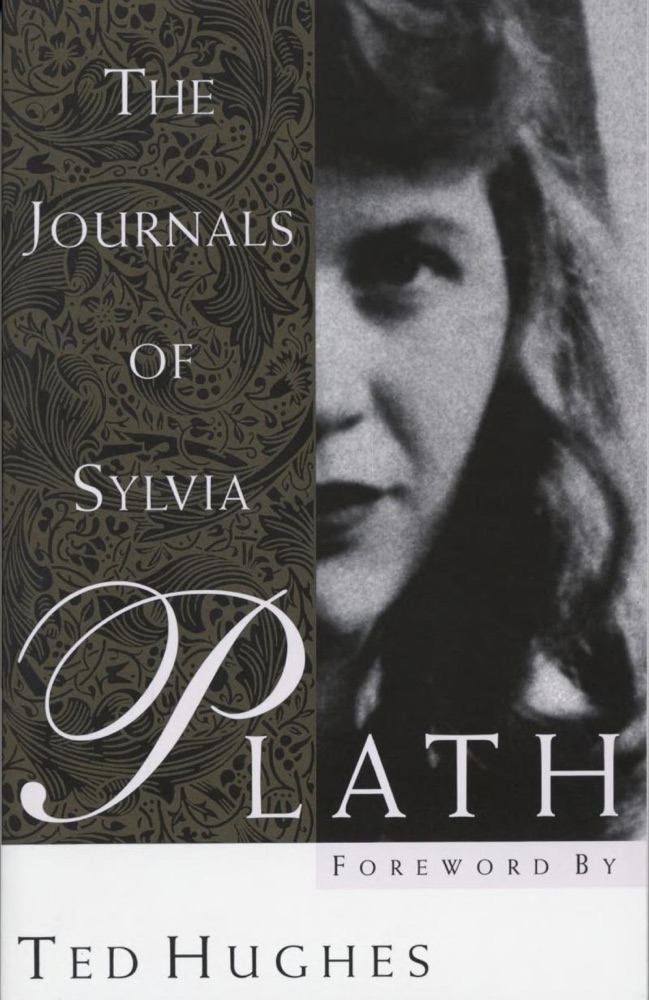 The Journals of Sylvia Plath
 Childhood, Boyhood, Youth
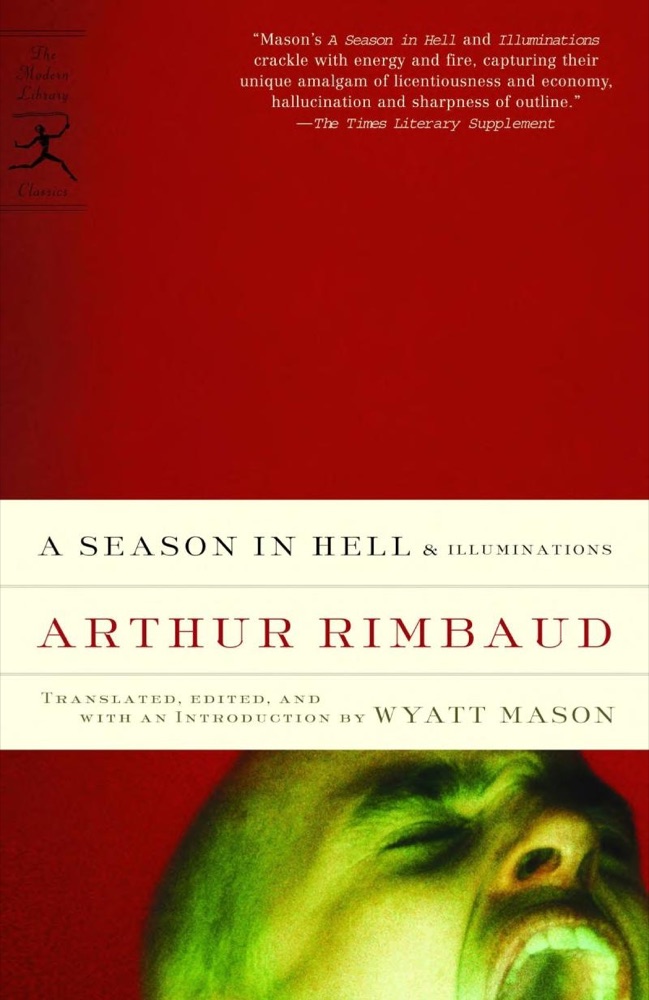 A Season in Hell & Illuminations
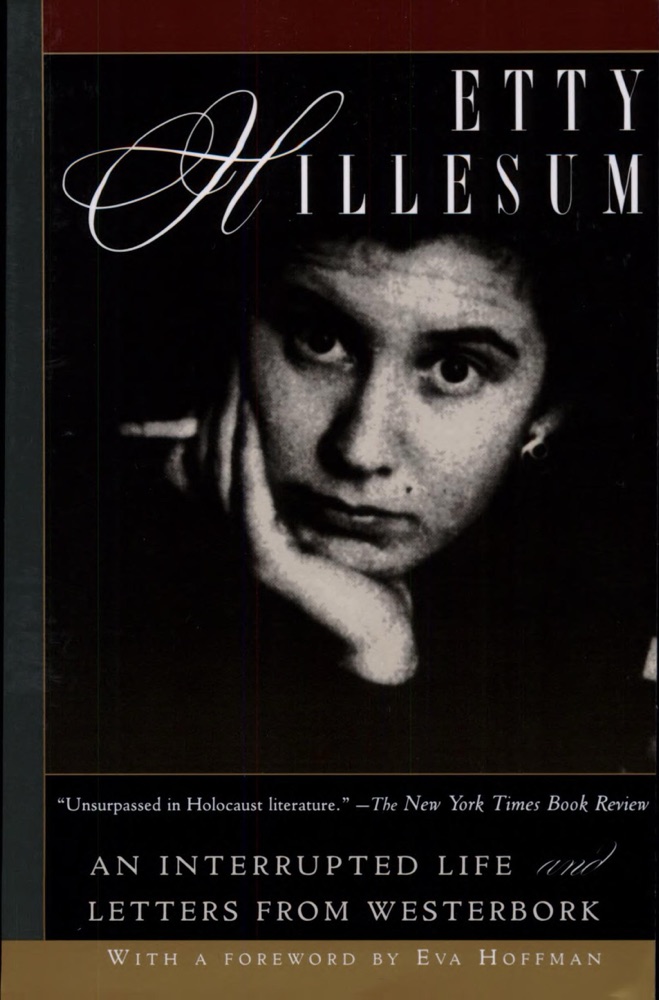 An Interrupted Life: The Diaries, 1941-1943; and Letters from Westerbork
 The Gentle Spirit
 Phantastes
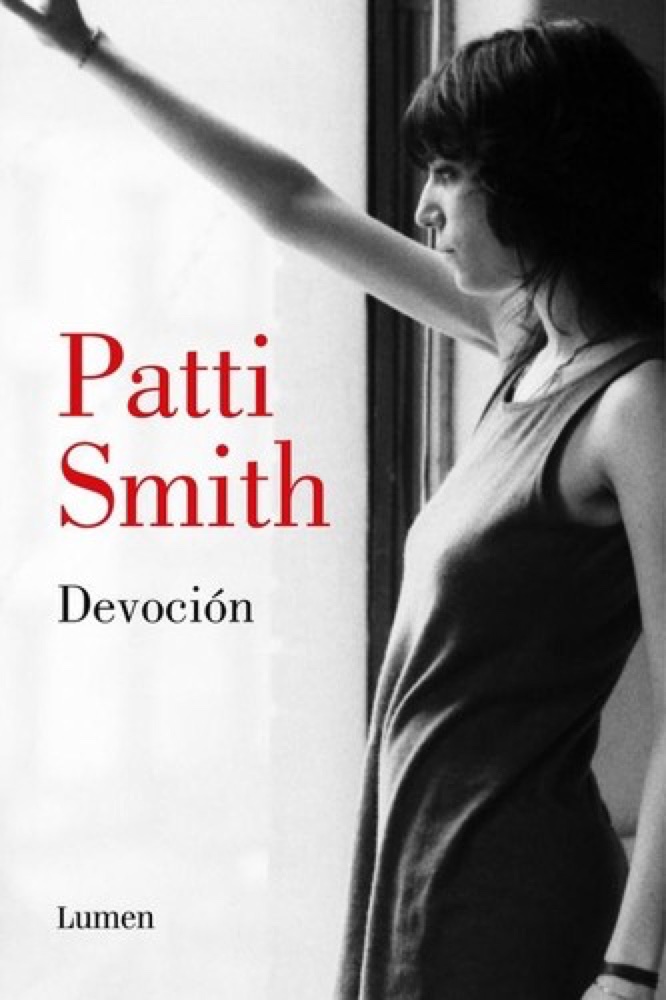 Devotion
 Kokoro
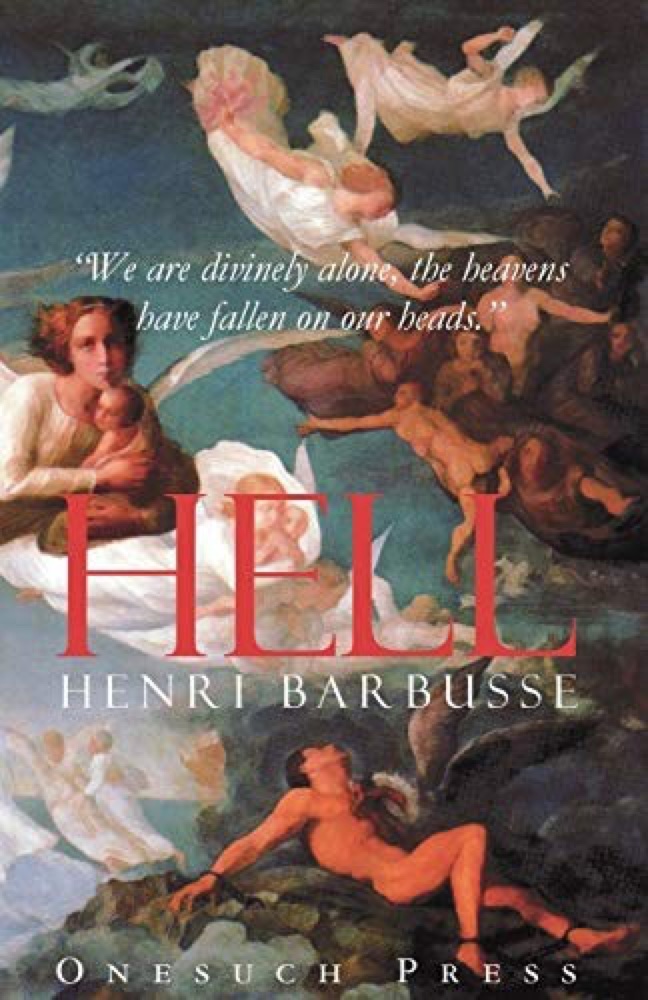 Hell
Hell
 Near to the Wild Heart
 The Tunnel
 Without Dogma
 First Love and Other Novellas
 Memories, Dreams, Reflections
 The Life of Charlotte Brontë
 The Lords of Discipline
 Autobiography
 Johnny Panic and the Bible of Dreams: Short Stories, Prose and Diary Excerpts
 My Friends
 In the Heart of the Heart of the Country and Other Stories
 The Age of Reason
 Uncle Silas
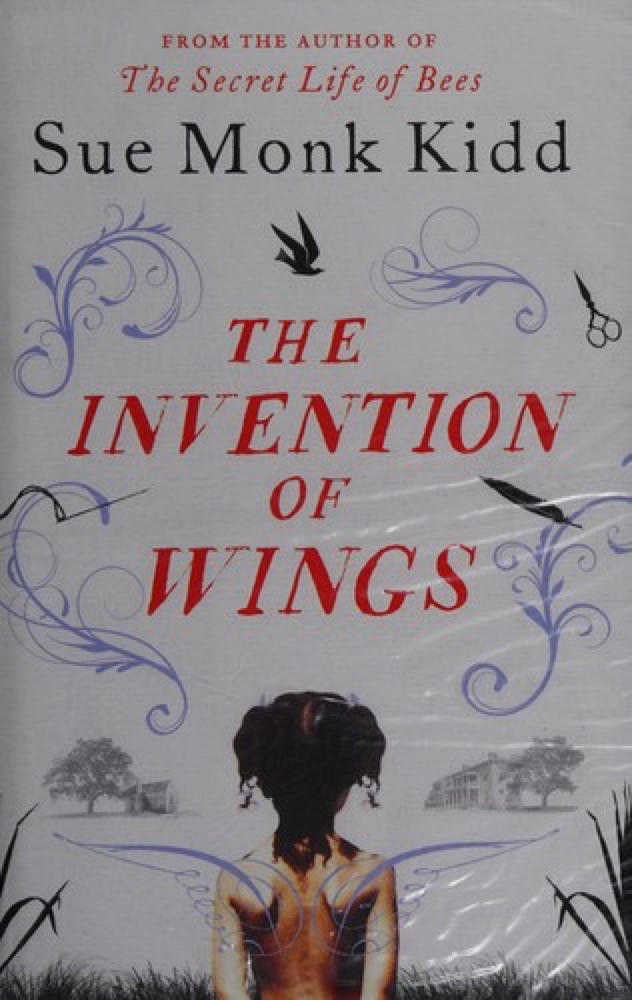 The Invention of Wings
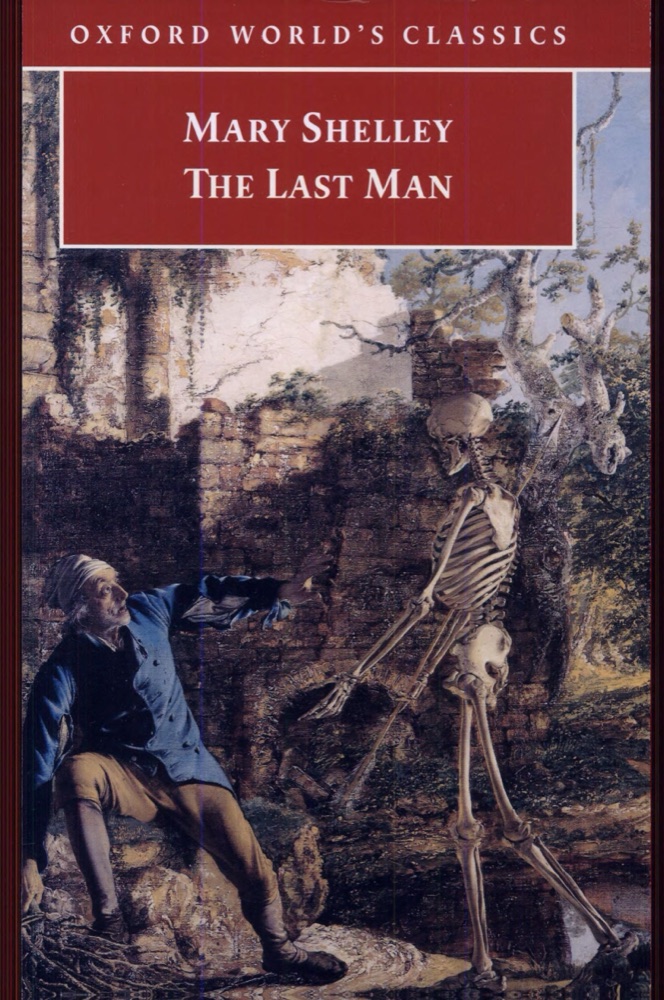 The Last Man
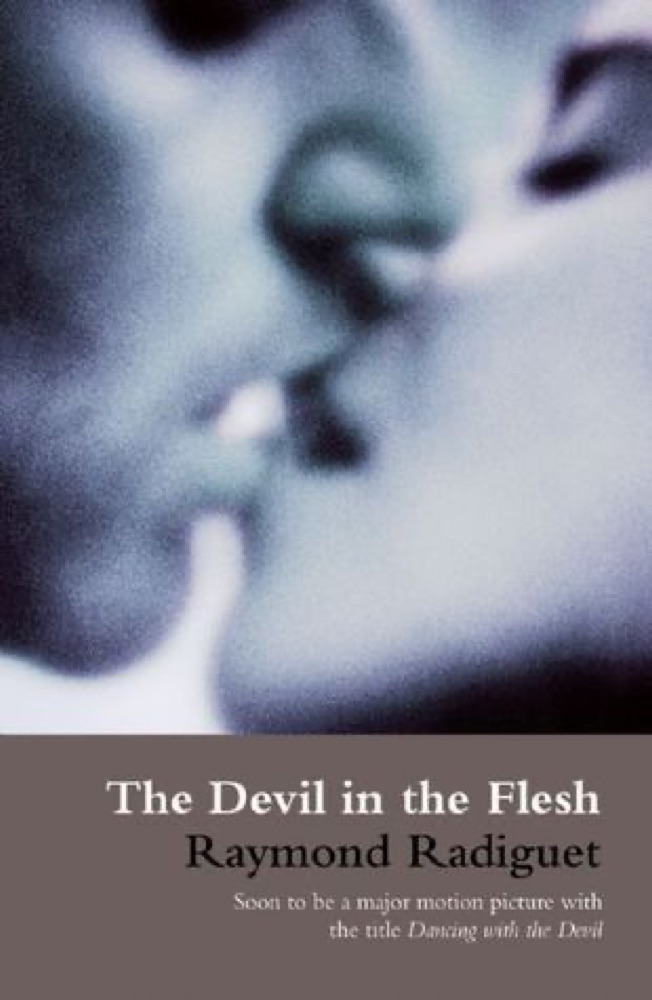 The Devil in the Flesh
 Oblomov
 The Joke
 The Professor
 By Grand Central Station I Sat Down and Wept
 Sexus
Sexus
 Frankenstein
 Reveries of the Solitary Walker
 Jane Eyre
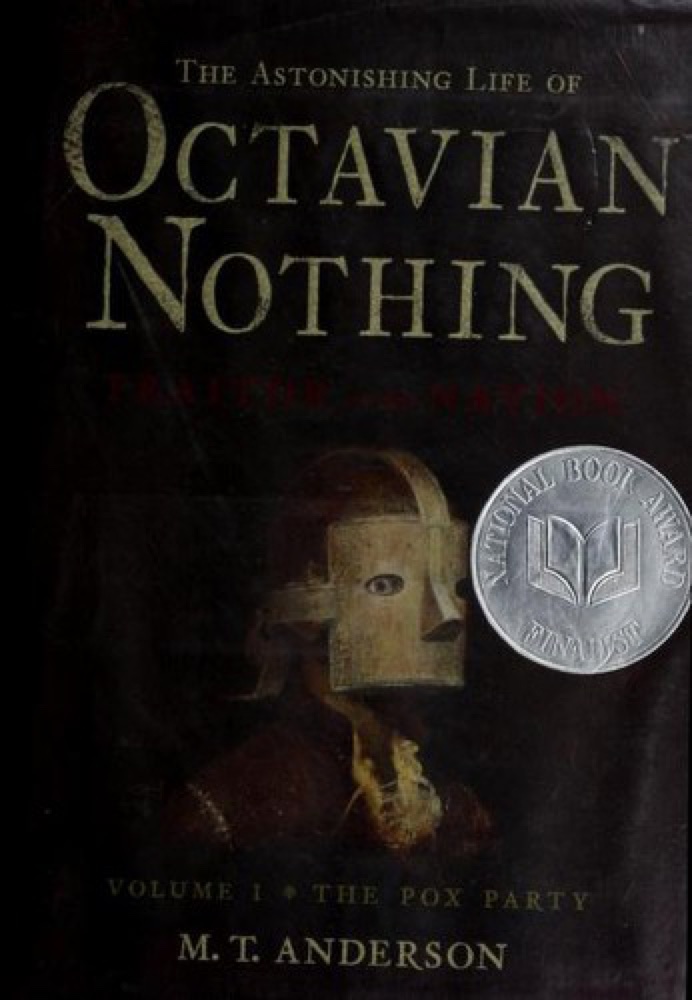 The Pox Party
 Let Me Tell You What I Mean
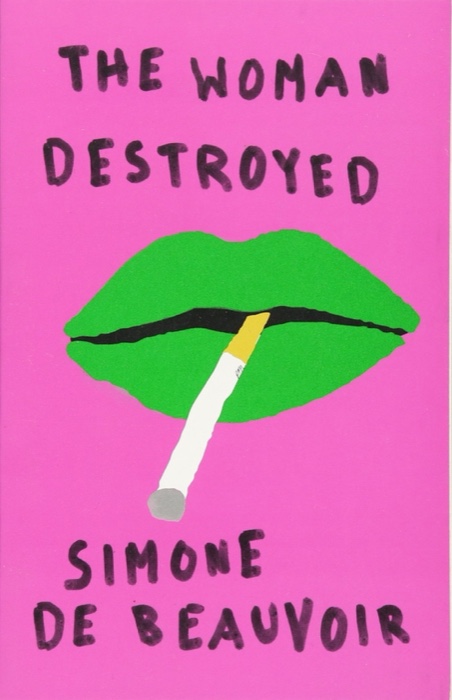 The Woman Destroyed