

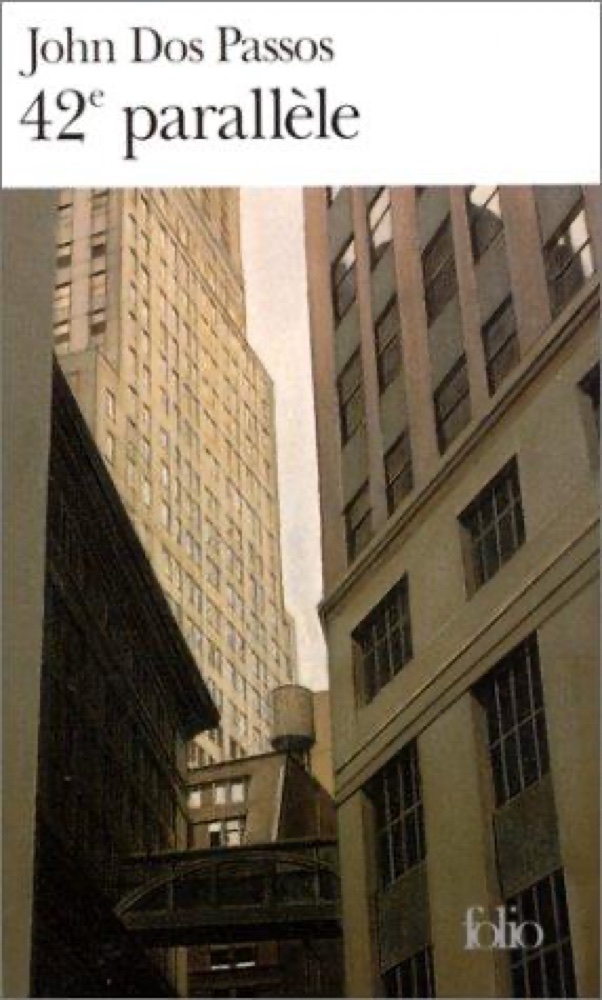
 The 42nd Parallel
Quotes from the Book
Do you know how long God took to destroy the Tower of Babel, folks? Seven minutes. Do you know how long the Lord God took to destroy Babylon and Nineveh? Seven minutes. There’s more wickedness in one block in New York City than there was in a square mile in Nineveh, and how long do you think the Lord God of Sabboath will take to destroy New York City and Brooklyn and the Bronx? Seven seconds. Seven Seconds.
The terrible thing about having New York go stale on you is that there's nowhere else. It's the top of the world.
Weißt du, Jimmy, ich glaube, es wird ganz lustig sein, ein Weilchen in einer Redaktion zu sitzen." "Ich fände es schon sehr lustig, wenn ich _irgendwo_ sitzen dürfte... Na ja, da bleibe ich eben zu Haus und passe auf das Baby auf." "Sei nicht so verbittert, Jimmy, es ist ja nur vorübergehend." "Das ganze Leben ist nur vorübergehend." (S. 250)
There was Babylon and Nineveh; they were built of brick. Athens was gold marble columns. Rome was held up on broad arches of rubble. In Constantinople the minarets flame like great candles round the Golden Horn… Steel, glass, tile, concrete will be the materials of the skyscraper. Crammed on the narrow island the millionwindowed buildings will just glittering, pyramid on pyramid like the white cloudhead above a thunderstorm.
Aint no good place to look for a job, young feller. . . . There’s jobs all right. . . . I’ll be sixty-five years old in a month and four days an I’ve worked sence I was five I reckon, an I aint found a good job yet.
How do I get to Broadway?...I want to get to the center of things.
The terrible thing about having New York go stale on you is that there's nowhere else. It's the top of the world. All we can do is go round and round in a squirrel cage.
Such afternoons the buses are crowded into line like elephants in a circusparade. Morningside Heights to Washington Square, Penn Station to Grant's Tomb. Parlorsnakes and flappers joggle hugging downtown uptown, hug joggling gray square after gray square, until they see the new moon giggling over Weehawken and feel the gusty wind of a dead Sunday blowing dust in their faces, dust of a typsy twilight.
Watch on YouTube
About John Dos Passos
We have collected 31 quotes from 4 books by John Dos Passos on BookQuoters.
More about the author →More by John Dos Passos

Book details
- Author
- John Dos Passos
- Genre
- Classics
- Goodreads rating
- 3.64 (7k ratings) →
Keep reading
 The Colossus of New York
 Goodbye to All That: Writers on Loving and Leaving New York
 The City We Became
 New York
 Watchmen
 Where'd You Go, Bernadette
 Skinny Legs and All
 Bright Lights, Big City
 Detroit: An American Autopsy
 Alas, Babylon
 New York 2140
 Valley of the Dolls
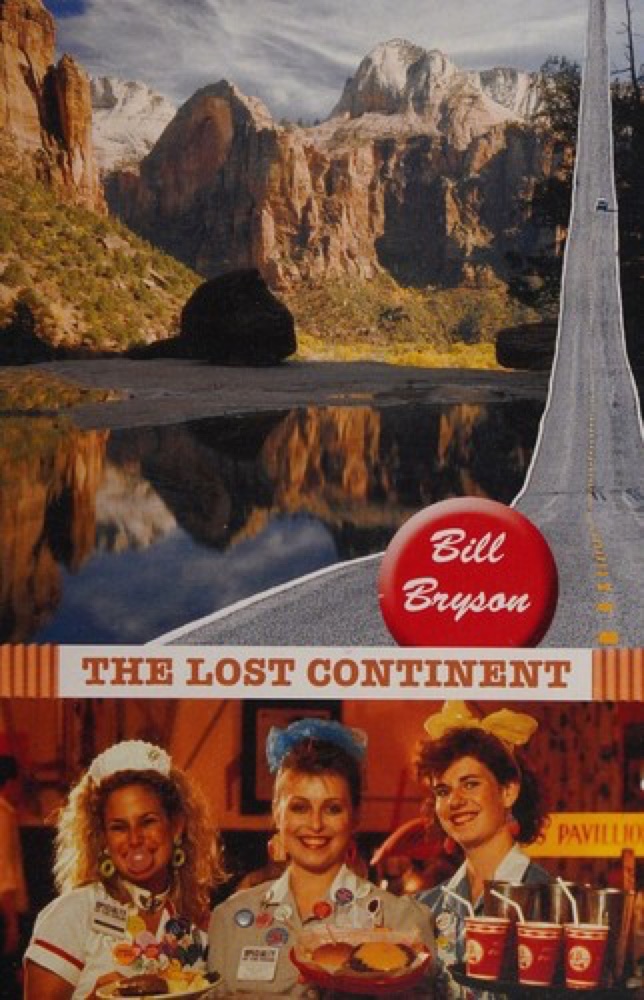 The Lost Continent: Travels in Small Town America
 Severance
 Dhalgren
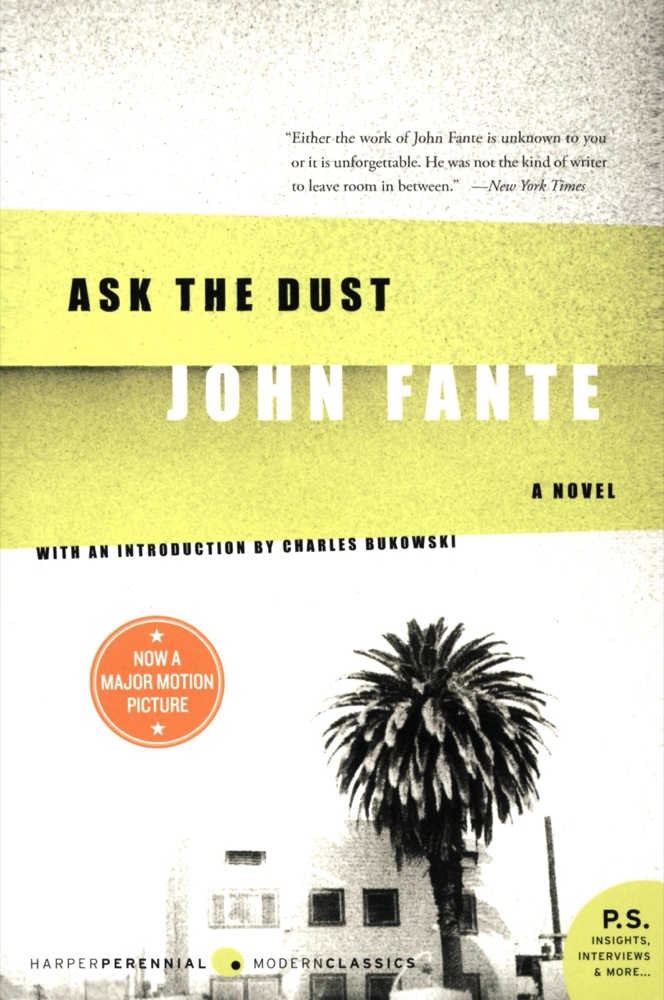 Ask the Dust
 White Tears
 Neither Here nor There: Travels in Europe
 Mason & Dixon
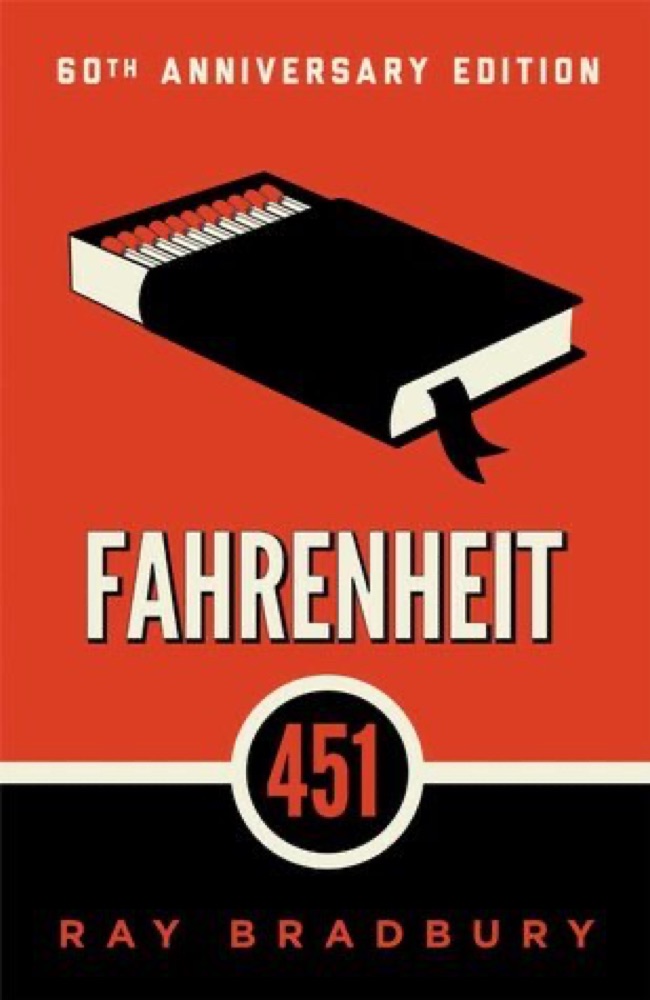 Fahrenheit 451
 Sabbath's Theater
 Desolation Angels
 The Salmon of Doubt
 Paris to the Moon
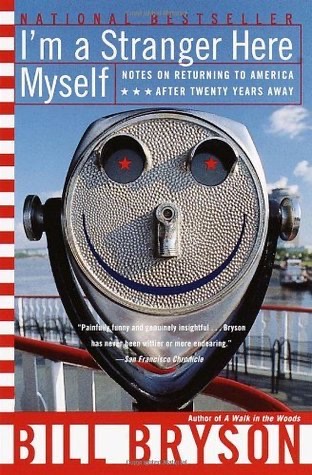 I'm a Stranger Here Myself: Notes on Returning to America after Twenty Years Away
 Bicycle Diaries
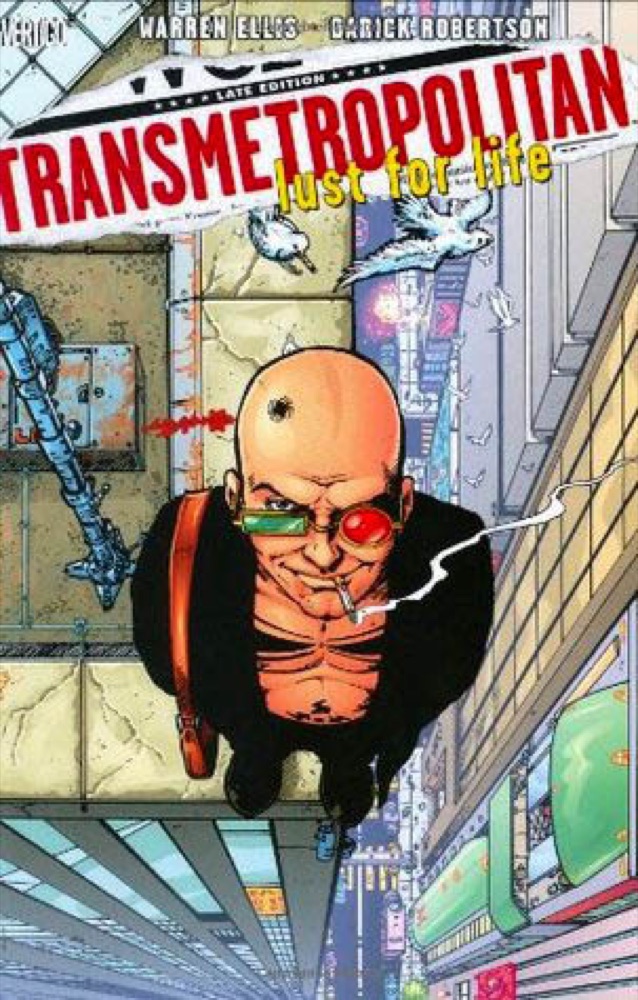 Transmetropolitan, Vol. 5: Lonely City
 Take the Cannoli
 The Waste Lands
 Chronicle in Stone
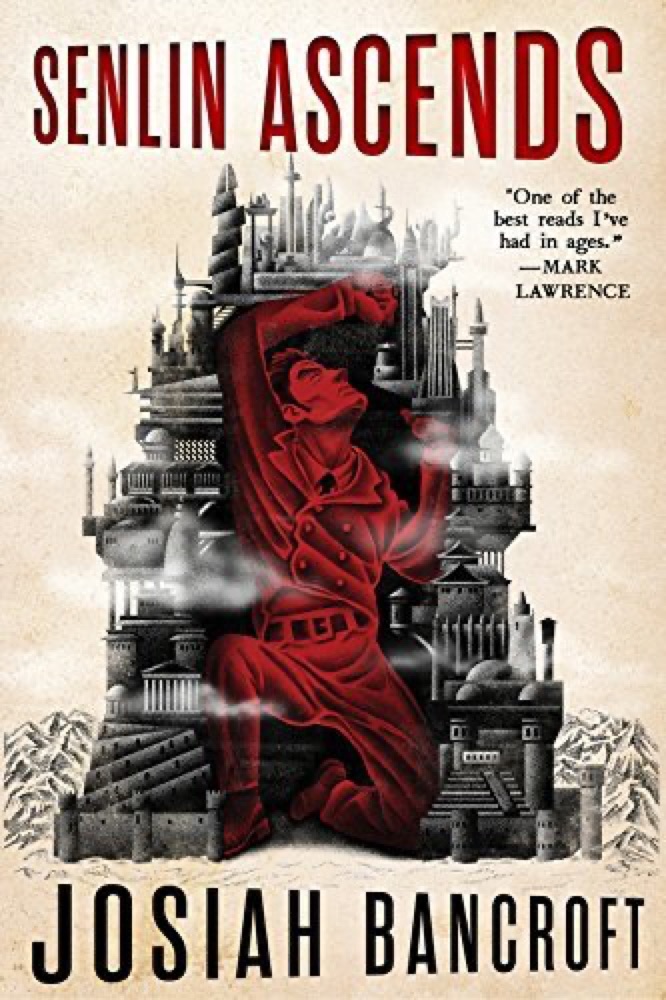 Senlin Ascends
 City
City
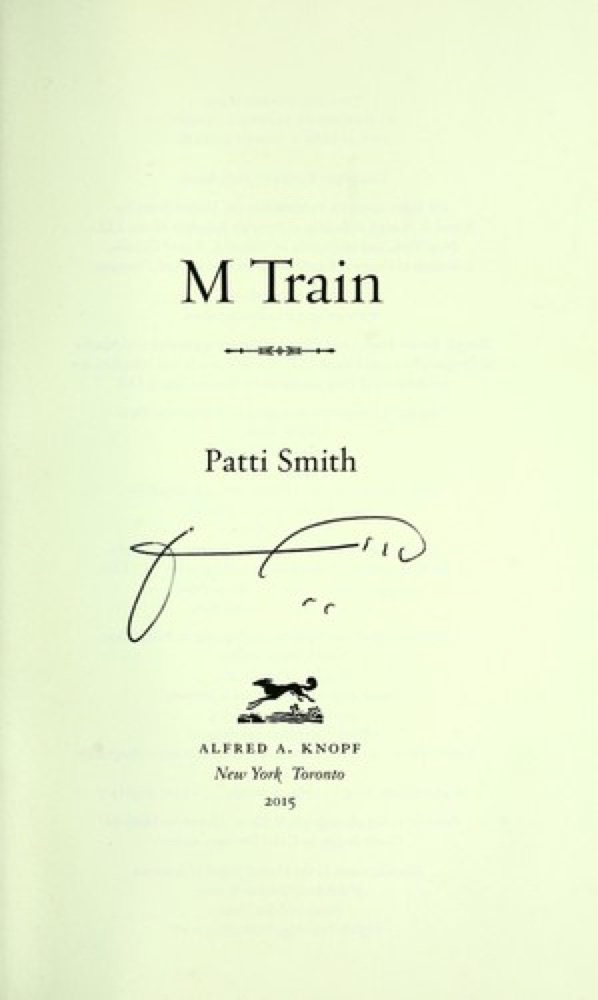 M Train
 Charlotte Street
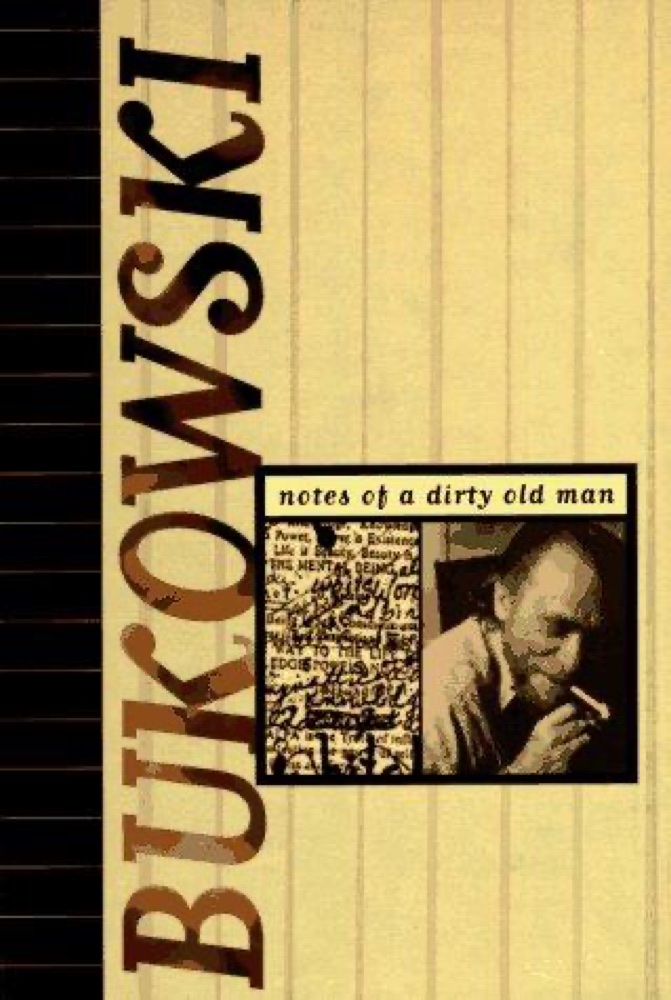 Notes of a Dirty Old Man
 The Mark and the Void
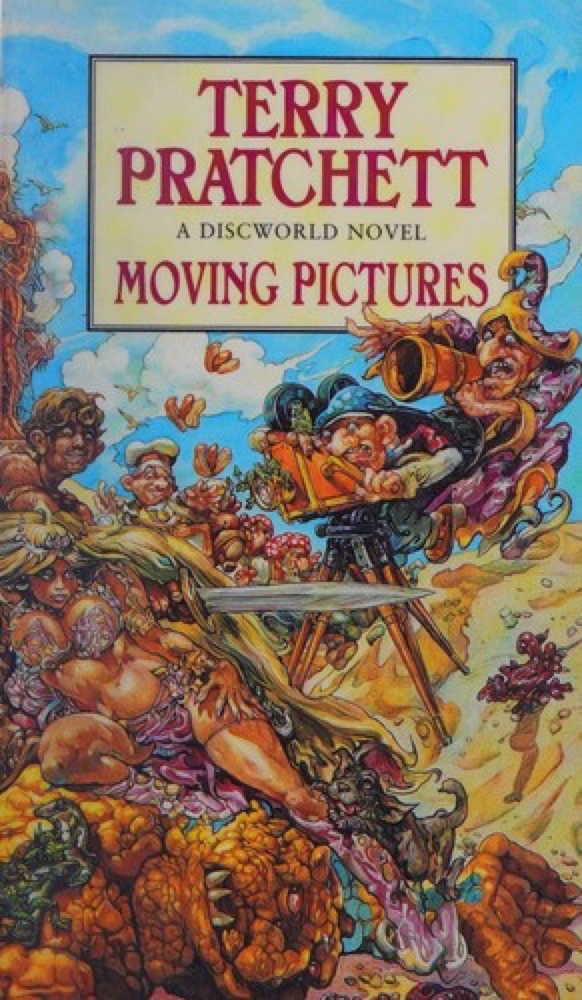 Moving Pictures
 Money
Money
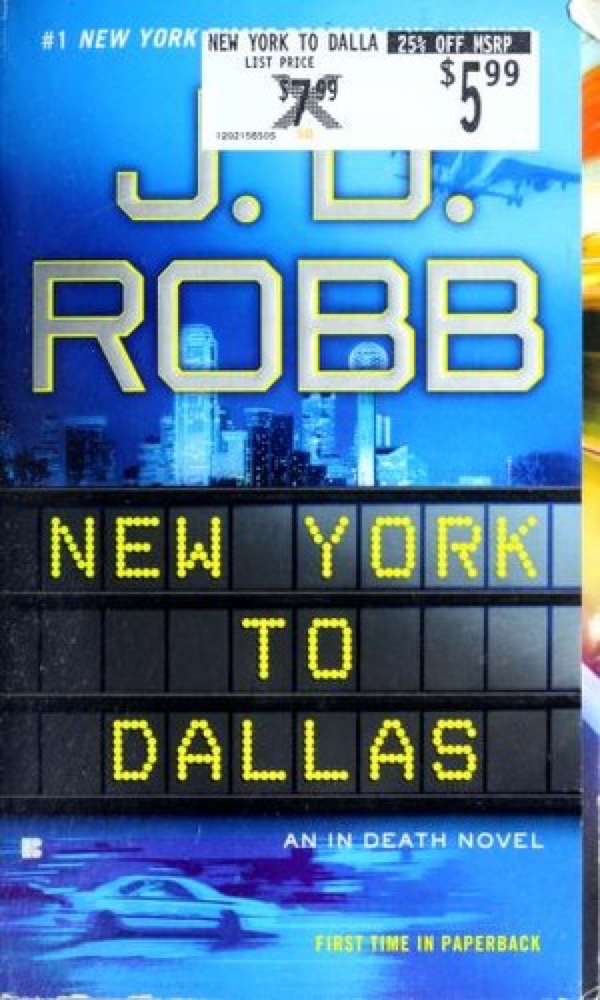 New York to Dallas
 Are We There Yet?
 You Can't Go Home Again
 Lunch Poems
 Picture Perfect
 Our Town
 Fiesta
 Norwegian by Night
 Born to Run
 All the King's Men
 Bleeding Edge
 West with the Night
 Under the Tuscan Sun
 On the Road
 Angels in America
 All the Water in the World
 Less
Less
 Dandelion Wine
 Snow Crash
 I Remember Nothing: and Other Reflections
 13 Little Blue Envelopes
 Eve's Hollywood